
Medical History
-
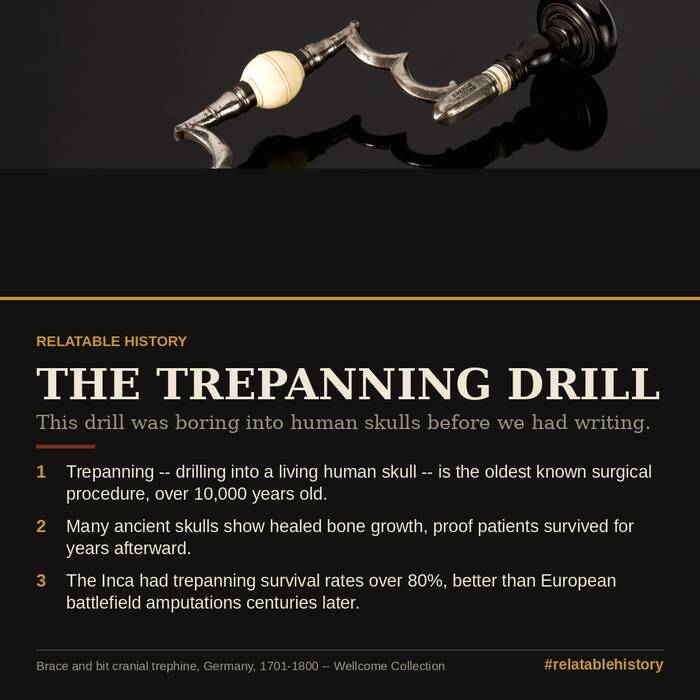
This Drill Bored Into Human Skulls | Object Histories
Note: this object was posted twice to YouTube with two different video IDs. We’re using the newer upload below. This drill was built to bore straight through a human skull — and people survived it. Ancient healers used flint, shark teeth, and sheer skill to perform brain surgery millennia before anesthesia existed. Trepanning is one…
-
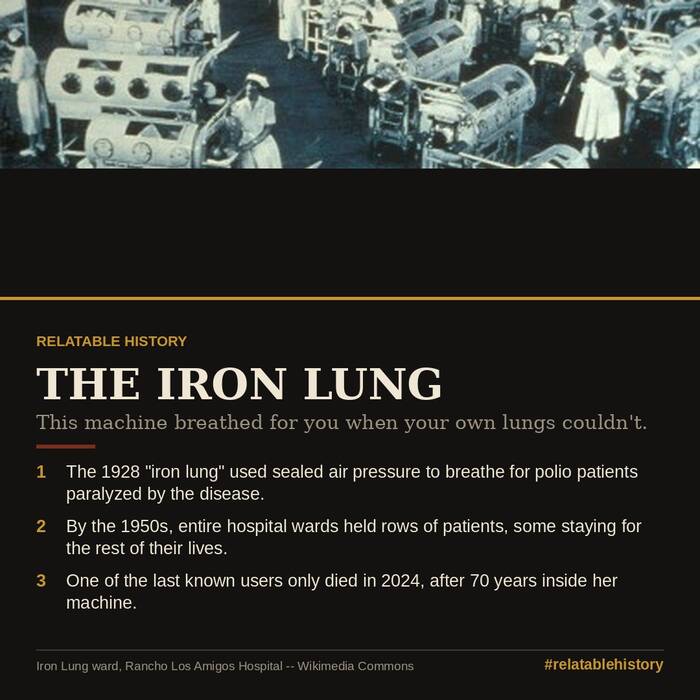
The Machine That Breathed For You | Object Histories
In 1928, doctors sealed an eight-year-old girl inside a metal chamber called the Drinker respirator — and her breathing steadied within a minute. You know it as the iron lung, and for nearly fifty years it was the only thing standing between tens of thousands of polio patients and suffocation. This is the full story:…
-
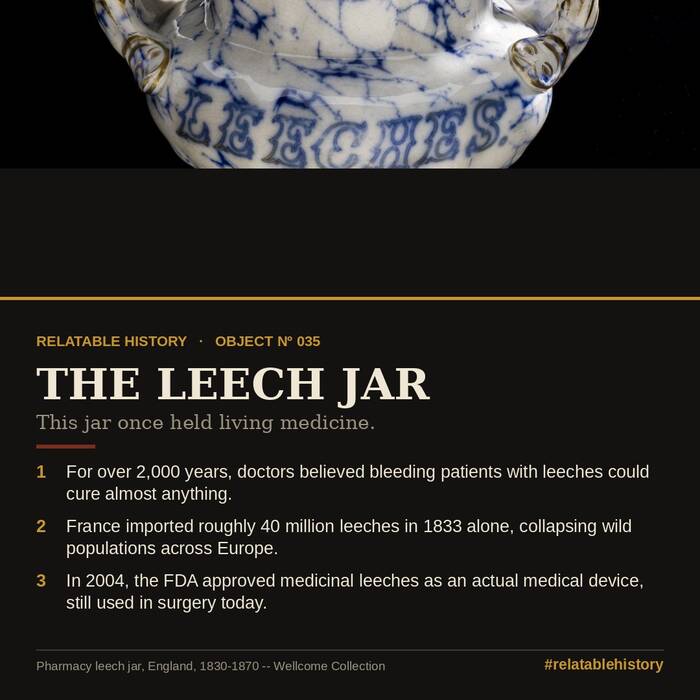
This Jar Once Held Living Medicine | Object Histories
This ceramic jar once held some of the most valuable creatures in medicine. For two thousand years, doctors believed that bleeding a patient could cure almost anything, and leeches were the preferred tool for it, right up until French pharmacies were importing forty million of them in a single year. This is the strange, occasionally…
-
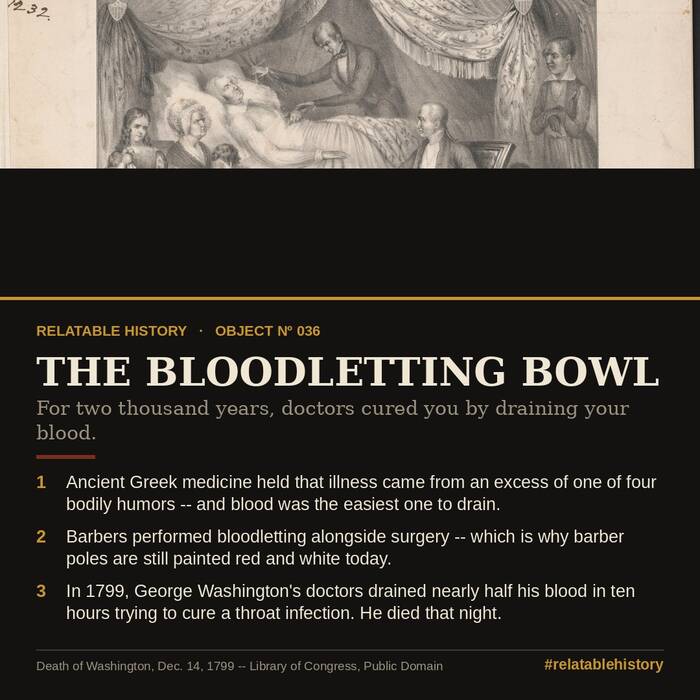
Doctors Cured You By Draining Your Blood | Object Histories
For roughly two thousand years, if you got sick almost anywhere in the Western world, a doctor’s first move was to cut you open and drain your blood into a bowl like this one. From ancient Greek humoral theory to the death of George Washington, this is the full story of bloodletting: the tools, the…
-
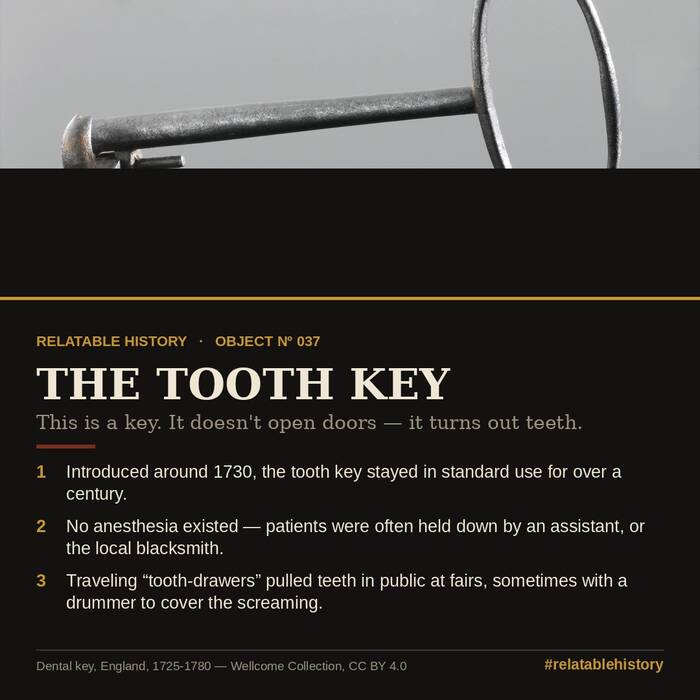
A Key That Pulled Your Teeth Out | Object Histories
This is a key. For over a hundred years it was standard equipment for pulling a rotten tooth — no anesthesia, sometimes in the middle of a crowded market square with a drummer playing to cover the screaming. From the pelican that came before it, to the Key of Garengeot, to the forceps and ether…
-
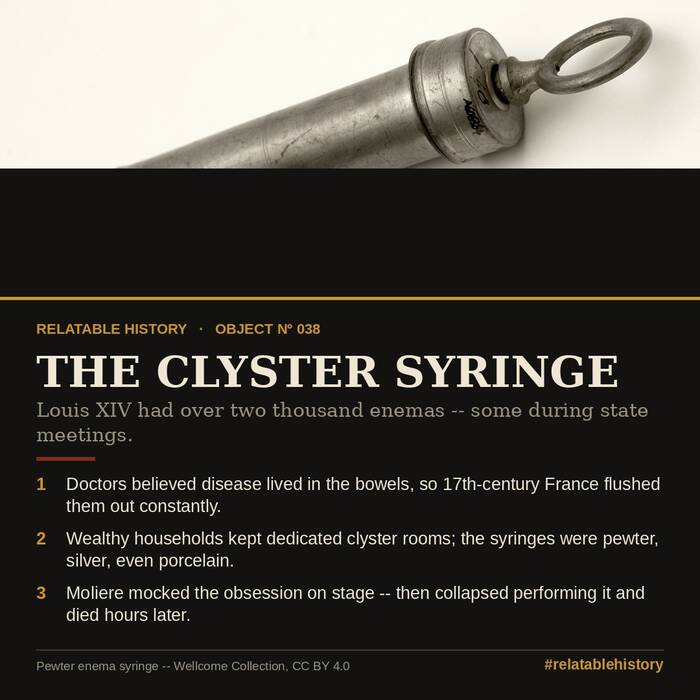
Louis XIV’s 2,000 Enemas | Object Histories
Louis XIV received over two thousand enemas in his lifetime — some administered during actual meetings of state. For two centuries the clyster syringe was a genuine status symbol in French high society: crafted from silver and porcelain, displayed like jewelry, and taken as often as three or four times a day. This is the…
-
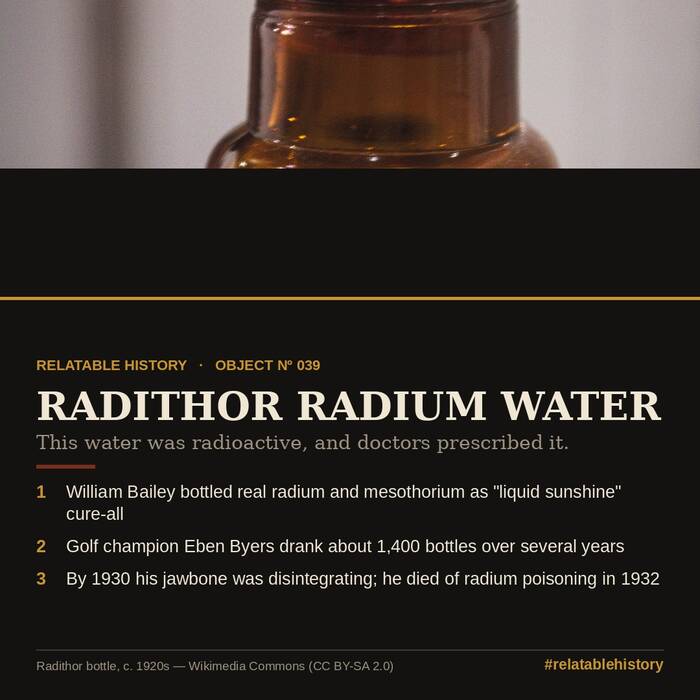
Liquid Sunshine: The Radioactive Water Doctors Prescribed | Object Histories
In the 1920s, a con man named William Bailey bottled real radium and sold it as “perpetual sunshine” — a cure-all tonic that doctors prescribed and pharmacies stocked. His most devoted customer was Eben Byers, a wealthy steel executive and U.S. Amateur golf champion, who drank roughly 1,400 bottles before his jaw began to disintegrate.…
-
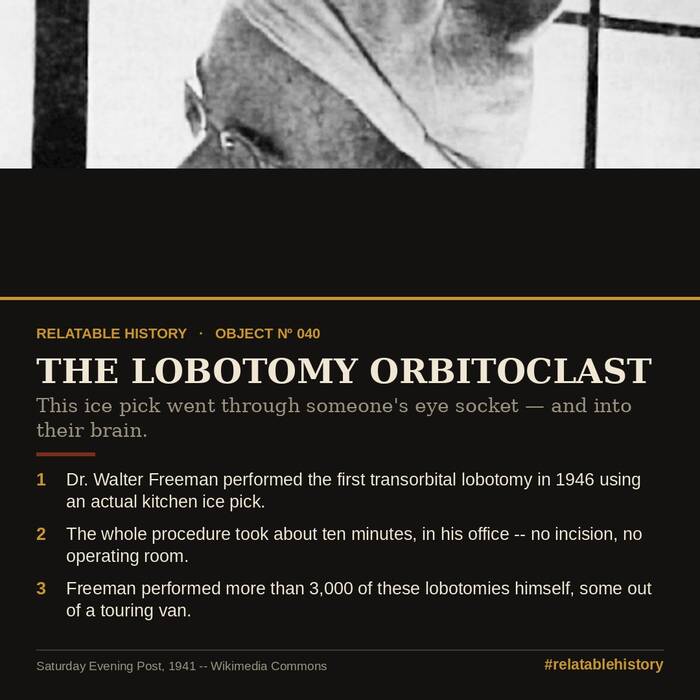
The Ice Pick That Performed Brain Surgery | Object Histories
In 1946, an American doctor performed brain surgery with a tool from his own kitchen — an ice pick. Over the next two decades he’d perform more than 3,000 of these procedures himself, touring state hospitals in a station wagon reporters nicknamed the “lobotomobile.” This is the real history of the ice pick lobotomy, from…
-
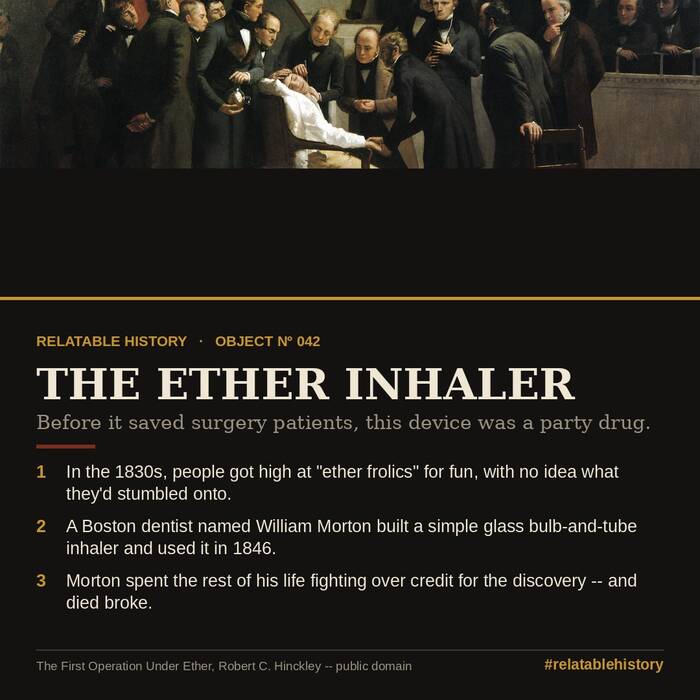
The Party Drug That Ended Surgical Pain | Object Histories
Before it ever reached an operating room, ether was a party drug. College students and traveling showmen hosted “ether frolics,” inhaling the sweet-smelling gas for laughs — until a Boston dentist watched a man stumble through one of those parties without feeling a thing, and wondered if it could stop the screaming in his own…
-
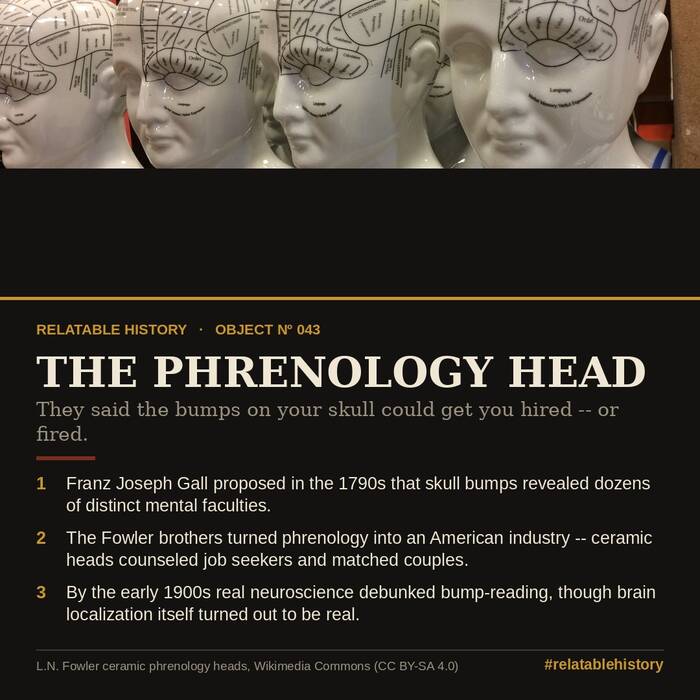
They Read Your Skull Before Hiring You | Object Histories
In the 1800s, employers really did hire skull-readers to feel job applicants’ heads before making an offer. Phrenology claimed the bumps and contours of your skull revealed everything from your honesty to your intelligence, and for decades it was taken seriously enough to shape hiring decisions, marriages, and even criminal trials. This is the full…