Watch
Every Relatable History video, newest first: Object Histories, Old Ways and History’s Mysteries.
-
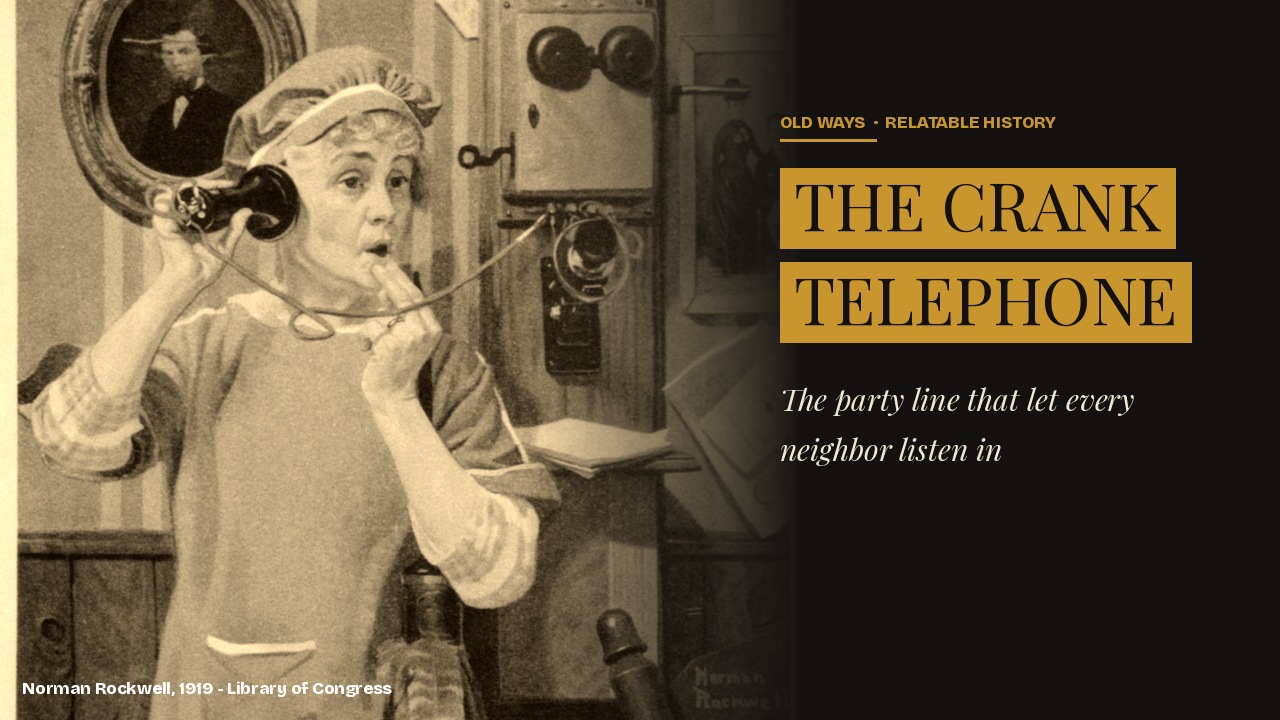
The Crank Telephone: Some Farmers Wired It Through a Barbed-Wire Fence
Read the full history: The Telephone Companies America's Farmers Built Themselves Before a phone call meant privacy, it meant an audience. For most of American telephone history, picking up the receiver meant picking up a line that a dozen other households could hear too — a party line, run for decades through a hand-cranked wooden…
-
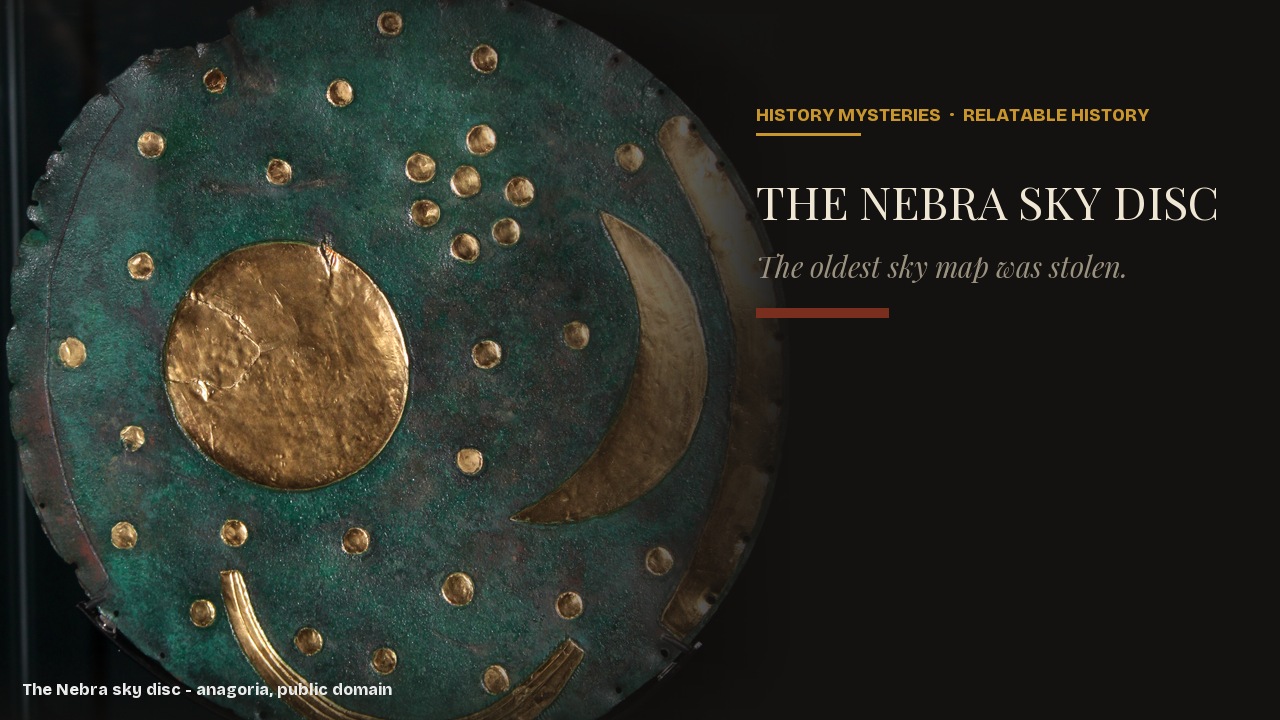
The Oldest Sky Map Was Dug Up By Thieves | History Mysteries
Read the full history: The Nebra Sky Disc Dating Dispute, Explained Two unlicensed treasure hunters pulled a bronze disc out of the Mittelberg in the Ziegelroda Forest in 1999, chipped it with a spade, and sold it the next day in Cologne for 31,000 marks – destroying the find context that would have settled what…
-
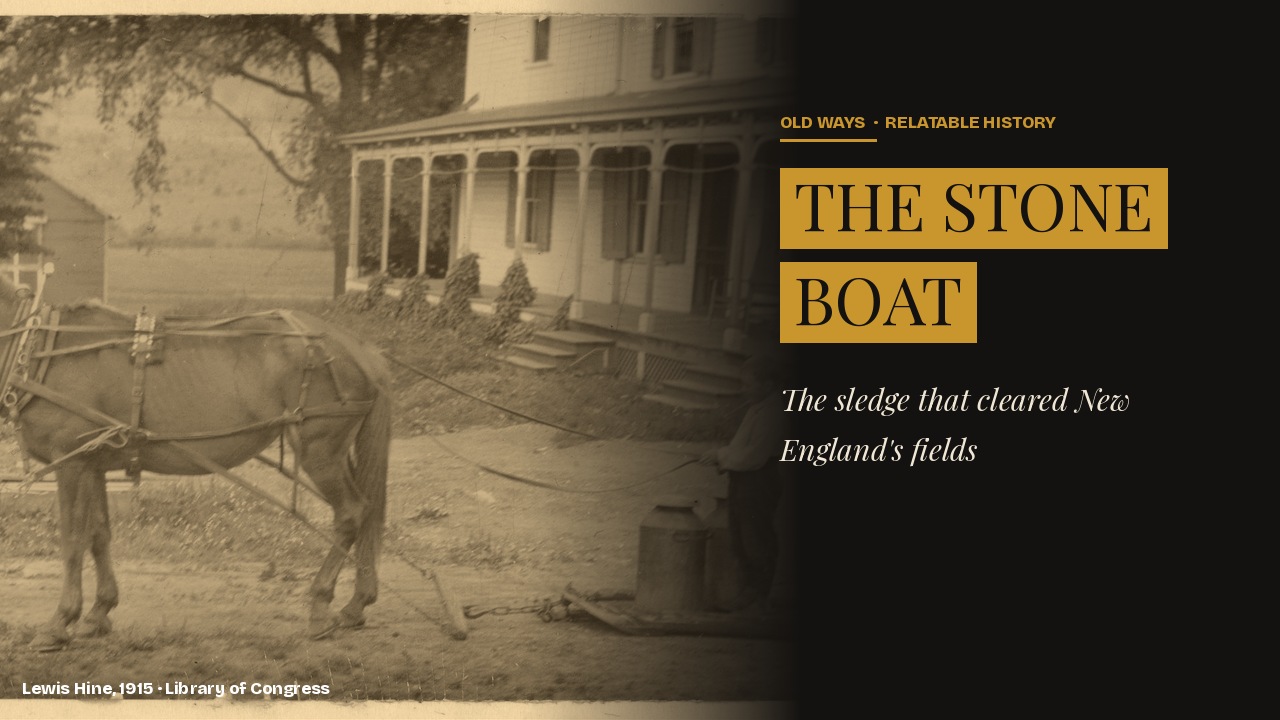
The Stone Boat | Old Ways
Read the full history: Why New England's Stone Walls Run 240,000 Miles This boat has never touched water. For nearly two centuries, farmers across New England and the upper Midwest dragged a flat wooden sledge across their fields every winter, hauling away the stone the glaciers left behind — one load at a time, by…
-
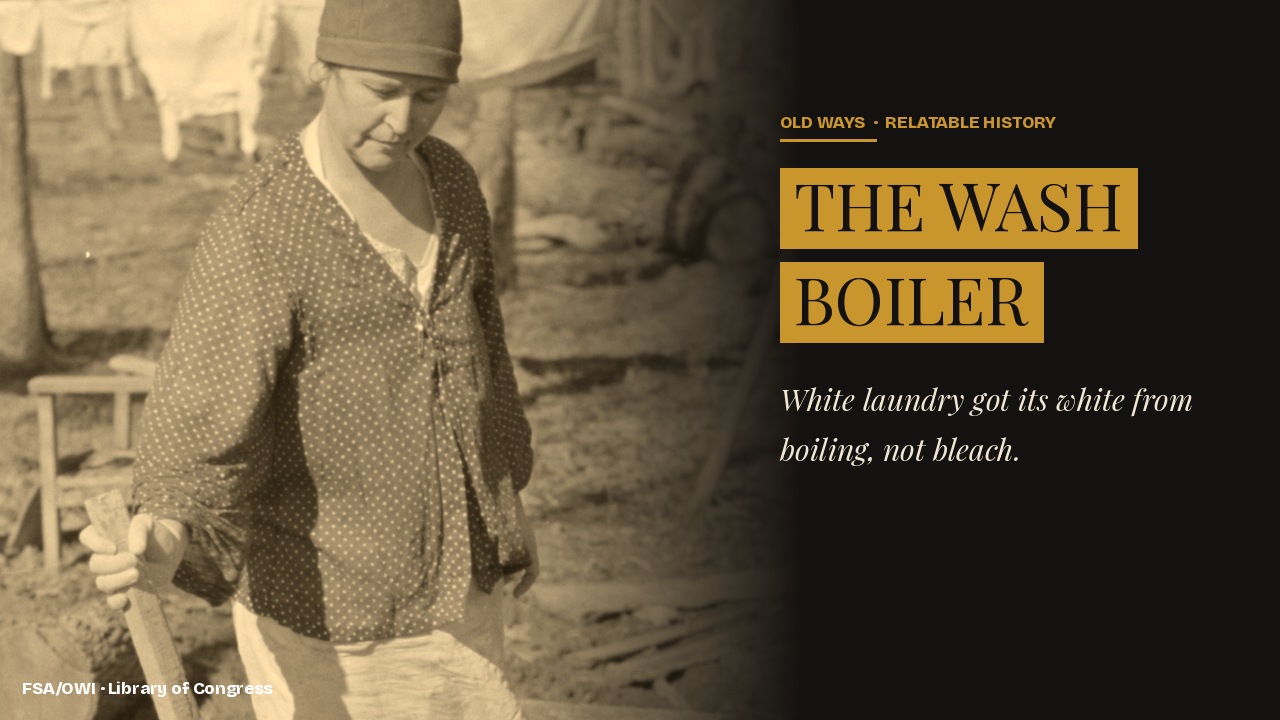
The Wash Boiler | Old Ways
Read the full history: Wash Day Before Washing Machines Started With a Patent Fight White laundry got its white from boiling, not bleach. For most of American history, keeping laundry white meant a galvanized or copper wash boiler — a long oval tub set to straddle two stove burners — filled with water, soap, and…
-
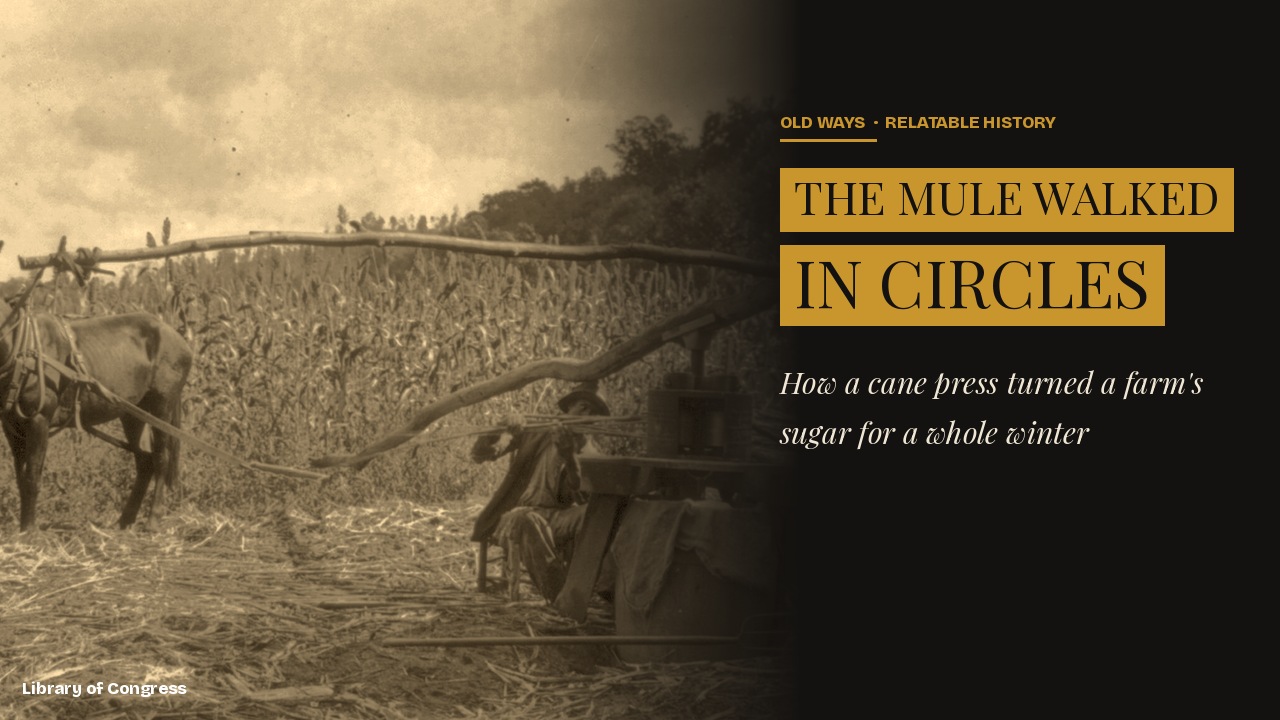
The Sorghum Mill | Old Ways
Read the full history: How Sorghum Syrup Was Made Before Sugar Came in a Sack The mule walked in circles so the whole county could have something sweet. Every autumn, small farms across the South and up through Appalachia cut down tall cane stalks, hitched a mule to a wooden sweep, and spent a full…
-
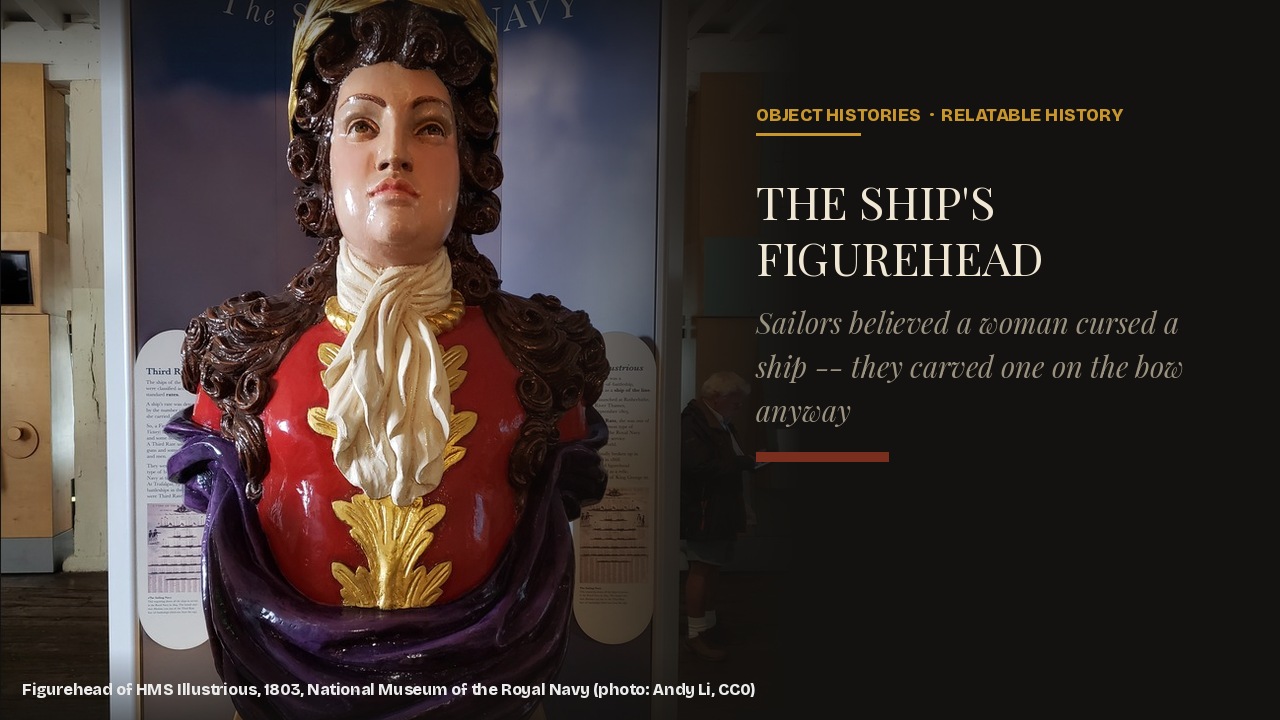
Why Sailors Carved “Cursed” Women Onto Their Ships’ Bows | Object Histories
Read the full history: The Strange, Three-Thousand-Year History of the Ship's Figurehead Sailors believed a woman on board could curse a ship — then spent centuries carving one onto the bow anyway. The figurehead’s story runs from a lioness goddess on an Egyptian temple wall to a wooden witch still sailing today at Greenwich. Watch…
-
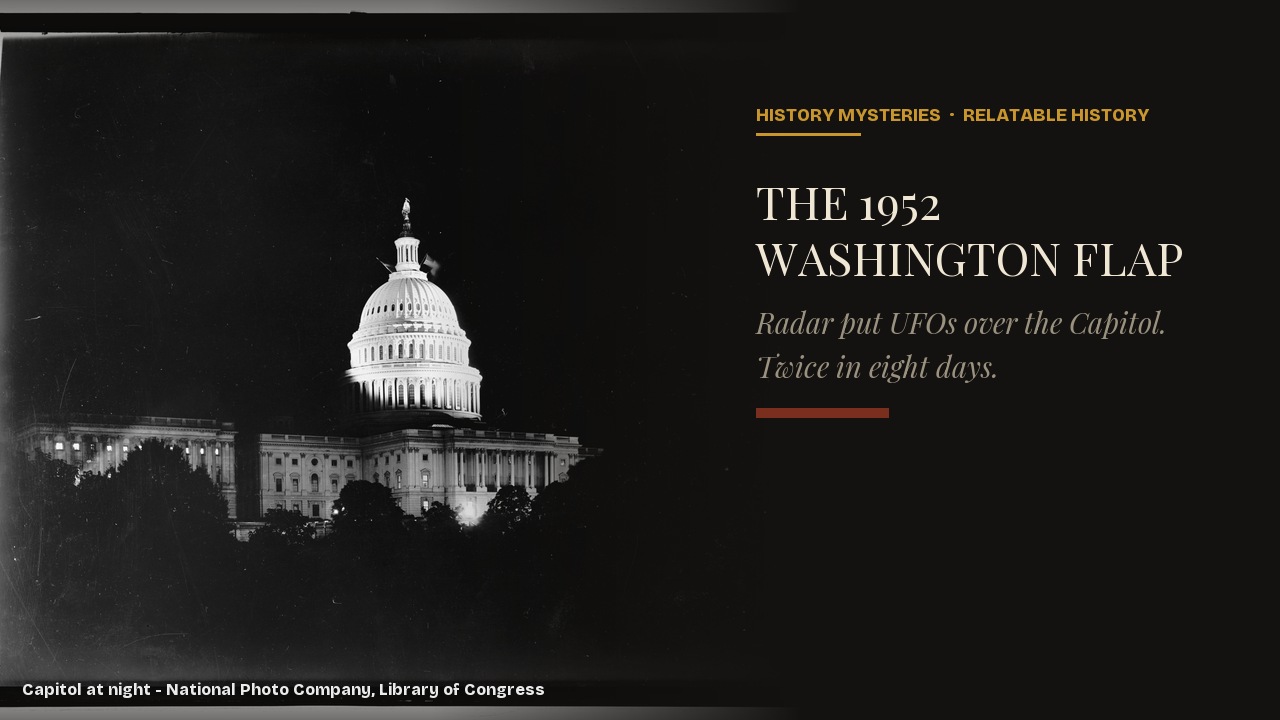
The UFO Case That Got Its Own Press Conference | History Mysteries
Read the full history: The Robertson Panel UFO Report, Explained On two Saturday nights in July 1952, radar at Washington National Airport and Andrews Air Force Base tracked unidentified returns over restricted airspace above the capital, F-94 interceptors came down from Delaware, and airline crews reported lights where the blips were. On 29 July the…
-
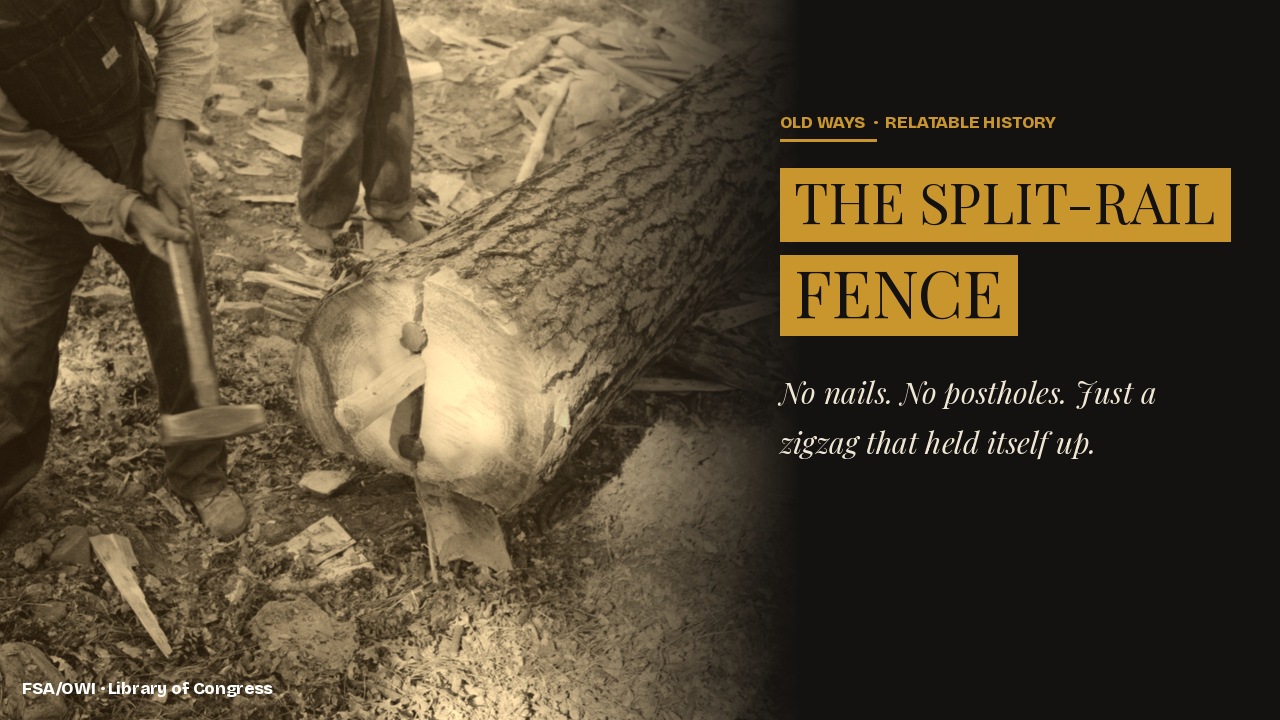
The Split-Rail Fence
Read the full history: The Real History of the Worm Fence No nails, no postholes, no hinges — just split logs stacked in a zigzag that held itself up. This was the worm fence (also called a snake or zigzag fence), the first fence most American farms ever had. A farmer split logs off the…
-
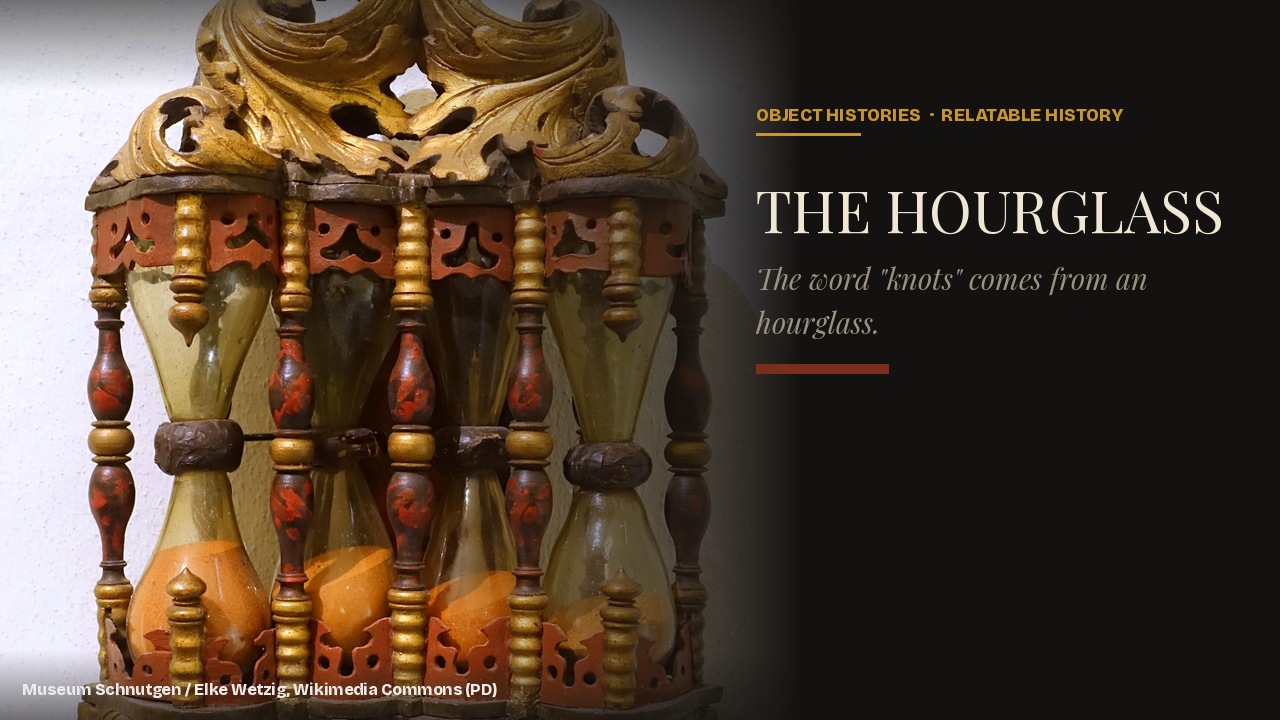
The Hourglass: Why Sailors Called It “Knots”
Read the full history: How Hourglasses Were Made, and What Was Actually Inside Them The nautical speed unit “knots” comes straight from an hourglass. Sailors tossed a knotted rope off the stern and counted how many knots slipped through their hands before a 28-second sand glass ran empty — that count became the ship’s speed,…