
How people lived and worked before electricity: springhouses, root cellars, ice harvests, flax brakes and the everyday skills that kept a household running. Each Old Ways story comes as a short video and, for most topics, an in-depth article.
Each story below is the full, sourced article and includes its video. Just want to watch? See every Old Ways video →
-
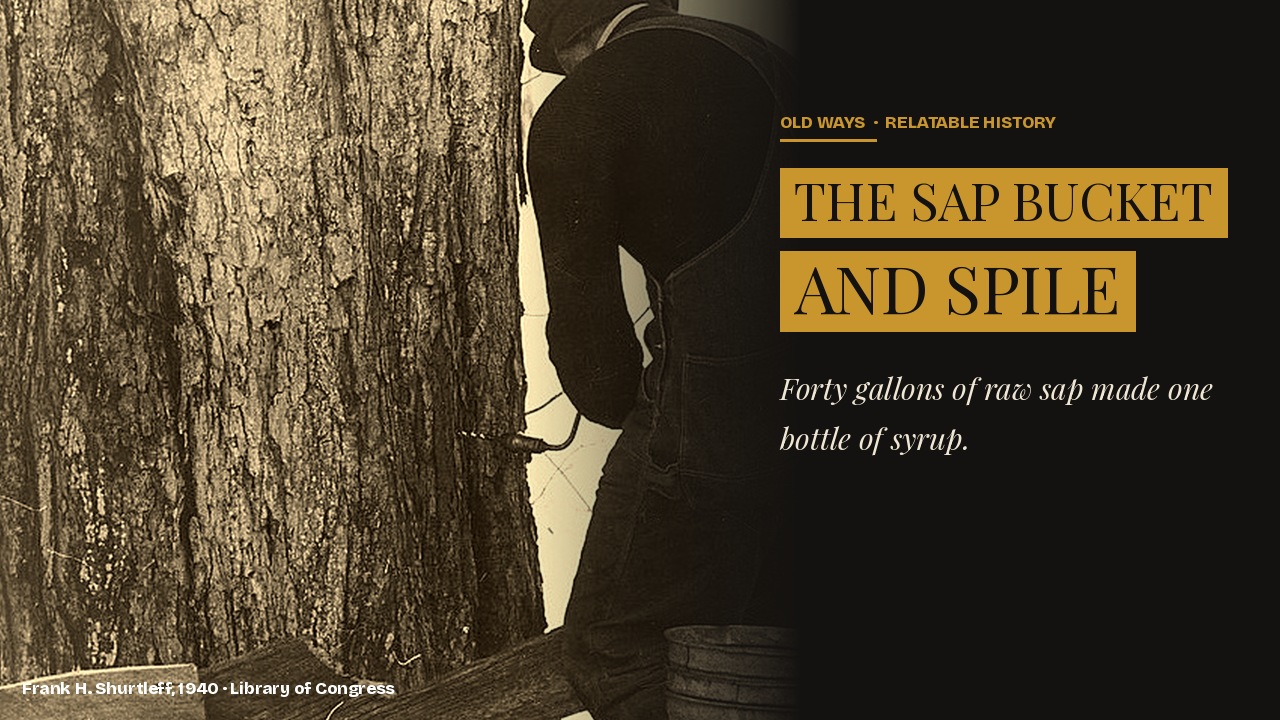
The History of Maple Sugaring, From Stone-Boiled Sap to a Stolen Fortune
Thomas Jefferson once planted sixty maple trees in a bid to undercut slave-grown cane sugar. That is only one stop in the fuller, stranger history behind the bucket and spile.
-
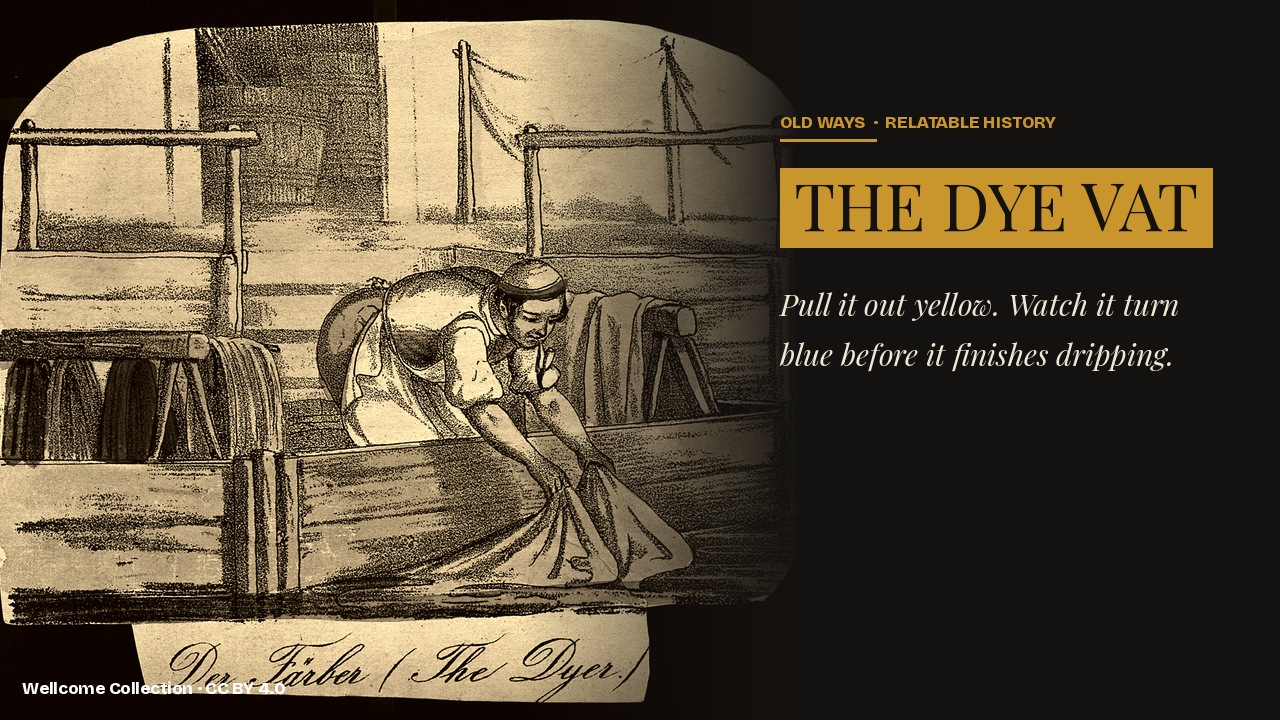
How Colonial Americans Dyed Cloth Before Store-Bought Dye Existed
Before synthetic dye came in a nickel packet, color for homespun cloth was grown, traded, or fermented at home — and one trick made plain yellow liquid turn sky blue in midair.
-
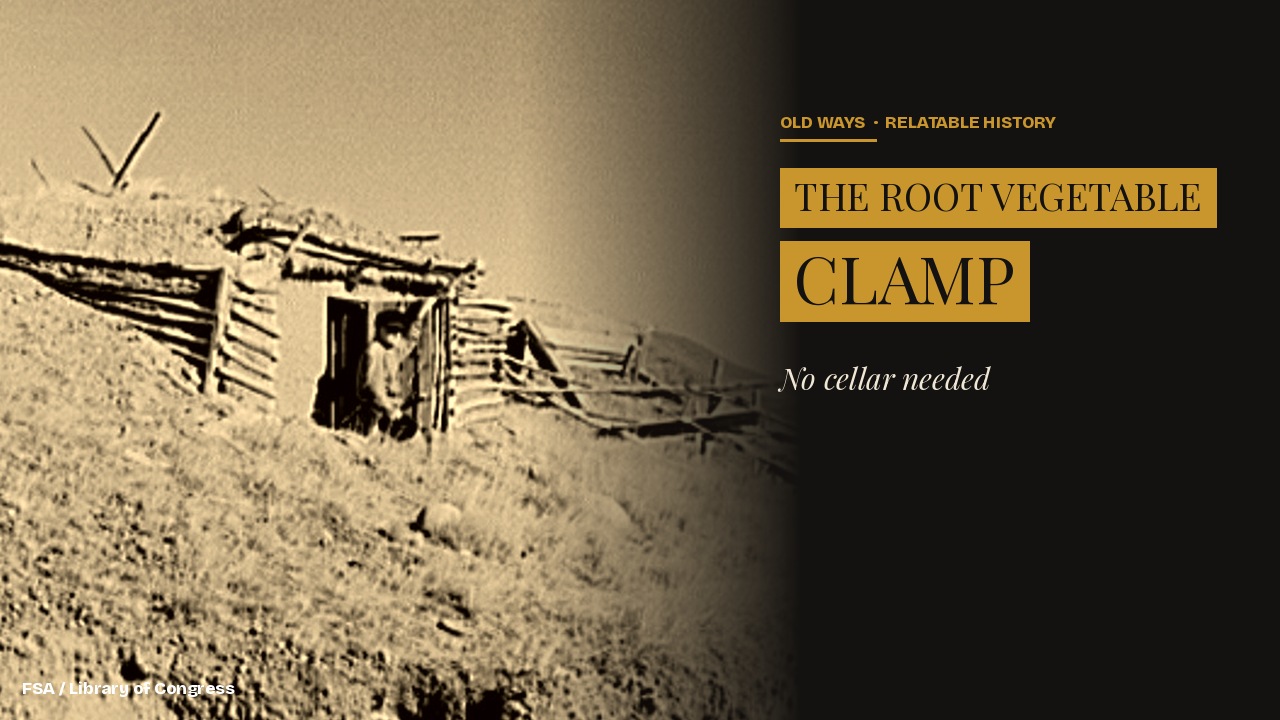
How to Store Root Vegetables All Winter Without a Cellar
Long before refrigeration, a farm without a root cellar buried its potatoes and turnips in a mound of straw and earth called a clamp — and two governments eventually made building one correctly a matter of official wartime advice.
-
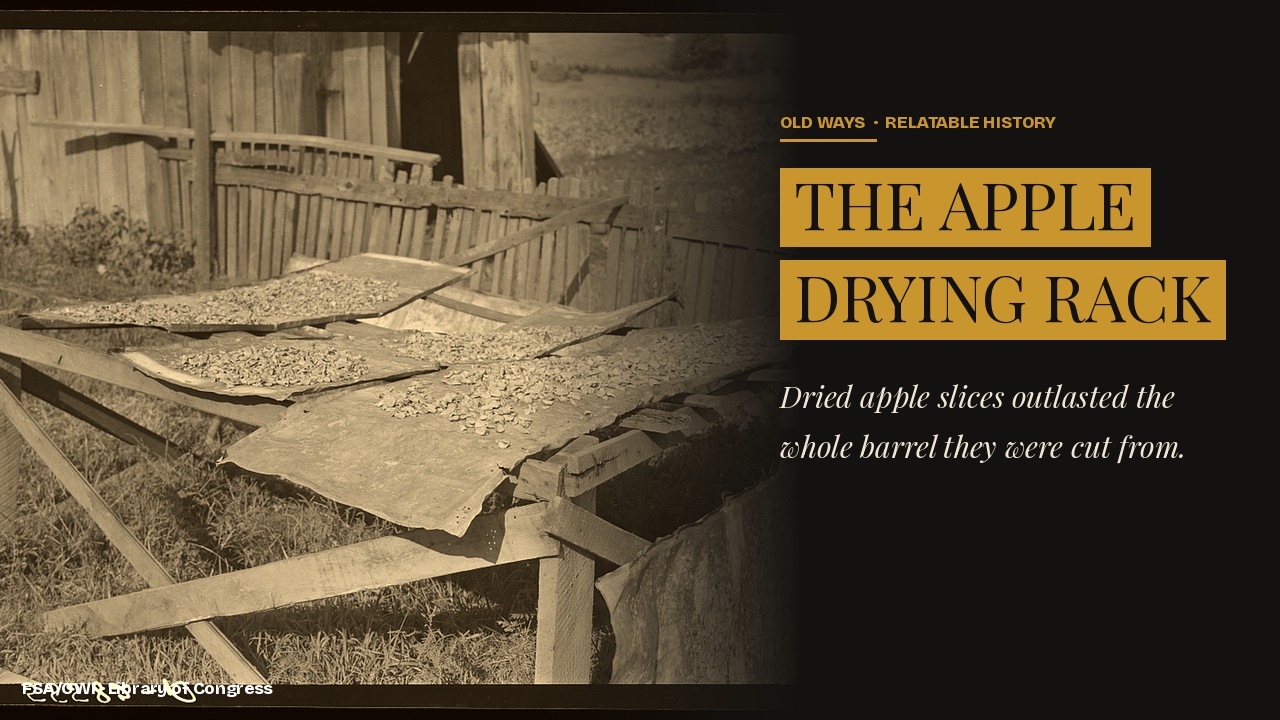
Drying Apples Before Refrigeration: How Farm Families Did It
For about a century, a Moravian sisterhood in colonial Pennsylvania ran a dedicated building whose only job was turning a fall apple harvest into food that would survive the winter. They were far from the only ones doing it.
-
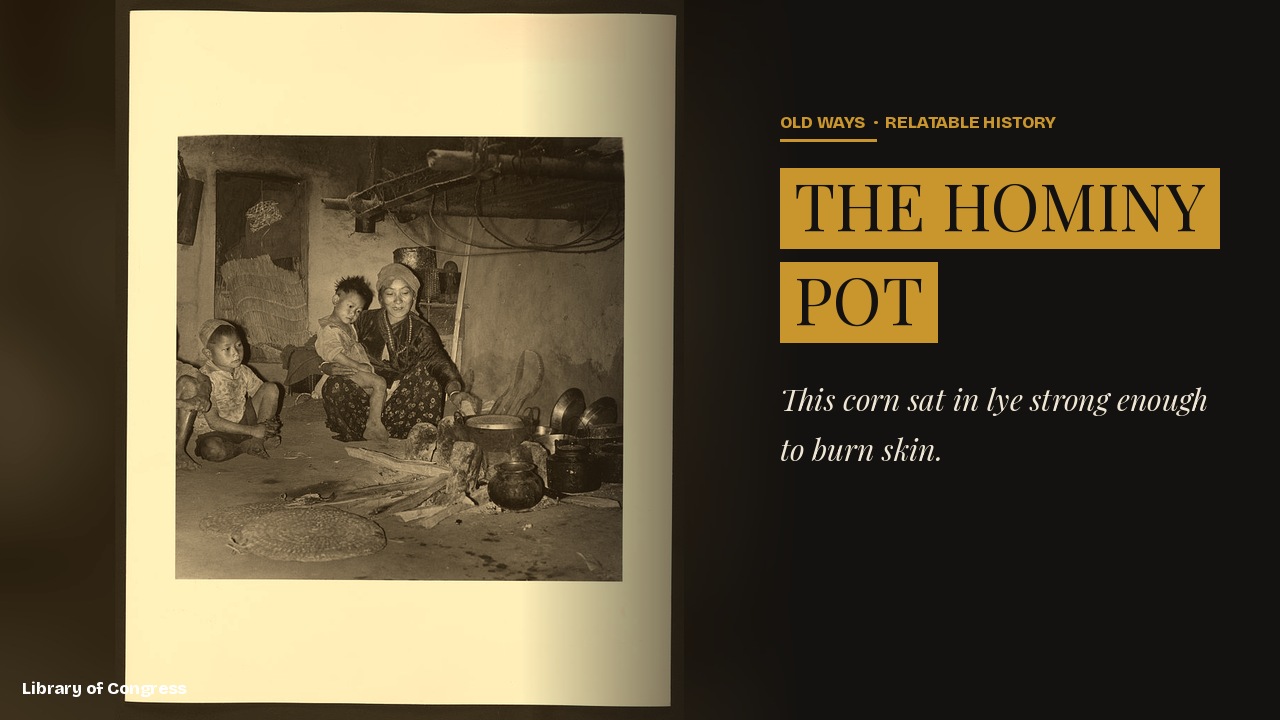
Why Corn Was Soaked in Lye Before It Became Breakfast
Hominy starts with corn sitting in water caustic enough to burn skin. The practice is at least three thousand years old, and abandoning it turned out to carry a measurable body count.
-
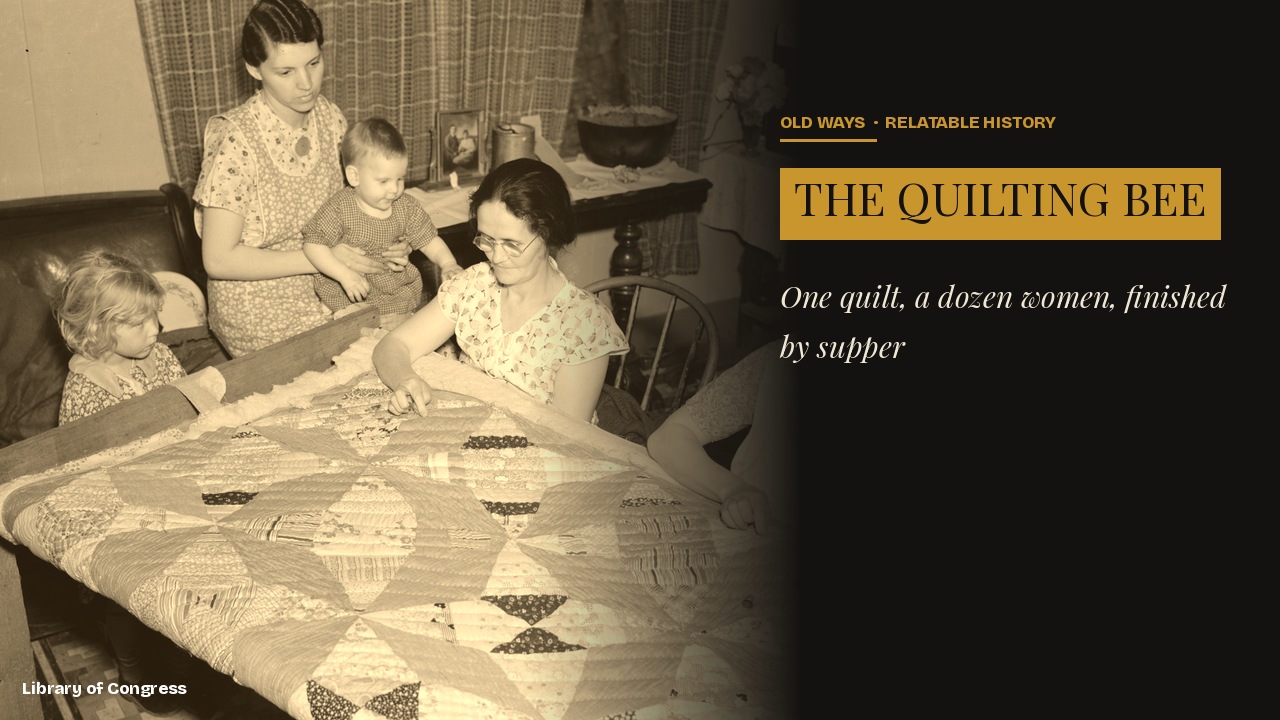
The Quilting Bee Was Already a Punchline by the 1860s
The quilting bee was real, but probably not the way you picture it. A 160-year-old joke photograph, a midwife’s diary, and a Depression-era square dance tell a stranger story.
-
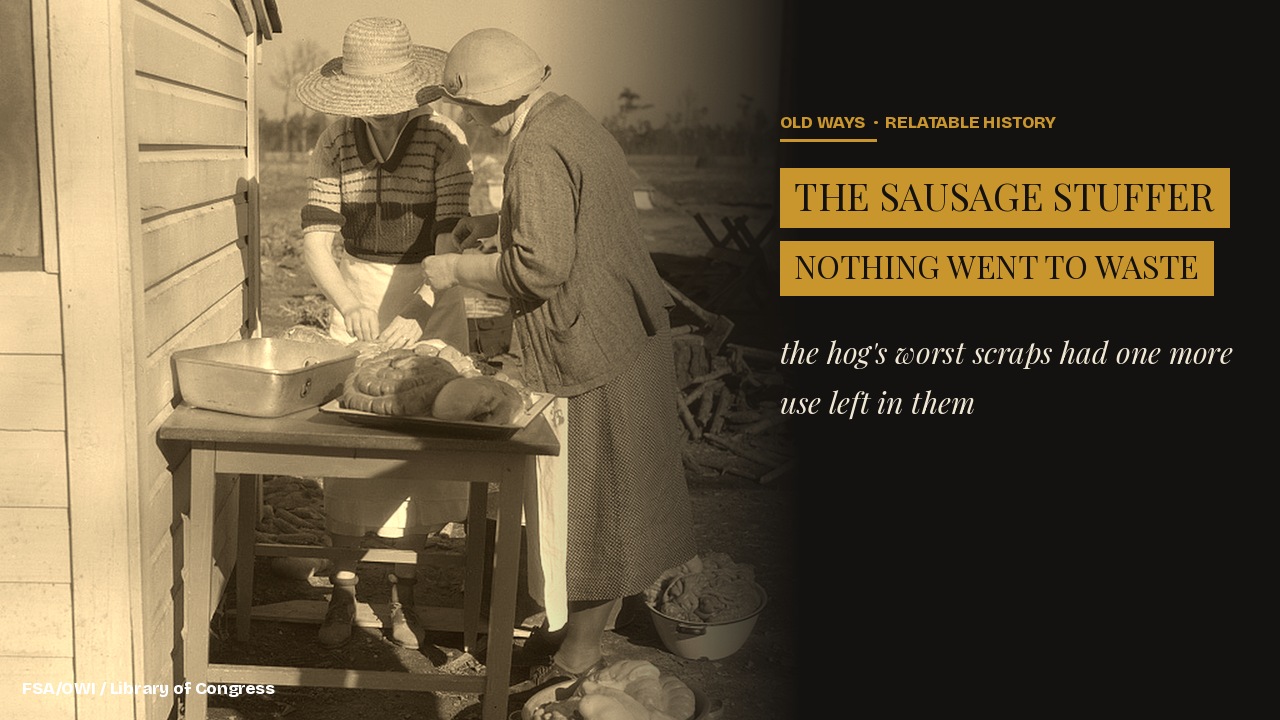
The History of the Sausage Stuffer: How Farms Wasted Nothing From a Hog
A hand-cranked grinder, a USDA recipe, and a neighborhood’s worth of cooperative labor turned a hog’s leftover scraps into a winter’s worth of sausage, until refrigeration made the whole system unnecessary.
-
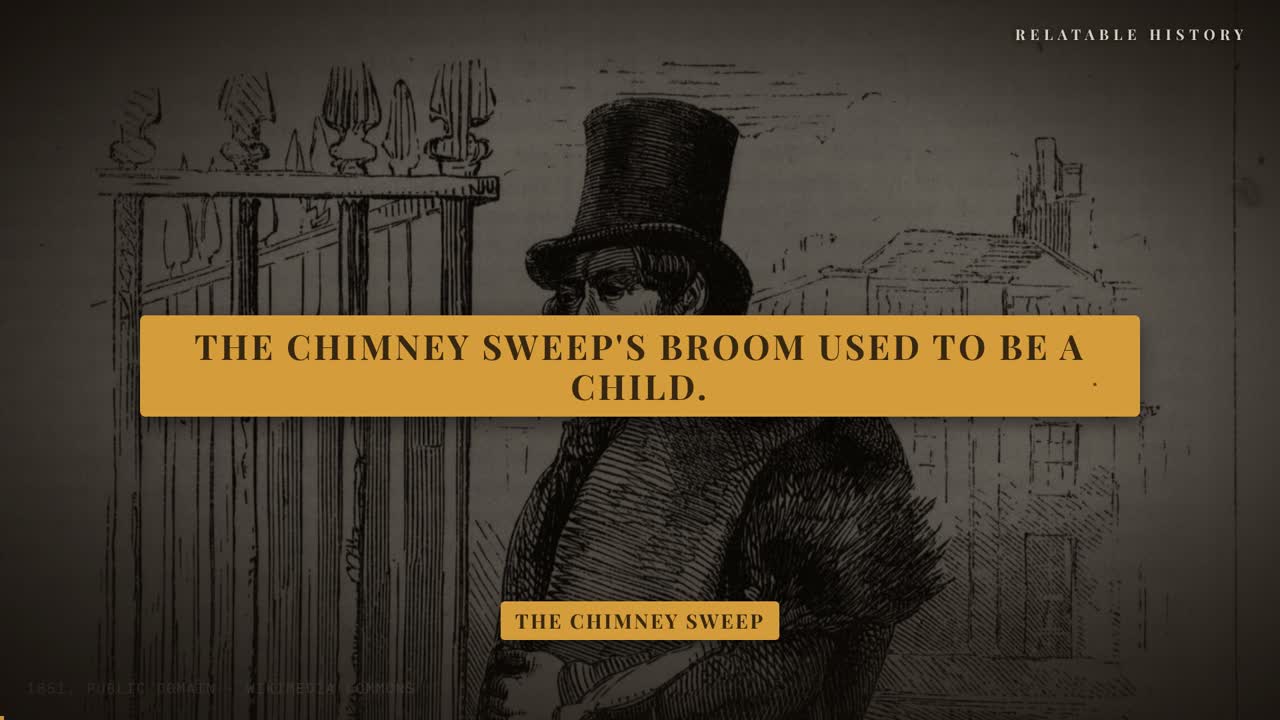
Climbing Boys: The Children Britain Sent Up Chimneys
Climbing boys were chimney sweeps apprenticed as young as four and sent inside flues nine inches wide. It took a surgeon’s cancer discovery, three failed laws, and one more child’s death to finally stop it.
-
How Much Firewood Heated a Farmhouse Through a 19th-Century Winter
A farmhouse with no coal or oil ran on wood that had to be cut, split, and dried for the better part of a year before anyone burned it — and what a single winter’s heat actually cost is still argued over by economic historians today.
-

What Was a War Garden? Inside America’s WWI Food Front
A multimillionaire with no government mandate talked a nation into digging up its lawns for food. Here’s how the campaign actually worked, and why its most famous numbers don’t quite add up.