
Watch
Every Relatable History video, newest first: Object Histories, Old Ways and History’s Mysteries.
-
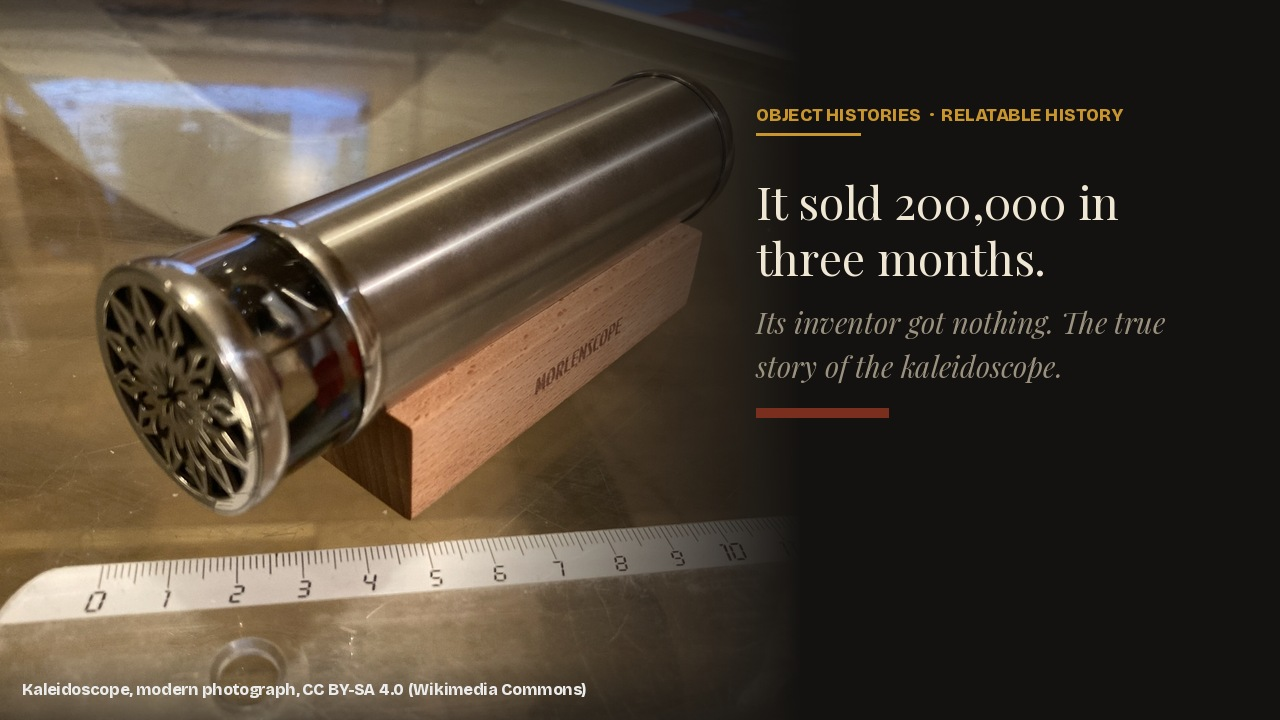
He Invented the Kaleidoscope. He Never Saw a Penny | Object Histories
Read the full history: The Kaleidoscope Patent That Failed Its Own Inventor In 1815, Scottish physicist David Brewster looked through a triangular trough of glass at some loose bits of cement and saw a perfect, symmetrical pattern. Two years later he patented the kaleidoscope. Within three months, roughly 200,000 of them had sold across London…
-
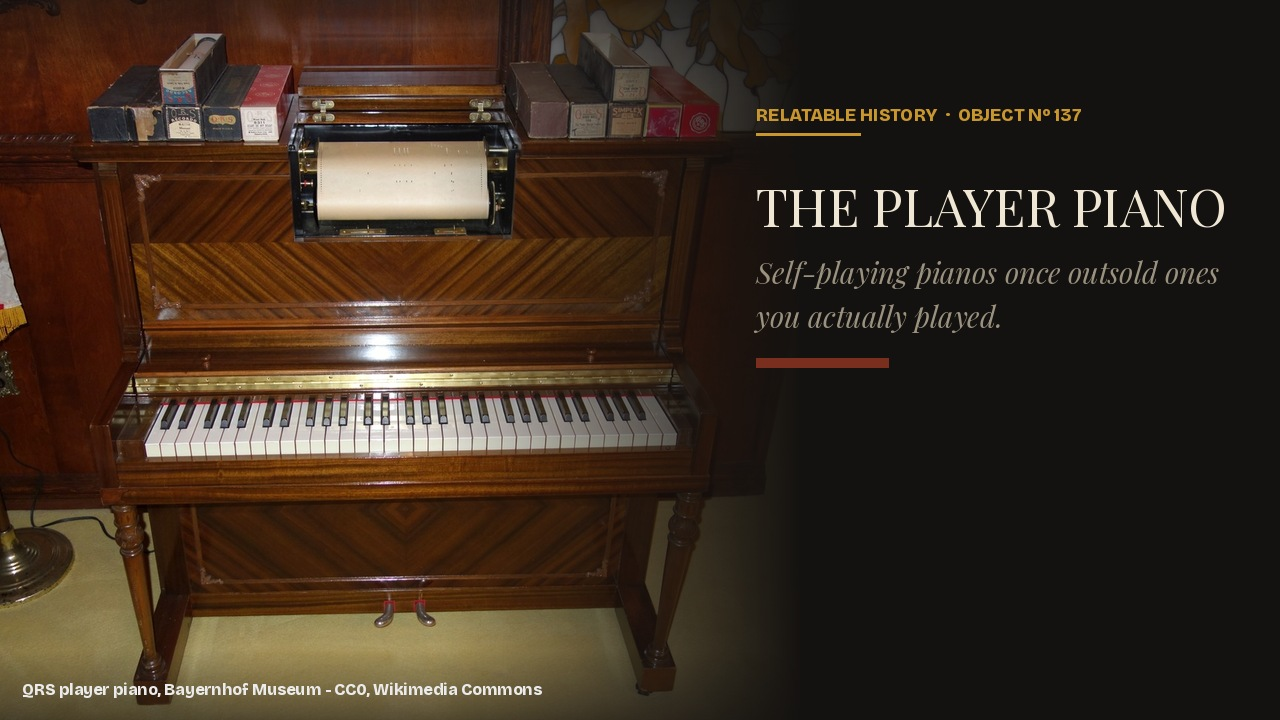
The Piano That Outsold Pianists | Object Histories
Read the full history: Why Player Pianos Outsold Real Pianos in 1924 Patented in 1896 as the Pianola, the player piano read holes punched into paper rolls, powered entirely by foot-pumped bellows — no one touched the keys. By 1908 manufacturers agreed on a single roll standard, so any piano could play any song, and…
-
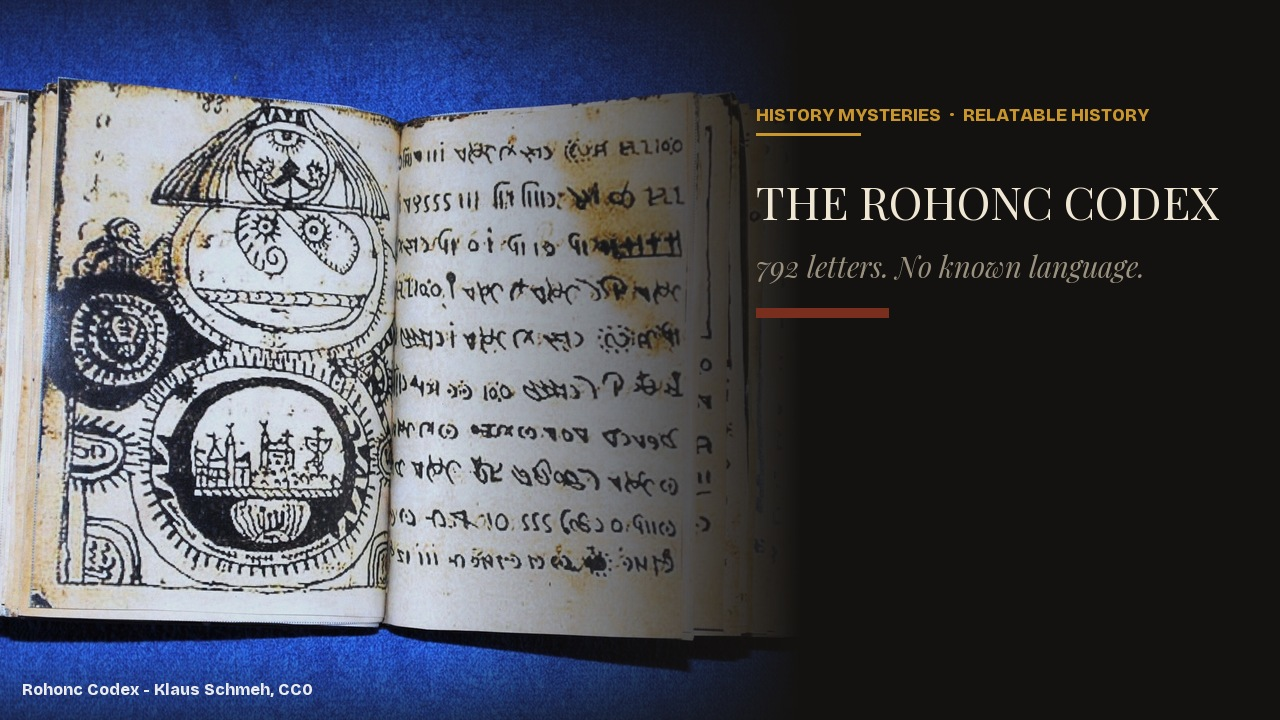
The Rohonc Codex: 448 Pages Nobody Can Read | History Mysteries
Read the full history: Rohonc Codex Deciphered? Inside a 450-Page Mystery Read the full history: The Rohonc Codex: What 792 Signs Turned Out to Mean One small book in the library of the Hungarian Academy of Sciences has never been read. It arrived in 1838 with Count Gusztav Batthyany’s library from Rohonc, it runs to…
-
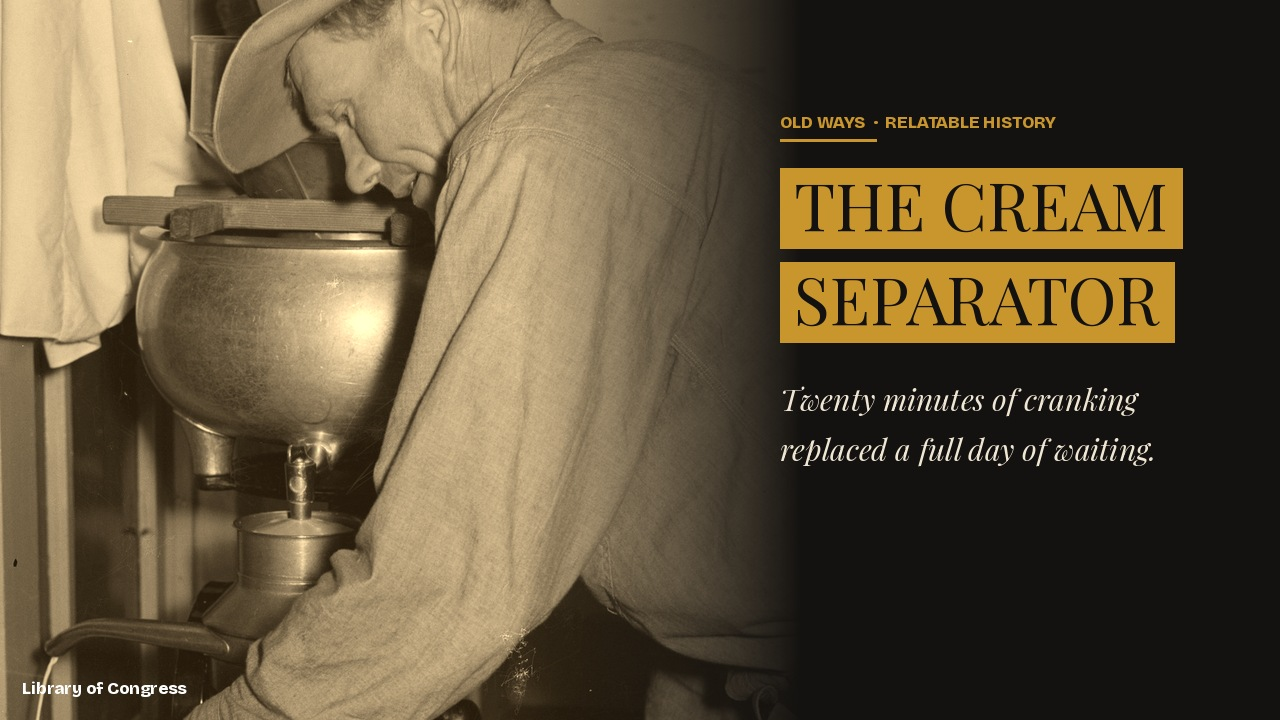
The Cream Separator | Old Ways
Read the full history: How Cream Separators Worked, and Why Every Farm Wanted One Twenty minutes of cranking replaced a full day of waiting for cream to rise. For as long as farm families kept dairy cows, getting cream off a bucket of fresh milk meant patience, not machinery — pour the milk into a…
-
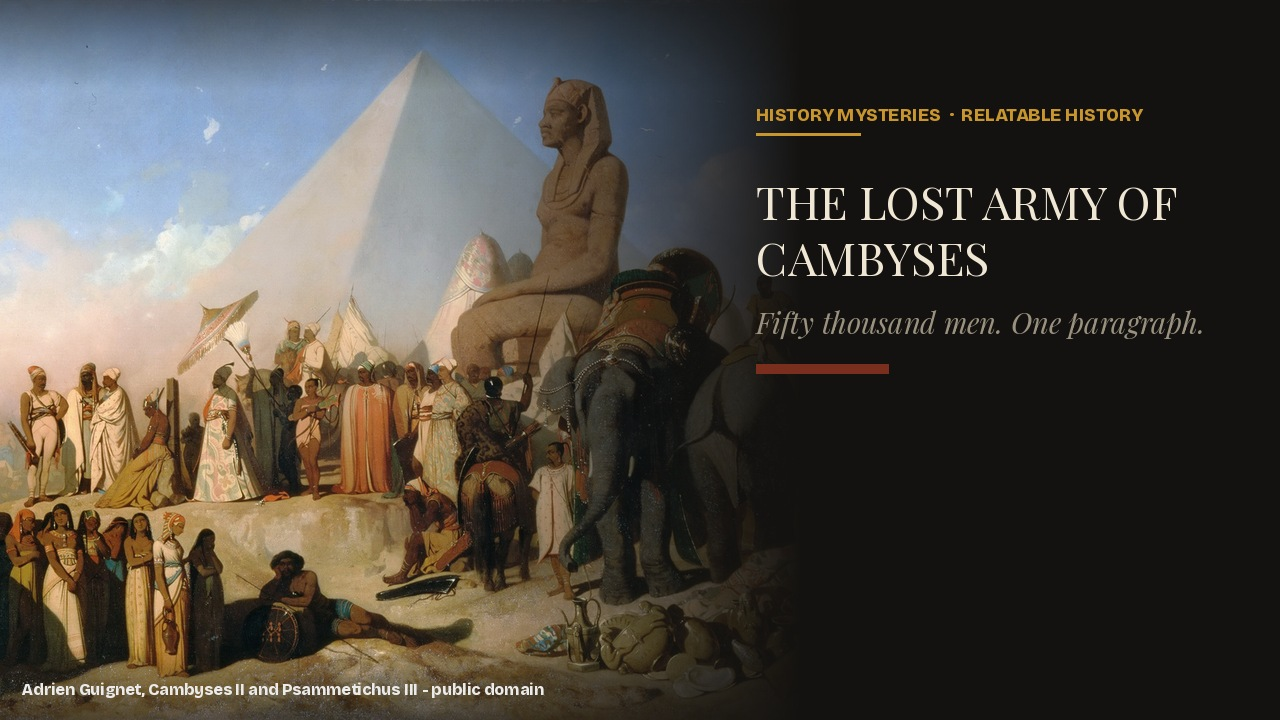
The Lost Army Of Cambyses: 50,000 Men And One Paragraph | History Mysteries
Read the full history: The Theories Behind Cambyses’ Lost Army Herodotus says that in 525 BC the Persian king Cambyses sent fifty thousand men west out of Thebes toward the oracle of Amun at Siwa, and that a south wind caught them mid-breakfast and buried them in the sand. It is one paragraph, Book Three,…
-

The Corn Sheller | Old Ways
Read the full history: How Corn Shellers Worked, and Why American Farms Needed One One crank did a week’s corn shelling by lunchtime. Before electricity, every ear of corn on an American farm had to be stripped of its kernels by hand — rubbed cob against cob, or peeled raw with a thumb. The cast-iron…
-
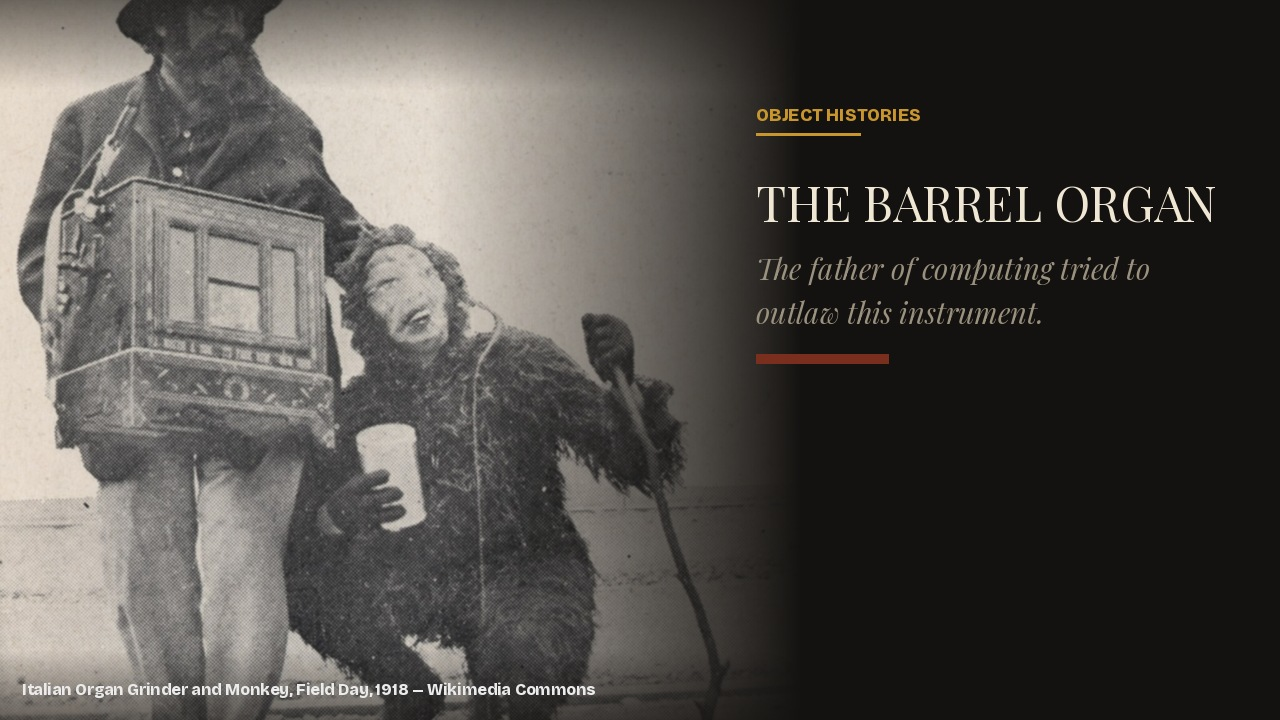
The Instrument That Drove the Father of Computing Insane | Object Histories
Read the full history: Charles Babbage and the Organ Grinders He Hated Charles Babbage designed the first mechanical computer — and then spent over a decade at war with the street organs of London, convinced they were destroying his career. A pinned wooden cylinder let anyone play a perfect tune with zero musical training, which…
-

The Great Pyramid Space Nobody Has Entered | History Mysteries
Read the full history: Inside the Discovery of the Great Pyramid's Big Void The Great Pyramid has been surveyed, tunnelled and argued over for twelve centuries, and the last genuinely new space anybody found inside it was a pair of narrow shafts in 1872. Then in November 2017 the ScanPyramids team reported a void at…
-

The Storm Cellar: The Safest Room on the Farm Stood Outside It
Read the full history: The Storm Cellar Existed Before Tornado Warnings Did On the open plains, the safest room in the house wasn’t inside the house at all. Plains farmhouses had no basement, so families dug a separate earth-covered cellar out in the yard — six to eight feet deep, with a heavy plank door…
-
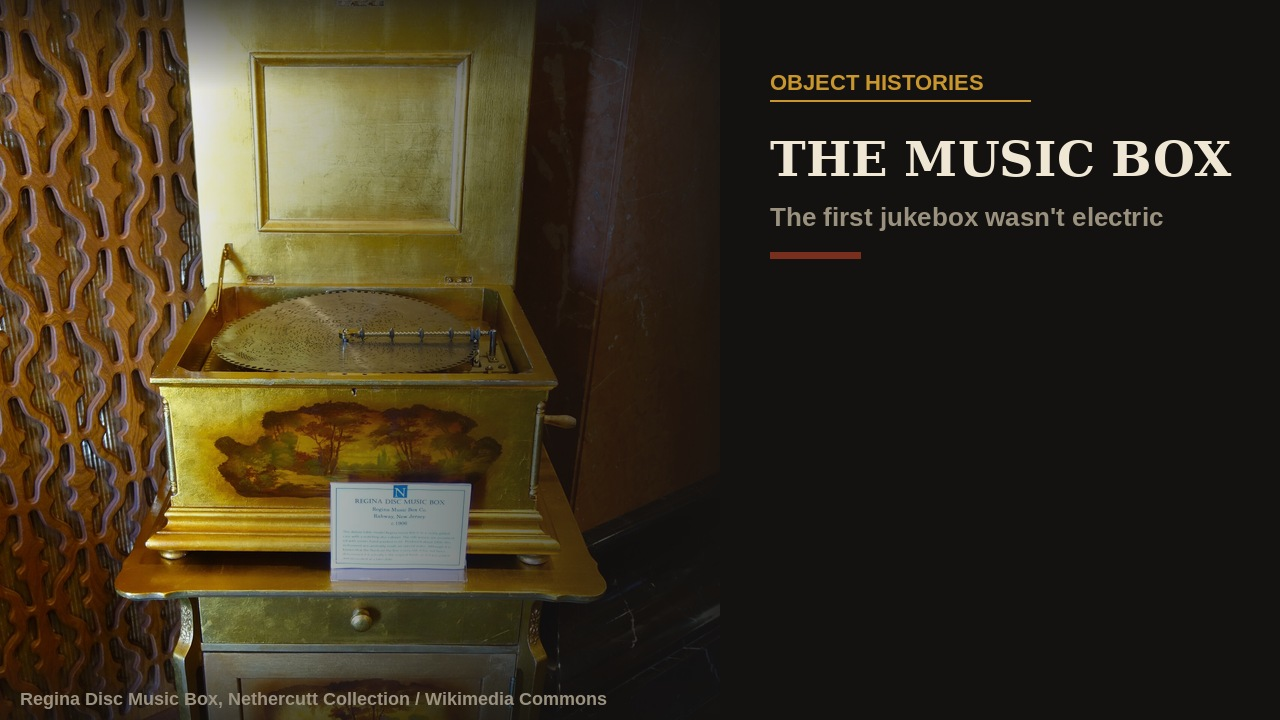
The First Jukebox Wasn’t Electric | Object Histories
Read the full history: Why Music Boxes Disappeared: Rise and Fall of an Industry Decades before Wurlitzer, saloons and drugstores had a self-playing jukebox that ran on nothing but a wound spring: the coin-operated disc music box. Its story runs from a Geneva watchmaker’s 1796 pocket-watch trick through Switzerland’s Sainte-Croix workshops and a bitter Leipzig…