
Watch
Every Relatable History video, newest first: Object Histories, Old Ways and History’s Mysteries.
-
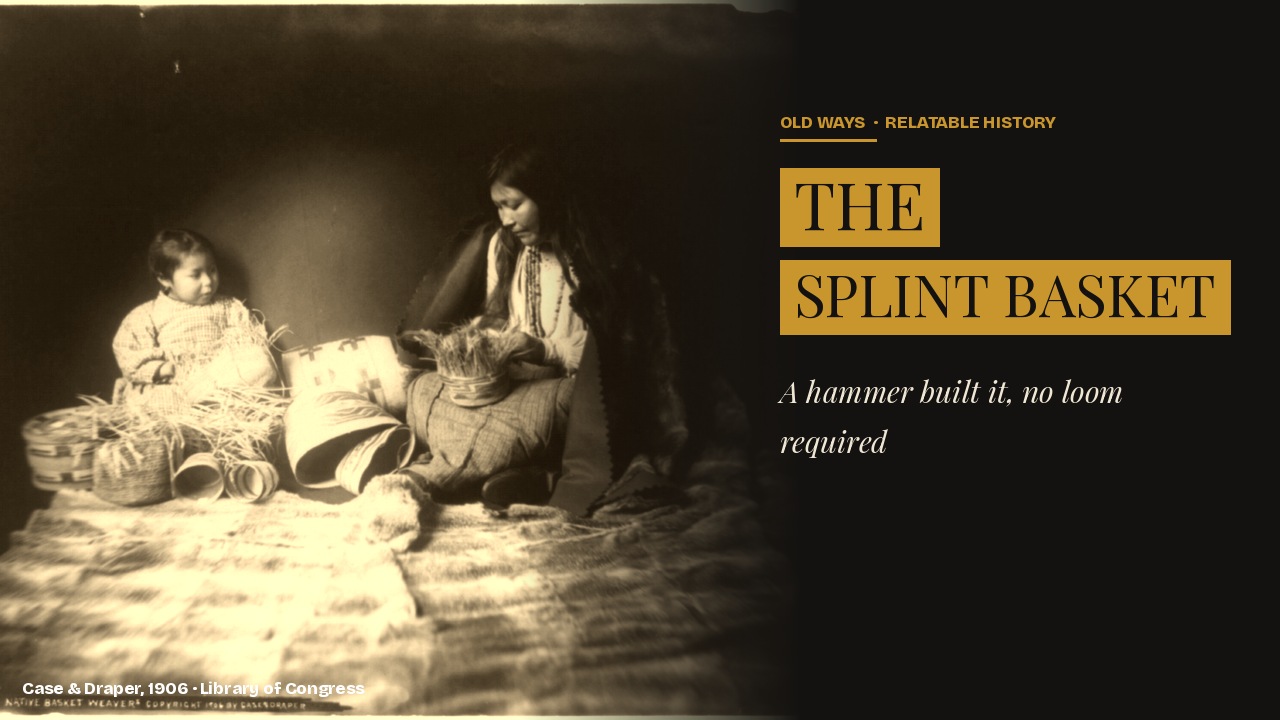
The Splint Basket: How Farms Wove Their Own Containers by Hand
Read the full history: The Native American Craft Behind Every Farm Basket A farm before mass-produced housewares ran on baskets — not the decorative kind, but a whole working set, each one shaped for a single job: a shallow splint basket for gathering eggs without cracking them, a deep one for hauling feed to the…
-
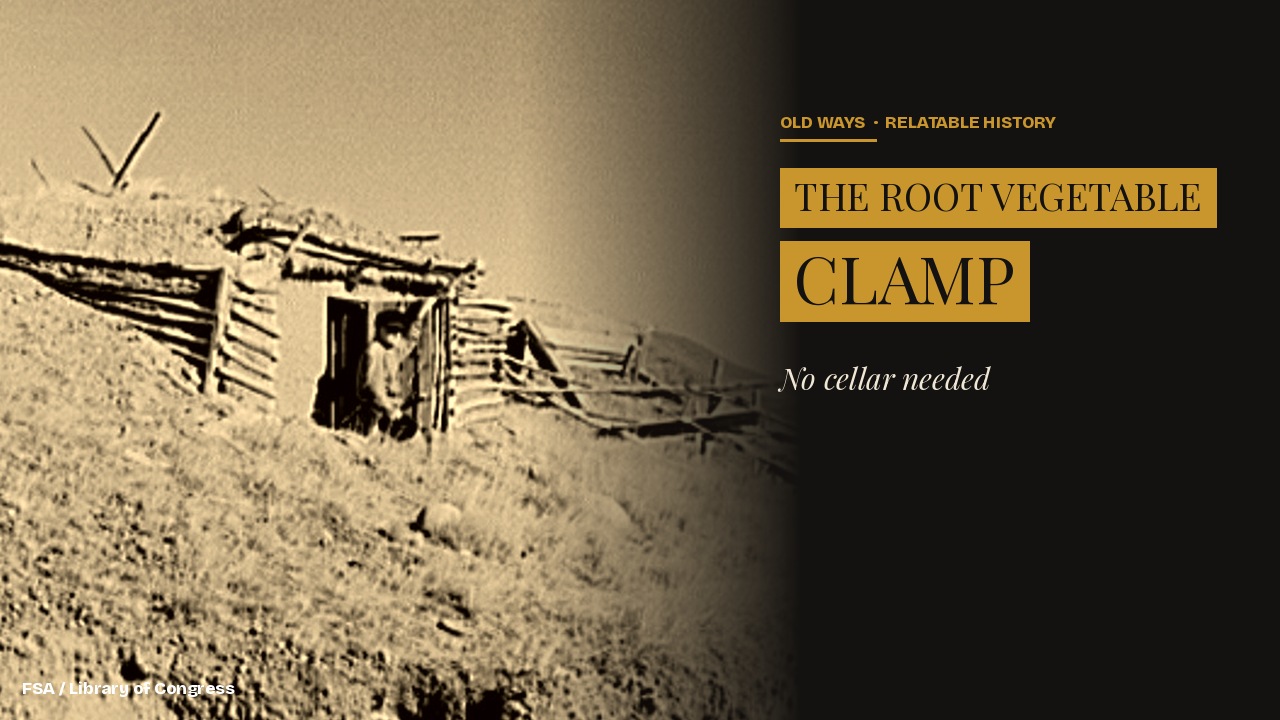
The Root Vegetable Clamp | Old Ways
Farms with no root cellar piled potatoes, turnips, and carrots into a straw-and-earth mound called a clamp — a method that cost nothing but labor and still kept a harvest through winter.
-
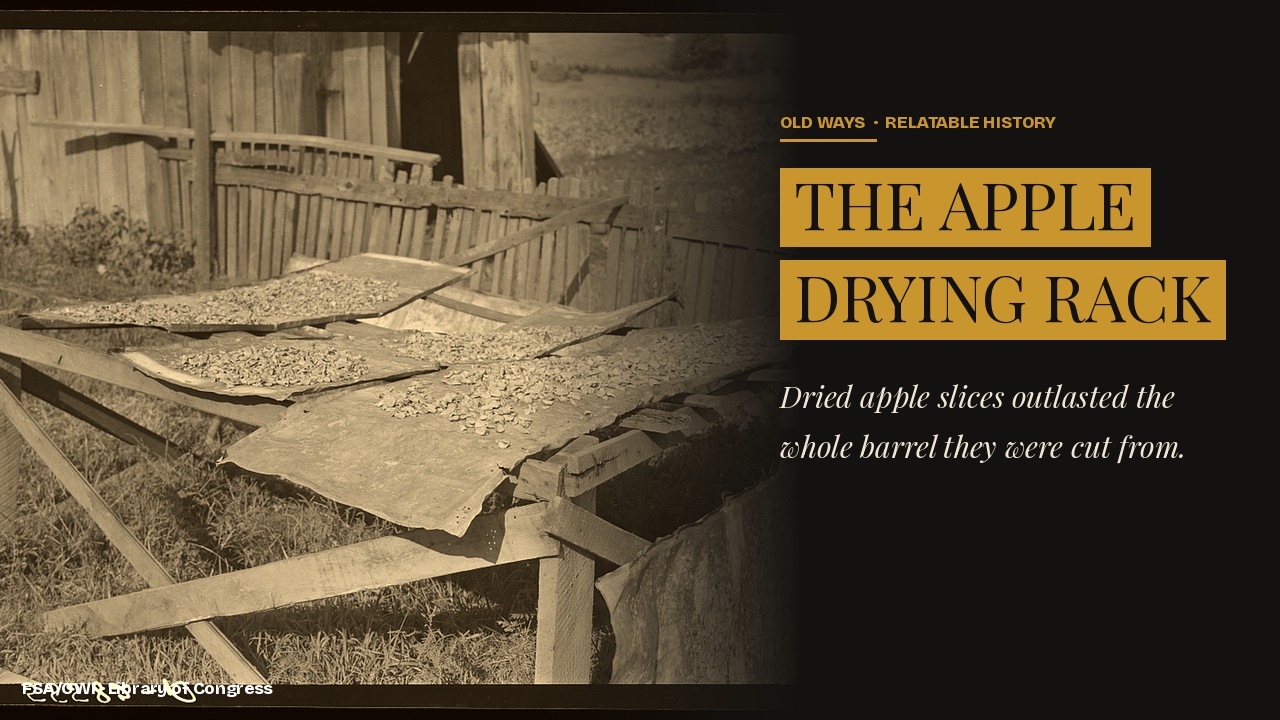
The Apple Drying Rack | Old Ways
A fall apple harvest brought in more fruit than any cellar could hold fresh — sliced thin and dried on a rack or strung into rings, it kept a full year instead of a few soft months.
-
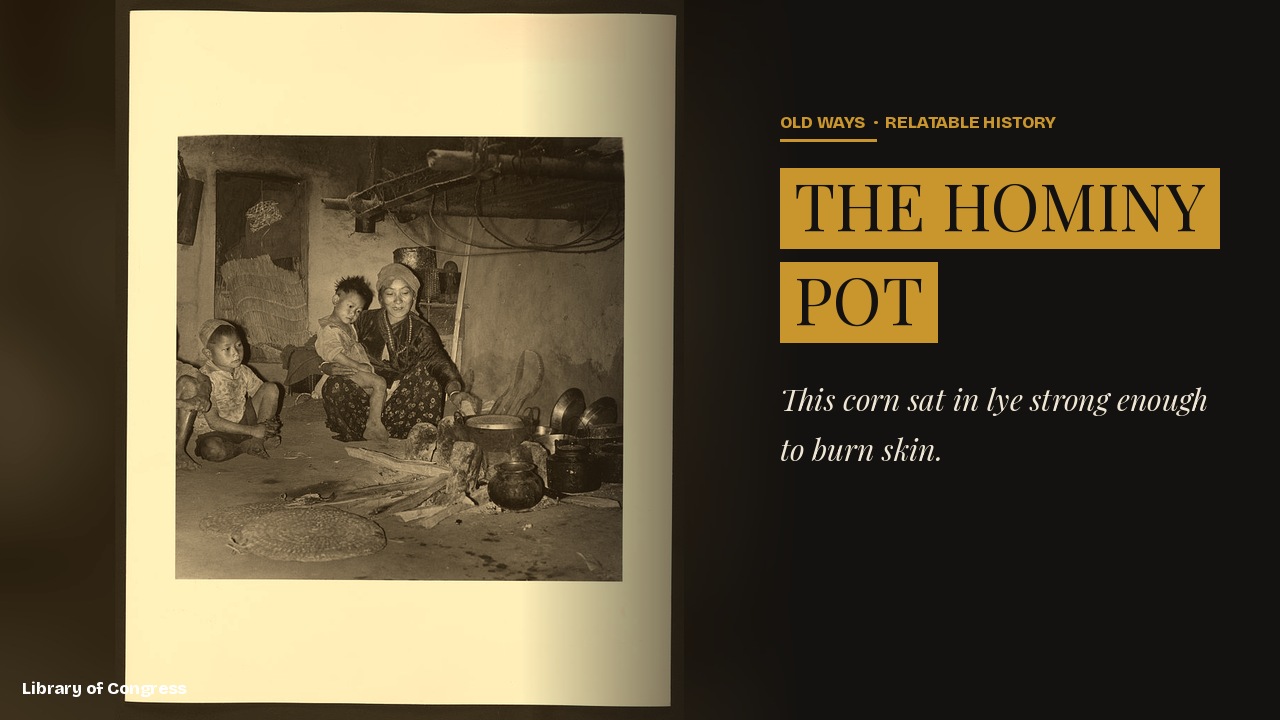
The Hominy Pot | Old Ways
Farm kitchens soaked dried corn in lye water strong enough to sting bare skin to make hominy — a technique borrowed from Indigenous cooks long before European settlers grew corn on the continent.
-
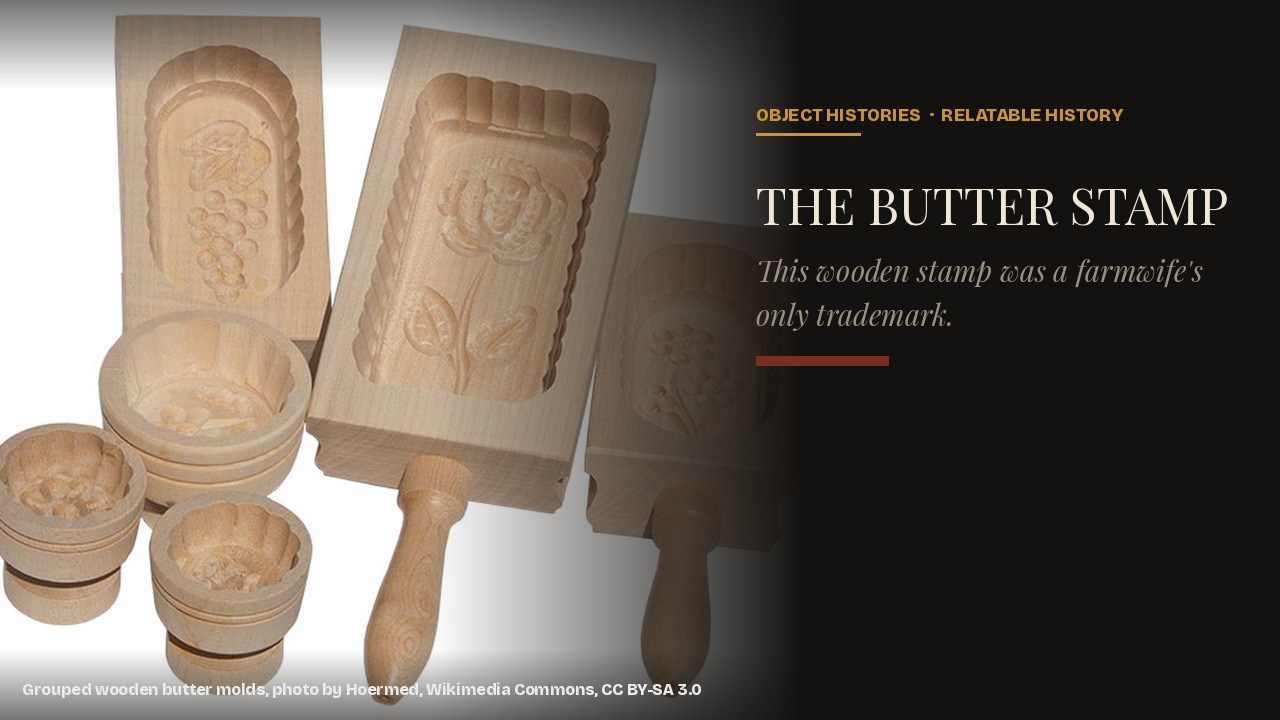
Why Butter Used to Have a Signature | Object Histories
Read the full history: Why Margarine Was Illegal in America for Almost a Century Long before packaged brands existed, dairy farmers carved their own symbol — a cow, a tulip, a sheaf of wheat — into a block of wood and pressed it into every pound of butter they sold, so customers could recognize a…
-
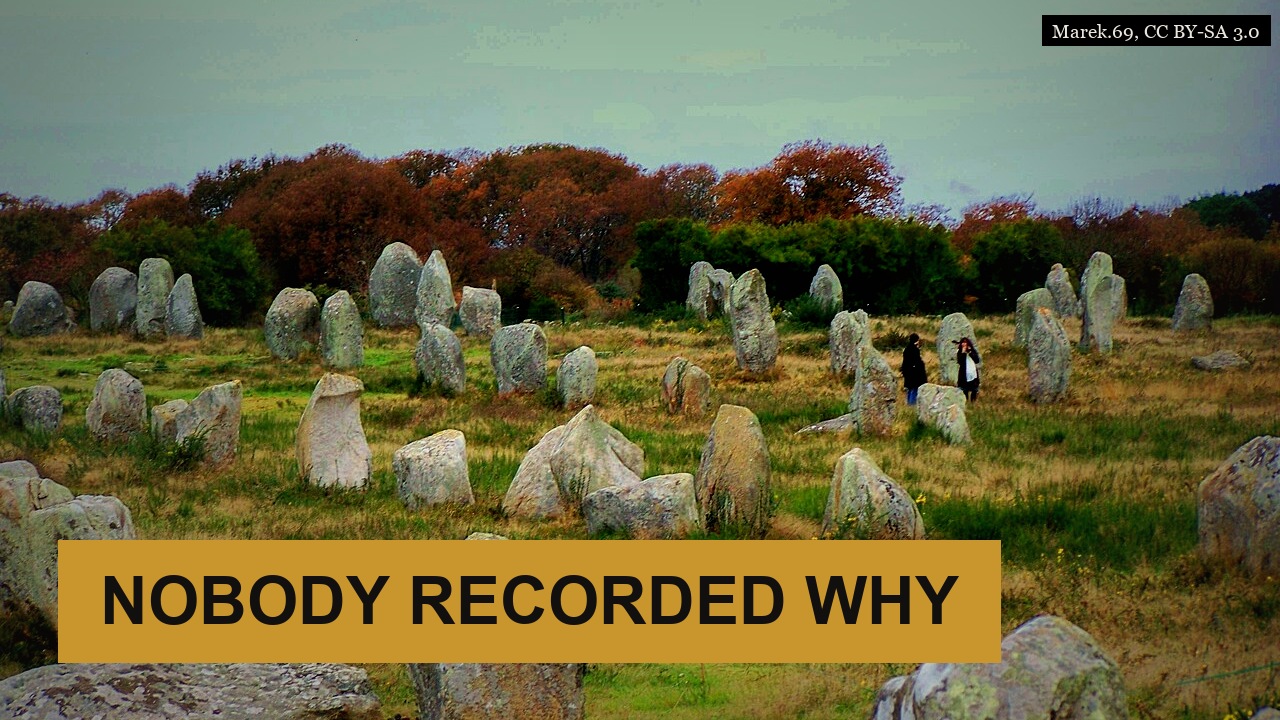
Carnac’s 3,000 Stones Predate Stonehenge. Nobody Recorded Why. | History Mysteries
Read the full history: The Carnac Stones Are Older Than Stonehenge. Nobody Knows What They Were For. Three thousand standing stones run in rows across four kilometres of southern Brittany: eleven rows at Menec, 1,029 stones in ten columns at Kermario, 555 in thirteen lines at Kerlescan. Granite carries no date and the acidic Breton…
-
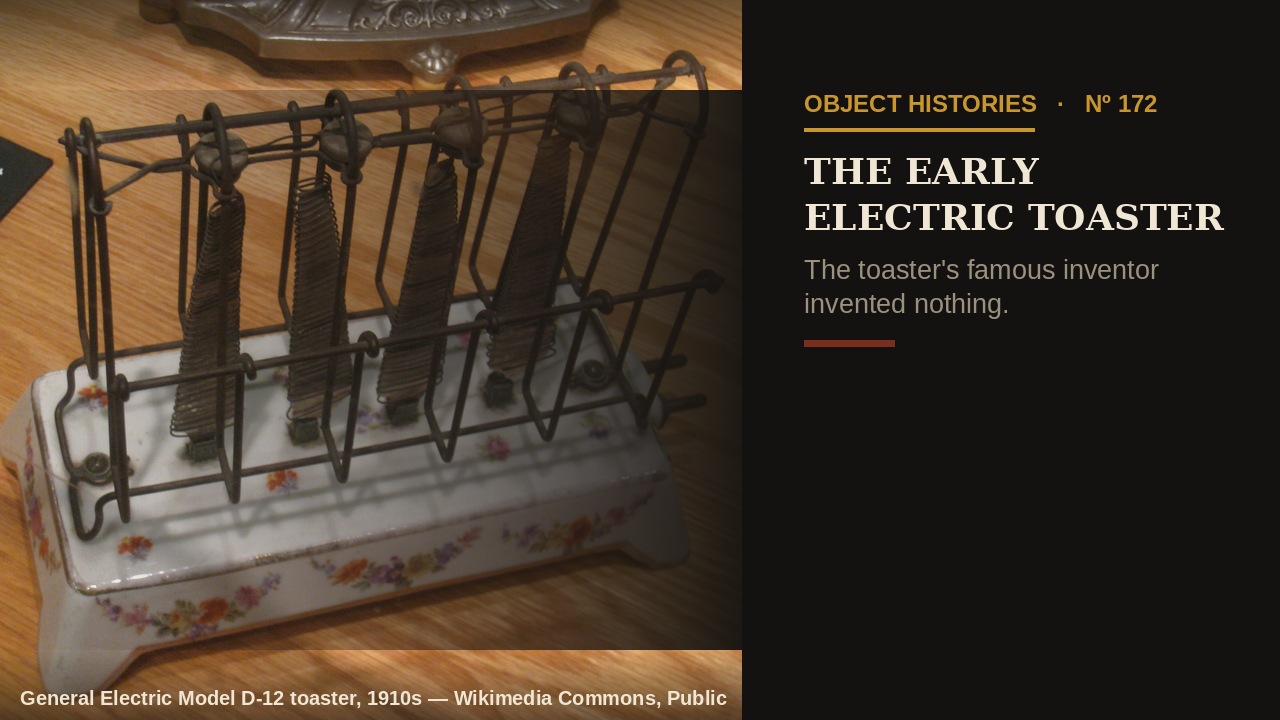
The Toaster’s Famous Inventor Never Existed | Object Histories
Read the full history: Who Invented the Electric Toaster, Really? The electric toaster spent its first three decades as a genuine fire hazard, with bare heating wires that routinely snapped and sparked before a stronger alloy made it safe. The real engineering story runs through an 1890s bare-wire prototype, a 1905 alloy breakthrough, and a…
-
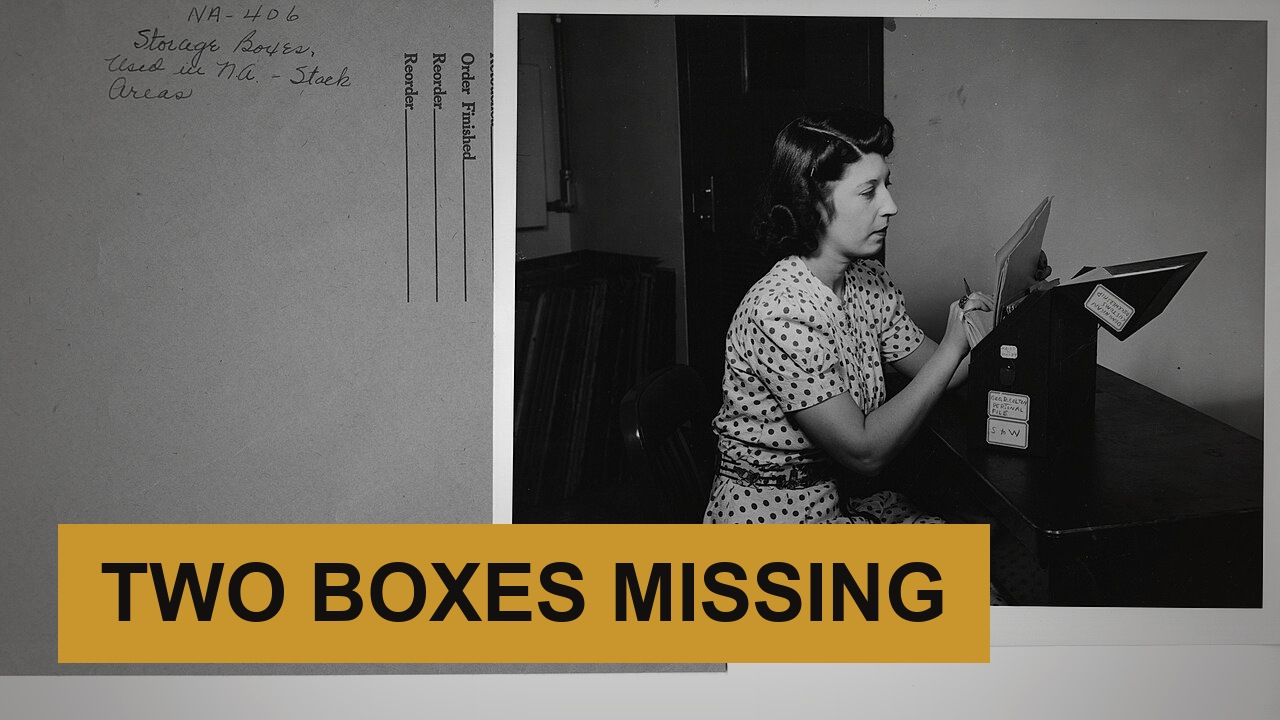
NASA Sent the Kecksburg File to the Archives. It Never Arrived. | History Mysteries
Read the full history: The Kecksburg NASA Files Nobody Can Find On the afternoon of 9 December 1965 a fireball crossed at least six states and Canada. The FAA logged twenty-three pilot reports, a seismograph outside Detroit recorded the shock waves, and astronomers triangulated the trail and put its end point over or beside western…
-
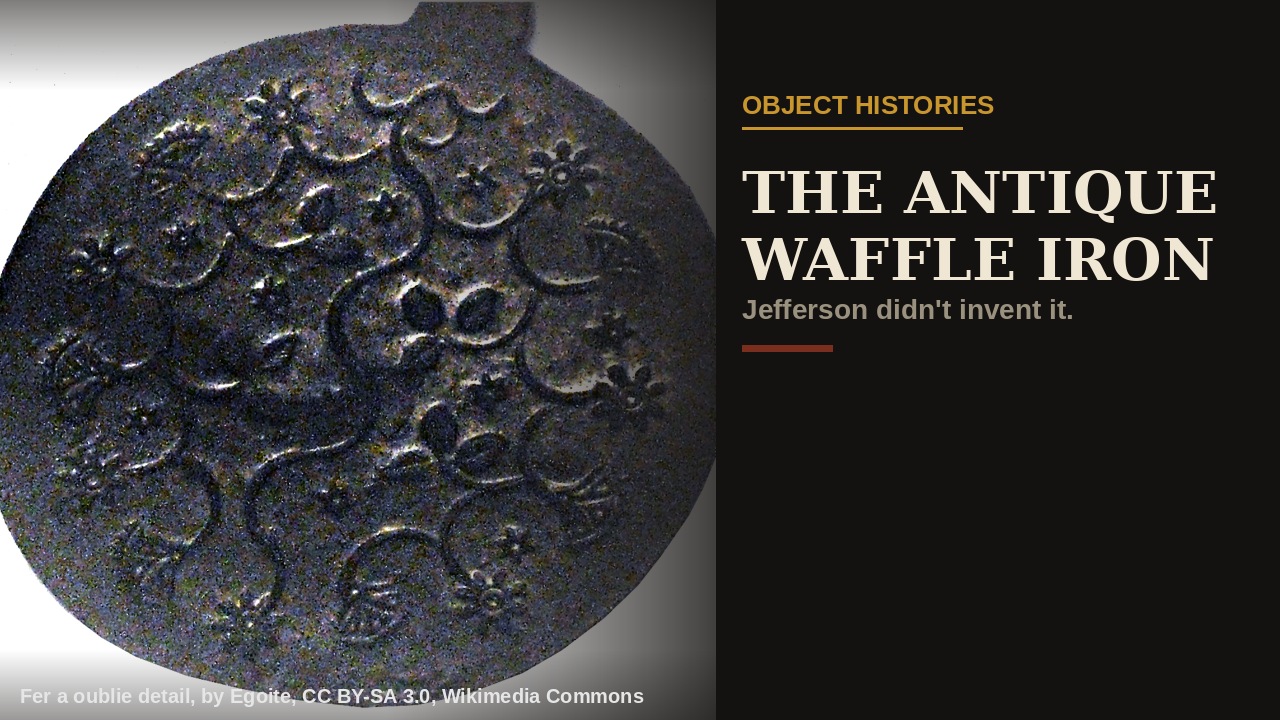
The Waffle Iron Is Older Than America
Read the full history: Why Waffles Have a Grid Pattern (It's Not About the Syrup) Thomas Jefferson gets credit the Dutch earned a century earlier. He came home from Paris in 1789 with four waffle irons from Amsterdam, and folklore made him America’s inventor of the waffle — but Dutch settlers were already pressing wafels…
-
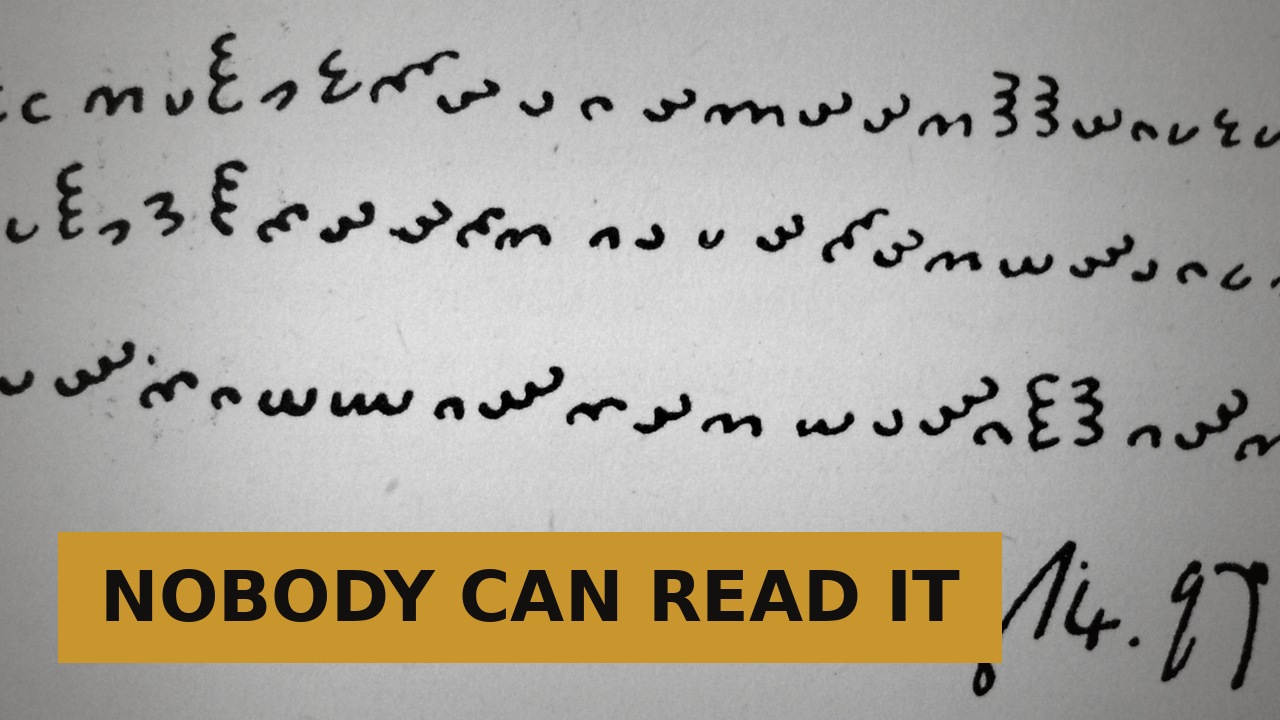
Elgar Wrote 87 Symbols in 1897. Nobody Can Read Them. | History Mysteries
Read the full history: Why the Dorabella Cipher Remains Unsolved In July 1897 Edward Elgar slipped a second sheet into his wife’s thank-you letter to a young friend, Dora Penny, and pencilled two words on the back: Miss Penny. On the sheet were three lines of symbols, 87 characters in all, each built from one,…