Watch
Every Relatable History video, newest first: Object Histories, Old Ways and History’s Mysteries.
-
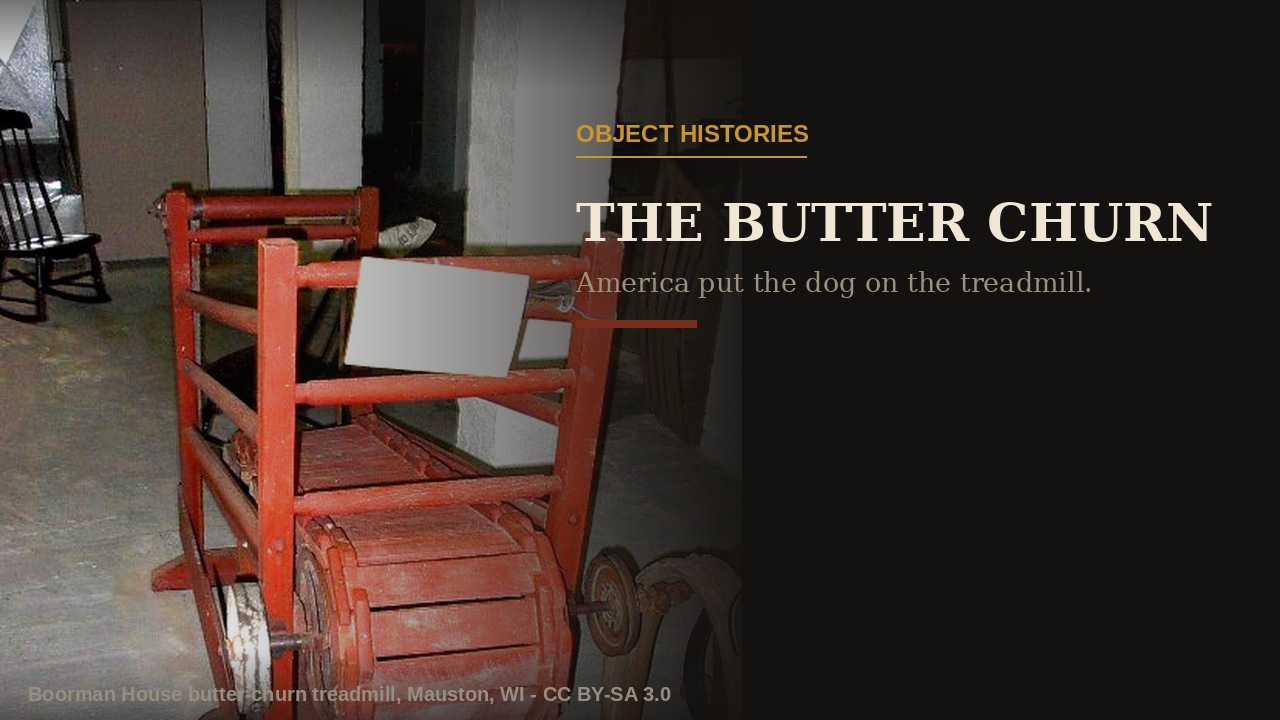
The Butter Churn: When America Put the Dog to Work | Object Histories
Read the full history: How the Dog-Powered Butter Churn Actually Worked The butter churn looks like a wooden bucket with a stick in it. It is actually one of the oldest machines humans ever built, and its history runs through Roman contempt, Irish peat bogs, a cathedral tower paid for by Lenten butter indulgences, early…
-
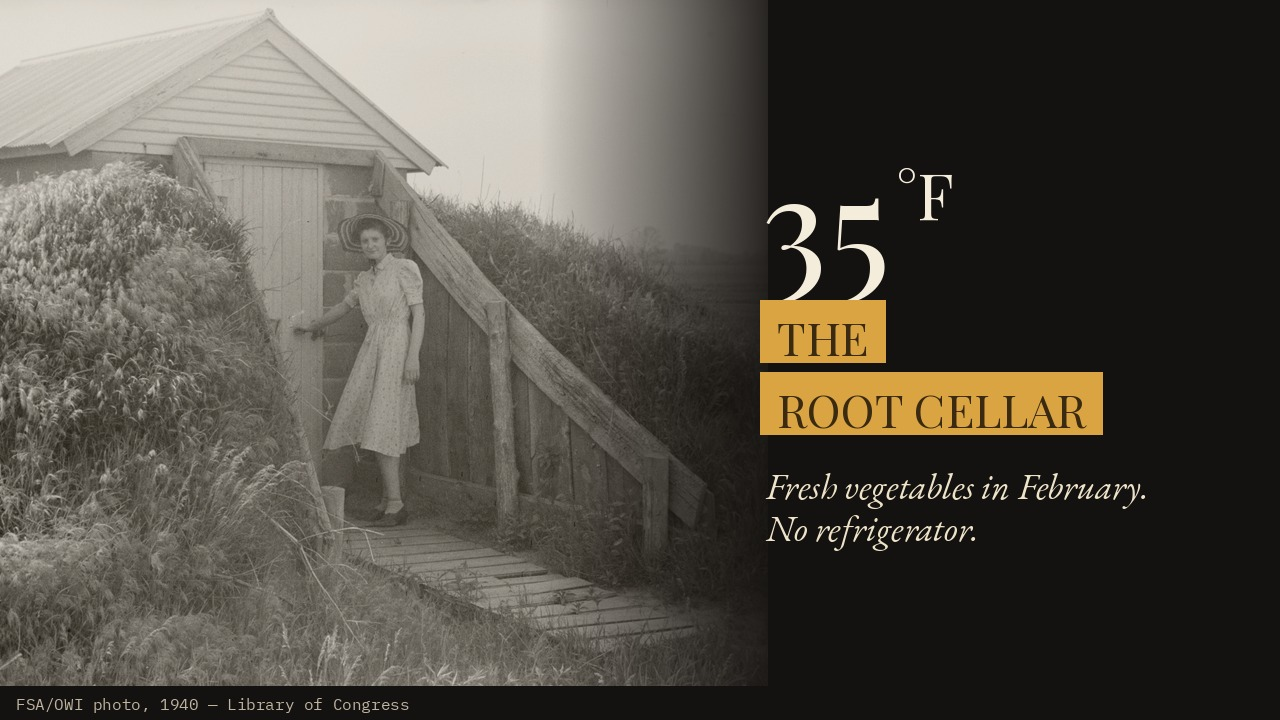
The Root Cellar: How Farms Kept Vegetables All Winter Without a Refrigerator | Old Ways
Read the full history: How a Root Cellar Kept Vegetables All Winter: The Farm's Biggest Refrigerator Was a Hole in the Ground The farm’s biggest refrigerator was a hole in the ground. For two hundred years the root cellar was how an American family ate vegetables in February: a room dug below the frost line,…
-
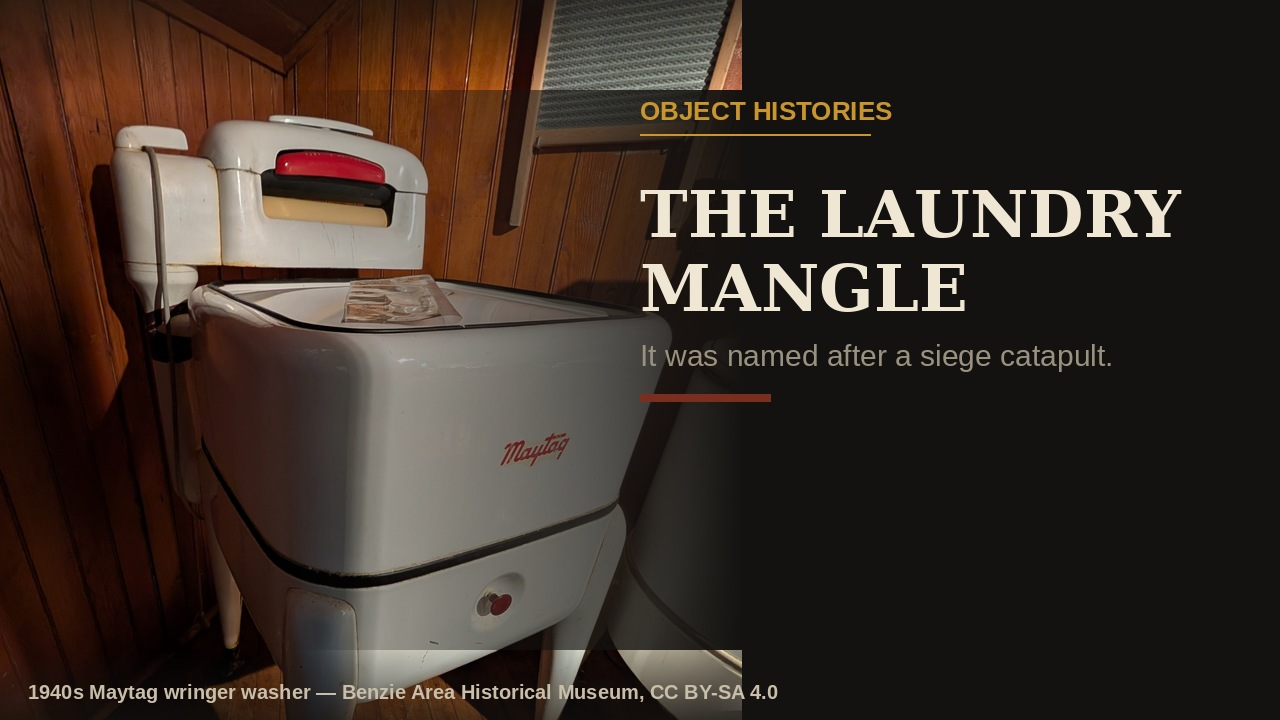
The Laundry Mangle: The Machine Named After a Siege Catapult | Object Histories
Read the full history: Clothes Wringer History: From Courtship Gift to ‘Wringer Arm’ Two rollers, a crank, and a name borrowed from a siege catapult. By 1900 the laundry mangle was the single most common piece of machinery in the home, and its name comes from the Greek manganon, an engine of war, the same…
-
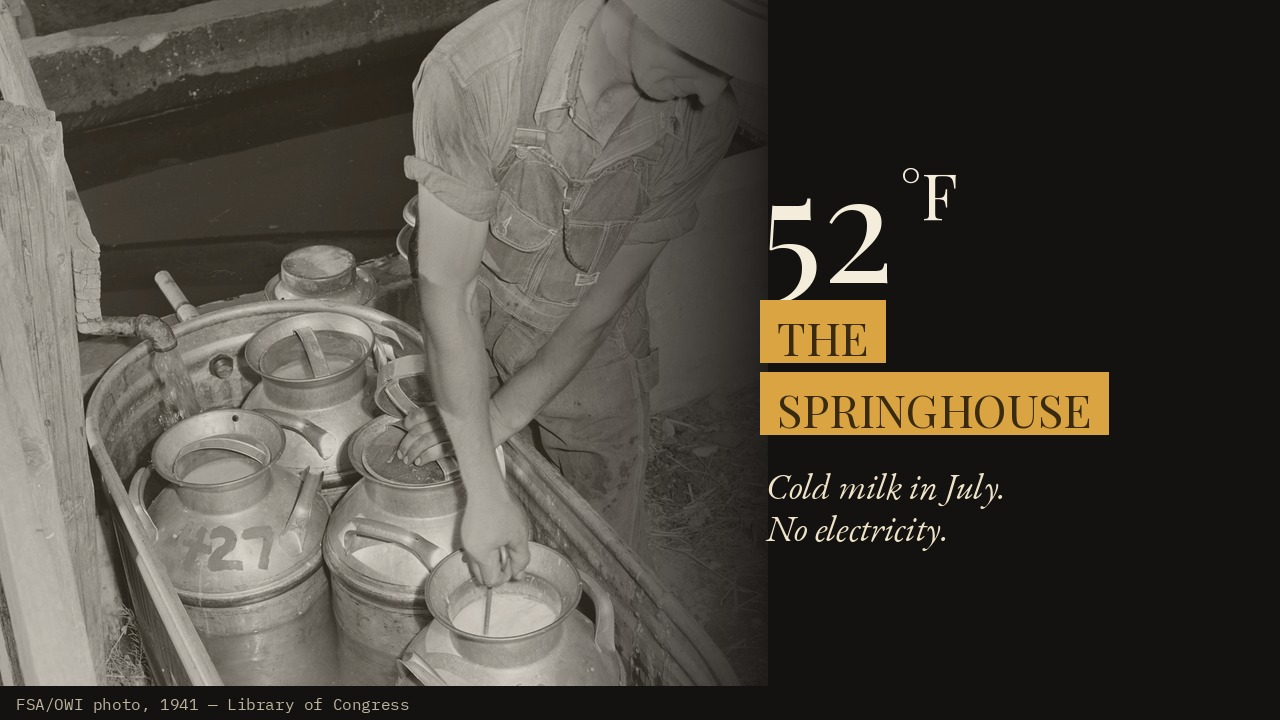
The Springhouse: How Farms Kept Milk Cold Without Electricity | Old Ways
Read the full history: How a Springhouse Worked: The Farm Refrigerator That Ran on a Spring The coldest room on the farm had a creek running through it. For two hundred years the springhouse was the American farm’s refrigerator: a thick stone building set over a spring, with the water running through a trough in…
-
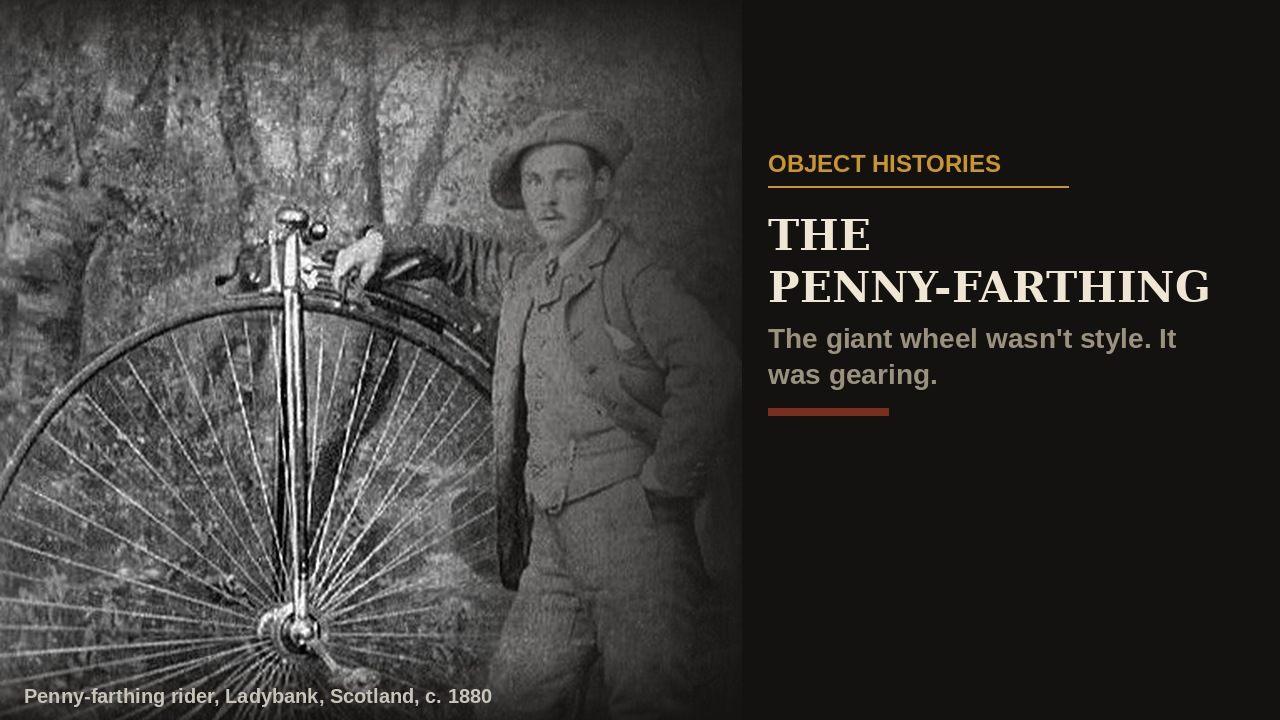
Why Victorian Bicycles Had Absurdly Giant Wheels | Object Histories
Read the full history: Why the Penny-Farthing's Wheel Had to Be So Big The giant wheel was never Victorian silliness. Before the bicycle chain existed, the pedals bolted straight onto the front wheel, one turn of your legs for one turn of the wheel, so the only way to go faster was to build a…
-
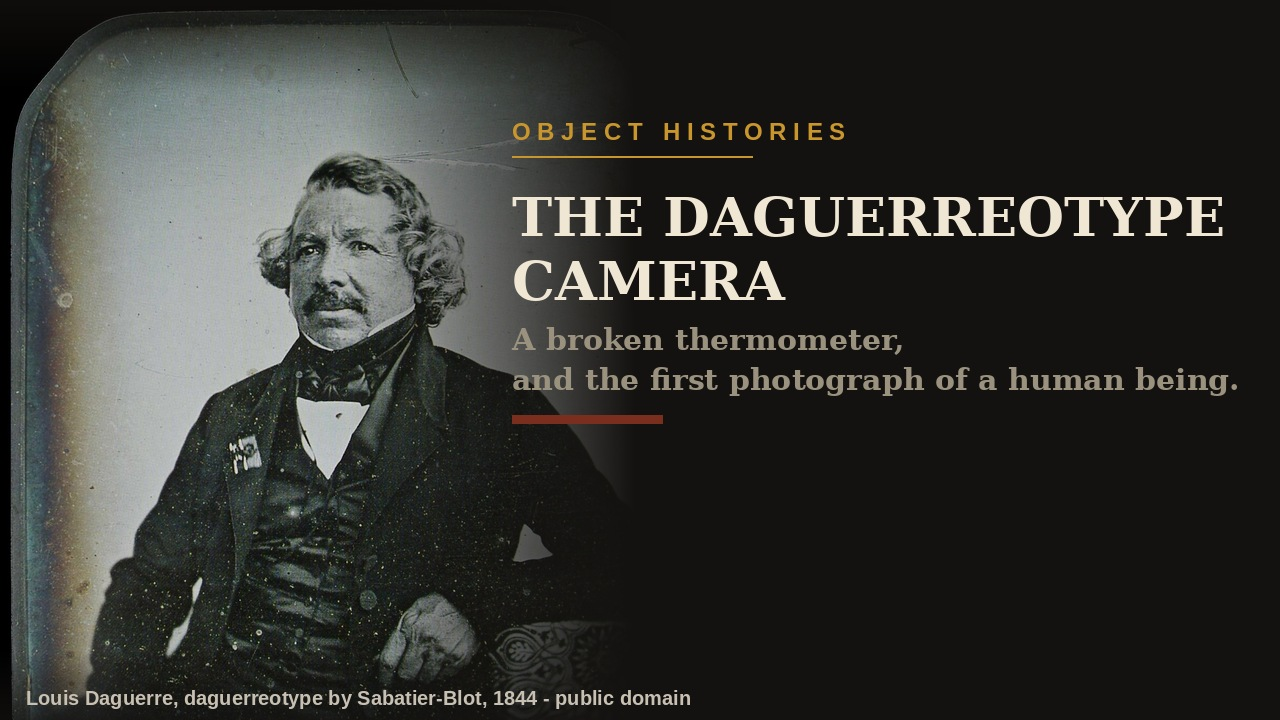
The Camera That Poisoned Its Owners | Object Histories
Read the full history: How the Daguerreotype Actually Worked, and Why It Was Dangerous In 1835 Louis Daguerre put an underexposed silver plate in a cupboard, meaning to clean it off and start again. Days later there was a picture on it. The culprit was a broken thermometer leaking mercury vapor, and that accident set…
-
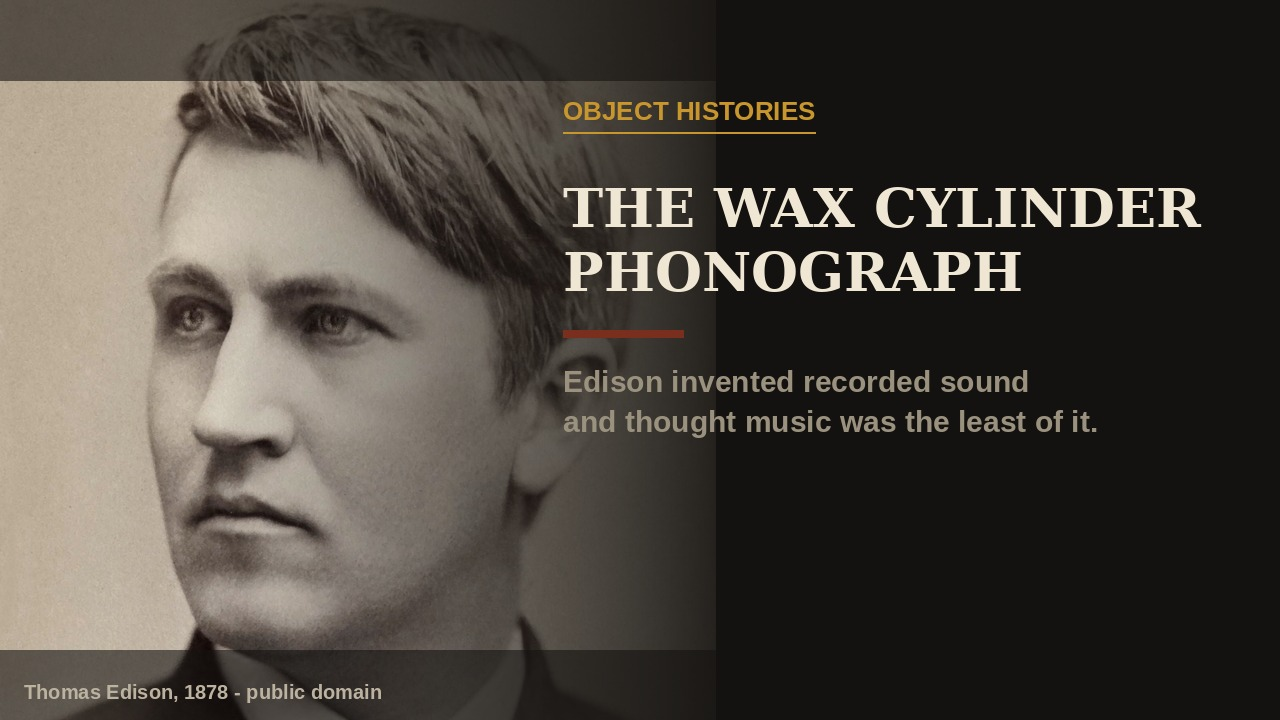
Edison Invented Recorded Sound – And Thought Music Was the Least of It | Object Histories
Read the full history: Wax Cylinder Recordings: How an Office Machine Ended Up Saving Languages In 1877 Thomas Edison shouted “Mary had a little lamb” into a tinfoil cylinder and the machine shouted it back. He had invented recorded sound — and then published a list of what it was for, putting office dictation first,…
-
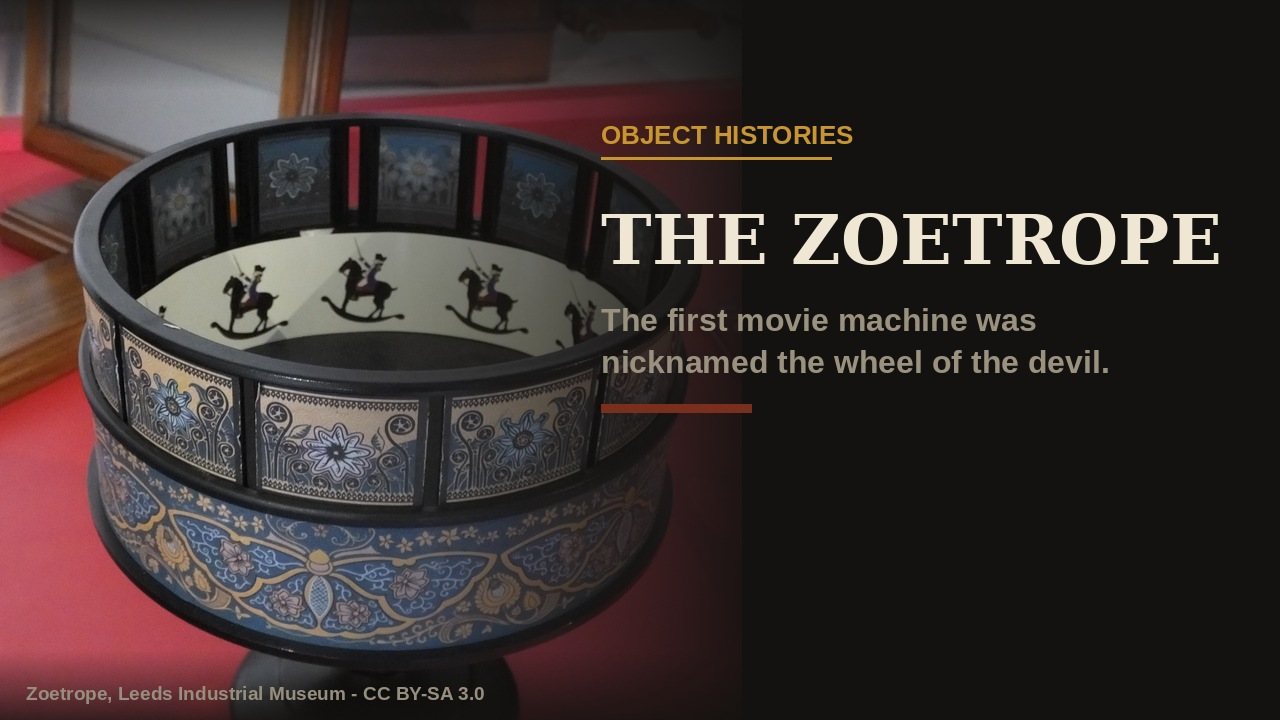
The Zoetrope: The Movie Machine Nicknamed The Wheel Of The Devil | Object Histories
Read the full history: Who Invented the Zoetrope? Three Men Have a Claim In 1834 a Bath schoolmaster named William George Horner published the design for a spinning drum that made still drawings walk, dance and gallop. He called it the Daedaleum. Everyone else called it the wheel of the devil — and almost nobody…
-
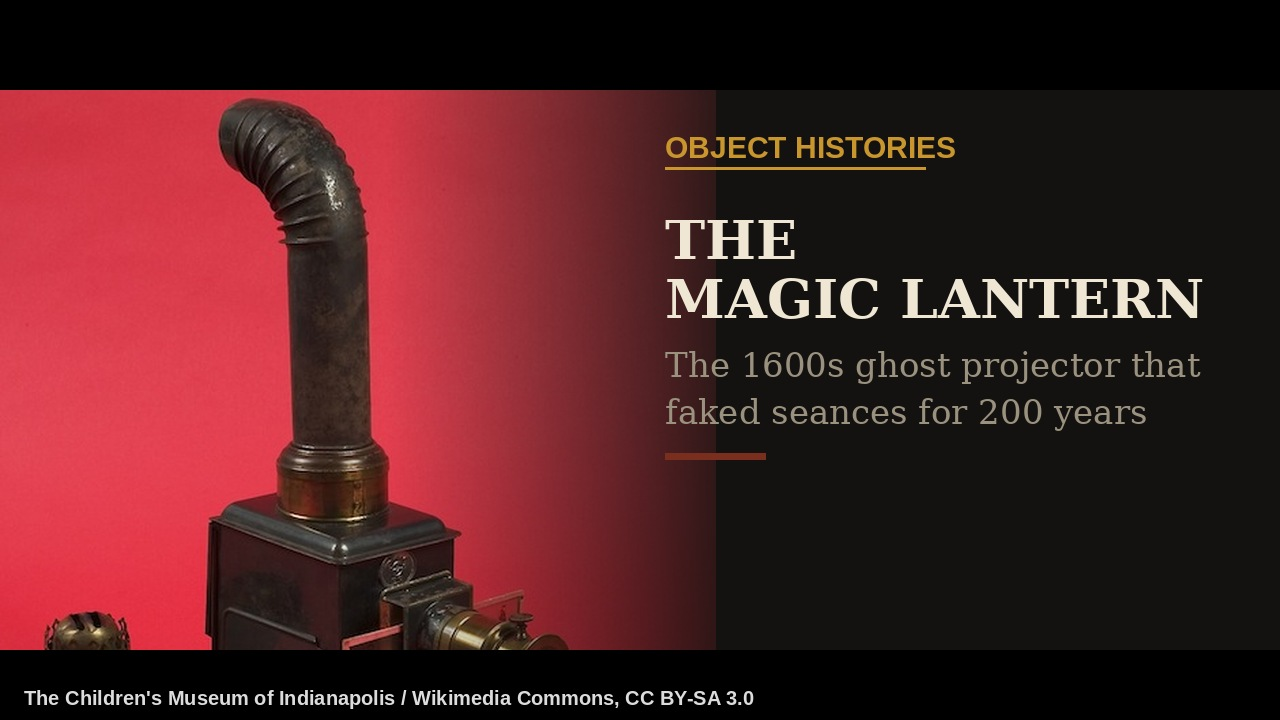
The Magic Lantern: The 1600s Device That Faked Ghosts for 200 Years | Object Histories
Read the full history: How the Magic Lantern Became Europe's First Horror Show Two hundred years before movies existed, a wooden box with a lens and a candle was already throwing ghosts onto walls. The magic lantern was demonstrated in the 1650s by the Dutch scientist Christiaan Huygens, who was so embarrassed by the frivolity…
-
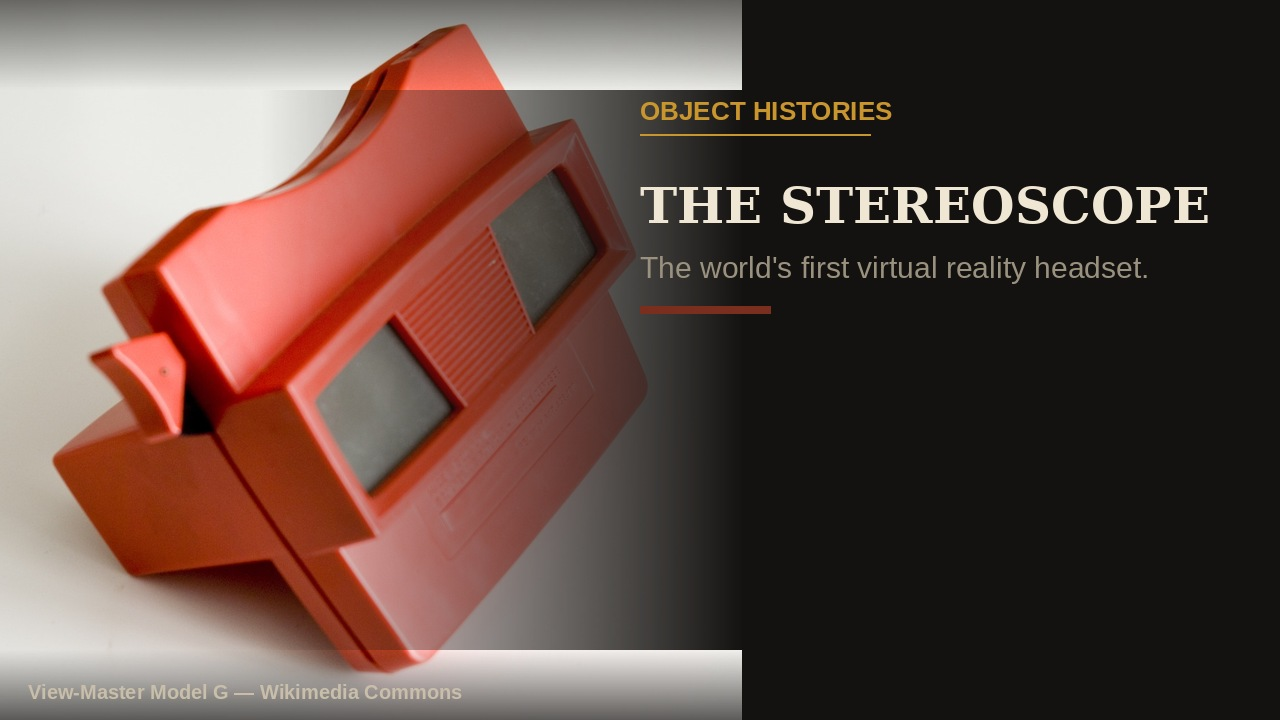
The Stereoscope: History’s First VR Headset | Object Histories
Read the full history: The Stereoscope Craze That Swept Victorian Parlours In 1838 the physicist Charles Wheatstone built a strange mirrored box that tricked the brain into fusing two flat drawings into a single three-dimensional scene. Almost nobody cared until 1851, when Queen Victoria tried an improved lens version at London’s Great Exhibition and fell…