
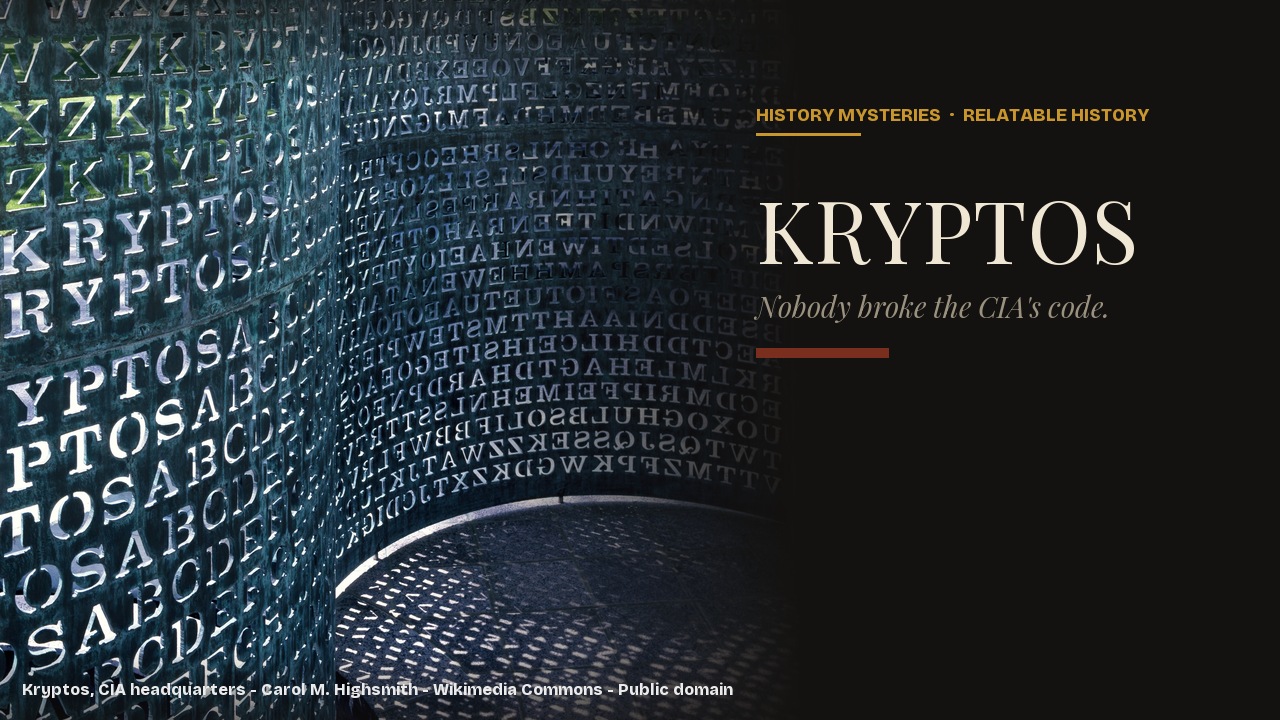
In November 2025, an anonymous buyer paid $962,500 for the answer to a puzzle. Not a reproduction of the answer, not a hint toward it — the actual, only known complete copy of it, handwritten by the man who built the puzzle in the first place. More than a year later, the public still does not know what that answer says.
The puzzle is Kryptos, a copper sculpture standing in a courtyard at CIA headquarters in Langley, Virginia, carrying four separate encrypted passages. Three of the four were broken by the late 1990s, by two different government codebreaking teams working without knowledge of each other and a lone hobbyist with a computer. The fourth, ninety-seven characters long, went unbroken for thirty-five years, survived a convention of professional and amateur cryptanalysts throwing everything they had at it, and was finally settled not by cryptanalysis at all, but by two journalists filling out an archive request form.
What follows is the object itself, why Kryptos K4 is still unsolved after three decades of public effort, and how its answer ended up changing hands for just under a million dollars without ever becoming public.
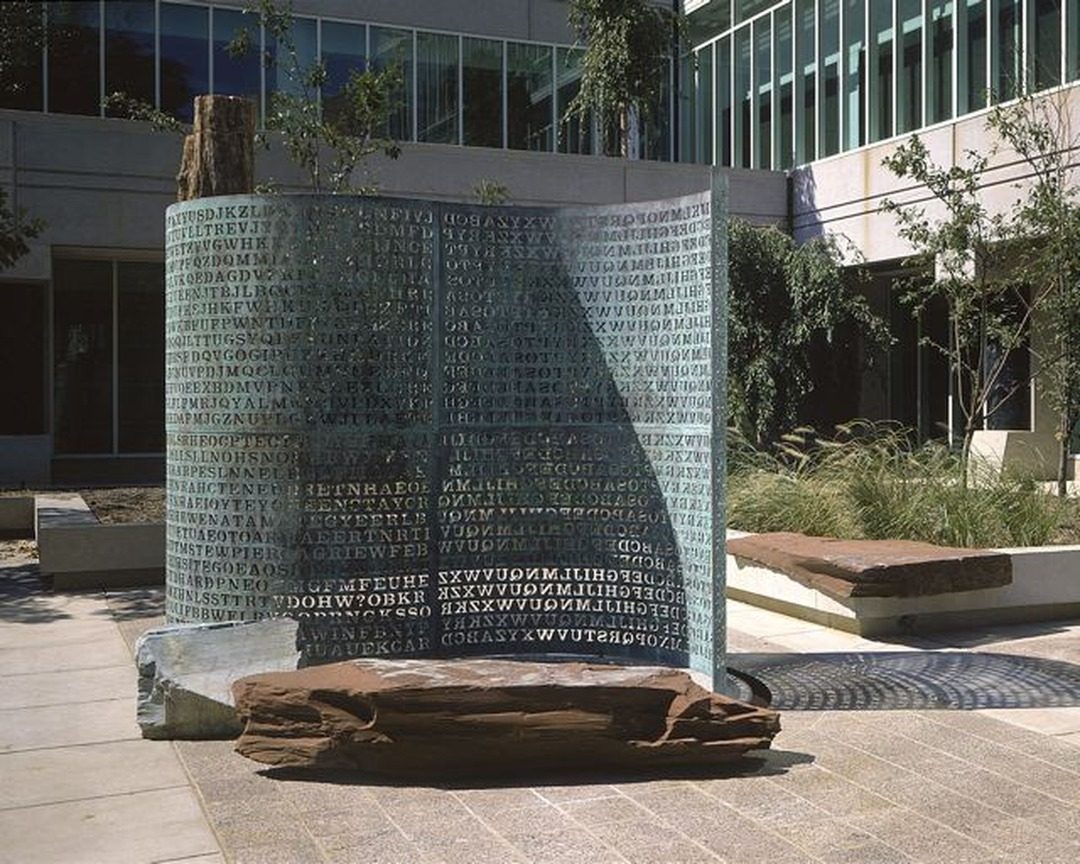
A twenty-foot sheet of copper with 1,735 letters cut through it
The Central Intelligence Agency commissioned the piece in 1988, choosing James Sanborn’s design through a joint panel of the National Endowment for the Arts and the Agency itself. Sanborn, a Washington-born sculptor with a studio art degree from Randolph-Macon College and a master’s from Pratt Institute, had built large public works before, but never one meant to hide a message. He spent roughly two years cutting the letters by hand with a jigsaw.
He did not design the cryptography alone. The Agency paired him with Edward Scheidt, who had just retired as head of the CIA’s own Cryptographic Center. Over about four months, Scheidt taught a sculptor enough classical cipher technique to encode a real message — and, by his own later account, held a few techniques back, so that even the man who helped build it did not know everything there was to know about how it worked.
The finished piece sits at the entrance to the New Headquarters Building and continues into the courtyard between that building and the cafeteria of the older one. Its centerpiece is an S-shaped copper screen, set on a base of petrified wood, surrounded by polished red granite, white quartz, and a magnetic lodestone. Across the four copper plates, 1,735 letters are cut clean through the metal. It was dedicated on 3 November 1990, for a commission fee of $250,000, and named Kryptos, the Greek word for “hidden.”
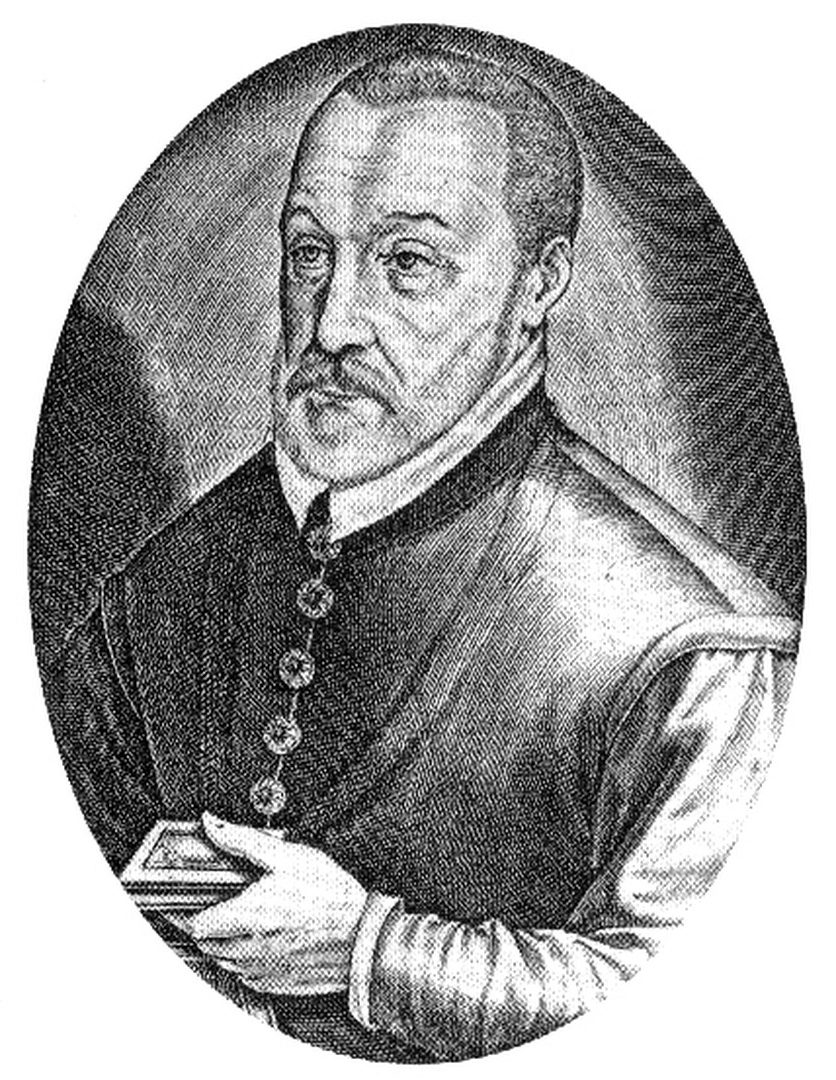
Three passages fell within a few years, to three unconnected solvers
The first and second passages both use a Vigenere cipher, a centuries-old system of shifting letters according to a repeating keyword, which Scheidt modified with a custom scrambled alphabet. The first passage, keyed to PALIMPSEST, reads as a line about perception and light, and ends with a misspelled word: Sanborn rendered “illusion” as I-Q-L-U-S-I-O-N, a deliberate error he has owned publicly.
The second passage, keyed to ABSCISSA, describes something gathered and buried underground, then supplies a set of geographic coordinates landing a short distance from the sculpture itself, inside the same CIA complex. It closes by asking who knows the exact location, and answering: only WW. That has long been read as a nod to William Webster, the Director of Central Intelligence at the time of the dedication, who was handed a sealed envelope at the unveiling ceremony. Sanborn gave conflicting accounts over the years of how complete the contents of that envelope actually were. Webster died in August 2025, at 101, the only person to have led both the FBI and the CIA — and, as far as the public record shows, without ever disclosing what was in it.
The third passage abandons substitution entirely for a transposition: the correct letters, scrambled into the wrong order. Unscrambled, it paraphrases the words Howard Carter wrote about the moment in November 1922 when he first looked through a hole into Tutankhamun’s tomb — including, as with the first passage, a planted misspelling, rendering “desperately” as D-E-S-P-A-R-A-T-L-Y.
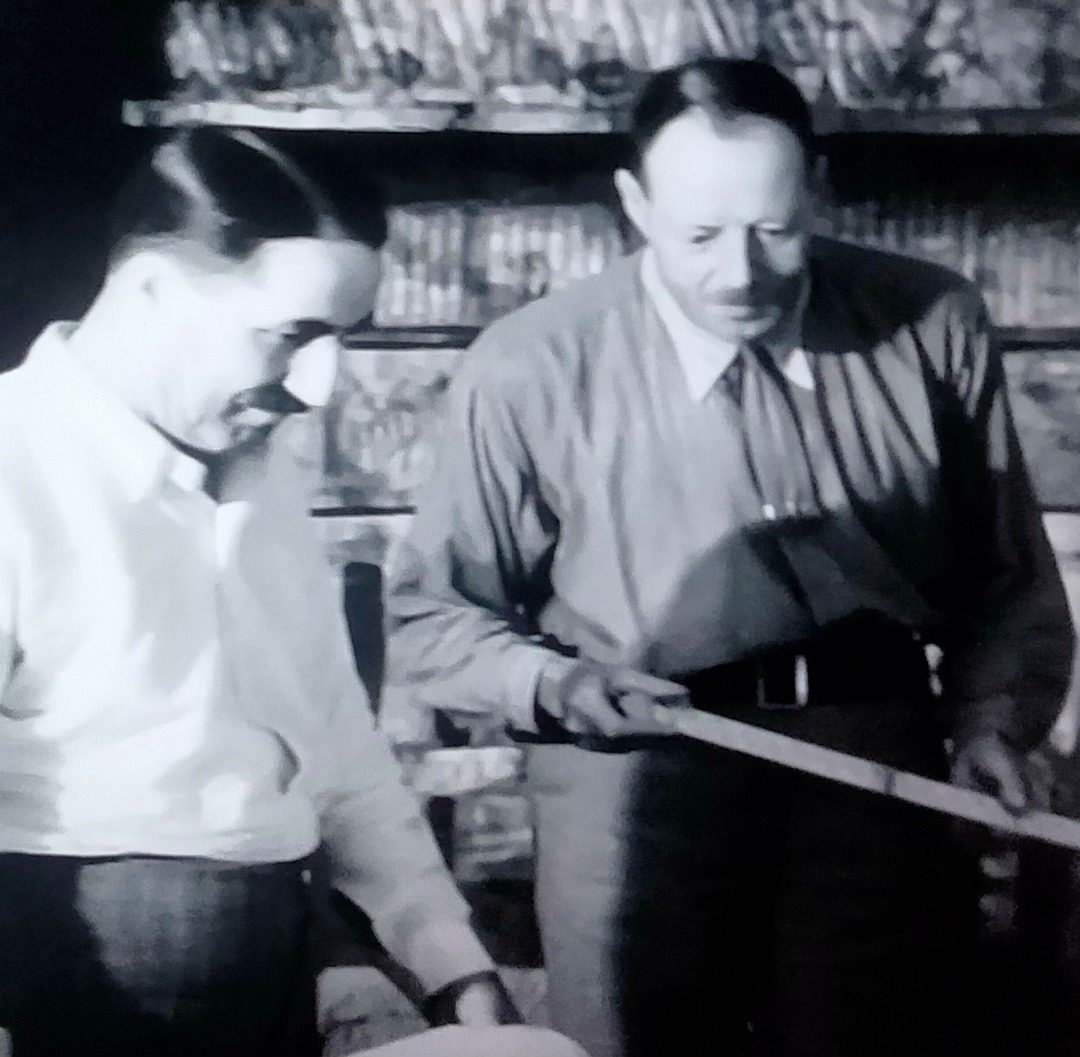
Three different parties broke these three passages, apparently without any of them knowing about the others’ progress. A four-person team at the National Security Agency worked them out by June 1993, according to internal records the agency released only after a 2013 Freedom of Information request; at the time, they told almost nobody outside their own building. A CIA analyst named David Stein solved the same three passages with pencil and paper in 1998, on his own time, and the Agency did not make that public until July 1999. The first announcement to actually reach the public came from Jim Gillogly, a California computer scientist with no government connection to the project at all, who ran the ciphertext against a dictionary of likely keywords in 1999 and published his results.
Even a solved passage did not stay settled. In 2005, an independent solver flagged that the accepted reading of the end of the second passage was wrong. Sanborn confirmed it the following year, admitting he had dropped a letter S and an X from the ciphertext for the sake of how the piece looked, which meant a published, celebrated solution had been quietly incorrect for most of a decade.
Why Kryptos K4 is still unsolved, 35 years on
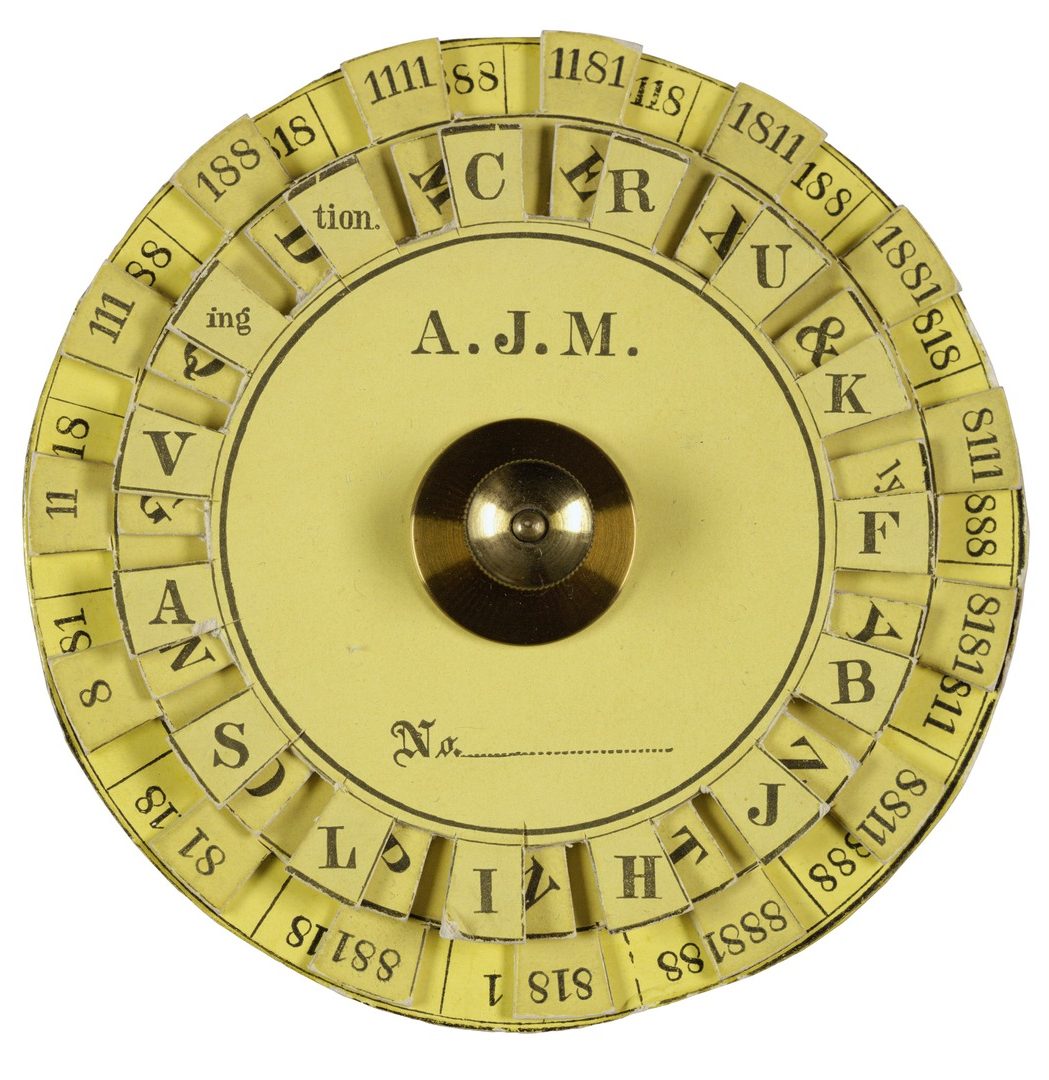
The fourth passage, K4 to the people who study it, begins O-B-K-R and runs ninety-seven characters in total — a fraction of the length of the first three combined, and, by every account, encrypted with something beyond the classical methods used on the rest of the piece. Sanborn has said he layered in an additional masking step that the first three passages do not have. Whether K4 also carries an error of its own, the way the second passage did, is one of the oldest open questions among the people who have spent years on it.
What is not in dispute is how long it has resisted a documented, worldwide, and occasionally obsessive effort to break it. Among the most persistent is Elonka Dunin, a Nashville-based software developer who first visited the sculpture not long after the September 11 attacks and has spent well over a decade and a half on K4 since, co-running an online research group with thousands of members built around cracking it. Sanborn, for his part, let out hard-won fragments at a pace of roughly once every few years: BERLIN, for six characters near the middle, in November 2010; CLOCK in November 2014, with advice to look closely at one particular clock; NORTHEAST in January 2020; EAST that August. It took until 2025 for him to confirm the clock in question was the Weltzeituhr, the World Clock that has stood in Berlin’s Alexanderplatz since 1969 — a single word of context that took solvers roughly a decade to extract.
At 80, Sanborn decided to sell the only complete copy of the answer
In August 2025, weeks after Webster’s death, Sanborn published an open letter announcing that he would auction the K4 solution outright. He wrote that he no longer had the “physical, mental or financial resources” to remain the sole keeper of the answer, and that he could “keel over at any minute,” and wanted to put the question of what happens to the secret on solid footing while he still could. He set the sale for 20 November, his eightieth birthday.
RR Auction, the Boston house that handled it, ran the sale from 16 October to 20 November 2025 as part of a themed event called Decoding History, alongside Enigma machine material and an item connected to the Rosetta Stone. Pre-sale estimates put the Kryptos lot at $300,000 to $500,000. It closed at $962,500, nearly triple the high estimate. The lot was not just a slip of paper with the plaintext on it: it included Sanborn’s handwritten K4 solution and original coding system, an unpublished 1988 alternate plaintext for the first passage, an unpublished fifth message — now known as K5 — that Sanborn had quietly built into his plans from the start, his original coding charts for the three solved passages, his CIA-issued “Escort Required” visitor badge, a signed proof-of-concept copper plate, and a private afternoon with Sanborn himself to walk through all of it.
The answer was already sitting in a public archive before the gavel fell
The auction listing mentioned, almost in passing, that Sanborn’s working papers for the sculpture had gone to the Smithsonian’s Archives of American Art. Two journalists, Jarett Kobek and Richard Byrne, did what nobody else apparently had in thirty-five years: they requested to see the collection. On 2 September 2025, among the donated scraps, they found what appeared to be the plaintext of the fourth passage, written out in full. They emailed it to Sanborn the next day. He confirmed it was accurate, said the material must have been included in the donation by mistake, and asked the Smithsonian to seal the files until 2075.
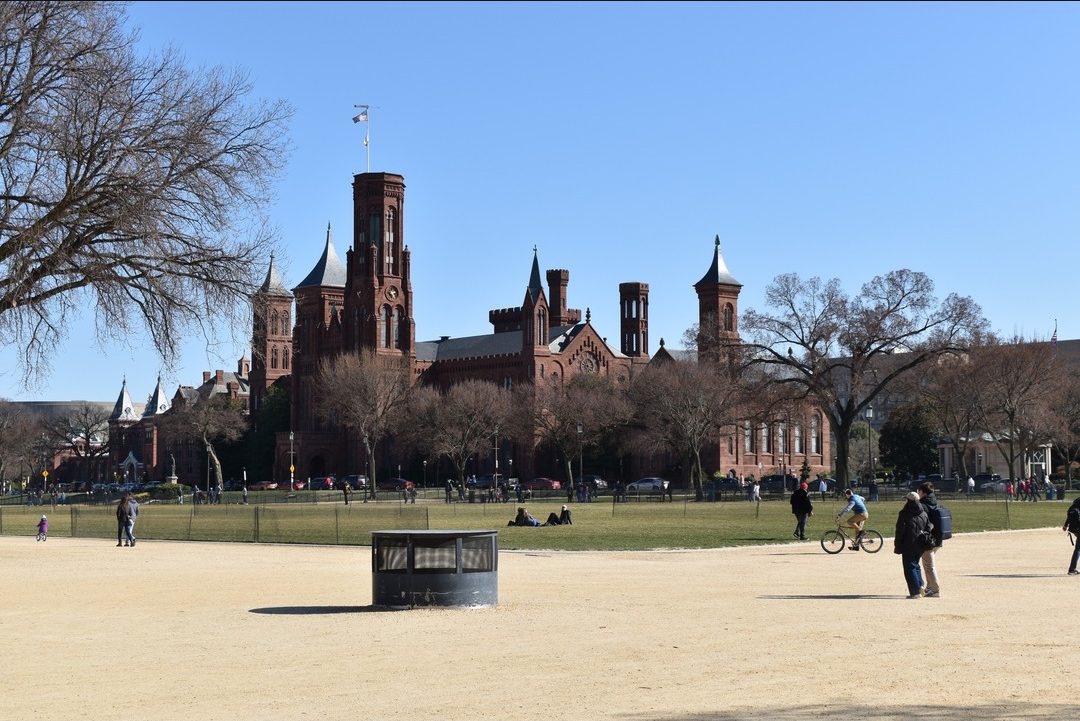
Kobek and Byrne declined to sign the non-disclosure agreement Sanborn’s team asked for, and, as of this writing, have not published the text themselves. Their find reportedly complicated the auction in progress that autumn — the sale was widened from the K4 solution alone into the full archive described above, a response, according to the Associated Press, to the discovery nearly overtaking the sale it was meant to be the headline lot of. The episode leaves Kryptos in an odd position: the cipher was never actually broken by anyone. Its answer was found, intact, in a filing box, by people who were not looking to solve a puzzle so much as read a dead man’s — or rather, a living one’s — mail.
A venture-capital firm now owns cryptography’s most expensive blank
In June 2026, the winning bidder identified itself: Paradigm, a cryptocurrency-focused investment firm, which described itself as the new steward of the Kryptos secret rather than its owner. It launched a dedicated website and a ten-puzzle challenge related to the sculpture’s history, each puzzle carrying a $1,000 prize for the first correct solver, and said it intends to eventually release the ciphertext of the still-unseen K5 passage.
To check submitted answers against the real K4 plaintext without ever reading it themselves, Paradigm built a small piece of cryptographic theater that is, in its own way, as interesting as the sculpture: Sanborn typed the solution once, on a dedicated offline computer, which hashed it with SHA-256 and sent that hash to Google Cloud’s Key Management Service to produce a verification tag that only the same cloud key can reproduce. The plaintext itself never left the device, and the machine was wiped afterward. A would-be solver submits a guess, a one-dollar fee discourages brute-force attempts, and the system answers only yes or no.
None of which gets the public any closer to reading the passage itself. Thirty-five years of amateur and professional cryptanalysis failed to open it; a filing error at a federal archive found it by accident; and the ninety-seven characters now sit, verified but unread, behind a cloud key held by a company that was not founded until long after the sculpture was.
Watch the full history
The video version covers the sculpture’s four passages, how three of them broke, and what happened when the fourth one’s answer turned up somewhere nobody expected.

Related reading
- Why Nobody Can Read the Voynich Manuscript — another modern-era cipher mystery that has outlasted a century of professional and amateur attempts.
- The Mystery of the Beale Ciphers, Explained — a 19th-century cipher puzzle with its own disputed, possibly nonexistent solution.
- Is the Cascajal Block Really Writing? Inside a Twenty-Year Argument — a decipherment fight over whether a piece of writing is even writing at all.
- Who Built the Delhi Iron Pillar? The Question Nobody Signed Their Name To — another engineering mystery nobody involved left their name on.
Works cited
- “About the ‘Kryptos’ Sculpture.” Central Intelligence Agency. Link.
- “Statement from Director John Ratcliffe on the Passing of Former DCI William Webster.” Central Intelligence Agency, 8 August 2025. Link.
- Roos, Dave. “The Unsolved Secret Code at CIA Headquarters.” History.com, A&E Television Networks, 18 August 2025. Link.
- “Code of ‘Kryptos,’ CIA Sculpture Unsolved for 35 Years, Is Up for Sale.” The Washington Post, 14 August 2025. (Print citation: washingtonpost.com blocks automated requests to this URL from this environment; the article is live per search-engine indexing.)
- “Nobody Has Been Able to Solve the CIA’s Famous ‘Kryptos’ Sculpture. Soon, the Solution Will Be Sold to the Highest Bidder.” Smithsonian Magazine, August 2025.
- “How the CIA’s Kryptos Sculpture Gave Up Its Final Secret.” Scientific American, September 2025. Link.
- “Jim Sanborn’s Complete Kryptos Archive Sells for $962,500 at Auction.” RR Auction, 21 November 2025. Link.
- Associated Press. “Info to Decipher Secret Message in Sculpture at CIA HQ Sells for Close to $1M, According to RR Auction of Boston.” 22 November 2025. Link.
- Paradigm. “Project Kryptos.” June 2026. Link.
- “A Nashville Cryptography Expert Has Been Trying to Crack This CIA Riddle for 16 Years.” WPLN/Nashville Public Radio, 9 September 2016. Link.