
Science & Technology
Instruments, inventions, measurement and the slow accumulation of technical knowledge.
-
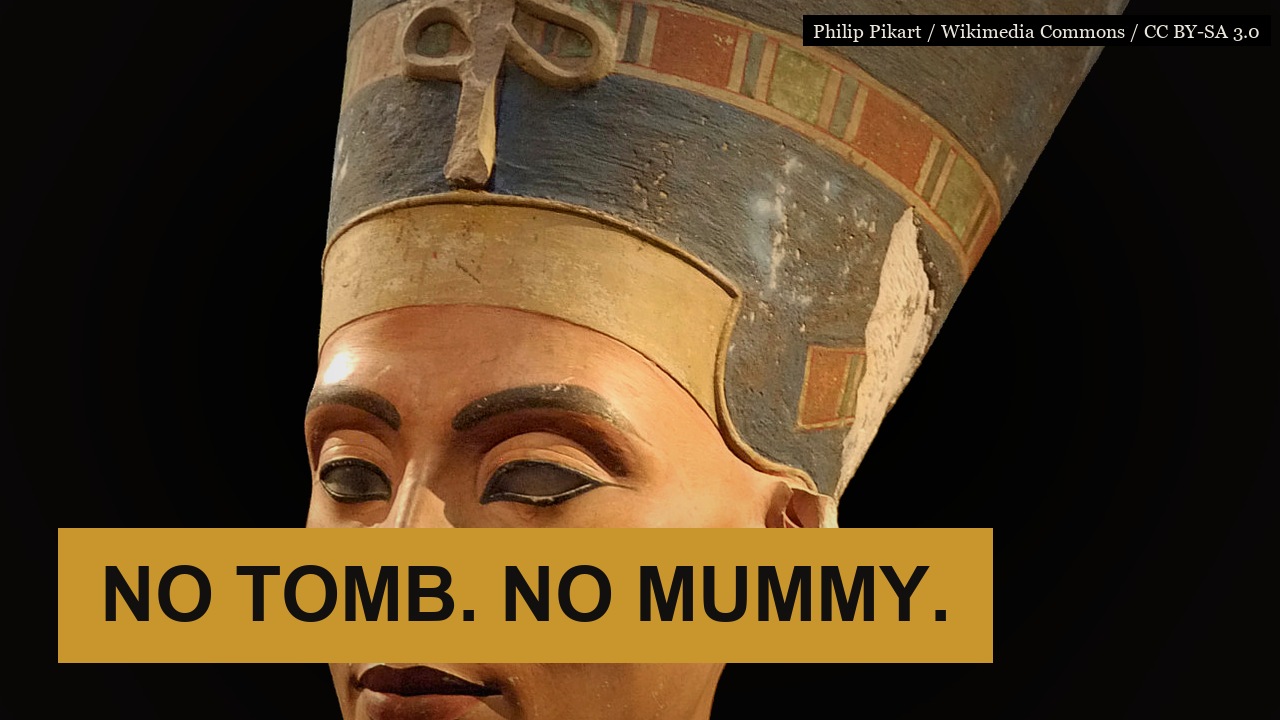
The Hunt for Nefertiti’s Tomb: Every Attempt, and Why They All Failed
Egyptology has ruled out two mummies, three radar surveys and one famous theory about Tutankhamun’s tomb. It has never ruled anything in.
-
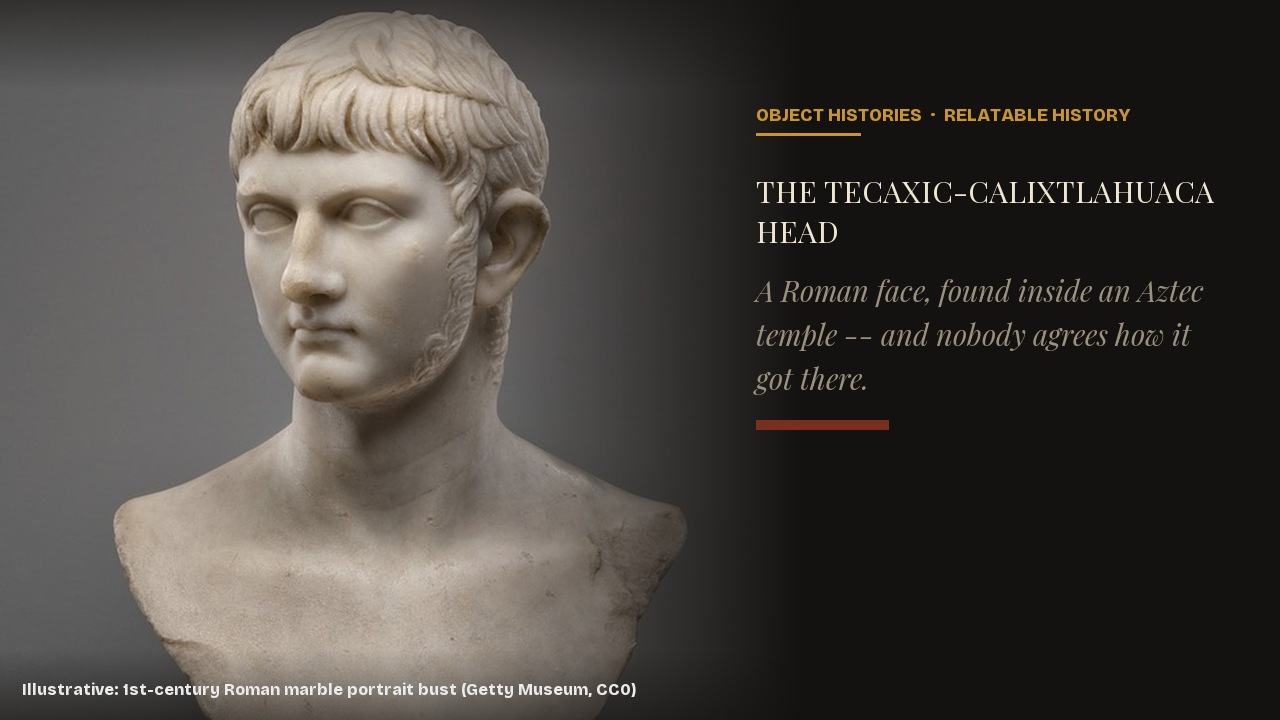
Is the Calixtlahuaca Head Really a Roman Artifact?
A terracotta face pulled from a sealed Aztec-era burial has been called Roman, Colonial, and a prank. Here’s what each claim actually rests on.
-
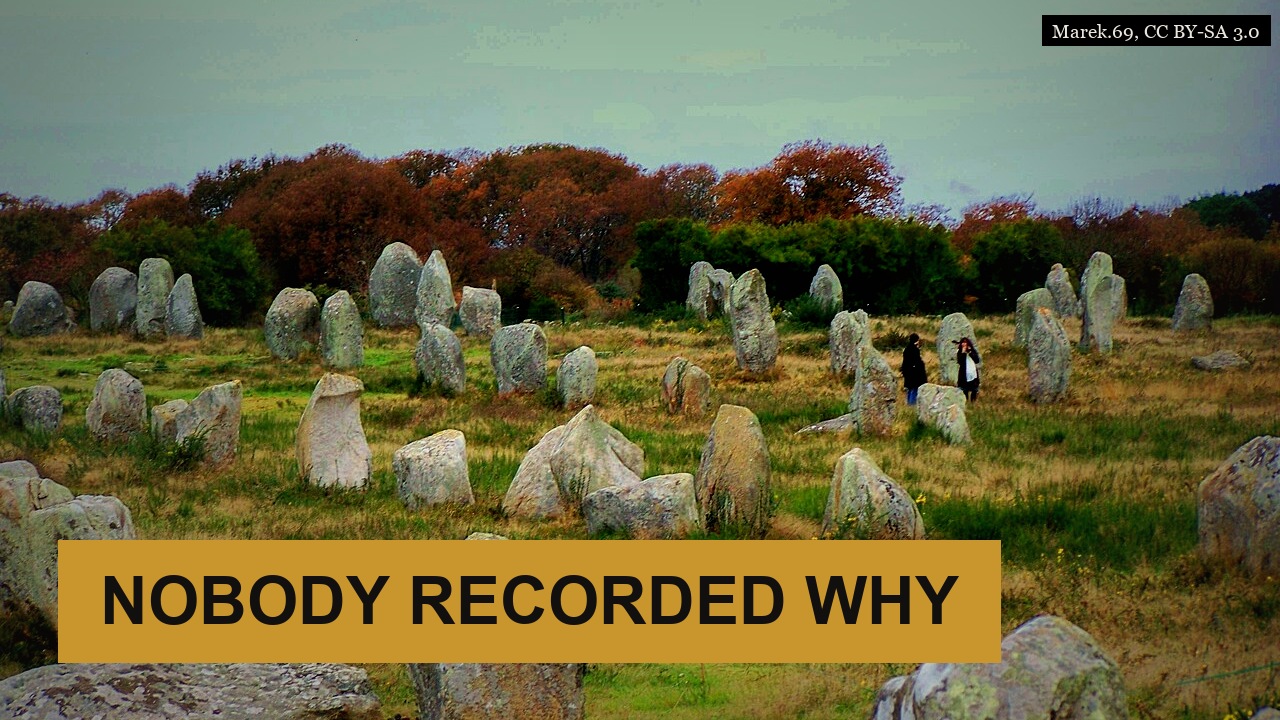
The Carnac Stones Are Older Than Stonehenge. Nobody Knows What They Were For.
A 2025 dig finally dated Brittany’s three-thousand-stone alignments — and turned up a mystery the archaeologists still can’t explain.
-
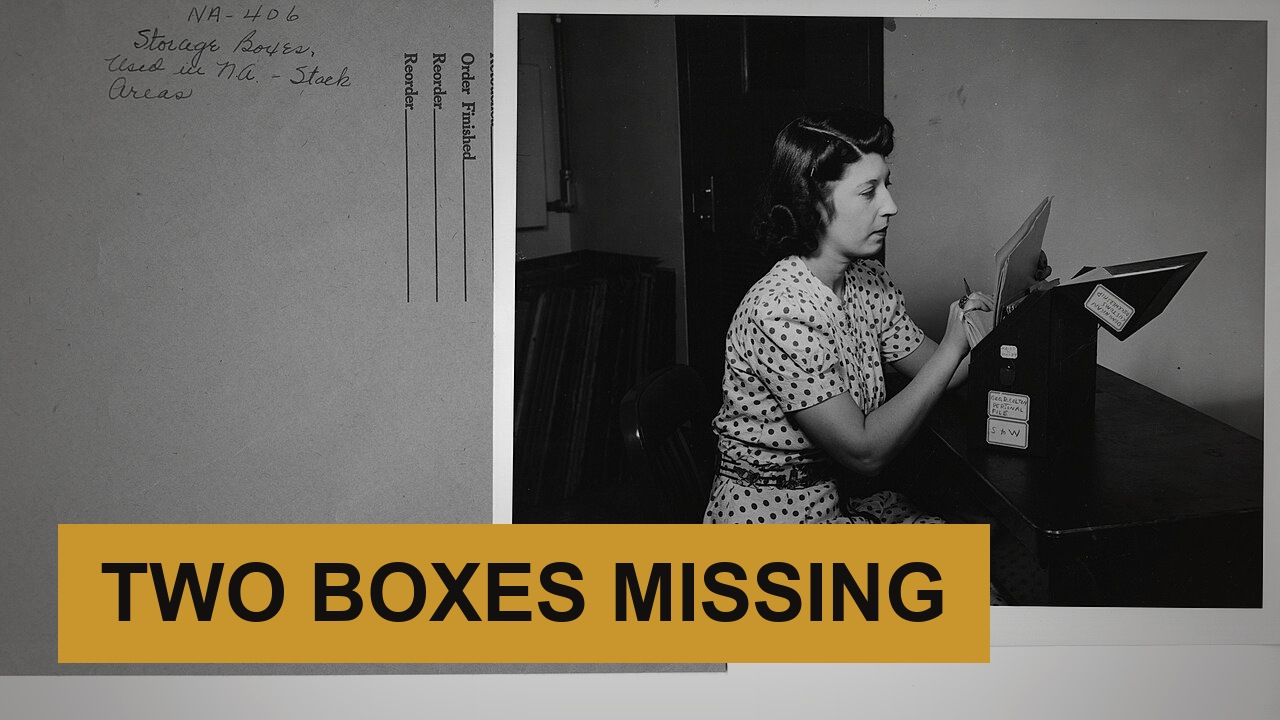
The Kecksburg NASA Files Nobody Can Find
A federal judge ruled that NASA had not proven its own search for the Kecksburg records was adequate. Decades later, the boxes that might settle the question still cannot be found anywhere in the federal government.
-
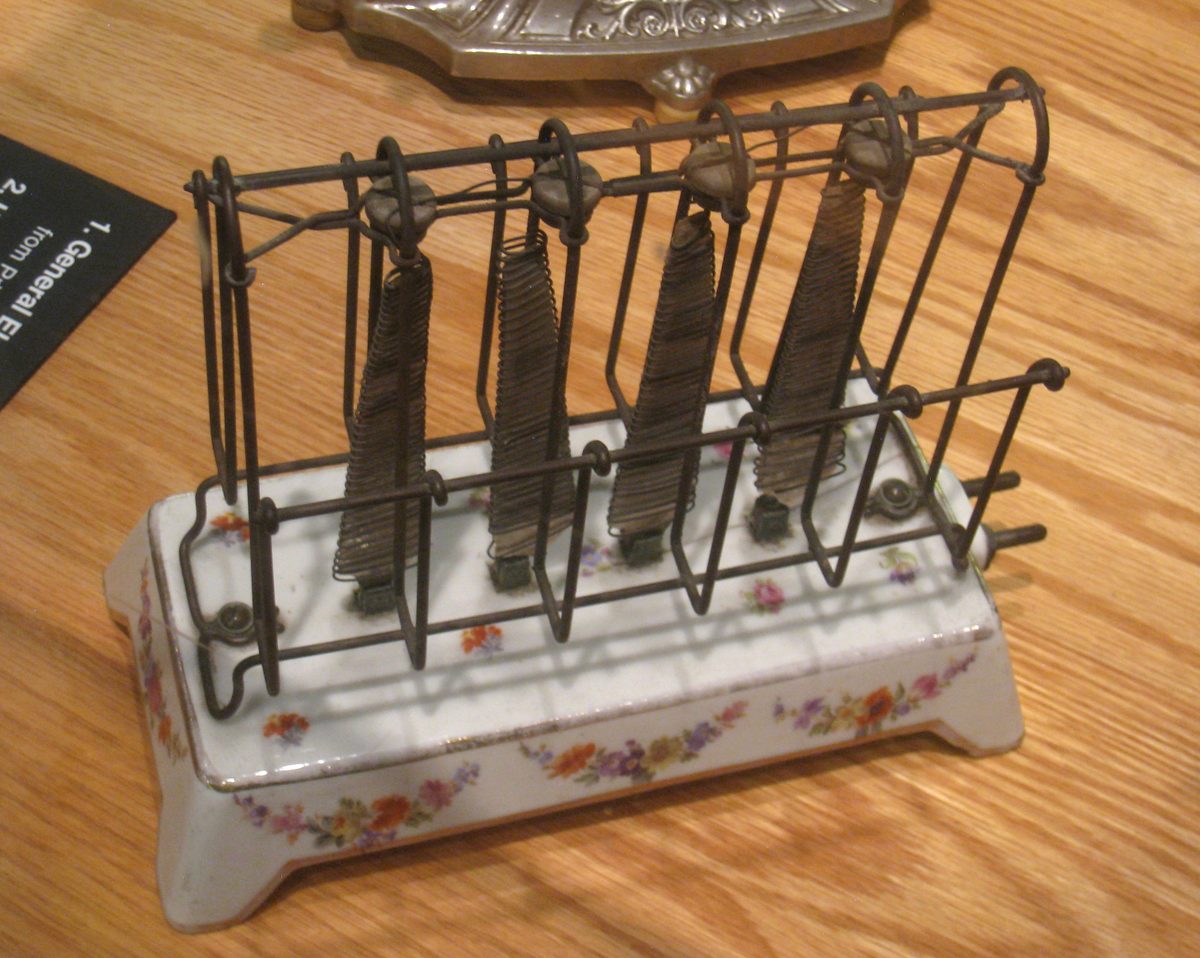
Who Invented the Electric Toaster, Really?
The electric toaster had a real, documented fire problem for thirty years, and it took four actual engineers working in stages to fix it. The man most people would now credit was invented by a bored university student in 2012.
-
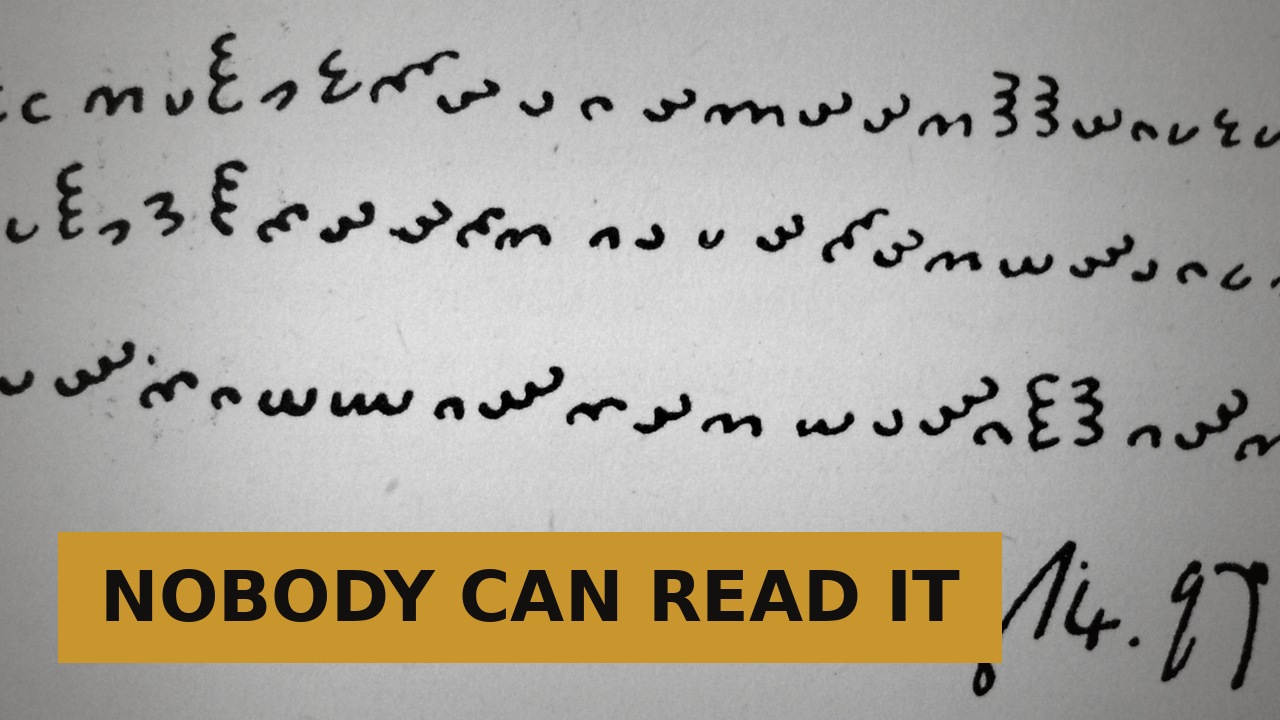
Why the Dorabella Cipher Remains Unsolved
Eighty-seven symbols, three lines, one composer’s idea of a private joke. More than a century and a cash prize later, nobody has read a word of it.
-
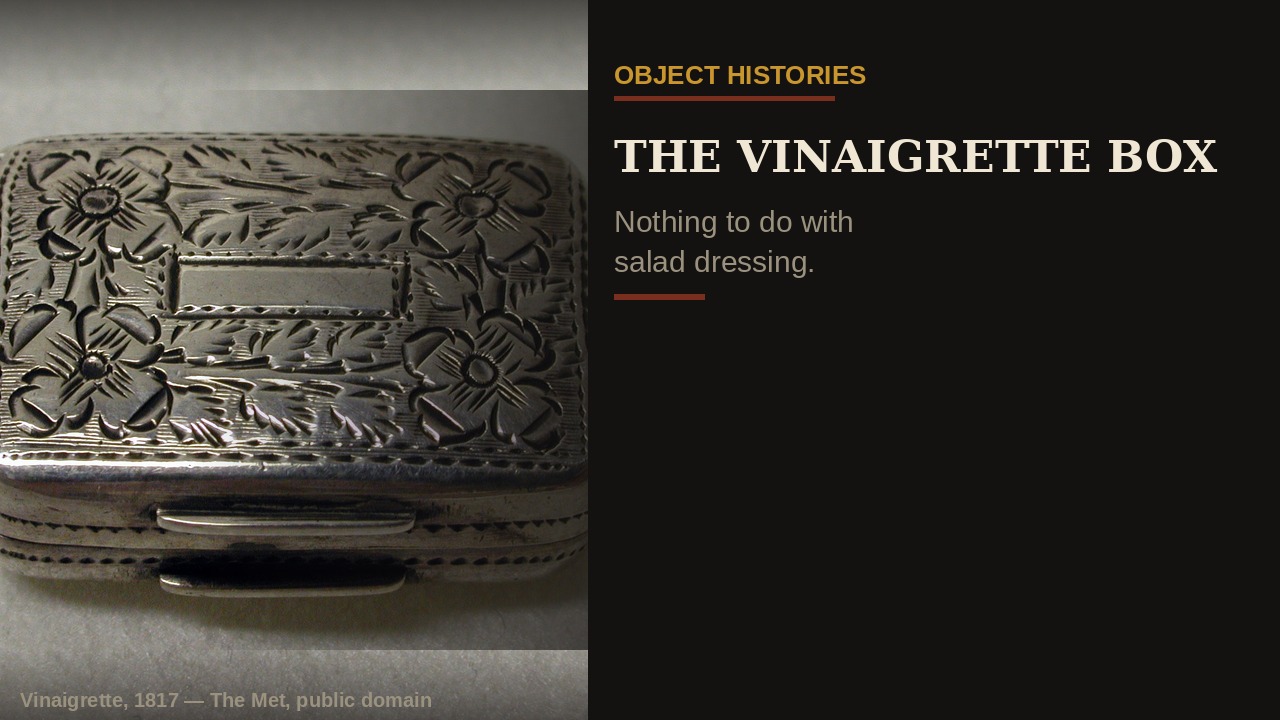
The History of the Vinaigrette Box: A Georgian Cure for Bad Air
A vinaigrette box was carried by Georgian and Victorian women as genuine medicine against disease, until a London physician’s cholera map proved the whole theory behind it wrong.
-

What the Tarim Mummies’ DNA Actually Revealed
Every clue above ground pointed west: felted wool, a checked twill tunic, a weave matched to the Alps. The genomes said no one from the west had ever reached the cemetery at all.
-
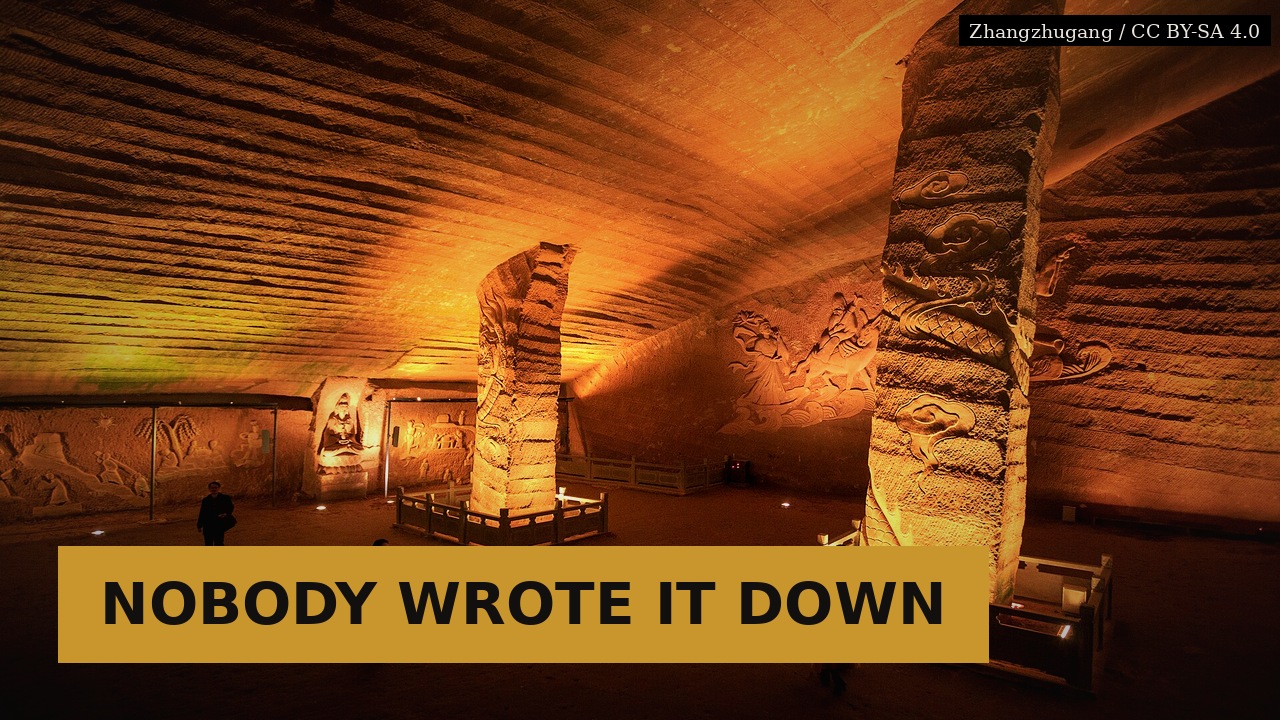
The Purpose of the Longyou Caves Is Still Not Settled
Four farmers drained a pond they had always been told was bottomless and found a hand-cut chamber thirty metres down. Three decades of survey later, nobody has settled why it, or twenty-three more like it, were ever cut.
-
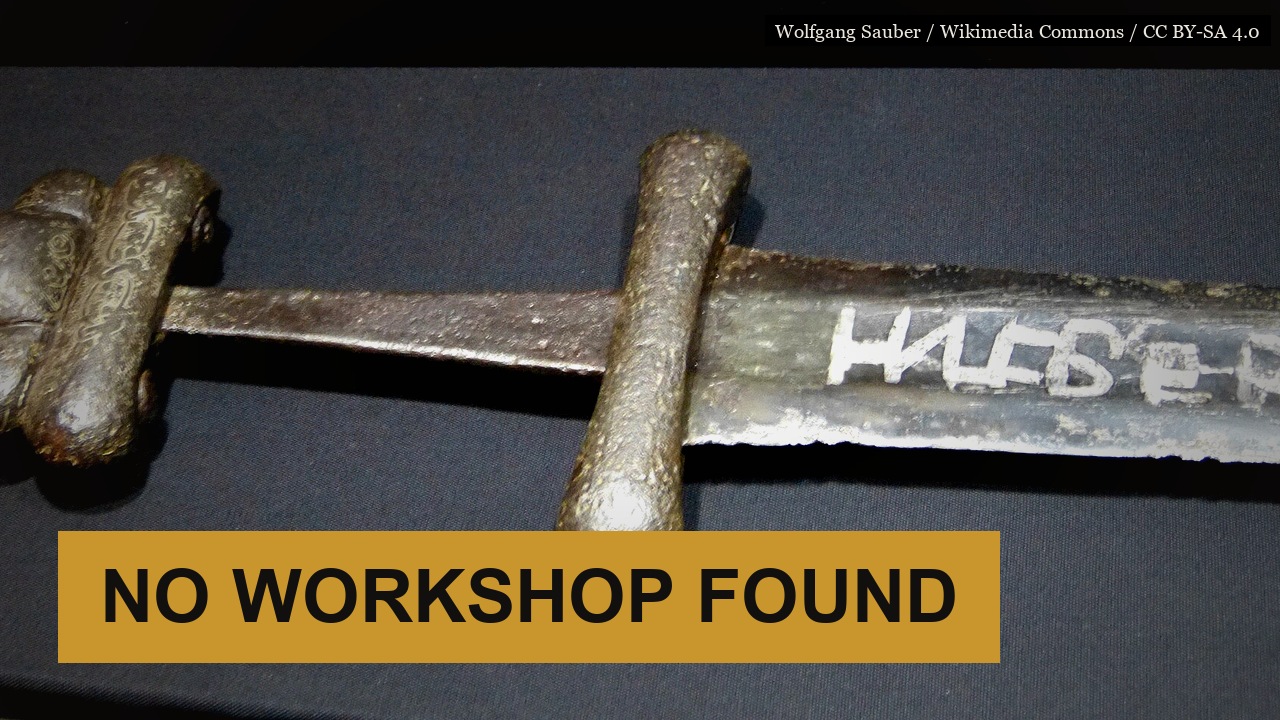
Were the Ulfberht Swords Really Made With Crucible Steel?
Nine of the roughly 170 Viking-age swords inscribed with one Frankish name carry steel harder than medieval Europe is thought to have been able to forge. No one has ever found where, or by whom.