
The long, surprising journeys of everyday objects: why your car key is called a fob, how the inkwell lasted 3,000 years, and where the things in your house really came from.
Each story below is the full, sourced article and includes its video. Just want to watch? See every Object Histories video →
-
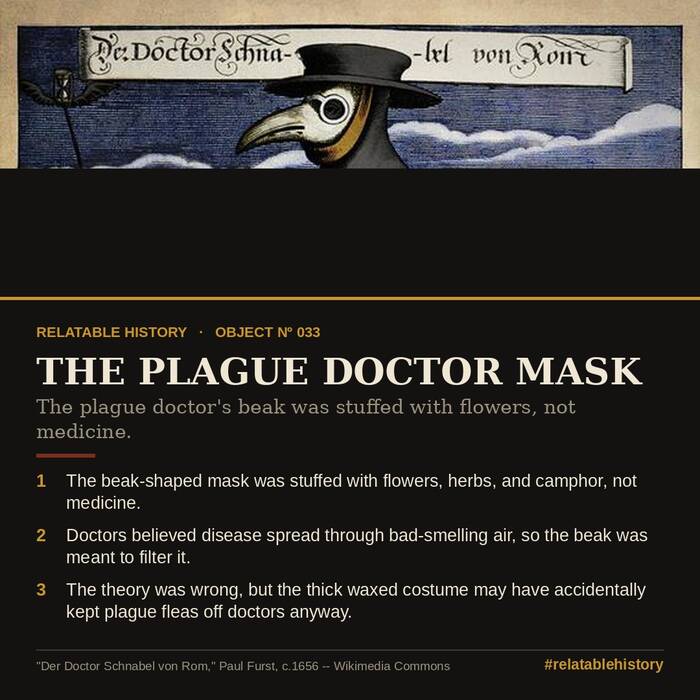
Did Plague Doctors Really Wear Those Beak Masks?
Nearly everyone can picture the beaked plague doctor mask. Historians who went looking for seventeenth-century proof that doctors actually wore one came back with a lot less than expected.
-
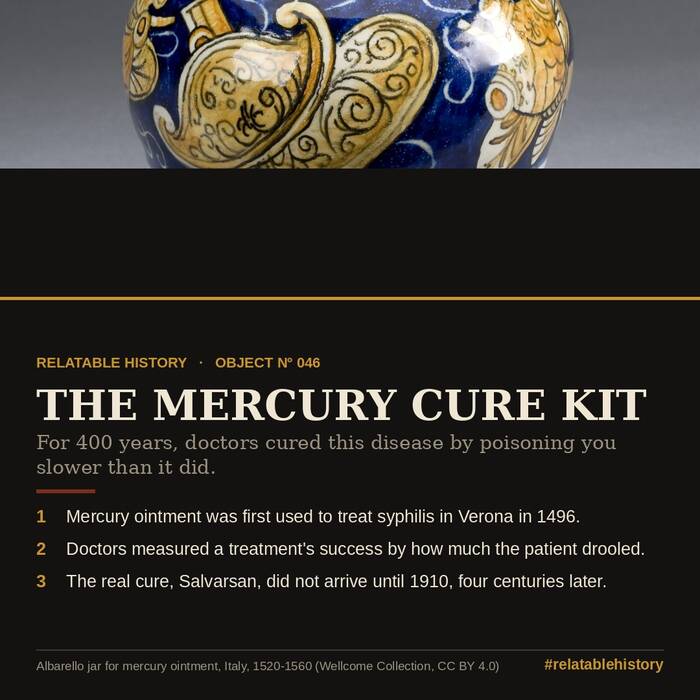
The Mercury Cure for Syphilis Lasted Four Hundred Years
For four centuries, doctors treated syphilis with mercury and watched for heavy drooling as proof it was working. Here’s what the cure actually did to patients, and the 1910 discovery that finally replaced it.
-
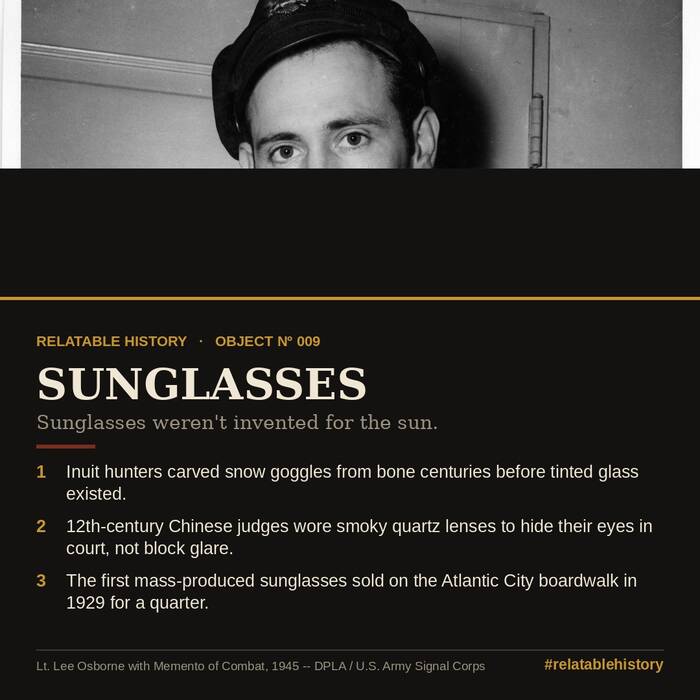
Why Sunglasses Were Invented to Hide Things, Not Block the Sun
Chinese judges, American and British opticians, Army pilots, and Hollywood all reached for tinted lenses for reasons that had nothing to do with sunshine. Here’s how a courtroom disguise became an everyday object.
-
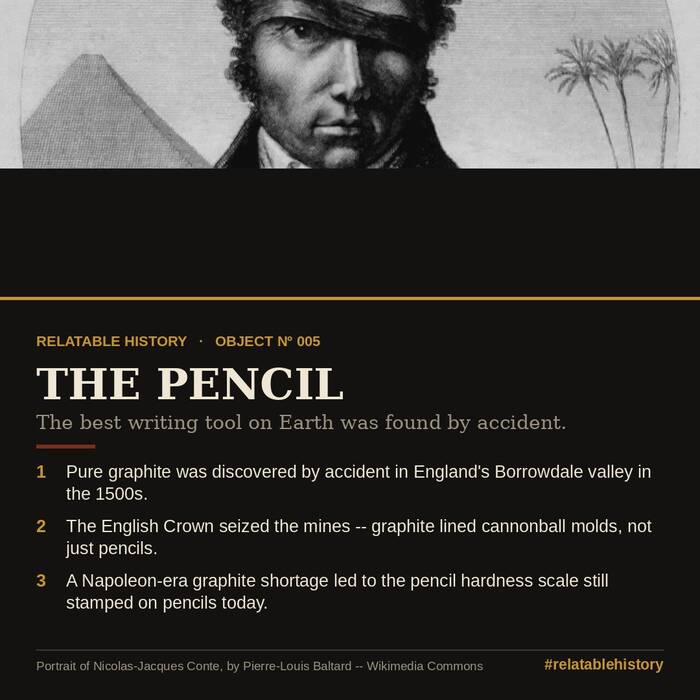
Why Pencil Lead Isn’t Actually Lead
A storm in England’s Lake District uncovered the rock that would be mistaken for lead, guarded like treasure, and reinvented twice more — by Napoleon’s France and by a Massachusetts cabinetmaker — before it became the pencil in your drawer.
-
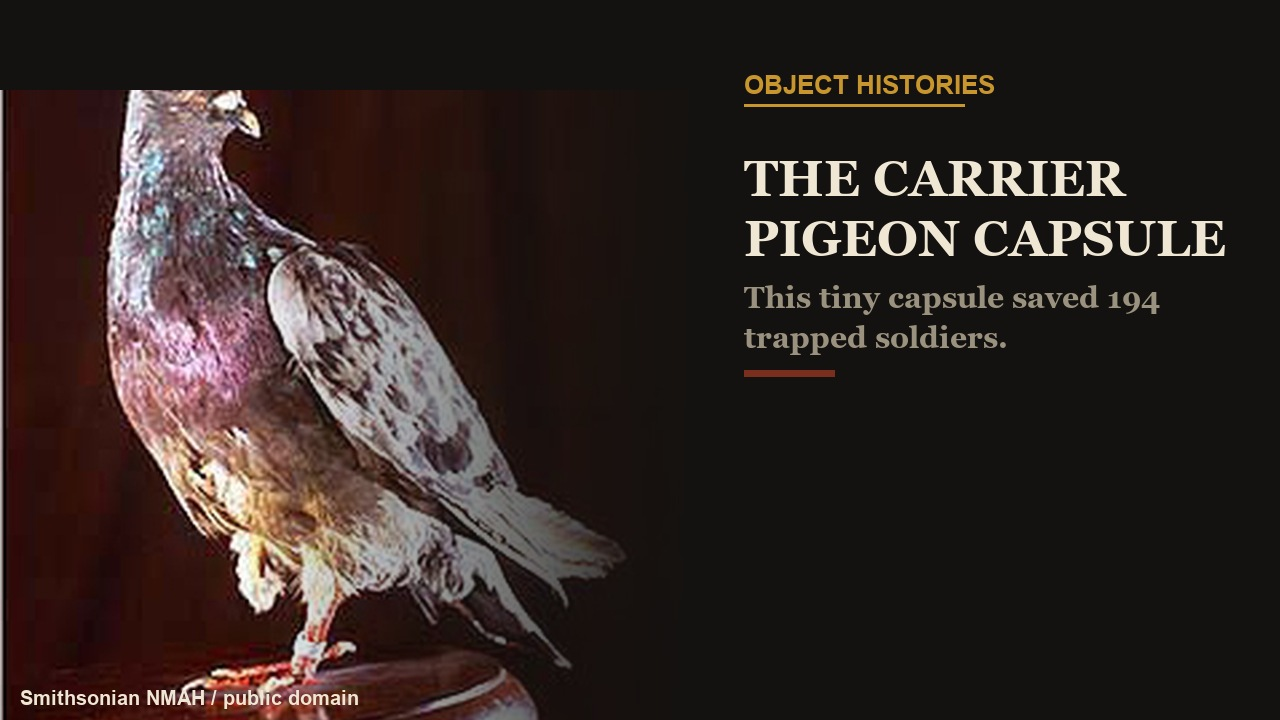
How Carrier Pigeons Carried Messages Through Two World Wars
A capsule the size of a film canister carried Reuters’ stock prices, letters out of besieged Paris, and the order that stopped a barrage on American troops. Here is the century of engineering behind it.
-
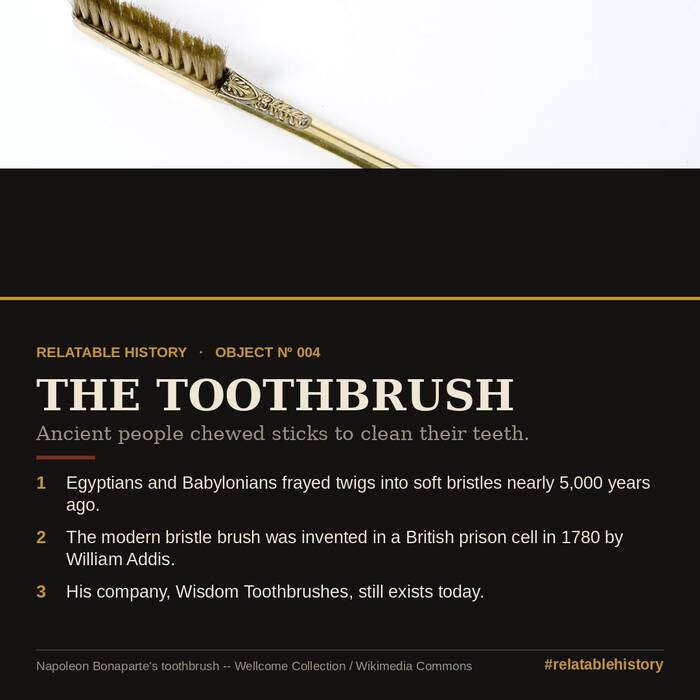
The Evolution of Toothbrush Bristles, From Boar Hair to Nylon
Toothbrushes are far older than their bristles. The real history runs from Chinese hog-bristle brushes and an English prison cell to a DuPont chemist’s accidental hygiene fix.
-
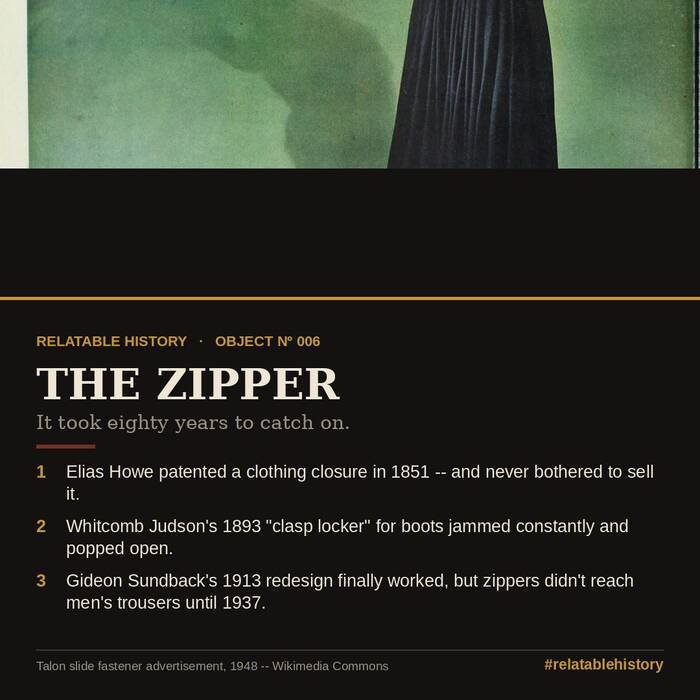
Who Invented the Zipper? It Took Three Men and Sixty-Six Years
Elias Howe patented it in 1851 and never built one. Whitcomb Judson’s version jammed at the 1893 World’s Fair. It took a third man, and a war, to make the zipper actually work.
-
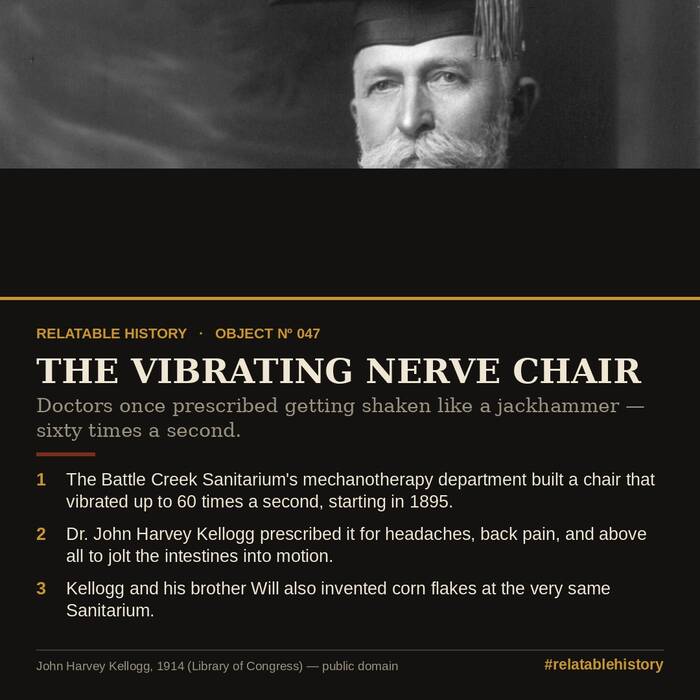
Inside the 150-Year History of Vibration Therapy
A Paris neurologist, a Swedish gymnast, and a cereal magnate all bet that shaking the human body could cure it — and for a while, mainstream medicine agreed with all three.
-
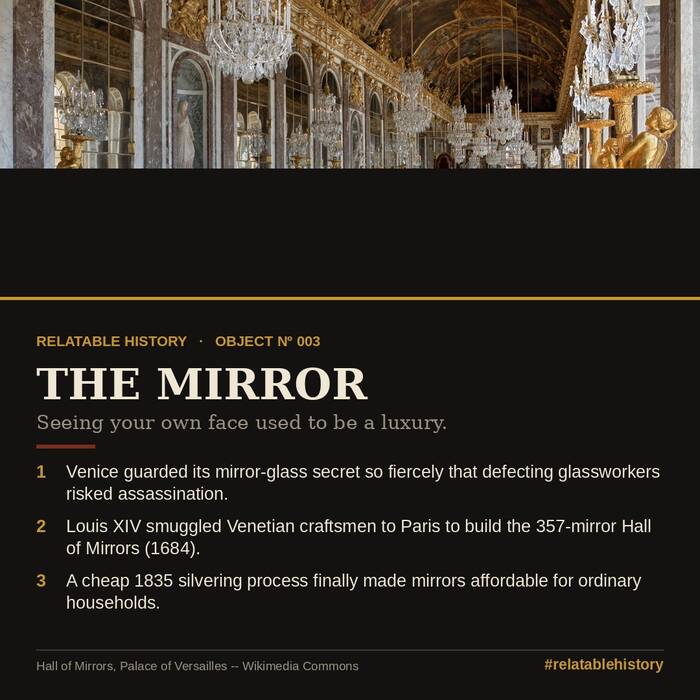
Why Venice Made Mirror-Making a State Secret
Venice turned a glassmaking trick into a monopoly guarded by statute for a century and a half. It took a king’s bribery, and two centuries later a chemist’s basic reaction, to break it.
-

Why Umbrellas Were Once Considered Unmanly
An umbrella used to announce something humiliating about the man holding it. A Greek poet was mocking men for it twenty-five centuries before a London merchant finally made it acceptable.