
Early Modern
Roughly 1500 to 1750: the age of oceanic trade, the printing press, the scientific revolution, and the first global empires.
-
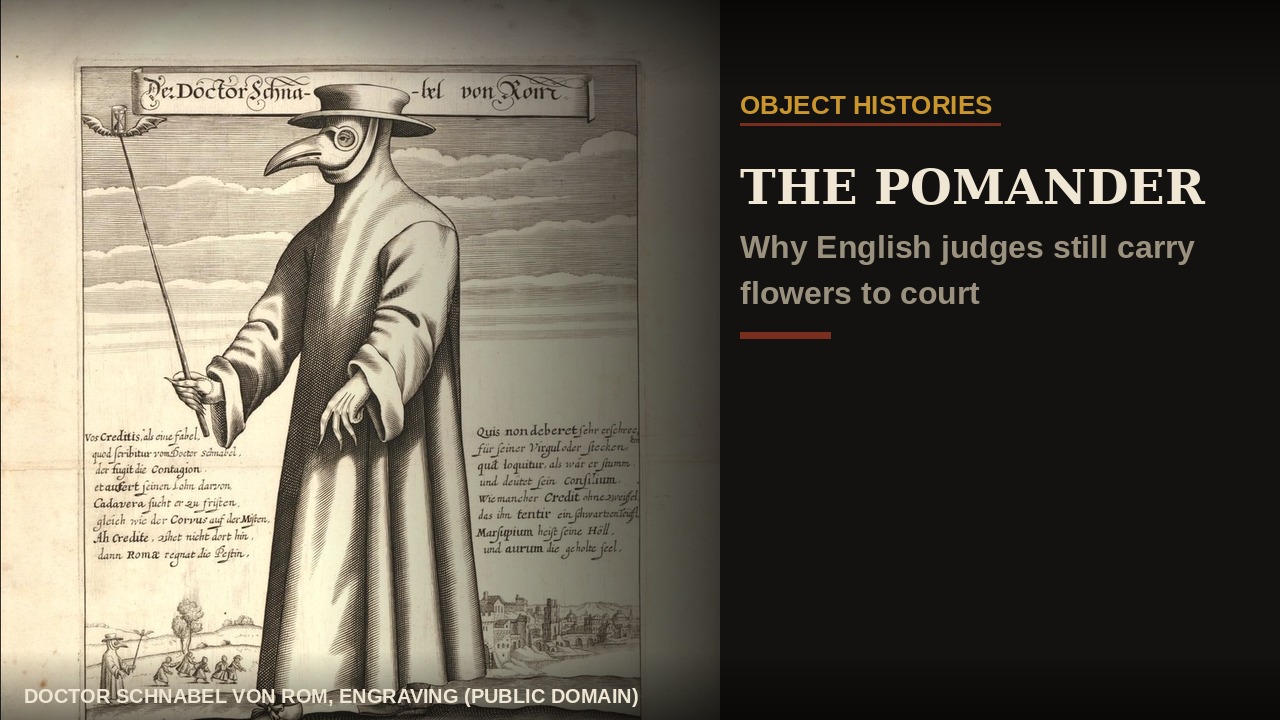
The Pomander Was Built on Miasma Theory, and Outlived It
For five hundred years, Europeans believed a bad smell could make you sick, and built an entire piece of jewelry to fight it. The theory collapsed in the 1880s. The habit took longer.
-
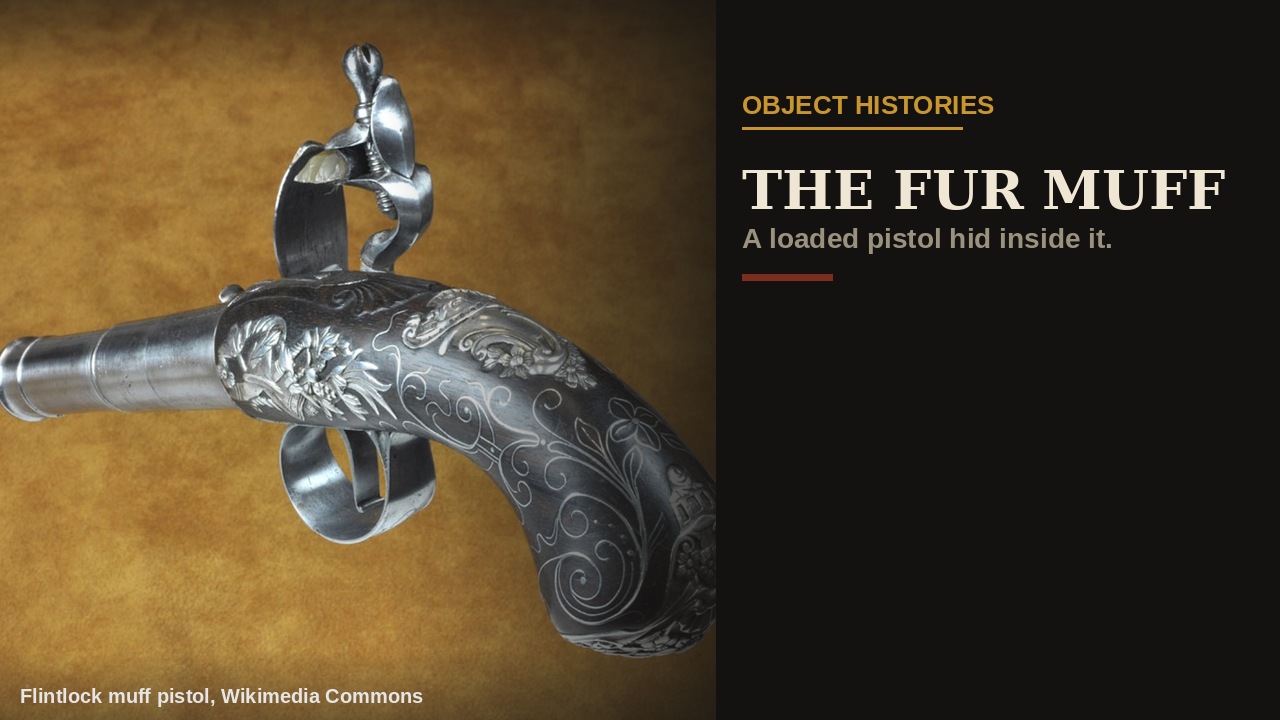
Everything People Used to Hide Inside a Fur Muff
A fur muff could hide a loaded pistol, a hot-water bottle, or a protester’s cleaver, and nobody thought to check. Here is everything it carried over four centuries.
-
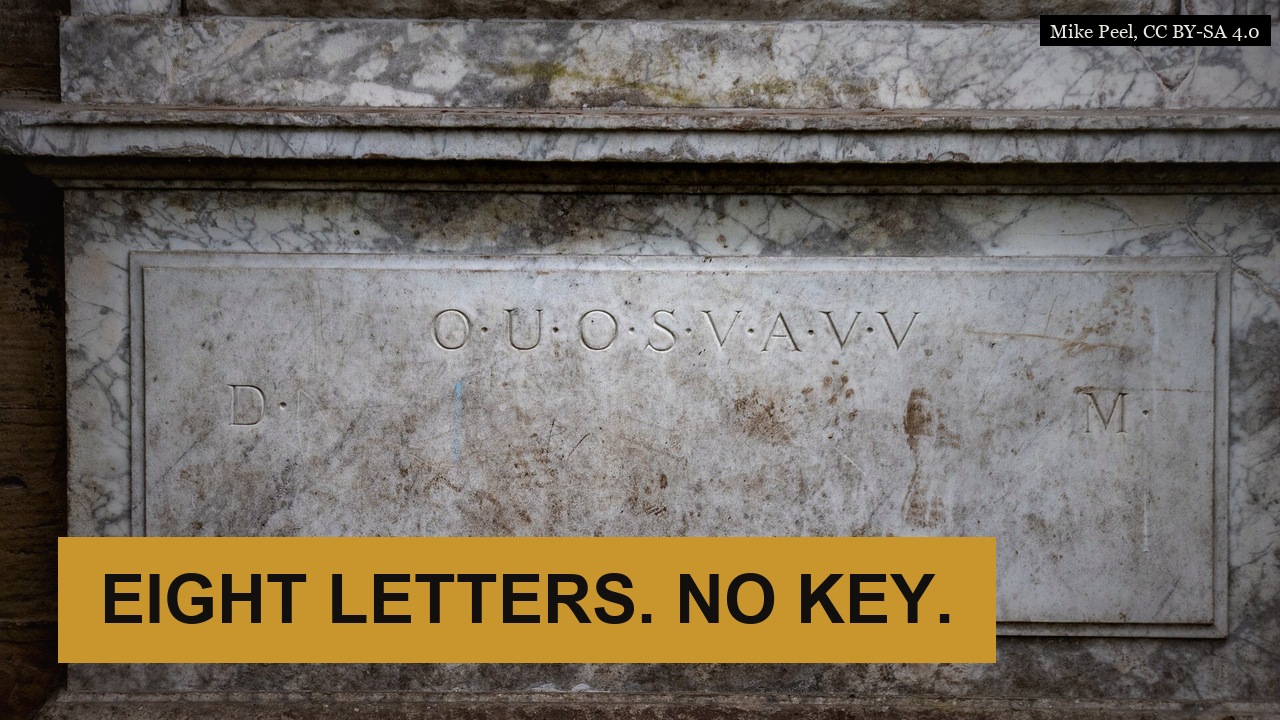
Shugborough Inscription Theories: What Each Explanation Actually Claims
Wartime codebreakers, a classics journal and a graffiti theory have all taken a run at the Shugborough inscription. None of them agree, and the gap in the written record explains why.
-
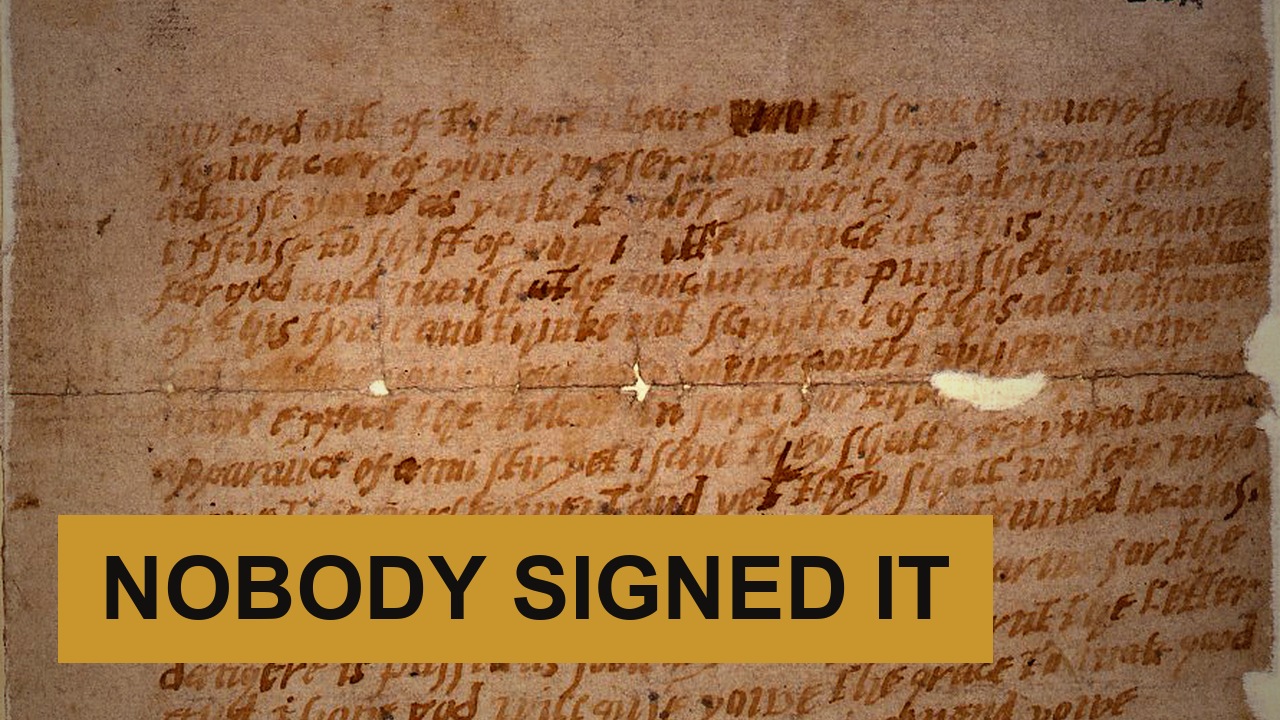
Who Wrote the Monteagle Letter? Six Suspects, No Confession
Six people have been formally accused of writing the letter that caught Guy Fawkes, including two servants named by actual forensic handwriting investigations decades apart. None of the accusations has ever stuck.
-
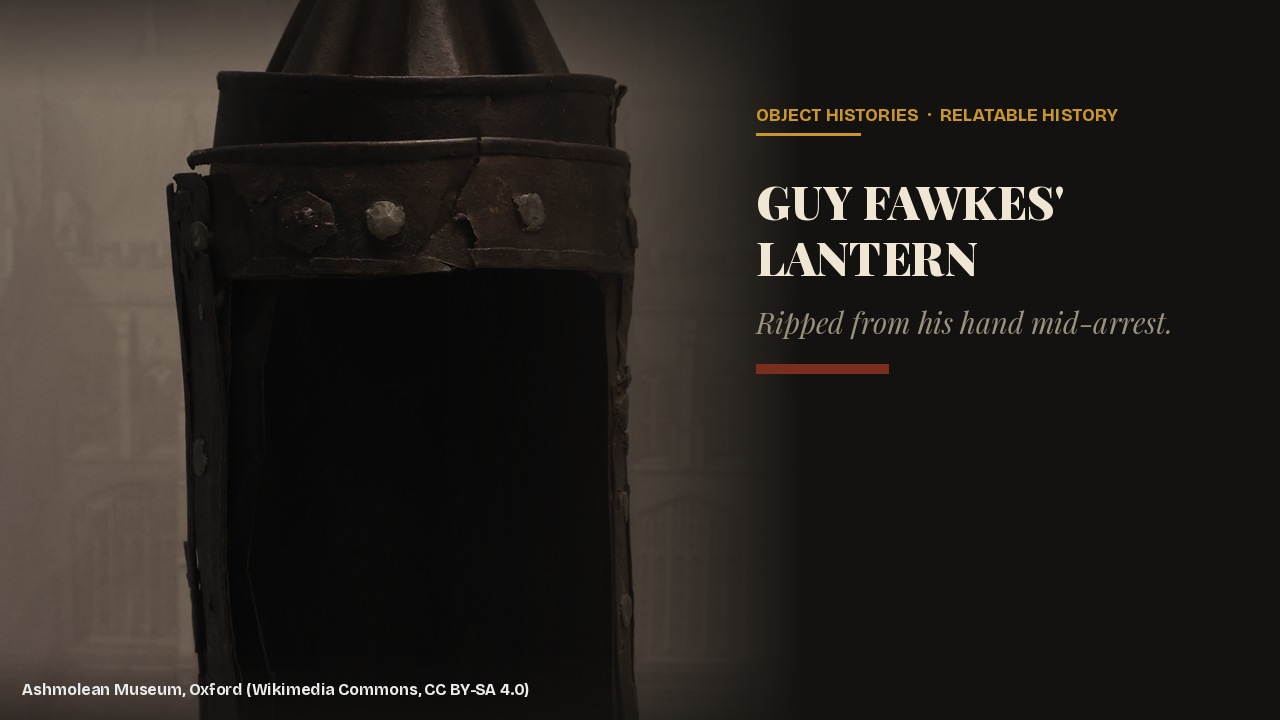
The 160-Word Letter That Undid the Gunpowder Plot
Guy Fawkes never saw the letter that caught him. A single warning to one frightened nobleman set off the search, the torture, and the law that built Bonfire Night.
-
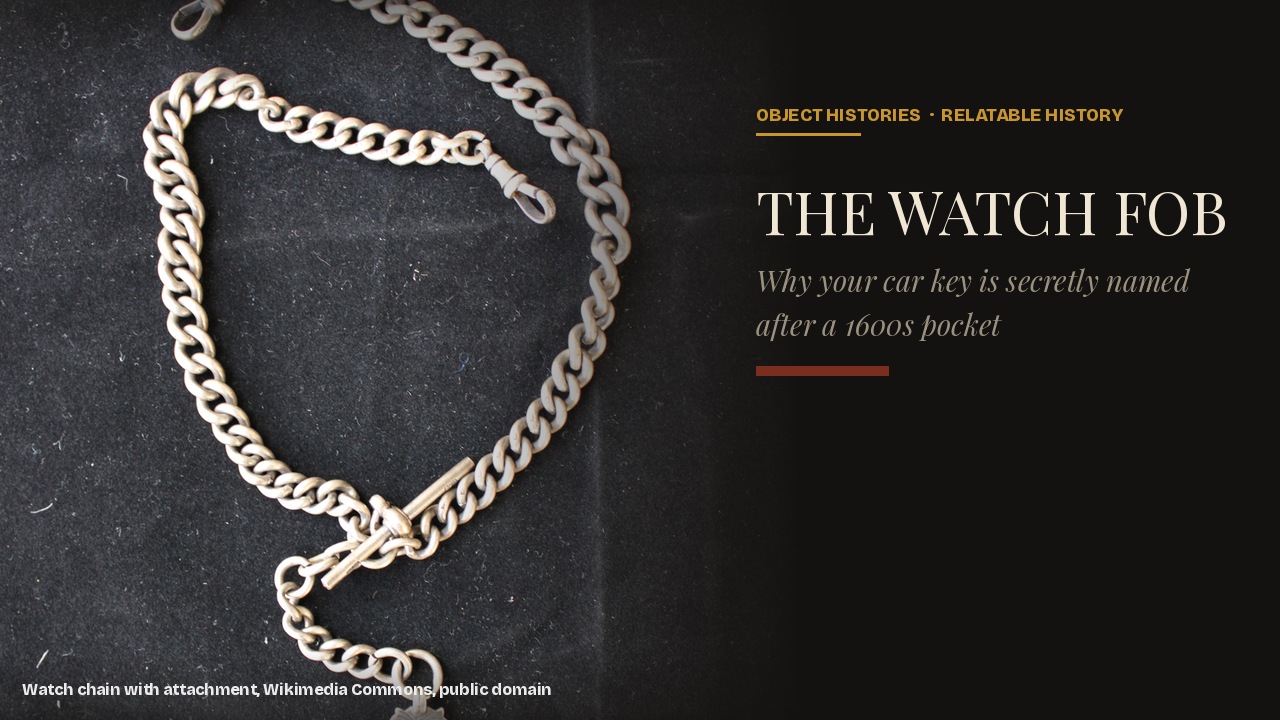
Why Is It Called a Fob? The Pocket Before the Chain
Long before it clipped to a car key, “fob” named a small waist pocket — the one Charles II made fashionable in 1666, and the one that got crowded with watch keys, seals, and chatelaines once a watch was something you could actually afford to own.
-
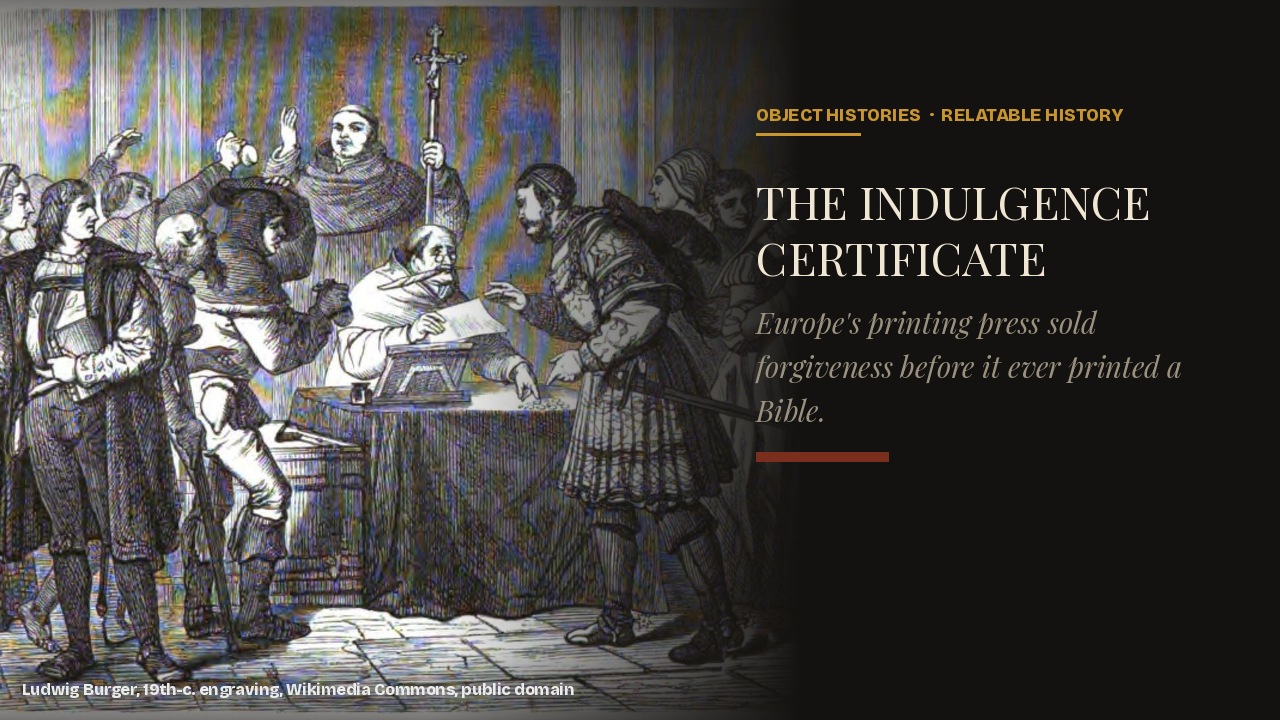
How Indulgence Certificates Worked, and Why One Caused a Reformation
A printed form, an archbishop’s debt, and one monk’s objection: the full mechanics of the indulgence certificate, and why Rome eventually banned selling it.
-
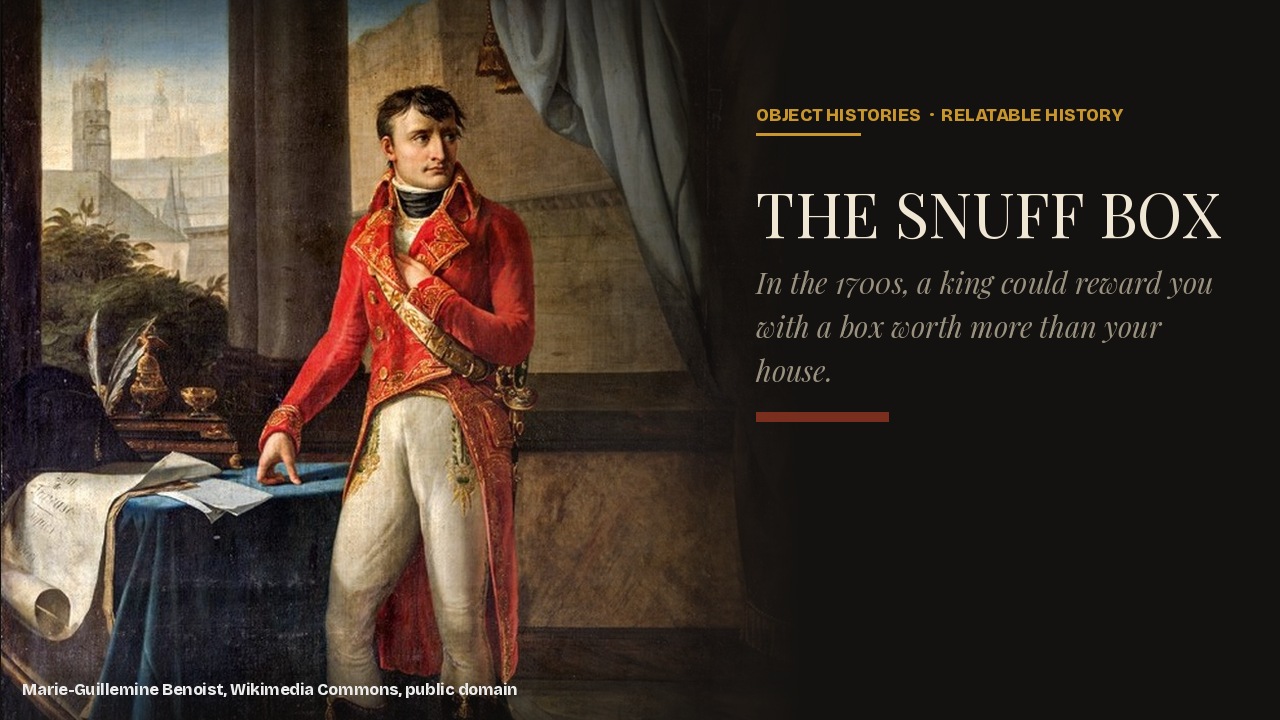
How Snuff Boxes Became the Currency of 18th-Century Courts
A gold snuff box could stand in for a medal, a bribe, or a salary. Here is how an object the size of a deck of cards became one of the eighteenth century’s real instruments of diplomacy.
-
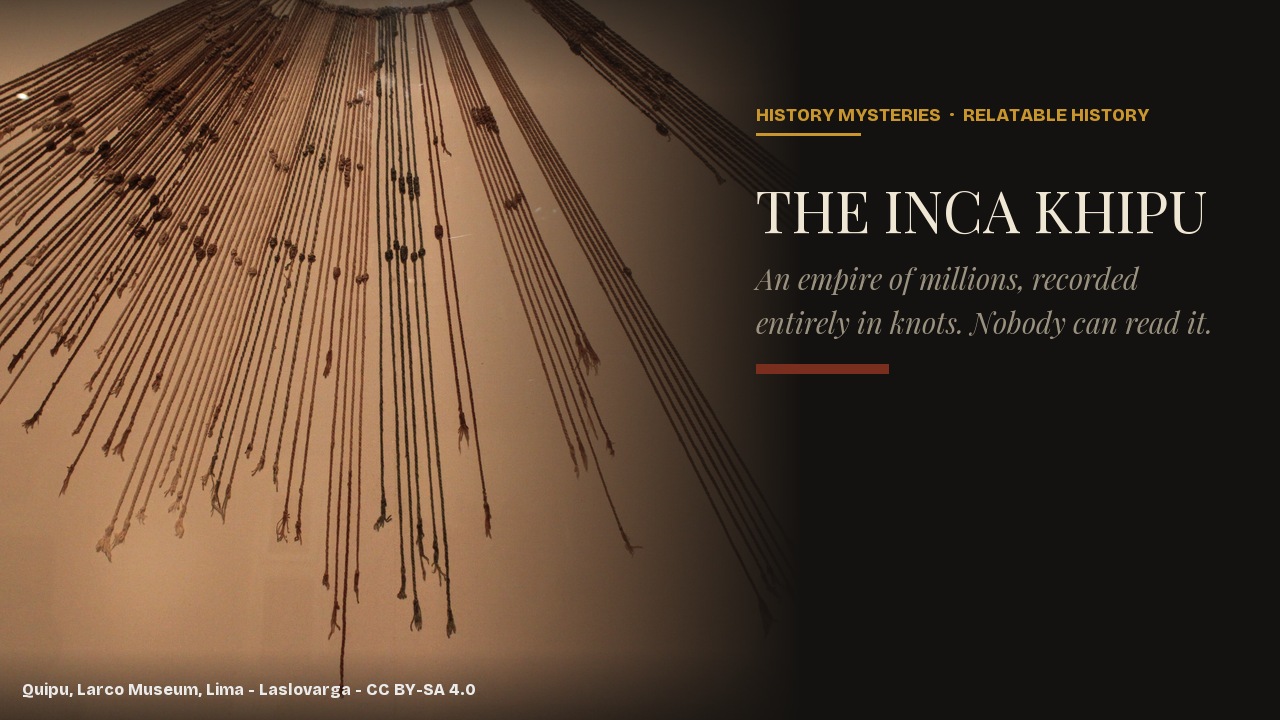
Inside the Decipherment of the Inca Khipu
In 1912 a mathematician cracked the number system hidden in Inca knotted cords. A century of further study still hasn’t settled whether the rest of a khipu is writing at all.
-
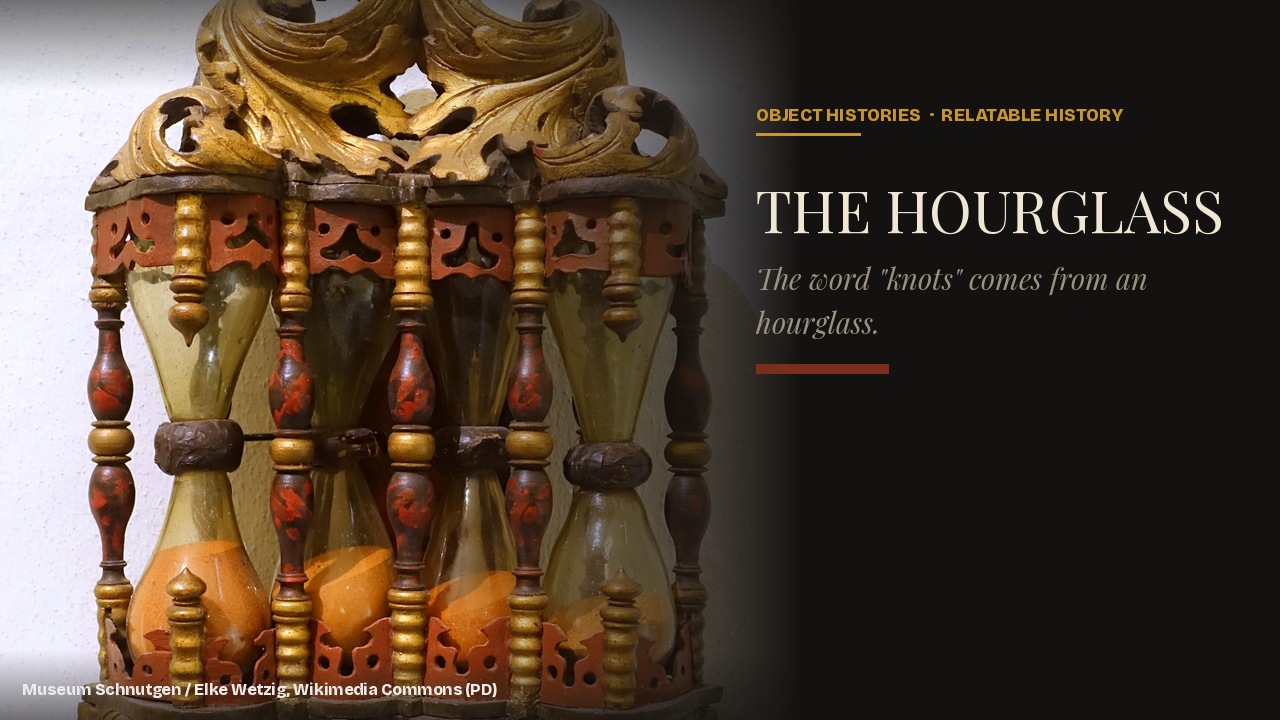
How Hourglasses Were Made, and What Was Actually Inside Them
Most hourglasses never held sand at all. Here is what glassmakers actually put inside them, and why ships and churches couldn’t do without one.