
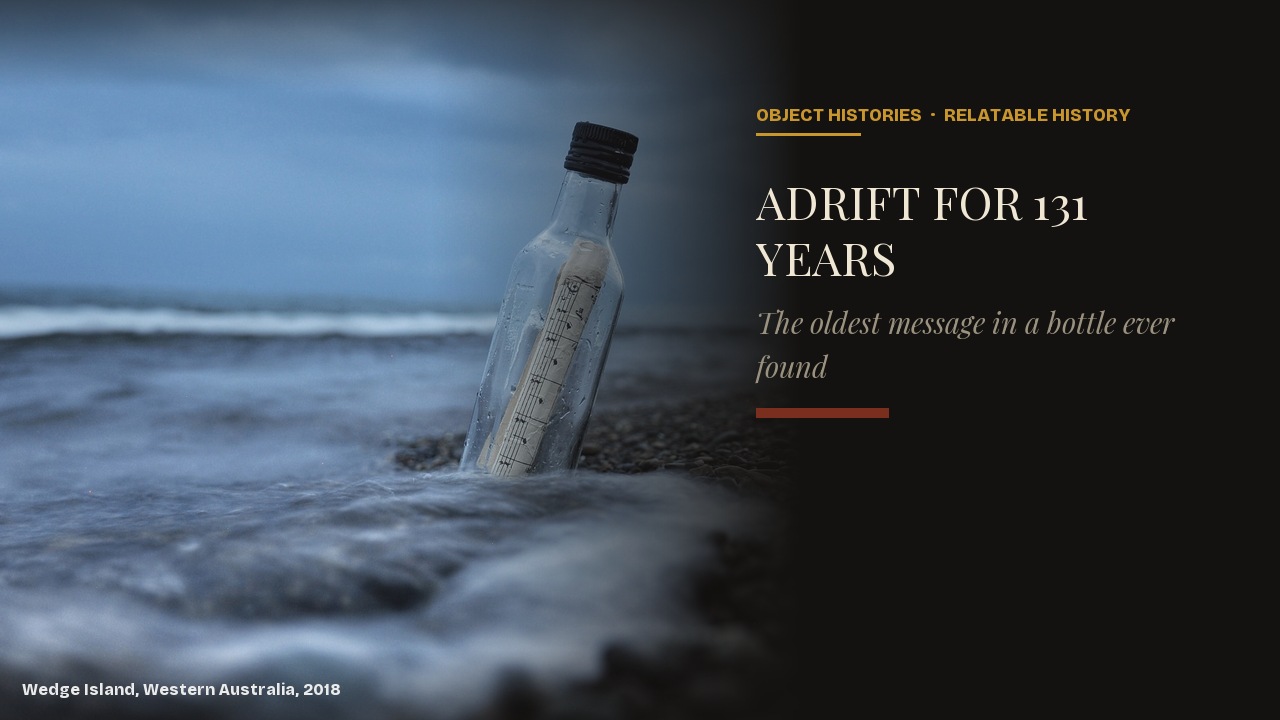
When Tonya Illman’s family nearly left an old gin bottle sitting in the dunes north of Wedge Island, Western Australia, in January 2018, it wasn’t sentiment that made them look twice — it was the paper rolled up inside. What they’d found wasn’t a castaway’s plea or a love note. It was a government research instrument: one slip from a German scientific program that had been quietly seeding the Indian Ocean with bottles since 1864, decades before anyone called it citizen science.
That note, dated the 12th of June, 1886, would go on to break a world record for the longest a sealed message has drifted at sea. But the record is really a side effect. The note is a surviving piece of a much longer, stranger story: for roughly a century and a half, drift bottle science was one of the only tools researchers had for watching how the ocean actually moves, and the people who practiced it ranged from a German naval observatory to a prince, a run of North Sea fisheries scientists, and the United States government.
This is the story behind that one note — what program it belonged to, how much older the idea already was, where the famous names usually credited with it actually fit, and how a 132-year-old ship’s logbook ended up proving a beach find wasn’t a hoax.
A beach find turned out to be a numbered government record
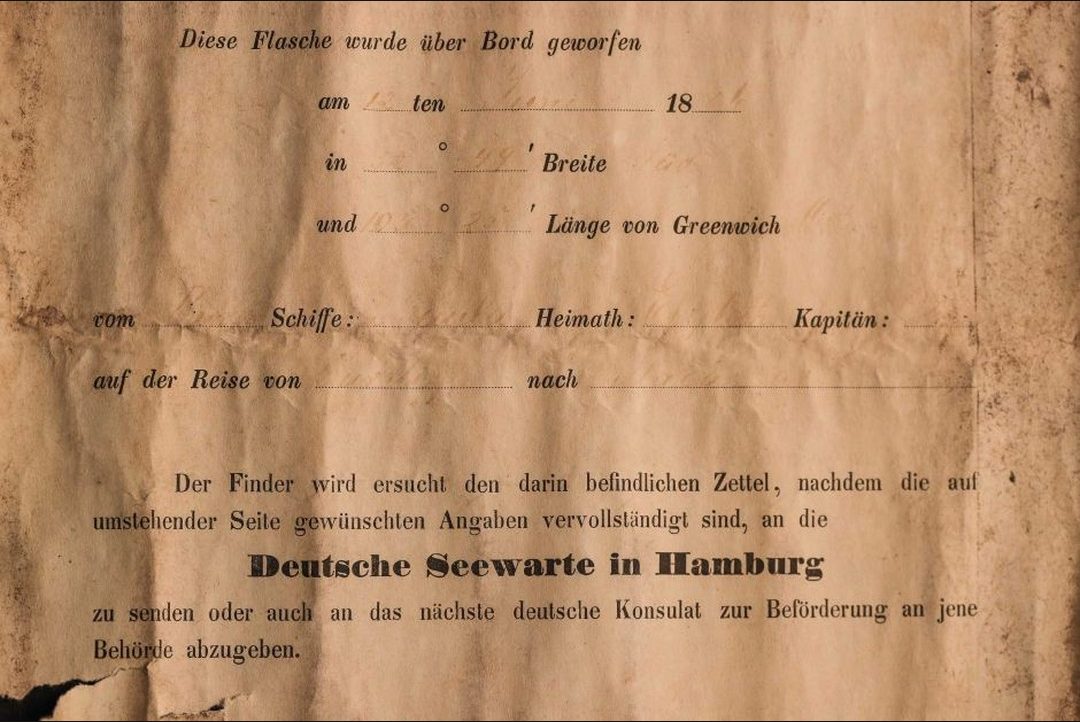
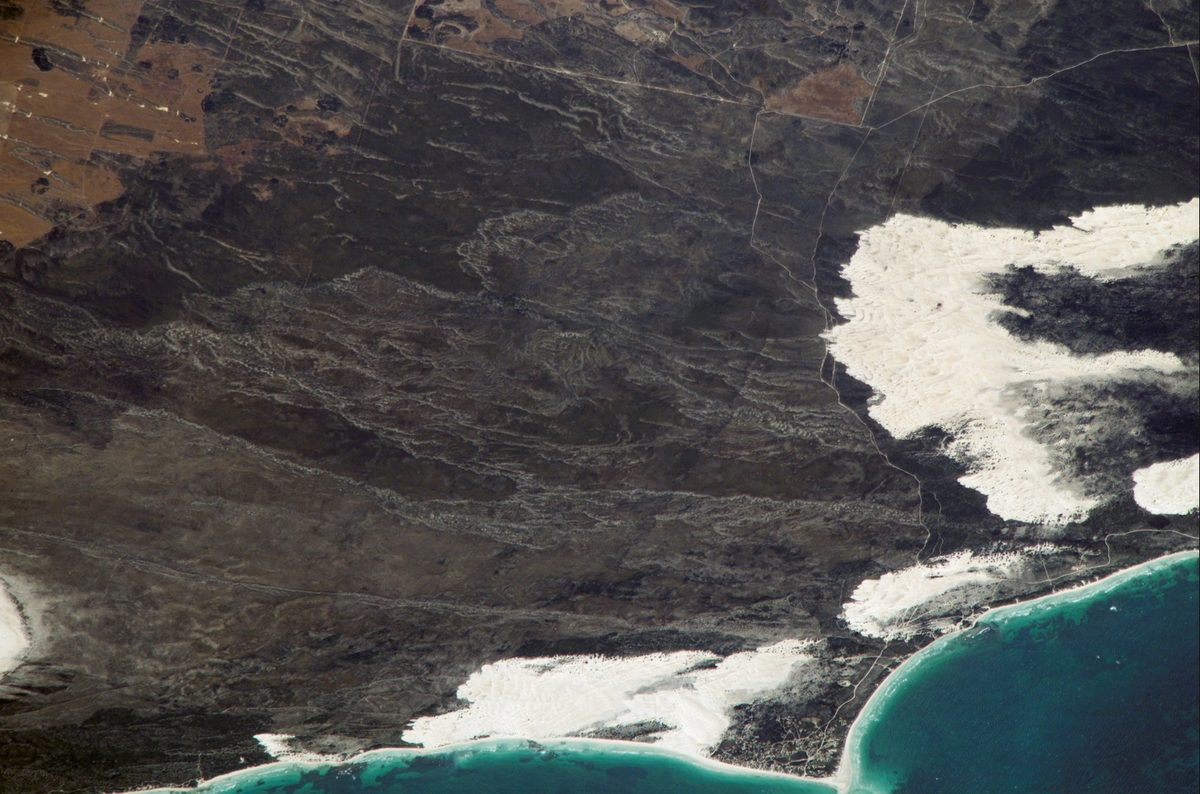
The note was found by Tonya and Kym Illman, with the rolled, string-wrapped paper inside spotted by their son’s girlfriend. Dried out and carefully unrolled, it turned out to be a printed form, filled in by hand: blanks for a ship’s name, a date, and coordinates. The ship was the Paula, a German sailing barque launched in 1876 at the Lüring yard in Hammelwarden and registered at the port of Elsfleth. On the 12th of June, 1886, partway through a voyage from Cardiff, Wales, to Makassar in the Dutch East Indies, her crew dropped the sealed bottle overboard in the Indian Ocean at roughly 32°49′ south, 105°25′ east — about 950 kilometres from the Australian coast where it would eventually wash up.
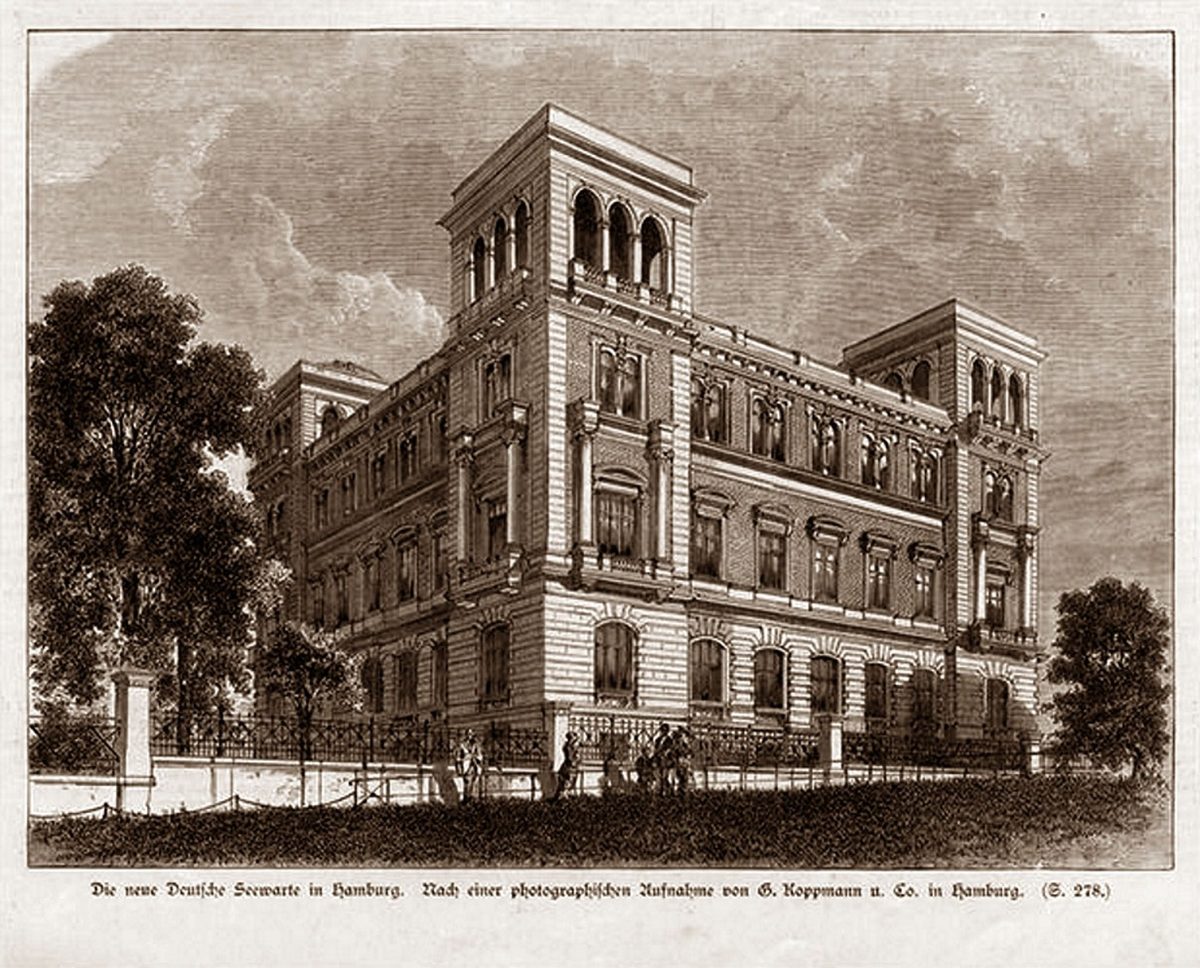
The form wasn’t personal. It belonged to the Deutsche Seewarte, the German Naval Observatory in Hamburg, and asked whoever found it to record the date and place and mail the slip back to Hamburg or the nearest German consulate. This was the 663rd such slip the observatory’s program had ever gotten back — out of thousands released, most of which were never seen again. The last one before the Illmans’ find had turned up in Denmark on the 7th of January, 1934.
Germany ran one of the 19th century’s largest ocean experiments
The Seewarte’s drift-bottle program ran for 69 years, from 1864 to 1933. Captains on German merchant ships carried stacks of the printed forms under standing orders, tossing a sealed bottle overboard at set points along a voyage and logging the exact date and position in the ship’s own journal each time. There was no other way to do the job: in the 1880s there was no satellite tracking and no drifting buoys, nothing that could watch a current except by watching what floated on top of it. A bottle was cheap, expendable, and — if a stranger somewhere bothered to post it back — it told you exactly how far the sea had carried it and in which direction.
That dependence on a stranger’s goodwill is also the program’s obvious weakness, and it shows in the numbers: of thousands of bottles set loose, only a few hundred were ever returned. The method was slow, unreliable, and occasionally took longer than a human lifetime to pay off. It was also, for the better part of a century, the best data oceanography had.
The idea already had roughly two thousand years of history
Sealed messages at sea are much older than any research program. In one widely cited account, the Greek philosopher Theophrastus is reputed to have sealed jars and set them adrift around 310 BC, trying to work out whether the Mediterranean was fed by inflowing Atlantic water — though, as with much from that far back, no record of a response survives. The idea resurfaces in odder forms over the centuries that followed: in the 16th century, Queen Elizabeth I of England reportedly appointed an official “Uncorker of Ocean Bottles,” making it a capital offence for anyone else to open one, on the theory that a sealed bottle might carry state secrets. In the 18th century, a shipwrecked Japanese sailor named Chunosuke Matsuyama is said to have carved a message into a piece of coconut wood and sealed it in a bottle; it reportedly washed up in 1935, more than a century later.
None of that was science in any organised sense. It took a deliberate research program — the kind the Seewarte ran, and that others would copy — to turn a castaway’s gesture into a dataset.
Franklin’s famous Gulf Stream chart wasn’t drift bottle science
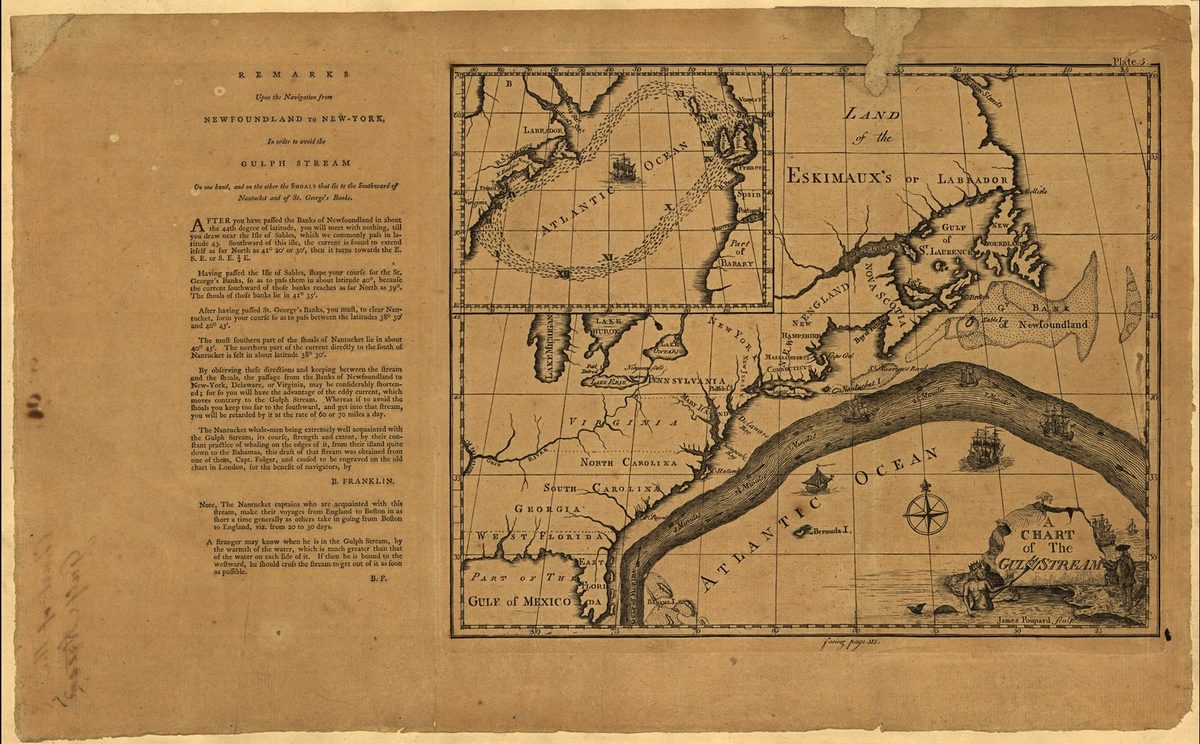
Benjamin Franklin’s Gulf Stream chart is often lumped in with drift bottle science, and it’s easy to see why: Franklin is the biggest name in the story, and the chart is the most famous image to come out of it. But a close reconstruction of how it was actually made, published by the oceanographer Philip Richardson in 1980, doesn’t mention bottles at all. In October 1768 Franklin’s cousin Timothy Folger, a Nantucket whaling captain, sketched the Stream for him in London using two other methods entirely: plotting where whalers caught their whales, since the animals stayed near the Stream’s edges, and timing how fast a ship sitting outside the current separated from its own whaleboats once they drifted into it. Franklin sent the chart to the postal official Anthony Todd that October; it was first printed in London in 1769, copied in Paris around 1780–83, and revised for Franklin’s own 1786 paper Maritime Observations, engraved by James Poupard in Philadelphia.
True drift-bottle oceanography — bottles released specifically to be found and reported — came later and from a different direction. The United States Coast and Geodetic Survey began releasing its own drift bottles in 1846, specifically to study the Gulf Stream’s speed, path, and seasonal shifts, and kept the program running in some form until 1966.
From a Monaco prince to a Woods Hole scientist, bottles mapped currents for a century
Once the method existed, it spread. Matthew Fontaine Maury, heading the US Navy’s Department of Charts and Instruments in the mid-1800s, combined old ship logbooks with fresh bottle-drift reports to chart winds and currents, publishing Wind and Current Charts in 1847 and The Physical Geography of the Sea in 1855 — sometimes called the first textbook of modern oceanography. Prince Albert I of Monaco ran his own bottle program from the late 1800s into the early 1900s and used the returns to work out that the Gulf Stream splits in the northeast Atlantic into the North Atlantic Drift and the Azores Current; during the First World War, the same current data let him predict where drifting mines would come ashore, closely enough that authorities found and disarmed them at the spots he named.
Fisheries scientists took the method into the North Sea. Between 1904 and 1906, the British zoologist George Parker Bidder released 1,020 bottles fitted with weighted “bottom trailers” designed to drift along the seafloor rather than the surface, and used the results to show that bottom-dwelling fish migrate against the current. From 1910, Captain C. Hunter Brown of the Glasgow School of Navigation released roughly 1,890 more bottom trailers, of which 315 were recovered. One of Brown’s own bottles, numbered 646B and released on the 10th of June, 1914, wasn’t found until 2012, by a fisherman named Andrew Leaper — 98 years later, which briefly made it the oldest message in a bottle on record. It would not hold that title for long, as the Paula‘s note would later prove.
The scale kept growing. Between 1956 and 1972, the Woods Hole oceanographer Dean Bumpus released more than 300,000 drift bottles and another 75,000 seabed drifters off the US East Coast alone. In September 1959, a research ship of the Coast and Geodetic Survey, the Hydrographer, released a bottle carrying a bright pink “BREAK THIS BOTTLE” message; it travelled some 58 kilometres to Martha’s Vineyard, where it sat unfound for 54 years until a walker named Keith Moreis picked it up in December 2013.
A second 132-year-old document is what proved the Paula note wasn’t a hoax
A sealed bottle with a faded, waterlogged, century-old note inside is exactly the kind of thing a hoaxer would love, so before anyone called the Illmans’ find a record, the Western Australian Museum, working with German archives, had to rule that out. Ross Anderson, the museum’s assistant curator of maritime archaeology, started by confirming the Paula was a real ship that really sailed the Cardiff-to-Makassar route in 1886. The harder step was finding the ship’s own meteorological journal in a German maritime archive — and it turned up, with a handwritten entry for the 12th of June, 1886, recording a drift bottle released at coordinates matching the note exactly. The handwriting in the logbook matched the handwriting on the note, and the note’s wording and layout matched other returned 1886 slips from the same program. The German Federal Maritime and Hydrographic Agency and the German Meteorological Service joined the WA Museum in certifying it.
The find still drew public skepticism, and it’s worth saying so plainly rather than skipping past it: some commentators pointed out that Kym Illman ran a marketing business built partly on attention-getting stunts, and wondered whether the whole thing was an elaborate promotion. Illman rejected that, arguing that faking the find would have meant forging a 19th-century captain’s logbook nobody knew existed, on the chance that a prank bottle would wash up somewhere it could be found at all. Anderson, for his part, said he was surprised by how well the note had survived but that the museum had done “as much as we can to corroborate the find.” At 131 years and 223 days, it broke the previous record of 108 years, four months and 18 days, and as of this writing it still stands as the oldest verified message in a bottle ever recovered.
Watch the full history
The video version covers the discovery, the voyage, and the logbook that proved it real in just over six minutes.

Strip away the record and what’s left is a method: before satellites, before GPS buoys, understanding how the ocean actually moved meant trusting that a stranger, somewhere, would bother to open a bottle and mail back a scrap of paper. Most didn’t. Even in one of the better-documented modern drift-bottle projects, barely 4 percent of the bottles released were ever reported found. The Paula‘s note is a survivor of exactly that kind of long odds, multiplied by more than a century of extra waiting.
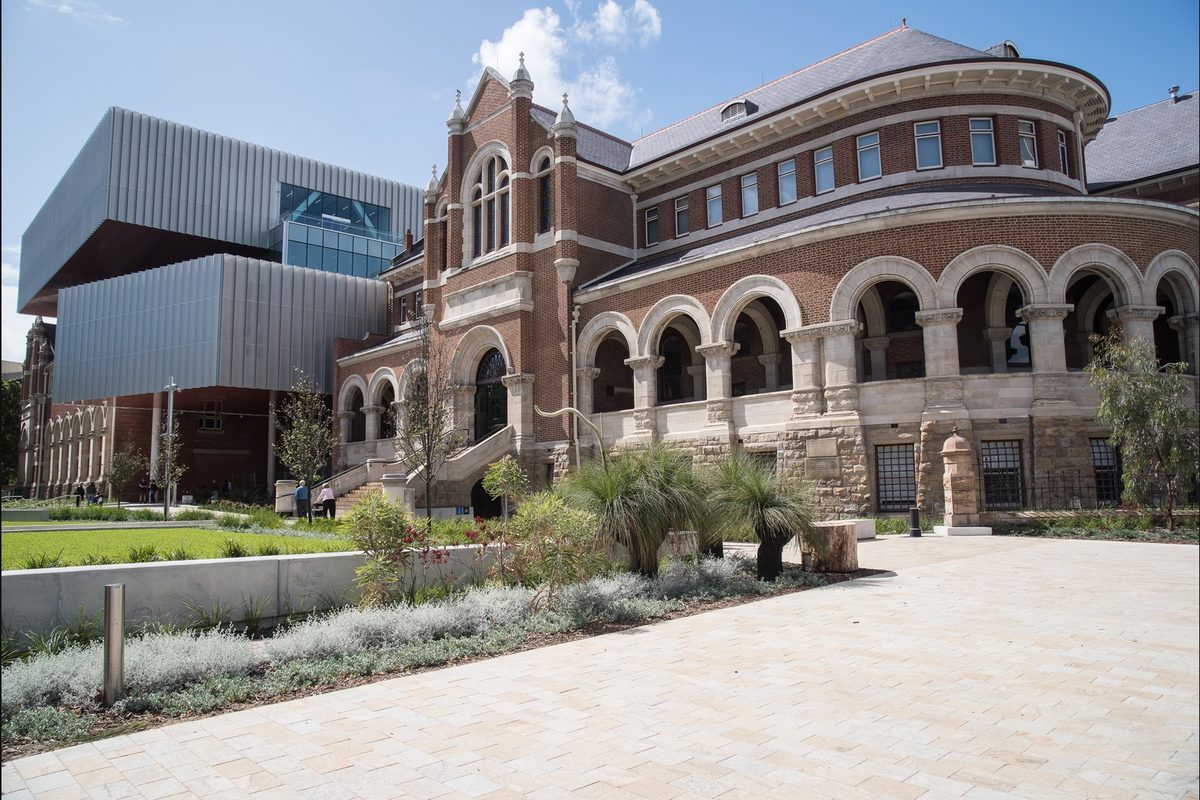
The bottle and its note are now preserved at the WA Museum in Perth, on loan for display — a form filled out in a captain’s hand a century and a half ago, finally read by people equipped to understand what it was.
How long do you think a sealed bottle could survive adrift at sea?
Related reading
- Who Really Invented the Telegraph Key (It Wasn’t Samuel Morse)
- Inside the Pneumatic Tube Networks That Once Ran a City’s Mail
- How Semaphore Flags Actually Worked at Sea
- The Strange, Three-Thousand-Year History of the Ship’s Figurehead
- The True Story Behind the Flannan Isles Lighthouse Mystery
Shop
If you’d like a classic corked bottle of your own to send a message in, this is a nice one: a replica drift bottle on Amazon.
Works cited
- Anderson, Ross, and Christine Porr. “Diese Flasche wurde über Bord geworfen”: A Message in a Bottle from the German Barque Paula (1886) Discovered at Wedge Island, Western Australia. Western Australian Museum Maritime Archaeology Report No. 325, 2018. Link.
- Western Australian Museum. “132-Year-Old Message Bottle Found on WA Beach.” Link.
- Guinness World Records. “Oldest Message in a Bottle.” Link.
- Katz, Brigit. “131-Year-Old Message in a Bottle Found on Australian Beach.” Smithsonian Magazine, March 7, 2018. Link.
- Le May, Rebecca. “Sceptics Question WA Message in a Bottle.” The Canberra Times, March 7, 2018. Link.
- Richardson, P. L. “The Benjamin Franklin and Timothy Folger Charts of the Gulf Stream.” In Oceanography: The Past, edited by Mary Sears and Daniel Merriman, 703–17. Springer-Verlag, 1980. Link.
- Berlin, Jeremy. “Oldest Message in Bottle: Behind History’s Famous Floating Notes.” National Geographic, September 20, 2012. Link.
- Lawton, Rebecca. “Getting the Drift.” Hakai Magazine, August 14, 2015. Link.
- Woods Hole Oceanographic Institution. “Mapping Current Patterns in the Oceans.” Dive and Discover. Link.
- NOAA National Ocean Service. “Bottle Cast from Ship in 1959 Discovered on Martha’s Vineyard Shore.” Link.