
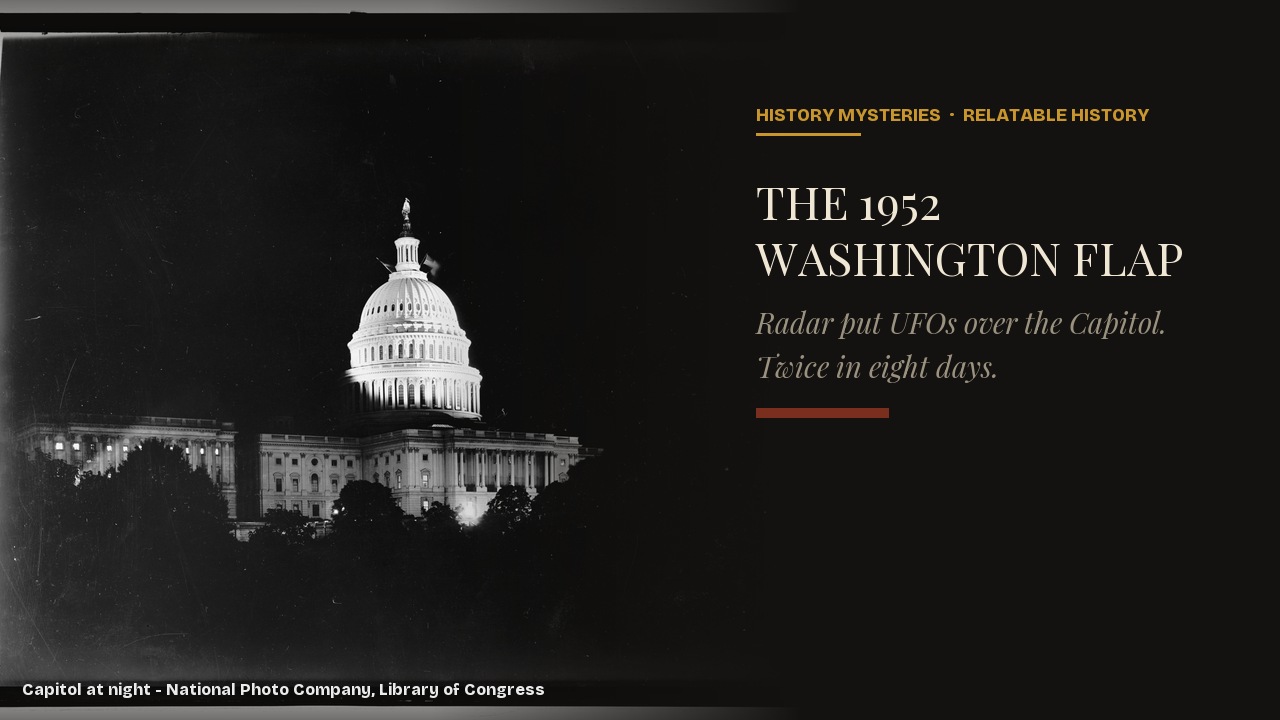
The most consequential document to come out of the July 1952 radar scares over Washington was not a flight log or a transcript of General Samford’s press conference. It was the Robertson Panel UFO report, typed up by a CIA contractor within days of a four-day review in January 1953, classified Secret on the spot, and kept from public view, in whole or in part, for more than twenty years afterward.
The flap itself is well told elsewhere: two nights of unexplained radar returns over the capital, jet interceptors that found nothing, and a Pentagon press conference blaming it all on the weather. Told far less often is what the flap set in motion inside the government once the cameras left the room — a review so secretive that the CIA refused for over a decade to admit it had even happened, let alone paid for it.
Five scientists spent four afternoons on it. What they decided, and the extraordinary effort the Agency then put into keeping that decision quiet, shaped how the United States government has talked about UFOs ever since far more than the sightings themselves ever did.
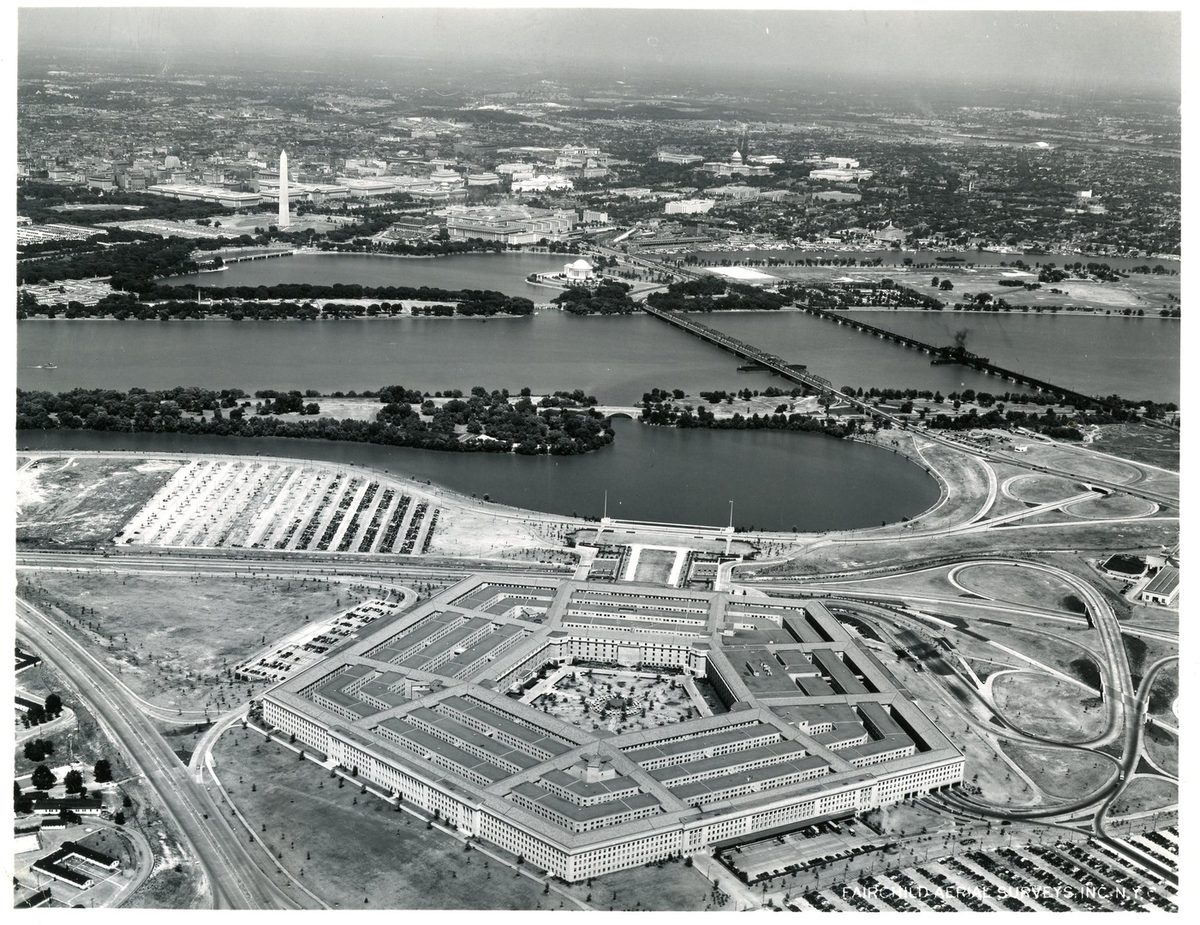
The CIA assembled five physicists within six months of the flap
The review did not start with the scientists. It started with an internal CIA memorandum, written in the weeks after the July sightings by an analyst named Edward Tauss in the Agency’s Office of Current Intelligence. Tauss concluded that most of what the Air Force was logging had mundane explanations, but he also urged the Agency to keep its own interest in the subject out of the newspapers — an instinct that shaped everything that followed.
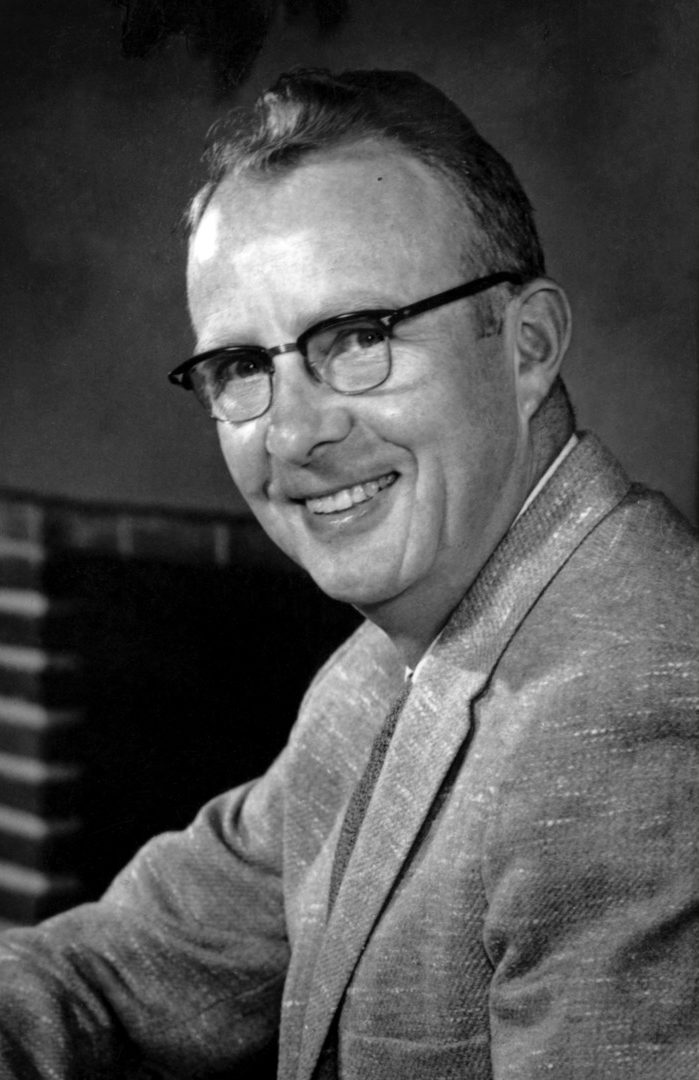
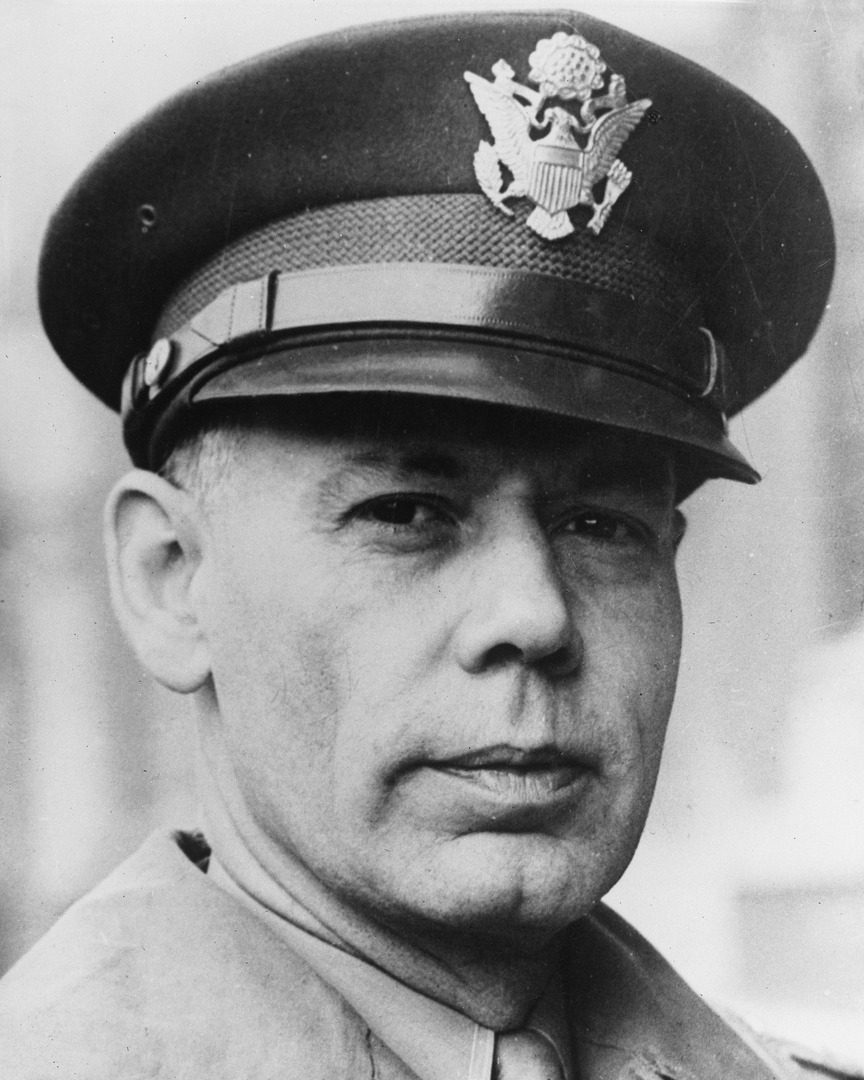
Tauss’s memo fed a recommendation that the CIA’s Office of Scientific Intelligence convene an outside panel to look at the evidence properly, under contract and at arm’s length from the Agency’s own name. H. Marshall Chadwell, the office’s assistant director, organized it together with the man chosen to chair it: Howard Percy Robertson, a Caltech theoretical physicist who also consulted for the Pentagon’s Weapons Systems Evaluation Group.
The other four were, by any measure, an exceptional bench. Samuel Goudsmit of the Brookhaven National Laboratory had co-discovered the electron’s spin in 1925 and later led the wartime Alsos mission hunting Germany’s atomic program. Luis Alvarez, a Berkeley physicist who had built radar systems at MIT during the war, would win a Nobel Prize in physics within the decade. Thornton Page, deputy director of the Johns Hopkins University Operations Research Office, brought his own radar and electronics background. Lloyd Berkner, Brookhaven’s director, was a geophysicist who would soon help organize the International Geophysical Year — a scientist whose own career was built on mapping the upper atmosphere the panel was now being asked to explain away.
What the Robertson Panel UFO report actually reviewed
The panel convened at CIA headquarters for four days, Wednesday 14 through Saturday 17 January 1953, and logged about twelve hours of formal session — not the exhaustive inquiry its later authority might suggest. The Air Force’s Air Technical Intelligence Center had prepared the material in advance: seventy-five case histories from 1951 and 1952, selected specifically as the best documented on file, plus a separate summary covering eighty-nine cases of varying categories. The panel also discussed roughly fifteen more cases in less detail. In total, that is well under a hundred files, set against the nearly 1,900 reports the Air Force had logged in 1952 alone.
Two pieces of film got special attention. The Tremonton, Utah footage, shot on 2 July 1952, showed bright shifting points of light that the panel concluded were most likely sunlight reflecting off a flock of seagulls. The Great Falls, Montana film, from 15 August 1950, showing two bright objects crossing the sky, was judged to be sunlight glinting off a pair of F-94 interceptors that happened to be airborne at the same moment the footage was shot.
The ground radar was very probably bending, and the weather data backs it up
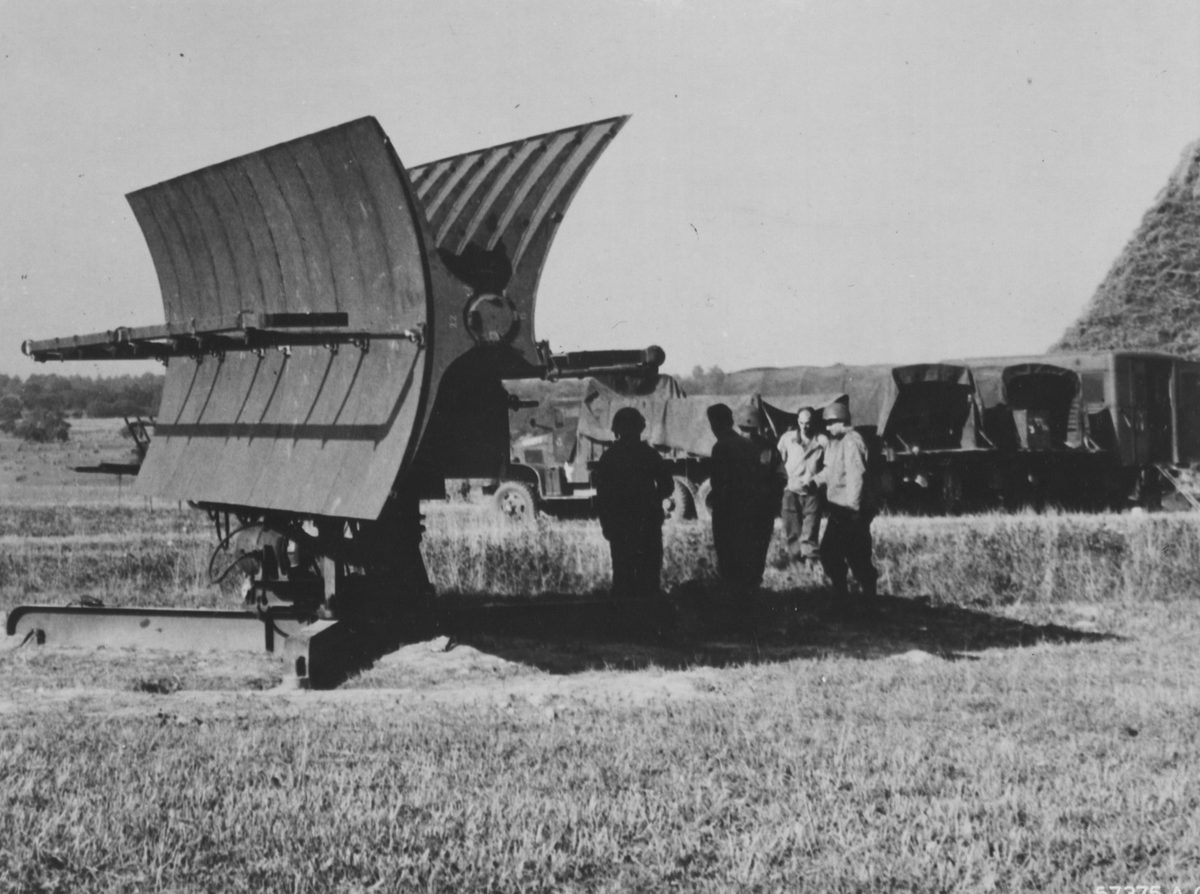
The explanation Samford gave the press — a temperature inversion bending the radar beam back toward the ground — rests on real physics, and it is better supported by the surviving data than either the flap’s defenders or its original witnesses generally allow. A radar duct forms when the atmosphere’s refractivity drops by more than roughly 157 units per kilometer of height; above that gradient, a beam that should travel in a straight line out to the horizon instead curves downward and illuminates the ground, a boat or a passing car dozens of miles beyond where the set has any business reaching.
Weather soundings taken near Silver Hill, Maryland, not far from where the returns were being read that July, show exactly that condition arriving on schedule. A surface-based inversion was recorded on the night of 19 July, the first night of the flap. A stronger elevated duct, carrying a 4.6-degree-Celsius inversion, was measured on 25 July. The following night, 26 July — the second night radar scopes at Washington National and Andrews filled with unidentified returns — the recorded refractivity gradient ran to roughly 167 units per kilometer, comfortably past the ducting threshold. In both cases, unidentified targets began appearing on the scopes within hours of the duct forming.
None of that persuaded the men actually reading the scopes, which is the detail that popular retellings of the flap tend to flatten out. Edward Ruppelt, the Air Force captain running the government’s own UFO project at the time, wrote plainly in his 1956 account that the inversion recorded on the second night “was never strong enough to affect the radar the way inversions normally do,” and that, as far as the official record stood when he wrote it, “the Washington National Airport sightings are still unknowns.” He also recorded that everyone working the radar room that night was convinced the targets were solid, metallic objects, and that neither the Air Force’s own liaison officer nor a Navy radar specialist called in that night believed the inversion was doing all the work being asked of it. A Harvard astronomer, Donald Menzel, had published the competing argument in book form that same year, attributing the visual sightings to optical mirages produced by the same kind of layered air — a dispute between two camps of scientists that the Robertson Panel was, in effect, being asked to settle by committee.
The panel worried less about visitors than about an enemy exploiting the noise
What the five scientists actually concluded was narrower than either side of that argument wanted. They found no evidence that any sighting represented a direct threat to national security, and no evidence that any object was of extraterrestrial origin. What worried them instead was traffic: a Cold War intelligence service’s nightmare, not a science-fiction one. Military channels were being clogged with low-value reports, and a panel built mostly of physicists who had spent the previous decade thinking about enemy deception concluded that a hostile power could exploit the pattern directly — flooding American reporting channels with false sightings, timed to bury a real attack in the noise, or simply inducing the kind of public panic that would do an adversary’s work for it without a shot fired.
Its recommendation: debunk the subject in public, and watch who is investigating it privately
The panel’s two recommendations followed directly from that threat model, and both are more aggressive than most retellings of the Washington flap let on. The first called for national security agencies to strip UFO reports of their “aura of mystery” through a coordinated public education campaign, using mass media, advertising, business clubs and schools — the report went so far as to name the Disney studio as a potential partner in making the subject look ordinary rather than ominous.
The second recommendation was aimed inward, at the public’s own curiosity. The panel named two specific civilian groups — the Civilian Flying Saucer Investigators in Los Angeles and the Aerial Phenomena Research Organization in Wisconsin — and suggested they be monitored for the possibility that their membership rolls and investigative networks could be infiltrated or exploited for subversive purposes. A hobbyist UFO club, in the panel’s own assessment, was a potential intelligence vulnerability.
Classified Secret, and kept that way for twenty-two years
The report itself, and the separate summary written up afterward by CIA contractor Fred Durant, were classified Secret the moment the panel finished, and the Agency went further: even the fact that the CIA had sponsored the review was treated as classified information in its own right. For three years, the panel’s existence was not public at all.
Edward Ruppelt broke that silence in his 1956 book, confirming for the first time that an outside panel had met. Pressure built from there — Donald Keyhoe’s own writing and the civilian groups NICAP and APRO kept pushing — and when the Air Force asked the CIA to declassify the full file, Philip Strong, the Office of Scientific Intelligence’s deputy assistant director, said no. The Agency instead produced a sanitized version with every reference to the CIA, and to the psychological-warfare reasoning behind the recommendations, removed.
On 8 March 1958, Donald Keyhoe told Mike Wallace on CBS television that the CIA had sponsored the panel outright. A researcher named Leon Davidson joined Keyhoe in formally demanding the complete file; internally, the Agency reaffirmed that it would not budge. The stalemate held for another eight years, until 1966, when H. P. Robertson himself, the panel’s own chairman, confirmed the CIA’s involvement on a CBS Reports broadcast. The Air Force asked again that summer. Karl Weber, by then the Office of Scientific Intelligence’s deputy director, refused again that August, writing to an Air Force colonel that “we are most anxious that further publicity not be given to the information that the panel was sponsored by the CIA.” A physicist named James McDonald was shown the Durant report at Wright-Patterson Air Force Base that June and was barred from seeing it again three weeks later, on the stated grounds that it remained CIA material.
The dam finally gave with the University of Colorado’s Condon Committee, the Air Force’s last major scientific review of UFO reports. In 1967 the CIA agreed the committee could publish the Durant report nearly whole, and when the Condon Committee’s final study appeared in April 1969, it carried the fullest public version of the document to that date. The CIA did not formally hand over its own copies of both reports until 7 June 1975, when a Ground Saucer Watch researcher named William Spaulding requested them and received them.
Seventy years on, the panel’s conclusions about the Washington flap itself have held up better than its conclusions about secrecy. A warm July atmosphere almost certainly was bending radar beams over the Potomac, just as Samford told the press, and the data to prove it sat in weather records the whole time. What has not held up nearly as well is the other half of the panel’s advice — that the right response to public curiosity was stigma, and that a hobby club asking honest questions was a security risk worth a surveillance recommendation.
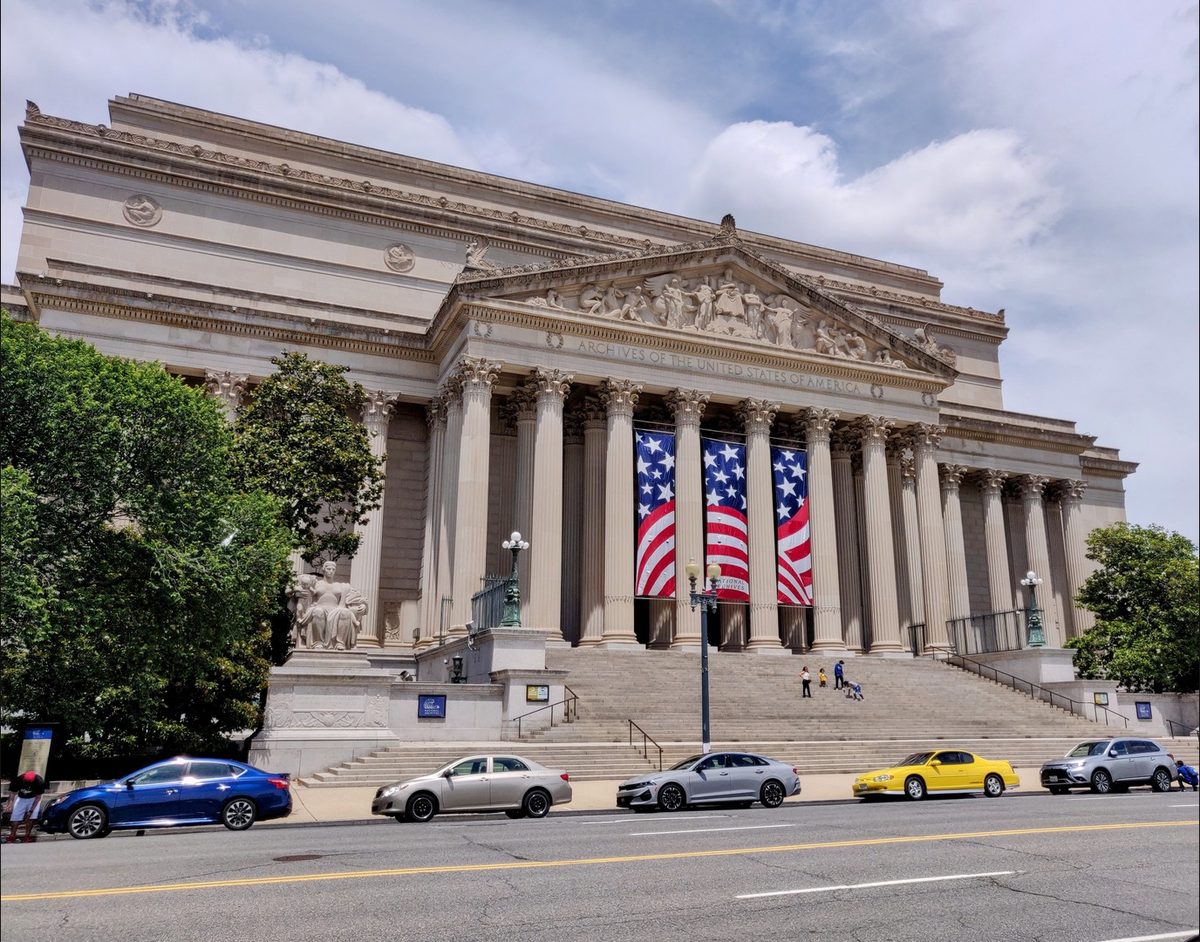
The Pentagon’s current UAP office, the All-domain Anomaly Resolution Office, now says the opposite out loud. In a November 2024 statement to the Senate, its director described working toward “zero stigma associated with UAP reporting” and said the office is partnering with the National Archives to digitize the historical record the Robertson Panel once tried so hard to keep sealed — the same record this article draws from. The inversion over Washington in July 1952 was real. Whether debunking it in public was ever the right instinct is still, seventy years later, an open question.
Watch the full history
The video covers the two nights of radar returns and the press conference blaming them on the weather in just over eight minutes; this is the story of the secret report that followed, and the twenty-two-year fight to keep it that way.

Related reading
- How Project Blue Book Investigated UFO Reports — the Air Force project that actually logged the Washington returns this panel was convened to review
- What Was Project Mogul? The Secret Program Behind the Roswell Myth — another Cold War case where the real explanation stayed classified longer than the sighting stayed famous
- The Nimitz Tic Tac Encounter: What the Official Record Actually Says — the modern case that shows how far the government’s posture has shifted since 1953
- The Battle of Los Angeles UFO Theory Comes From a 1980s Forgery — another Washington-era radar-and-interceptor case the records actually explain
Works cited
- Haines, Gerald K. “A Die-Hard Issue: CIA’s Role in the Study of UFOs, 1947–90.” Studies in Intelligence, Center for the Study of Intelligence, Central Intelligence Agency, 1997. Link.
- “Project BLUE BOOK — Unidentified Flying Objects.” National Archives and Records Administration, Research page for Record Group textual holdings (94 rolls of microfilm, T-1206). Link.
- Durant, Fred C. “Report on the Robertson Panel Meeting,” 14–17 January 1953. Declassified CIA memorandum, Office of Scientific Intelligence. Link.
- Ruppelt, Edward J. The Report on Unidentified Flying Objects. Doubleday, 1956. Chapter 12, “The Washington Merry-Go-Round,” pp. 157–172. Link.
- Scientific Study of Unidentified Flying Objects (the Condon Report). University of Colorado, 1968. Section III, Chapter 5, “Optical and Radar Analysis of Selected Films,” Appendix L. Link.
- Menzel, Donald H. Flying Saucers. Harvard University Press, 1953.
- Jacobs, David M. The UFO Controversy in America. Indiana University Press, 1975.
- Roos, Dave. “When UFOs Buzzed the White House and the Air Force Blamed the Weather.” History, A&E Television Networks, 6 September 2018 (updated 18 February 2025). Link.
- Kosloski, Jon. Statement for the Record, Director, All-domain Anomaly Resolution Office. Senate Armed Services Subcommittee on Emerging Threats and Capabilities, 19 November 2024. Link.