
War & Conflict
Weapons, armies, sieges and the civilian experience of war, told through the objects and practices that carried it.
-
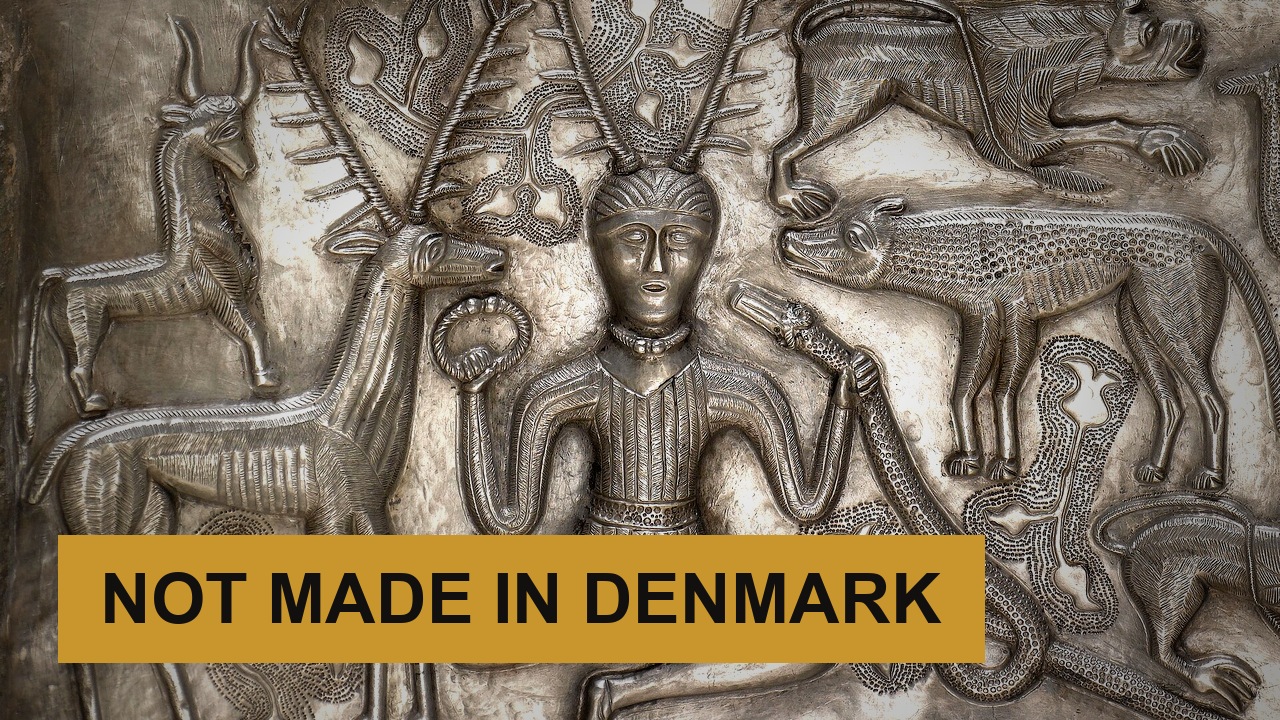
Who Made the Gundestrup Cauldron? The Mystery Nobody Has Solved
A silver cauldron pulled from a Danish bog in 1891 is carved with elephants and gods nobody in Iron Age Jutland had ever seen. More than a century later, scholars still disagree on who actually built it.
-
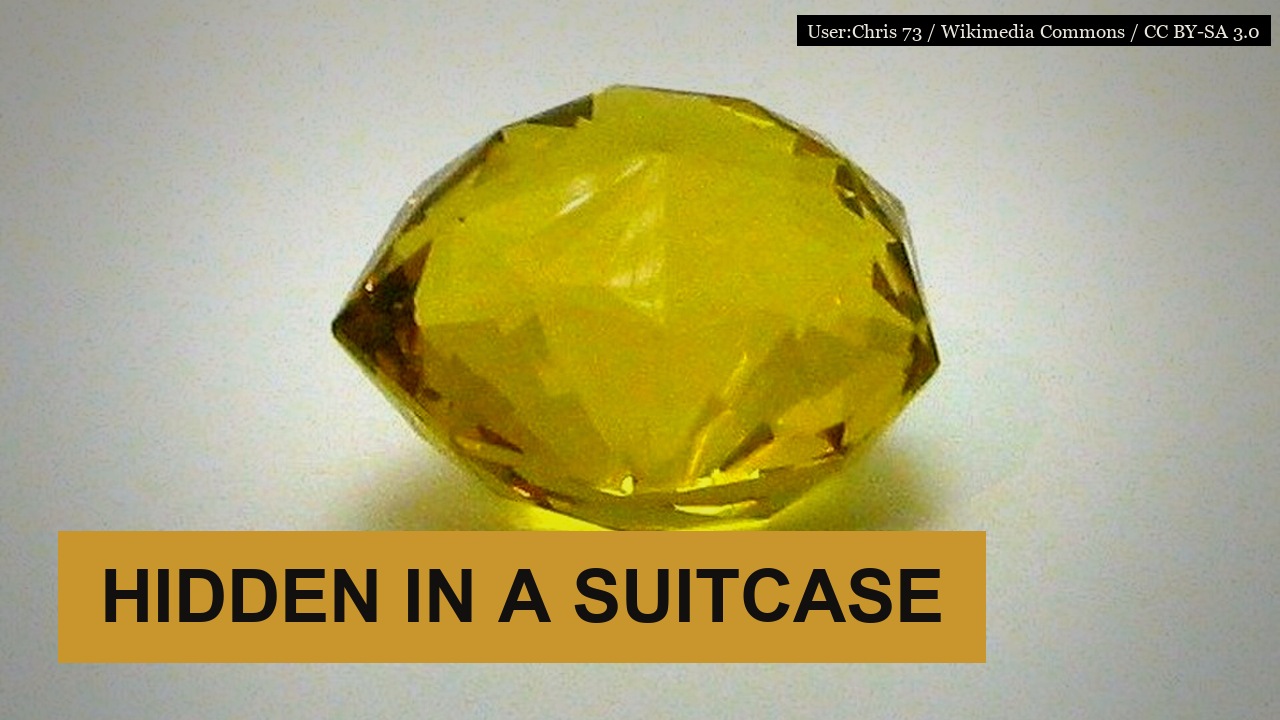
What Really Happened to the Florentine Diamond
For a century, gem historians assumed the Florentine Diamond had been quietly sold and cut into unrecognizable pieces. It had not moved an inch since 1940.
-
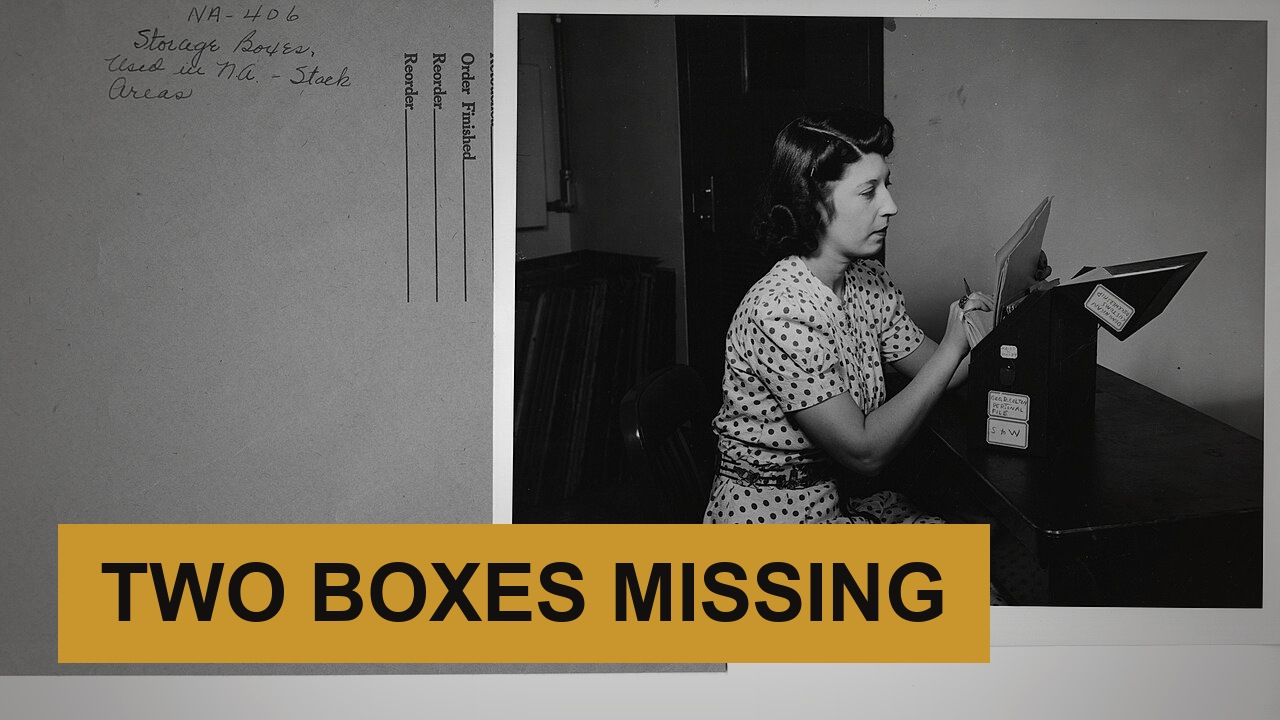
The Kecksburg NASA Files Nobody Can Find
A federal judge ruled that NASA had not proven its own search for the Kecksburg records was adequate. Decades later, the boxes that might settle the question still cannot be found anywhere in the federal government.
-
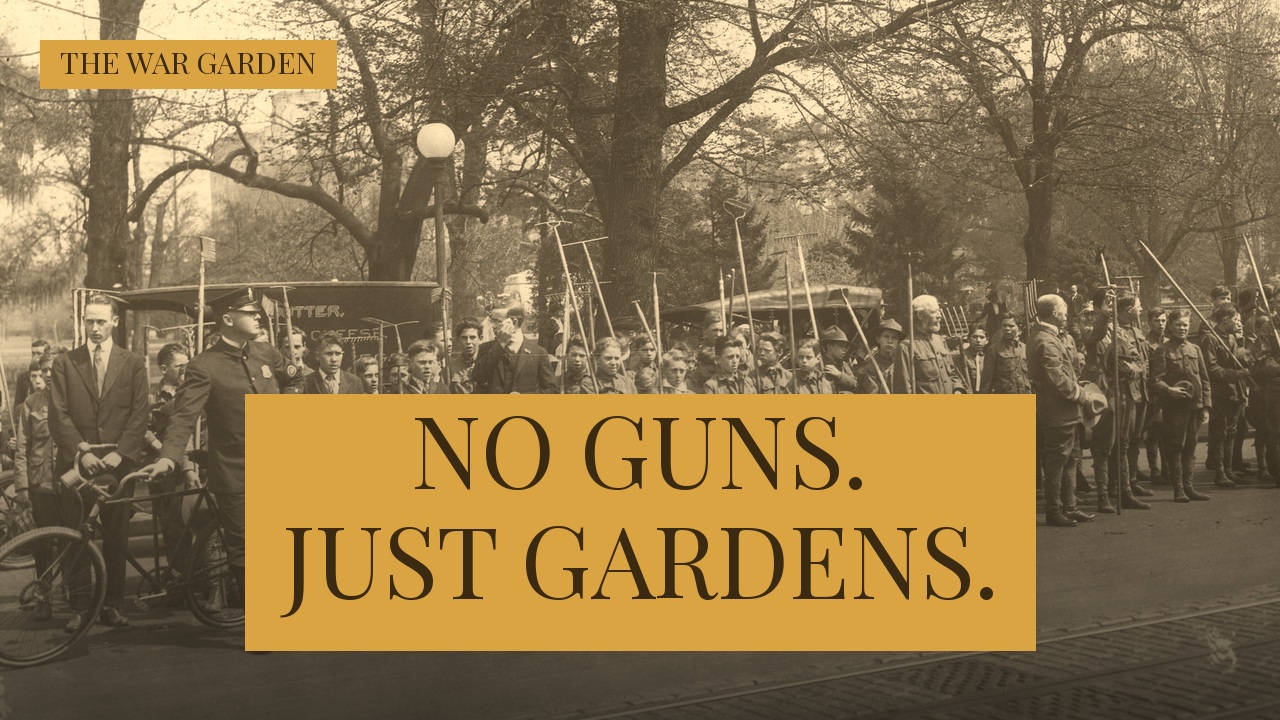
What Was a War Garden? Inside America’s WWI Food Front
A multimillionaire with no government mandate talked a nation into digging up its lawns for food. Here’s how the campaign actually worked, and why its most famous numbers don’t quite add up.
-
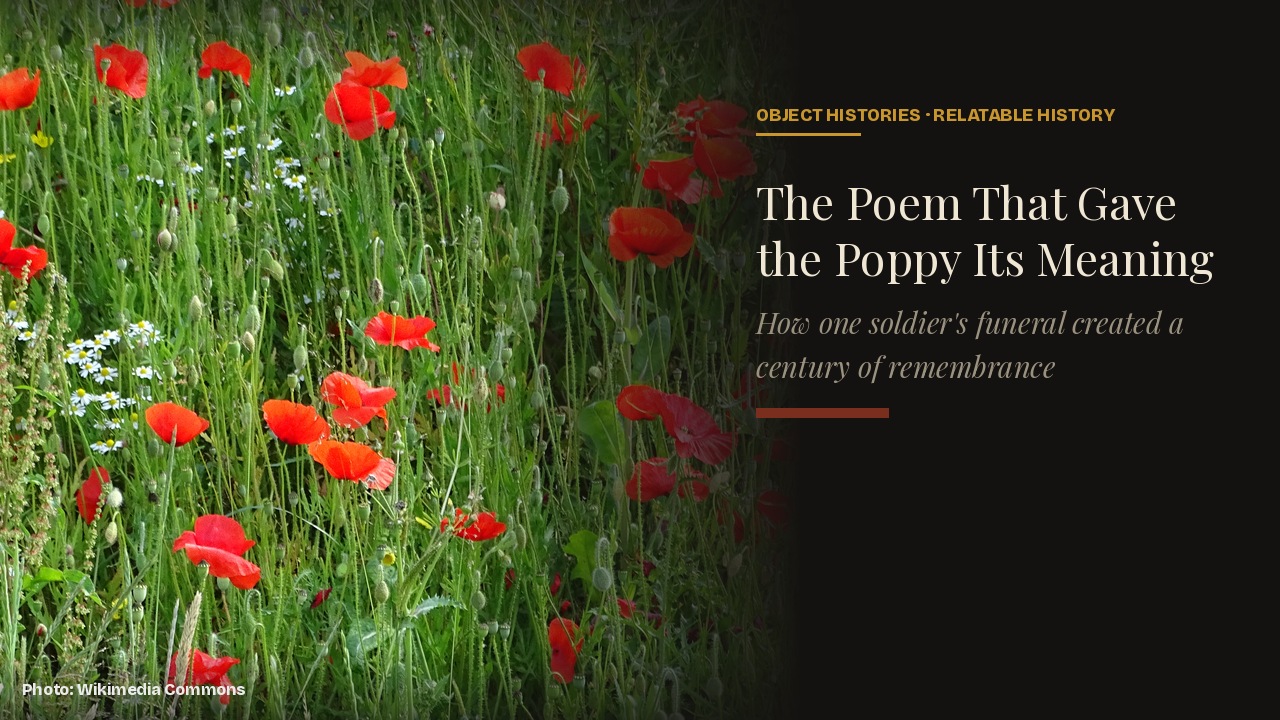
Why We Wear Poppies for Remembrance, and Who Built the Tradition
A soldier’s death produced seventeen lines of penciled verse. Those lines produced an American pledge, a French fundraising campaign, and a British factory that still makes the poppies today.
-
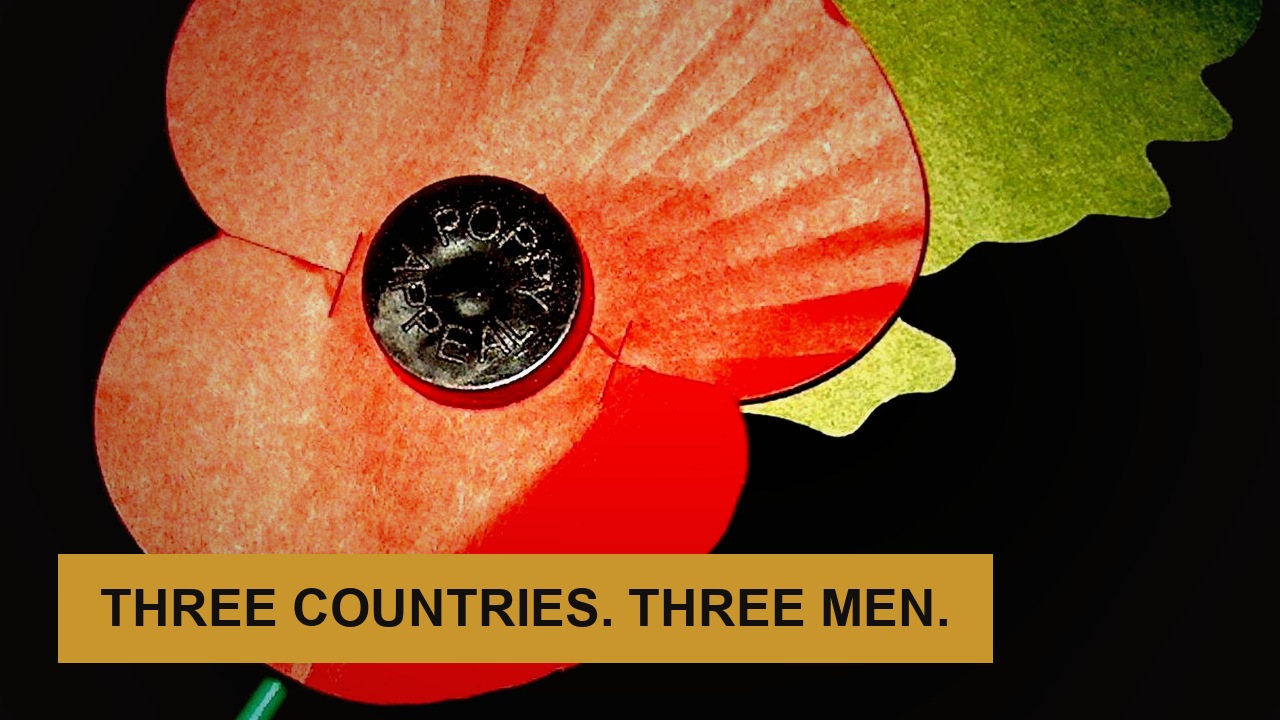
Who Invented the Two-Minute Silence?
Cape Town held a daily silent pause a full year before anyone wrote to a king about it, and the journalist whose letter beat the official credit into print by five months died penniless and forgotten. Here’s what the documents actually show.
-
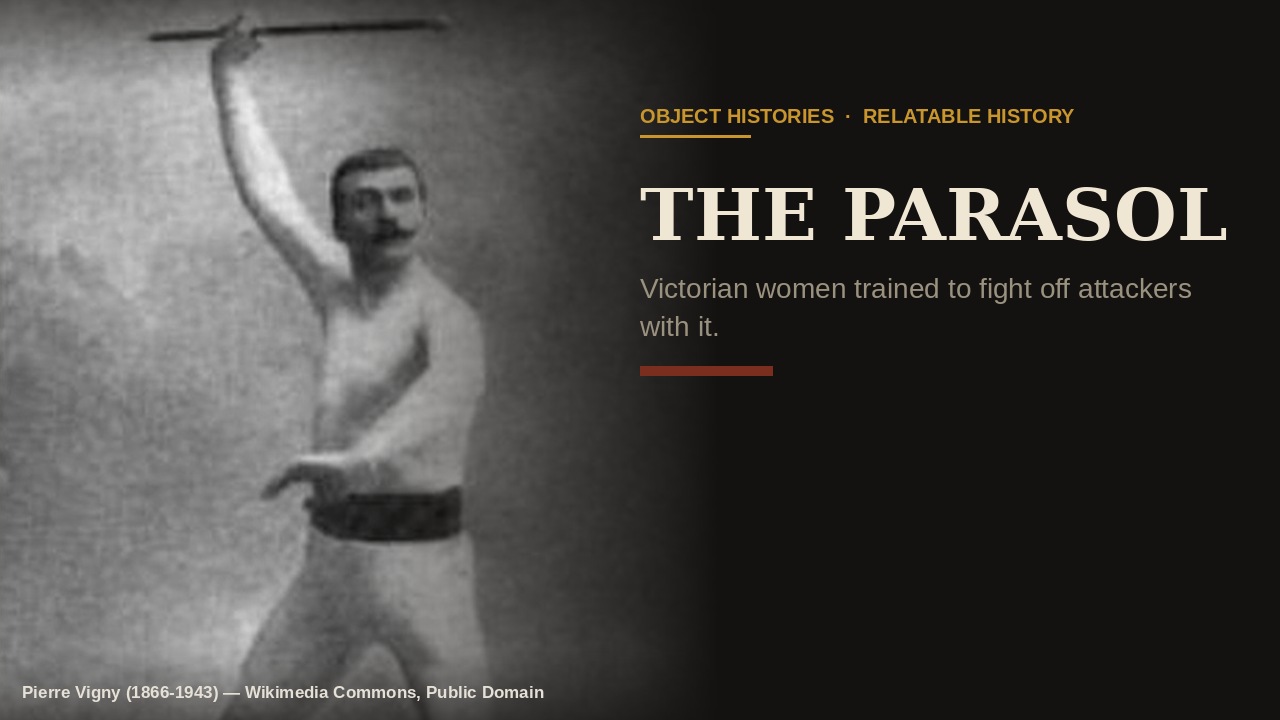
The 4,000-Year History of the Parasol, From Royal Throne to Street Weapon
For most of its existence, a parasol wasn’t about rain or sunburn at all — it was a legally enforced marker of rank. Then, for about two decades, it was a genuine street weapon.
-
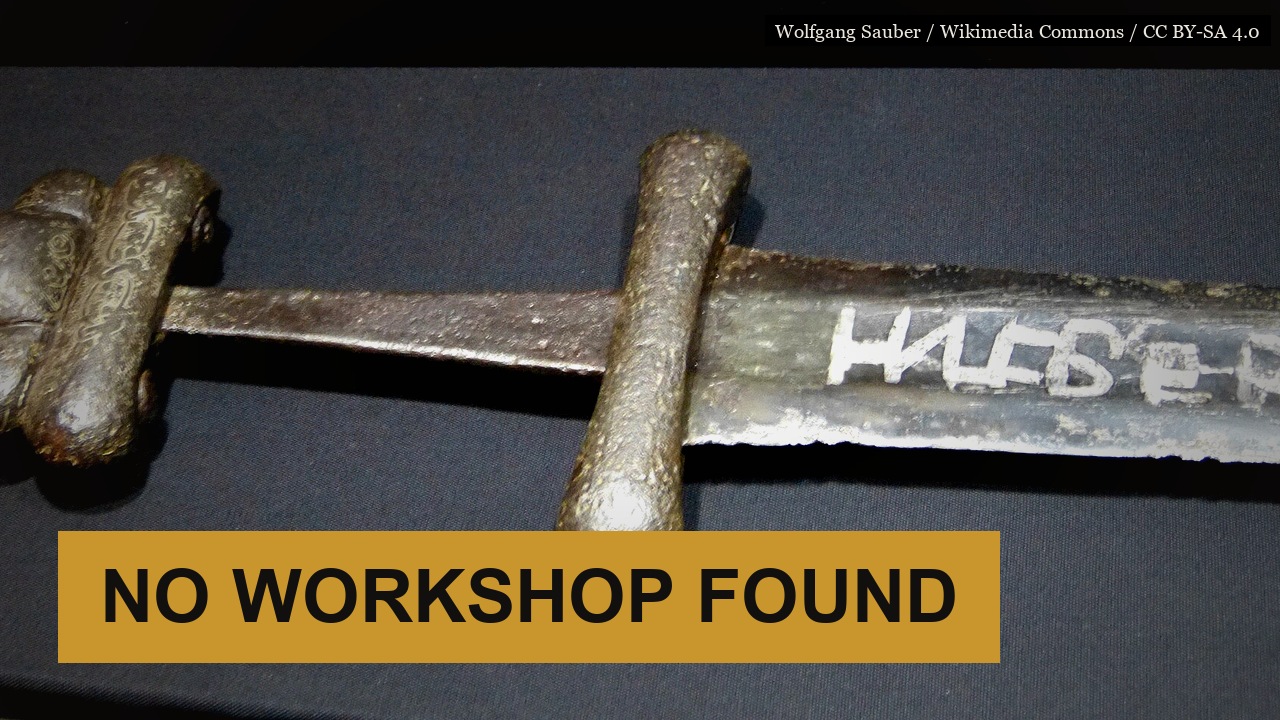
Were the Ulfberht Swords Really Made With Crucible Steel?
Nine of the roughly 170 Viking-age swords inscribed with one Frankish name carry steel harder than medieval Europe is thought to have been able to forge. No one has ever found where, or by whom.
-
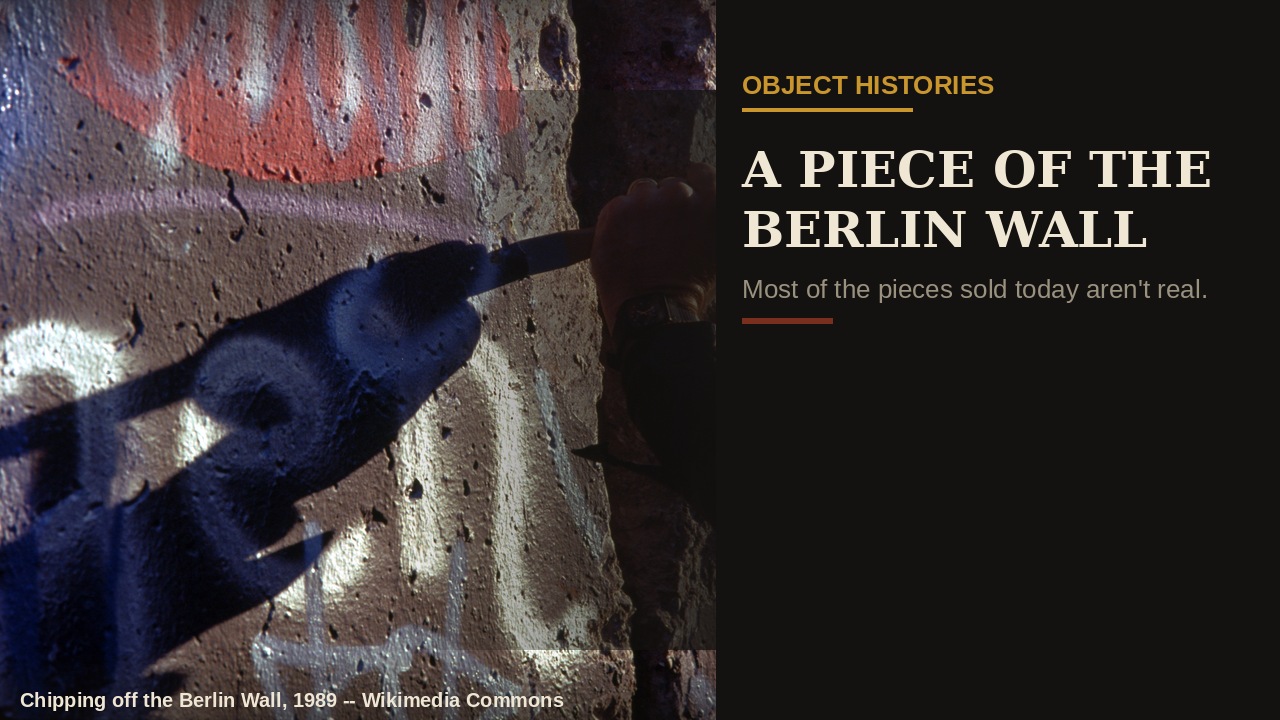
How to Tell Real Berlin Wall Pieces From the Fakes
East Germany tore down its own wall, then sold chunks of it for hard currency through an export monopoly, a Monaco auction, and at least one lawsuit over stolen graffiti.
-
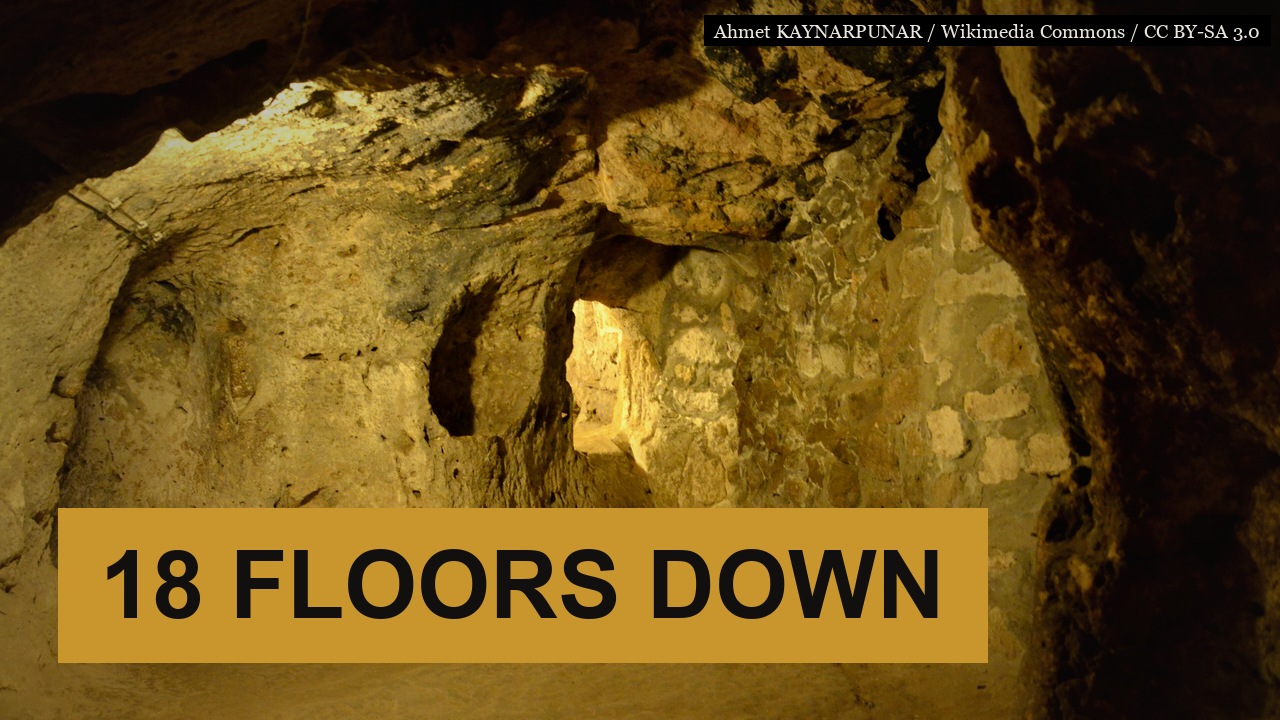
How Derinkuyu’s Underground City Actually Worked
Derinkuyu’s tunnels were not just hiding space. They had engineered airflow, rationed water, and stone doors built to be sealed off one floor at a time.