
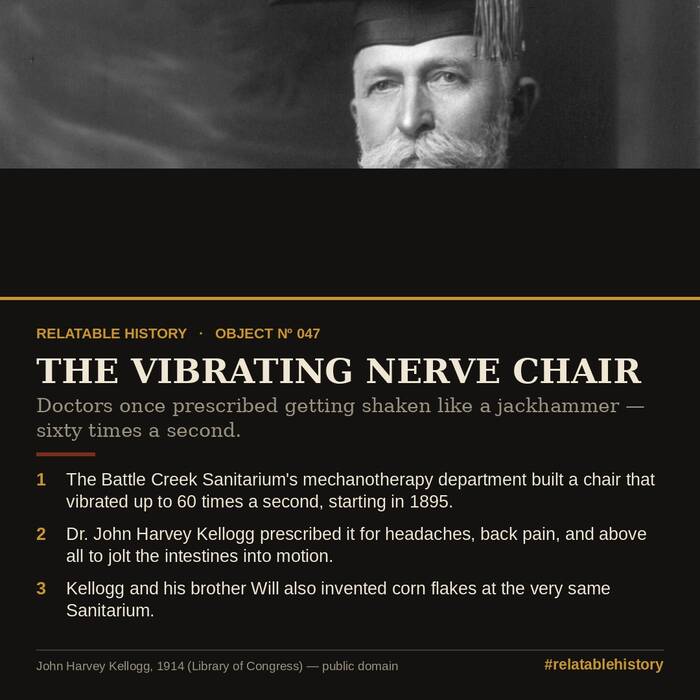
In 1895, the most celebrated health resort in America installed a wooden chair bolted to a steam engine, capable of rattling a seated patient up to sixty times a second, and prescribed sitting in it as medicine. That chair, at Dr. John Harvey Kellogg’s Battle Creek Sanitarium, is the object most people picture when they picture Victorian quackery. But it was not one eccentric doctor’s invention. It was the end point of nearly a century of serious, credentialed physicians in at least four countries pursuing the same stubborn hypothesis: that mechanically shaking the human body could heal it.
A Paris neurologist built a machine for it before anyone thought to sell one. A Swedish doctor turned it into an entire system of clinics. A British physician patented a handheld version for nerve pain, and in doing so accidentally launched one of the most persistent myths in the history of medicine — one that two historians spent an entire journal article dismantling in 2018. By the time Kellogg built his chair, the idea already had a sixty-year paper trail. By the time it faded into a novelty-shop punchline, it had a stranger afterlife waiting for it: on a space station, under a NASA grant.
A Paris neurologist noticed his patients felt better after bumpy carriage rides
The theory’s most credible early champion was Jean-Martin Charcot, the neurologist whose Paris clinic at the Salpêtrière trained a generation of physicians, Sigmund Freud among them. Several of Charcot’s Parkinson’s patients told him, independently, that a long train or carriage journey seemed to ease their tremor and stiffness for hours afterward. Charcot reasoned that if random, jolting vibration helped by accident, a controlled dose of it might help on purpose, and he had a chair built to test the idea: a seat wired to deliver steady, adjustable vibration, in which patients sat for roughly thirty minutes at a stretch.
Charcot published his results and the device, sometimes called the fauteuil trépidant, or trembling chair, drew real attention from his contemporaries. A later clinical history of the chair credits Charcot with running the first rigorous human trial of vibration as a treatment, rather than a folk remedy or a sales pitch — and notes, a little ruefully, that modern researchers studying whole-body vibration for Parkinson’s disease were essentially rediscovering a nineteenth-century idea.
A Swedish doctor turned the idea into an entire industry of machines
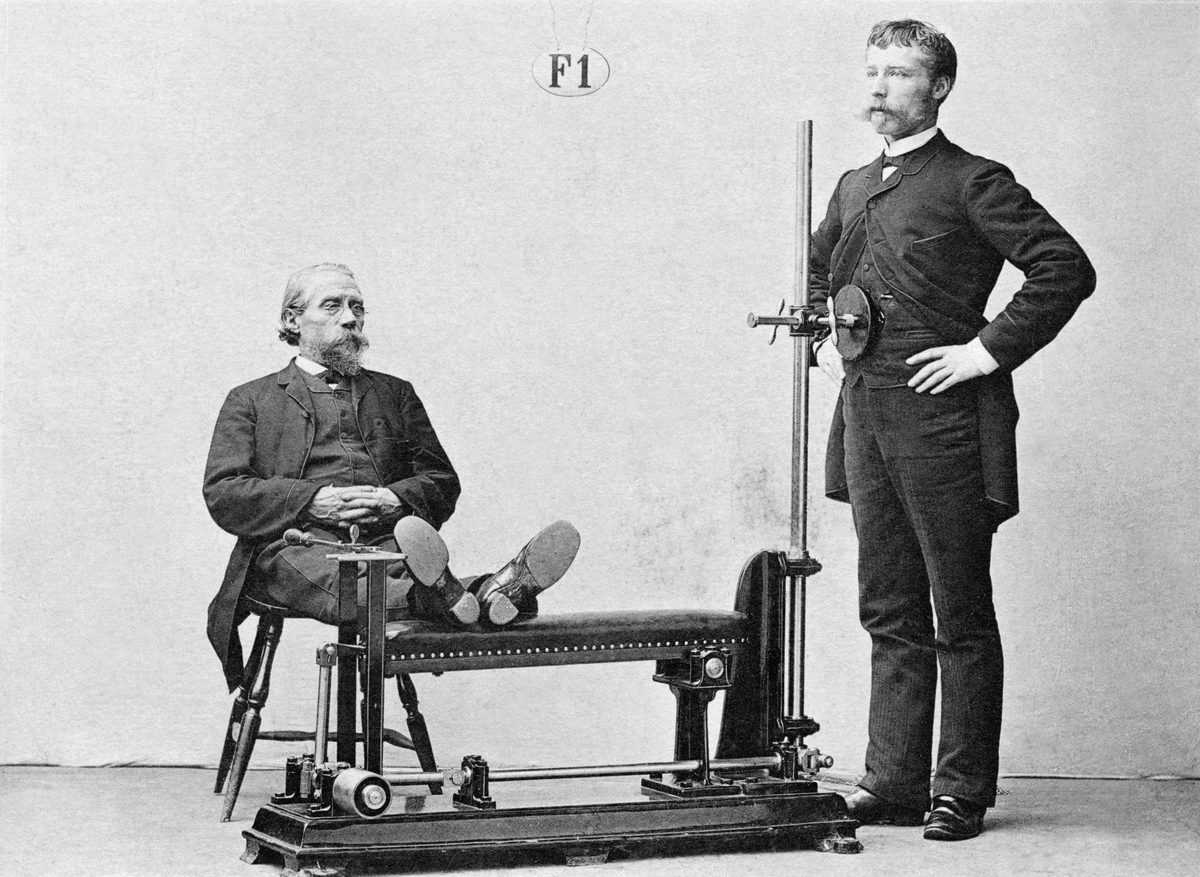
Gustav Zander, who trained as a physician in Stockholm in the 1860s, had a narrower complaint: manual therapeutic exercise depended entirely on the strength and consistency of whatever assistant was in the room that day. His solution was mechanical. Zander built a whole line of apparatus using adjustable weights and levers, so a machine rather than a person’s arm supplied the resistance, and a patient’s workout could be dialed up or down with precision no human hand could match.
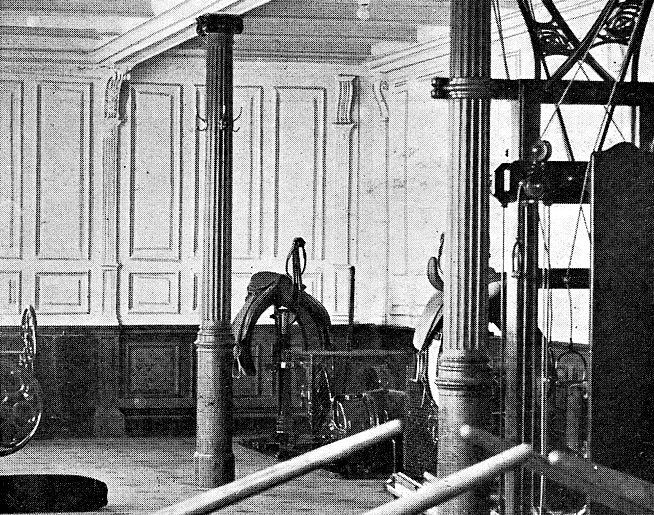
Zander’s “medico-mechanical” system, or mechanotherapy, spread fast once it had results behind it. He opened an institute in Stockholm, then a second in London, then crossed the Atlantic in the 1880s to found one near Central Park. Hot Springs, Arkansas — already a destination for people chasing therapeutic water — ordered Zander apparatus for its own bathhouses, including a mechanical horse in 1914 built to let a patient “ride” without leaving the room. The machines were popular and expensive enough that they turned up as a luxury amenity: in 1912, RMS Titanic‘s first-class gymnasium was fitted with a full set of Zander equipment, including the saddled riding devices, for passengers who wanted a trot across the Atlantic without a horse.
A British doctor’s handheld vibrator had nothing to do with the myth later attached to it
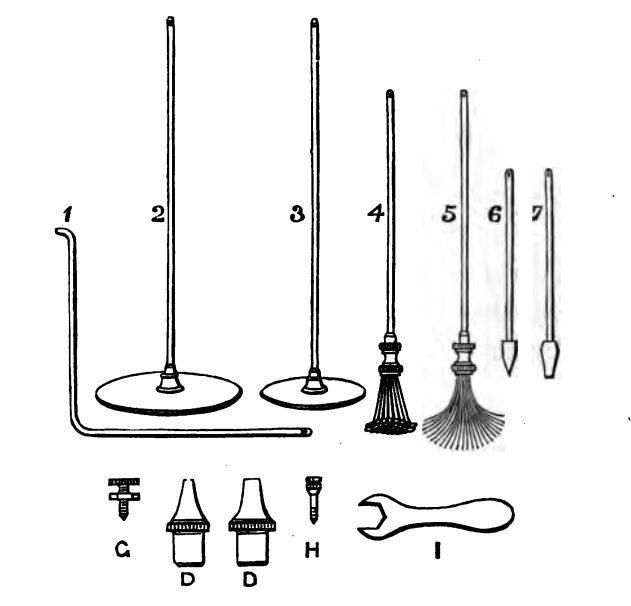
In 1883, the physician Joseph Mortimer Granville published Nerve-Vibration and Excitation as Agents in the Treatment of Functional Disorder and Organic Disease, describing a handheld device he called the percuteur: a battery-driven rod ending in one of several interchangeable heads, built for him by the London instrument makers J. Weiss & Son. One surviving example, now in the Smithsonian’s collection, is stamped on its case “DR. MORTIMER GRANVILLE’S PERCUTEUR / FOR / NERVE VIBRATION AND EXCITATION.” Granville prescribed it for neuralgia and what doctors of the period vaguely called nerve exhaustion, and his own writing is explicit that he intended it for pain relief and nothing else.
That distinction matters because a very different story about the percuteur became popular a century later: that Victorian doctors used early vibrators to manually treat female “hysteria” in their offices by inducing orgasms, a claim built around Granville’s device and popularized by a widely cited 1999 book. It is a vivid story, and in 2018 the historians Hallie Lieberman and Eric Schatzberg traced it back to its sources and found the evidence did not hold up: no clinical records, device patents, or medical journals from the period actually describe doctors using vibrators this way. Their paper is bluntly titled “A Failure of Academic Quality Control,” and it argues the claim spread for decades largely because it was repeated rather than checked. The real history of the percuteur is less salacious and, if anything, more telling about Victorian medicine: a serious doctor sincerely believed that buzzing a rod against a patient’s skin could treat a disease no one could otherwise define.
The vibrator was sold as an ordinary household gadget years before any of that myth existed
Granville’s narrow medical device did not stay narrow for long. By the early 1900s, electric vibrators were being marketed as home appliances, not clinical instruments. Lieberman’s research into period advertising found a 1918 Sears catalog selling a vibrating attachment for its home motor as “An Aid That Every Woman Appreciates,” priced at $5.95 — the same price as the catalog’s egg beater attachment, and displayed right alongside it. One manufacturer went further and built the vibrator directly into a vacuum cleaner, selling a single machine that promised to clean the carpet and massage its owner. Electric utility showrooms, which existed to sell households on the idea of electricity itself, ran roughly three in ten of the newspaper advertisements for vibrators that Lieberman catalogued, treating them as a routine small appliance rather than anything medical or risqué. Beauty parlors installed them for facial treatments marketed at removing wrinkles. For a window of about two decades, a vibrator was simply another modern convenience, sold next to the toaster.
Kellogg combined every strand of the idea into one chair at Battle Creek
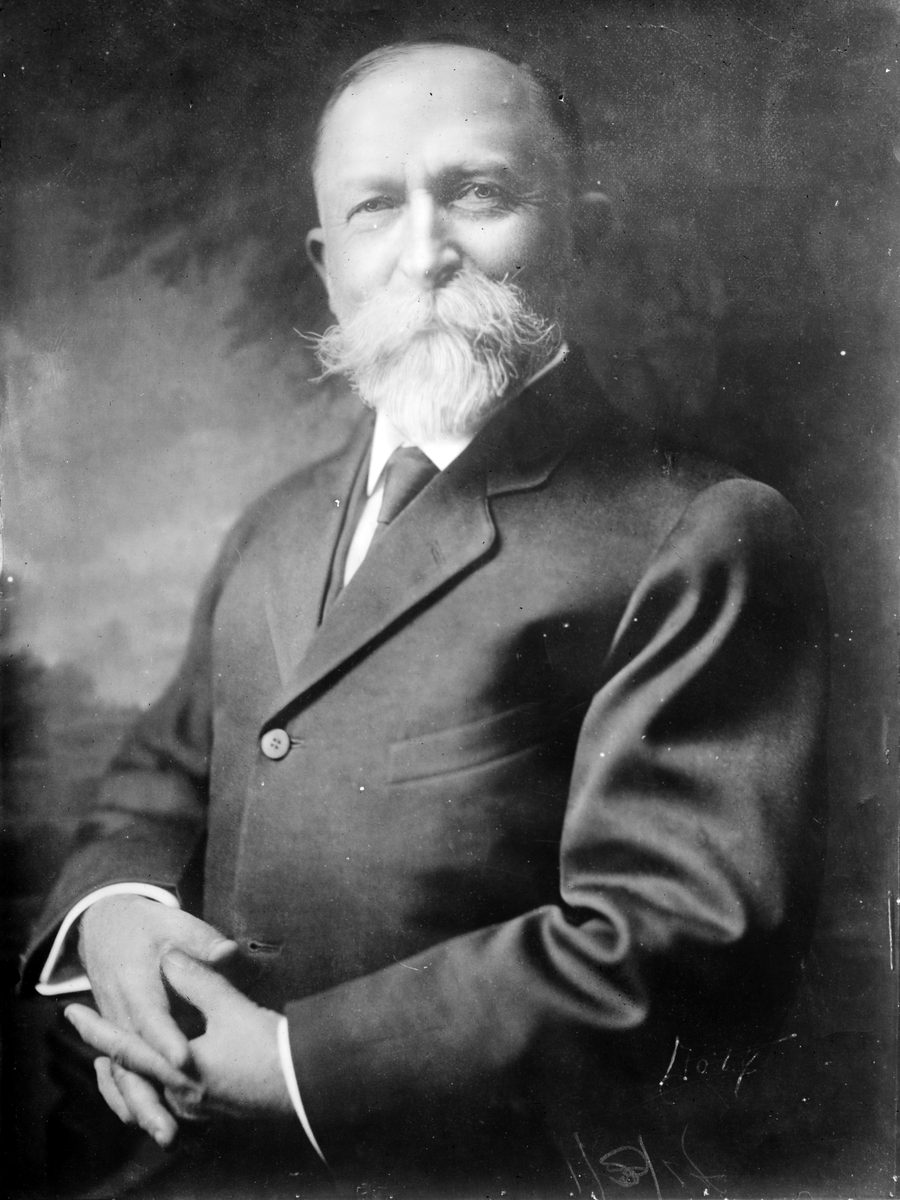
John Harvey Kellogg directed the Battle Creek Sanitarium in Michigan from 1876 to 1938, running it less as a hospital than as a wellness empire built around his own theory that nearly all disease originated in the bowel, a condition he called “autointoxication.” The Sanitarium’s mechanotherapy department took Zander’s machine-based approach and pushed it further: Kellogg’s own account describes a spring-loaded chair that shook a seated patient violently enough to stimulate intestinal movement, which he credited with relieving headaches and backaches and “filling the body with a healthy dose of oxygen.” He prescribed it specifically for patients too frail or sedentary to exercise under their own power, as a mechanical substitute for a long walk.
The chair was one machine among many. The mechanotherapy wing grew into a full department of shaking, jolting, and pounding apparatus, and the Sanitarium as a whole became famous enough to draw Thomas Edison, Henry Ford, and President Taft as guests, who submitted alongside everyone else to Kellogg’s regimen of mechanical exercise, electrified baths, and radiant-heat light cabinets. None of it was cheap, and the Sanitarium’s own finances benefited from every treatment Kellogg prescribed — a conflict of interest that did not stop him from also being, by most accounts, a genuinely skilled abdominal surgeon who performed thousands of operations across his career.
The chair’s commercial descendant was a vibrating belt sold straight to the public
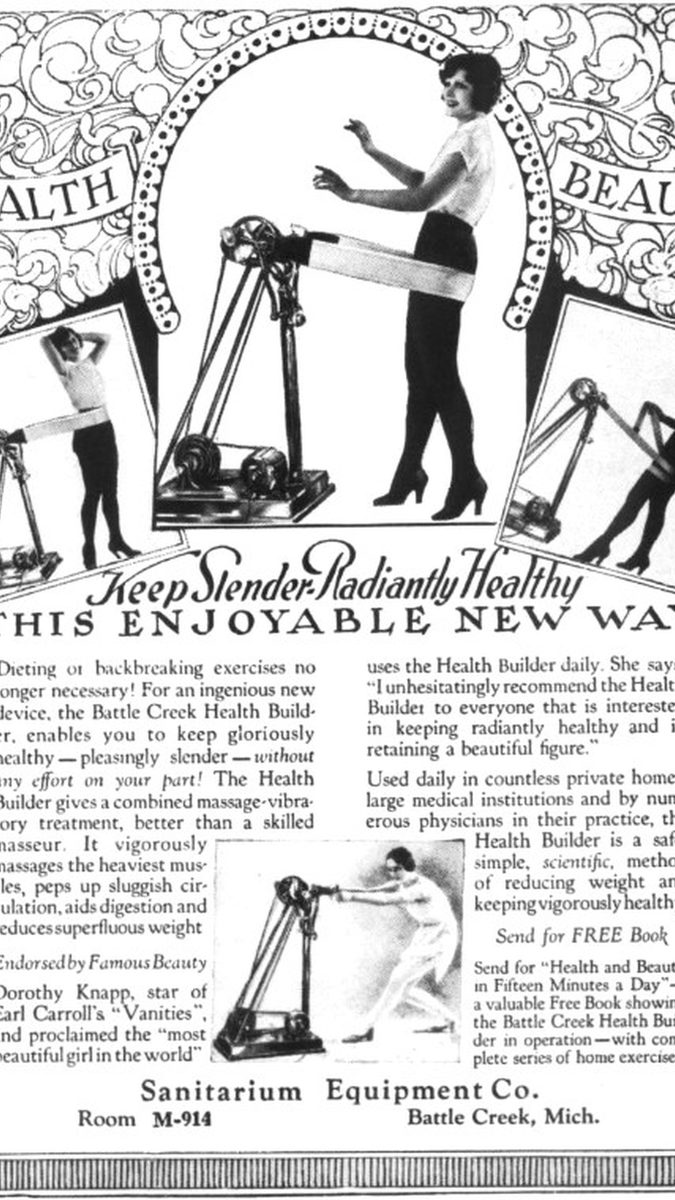
By the mid-1920s, the Sanitarium’s equipment arm had turned the idea into a consumer product: the Battle Creek Health Builder, a motorized vibrating belt a user strapped around the waist or another muscle group at home. The Science Museum Group, which holds one in its permanent collection, dates the device to 1925–1935 and records that its manufacturer marketed it for an almost absurd range of complaints — constipation, fatigue, headaches, high blood pressure, indigestion, insomnia, rheumatism, even paralysis — with instructions noting the same belt could be run gently for a calming massage or briskly for “a most powerful stimulus.” The museum’s own assessment is that devices like it were “forerunners to those we see in modern gyms,” which is a fair way to describe a machine that promised to melt fat through passive shaking decades before the vibrating-belt gag became a stock sight gag in itself.
Only in the space age did anyone test the idea with a real experiment
Medicine eventually moved past all of it. Professional licensing tightened, regulators grew hostile to mechanical cure-alls, and the vibrating chair and its descendants slid from prescribed treatment to self-improvement gadget to, finally, a punchline. The underlying question — does passive vibration actually do anything physiological — simply went unanswered for most of the twentieth century, because nobody with the tools to test it rigorously had a reason to.
NASA gave someone a reason. Astronauts on long-duration missions lose bone density because weightlessness removes the everyday mechanical stress that normally signals bone cells to rebuild, and in the 2000s, NASA’s Johnson Space Center funded research into whether whole-body vibration could substitute for that missing stress. The results were a genuinely mixed verdict rather than a vindication: the studies confirmed vibration stimulated bone cell activity in animal models and identified specific frequencies and intensities worth pursuing, but according to NASA’s own account of the research, the funded studies “failed to demonstrate that whole-body vibration would benefit the entire human skeleton.” It was the first time in a hundred and seventy years that the vibration-as-medicine hypothesis had been run through a real controlled experiment, and the honest answer it produced was maybe, partially, in specific conditions — not the confident cure Kellogg or Granville or Zander had each been selling.
That is, in the end, the throughline connecting a Paris neurology ward, a Swedish gymnasium, a British percuteur, a Sears catalog, and a wooden chair in Battle Creek: not a single con, but a century and a half of serious people making the same reasonable-sounding bet on very thin evidence, decades before anyone built an experiment careful enough to say whether the bet paid off.
Watch the full history
The short video version covers Kellogg’s own chair and its sixty-cycle shake in under two minutes.

Related reading
- The Public Health Panic That Made Baby Cages Seem Safe — another case of credentialed doctors endorsing a device that looks alarming in hindsight.
- How Ear Trumpets Worked — the real physics behind the Victorian medical device vibration therapy was sold alongside.
- Clothes Wringer History — another household machine marketed as a labor-saving convenience, with its own medical fine print.
- What Caused the English Sweating Sickness? — a reminder of how much of medical history is still an open question.
Shop the styles/items featured in this video:
- Quackery: A Brief History of the Worst Ways to Cure Everything (book)
- Antique-style medical instrument print set
- Modern percussion massage gun (the tamer descendant of this idea)
Works cited
- Granville, J. Mortimer. Nerve-Vibration and Excitation as Agents in the Treatment of Functional Disorder and Organic Disease. London: J. & A. Churchill, 1883.
- “Vibrator” [Granville’s Percuteur, made by J. Weiss & Son, early 1880s]. National Museum of American History, Smithsonian Institution.
- Goetz, Christopher G. “Jean-Martin Charcot and His Vibratory Chair for Parkinson Disease.” Neurology 73, no. 6 (2009): 475–478.
- National Park Service. “The Therapy Machines of Dr. Gustav Zander.” Hot Springs National Park. Link.
- Lieberman, Hallie. “Selling Sex Toys: Marketing and the Meaning of Vibrators in Early Twentieth-Century America.” Enterprise & Society 17, no. 2 (2016): 393–433.
- Lieberman, Hallie, and Eric Schatzberg. “A Failure of Academic Quality Control: The Technology of Orgasm.” Journal of Positive Sexuality 4, no. 2 (2018): 24–47.
- McGill Office for Science and Society. “The Enigmatic Dr. Kellogg.” Link.
- Science Museum Group. “Battle Creek Health Builder, Exercise Machine, Michigan, United States, 1925–1935.” Link.
- NASA Spinoff. “Boosting Bone Health.” NASA Technology Transfer Program. Link.