
Medicine & the Body
Surgery, disease, anatomy, public health, and the long history of what people believed was wrong with them and how to fix it.
-
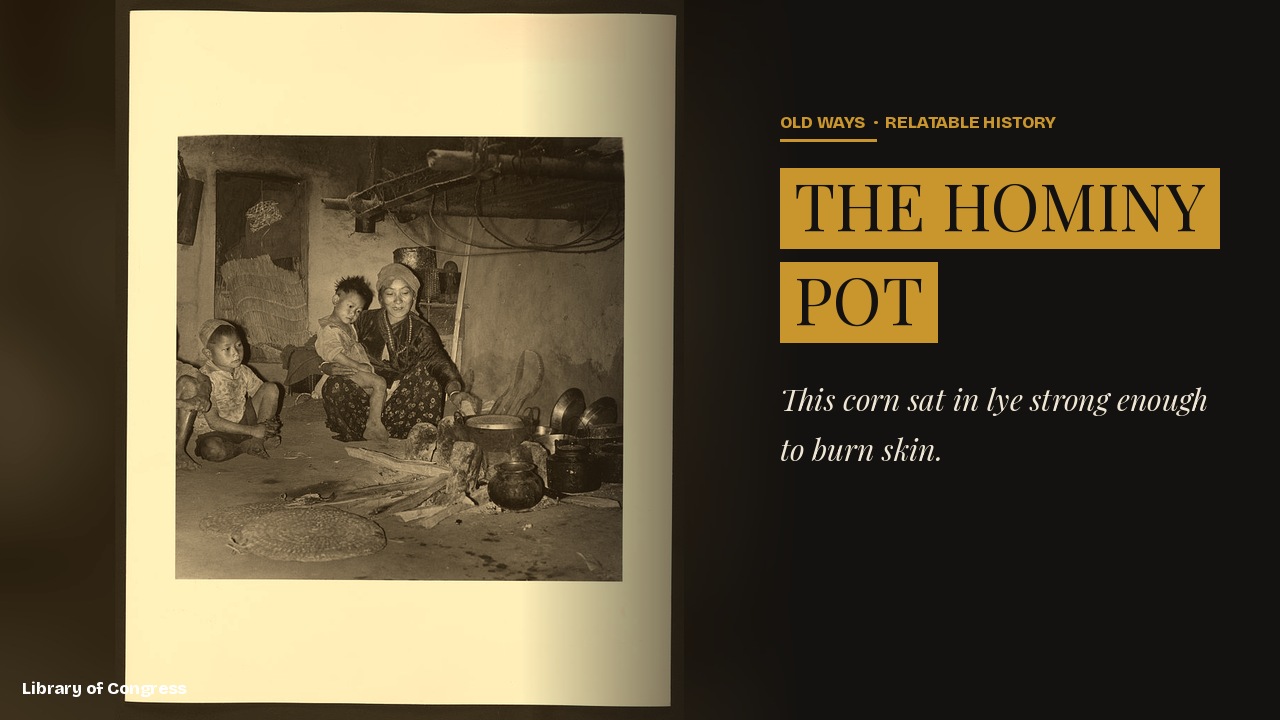
Why Corn Was Soaked in Lye Before It Became Breakfast
Hominy starts with corn sitting in water caustic enough to burn skin. The practice is at least three thousand years old, and abandoning it turned out to carry a measurable body count.
-
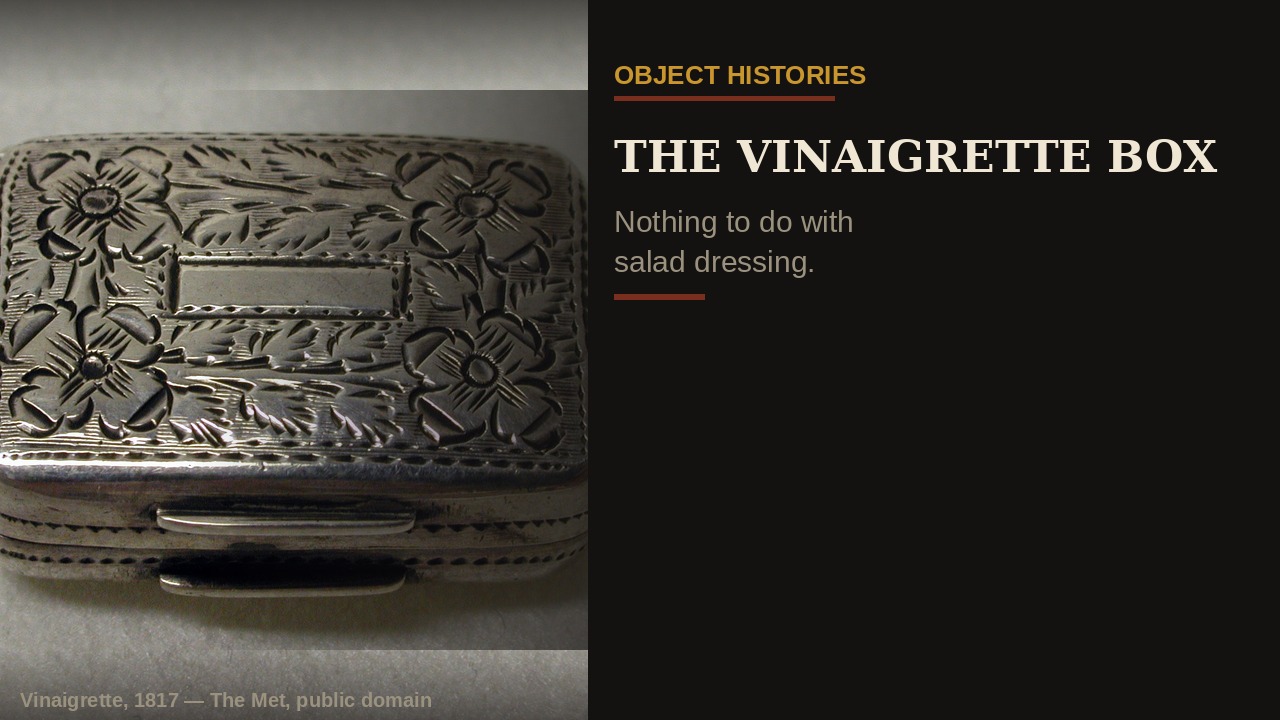
The History of the Vinaigrette Box: A Georgian Cure for Bad Air
A vinaigrette box was carried by Georgian and Victorian women as genuine medicine against disease, until a London physician’s cholera map proved the whole theory behind it wrong.
-
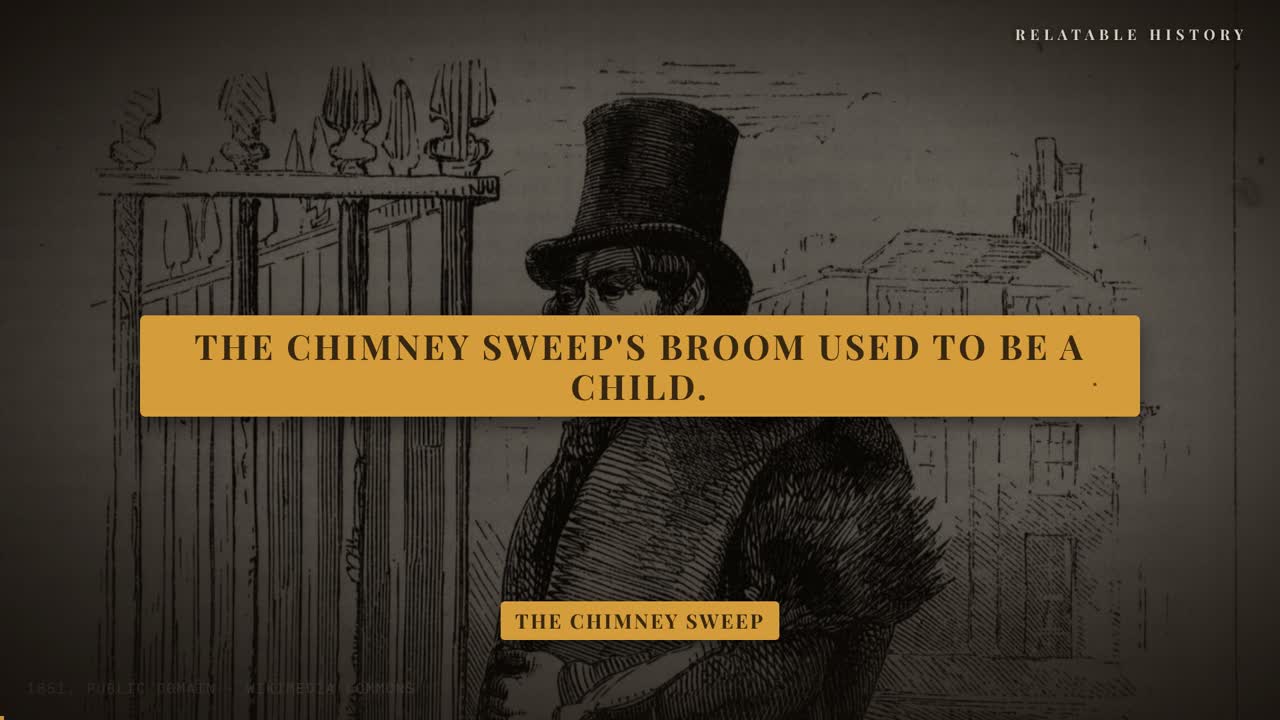
Climbing Boys: The Children Britain Sent Up Chimneys
Climbing boys were chimney sweeps apprenticed as young as four and sent inside flues nine inches wide. It took a surgeon’s cancer discovery, three failed laws, and one more child’s death to finally stop it.
-
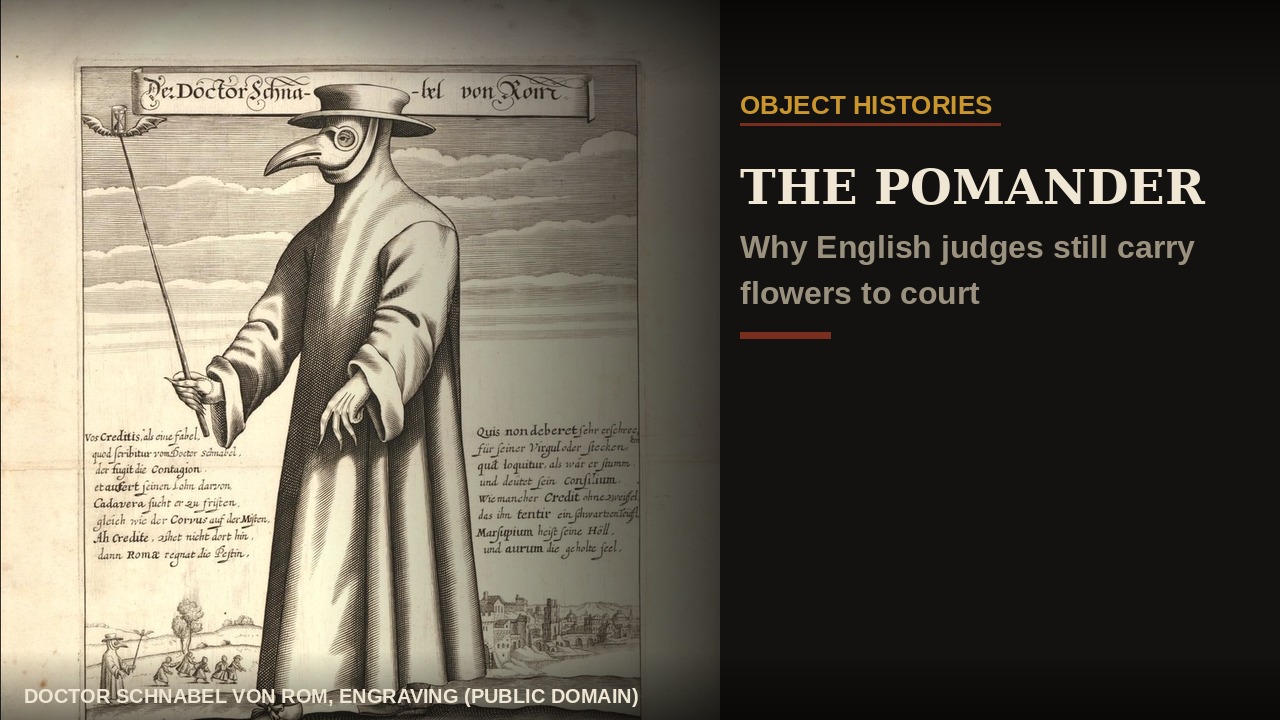
The Pomander Was Built on Miasma Theory, and Outlived It
For five hundred years, Europeans believed a bad smell could make you sick, and built an entire piece of jewelry to fight it. The theory collapsed in the 1880s. The habit took longer.
-
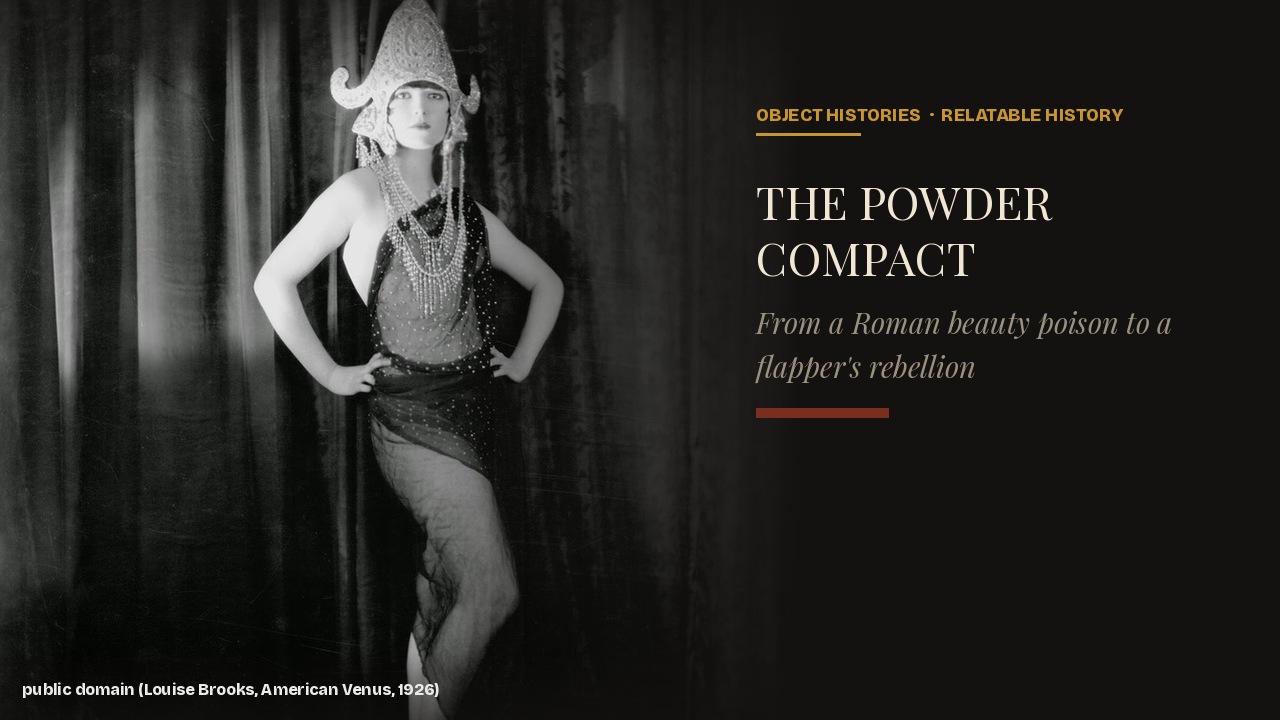
The Dangerous History of Face Powder — From Roman Lead Paint to a Flapper’s Compact
Long before it was a flapper fashion statement, face powder was a genuine health hazard, and the law that finally regulated it took almost two thousand years to arrive.
-
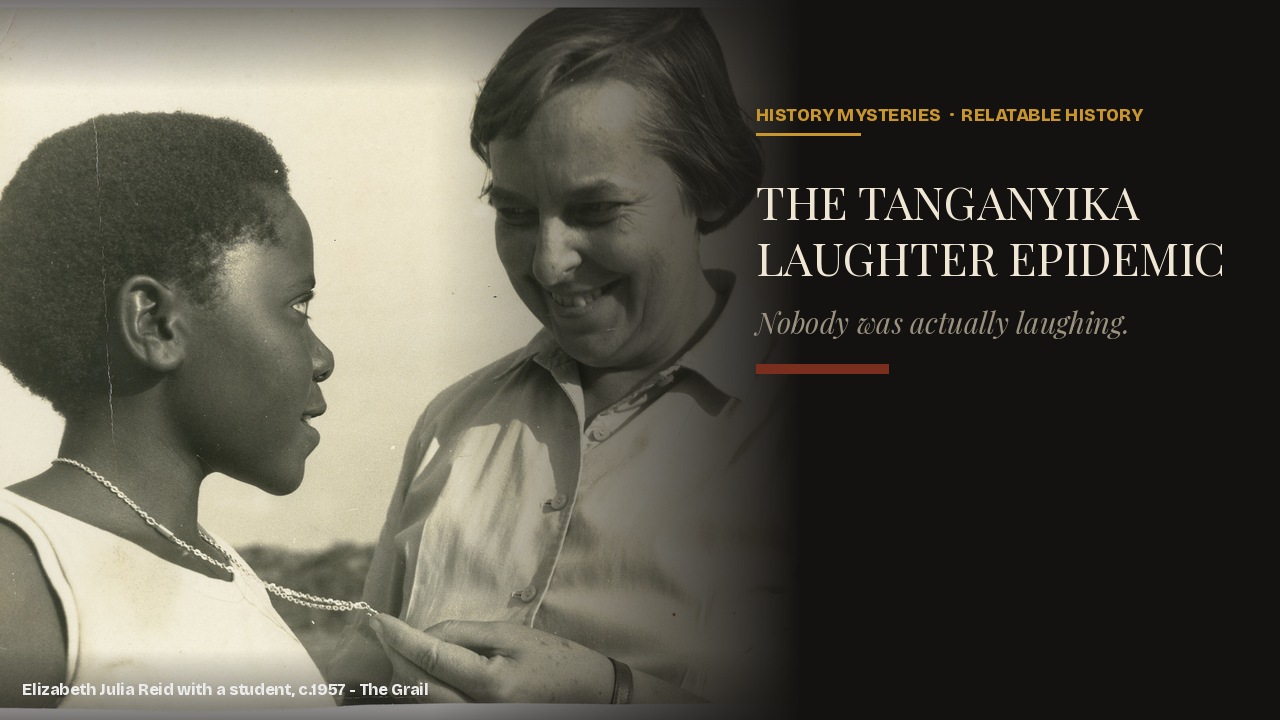
The 1962 Tanganyika Laughing Epidemic: What the Investigation Actually Found
Two medical officers tested blood, spinal fluid and food trying to explain an illness that shut fourteen Tanganyikan schools in 1962. They found nothing – and that absence is the real story.
-
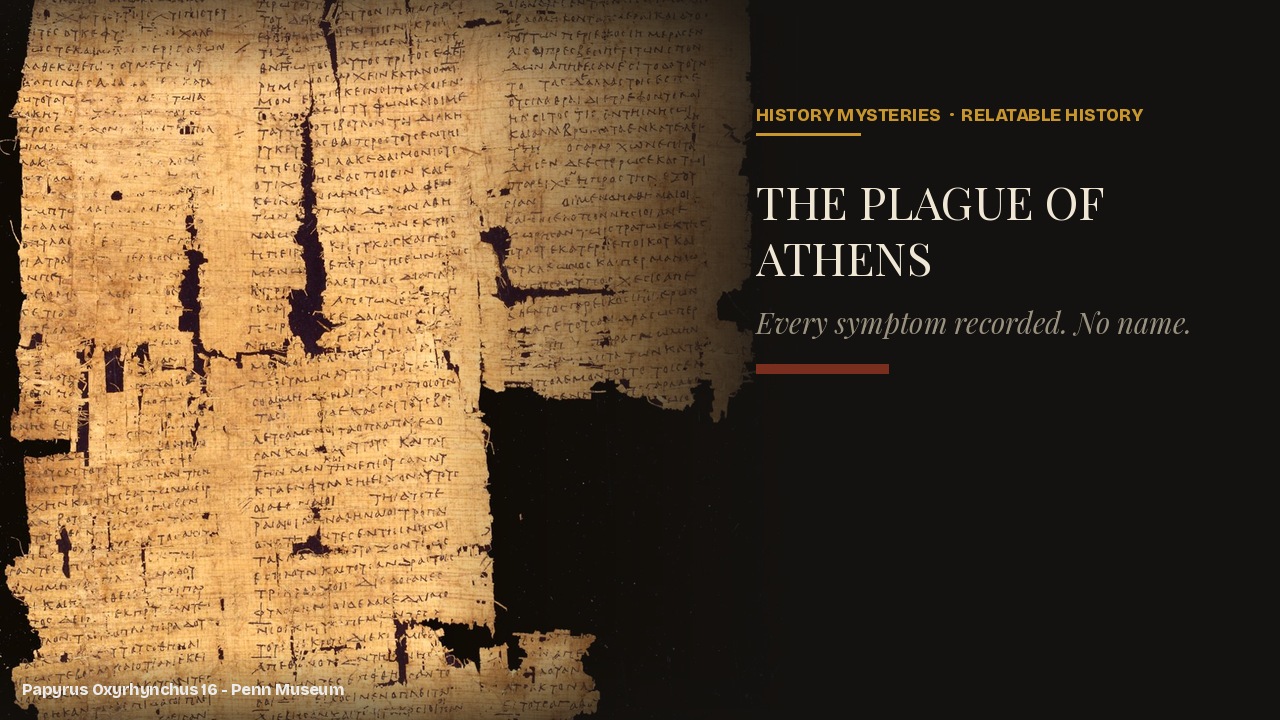
What Caused the Plague of Athens? The Argument Never Ended
Thucydides wrote down every symptom so a future outbreak could be recognised. Twenty-four centuries, a DNA test, and a 2026 journal exchange later, no diagnosis has survived unchallenged.
-
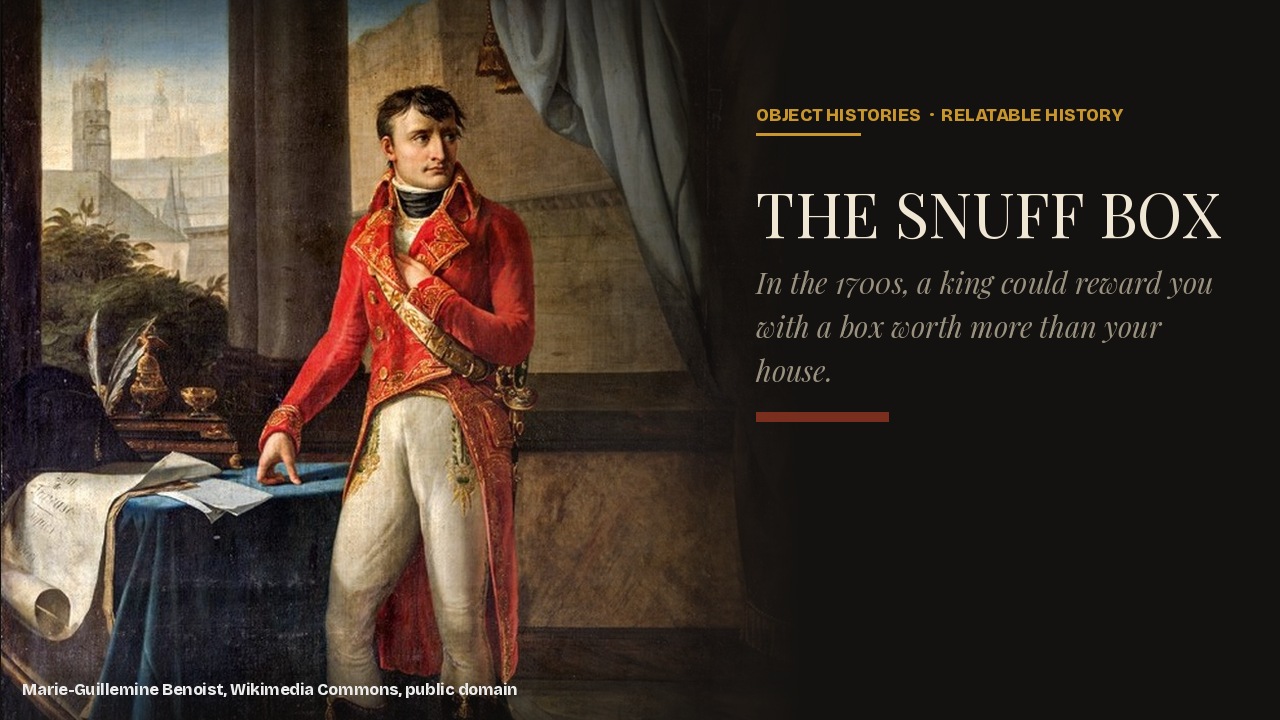
How Snuff Boxes Became the Currency of 18th-Century Courts
A gold snuff box could stand in for a medal, a bribe, or a salary. Here is how an object the size of a deck of cards became one of the eighteenth century’s real instruments of diplomacy.
-
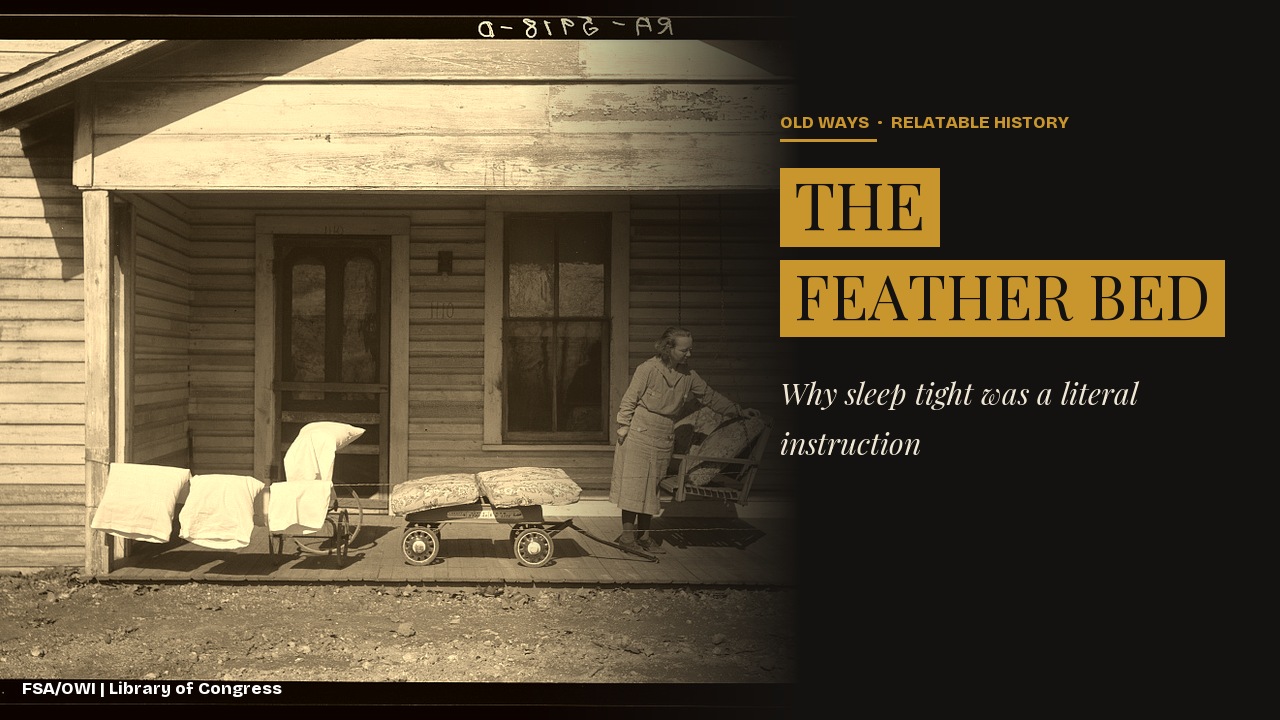
How Much a Feather Bed Was Worth, in Pounds and Shillings
A feather bed could be worth more than a family’s furniture, linens, and Sunday clothes combined — and, centuries later, turned out to carry a lung disease nobody had a name for.
-
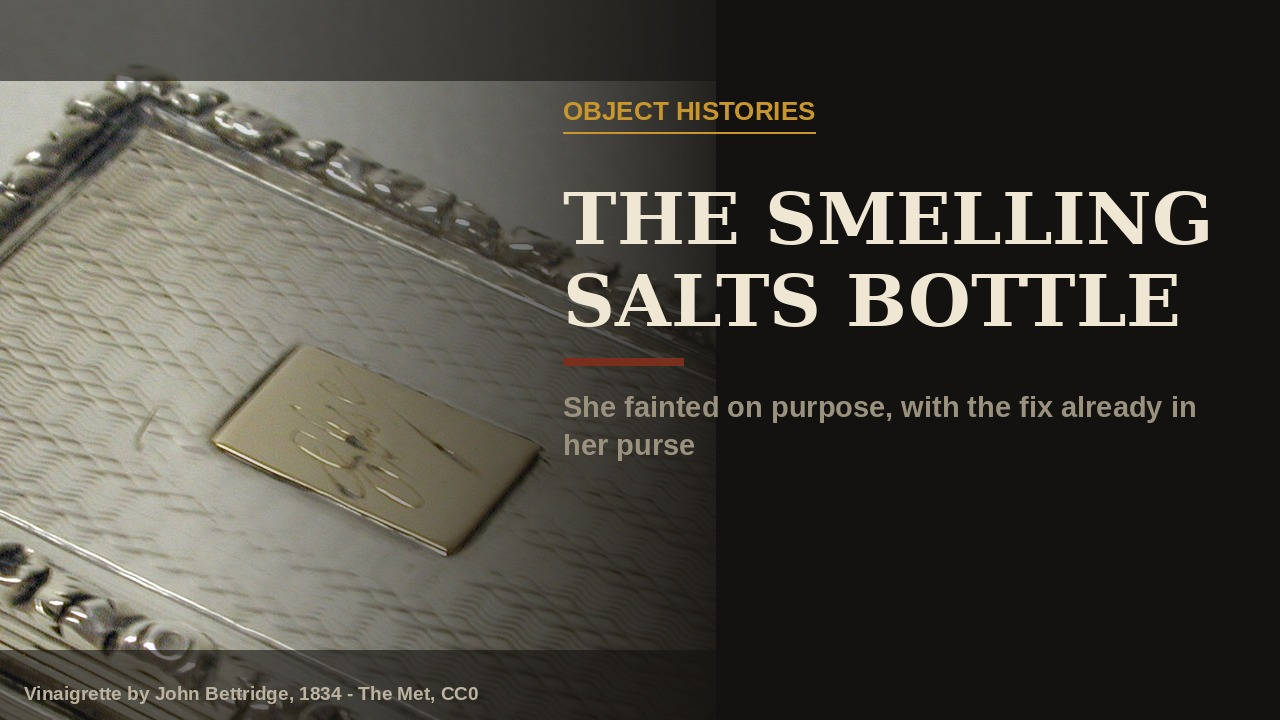
What Was in Victorian Smelling Salts
The active ingredient in a Georgian lady’s silver vinaigrette was burnt deer antler. Two centuries later, NFL sidelines were using the same chemical trick — until the league banned it.