
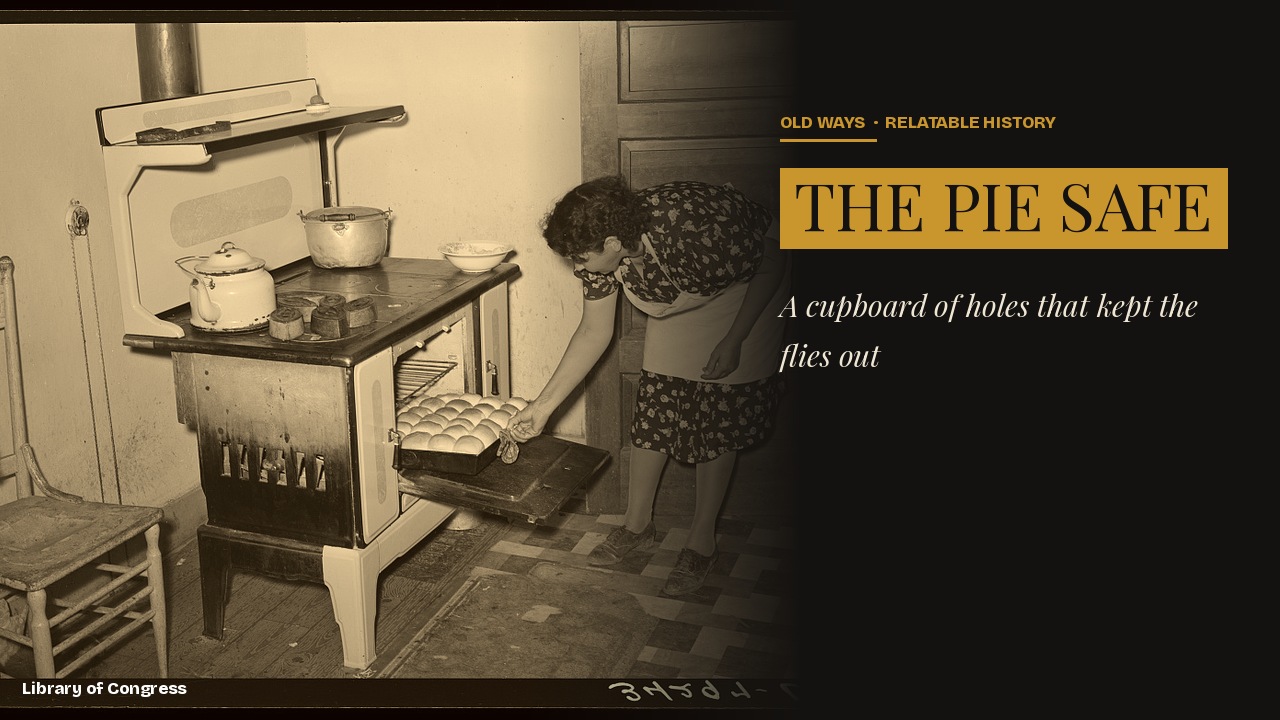
The pie safe that kept flies out of a family’s food for most of the 19th century did it with no glass, no screen wire, and no mechanism of any kind — just a cabinet door made of tin, punched through with hundreds of small, sharp-edged holes. The popular version of its origin story credits Pennsylvania German immigrants with inventing the whole idea in the 1700s, and that’s part real and part legend: museum research on surviving examples tells a more layered story, with an older cabinet form and a younger decorating tradition that only later got flattened into one simple account.
An Older Cabinet Than the Legend Admits
The ventilated food cabinet itself predates the Pennsylvania German settlement story by a wide margin. Colonial Williamsburg holds what its own catalog calls “the earliest southern example known” of this furniture form: a food safe dated to 1680-1720, built of ash and yellow pine, discovered in the early twentieth century in a church near the Virginia-North Carolina border. Its label notes that written references to food safes go back as far as 1660 — decades before the main wave of Pennsylvania German immigration that the popular pie-safe origin story leans on. That early safe didn’t use punched tin at all; its door was covered in textile, a cloth or cheesecloth panel that let air through in a cruder, less durable way than metal ever could.
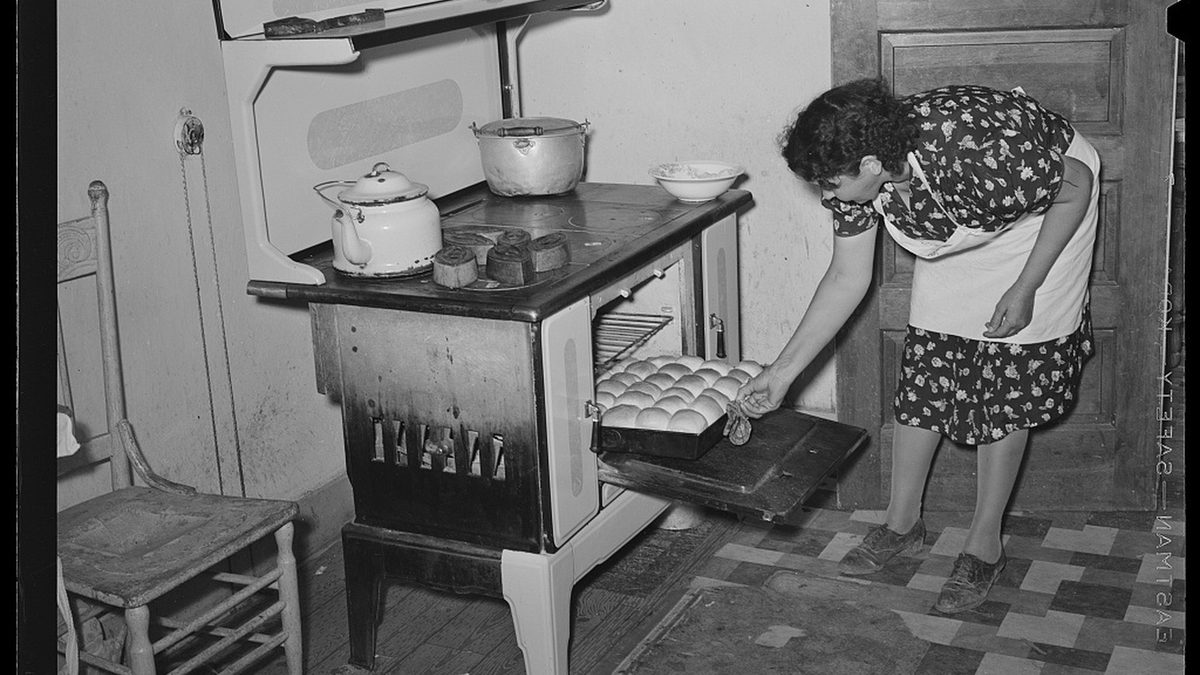
The High Museum of Art’s own research into one of its Eastern Tennessee pie safes backs this up from another angle: before punched tin became popular, safes were commonly covered in linen or cheesecloth, or fitted with wooden panels drilled with holes — a technique the museum’s essay specifically attributes to British furniture-making practice, not German. The form itself, in other words, has roots in both earlier American furniture-making and British technique, well before any specifically German contribution enters the picture.
Where the Punched Tin Actually Came From
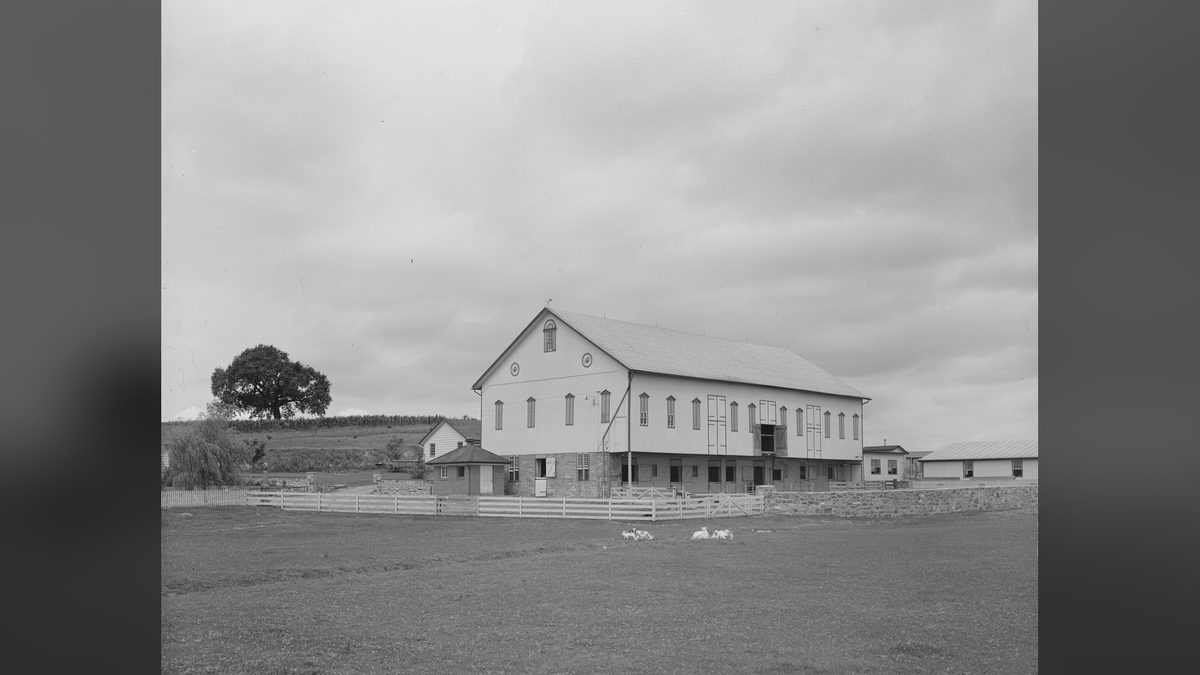
What the popular story gets right is that Pennsylvania German decorative taste is genuinely behind the specific look of a classic punched-tin pie safe — stars, hearts, tulips, sunbursts, the same motifs that turn up on Pennsylvania German painted furniture and barns. But according to the High Museum’s research, tin panels didn’t actually become popular until around the 1830s, and the documented path runs through Virginia on its way south, not straight from Pennsylvania into general use. German settlers in Jonestown, Pennsylvania, developed painted blanket chests decorated with tulips, urns, and horses, and that decorative vocabulary traveled with settlers into Wythe County, Virginia, where it shaped locally made furniture. In the 1830s, a shop run by Fleming K. Rich in Wytheville, Virginia, began producing larger punched tin panels that caught on regionally, and in 1841 his brother-in-law George W. Moyers ordered 35 sets of those panels and sold them on to local furniture craftsmen. Wythe County’s tin designs — urn-and-grape patterns, tulips, sunflowers, stars — then influenced craftsmen in Eastern Tennessee, who adapted them further, adding Masonic symbols, butterflies, and oak leaves of their own.
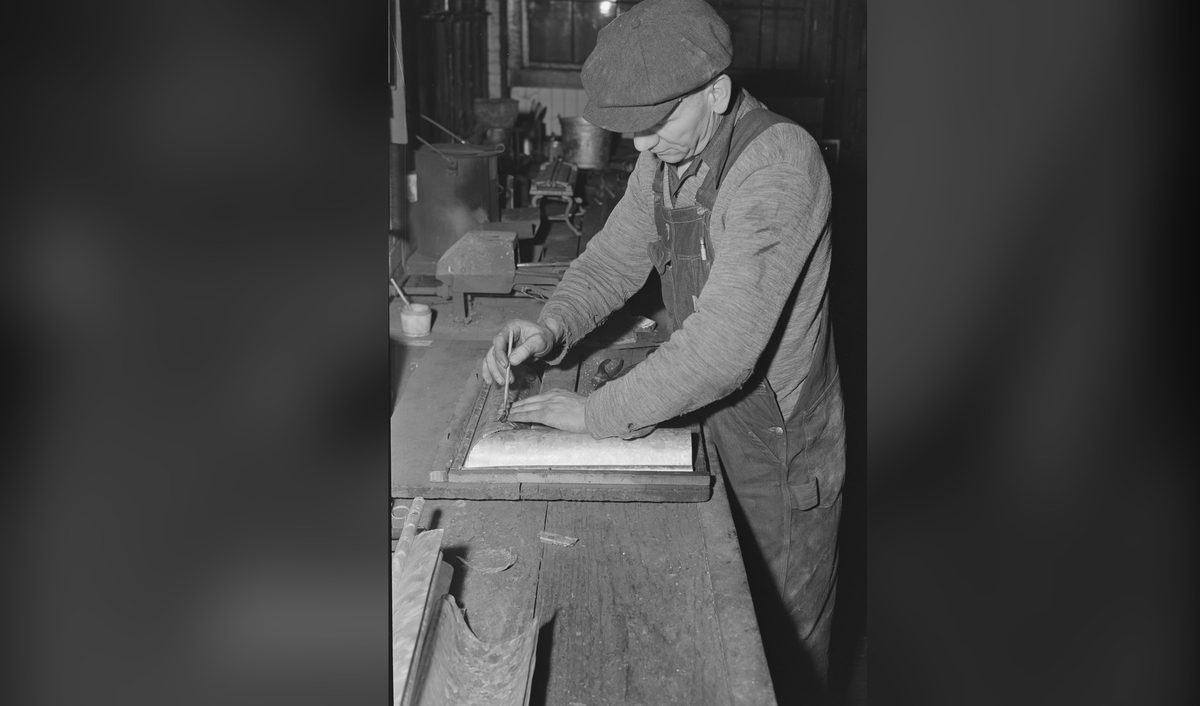
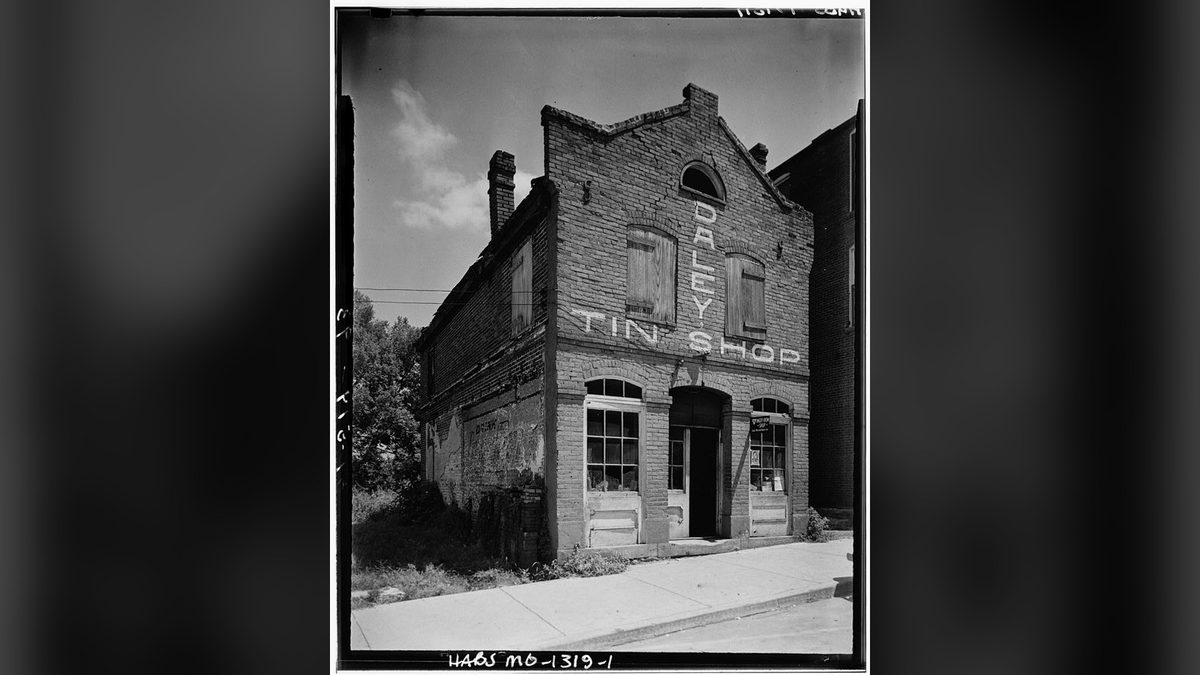
Making a tin panel was genuine specialist work by the time the craft matured. Some families still punched their own patterns at the kitchen table with a nail and a block of wood, but increasingly the work fell to professional tinsmiths, who either traveled farm to farm with a bag of patterns or ran a dedicated shop. Cabinetmaker and tinsmith were frequently two different trades entirely: Colonial Williamsburg’s own catalog entry for a Greene County, Tennessee example notes that the case and the tin panels were often made by different craftsmen, even though some woodworkers handled both. A sheet of plain tin had to be bought, usually shipped in from a foundry town, which is part of why plainer, less ornamented safes turn up more often in poorer farming regions than in the wealthier Pennsylvania German counties that could afford a specialist’s elaborate work.
The Pie Safe That Kept Flies Out: Why Tin Specifically
The punched tin wasn’t decoration that happened to be useful — it solved a real, specific problem that nothing cheaper could solve as well. A solid wood door sealed in the warm, moist air around fresh bread and pie, and that trapped moisture invited mold within a day in summer heat; plain glass had the same problem. Screen wire would have worked, but it was neither cheap nor common on an ordinary American farm before the 1880s. Tin, punched through from the inside so the sharp, torn burr of metal stood up on the outside face, did both jobs other materials couldn’t: the holes let air move freely enough to carry moisture away from a cooling pie, while the sharp outer edge of each punched hole stopped a mouse from gnawing through and kept a housefly from forcing its body through an opening barely wider than a pinhead. Tin wasn’t the only defense a careful household deployed, either: in the South especially, the High Museum notes that many pie safes had their short legs set into small containers of oil, a simple barrier that kept ants from climbing straight up the leg and into the cabinet, since even a perfectly punched tin panel did nothing to stop a pest that could just walk in through the gap under the door.
The cabinetwork itself was built to last generations, not just to hold a pattern of holes. Colonial Williamsburg’s detailed examination of a Greene County, Tennessee example shows real craftsmanship under the decoration: tenoned and pegged door and side frames, dadoes cut to hold the tin panels in place, half-blind dovetailed drawer fronts, and turned, baluster-shaped legs integral to the cabinet’s own stiles rather than bolted on as an afterthought. The much older Colonial Williamsburg food safe from 1680-1720 shows a cruder but no less deliberate version of the same instinct: wrought-nailed backboards, tenoned rails pinned into sausage-turned legs ending in distinctive “potato masher” feet, and iron butterfly hinges individually wrought-nailed on with ten nails apiece. A family paying a cabinetmaker for one of these pieces was buying furniture meant to be handed down, not a disposable kitchen fixture.
What a Pie Safe Actually Held
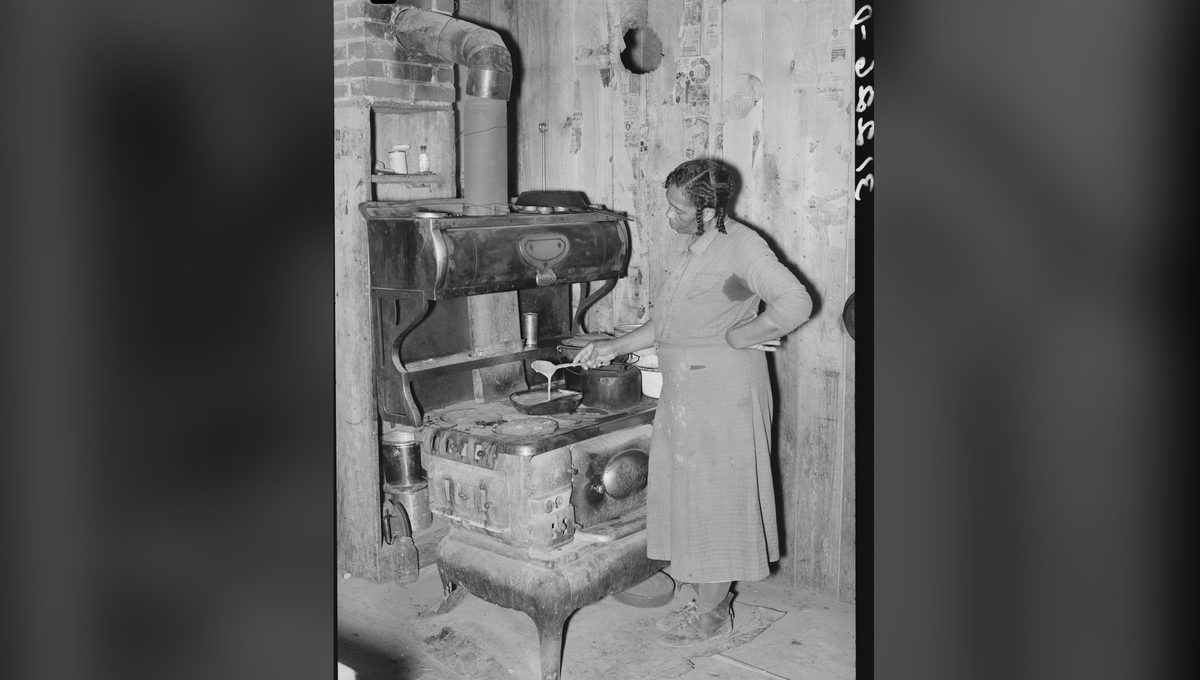
A pie safe earned its keep well beyond pies. On a farm without an icebox or a spring house nearby, it was frequently the only dedicated food storage in the entire house besides the root cellar, holding loaves of bread, cuts of cured ham, crocks of butter, and leftover biscuits — anything that needed to breathe rather than sit sealed inside a crock or barrel. Restocking and wiping it down daily was typically the job of the woman of the house, and on a baking day, when the oven produced two or three pies alongside the week’s bread all at once, the pie safe was what let that work happen once instead of every single day. The East Tennessee examples in museum collections today, built in fine cabinet woods like walnut with tulip poplar as a cheaper structural wood underneath, were sometimes serving-height pieces that likely stood in a dining room rather than a kitchen — a reminder that a well-made pie safe could double as a genuine piece of furniture a family was proud to show, not just a utilitarian box. A damaged panel was patched rather than replaced outright, since a fresh sheet of punched tin cost real cash money and a working cupboard, even a slightly mismatched one, was worth more to a household than a perfectly uniform one sitting unused.
The Decline, Without the False Precision
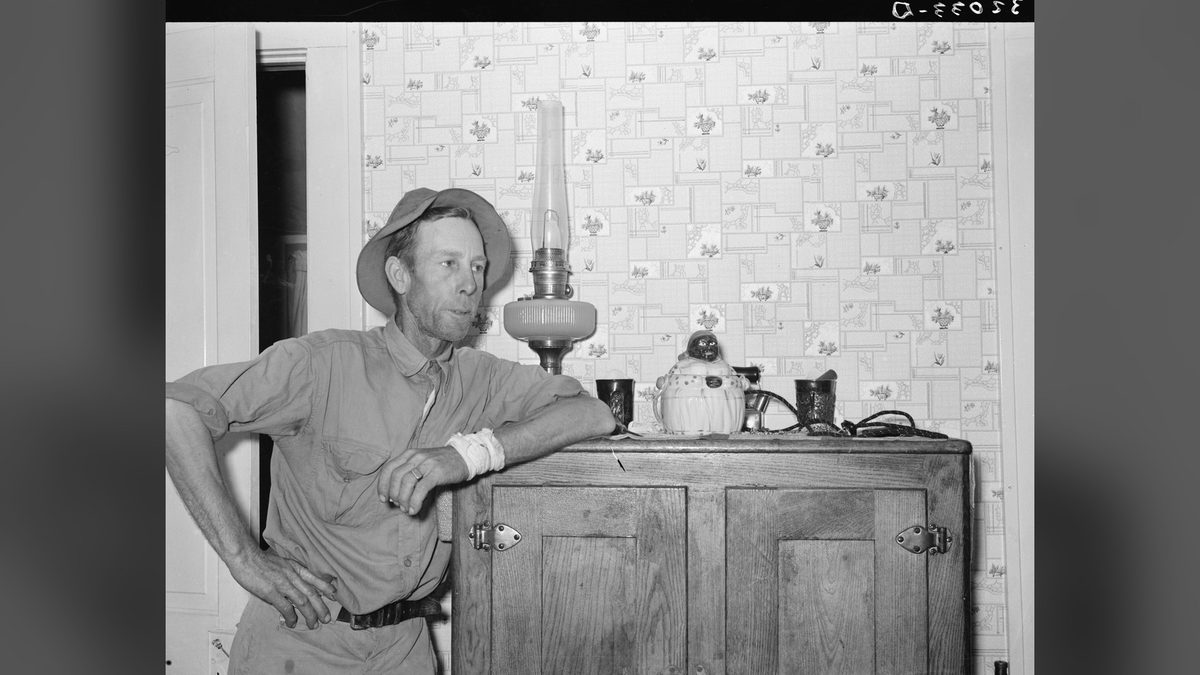
Punched-tin pie safes stayed in wide use through most of the 19th century, with surviving examples clustering especially around the decades near the Civil War, when the decorative craft was at its most elaborate. What eventually displaced them was the icebox and, later, mechanical refrigeration — technology that offered actual, reliable cold rather than simply moving air through a cabinet. Museums that collect these pieces, including the High Museum, describe pie safes as having been “replaced by ice boxes and modern refrigerators” without committing to a specific decade for exactly when that happened, and this article follows that same caution rather than asserting a precise year the record doesn’t actually support. What’s certain is the direction of the change: a technology that could keep food genuinely cold eventually beat one that could only keep it ventilated, and by the early 20th century a pie safe was far more likely to be found holding tools in a barn than holding pies in a kitchen.
What Survives
Pie safes survive today mostly as folk art, prized by collectors and museums precisely for the thing that made each one unique: no two tinsmiths, and no two households, ever worked from quite the same pattern, which means a well-preserved example is as much a regional fingerprint as it is a piece of kitchen furniture. One dated panel in the Henry Ford’s collection, attributed to a Lexington, Virginia maker named John Henson, carries a punched inscription reading “JOHN Q. ADAMS / MARCH 4TH 1825 / I H” — timed, deliberately, to Adams’s inauguration that same day. It’s a small, unexpected detail: a working tinsmith, three thousand holes into a kitchen cabinet panel, taking the time to mark that day’s news directly into the metal, more than a century before anyone thought to call punched tin “folk art” at all.
Watch the full story

Related reading
- The Kaleidoscope Patent That Failed Its Own Inventor
- Why Player Pianos Outsold Real Pianos in 1924
- Charles Babbage and the Organ Grinders He Hated
- Why Music Boxes Disappeared: Rise and Fall of an Industry
Works cited
- “Pie Safe, ca. 1830–1860, Unidentified Maker, Eastern Tennessee.” High Museum of Art, Mellon Fellows essay. Link.
- “Pie Safe.” High Museum of Art, collection page. Link.
- “Food Safe, Catalog No. 147.” Colonial Williamsburg Summer Field School, “Southern Furniture 1680–1830.” Link.
- “Safe, Food.” Colonial Williamsburg Foundation collections (object 99600). Link.
- “Pie Safe Panel, 1825.” The Henry Ford, Digital Collections. Link.