
Industrial Age
Roughly 1750 to 1900: mechanisation, mass production, the railway and telegraph, and the transformation of daily life they produced.
-
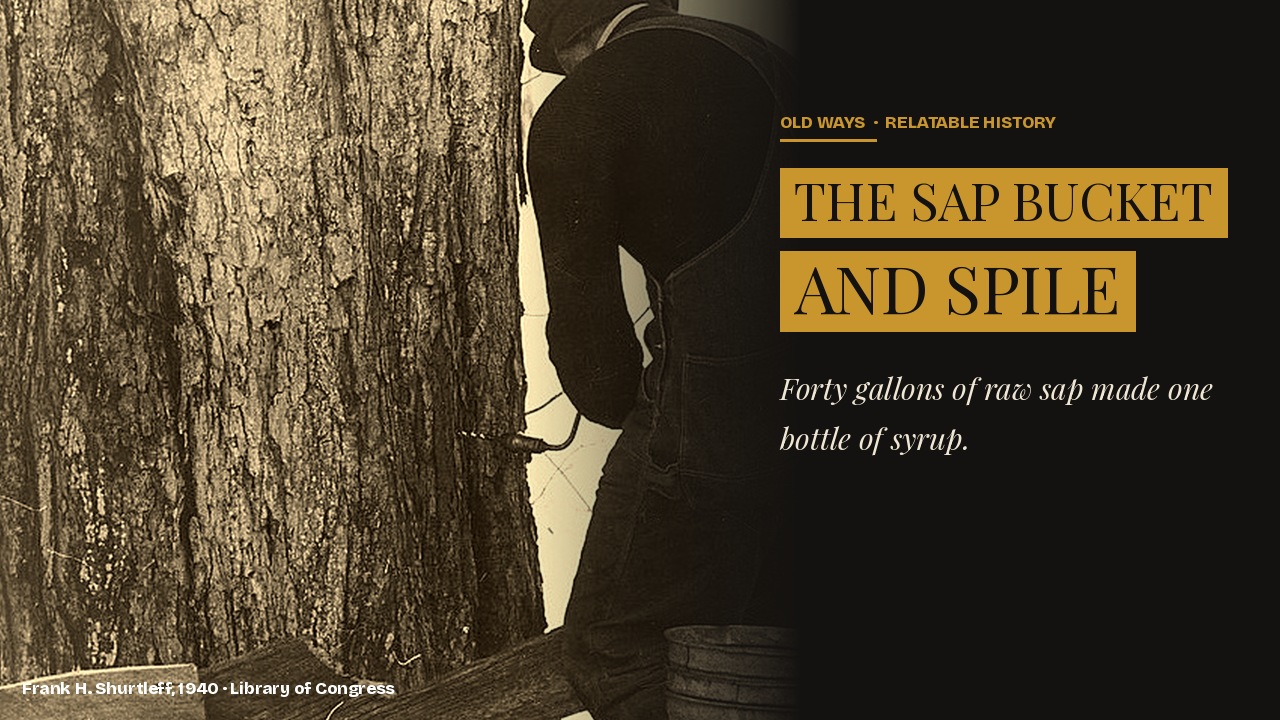
The History of Maple Sugaring, From Stone-Boiled Sap to a Stolen Fortune
Thomas Jefferson once planted sixty maple trees in a bid to undercut slave-grown cane sugar. That is only one stop in the fuller, stranger history behind the bucket and spile.
-
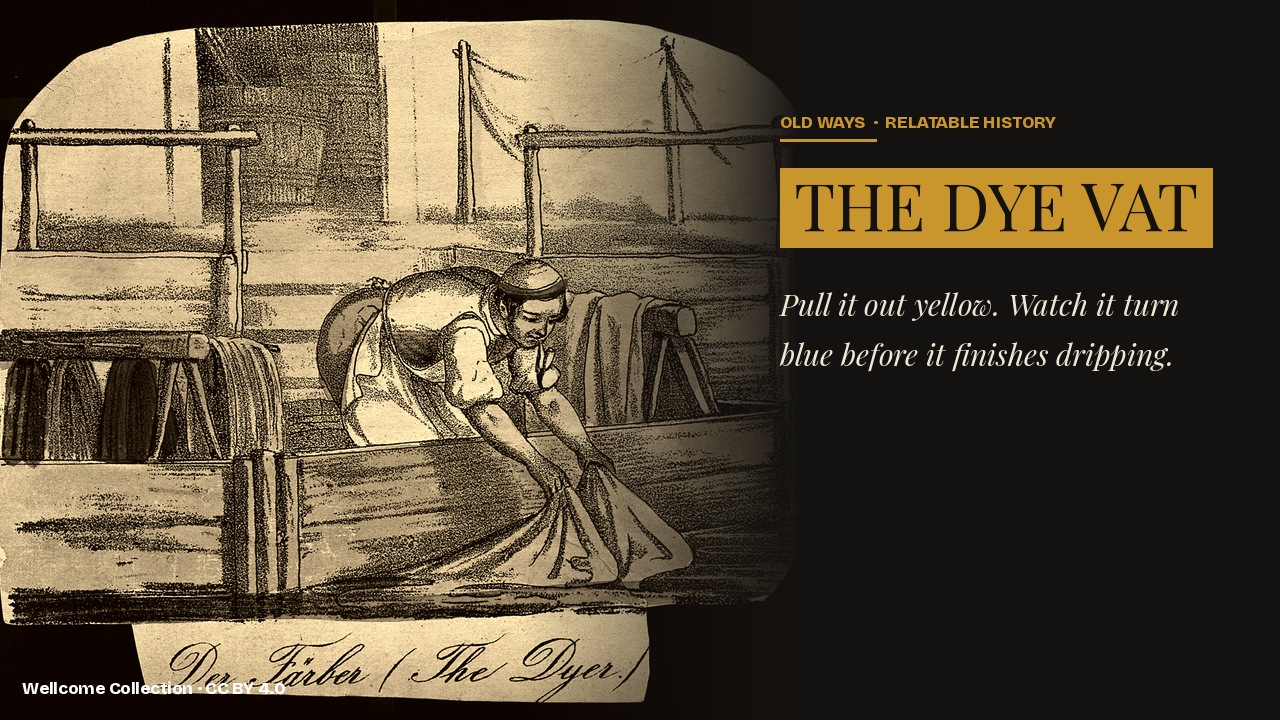
How Colonial Americans Dyed Cloth Before Store-Bought Dye Existed
Before synthetic dye came in a nickel packet, color for homespun cloth was grown, traded, or fermented at home — and one trick made plain yellow liquid turn sky blue in midair.
-
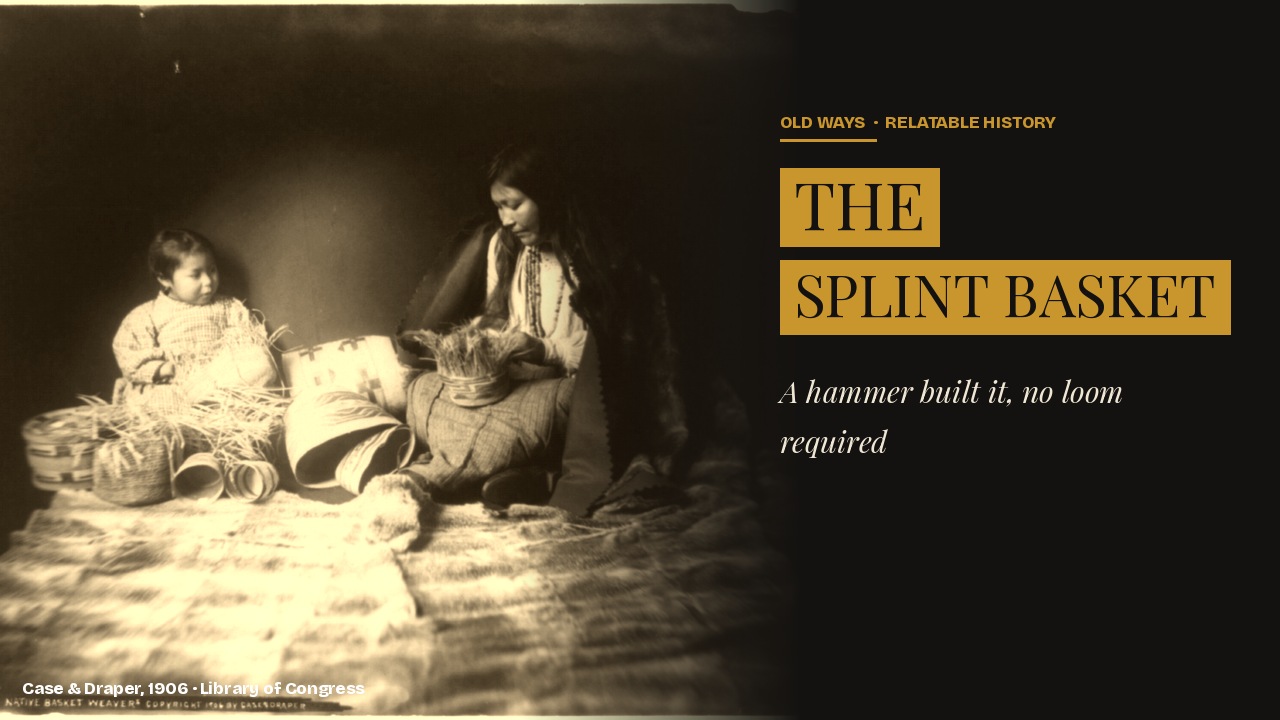
The Native American Craft Behind Every Farm Basket
Nearly every egg basket, feed basket, and market basket on a 19th-century American farm descends from one Native pounding technique, taught to settlers, then nearly erased twice: once by wire and plastic, and now by a beetle.
-
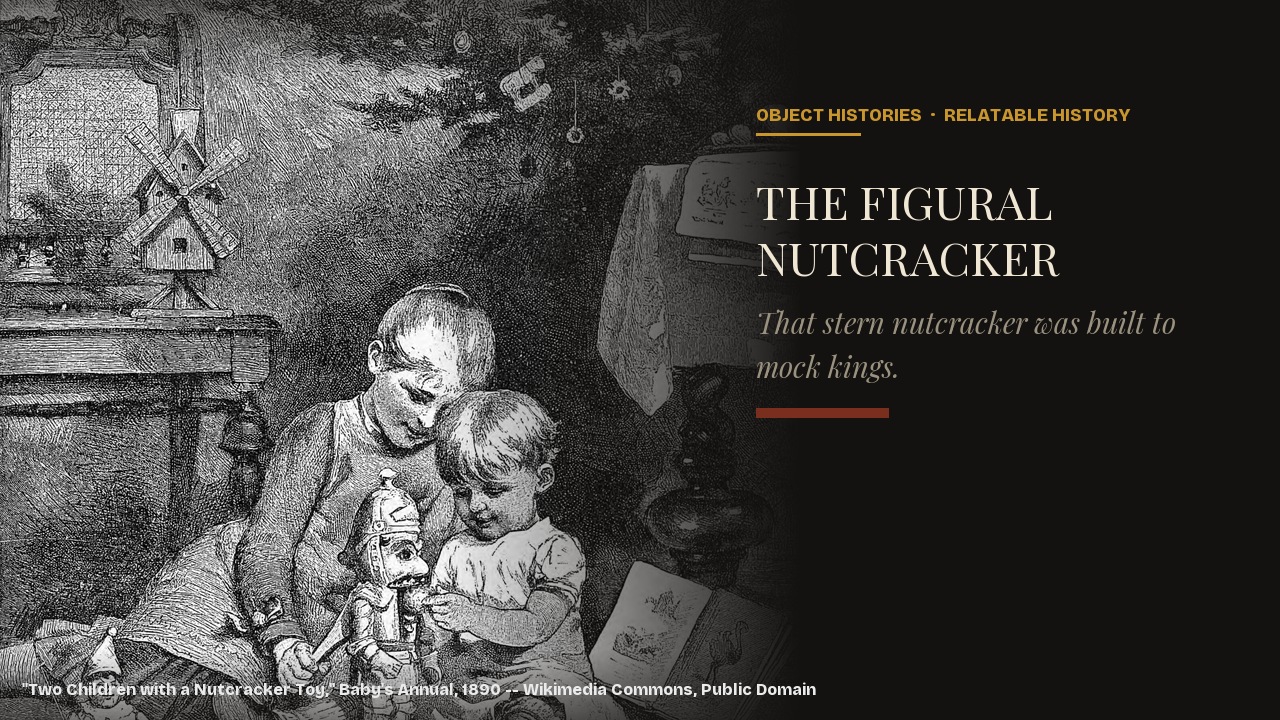
Why Christmas Nutcrackers Are Shaped Like Kings and Soldiers
The wooden king on your mantel was carved by people who’d lost their own livelihoods, to make him grind his jaw forever. Here’s the oddly tangled, three-named, two-Hoffmann true story.
-
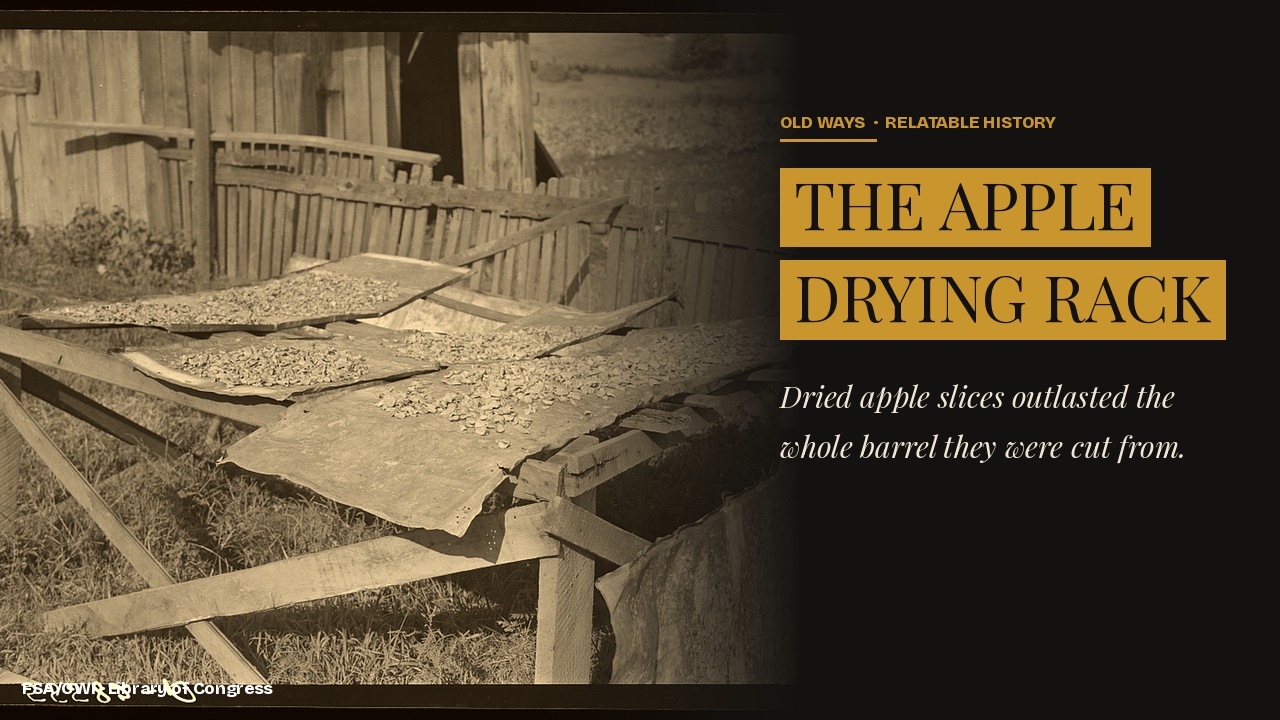
Drying Apples Before Refrigeration: How Farm Families Did It
For about a century, a Moravian sisterhood in colonial Pennsylvania ran a dedicated building whose only job was turning a fall apple harvest into food that would survive the winter. They were far from the only ones doing it.
-
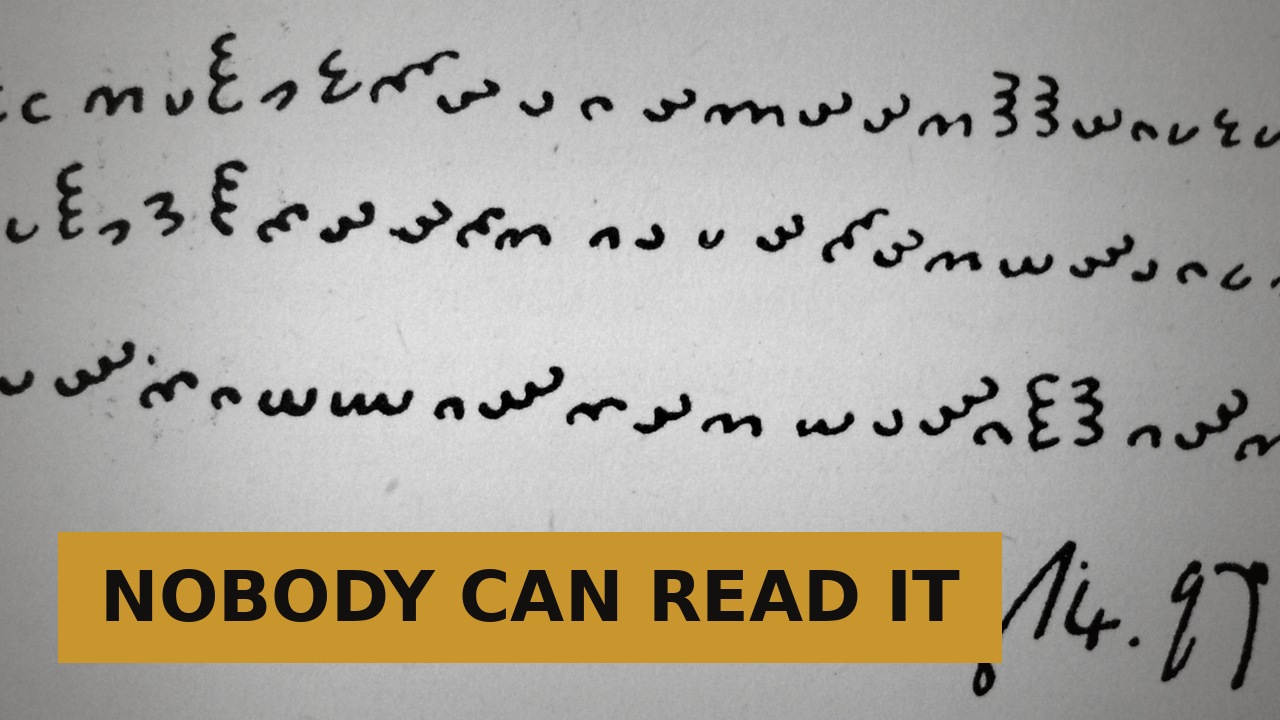
Why the Dorabella Cipher Remains Unsolved
Eighty-seven symbols, three lines, one composer’s idea of a private joke. More than a century and a cash prize later, nobody has read a word of it.
-
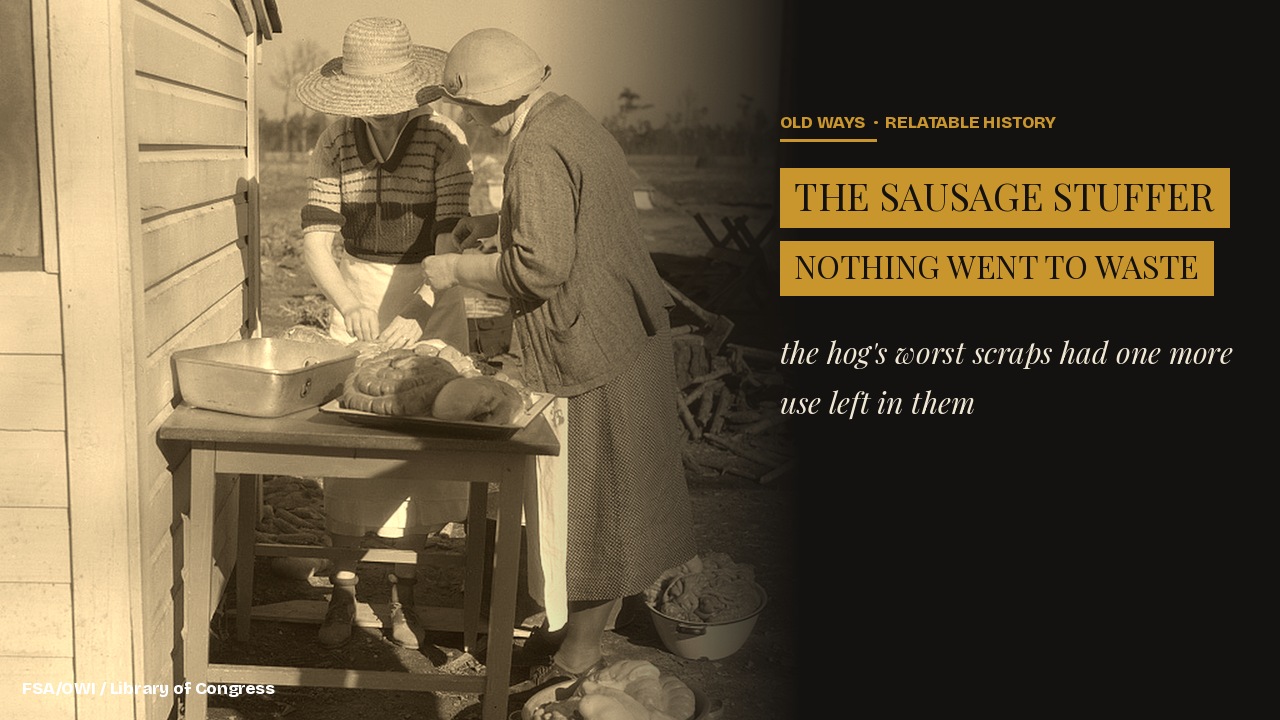
The History of the Sausage Stuffer: How Farms Wasted Nothing From a Hog
A hand-cranked grinder, a USDA recipe, and a neighborhood’s worth of cooperative labor turned a hog’s leftover scraps into a winter’s worth of sausage, until refrigeration made the whole system unnecessary.
-
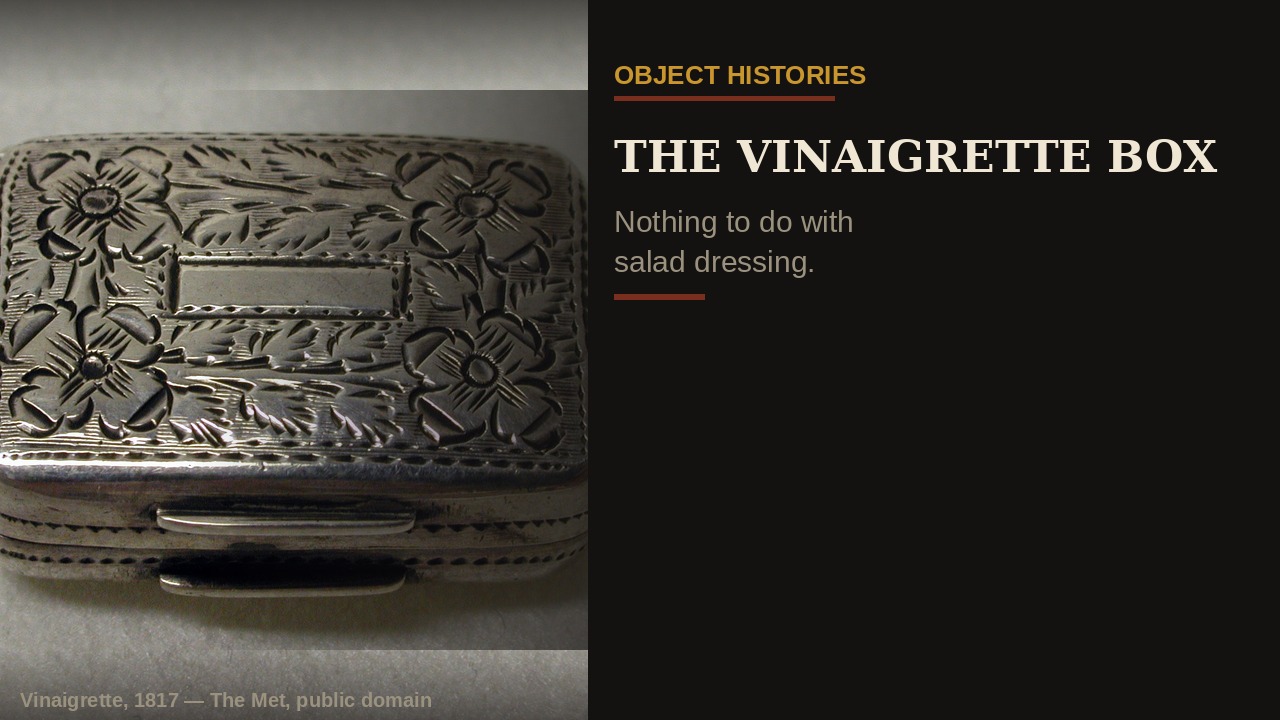
The History of the Vinaigrette Box: A Georgian Cure for Bad Air
A vinaigrette box was carried by Georgian and Victorian women as genuine medicine against disease, until a London physician’s cholera map proved the whole theory behind it wrong.
-
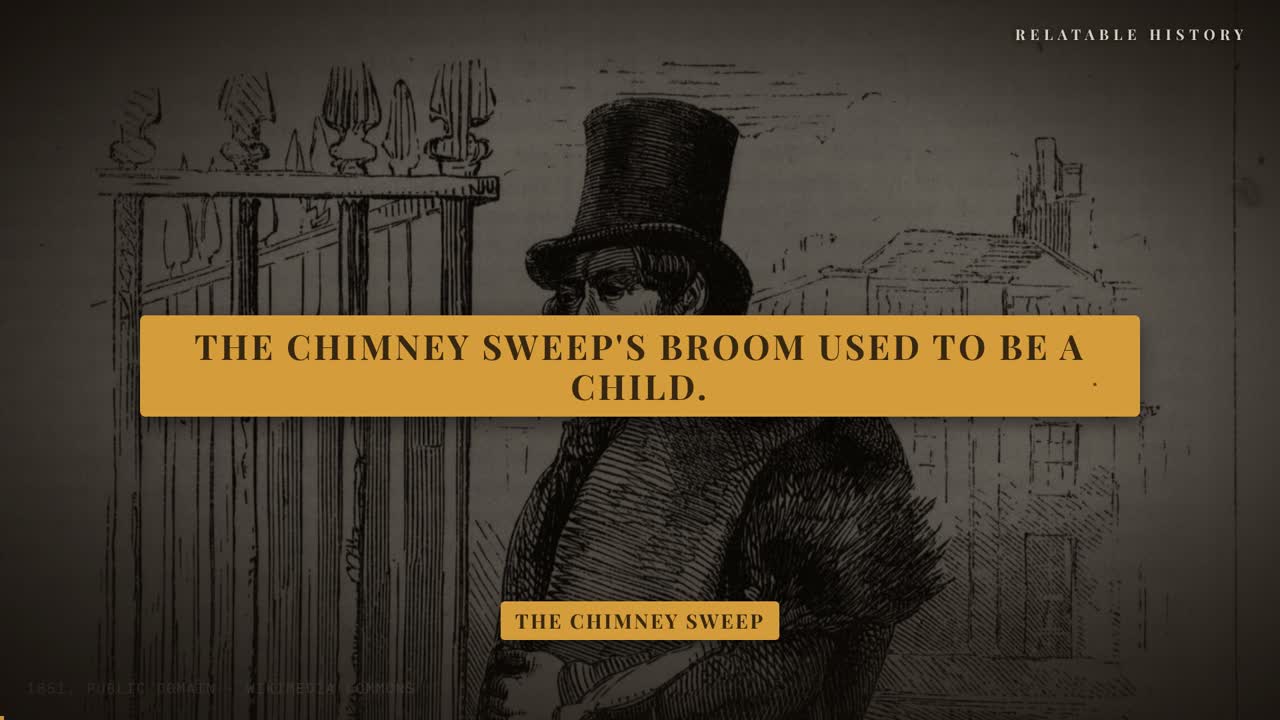
Climbing Boys: The Children Britain Sent Up Chimneys
Climbing boys were chimney sweeps apprenticed as young as four and sent inside flues nine inches wide. It took a surgeon’s cancer discovery, three failed laws, and one more child’s death to finally stop it.
-
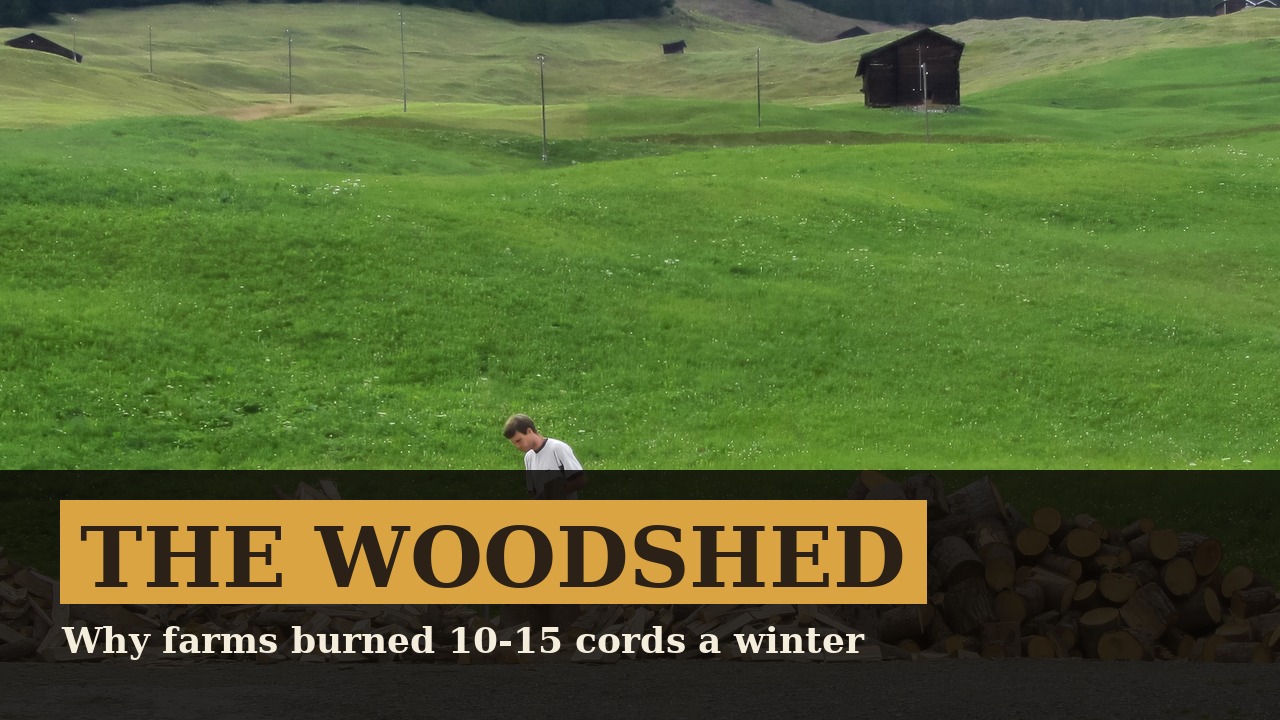
How Much Firewood Heated a Farmhouse Through a 19th-Century Winter
A farmhouse with no coal or oil ran on wood that had to be cut, split, and dried for the better part of a year before anyone burned it — and what a single winter’s heat actually cost is still argued over by economic historians today.