
Food & Drink
How people grew, preserved, cooked, brewed and ate – and what that tells us about the societies they lived in.
-
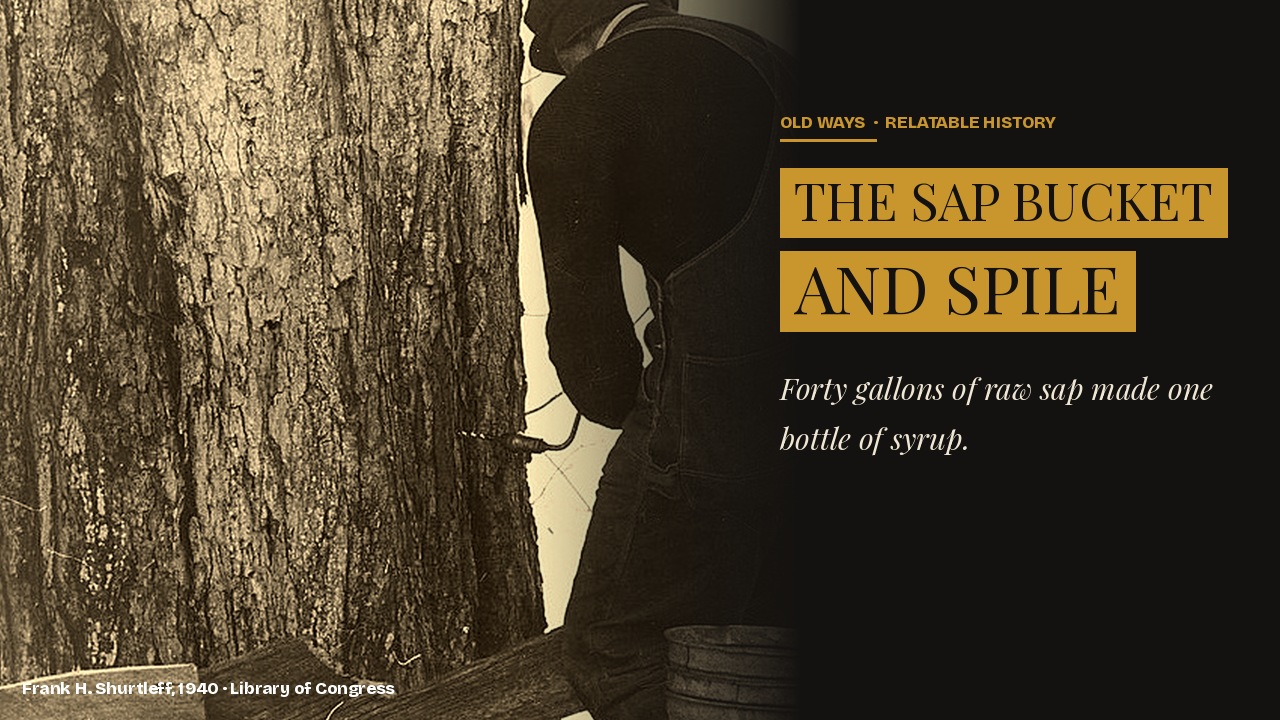
The History of Maple Sugaring, From Stone-Boiled Sap to a Stolen Fortune
Thomas Jefferson once planted sixty maple trees in a bid to undercut slave-grown cane sugar. That is only one stop in the fuller, stranger history behind the bucket and spile.
-

How the Cookie Press Was Invented
The gadget in your kitchen drawer started as a London confectioner’s solution to a sore-arm problem, not a cookie recipe. Here is the two-hundred-year path between the two.
-
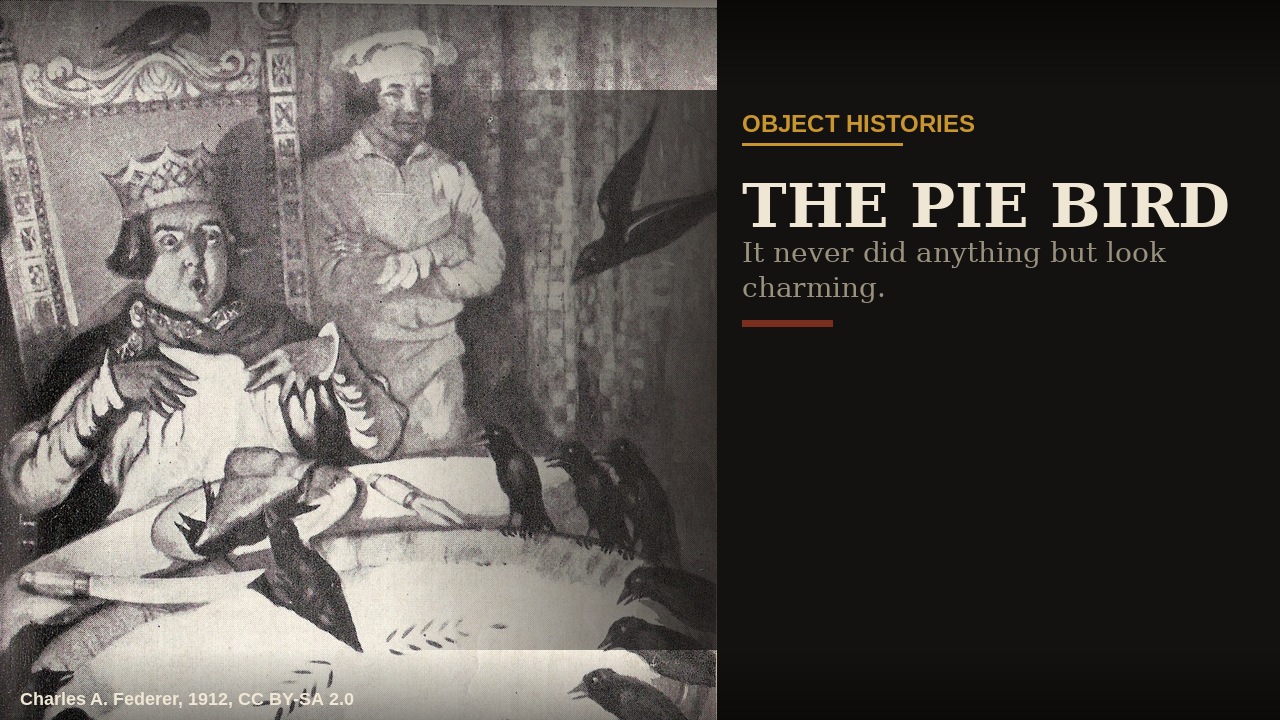
The History of the Pie Funnel, From Plain Clay Tube to Ceramic Bird
Before it had feathers, the pie funnel was a patented plumbing fixture for a problem most bakers never notice: the vacuum that pulls juice out of a cooling pie.
-
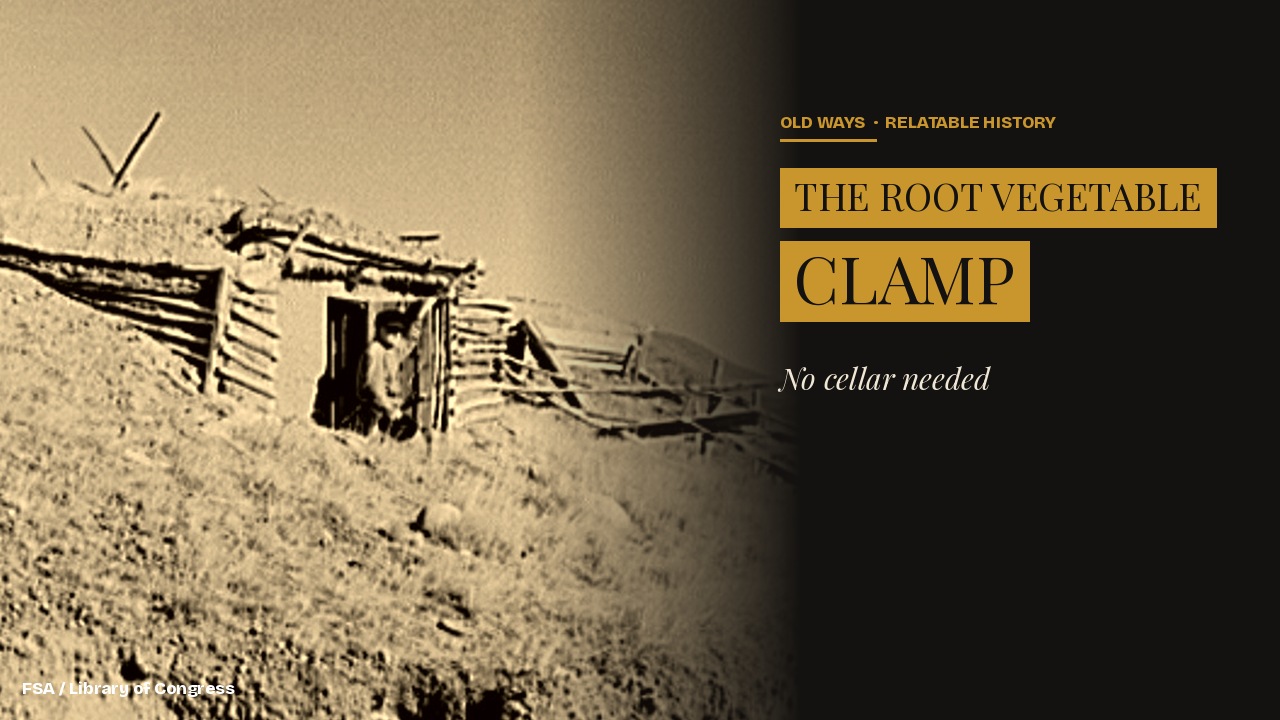
How to Store Root Vegetables All Winter Without a Cellar
Long before refrigeration, a farm without a root cellar buried its potatoes and turnips in a mound of straw and earth called a clamp — and two governments eventually made building one correctly a matter of official wartime advice.
-
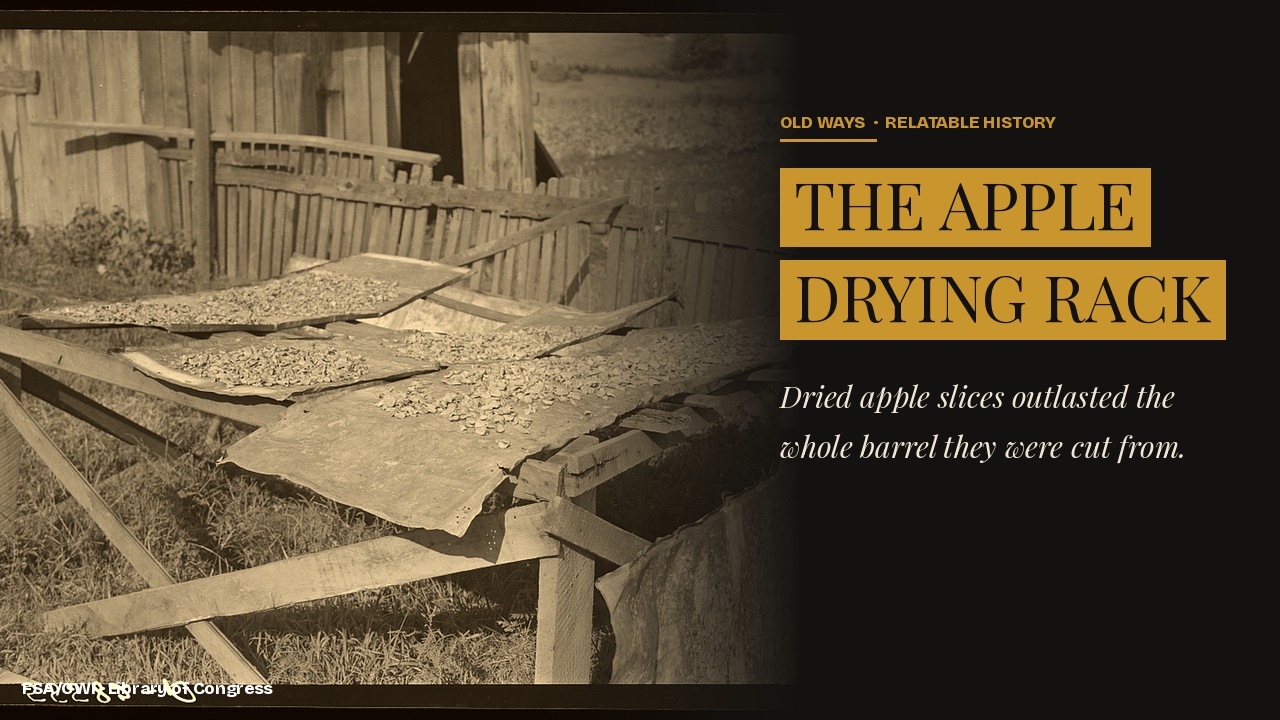
Drying Apples Before Refrigeration: How Farm Families Did It
For about a century, a Moravian sisterhood in colonial Pennsylvania ran a dedicated building whose only job was turning a fall apple harvest into food that would survive the winter. They were far from the only ones doing it.
-
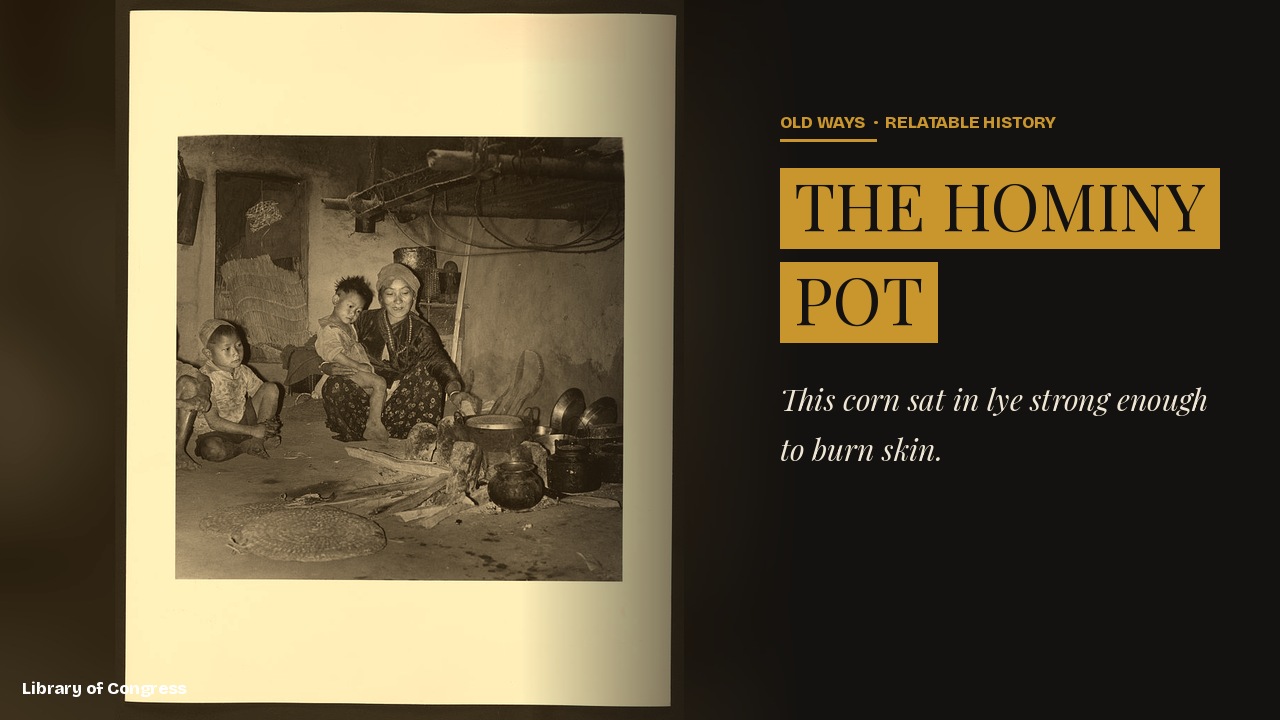
Why Corn Was Soaked in Lye Before It Became Breakfast
Hominy starts with corn sitting in water caustic enough to burn skin. The practice is at least three thousand years old, and abandoning it turned out to carry a measurable body count.
-
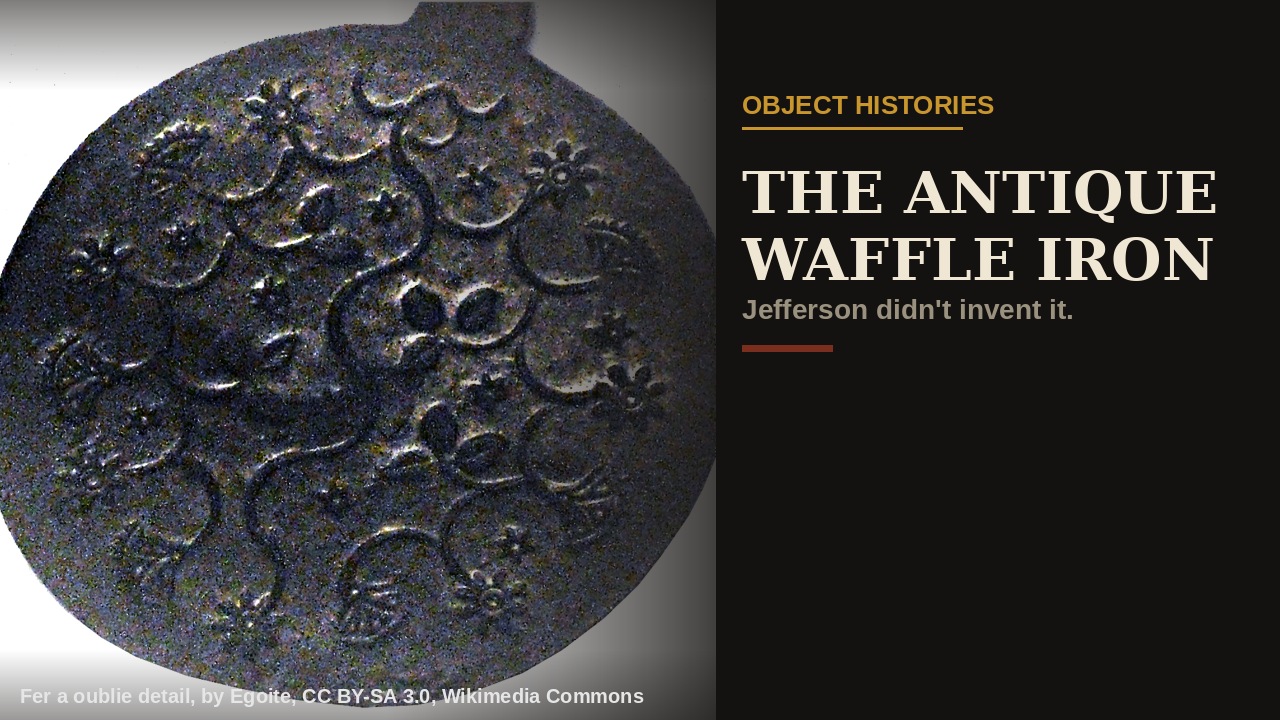
Why Waffles Have a Grid Pattern (It’s Not About the Syrup)
The waffle’s famous grid wasn’t designed to hold syrup. For centuries it held something else entirely — a family’s coat of arms, a church’s sacred symbols, even the tread of a running shoe.
-
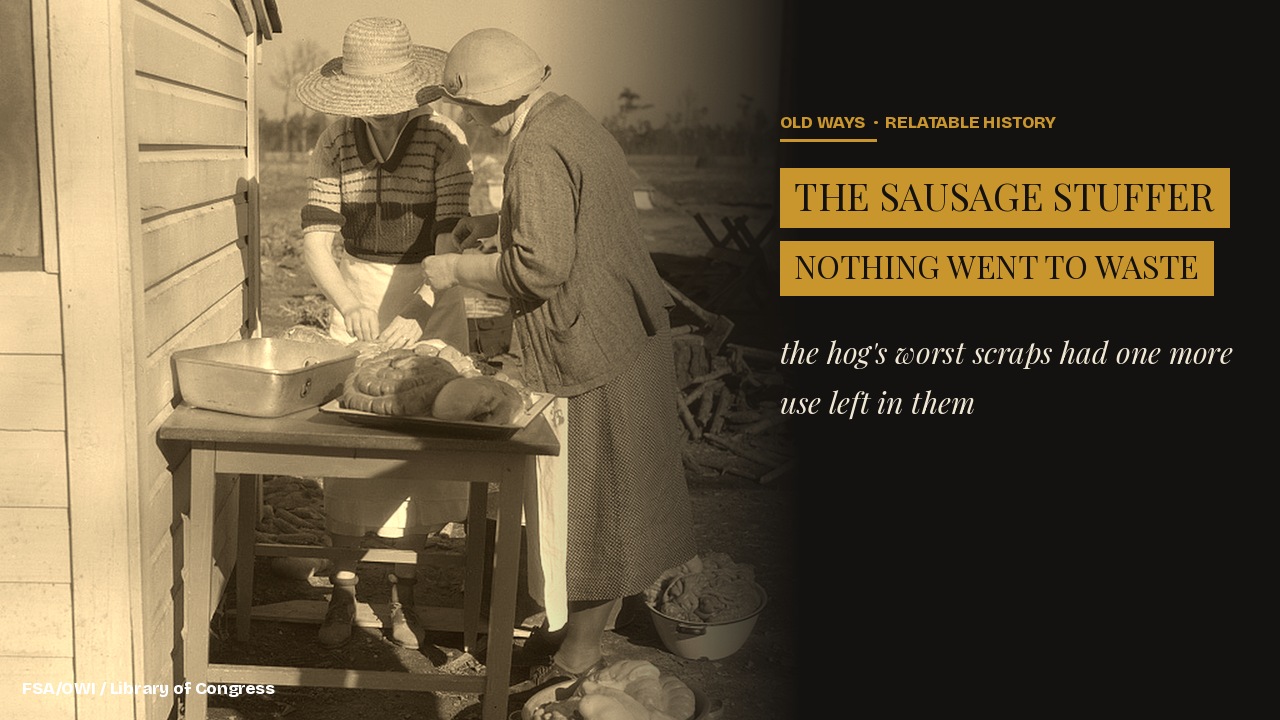
The History of the Sausage Stuffer: How Farms Wasted Nothing From a Hog
A hand-cranked grinder, a USDA recipe, and a neighborhood’s worth of cooperative labor turned a hog’s leftover scraps into a winter’s worth of sausage, until refrigeration made the whole system unnecessary.
-

What Was a War Garden? Inside America’s WWI Food Front
A multimillionaire with no government mandate talked a nation into digging up its lawns for food. Here’s how the campaign actually worked, and why its most famous numbers don’t quite add up.
-
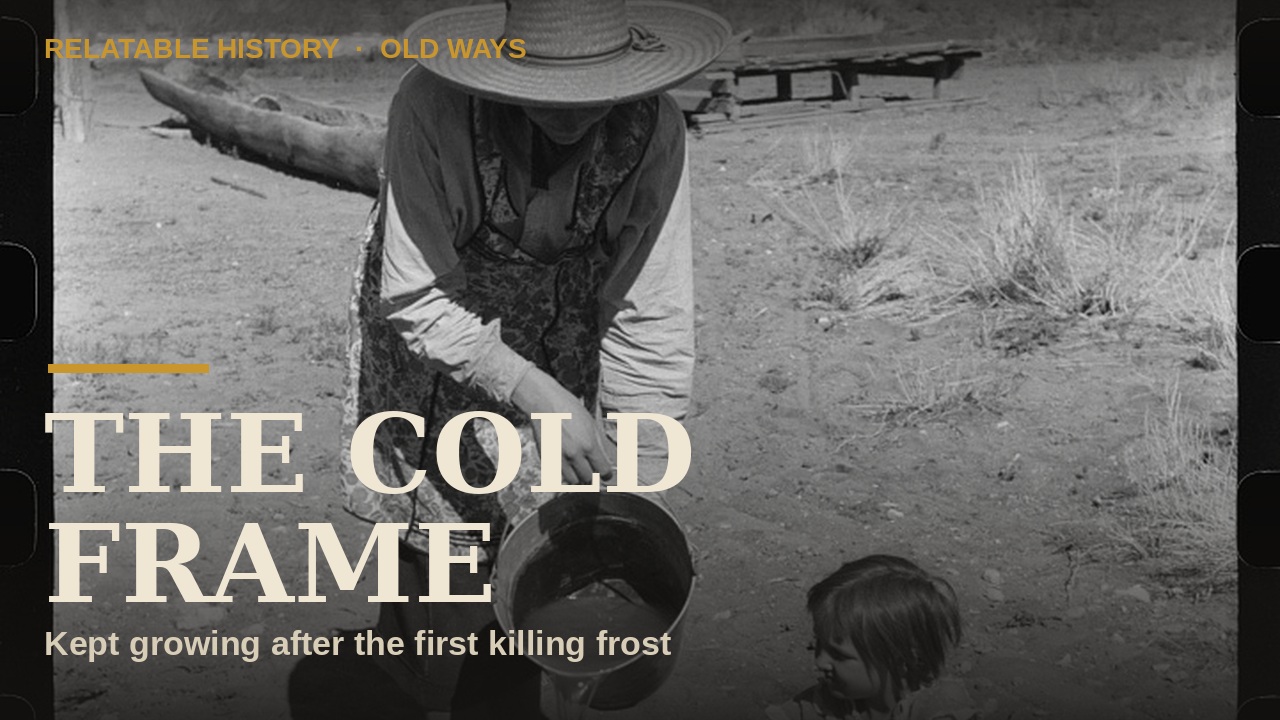
The 2,000-Year History of the Cold Frame
A Roman emperor demanded an out-of-season fruit every day of the year. Two thousand years later, a homesteading family in New Mexico used the same trick just to get through winter.