
Industrial Age
Roughly 1750 to 1900: mechanisation, mass production, the railway and telegraph, and the transformation of daily life they produced.
-
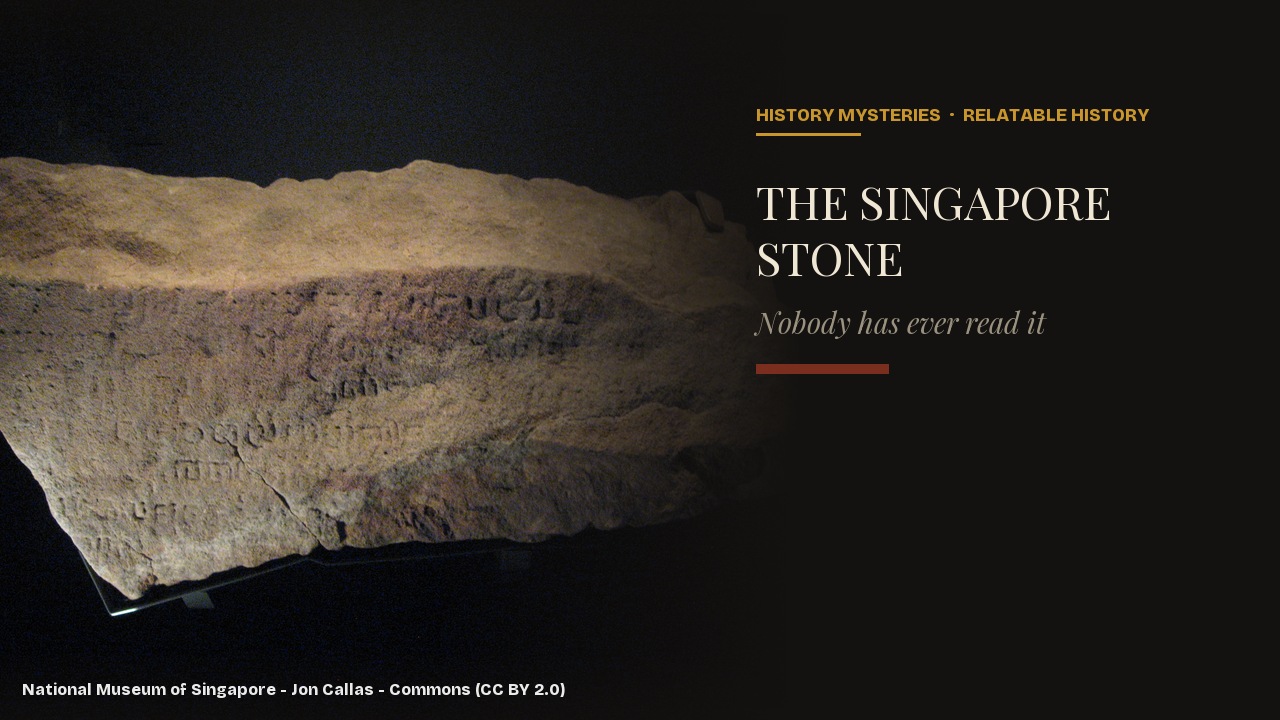
Why the Singapore Stone Is Still Undeciphered
The oldest writing ever found in Singapore has never yielded a single translated sentence. Tracing two hundred years of failed attempts explains why.
-
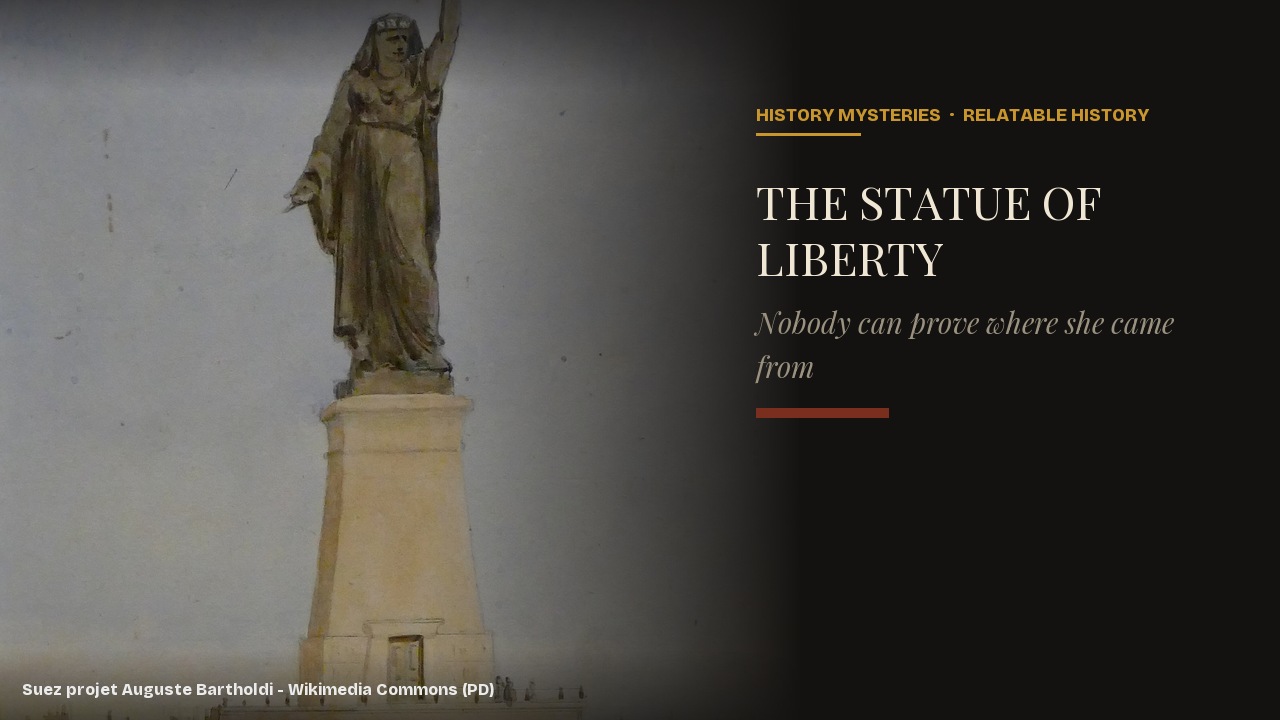
The Statue of Liberty Was Built to Honor the End of Slavery
A broken shackle lies at the Statue of Liberty’s feet, cast there on purpose. It has almost nothing to do with the story most visitors are told.
-
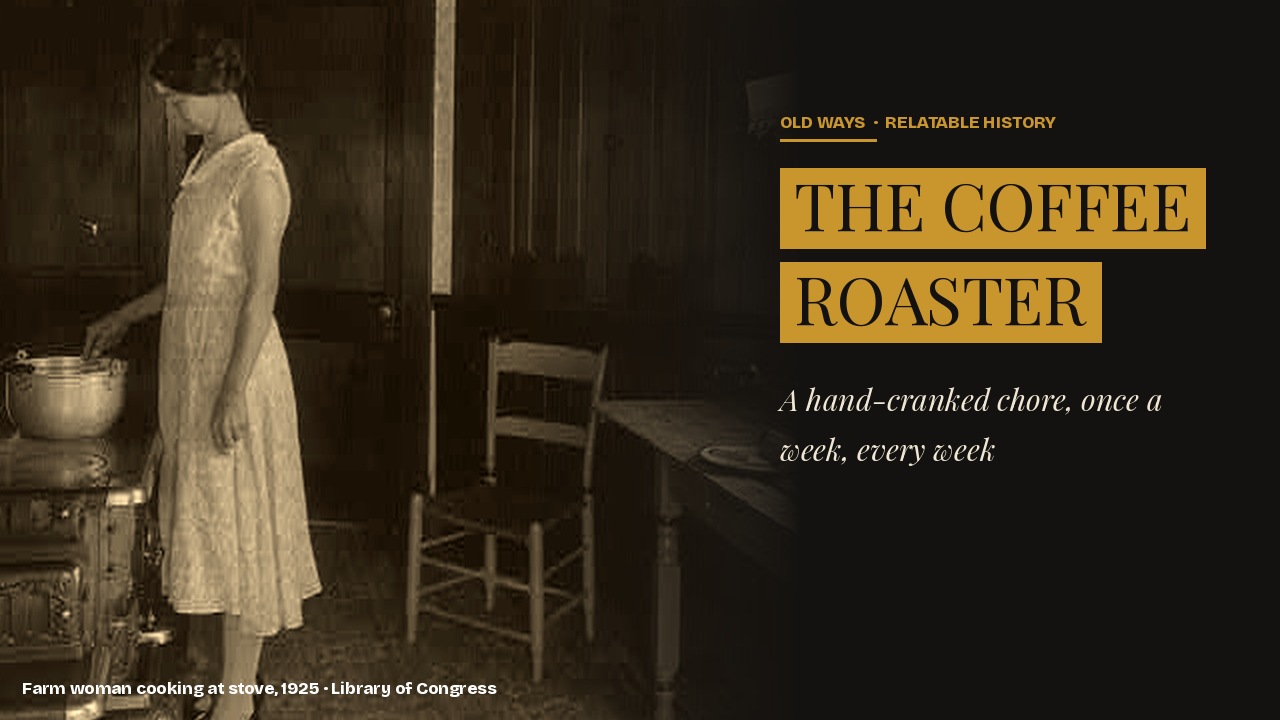
How Arbuckle’s Ariosa Coffee Ended a Weekly Farm Kitchen Chore
A Pittsburgh grocer’s egg-and-sugar glaze patent, a Civil War coffee crisis, and a federal law’s fine print: the real story behind why most Americans stopped roasting their own coffee.
-
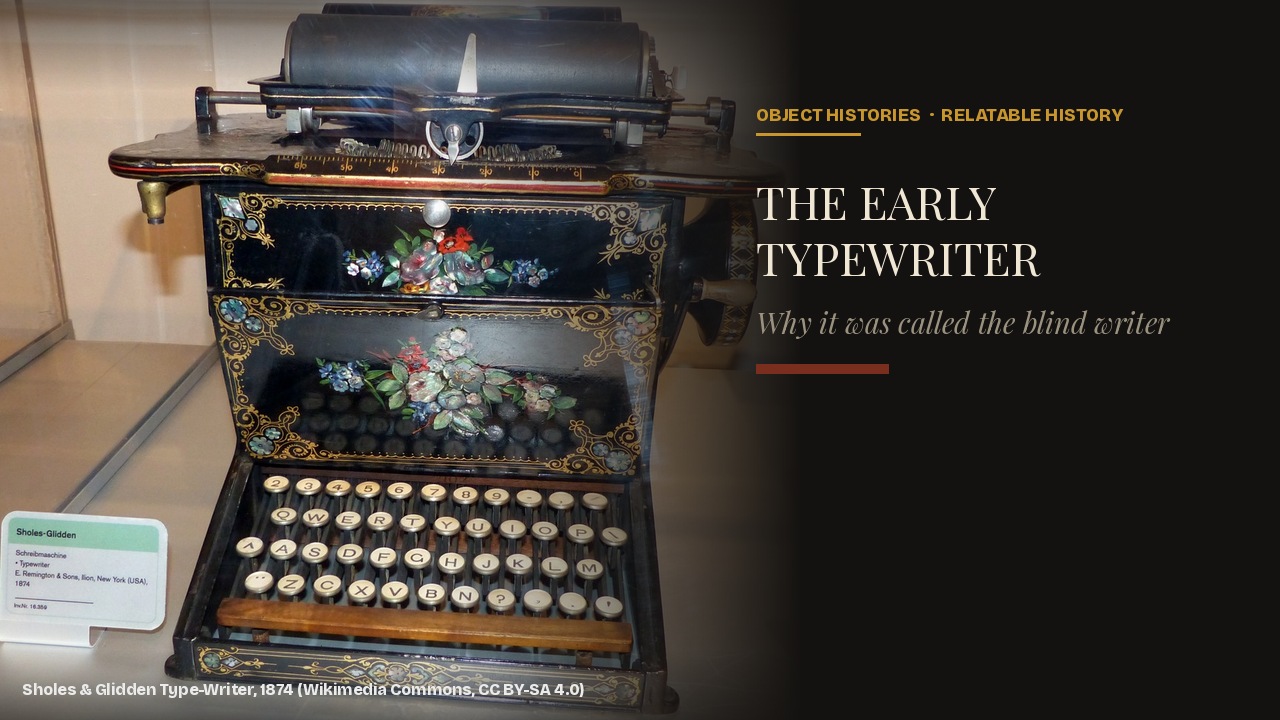
Why Keyboards Use QWERTY — And What the Jamming Story Gets Wrong
The keyboard layout under your fingers right now was devised for a machine that typed blind, sold reluctantly by a rifle maker, and patented three times before it actually worked.
-
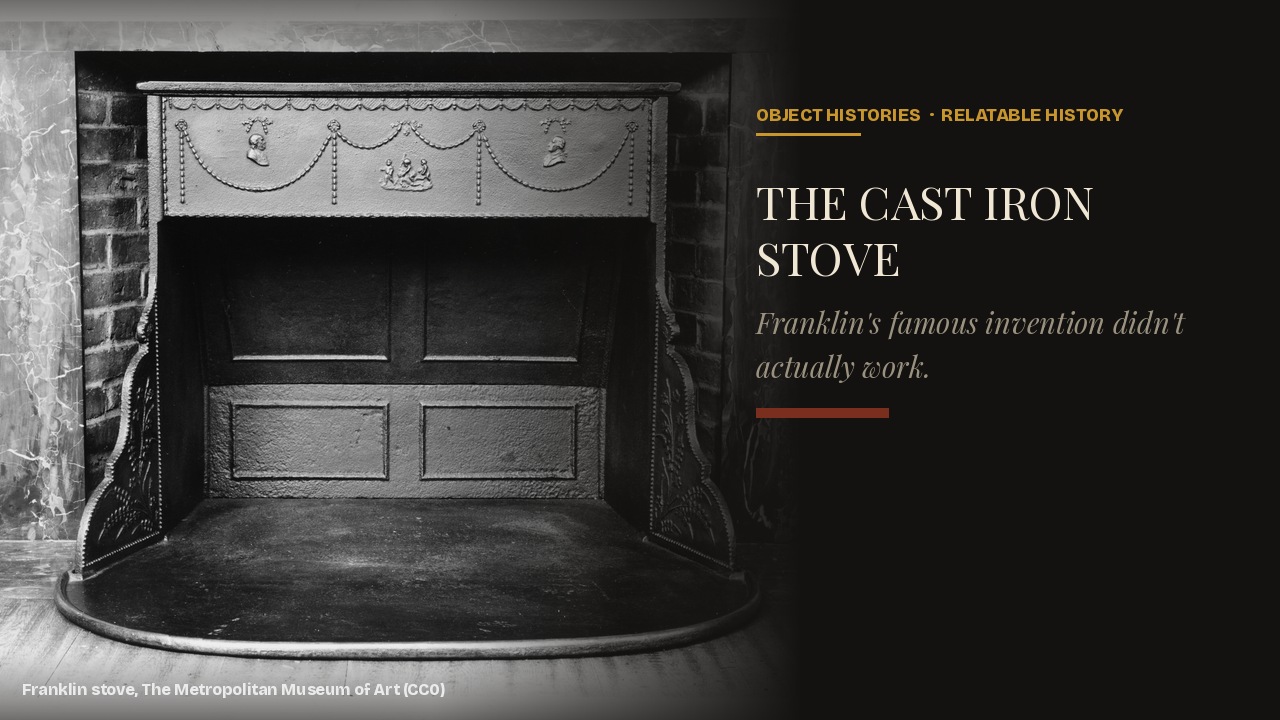
Did Franklin Invent the Franklin Stove?
Benjamin Franklin refused to patent his famous stove on principle — and lost the credit for the version that actually worked.
-
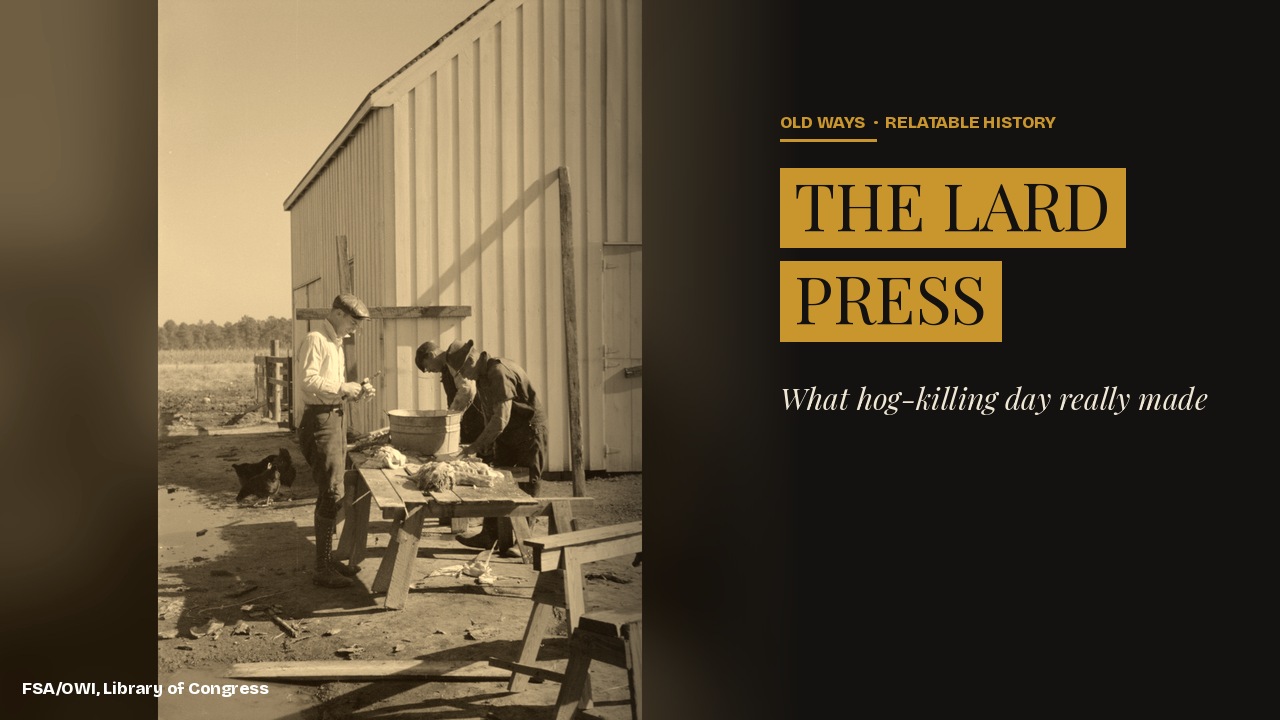
How Farms Rendered Lard to Last a Whole Winter
A patent from 1876 explains exactly how a cast-iron press squeezed the last of the fat out of hog-killing scraps — and why one crock of lard had to feed a family for a year.
-
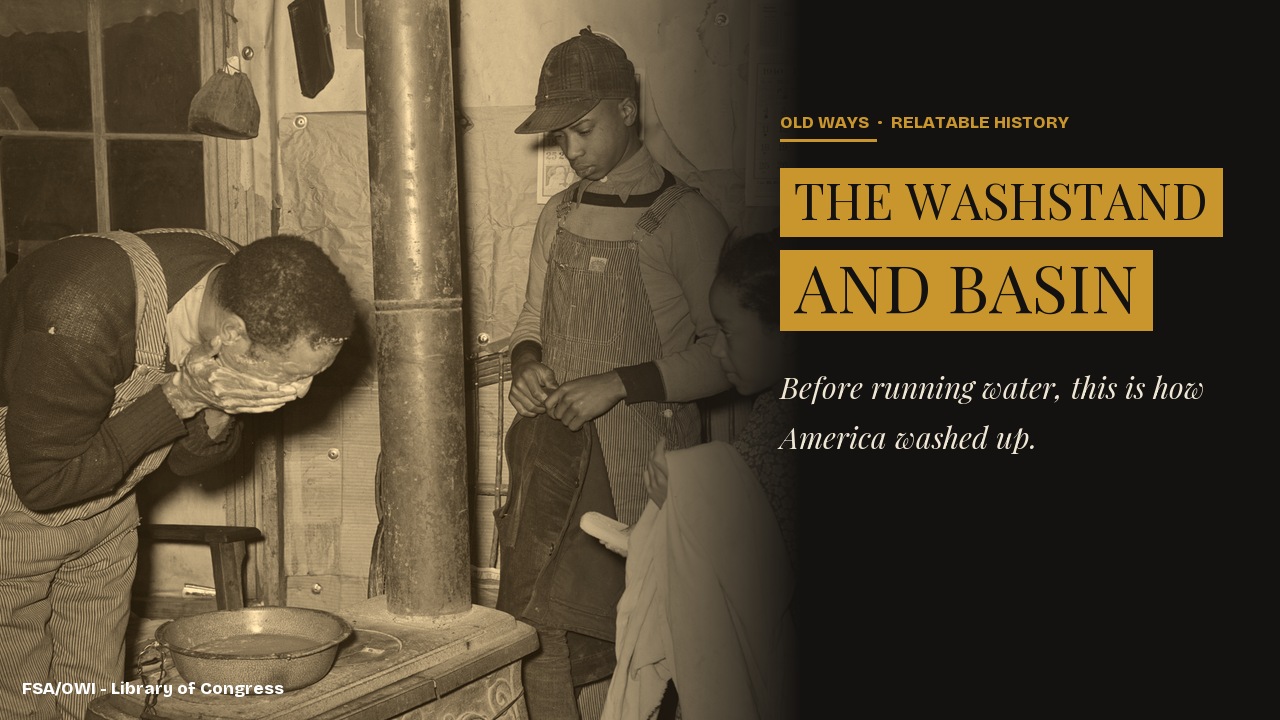
What Washing Before Indoor Plumbing Really Looked Like
Long before the bathroom tap, an ordinary pitcher and basin, refilled by hand trip after trip, was how entire households washed, shaved, and got through the morning.
-
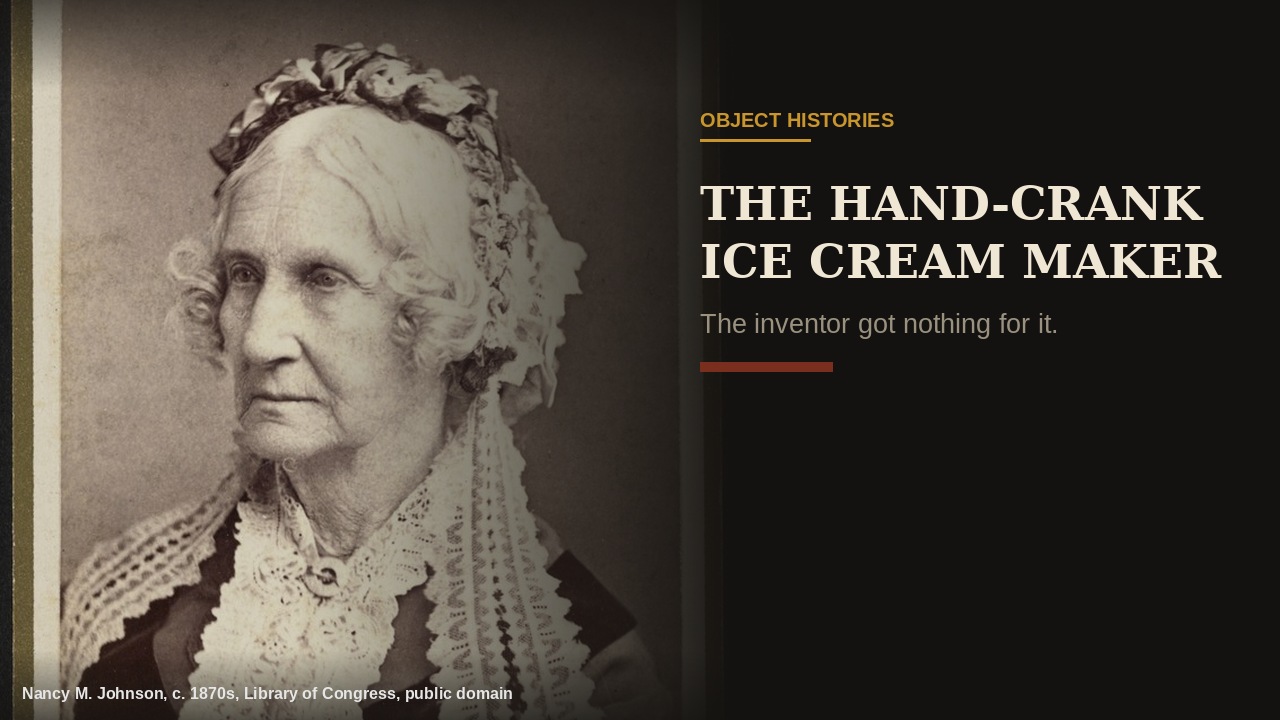
Who Invented the Ice Cream Freezer? The 1843 Patent, and the Man Who Profited Without One
Two people shaped how America eats ice cream in the 1840s, and only one of them is widely remembered. Here’s the 1843 patent, the Baltimore rival who improved on it, and the Philadelphia confectioner who got rich without ever filing one.
-
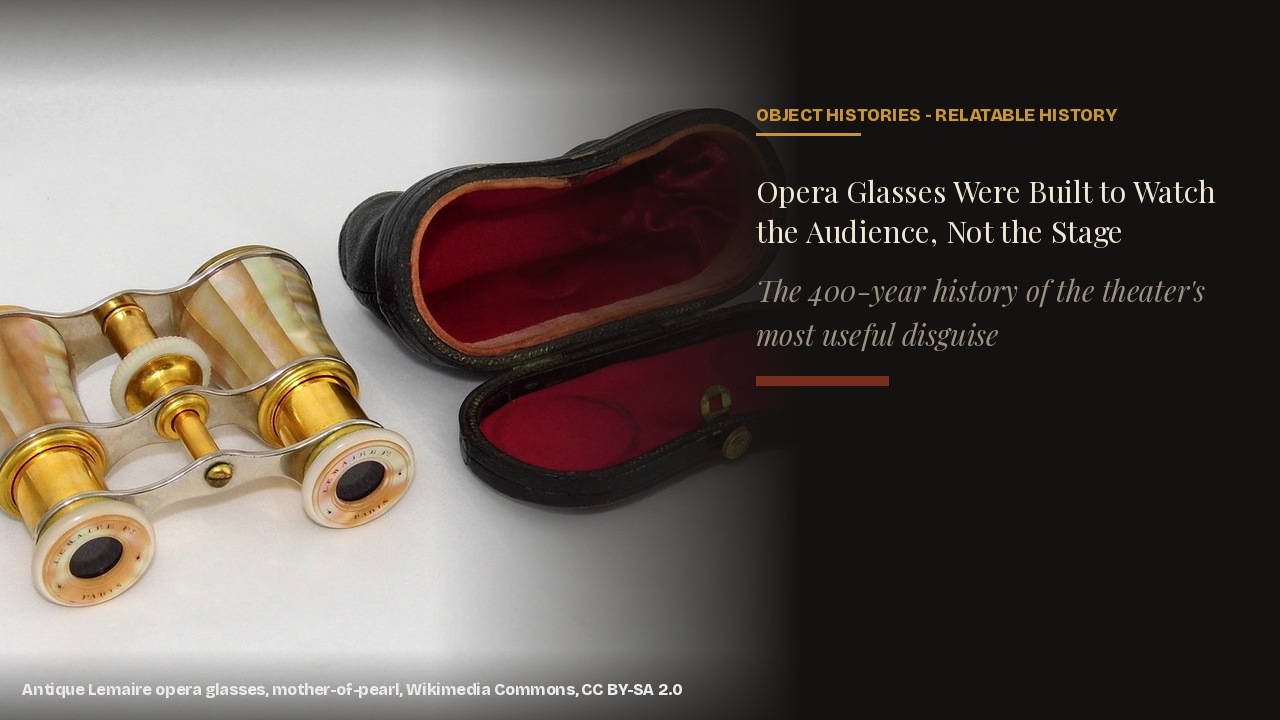
How the Jealousy Glass Let Theatergoers Spy Without Looking
An 18th-century optician drilled a hole and tilted a mirror inside an otherwise ordinary spyglass, and the result let a whole generation of theatergoers watch each other without ever turning their heads.
-
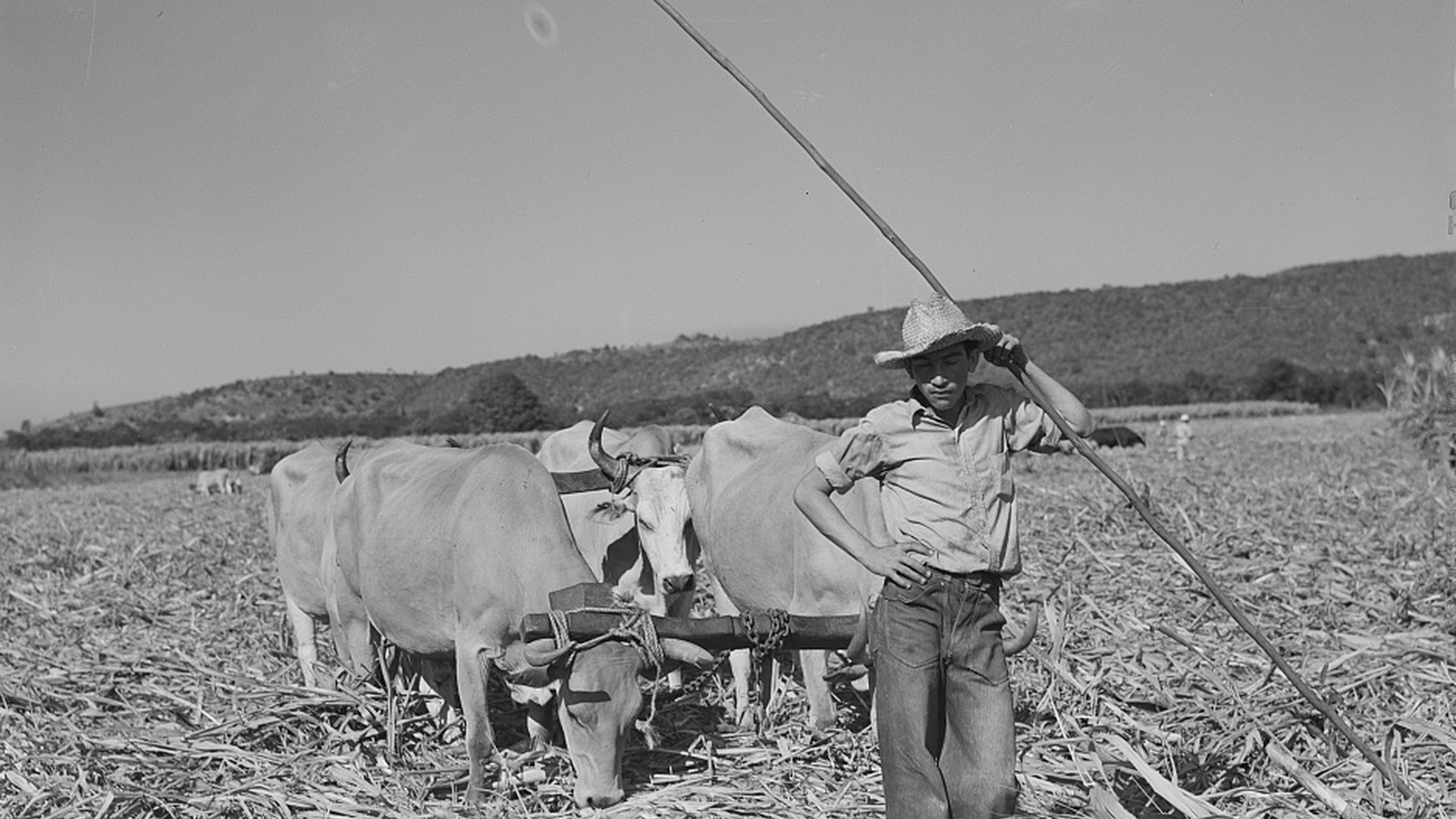
How Oxen Were Trained to Plow Without Reins or a Bit
A yoke of oxen answered to two words and a stick, not a bridle. Here is how the training, the carving, and the hard economics of owning oxen actually worked on the American frontier.