
Industrial Age
Roughly 1750 to 1900: mechanisation, mass production, the railway and telegraph, and the transformation of daily life they produced.
-
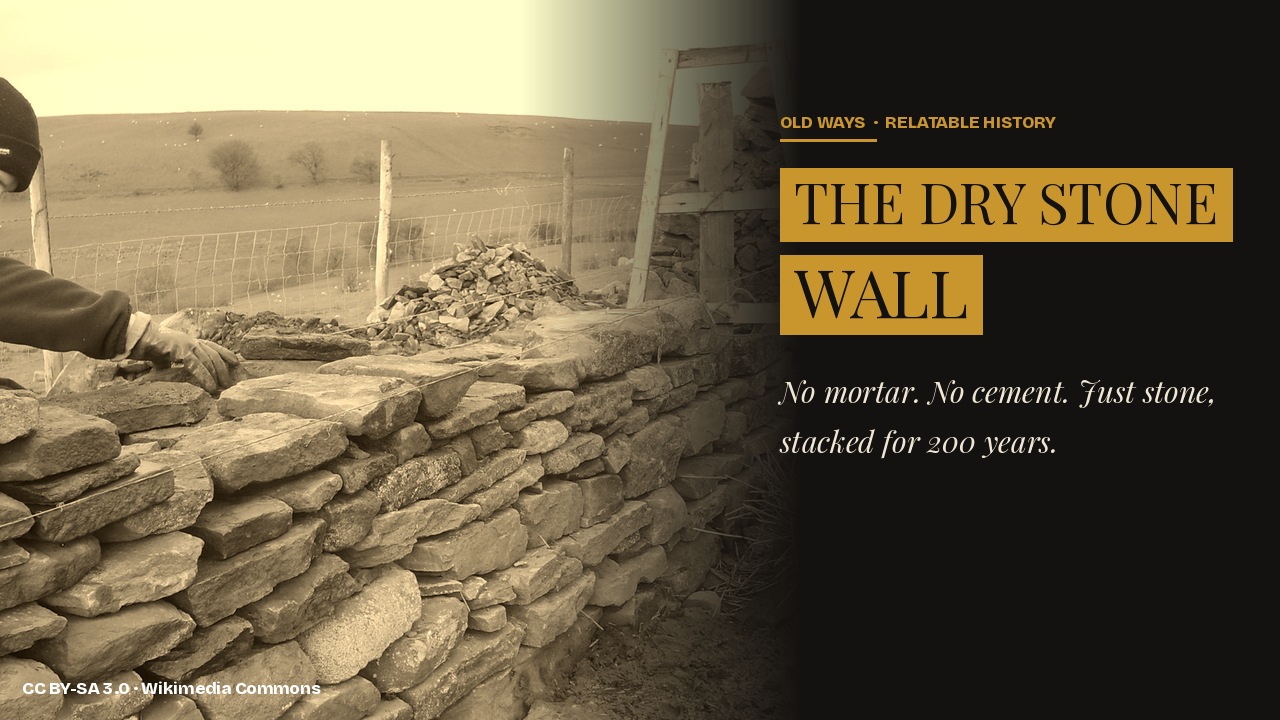
How Dry Stone Walls Stay Up Without a Drop of Mortar
A dry stone wall has no mortar, no cement and no engineer’s drawing behind it — just stacked rock, weight, and a deliberate lean. Some examples still standing are pushing four thousand years old.
-
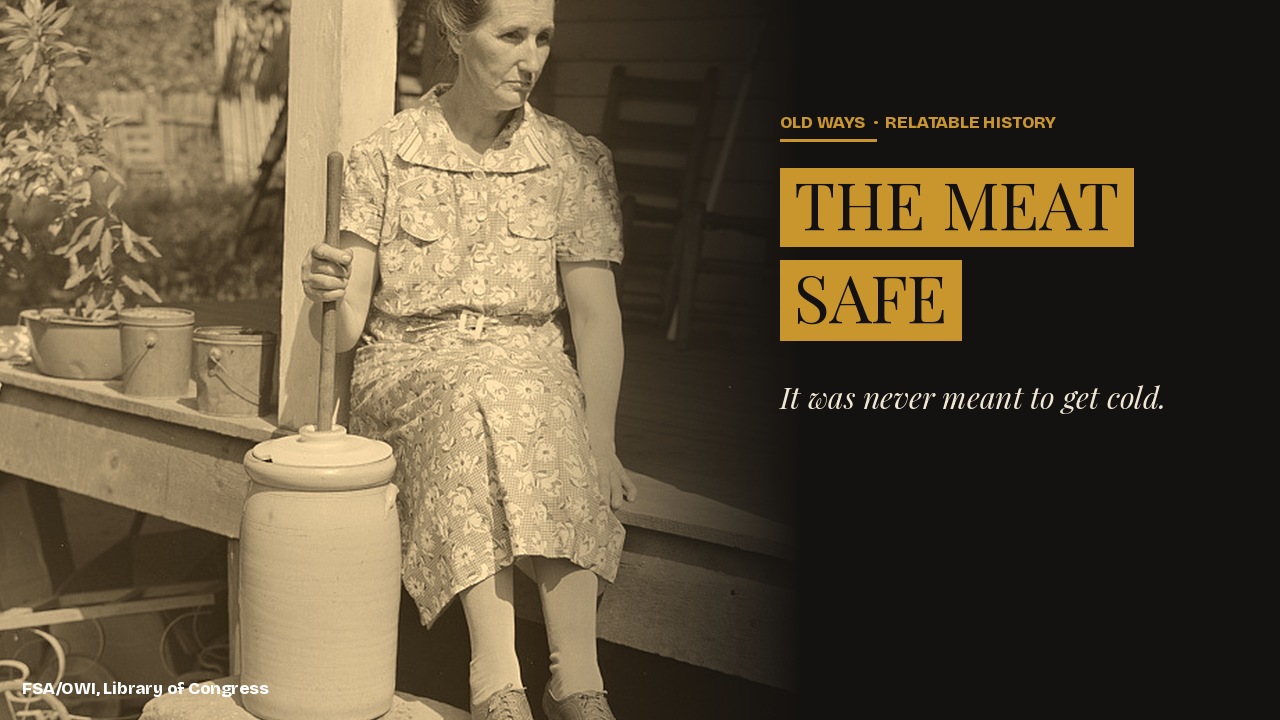
The 250-Year-Old Box That Kept Flies Off Dinner Without a Fridge
For two and a half centuries, a cabinet with holes for walls was the only thing standing between supper and a kitchen full of flies — no ice, no electricity, just tin, wire, and a jar of water under each leg.
-
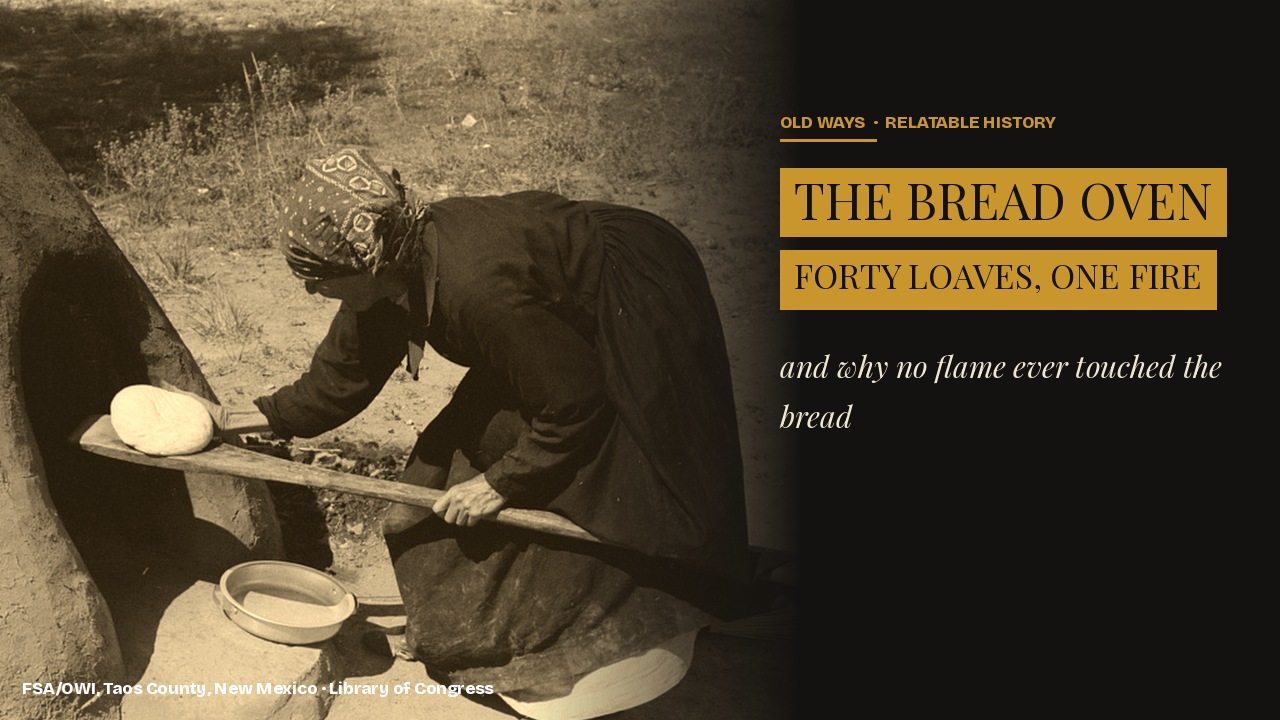
How Outdoor Bread Ovens Worked, and Where Owning One Was Against the Law
In parts of France, building your own bread oven was once against the law. In Pennsylvania and New England, families built theirs in the yard and ran a week’s cooking off one fire.
-
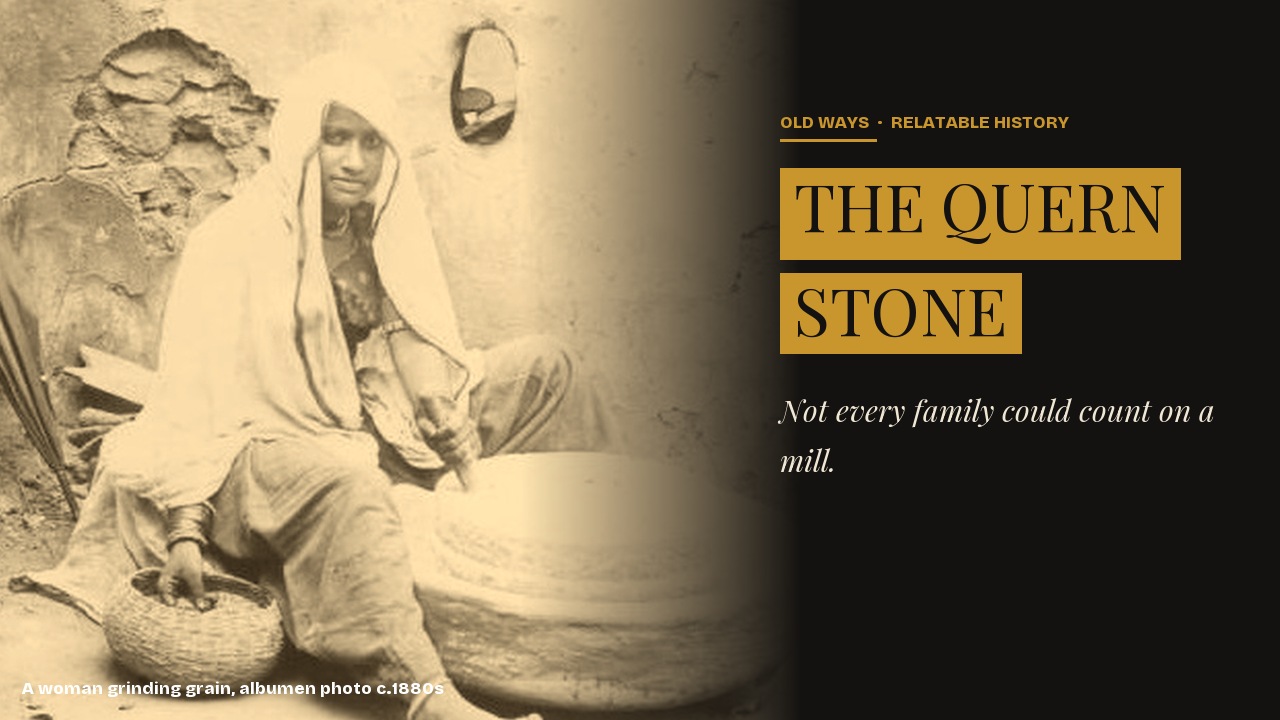
What Was a Quern Stone? The Hand Mill That Outlasted Empires
Two stones, a wooden peg, and an hour of aching work for one loaf of bread. The quern stone outlasted Rome, survived a medieval ban, and fed the American frontier through a war.
-
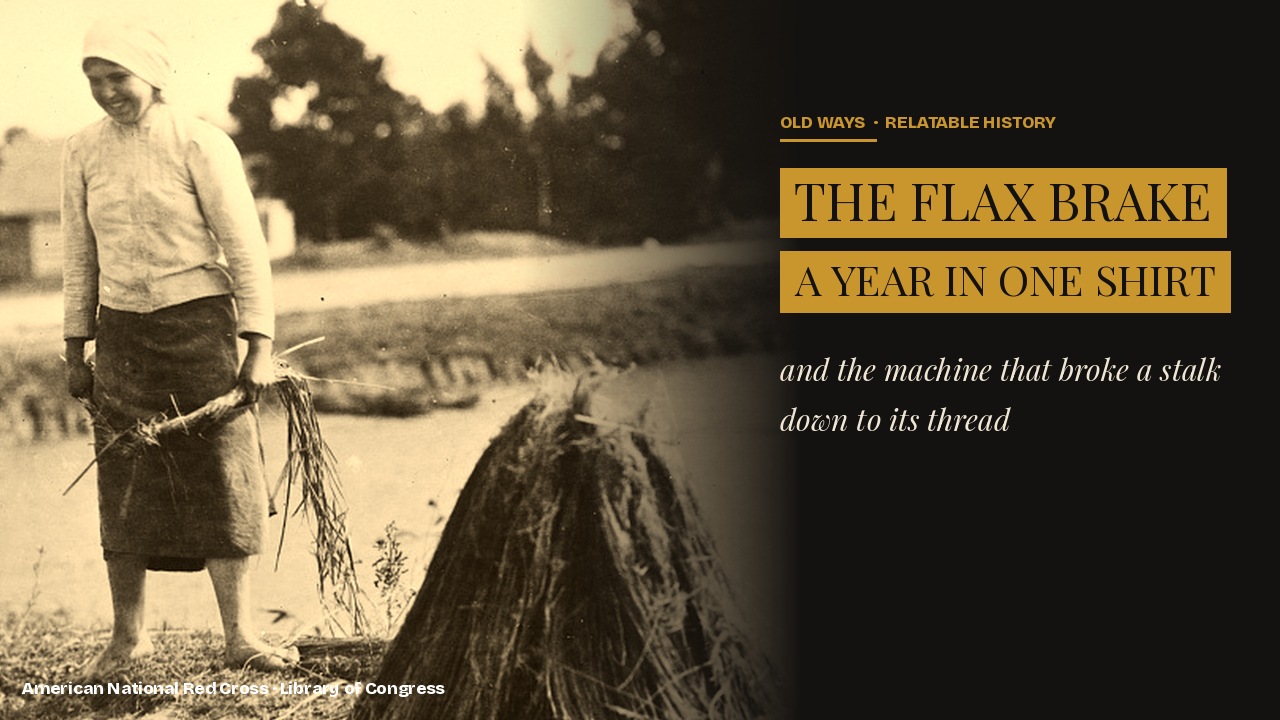
Why Flax Never Became an American Industry
Cotton got the gin. Wool got the jenny and the water frame. Flax got almost nothing, in America at least — while across the Atlantic, the same fiber built an entire industrial city. This is why the flax brake never had an American factory to retire to.
-
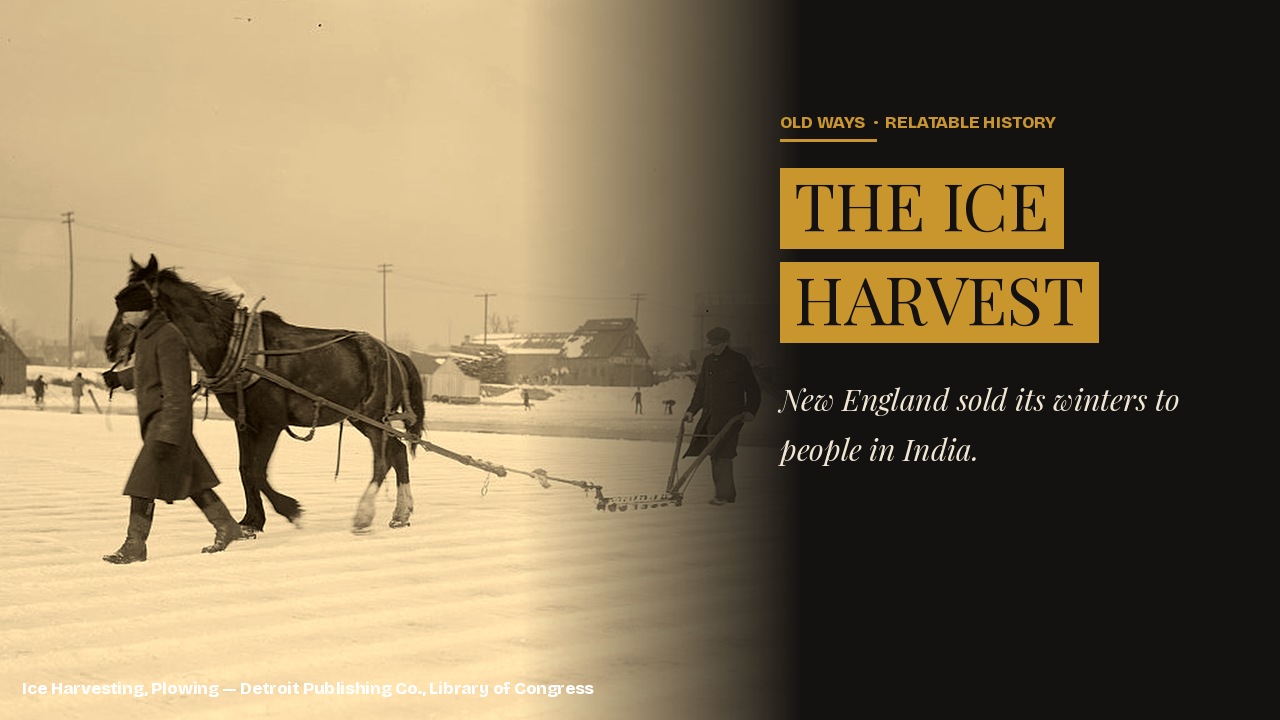
Inside the 19th-Century Ice Harvesting Industry’s Boom and Bust
Cutting and hauling pond ice once employed tens of thousands of workers every winter and built Maine river towns almost overnight, until a rival trade across the Atlantic and a factory in Calcutta undercut it from both ends.
-
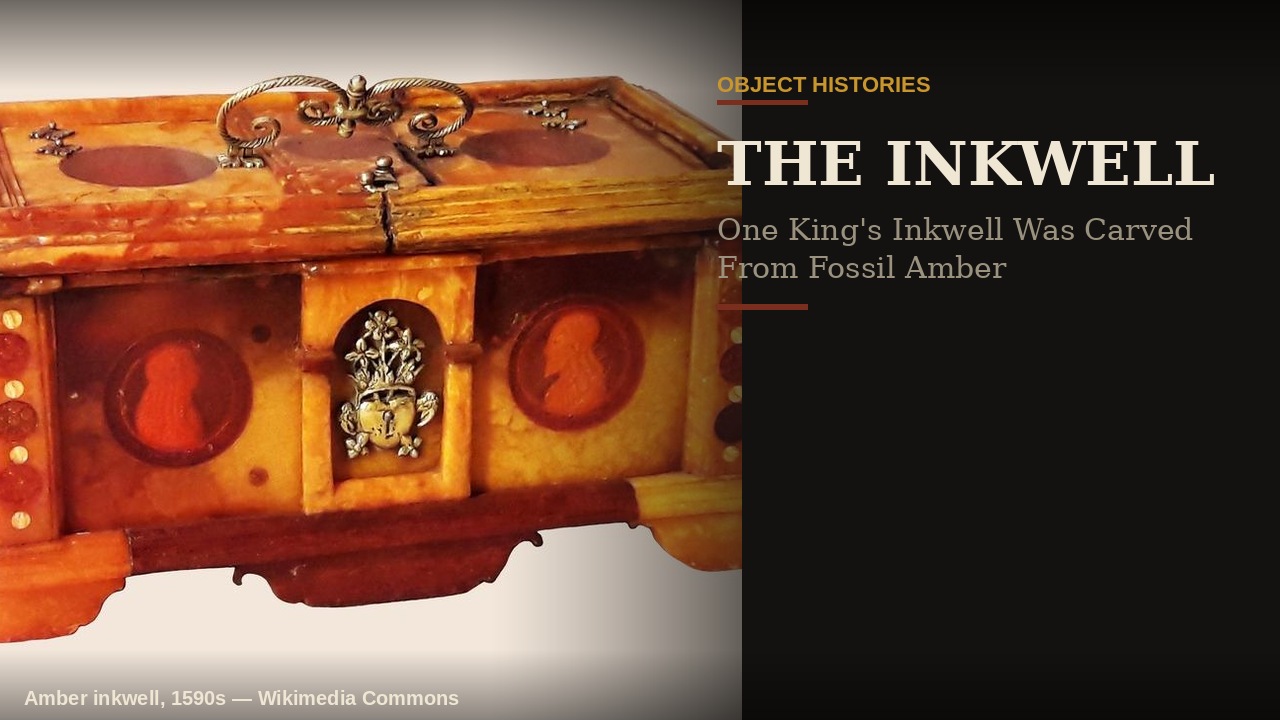
How an Inkwell Actually Worked, From Ancient Egypt to the Classroom
An inkwell wasn’t just a vessel. It was a daily argument with evaporation, frost, and a chemical reaction that quietly destroyed the page it was written on.
-
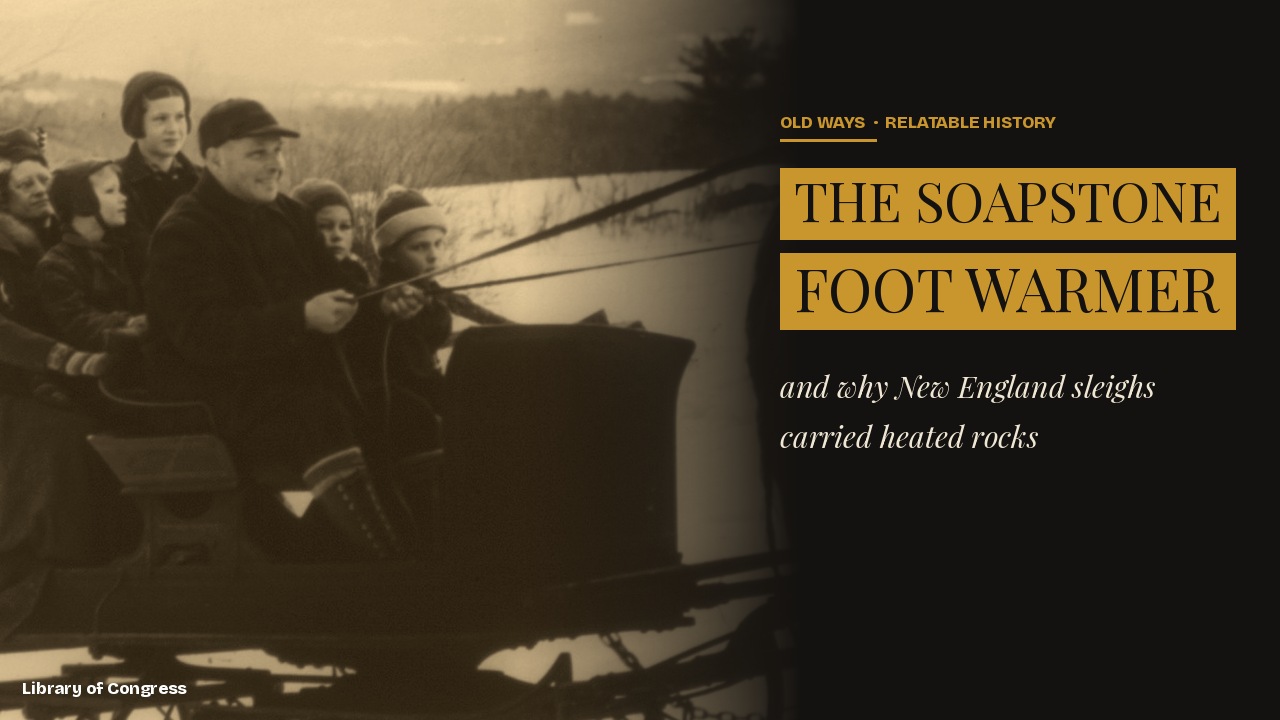
How Soapstone Foot Warmers Worked, and What They Replaced
Long before the hot water bottle, New England families heated a flat stone and carried it into sleighs, pews, and beds, because it held heat almost twice as well as iron.
-
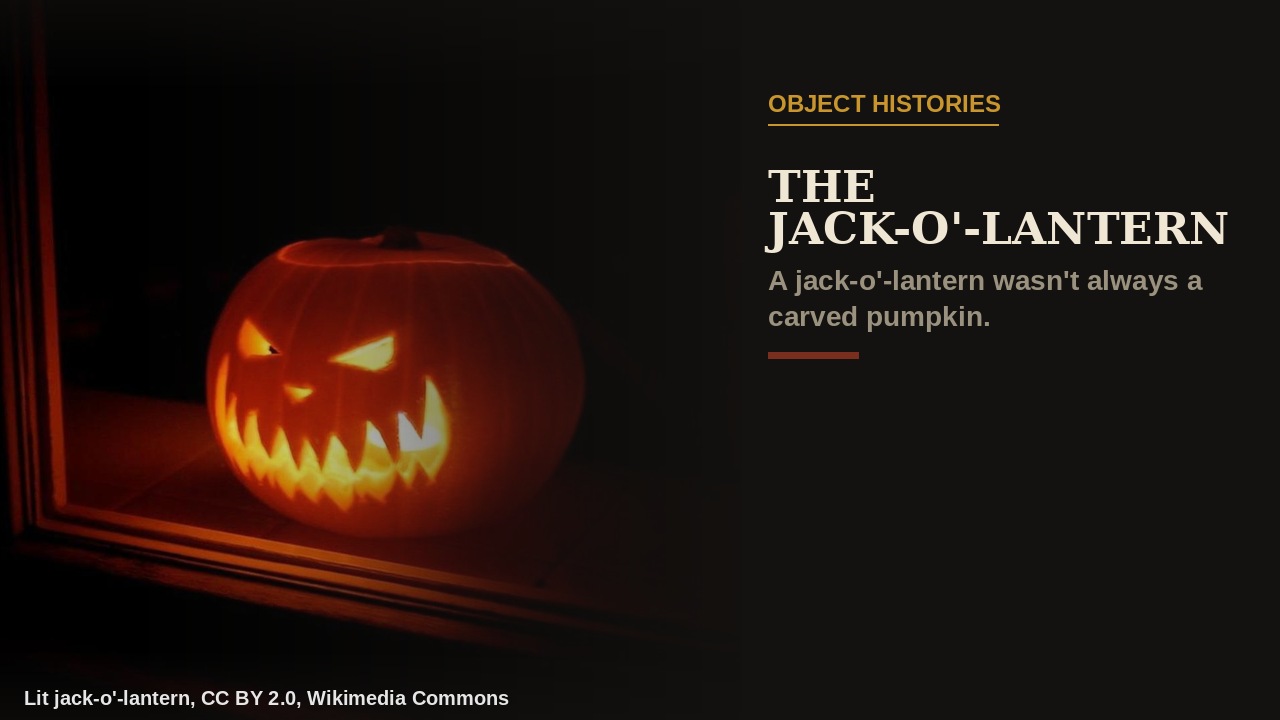
The Print Trail That Turned a Pumpkin Into a Jack-o’-Lantern
Irving never describes a carved face. Hawthorne used the word twice, fifteen years apart, before a newspaper ever printed one. Here is the paper trail the popular version skips.
-
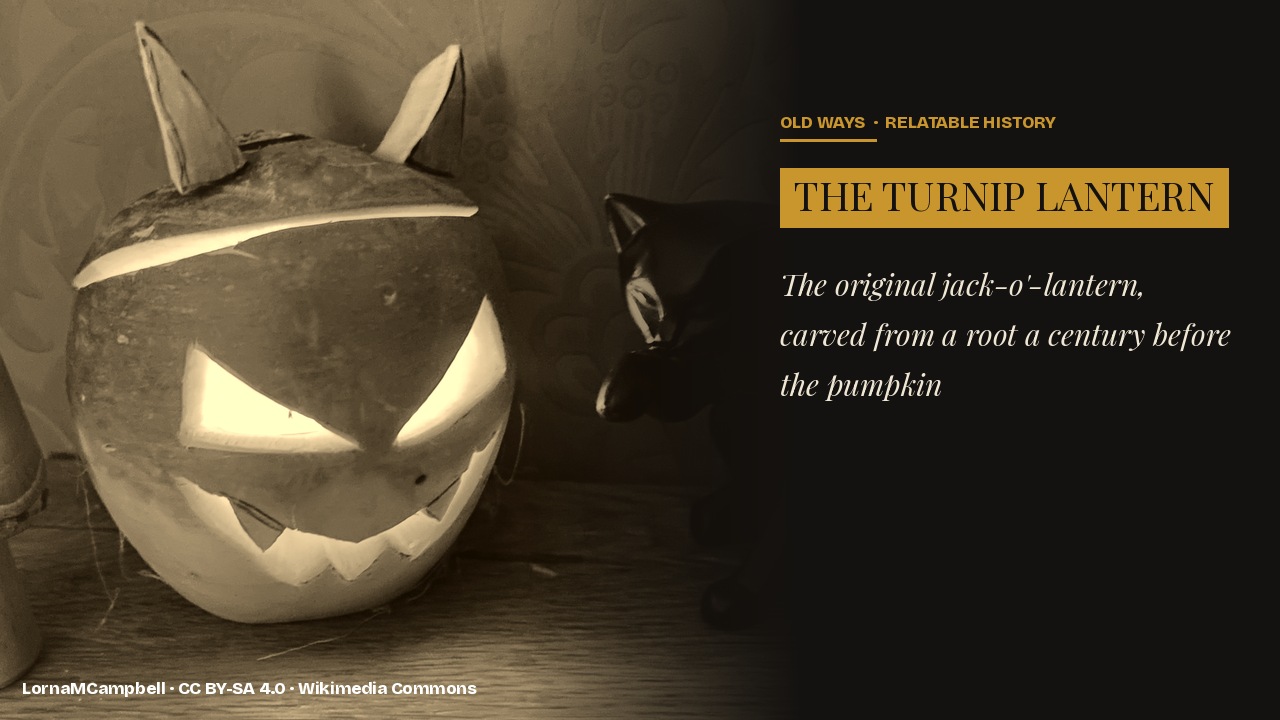
The Original Jack-o’-Lanterns Were Turnips, Not Pumpkins
A real turnip lantern, donated to a Dublin museum in 1943, is the best physical evidence for a custom that predates the pumpkin by at least a century. Here is what the documented record actually shows.