
The long, surprising journeys of everyday objects: why your car key is called a fob, how the inkwell lasted 3,000 years, and where the things in your house really came from.
Each story below is the full, sourced article and includes its video. Just want to watch? See every Object Histories video →
-
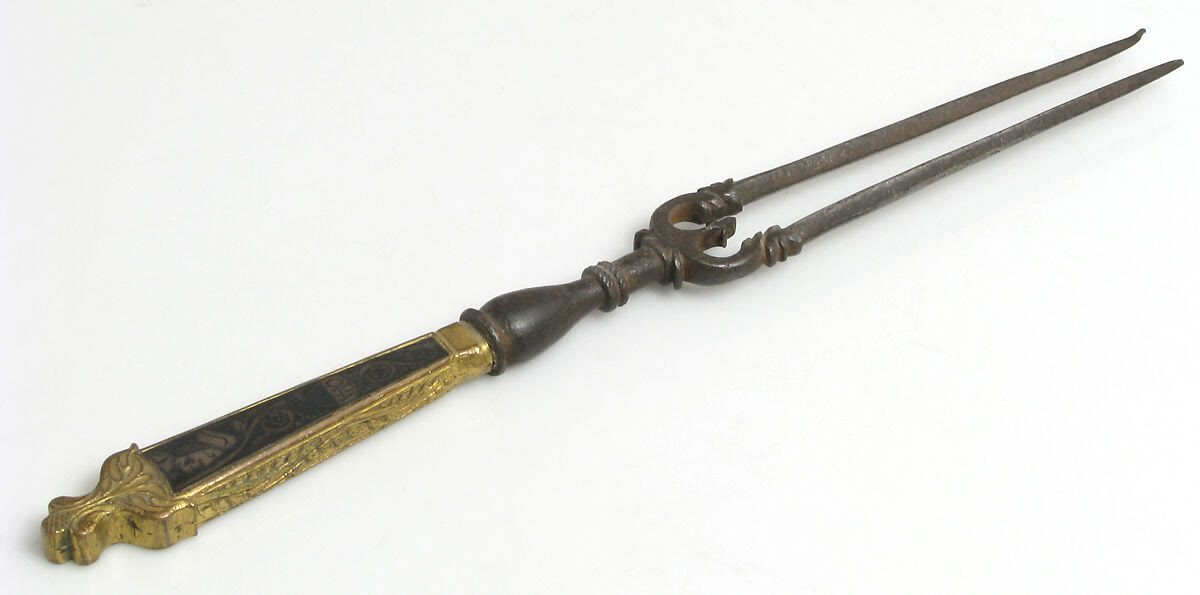
Why the Fork Was Once Considered Sinful
A medieval cardinal wrote a moral tract partly to condemn a woman for using a fork. Seven centuries later, Americans were still eating without one.
-
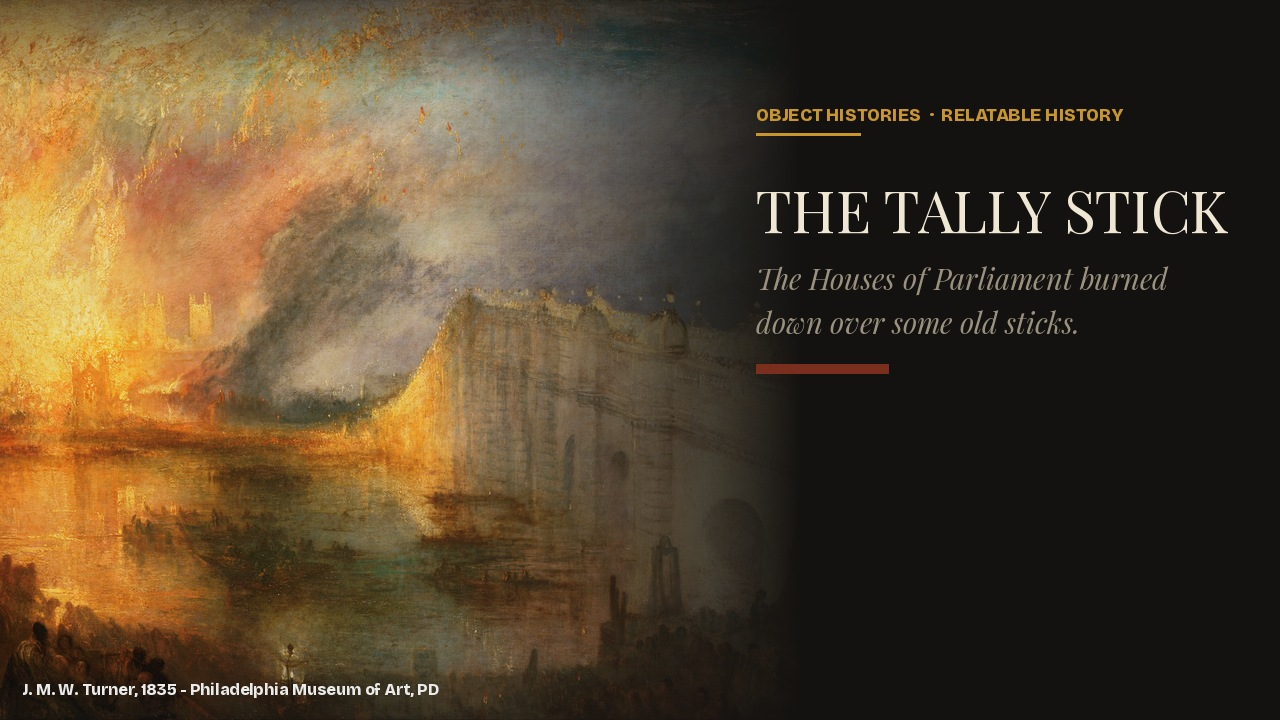
How Wooden Tally Sticks Ran England’s Treasury for 600 Years
A tally was a notched stick split in half so the two pieces could never be faked. For six centuries it was England’s receipt, its currency, and eventually its downfall.
-
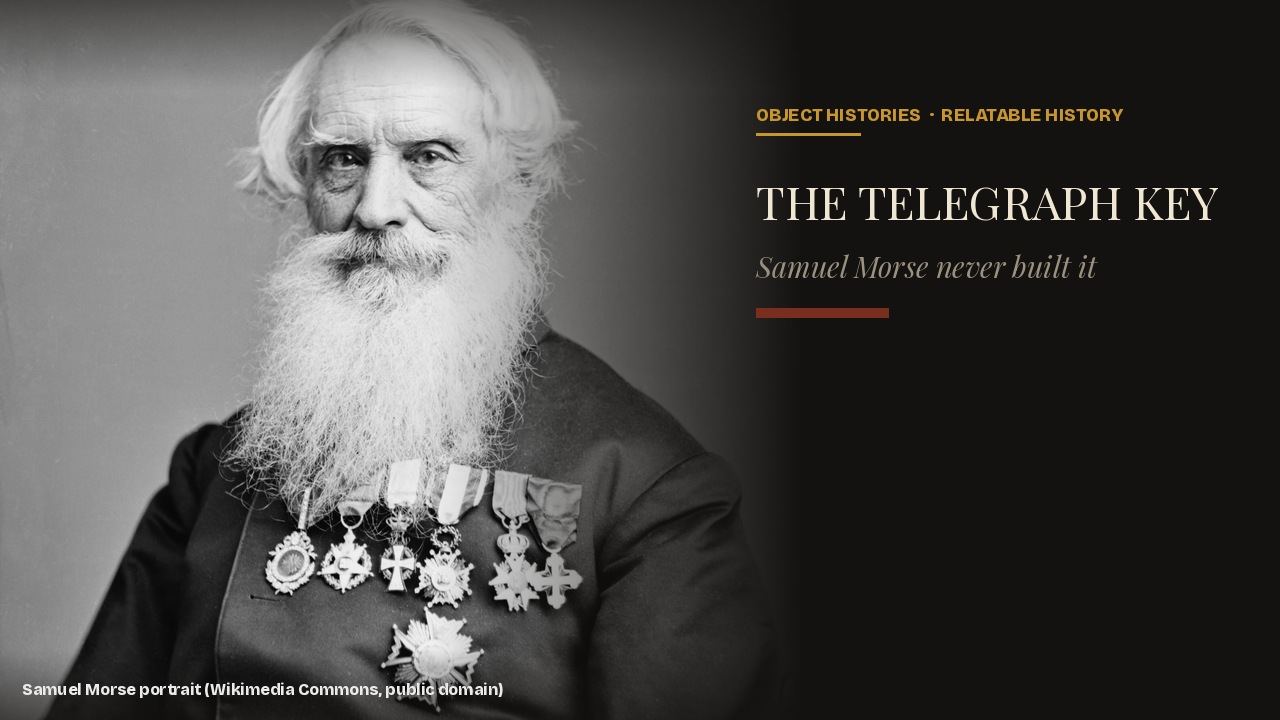
Who Really Invented the Telegraph Key (It Wasn’t Samuel Morse)
The device that bears Samuel Morse’s name was engineered by a machinist named Alfred Vail, who redesigned Morse’s code too. Here is what the patent fight and the archives actually show.
-
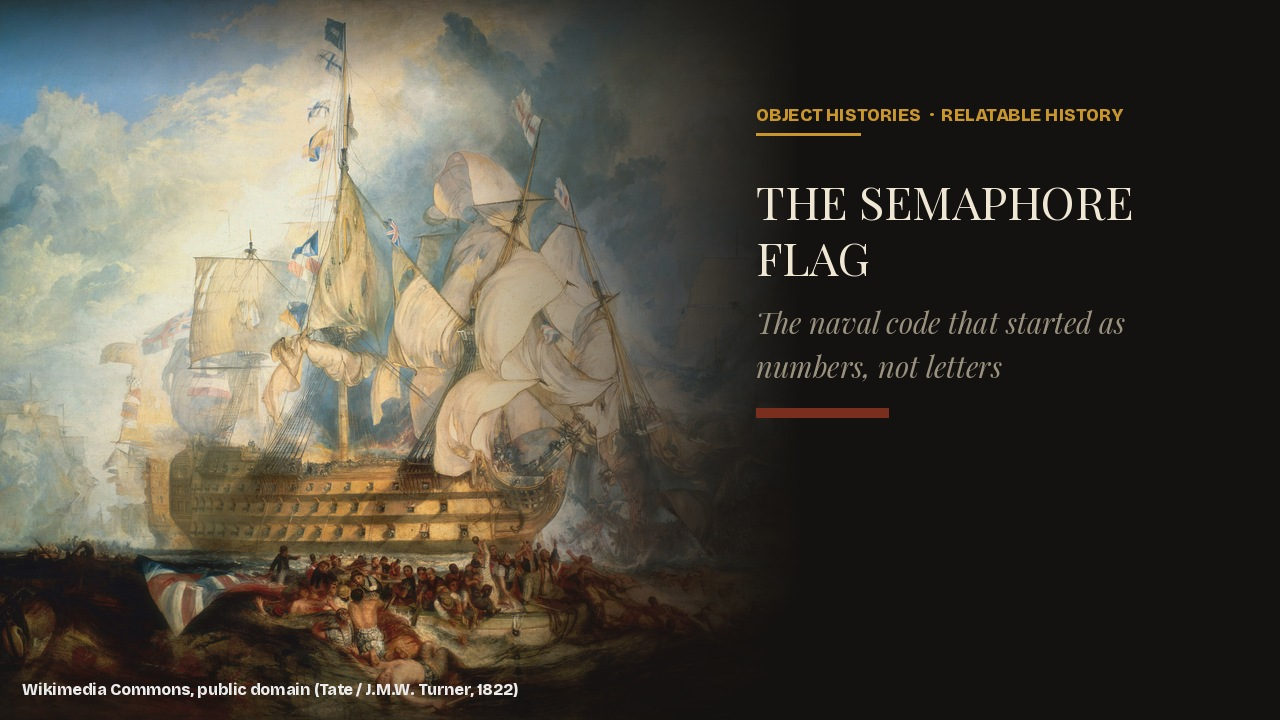
How Semaphore Flags Actually Worked at Sea
For over a century, two rival nations built optical telegraph networks neither enemy could read. The naval flag alphabet everyone pictures today wasn’t invented until the secrecy stopped mattering.
-
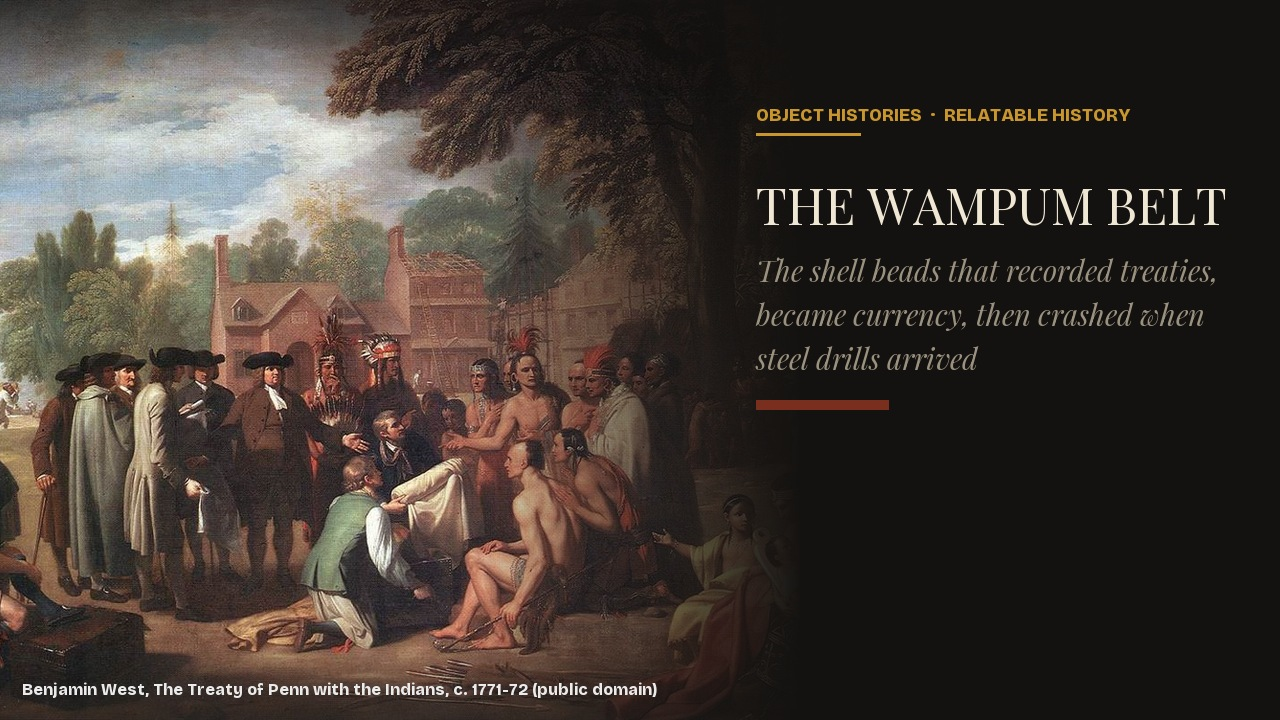
The 24 Years Wampum Was Legal Tender in Massachusetts
For 24 years you could pay your taxes in shell beads. The law that made it possible, the drills that broke it, and the belts that were never really about money at all.
-
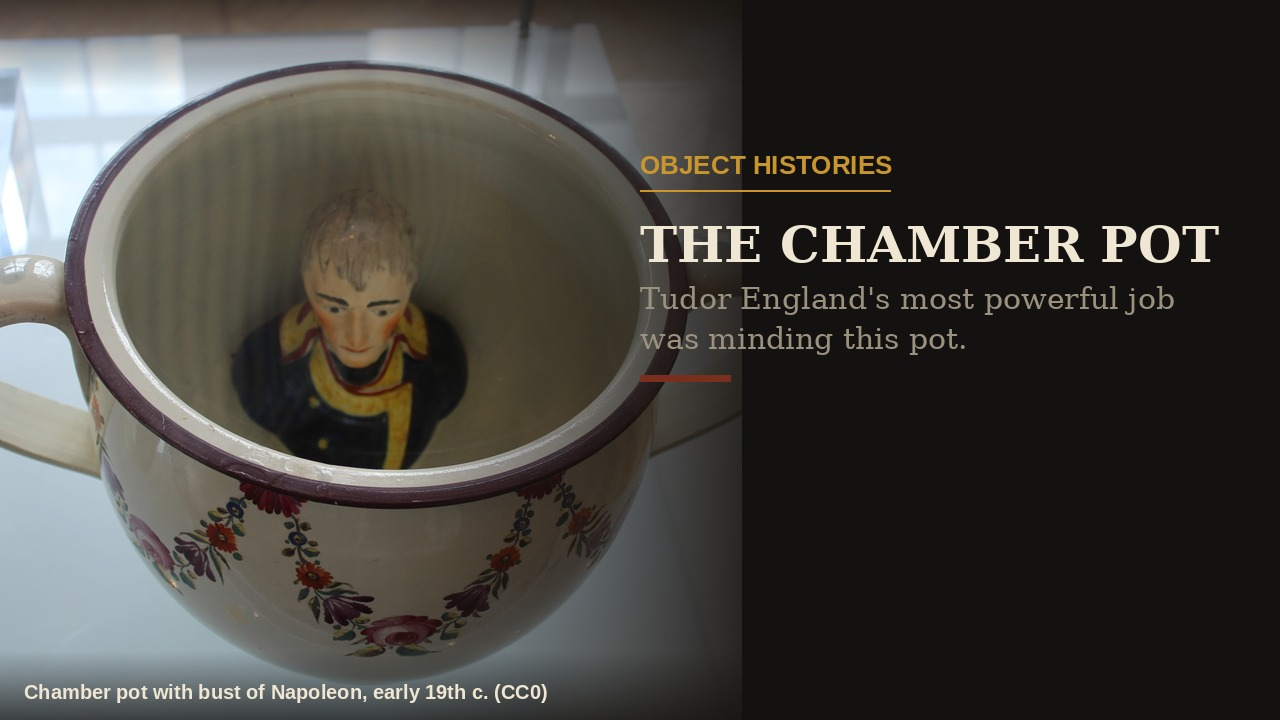
The 2,600-Year History of the Chamber Pot, From Athens to the Sewer
Long before the flush toilet, the humble pot created a real office of state, inspired satirical pottery, and outlasted several empires — until a disease nobody understood finally killed it off.
-
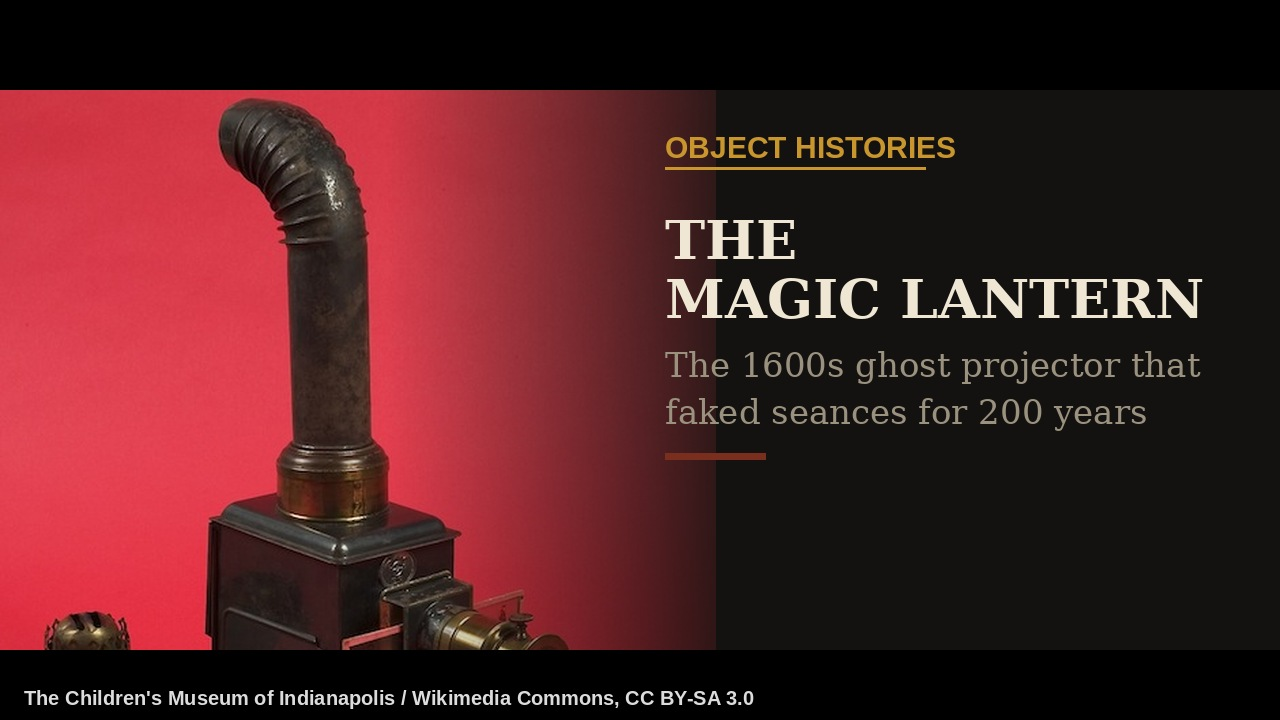
How the Magic Lantern Became Europe’s First Horror Show
A Dutch scientist was too embarrassed to admit he’d built it. Two centuries later it was still terrifying audiences — while insisting, the whole time, that there was nothing to be afraid of.
-
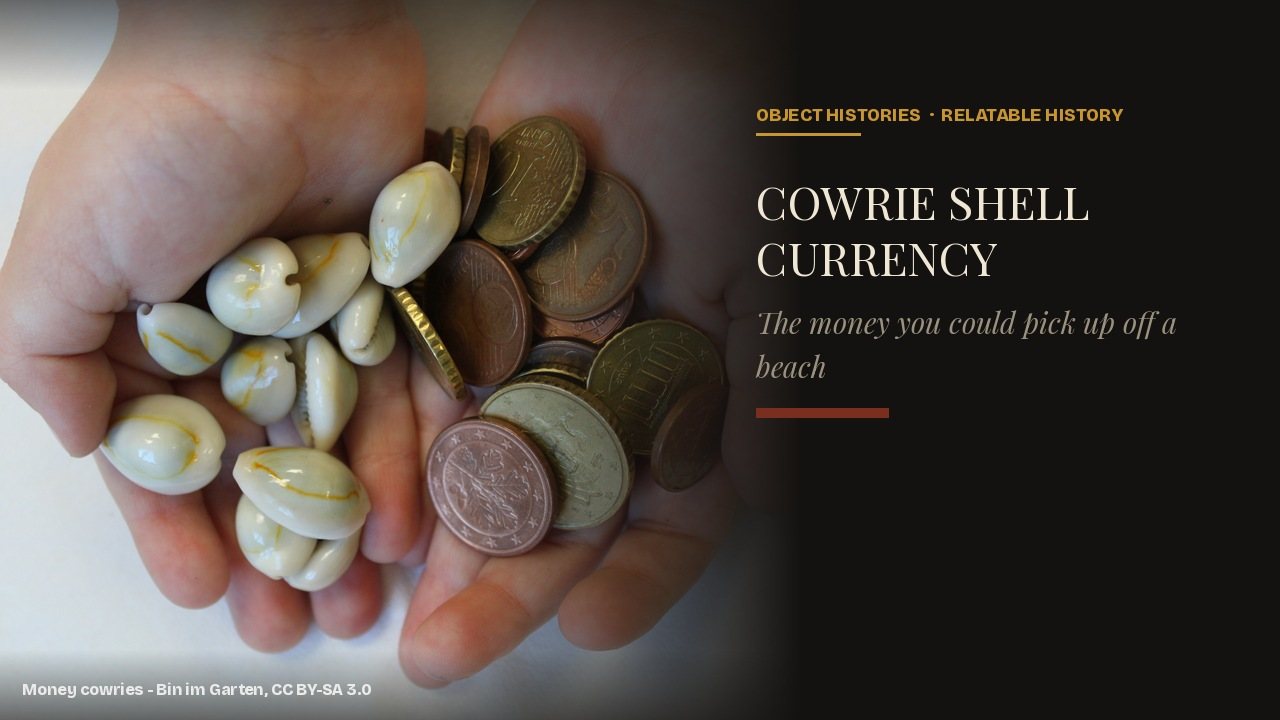
Cowrie Shell Money: How a Sea Snail Financed Four Continents
A shell you could pick up off a beach was money on four continents for roughly four thousand years, until one Hamburg trading firm undid it in a single generation.
-

Who Really Invented the Rickshaw? Three Rival Claims, One Vehicle
In 1869 Japan, at least three different people claimed credit for inventing the rickshaw. Thanks to a total absence of patent law, none of them ever won the argument.
-
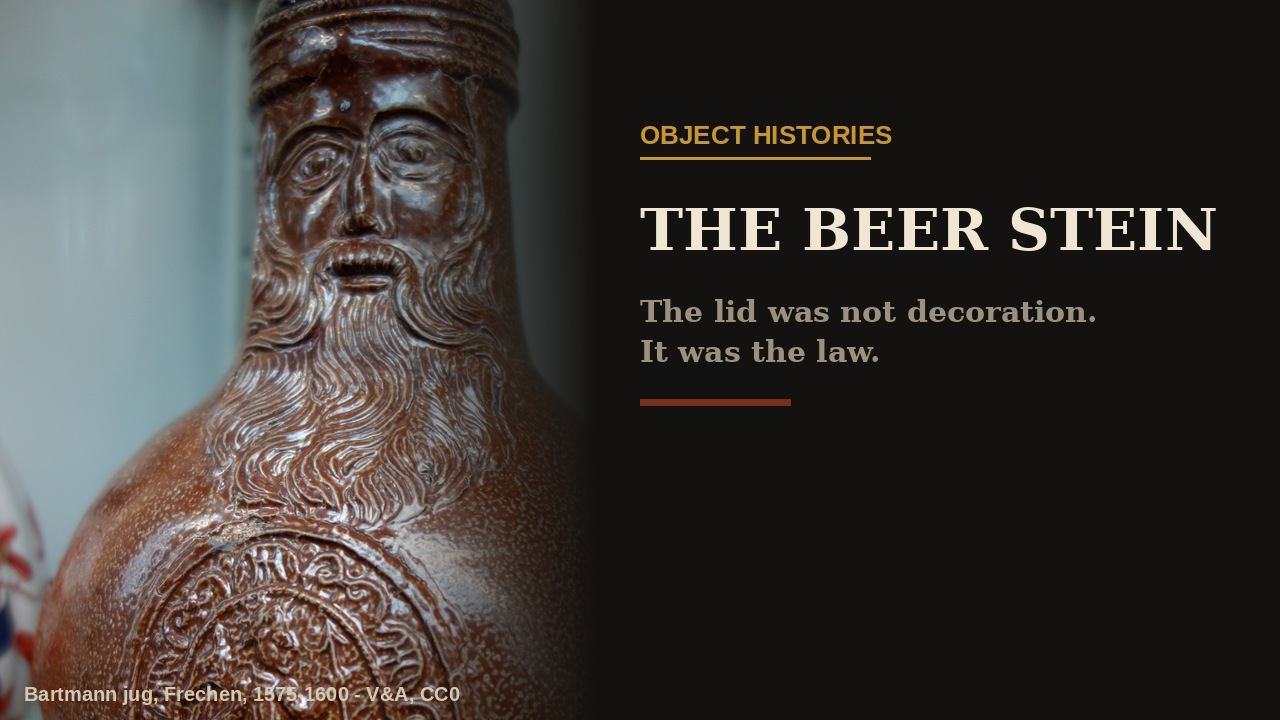
The Full History of the German Beer Stein
A hinged lid, a vitrified clay body and a bearded face buried under doorsteps as a witch’s ward: the German beer stein carries more regulatory and craft history than any mug has a right to.