
How people lived and worked before electricity: springhouses, root cellars, ice harvests, flax brakes and the everyday skills that kept a household running. Each Old Ways story comes as a short video and, for most topics, an in-depth article.
Each story below is the full, sourced article and includes its video. Just want to watch? See every Old Ways video →
-
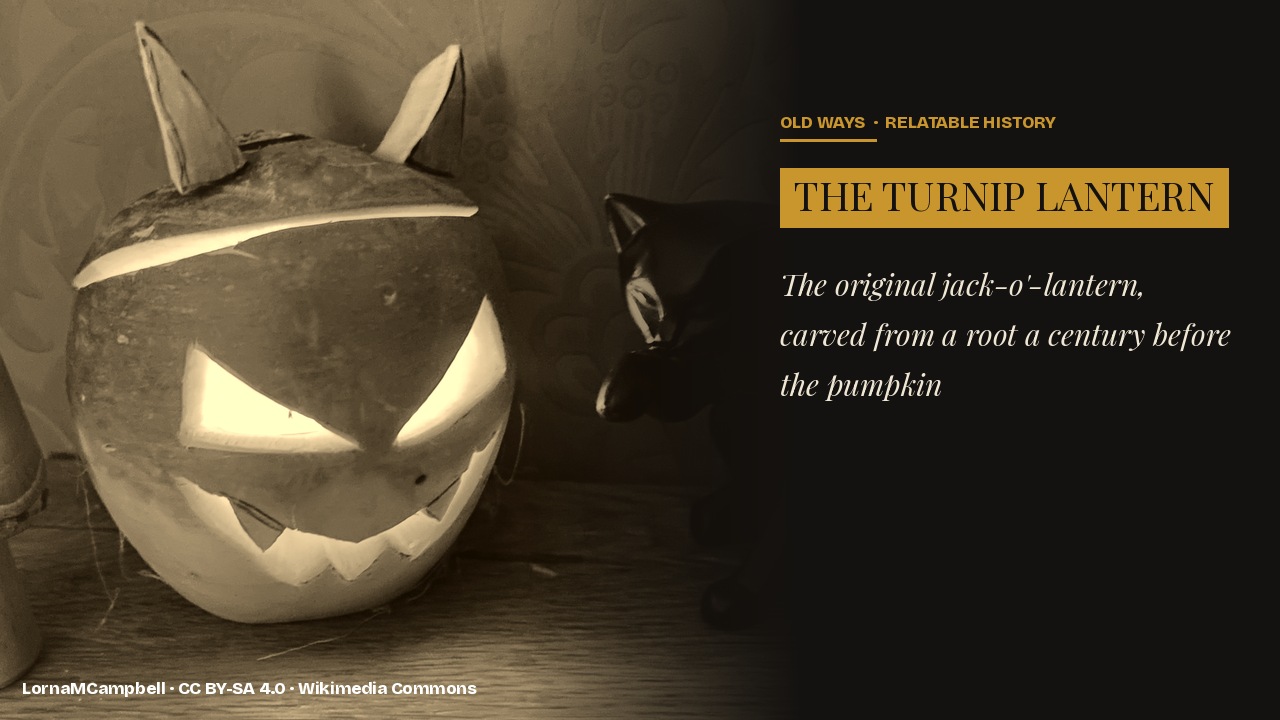
The Original Jack-o’-Lanterns Were Turnips, Not Pumpkins
A real turnip lantern, donated to a Dublin museum in 1943, is the best physical evidence for a custom that predates the pumpkin by at least a century. Here is what the documented record actually shows.
-
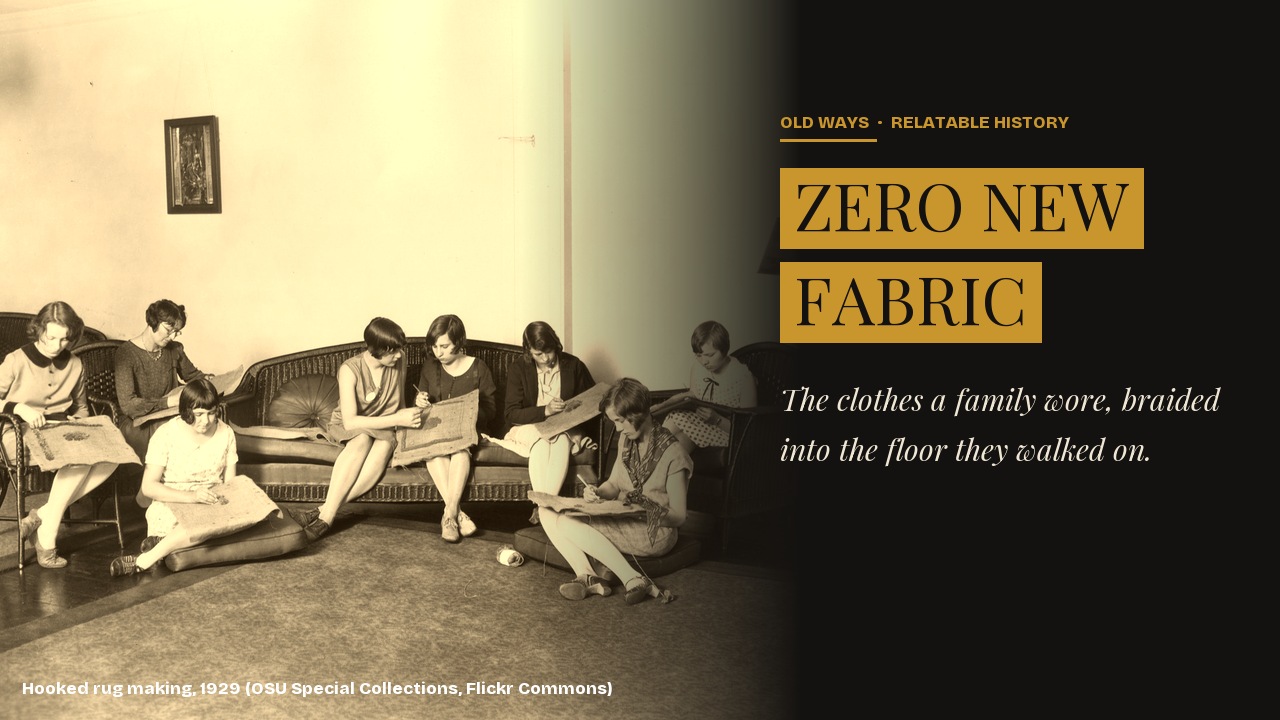
How Rag Rug Making Worked, From Rags to Wages
Braiding, hooking and weaving solved the same problem three different ways. In one well-documented case, the craft also paid real wages — and sales nearly tripled in three years.
-
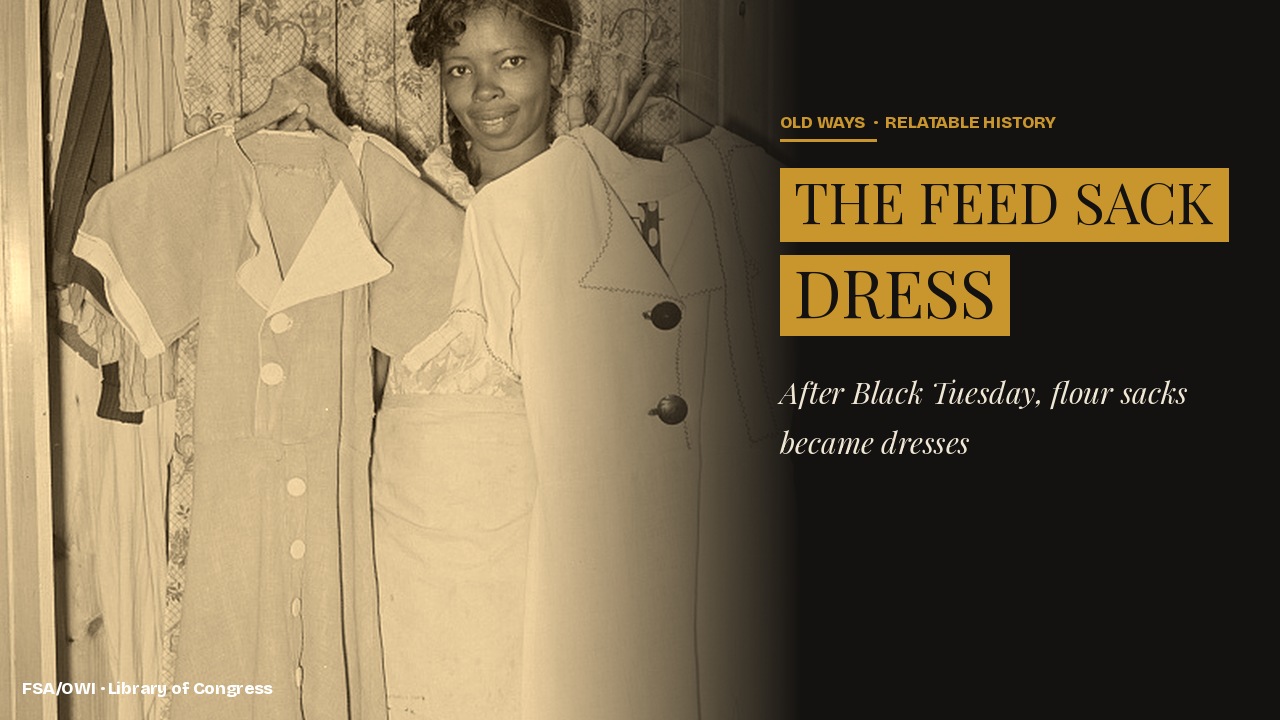
The Cotton Bag Sewing Contest That Outlived the Great Depression
Long after the Depression that made feed-sack sewing a necessity, the bag industry invented a national sewing contest to keep farm women buying patterned sacks — and some of the winning dresses ended up in the Smithsonian.
-
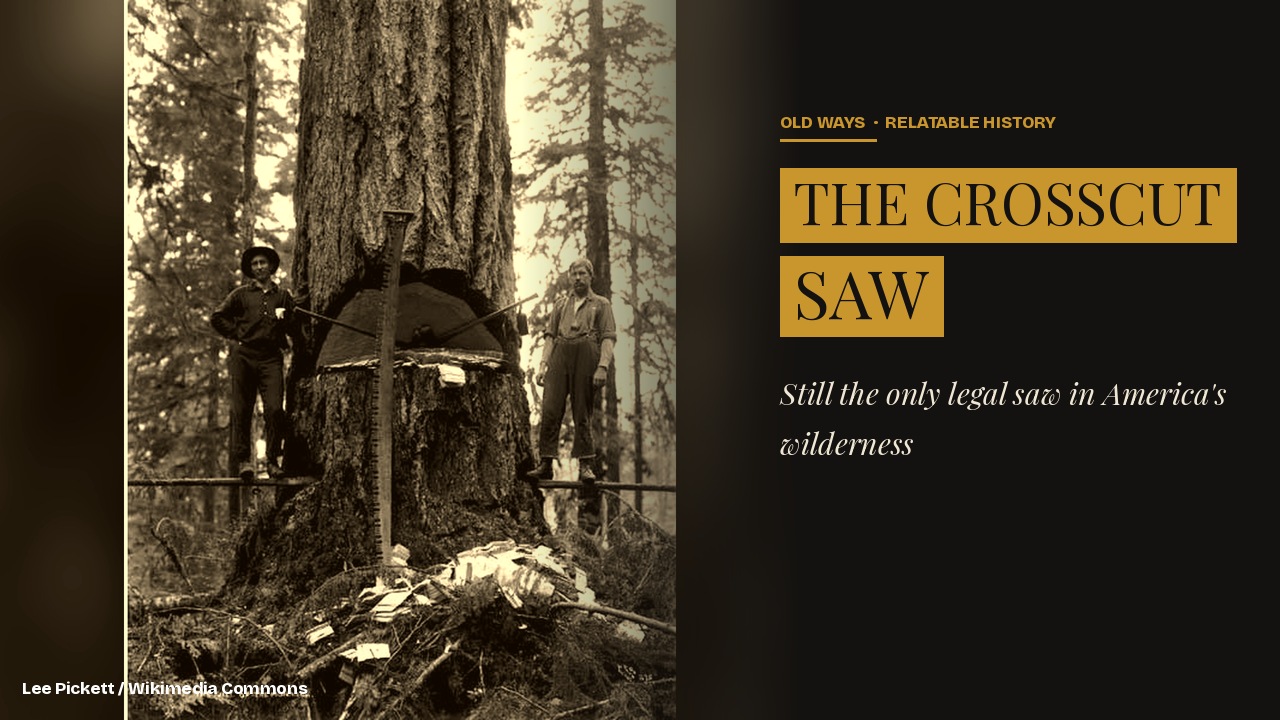
Why the Crosscut Saw Is Still Legal in Wilderness Areas
A federal law written in 1964 never once says the word chainsaw. It still left millions of wilderness acres where the only legal saw is the two-person crosscut, worked by hand.
-
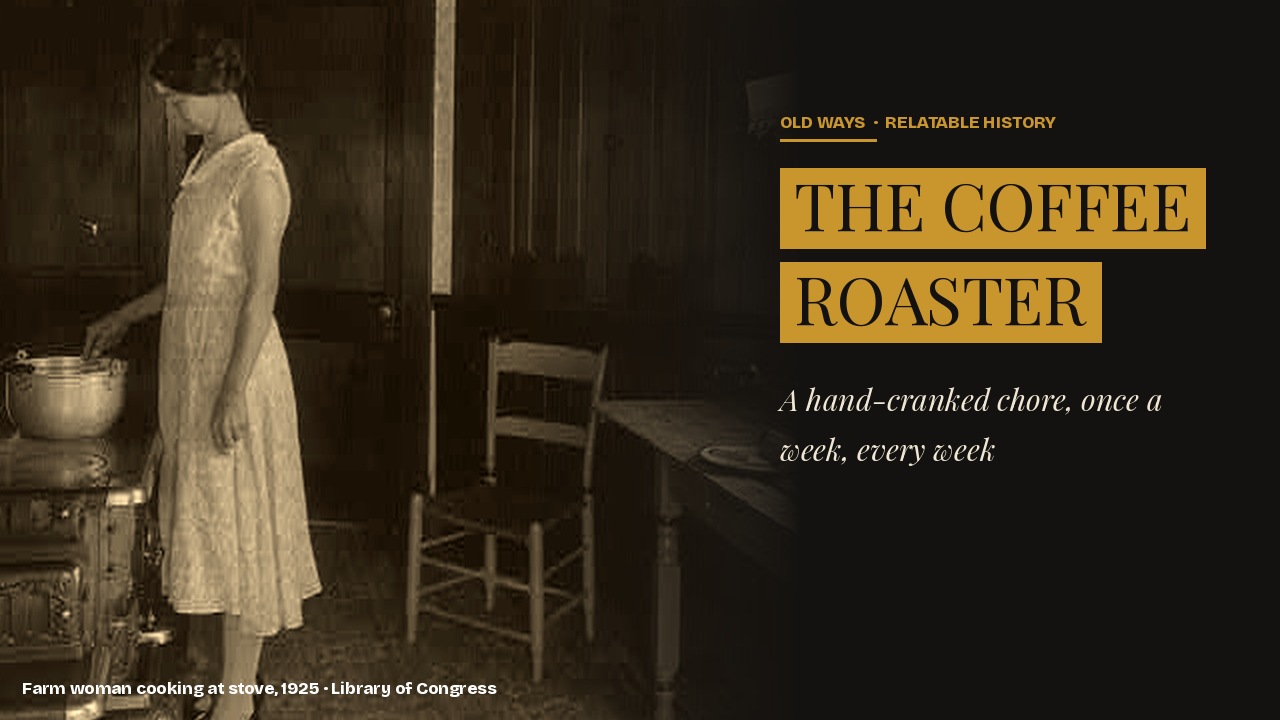
How Arbuckle’s Ariosa Coffee Ended a Weekly Farm Kitchen Chore
A Pittsburgh grocer’s egg-and-sugar glaze patent, a Civil War coffee crisis, and a federal law’s fine print: the real story behind why most Americans stopped roasting their own coffee.
-
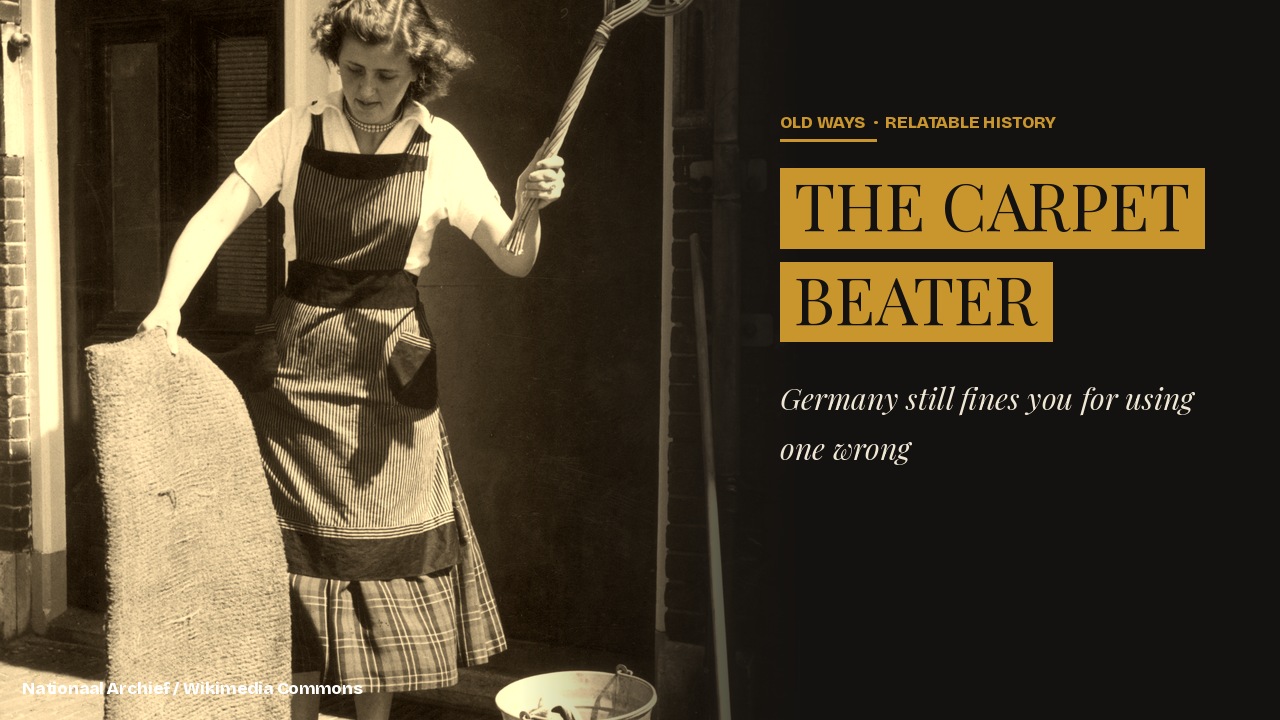
How Carpet Beaters Worked Before the Vacuum Cleaner
The carpet beater’s shape was fixed by a single 1876 patent, and the household habit it built outlived the tool itself — it still shows up in German tenancy law about when you’re allowed to clean.
-
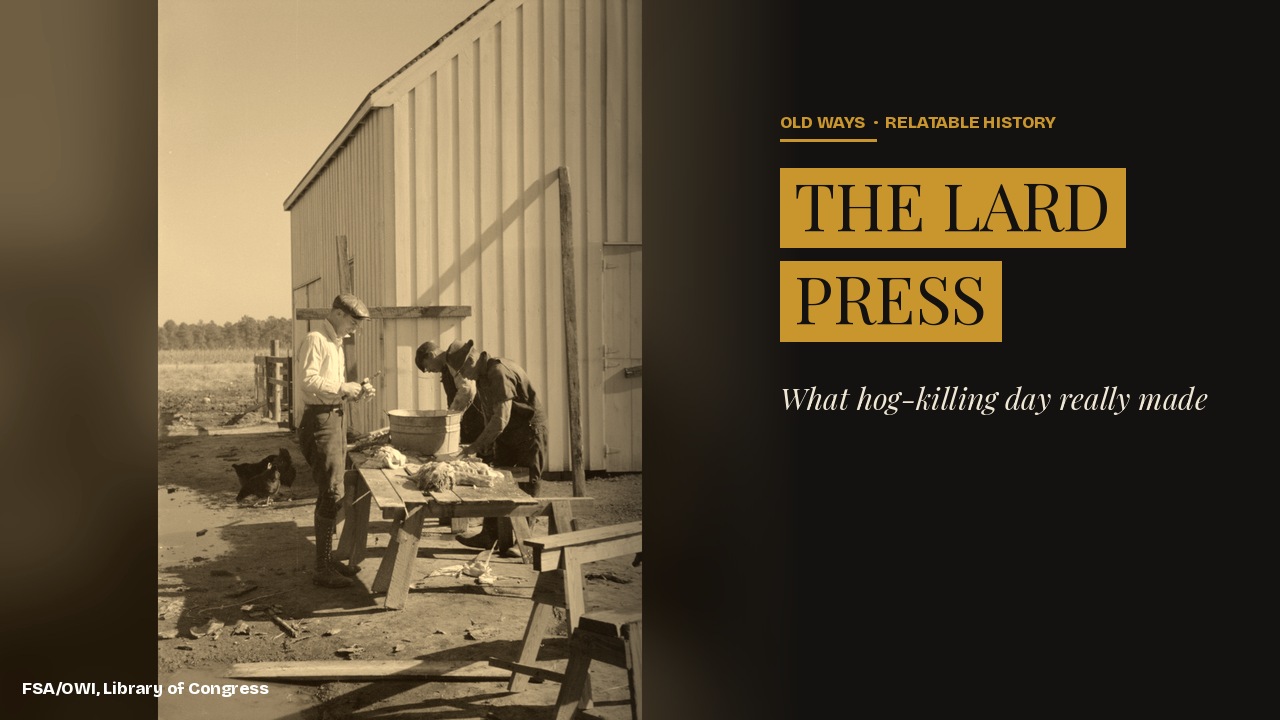
How Farms Rendered Lard to Last a Whole Winter
A patent from 1876 explains exactly how a cast-iron press squeezed the last of the fat out of hog-killing scraps — and why one crock of lard had to feed a family for a year.
-
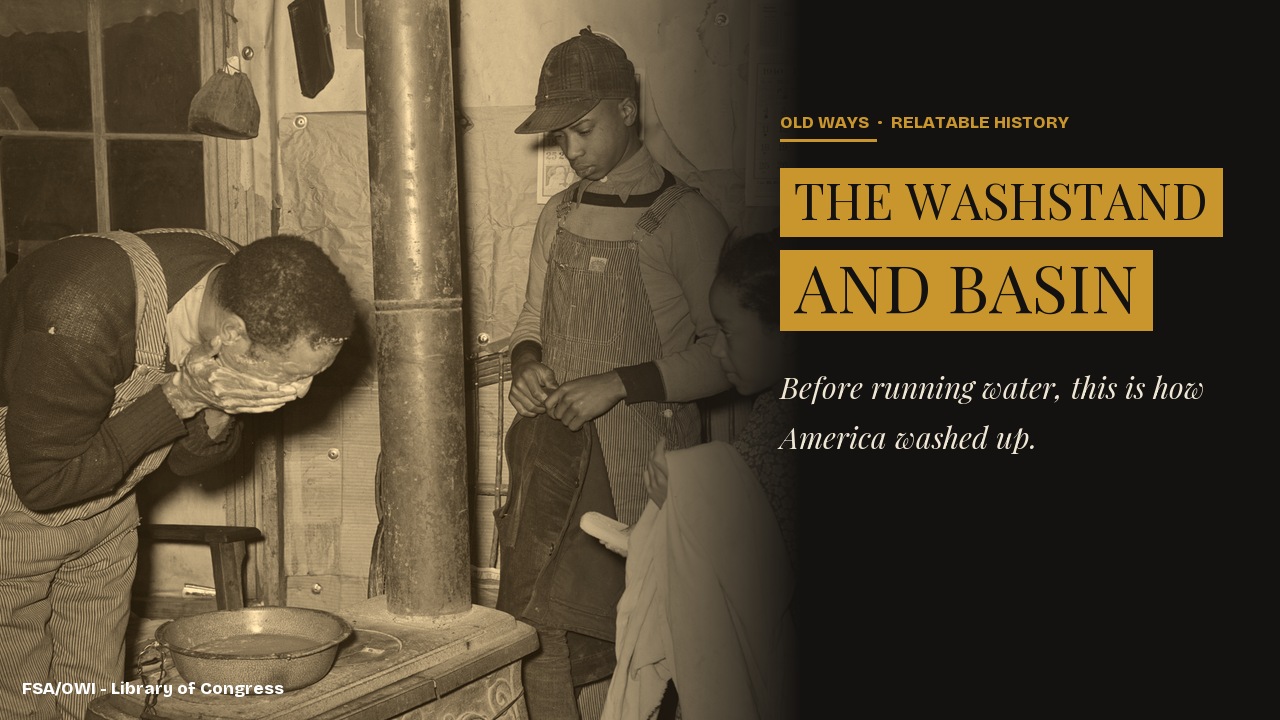
What Washing Before Indoor Plumbing Really Looked Like
Long before the bathroom tap, an ordinary pitcher and basin, refilled by hand trip after trip, was how entire households washed, shaved, and got through the morning.
-
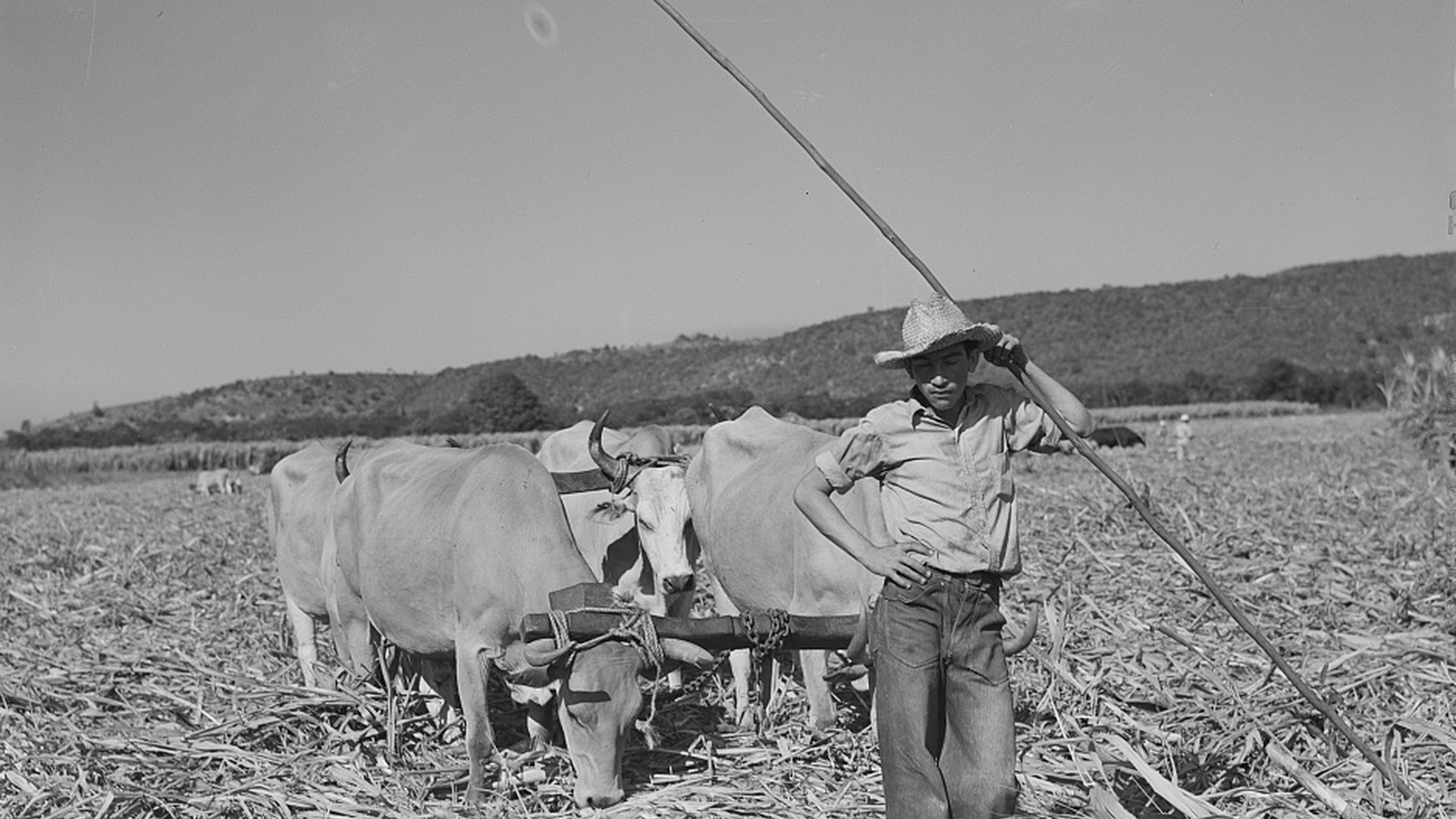
How Oxen Were Trained to Plow Without Reins or a Bit
A yoke of oxen answered to two words and a stick, not a bridle. Here is how the training, the carving, and the hard economics of owning oxen actually worked on the American frontier.
-
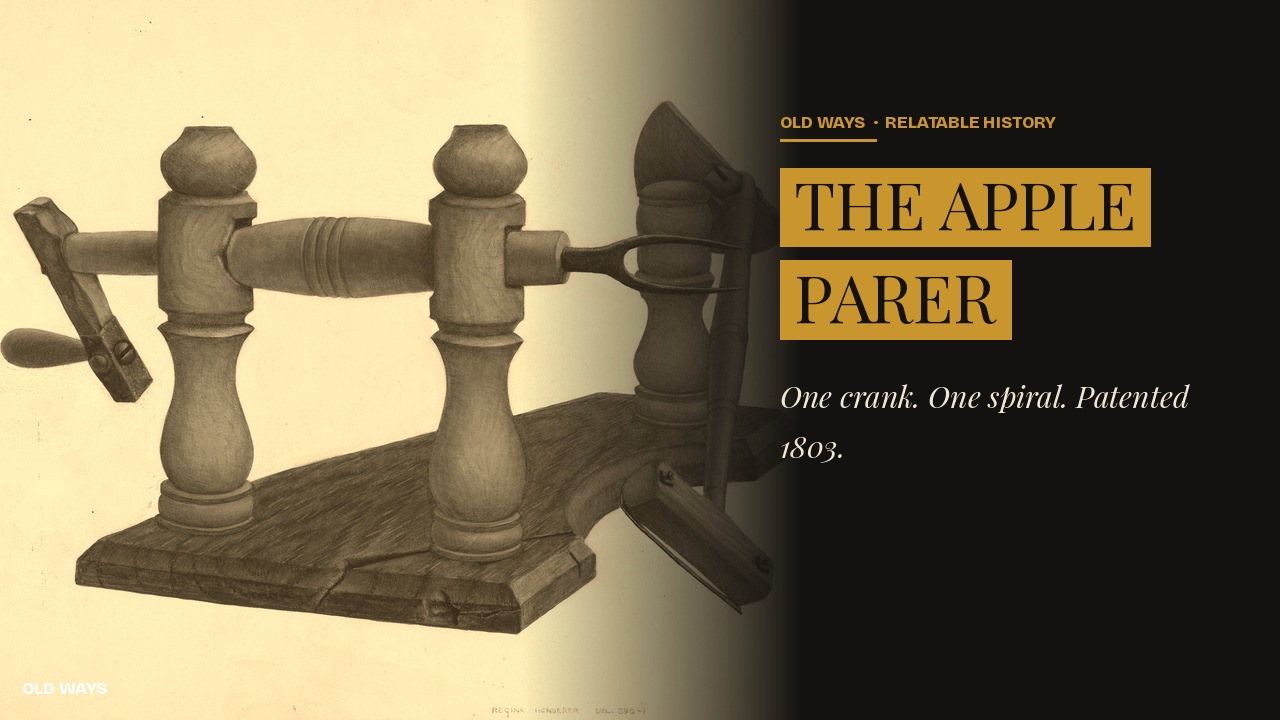
How the Apple Parer Worked, and Who Actually Invented It
Moses Coates patented his apple-paring machine in 1803 and wrote to Thomas Jefferson about it. The reply that actually survives says something different from the legend.