
For more than a century after the sealed glass jar was invented, nobody who used one knew why it worked. Nicolas Appert discovered in 1809 that food cooked and sealed inside a jar would keep, but germ theory did not exist yet; Louis Pasteur would not connect microorganisms to spoilage for another half-century. Appert’s method worked anyway, which is exactly the kind of gap between a correct practice and an understood one that got people killed once canning moved from small batches into millions of home kitchens. The practical question this article answers is the one still printed on the inside cover of every modern canning guide: water bath vs pressure canning, and why the difference between them is not a matter of preference.
Get it right and a sealed jar of tomatoes keeps for a year on a shelf. Get it wrong, on the wrong food, and the jar can look, smell and taste completely normal while it incubates a toxin with no safe threshold at all. That gap between looking safe and being safe is the entire reason this object needed a century of trial, patent disputes, federal intervention and at least one wartime propaganda campaign before anyone had reliable rules for using it.
A Seal Keeps Air Out. It Does Not, By Itself, Kill Anything
In 1795 the French government offered a 12,000-franc prize for a reliable way to preserve food for its armies, then fighting on several fronts at once. Nicolas Appert, a Paris confectioner and brewer, spent over a decade experimenting before he found a method that worked: pack food into a wide-mouthed glass bottle, cork it loosely, and submerge it in boiling water for a length of time that varied by food. He collected the 12,000 francs in 1810 on the condition that he publish the method, which he did that same year in a book that is still the founding document of modern food preservation.
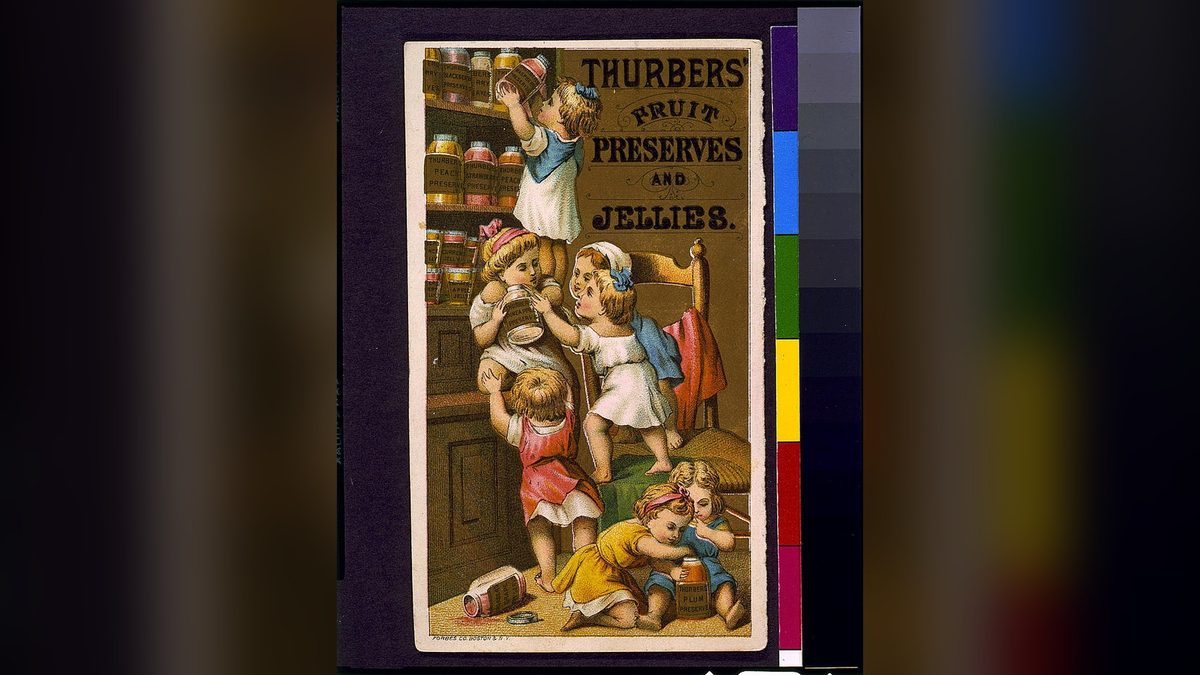
What Appert had actually found, without knowing it, was that heat kills the organisms that spoil food and a sealed container keeps new ones from getting back in. He described the effect precisely and explained the cause incorrectly, guessing that heat somehow altered the food itself in a way that resisted decay. That was wrong, but it did not matter for another sixty years, because nobody needed the correct microbiology to follow Appert’s recipe and get a jar of peaches that lasted the winter.
Mason’s Screw-Thread Jar Made the Seal Something a Household Could Trust
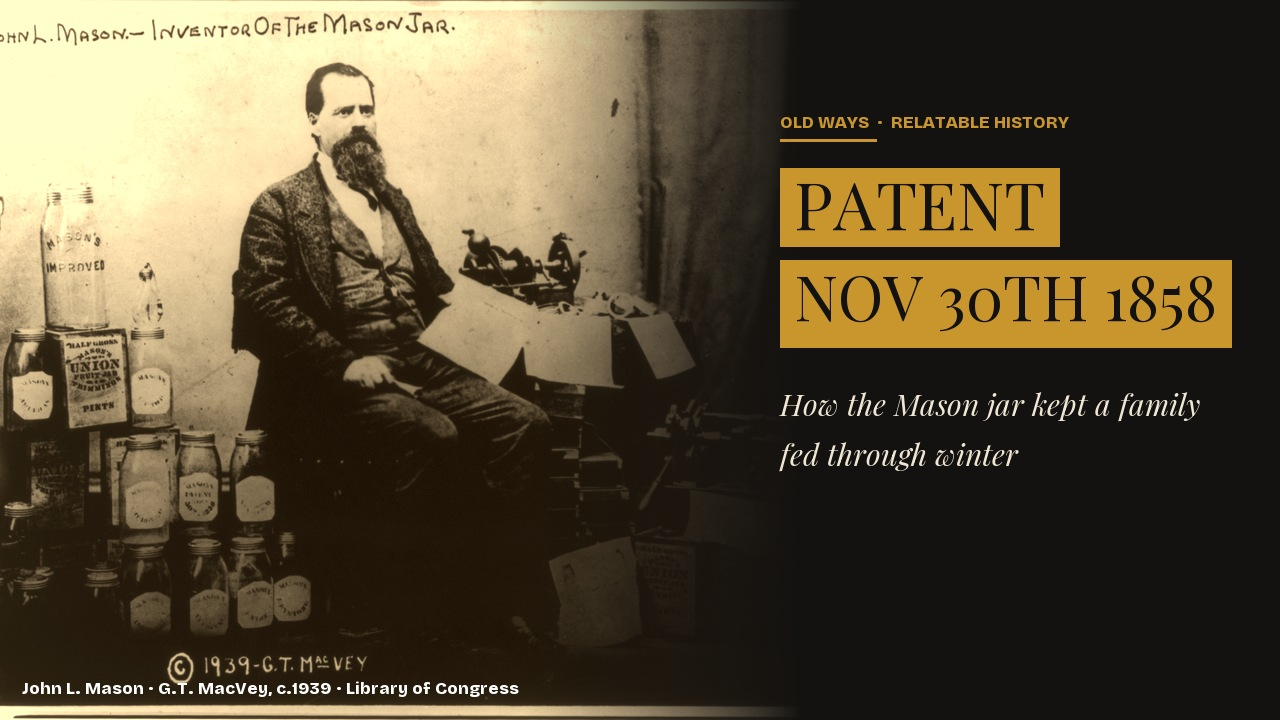
Appert’s method crossed to American kitchens as a labor-intensive ritual: pack a bottle, cork it, seal the cork with wax, and hope the wax held through the water bath and through months of storage. It frequently did not. John Landis Mason, a New Jersey tinsmith, spent the 1850s trying to fix the weak point, and on November 30, 1858, received U.S. Patent 22,186 for a jar with a molded screw thread in its glass neck, matched to a metal lid that screwed on directly. No wax, no cork — just a rubber ring compressed between glass and metal by the act of tightening the lid.
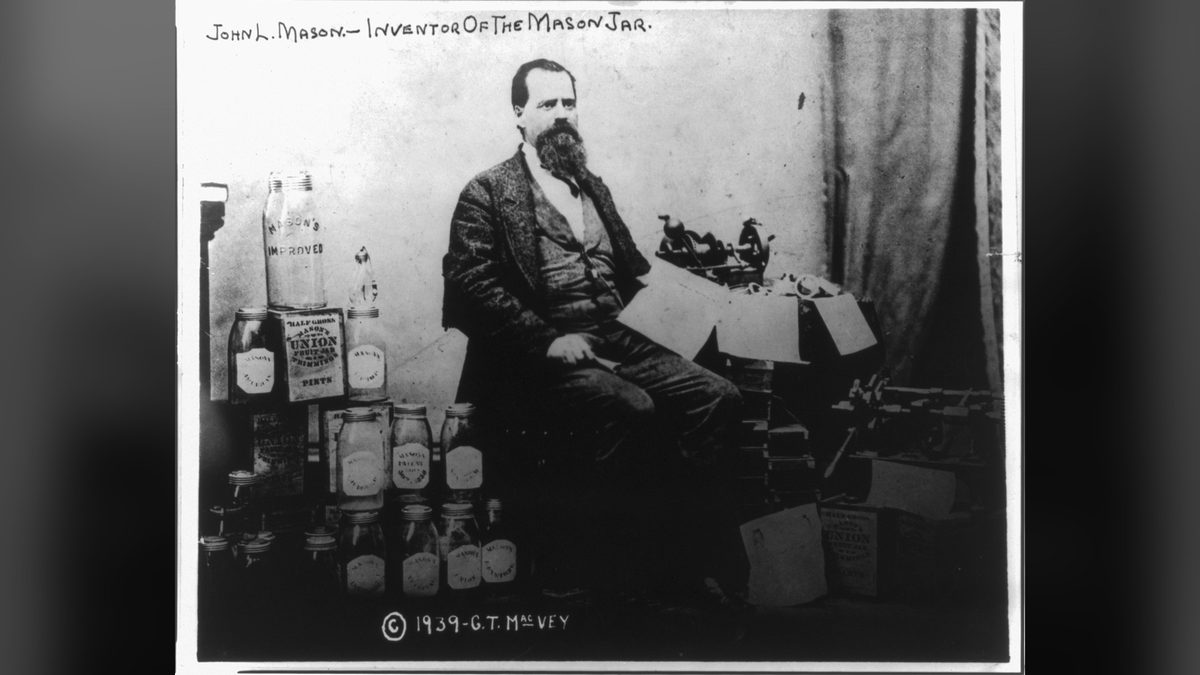
The detail that rarely makes it into the shorthand version of this story is that Mason did not patent the rubber ring itself, the part that actually made the seal airtight, until 1868, a full decade later. By then his jar design had already spread beyond his control, and when his original patent expired in 1879 anyone could make one. Mason spent his final years in failed business partnerships trying to reclaim an invention that had already become a household generic — the word “mason jar” today names a shape, not a brand, in exactly the way “aspirin” and “thermos” did. The Ball brothers, five siblings who bought a small container company in Buffalo in 1880 with a $200 loan from an uncle, became the design’s biggest beneficiary once they moved production to Muncie, Indiana, and its cheap natural gas supply.
Water Bath vs Pressure Canning: Why 212°F Isn’t Always Enough
A screw-top seal solves exactly one problem: keeping new contamination out after processing. It does nothing on its own about what might already be inside the jar, which is where the real hazard of home canning lives. Water at sea-level atmospheric pressure boils at 212°F (100°C) no matter how long it is kept boiling — a pot of water cannot get hotter than that by sitting on the stove longer. For high-acid foods, tomatoes (with added acid), fruit, pickles and jam, that temperature is plenty, because the bacterium that matters most, Clostridium botulinum, cannot grow or produce its toxin in anything with a pH of 4.6 or below. A boiling-water bath is sufficient there, and it is what a simple pot on a stove can deliver.
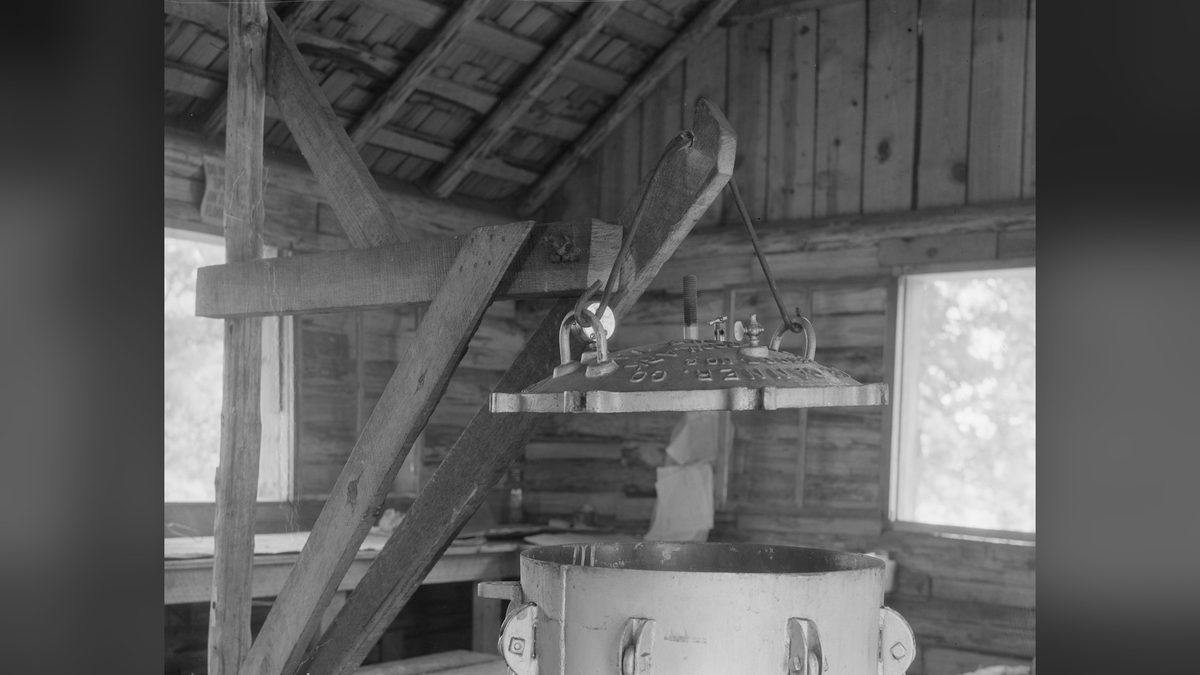
Low-acid foods — green beans, corn, most meats, most root vegetables — sit above that 4.6 threshold, which means C. botulinum spores can survive ordinary boiling and germinate later inside the sealed, oxygen-free jar, which is precisely the environment the bacterium prefers. Killing those spores reliably takes sustained heat of roughly 240°F to 250°F (115–121°C), a temperature plain boiling water physically cannot reach. The only way to get there at home is to raise the boiling point itself by raising the pressure, which is the entire function of a pressure canner: it is not a faster stove, it is the one tool in a home kitchen that can push water’s boiling point high enough to matter.
The Cold-Pack Fad That Forced a Federal Rule
That distinction was not obvious to early twentieth-century home canners, and the gap cost lives. County extension programs in the 1910s promoted a popular “cold pack” method that processed jars, including low-acid vegetables, in simple boiling water rather than under pressure, on the reasoning that if the jar sealed, the food was safe. Sealing and sterility are not the same thing, and botulism poisoning traced to home-canned low-acid vegetables became a recognized public health problem serious enough that in 1917 the USDA formally determined that pressure canning was the only reliable method for low-acid foods, replacing the three-day repeated-boiling workaround some canners had used in place of real pressure equipment. That determination, refined by decades of subsequent research, is still the basis of the guidance the University of Georgia’s National Center for Home Food Preservation publishes today.
Kerr’s 1915 Lid Solved Convenience. It Did Not Solve Safety
Mason’s original lid was a flat zinc cap, often lined with a milk-glass insert, held down with a separate rubber ring that had to be positioned by hand before every use and discarded after. In 1915 Alexander Kerr, an Illinois-born jar manufacturer working out of Sand Springs, Oklahoma, patented an improvement: a flat metal disc with the sealing compound built directly into its edge, held in place during processing by a separate screw band that could be removed once the jar cooled and the lid had sealed itself — U.S. Patent 1,152,107, filed under the trademark “Self Sealing.” It is, essentially, the two-piece lid still sold in every hardware store: flat disc, separate ring.
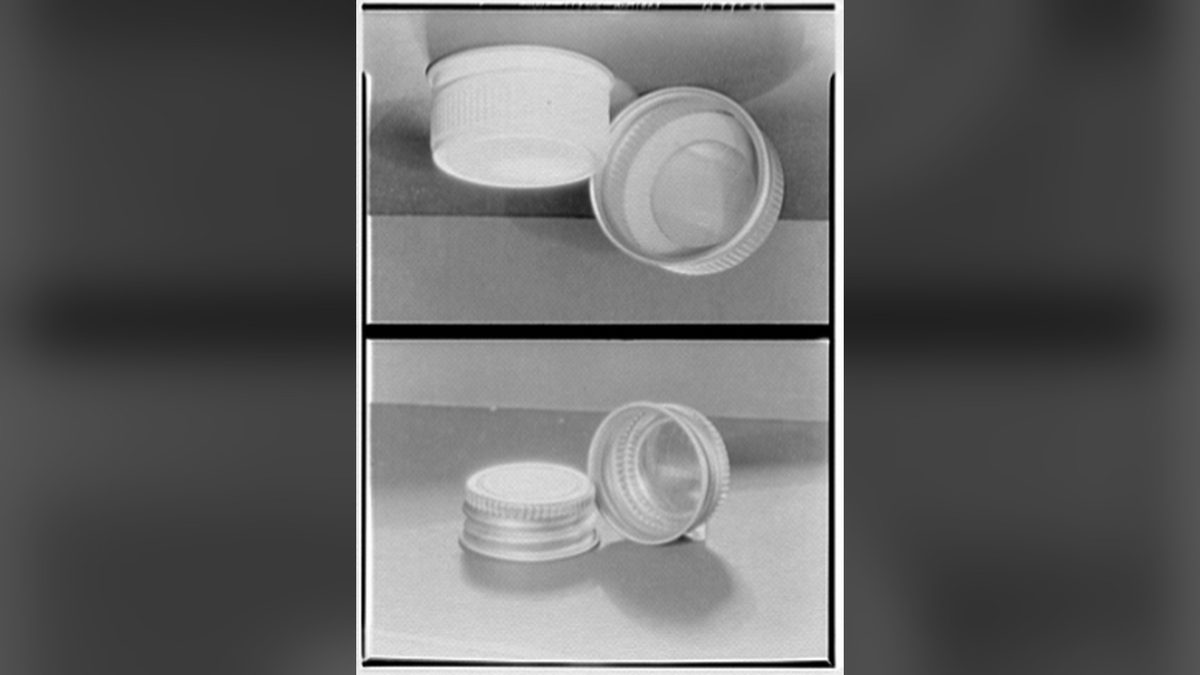
Kerr’s lid made canning faster and the seal easier to verify — a popped, concave lid meant success, a lid that flexed under a fingertip meant failure, and you knew before you ever opened the jar. What it did not change was the physics of the previous section: a well-sealed jar of green beans processed only in boiling water was just as capable of harboring C. botulinum spores in 1916 as it had been in 1858. Better hardware improved the odds of a good seal; it never touched the separate question of what temperature the food inside had actually reached.
Two World Wars Turned a Farm Chore Into a National Campaign
Home canning’s biggest years by volume came from wartime necessity rather than rural habit. Federal “victory garden” programs in both world wars urged households to grow and preserve their own food to free up commercial supply for troops, and canning was framed explicitly as patriotic labor: posters urged women to “Can All You Can.” Sugar was rationed during World War II, but home canners could apply to local ration boards for up to 20 extra pounds specifically for preserving, provided they documented their canning plans. Metal shortages pushed manufacturers and canners toward glass-lidded jars over tin-adjacent designs, since Japan controlled roughly 70 percent of the world’s tin supply at the time.
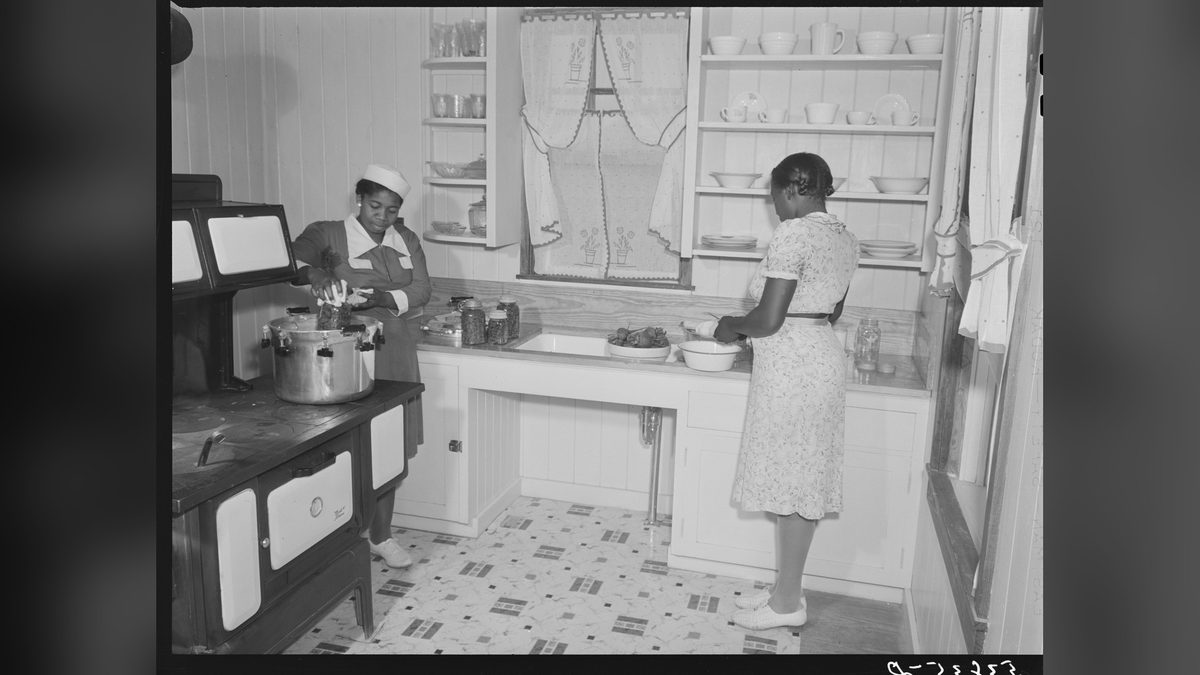
The scale reached in 1943 is hard to picture from a modern kitchen: American households and community canning centers filled an estimated 4.1 billion jars that year alone, at the height of wartime rationing, with victory gardens numbering in the tens of millions nationwide. A single well-run farm household’s own season could run into the hundreds of quarts — not a hobby harvest but a genuine share of that family’s food supply for the entire winter, packed one jar at a time in a kitchen with no air conditioning, the same way a wood-fired cast-iron range had been heating water and holding oven temperature for decades already.
Why the Rule Outlived the Freezer and the Supermarket
Home canning’s wartime peak did not last. Commercial canning and then home freezers took over through the late 1940s and 1950s, and a counterculture-driven revival in the 1970s crested and receded in turn. But the underlying safety rule never went anywhere, because the chemistry it describes did not change: acidity and heat are still the only two variables that decide whether a sealed jar is safe, regardless of decade. The National Center for Home Food Preservation’s current guidance is, in substance, the same 1917 distinction between high-acid and low-acid foods, updated with precise processing times calculated for modern jar sizes and altitudes.
The rule still matters because the mistake it guards against still happens. In June 2024, a botulism outbreak traced to home-canned nopales (cactus paddles) sent multiple people to hospitals in Fresno County, California — a reminder that the gap between a jar that looks sealed and a jar that is actually safe has never closed on its own. It closes only when whoever is packing the jar knows which of the two methods their ingredients actually require, a piece of kitchen knowledge that, unlike most homestead skills lost to convenience, a modern household still genuinely needs if it wants to can at all.
Watch the full history
The video companion covers the same invention from the object’s side: what the jar looked like on the shelf, how a farm family’s season actually ran, and how a stamped patent date turned into a brand name that outlived its own legal protection.

Related reading
- How the Dog-Powered Butter Churn Actually Worked
- How the Wood Cookstove Ran the American Kitchen for a Century
- Clothes Wringer History: From Courtship Gift to ‘Wringer Arm’
- The Mystery of the Beale Ciphers, Explained
Shop the styles/items featured in this video:
- Ball Complete Book of Home Preserving
- Ball regular-mouth quart Mason jars, 12-pack
- Presto 01755 16-quart pressure canner
Works cited
- Appert, Nicolas. The Art of Preserving All Kinds of Animal and Vegetable Substances for Several Years. English translation. London, 1811. Link.
- Bitting, A. W., and K. G. Bitting. Appertizing, or the Art of Canning: Its History and Development. San Francisco: Trade Pressroom, 1937.
- U.S. Patent 22,186. John L. Mason. “Improvement in Screw-Neck Bottles.” Issued November 30, 1858. Link.
- U.S. Patent 1,152,107. Alexander H. Kerr. “Preserving-Jar.” Issued August 31, 1915. Link.
- Matchar, Emily. “A Brief History of the Mason Jar.” Smithsonian Magazine, August 26, 2020. Link.
- National Center for Home Food Preservation, University of Georgia. “For Safety’s Sake.” Link.
- National Agricultural Library, USDA. “How Did We Can? — Botulism.” Link.
- National Agricultural Library, USDA. “Wartime Canning: World War II.” Link.
- “Food Rationing and Canning in World War II.” National Women’s History Museum. Link.
- Centers for Disease Control and Prevention. “Foodborne Botulism Outbreak After Consumption of Home-Canned Cactus (Nopales) — Fresno County, California, June 2024.” MMWR 74, no. 24 (2025). Cited as print (source blocks automated retrieval).