
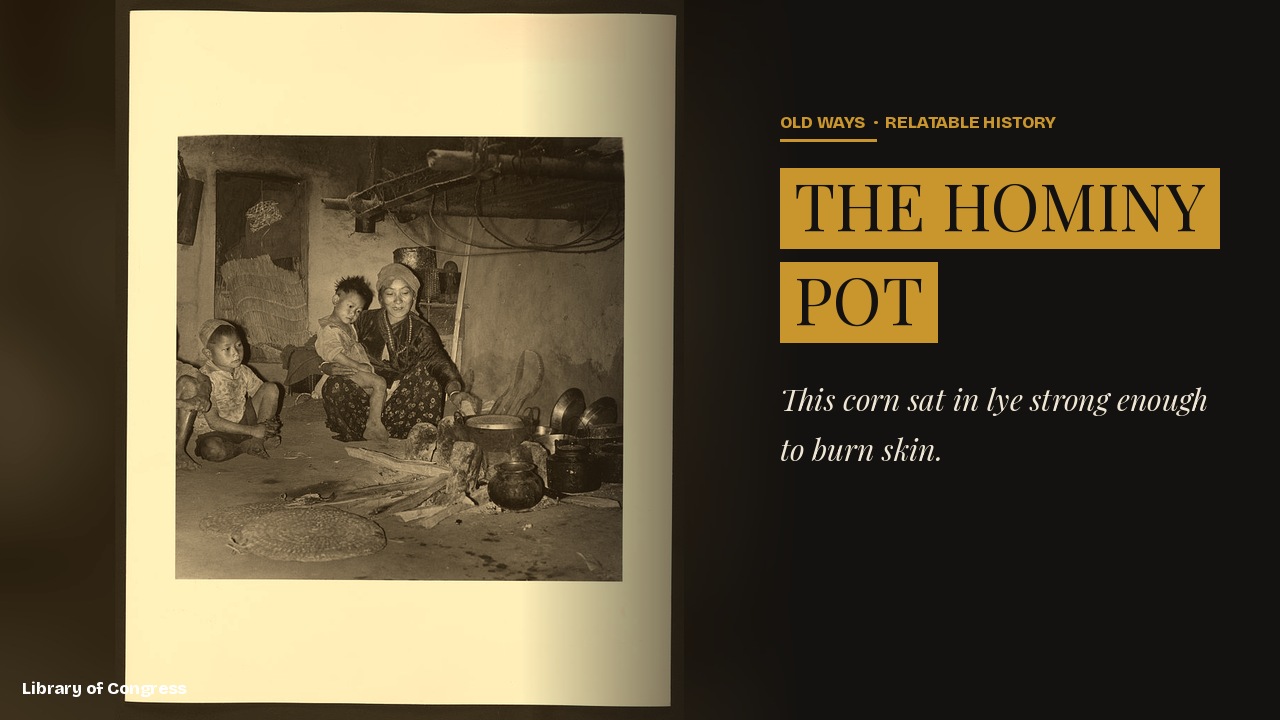
In the American South between 1900 and the 1940s, a disease called pellagra sickened roughly three million people and killed something like one hundred thousand of them. For decades, doctors blamed bad air, bad blood, infection, even moral failing, before anyone proved what it actually was: a vitamin deficiency, driven by a diet built almost entirely around corn milled a particular way. The strange part is that a working fix had been sitting in plain sight the entire time, inside a cooking method some of the same communities’ grandmothers still used — soaking dried corn in water made caustic with wood ashes.
That method produces hominy: dried corn kernels simmered in alkaline water until the tough outer hull loosens and rubs away by hand, leaving plump kernels that can be eaten whole or dried and ground into grits. Farm families across the rural United States made it well into the twentieth century, typically in a dedicated iron kettle over an open fire — a hominy pot. The practice is not folk wisdom in the dismissive sense of the word. It is a precise piece of food chemistry, arrived at independently by Indigenous cooks on two continents roughly three thousand years before anyone could explain why it worked, and its decline in parts of the industrializing American South is now understood as a direct contributor to one of the worst nutritional disasters in U.S. history.
Even the English word is a record of contact. “Hominy” comes from a Virginia Algonquian word, recorded in English as early as 1629, describing corn treated in roughly the way this article describes. What follows is the mechanism behind the lye bath, how old the practice actually is, and what happened when a large part of the country kept eating the corn without it.
A bath caustic enough to burn skin, and why it works
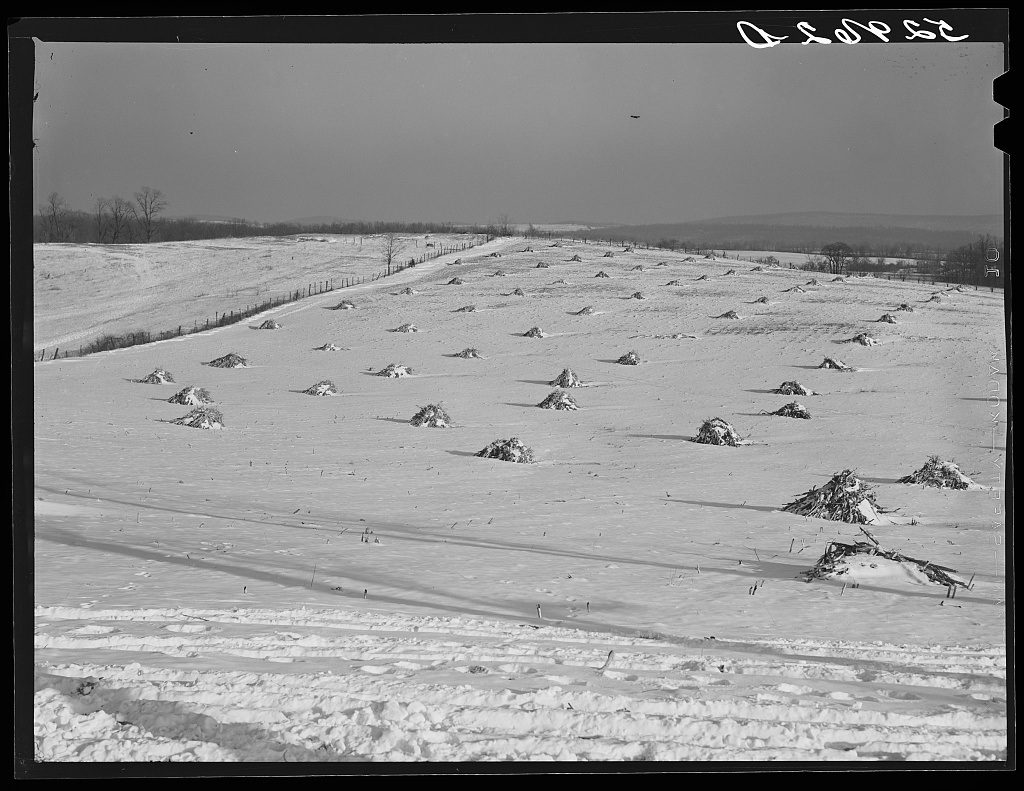
Wood ash, leached with water through a hopper or trough, yields a strongly alkaline solution — chemically a crude potassium hydroxide lye, with a pH above 11. That is well into the range that will irritate or burn skin on contact, which is exactly the property that makes it useful here. Dried field corn, the kind cured on the stalk and stored through winter, goes into that water and simmers, not boils hard, for an extended stretch. The heat and alkalinity loosen the pericarp — the thin, tough outer skin of the kernel — and the hard cap at the kernel’s tip, without destroying the starchy body underneath.
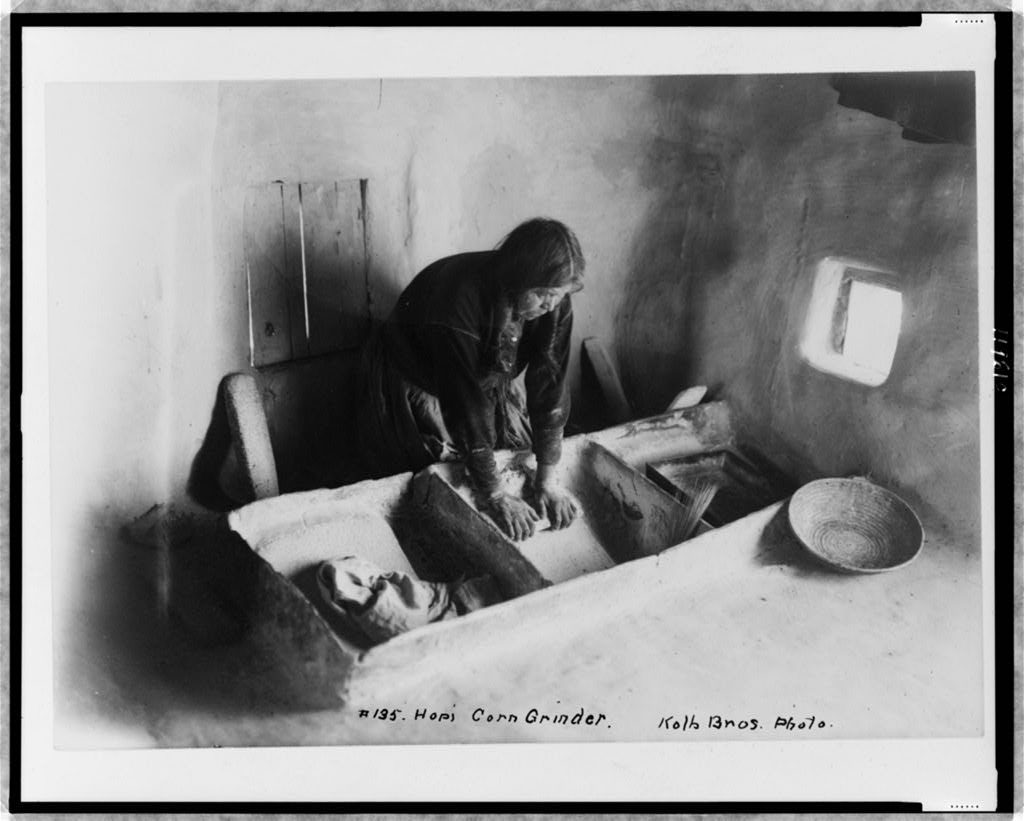
Once the hulls have let go, the corn is drained and the loosened skins are rubbed off by hand, then the kernels are rinsed several times over — rinsing is not optional, since residual alkali left on the corn is still caustic enough to injure the mouth and gut. What remains is hominy: swollen, tender, and distinctly different in taste and texture from corn that was simply boiled. Chemists who study the process describe measurable changes beyond the obvious hull removal — starch granules swell, fats in the germ partially saponify, and gums released from the pericarp change how the corn handles and cooks, which is part of why nixtamal-style dough made from alkaline-treated corn behaves so differently from dough made from plain cornmeal.
The earliest direct evidence is a Maya latrine
Archaeologists have had a hard time proving how old this technique is, because the physical evidence of soaking corn in alkali mostly disappears. A 2020 study by Emily Johnson and John Marston developed a method for detecting it anyway: nixtamalized corn leaves behind microscopic starch formations called spherulites, distinct enough to serve as a chemical fingerprint. Using grinding-stone wear as an indirect proxy, the same research places alkaline corn processing in Mesoamerica by roughly 1500 to 1200 BCE.
Direct physical proof came two years later, from an unglamorous source. In 2022, Lauren Santini, Sadie Weber, John Marston, and Astrid Runggaldier reported starch spherulites recovered from two small pits, called chultunes, dug into bedrock at the Classic Maya city of San Bartolo, Guatemala, and dated to roughly the 8th or 9th century CE. The pits also contained tapeworm eggs, meaning they had been used as latrines. The researchers’ working theory is that nejayote — the caustic liquid left over after soaking corn in lime — was poured down the pits deliberately, since lime was commonly used elsewhere to control latrine odor and insects. It is, by a wide margin, the earliest confirmed direct evidence of the practice anywhere in the Americas.
The Mesoamerican version used slaked lime rather than wood ash, and produced nixtamal, the base for tortillas and tamales rather than hominy as such. Different communities, different alkalis, the same underlying chemistry.
A parallel tradition east of the Mississippi
Separately from the Mesoamerican lime tradition, Native peoples of the southeastern woodlands developed their own ash-lye method for turning corn into hominy, using techniques that varied from group to group and changed across the historic period as contact with European colonists reshaped foodways. Among the Cherokee, corn sat at the center of both subsistence and ceremony; the Eastern Band of Cherokee Nation’s own account of its foodways describes nixtamalization — using wood ashes or lye to turn ground corn into hominy — as a method of preparation practiced since before European contact, one that survived both forced removal in the 1830s and the generations after it.
English colonists in Virginia and the Carolinas picked up the ash-lye method from Native neighbors starting in the early 1600s rather than inventing anything of their own, which is a large part of why the English word for the result is an Algonquian loanword rather than an English or Spanish coinage.
What the lye bath actually does to the corn’s nutrition
None of the people doing this for the last three thousand years had a word for vitamins, but the alkaline bath changes the corn’s chemistry in ways that matter enormously for human health. Niacin in raw corn exists mostly in a bound form the human digestive system cannot absorb; alkaline cooking breaks that bond and releases free, usable niacin. One widely cited nutrition review of nixtamalization reports that the process can raise calcium content dramatically — a 750 percent increase has been measured in tortillas, with more than 85 percent of that calcium bioavailable — and improves the ratio of calcium to phosphorus in the finished food. The amino-acid picture shifts too: tryptophan can fall somewhat while the protein’s usable lysine effectively rises, and the overall protein efficiency ratio of nixtamalized corn outperforms raw corn in feeding studies.
Put plainly, it is a pre-industrial biofortification technique, discovered and refined entirely through trial, observation, and taste, long before biochemistry existed to explain it. It is also the reason, by the same nutrition literature’s own account, that civilizations which depended on nixtamalized corn as a staple are not recorded as having suffered the epidemic nutritional disease that corn-dependent diets caused elsewhere.

Skipping the step was, unknowingly, a public-health catastrophe
By the turn of the twentieth century, industrial milling had changed what “corn” meant on a Southern table. A corn-degermination process patented around 1900 and 1901 — known in the trade as the Beall degerminator — stripped the oil-rich germ out of the kernel to make a finer, longer-lasting cornmeal. That same germ happens to carry much of the kernel’s niacin, so the new industrial meal was, nutritionally, a step backward from either whole stone-ground meal or hominy made the old way. Layer that onto a rural Southern diet already leaning hard on “the three Ms” — cornmeal, molasses, and salt pork (meat) — and the ingredients for an epidemic were in place. One contemporary survey of six South Carolina mill towns found nearly sixty percent of residents ate shipped, degerminated cornmeal daily, while only twelve percent ate locally stone-ground meal daily — and home ash-lye hominy-making, the one preparation that would have restored the missing niacin, was fading out of daily use in exactly these communities.
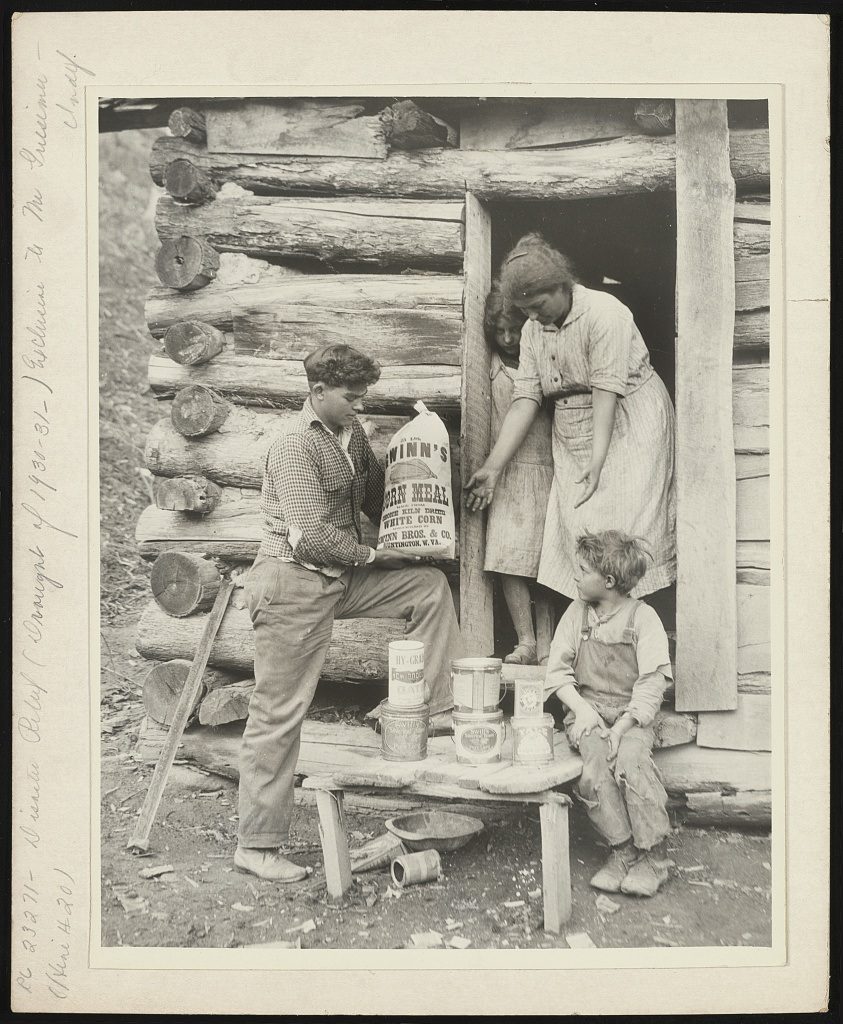
The results were severe. Economists Karen Clay, Ethan Schmick, and Werner Troesken estimate roughly 230,000 pellagra cases at the disease’s 1928 peak in the American South, with contemporary estimates running past seven thousand deaths that year alone; in some Southern states pellagra ranked as the ninth or tenth leading cause of death. Physician Joseph Goldberger, working for the U.S. Public Health Service from 1914, argued against most of his profession that the disease was nutritional rather than infectious or hereditary, and he proved it with uncomfortable self-conviction. In a 1915 Mississippi experiment, inmates fed the typical Southern diet in exchange for the promise of a pardon developed pellagra within months. In 1916, at a series of gatherings historians now call his “filth parties,” Goldberger, his wife, and volunteering physicians swallowed pills made from pellagra patients’ skin scabs, stool, and blood, and some received injections of the same material. None of them developed the disease, which was exactly the point: it ruled out contagion and left diet as the explanation standing.
Biochemist Conrad Elvehjem isolated the specific missing compound in 1937 and it was named niacin, vitamin B3. Mandatory fortification of bread and flour followed across some two dozen states between 1942 and 1949, and by the 1950s pellagra had effectively disappeared from the United States. The cure, in other words, had been available the entire time, in a kitchen technique most of the country had simply stopped practicing right as cheap industrial cornmeal became the easiest thing to buy.
What survives today
Commercial hominy is now a graded, standardized product. The U.S. Department of Agriculture’s own grading standard defines canned hominy as clean field corn, white or golden, with the pericarp removed by processing, packed whole or as grits in a liquid or jelled medium, and scored on color, defects, character, and liquor to reach grades from U.S. Grade A down to substandard. Home cooks can still make it the traditional way, and extension services publish lye-free alternatives for people who would rather not keep caustic solution on the stove. In the Southwest, a related tradition survives as posole, generally made with lime rather than wood ash. The Eastern Band of Cherokee Nation and families across Appalachia continued ash-lye hominy-making as a living, intentional practice rather than a historical curiosity, one still passed down in home kitchens rather than only in museum exhibits.
It is a pattern that shows up elsewhere on the old homestead, too — a chore that looks like plain drudgery but is quietly doing serious chemical work, the way Why Margarine Was Illegal in America for Almost a Century does.
Watch the full history
The seven-minute video version follows one kettle of corn from the ash hopper to the breakfast table, including the part where it nearly disappears from Southern kitchens altogether.

So: would you eat corn that had been sitting in lye water first? Farm families across three centuries did it every week, long before anyone could explain in a laboratory exactly why it mattered — a question that The Kecksburg NASA Files Nobody Can Find answers from a different angle..
Related reading
- Why Margarine Was Illegal in America for Almost a Century
- The Kecksburg NASA Files Nobody Can Find
- Who Invented the Electric Toaster, Really?
- Why Waffles Have a Grid Pattern (It’s Not About the Syrup)
Shop the history
- Hog and Hominy: Soul Food from Africa to America, by Frederick Douglass Opie — a documented history of the foodways this article draws on.
Works cited
- Santini, Lauren M., Sadie L. Weber, John M. Marston, and Astrid Runggaldier. “First Archaeological Identification of Nixtamalized Maize, from Two Pit Latrines at the Ancient Maya Site of San Bartolo, Guatemala.” Journal of Archaeological Science 143 (2022): 105581. Link.
- Johnson, Emily S., and John M. Marston. “The Experimental Identification of Nixtamalized Maize through Starch Spherulites.” Journal of Archaeological Science 113 (2020): 105056. Link.
- Clay, Karen, Ethan Schmick, and Werner Troesken. “The Rise and Fall of Pellagra in the American South.” The Journal of Economic History 79, no. 1 (2019): 32–62. Working-paper version: NBER Working Paper 23730. Link.
- Wacher, Carmen. “Nixtamalization, a Mesoamerican Technology to Process Maize at Small-Scale with Great Potential for Improving the Nutritional Quality of Maize-Based Foods.” In Small Scale Industrial Food Production and Fortification, proceedings of the 2nd International Workshop “Food-Based Approaches for a Healthy Nutrition,” Ouagadougou, 2003, 735–744.
- United States Department of Agriculture, Agricultural Marketing Service. United States Standards for Grades of Canned Hominy. Link.
- Eastern Band of Cherokee Indians, Office of Food Distribution and Food Sovereignty. “Cherokee Foodways.” Link.
- Kean, Sam. “Joseph Goldberger’s Filth Parties.” Distillations, Science History Institute, September 8, 2020. Link.
- “Hominy.” Merriam-Webster.com Dictionary, Merriam-Webster. Etymology from Virginia Algonquian, first known use 1629.