
When Heinrich von Brühl, prime minister to Augustus the Strong of Poland and Saxony, died in 1763, the inventory of his estate recorded more than eight hundred snuff boxes. Not eight. Not eighty. Eight hundred, catalogued one by one in gold, enamel, and precious stone, kept for no purpose beyond being owned, displayed, and occasionally handed to someone else.
Brühl was unusual only in the scale of his habit. Across eighteenth-century Europe, the snuff box had become something closer to a parallel currency than an accessory — a portable store of value a monarch could press on an ambassador instead of cash, a courtier could present instead of a favor owed, a government could use instead of a medal it hadn’t gotten around to inventing yet. The whole system traces back to a diplomat trying to cure a queen’s headache.
A queen’s headache turned a colonial curiosity into a continental craze
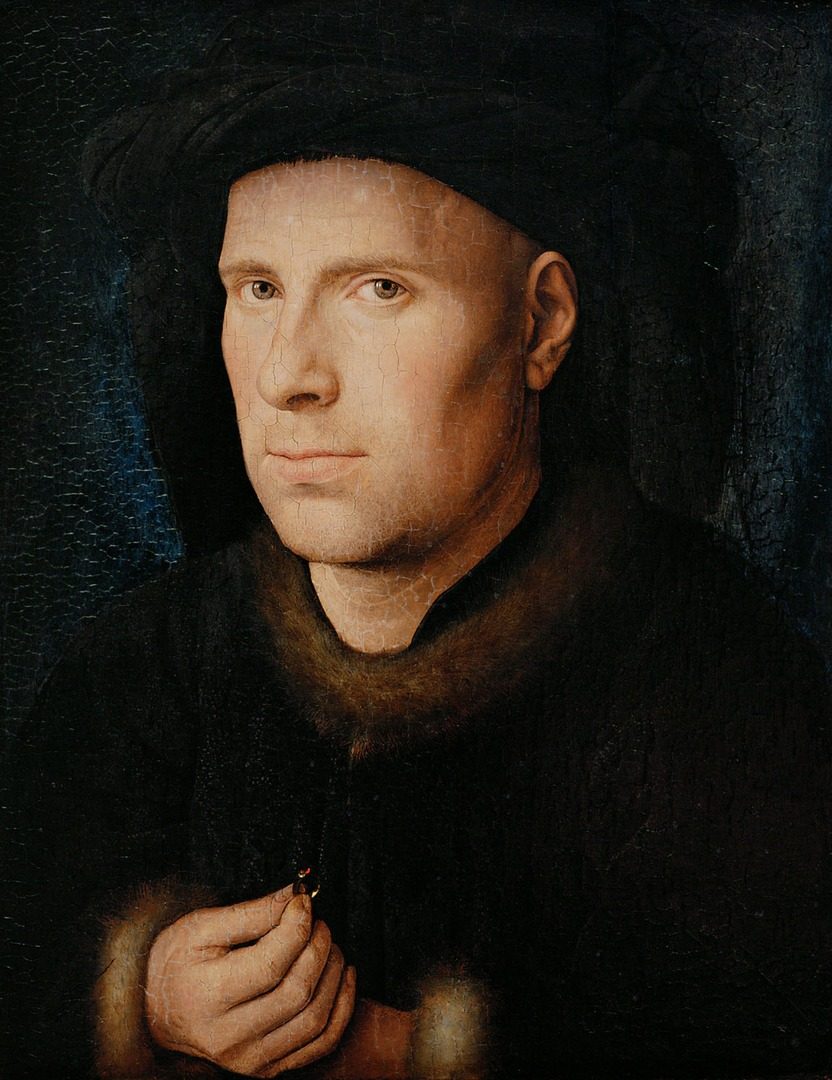
Jean Nicot arrived in Lisbon in 1559 as the French ambassador to the Portuguese court, and he considered himself something of a physician on the side. When he encountered tobacco, newly arrived from the Americas and already being called a cure-all by Spanish writers, he tested it on a local man with a tumor, applying a tobacco-leaf ointment until the growth appeared to shrink. That was evidence enough for Nicot to take the plant seriously as medicine.
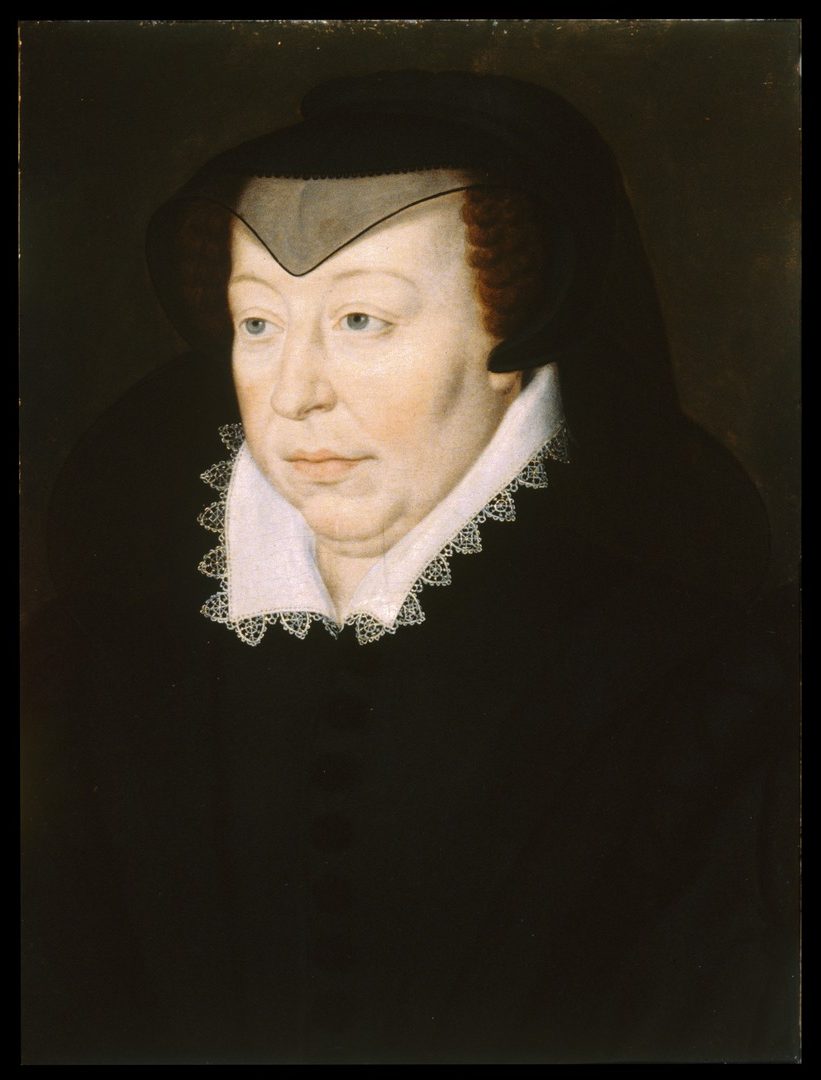
In 1561 he sent Catherine de’ Medici, Queen of France and a sufferer of severe headaches, a supply of tobacco leaves with instructions: grind them to powder and inhale a pinch through the nose. She reported that it worked. Within a generation the habit had moved from the queen’s private relief to a fixture of court life across France and Spain, and by the time Louis XV was on the throne, carrying a snuff box in Paris or London was shorthand for having money and taste. The botanist Carl Linnaeus later named the whole plant genus Nicotiana after the ambassador who popularized it — the same root that gives nicotine its name.
Paris goldsmiths turned a habit into an industry
For the first two decades of the eighteenth century, a French snuff box being made entirely of gold was not actually legal. Paris’s goldsmiths’ guild mainly mounted gold as decoration on boxes built from silver, ivory, steel, horn, or exotic wood. That changed in 1721, when Paris authorities opened the door to solid-gold boxes, and the city’s goldsmiths spent the rest of the century building an entire specialist trade around the object.
Making one box well was not a one-person job. Contemporary practice could involve as many as fourteen separate hands between design, casework, enameling, gem-setting, and the painting of any miniature portrait set into the lid. Named workshops competed openly on style: Pierre-Philippe Choffard designed an oval box in 1759 that Jean Ducrollay’s workshop produced the following year, while Ducrollay’s rival Jean Frémin turned out a rococo box with enamel plaques after a François Boucher design that same season. Dresden and Hanau built reputations on hardstone carving; Geneva and Berlin ran their own competing workshops. The trade this produced was simply an intensified, luxury-tier version of the ordinary metalworking guild economy that had existed in European cities for centuries — the same weighing, testing, and shaping of precious metal a Flemish goldsmith would have recognized three hundred years earlier.
The materials alone made the finished object valuable independent of who owned it or what portrait sat on the lid. A solid-gold case set with diamonds and enamel represented a genuine store of wealth in a world without paper currency that ordinary people trusted, which is part of why a box could function as a bribe or a payment and not just a compliment: whoever received it could, in a pinch, have it melted down and sold for the metal.
A box could replace a medal, a bribe, or a salary
The specific form that made a snuff box useful as diplomacy was the boîte à portrait, or portrait box: a miniature likeness of the giver, usually painted on ivory or enamel and ringed in diamonds, set into the lid. Louis XIV introduced the type as a gift of honor in the late seventeenth century, and by the 1720s French workshops were tailoring portrait boxes to the exact rank of the recipient — a system contemporaries called the “language of the snuffbox,” in which the quality of the gold, the size of the diamonds, and the prominence of the portrait all signaled precisely how much the giver valued the relationship. Elisabetta Farnese received one around 1714 as a wedding gift, set with a miniature of her new husband, Philip V of Spain.
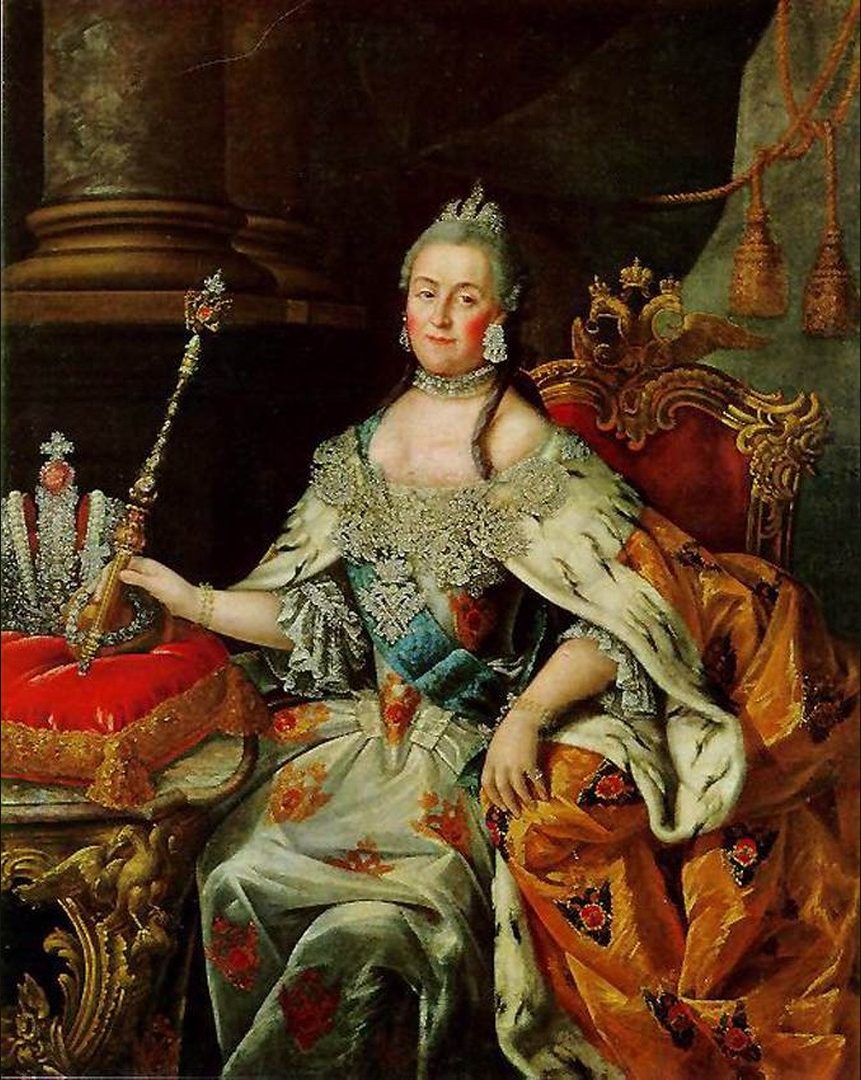
Used this way, the box did real diplomatic work. Courts handed them to ambassadors and favored courtiers as payment in kind for service rendered, a way to reward loyalty or smooth a negotiation without the bluntness of a cash transaction. Frederick II of Prussia commissioned diamond-studded table boxes partly to cultivate Prussian craftsmanship at home, sometimes contributing to the design himself; local legend holds that camels carried some of them from Berlin to Potsdam. Russia’s court ran the same system in the other direction — portrait boxes bearing the Empress’s image, produced by court goldsmiths and miniature painters, were a standard instrument of Catherine the Great’s own diplomacy, extending the same gift economy that had started at Versailles a century earlier clear across the continent.
The practice was not confined to royal courts, either. In 1809 the City of London presented a gold freedom box to the parliamentarian Gwyllim Lloyd Wardle, its traditional way of honoring a public figure, the same civic instinct that had cities and corporations reaching for a bespoke gold box whenever cash or a title would have felt either too crude or not available. By the middle of the century, one inveterate collector, Heinrich von Brühl among them, could accumulate hundreds of these as a kind of running record of every relationship, service, and obligation that had come his way.
Doctors prescribed it the way they prescribed bleeding
Tobacco’s reputation as a wonder drug did not fade once it became fashionable; if anything, the two reinforced each other. Spanish physicians who encountered the plant in the Americas had already been calling it a panacea, and Nicolás Monardes’s widely read Joyful News Out of the New Found World credited tobacco with treating more than twenty separate ailments, cancer included. Nicot’s own tumor experiment in Lisbon sat comfortably inside that tradition.
By the early eighteenth century, “cephalic snuff” had become its own retail category: a medicinal blend marketed specifically for disorders of the head, appearing in English trade records from at least 1707 and sold under competing brand names, including a “Golden Snuff” advertised the following year making similar claims. A “Cordial cephalic snuff” was patented in the 1770s, and an advertisement from 1790 promoted it on two fronts at once: mixed into an ordinary snuff, it was said to offset that snuff’s harmful effects, and taken on its own, it was pitched as protection against infection for anyone visiting the sick, unhealthy places, or hot climates. The same advertisement recommended it specifically for the head complaints that painters and similarly exposed tradesmen were thought to suffer. Nobody involved had any way to test whether it did any of this, which did not slow sales at all. The product outlived the century: the Oxford English Dictionary‘s citations for “cephalic snuff” run from the early 1800s to 1834, by which point the name had simply been shortened in everyday use to “cephalic.”
The box itself became a miniature portrait gallery
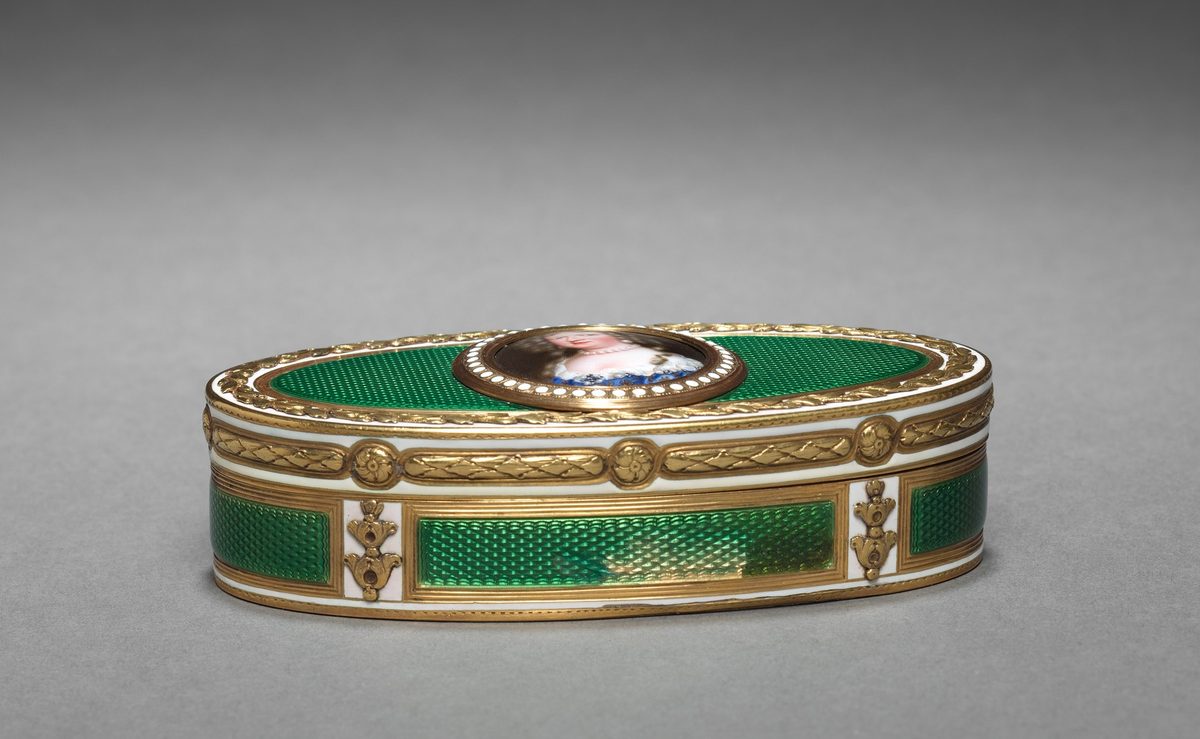
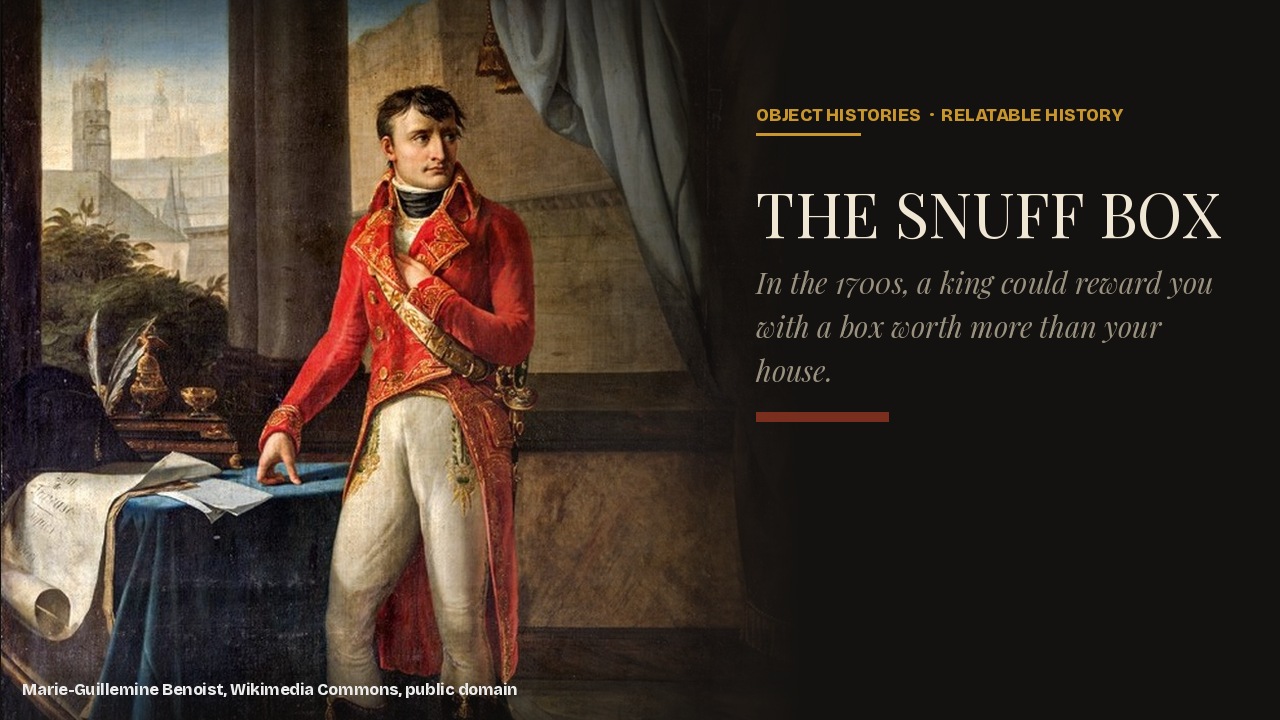
Outside the strictly diplomatic gift, the portrait box became a fashion of its own among people who could afford one: a loved one, a monarch, or an admired public figure rendered in miniature and carried as a token of loyalty or affection. Specialist miniature painters built careers on the work. Jean-Baptiste Isabey, a pupil of Jacques-Louis David, painted portraits for boxes commissioned across the Napoleonic court, following the same tradition David himself drew on for one of the era’s best-documented examples: a box the Parisian goldsmith Pierre-André Montauban produced in 1797, carrying a David portrait of Napoleon. Napoleon gave away five of these; only two are known to survive. One was taken from the carriage of Marshal Ney, one of his eighteen Marshals of the Empire, by a British officer named Colonel William Cameron in the aftermath of Waterloo in 1815, and it eventually reached the museum of Cameron’s old regiment, where it remains.
Cigarettes ended the economy within a generation
What killed the snuff box was not a change in taste so much as industrial manufacturing. Through the nineteenth century, cigarette and cigar production mechanized and scaled in a way the bespoke goldsmith trade never could, and the luxury market for handmade boxes contracted accordingly. Snuffboxes did not disappear overnight — cheaper materials like gutta-percha and tortoiseshell kept the object in circulation well into the nineteenth century for buyers who could no longer afford gold and enamel, including novelty pieces still carrying Napoleon’s portrait decades after his death. But the object had stopped doing any real economic work. It was a curio, not an instrument.
What survives of the trade mostly survives in museums now. The collectors Arthur and Rosalinde Gilbert spent decades assembling more than two hundred gold boxes, precisely the kind the Paris and Geneva workshops once turned out for courts that no longer exist, and that collection is now a public holding studied by exactly the kind of social and economic historians who treat the objects as evidence rather than curiosities. The things themselves did not change much between a courtier’s pocket in 1760 and a museum case today. What changed was whether anyone still needed them to do a job.
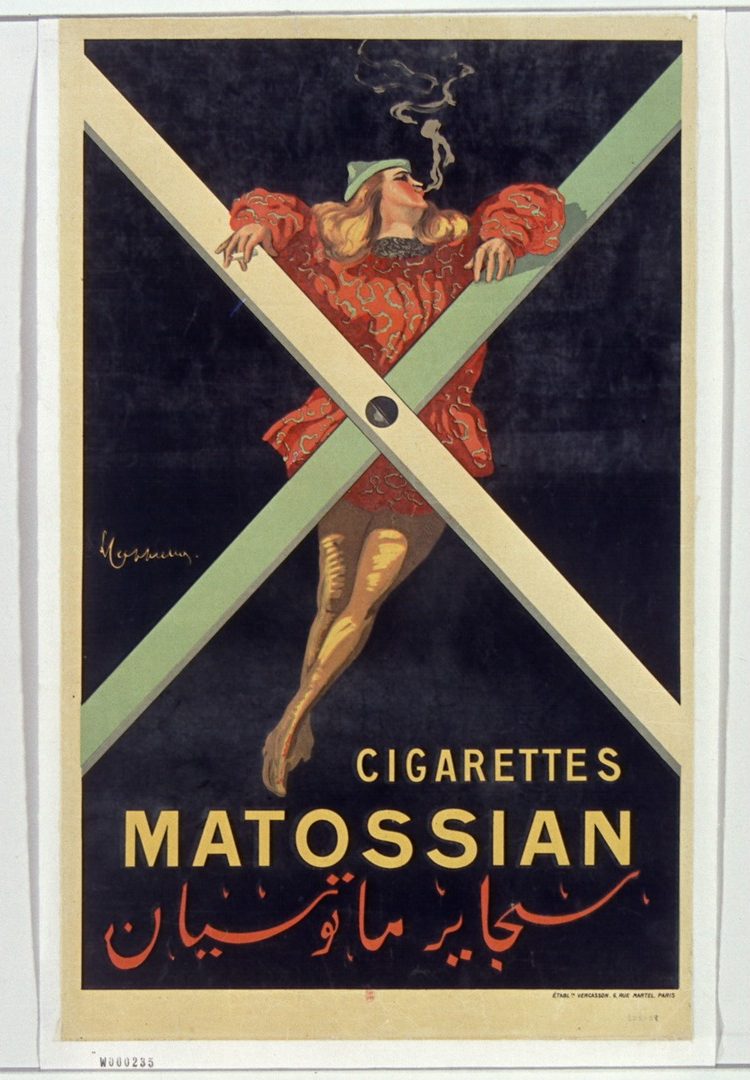
By the time cigarette companies were running full-color advertising campaigns in the early twentieth century, the status object of the age had a filter and came fifteen cents a pack, and the diplomatic function the snuff box once performed had no real successor at all — modern governments reward ambassadors with titles, honors, and appointments, not objects meant to be carried in a coat pocket. For roughly a century and a half, though, a small hinged box did real work moving loyalty, gratitude, and influence around the courts of Europe, which is a great deal of history to ask of something you could lose down the back of a sofa.
Watch the full history
The video version covers the royal gift economy and Napoleon’s own collection in about five minutes.

Related reading
- Why Doctors Drained Blood to Treat Almost Any Illness — another case where fashionable medicine and fashionable status pointed the same direction.
- The Strange History of the Enema Craze That Swept Versailles — the same court, the same century, the same willingness to treat a dubious cure as high fashion.
- The 24 Years Wampum Was Legal Tender in Massachusetts — another object that worked as real currency without ever being minted as one.
- Tenino’s Wooden Money: Inside the Depression’s Strangest Currency — what happens when a community invents its own stand-in for cash.
Shop: The Book of Snuff and Snuff Boxes, Mattoon Curtis · Napoleon: A Life, Andrew Roberts
Works cited
- The Metropolitan Museum of Art. “Snuffbox,” French, Paris, 1736–37. Object no. 48.187.381.
- Royal Collection Trust. “Snuff Box” (RCIN 3932). Link.
- Victoria and Albert Museum. “Gold Boxes.” Link.
- Cox, Nancy, and Karin Dannehl. “Cephalic Snuff.” In A Dictionary of Traded Goods and Commodities 1550–1820. University of Wolverhampton, 2007. Via British History Online. Link.
- “An Eighteenth-Century French Snuffbox as an Object of Social Status.” Muse 43 (2009): 47–67. Museum of Art and Archaeology, University of Missouri. Link.
- Green Howards Museum. “Napoleon’s Snuff-Box.” Link.
- Los Angeles County Museum of Art. “Gold Boxes.” Link.
- “Fun Fact: What Disease Did a Physician in the 16th Century Believe Tobacco Could Cure?” Pharmacy Times. Link.
- Science Museum Group Collection. “Snuff Box,” Wellcome Collection, object A210385. Link.
- Plants of the World Online, Royal Botanic Gardens, Kew. “Nicotiana L.” First published in Linnaeus, Species Plantarum 1: 180 (1753).