
Trade & Money
Currencies, markets, merchants and the long-distance exchange networks that moved goods and ideas across the world.
-
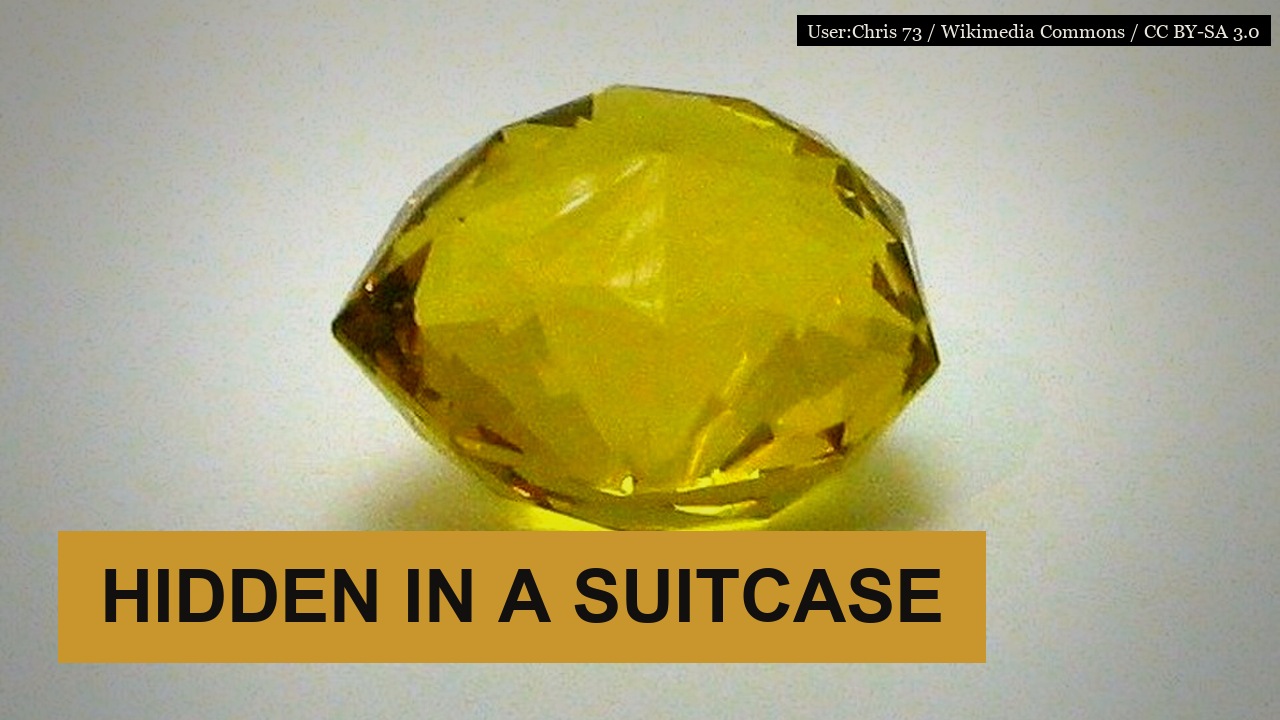
What Really Happened to the Florentine Diamond
For a century, gem historians assumed the Florentine Diamond had been quietly sold and cut into unrecognizable pieces. It had not moved an inch since 1940.
-
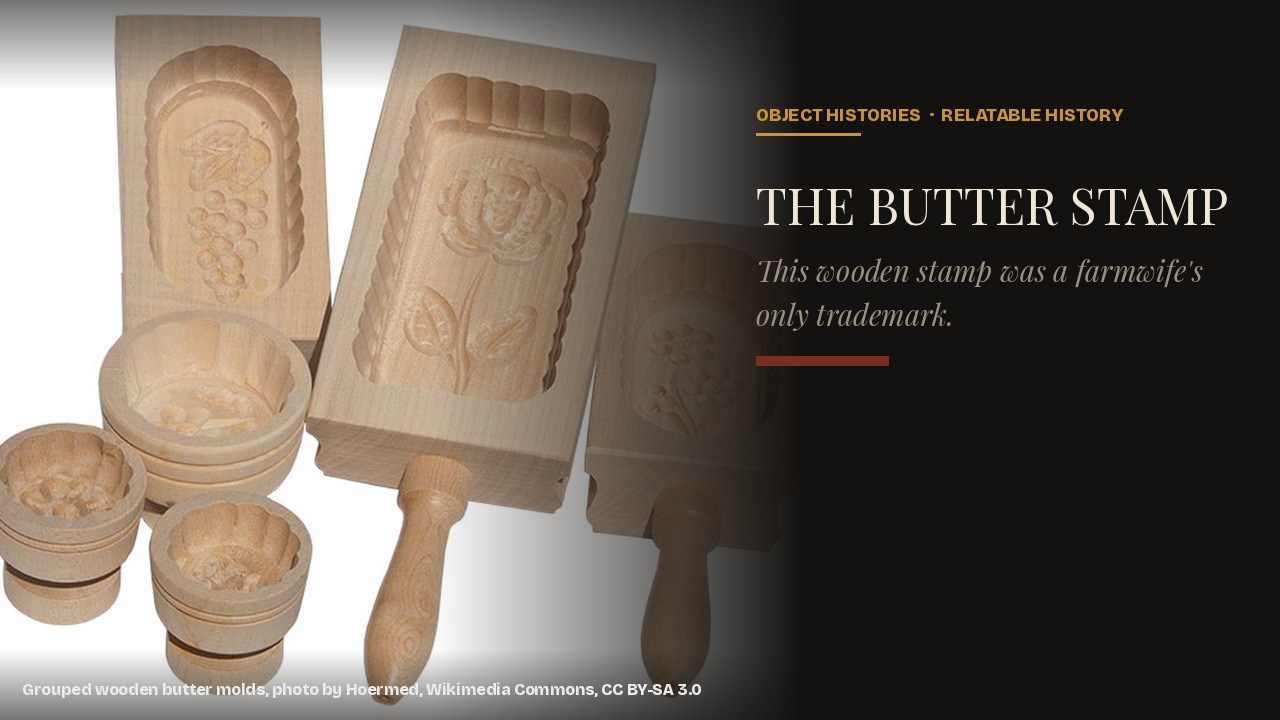
Why Margarine Was Illegal in America for Almost a Century
For most of a century, selling the wrong-colored spread could mean a fine or jail. One of the two Supreme Court cases it produced is still cited today on how far a tax can go.
-
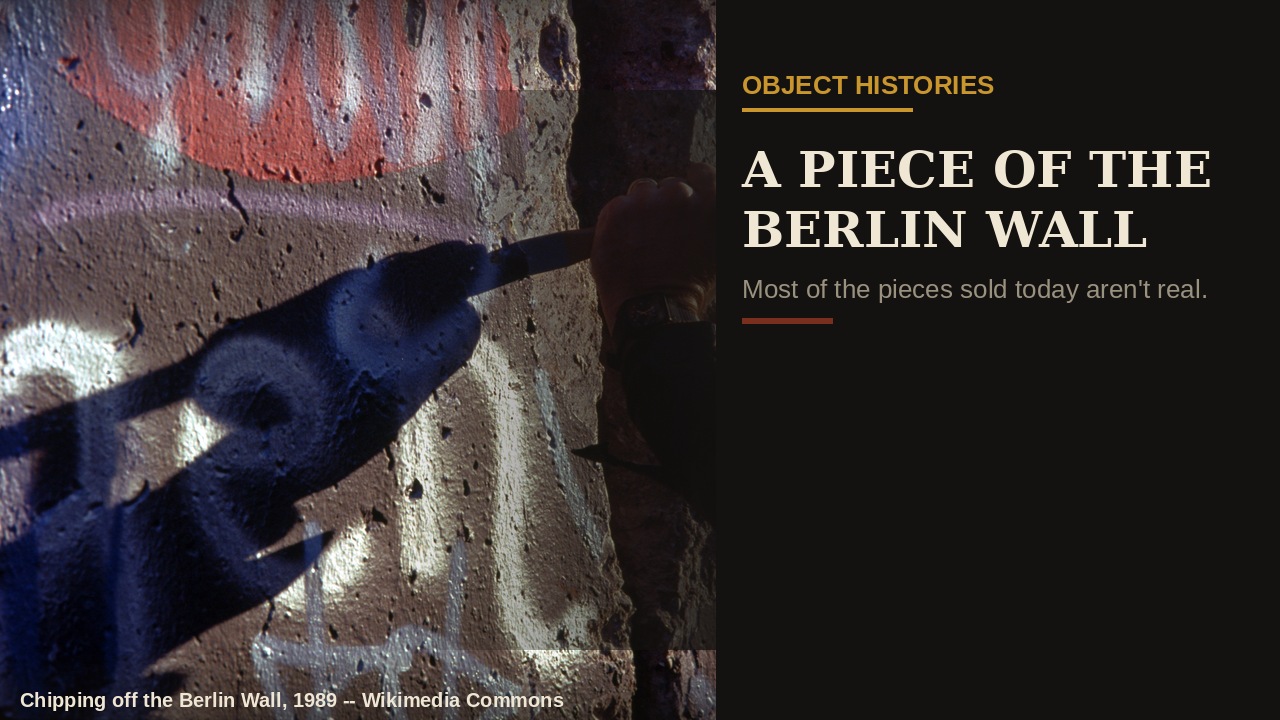
How to Tell Real Berlin Wall Pieces From the Fakes
East Germany tore down its own wall, then sold chunks of it for hard currency through an export monopoly, a Monaco auction, and at least one lawsuit over stolen graffiti.
-
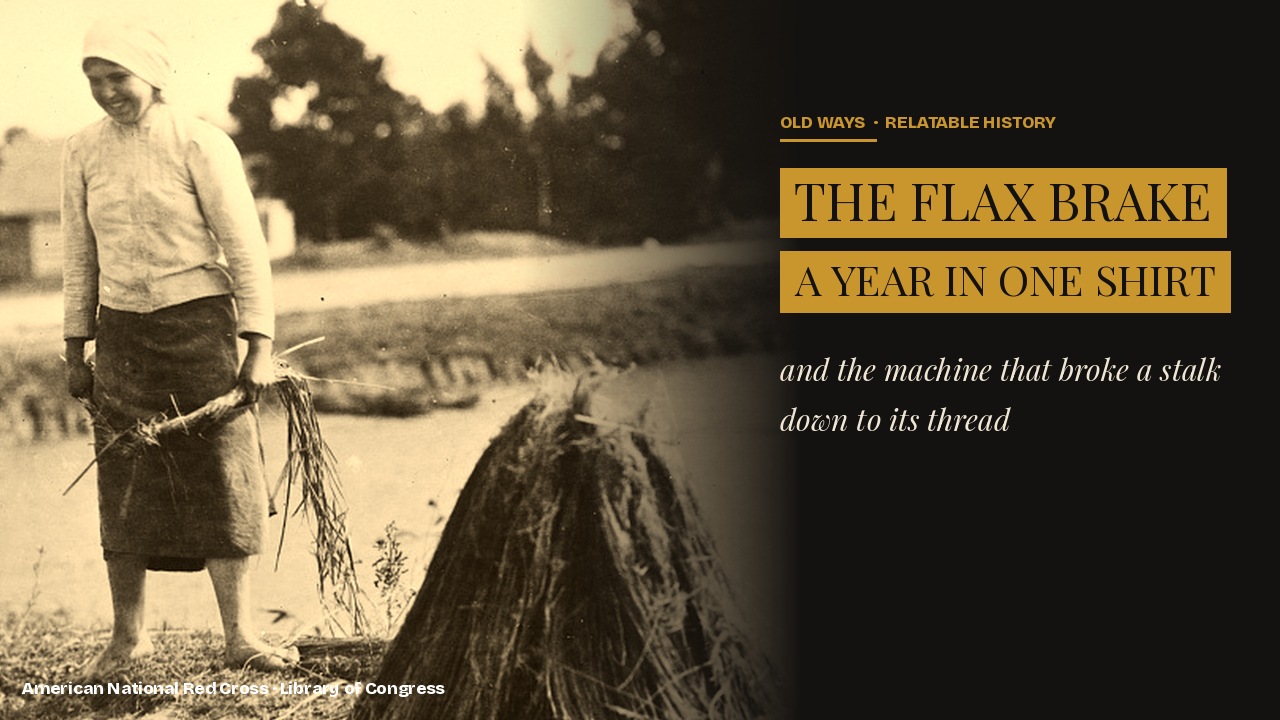
Why Flax Never Became an American Industry
Cotton got the gin. Wool got the jenny and the water frame. Flax got almost nothing, in America at least — while across the Atlantic, the same fiber built an entire industrial city. This is why the flax brake never had an American factory to retire to.
-
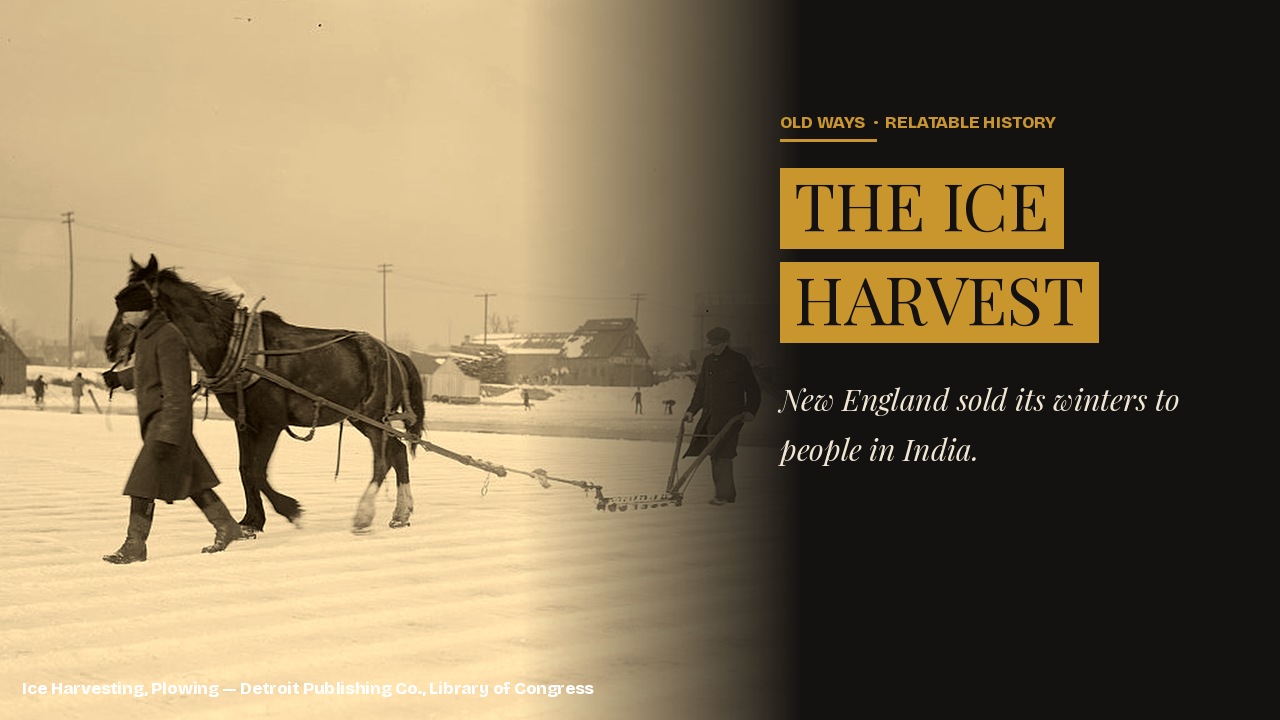
Inside the 19th-Century Ice Harvesting Industry’s Boom and Bust
Cutting and hauling pond ice once employed tens of thousands of workers every winter and built Maine river towns almost overnight, until a rival trade across the Atlantic and a factory in Calcutta undercut it from both ends.
-
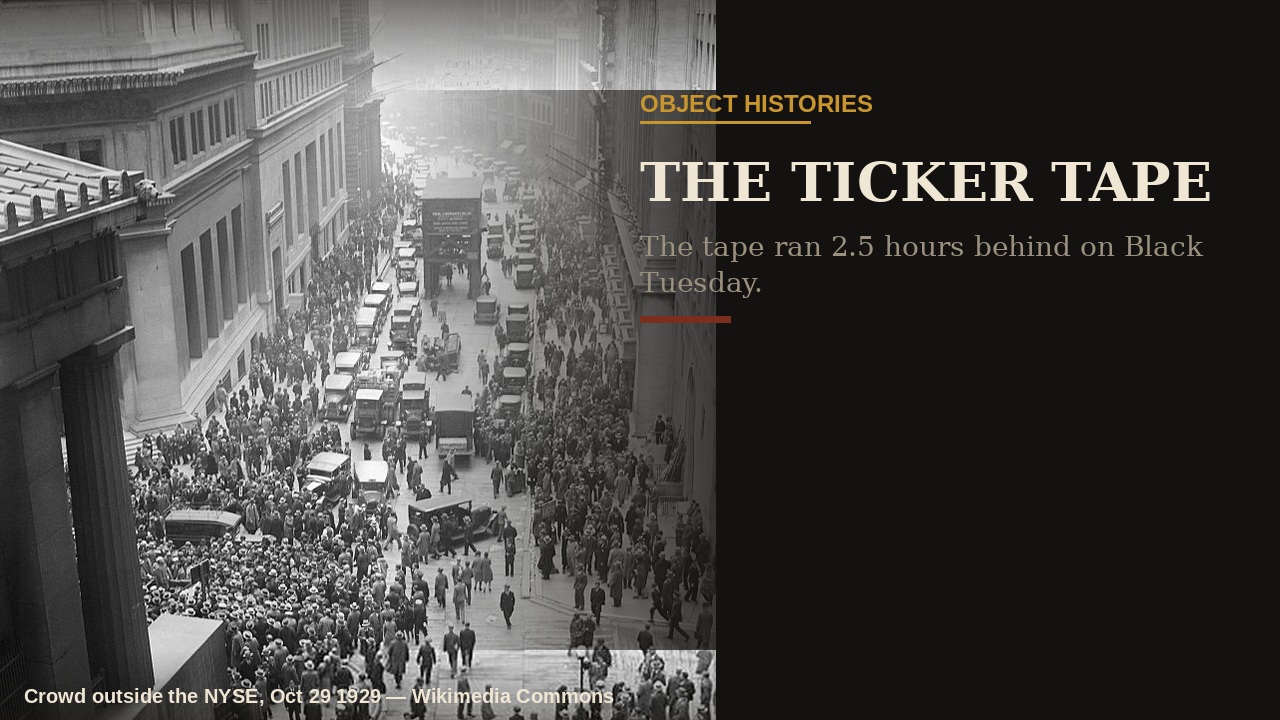
The History of Ticker Tape Parades Starts With a Broken Wall Street Machine
Wall Street’s confetti used to be real paper, printed by the same machine that couldn’t keep up on its worst day. Here’s how one telegraph printer created both a crisis and a tradition.
-
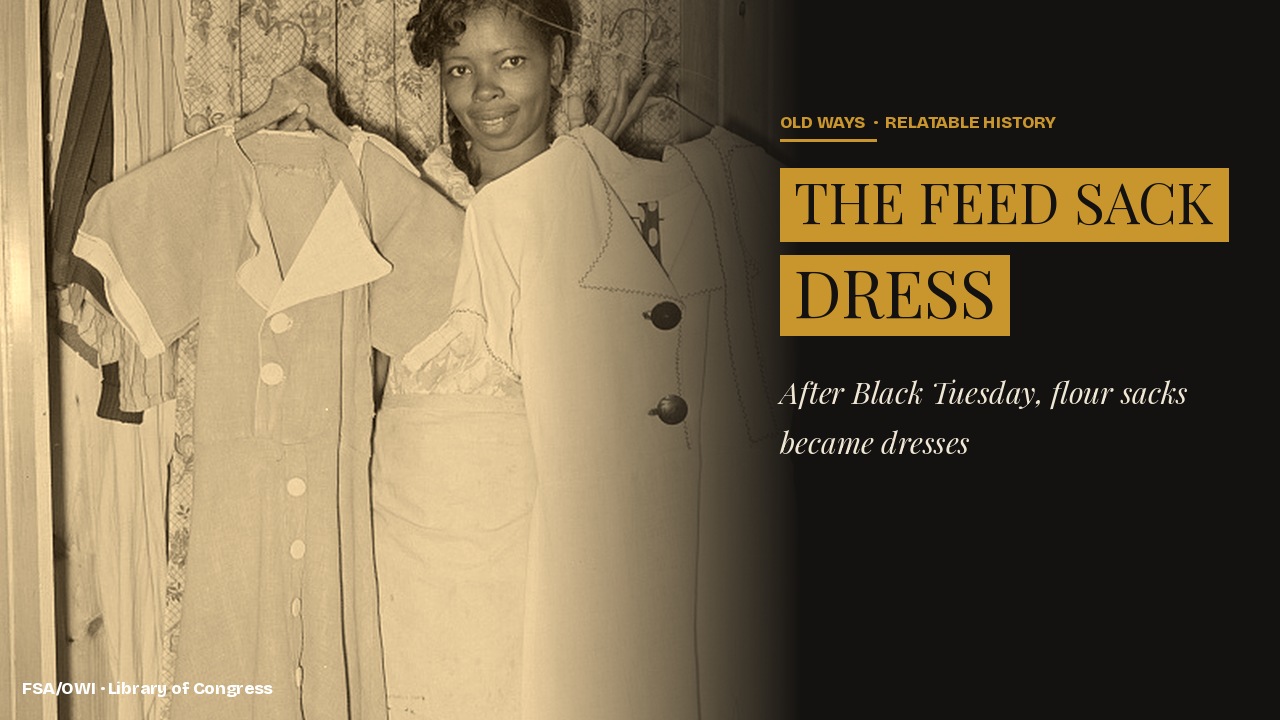
The Cotton Bag Sewing Contest That Outlived the Great Depression
Long after the Depression that made feed-sack sewing a necessity, the bag industry invented a national sewing contest to keep farm women buying patterned sacks — and some of the winning dresses ended up in the Smithsonian.
-
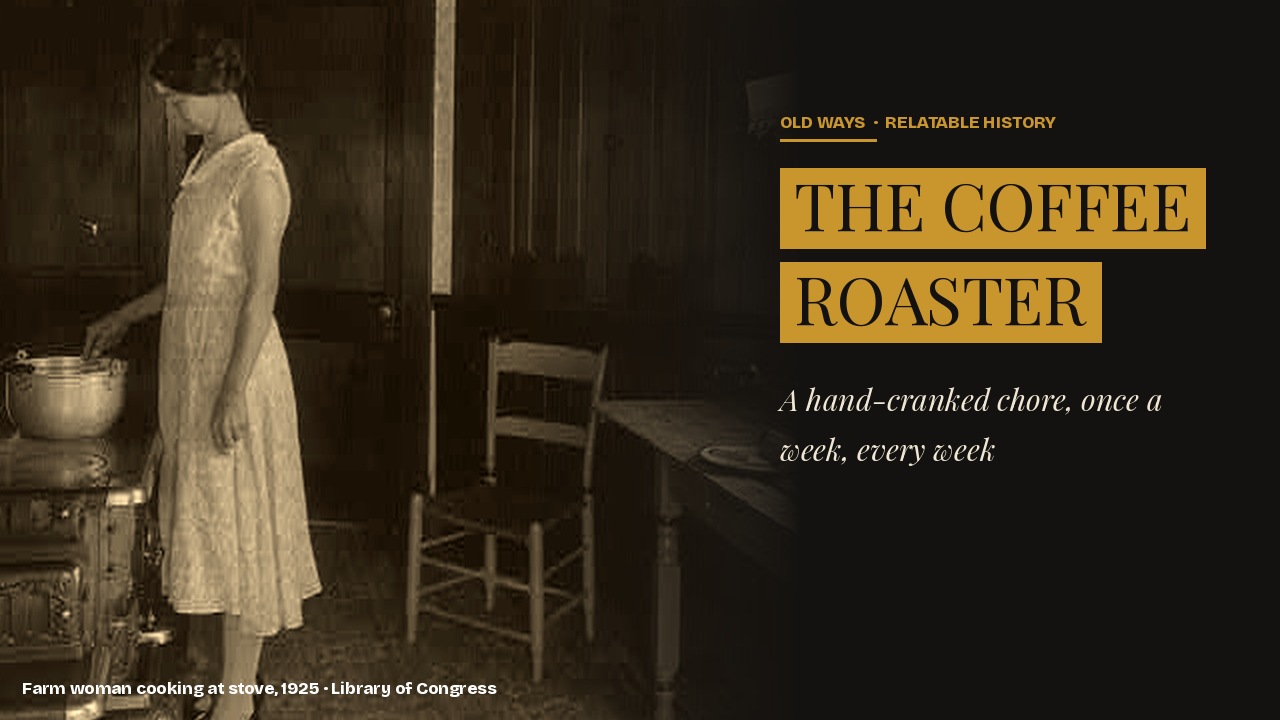
How Arbuckle’s Ariosa Coffee Ended a Weekly Farm Kitchen Chore
A Pittsburgh grocer’s egg-and-sugar glaze patent, a Civil War coffee crisis, and a federal law’s fine print: the real story behind why most Americans stopped roasting their own coffee.
-
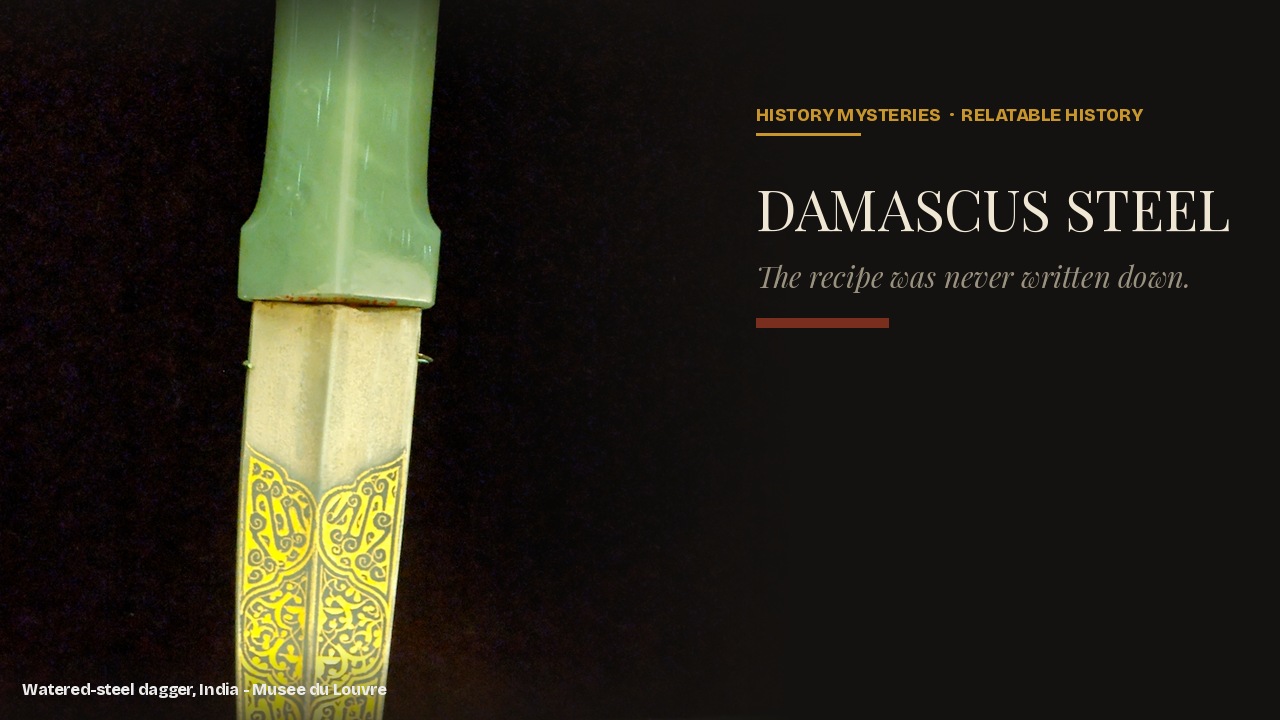
Where Damascus Steel Was Made (It Wasn’t Damascus)
The real source of “Damascus” steel was a cluster of furnace villages in India, not a forge in Syria — and the trade that moved it west collapsed before anyone recorded exactly how it was made.
-
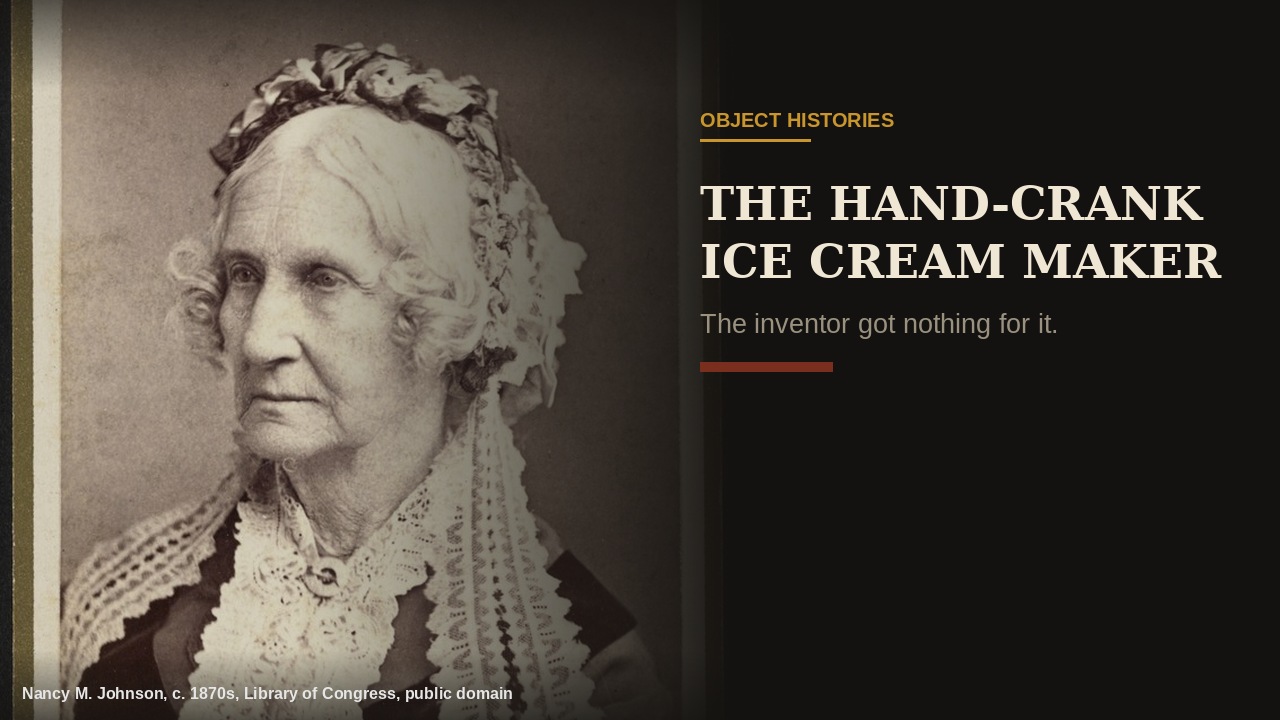
Who Invented the Ice Cream Freezer? The 1843 Patent, and the Man Who Profited Without One
Two people shaped how America eats ice cream in the 1840s, and only one of them is widely remembered. Here’s the 1843 patent, the Baltimore rival who improved on it, and the Philadelphia confectioner who got rich without ever filing one.