
In the 1880s, an American etiquette manual warned that a visiting card’s “texture, style of engraving, and even the hour of leaving it” could place a complete stranger in “a pleasant or a disagreeable attitude” before he had said a single word. That line, from John H. Young’s Our Deportment, is the clearest evidence of something modern readers tend to miss about Victorian calling card etiquette: it was not a quaint formality layered on top of socializing. They were the negotiation itself, conducted in engraved paper, before either party had agreed to speak.
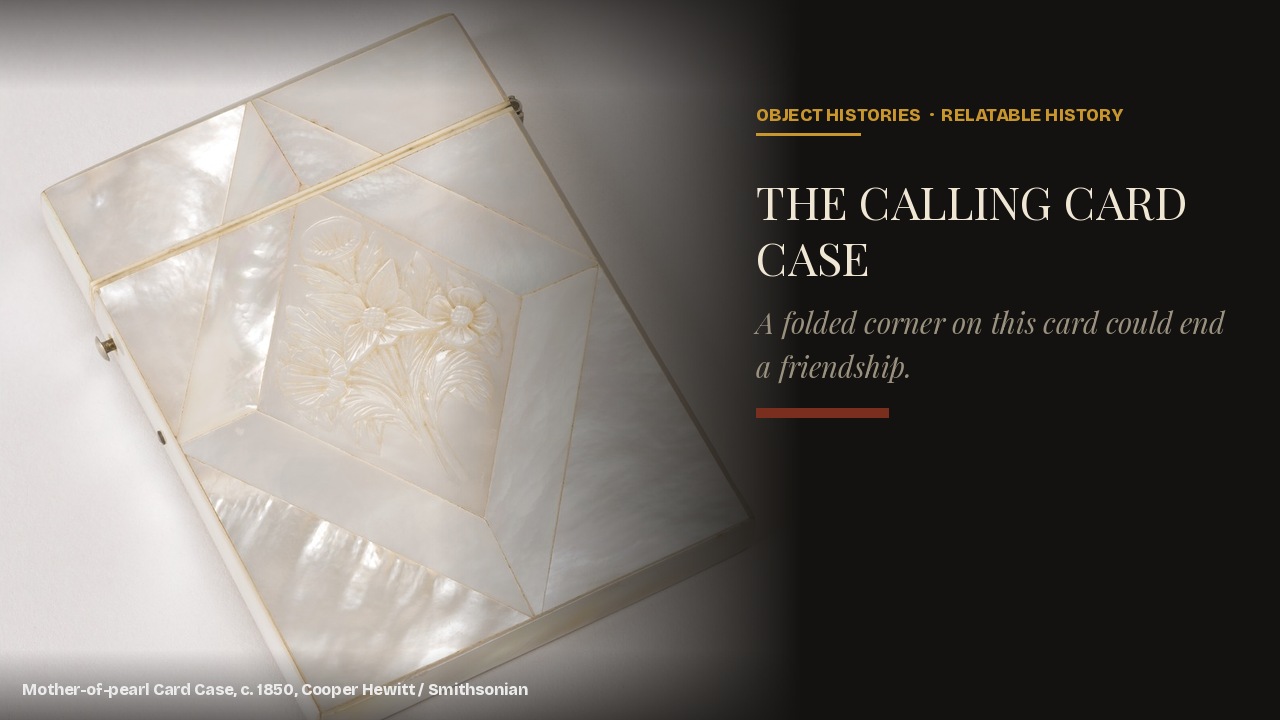
The rules governing them were specific enough to be memorized and strict enough to end a friendship over a misfolded corner. A case carved from mother-of-pearl announced one kind of household; a slim silver one, barely wider than its contents, announced another. And standing between a caller and the person they hoped to see was, almost always, someone whose name nobody bothered to record: a servant, trained to read a card’s signals and decide, on the household’s behalf, who got in.
What follows is the actual mechanics of that system: how a card was made and read, what a folded corner could mean, who was allowed to carry one in person, and why, within a single generation, the entire elaborate apparatus simply stopped.
Victorian Calling Card Etiquette Began With a Servant, Not a Host
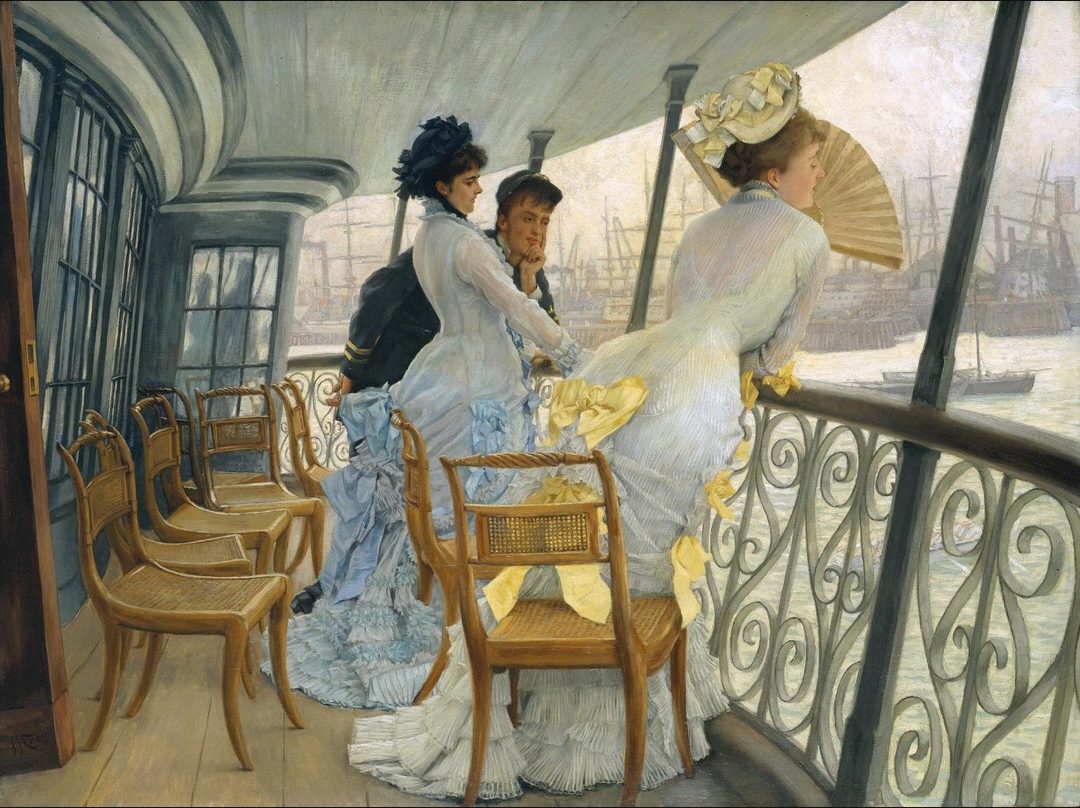
Formal calls had a narrow, well-known window: late morning into early afternoon, with a visit expected to last around twenty minutes. A caller arriving at the door handed a card to a servant rather than knocking and announcing themselves, and the servant, not the host, made the first decision — whether the household was receiving at all that day, and whether this particular visitor was worth interrupting it for.
If the lady of the house was unavailable, or simply did not wish to be disturbed, the card was left on a silver tray in the entrance hall rather than returned to the caller. That tray was not a neutral piece of furniture. A full tray signaled a desirable household, and the cards on it were arranged by the visitor’s rank, with the most socially prominent names kept on top where the next guest — or the next card-reader — would see them first.
Young’s manual makes the logic explicit for group visits: a caller did not hand over one card per family member living in the house. “The card for the lady may be folded so as to include the family,” he wrote — a single piece of pasteboard, creased down the middle, standing in for an entire household’s worth of goodwill. Simplicity was the point. A caller who misjudged any of it — the wrong hour, the wrong fold, a card handed over in person when it should have been sent — had announced something about themselves that no one needed to say out loud.
The Card Itself Was Built to Signal Status Before Anyone Read the Name
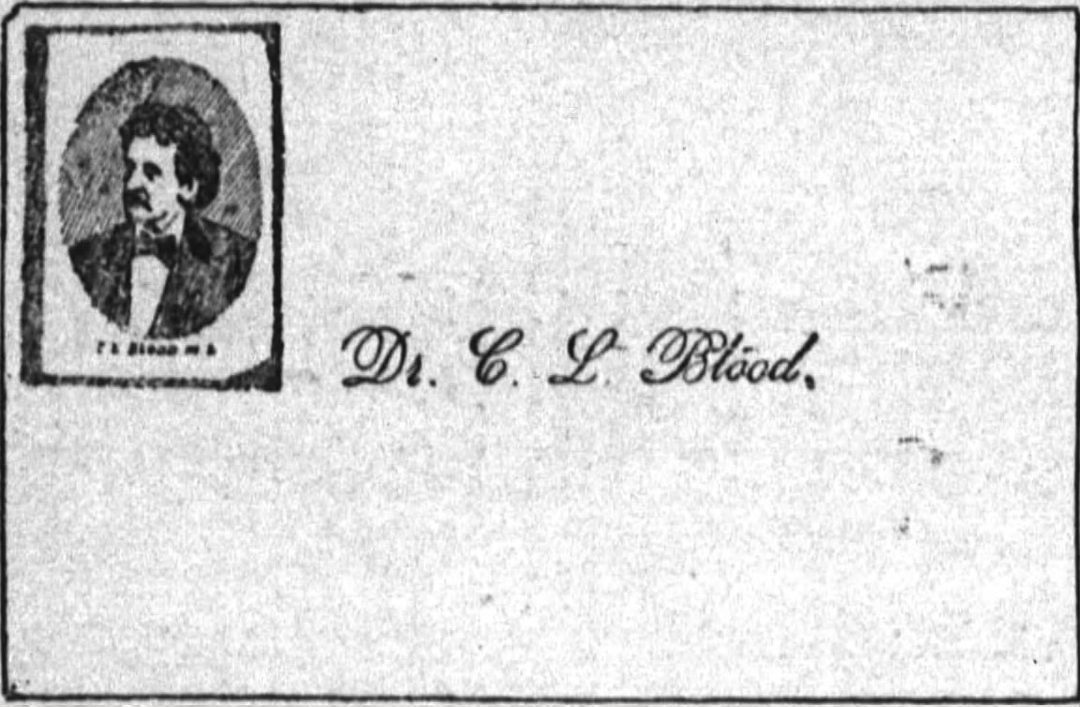
Young was precise about what a correct card looked like, down to the finish of the paper: “Its texture should be fine, its engraving a plain script, its size neither too small” nor ostentatiously large. Flourished lettering, elaborate borders, and anything that looked like it was trying too hard marked a card as provincial or nouveau, exactly the impression a status-conscious caller wanted to avoid.
Size carried its own meaning, and it differed by sex. Women’s cards ran larger, in keeping with the more elaborate social calendar married women were expected to manage. Men’s cards, and the cases built to hold them, were made deliberately slim and narrow enough to disappear into a waistcoat or breast pocket — a gentleman was not expected to carry a visible accessory for his social life the way a woman was.
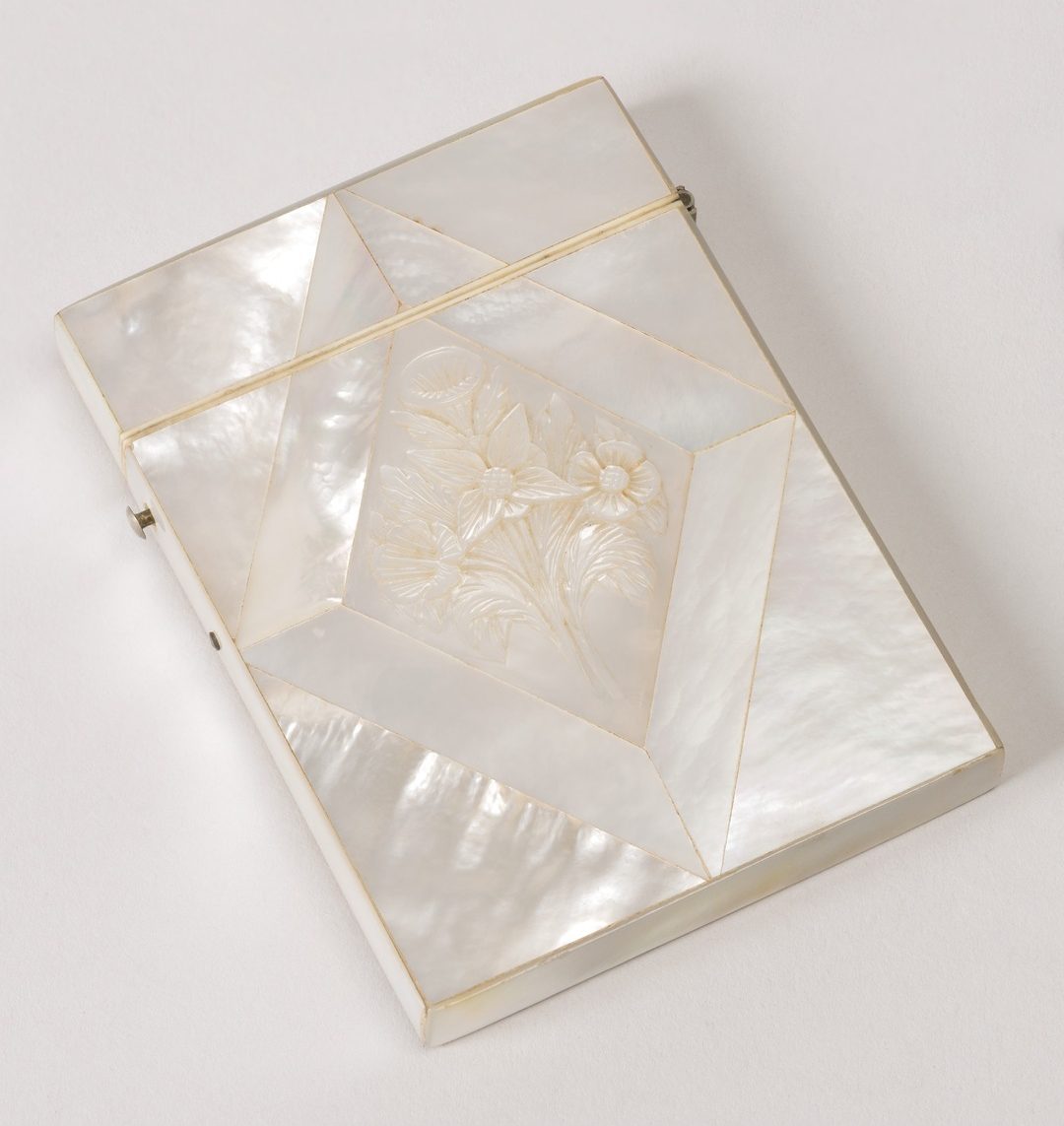
That gender split carried straight through to the case itself. A woman’s card case was often gilded, inlaid, or carved — an object meant to be seen in her hand, closer to jewelry than stationery. A man’s was engineered to vanish, the social equivalent of a dark suit: present, necessary, and deliberately unremarkable. The same logic Young applied to cards — plain script over flourish, restraint over display — is visible in how the most expensive surviving cases were decorated: not garish, but intricately, quietly worked, the cost obvious only on close inspection.
Folding One of Four Corners Sent an Exact, Memorized Message
The best-documented piece of the whole system is also the one most often garbled in retelling: which corner meant what. Young’s Our Deportment lays out a four-way code, illustrated with a diagram captioned “Card, right hand end turned down — Delivered in Person.” The right-hand upper corner, turned down, signaled an ordinary visit made in person. The left-hand upper corner meant felicitation — congratulations on a marriage or a birth. The left-hand lower corner meant condolence. The right-hand lower corner meant the caller was taking leave, possibly for a long time.
None of this was universal, and it is worth saying so plainly rather than flattening it into a single tidy rule. Paperfolding historian David Mitchell, who has traced depictions of folded cards across French, English, and American sources from the 1840s through the 1920s, found real disagreement between etiquette writers about which corner meant which thing, and even whether the custom was still current by a given decade. One late-Victorian manual called the whole practice “almost out of date” and noted that “even its followers disagreed on minor details” — an etiquette rule unstable enough that the etiquette books themselves couldn’t fully agree on it. Mitchell’s survey also found the custom surviving, in a fading form, much longer than the silver-tray ritual around it: English novelist Evelyn Waugh was still referencing folded cards in 1928, decades after American manuals had started calling the whole practice old-fashioned.
Case Material Told You Exactly Which Household You Were Dealing With
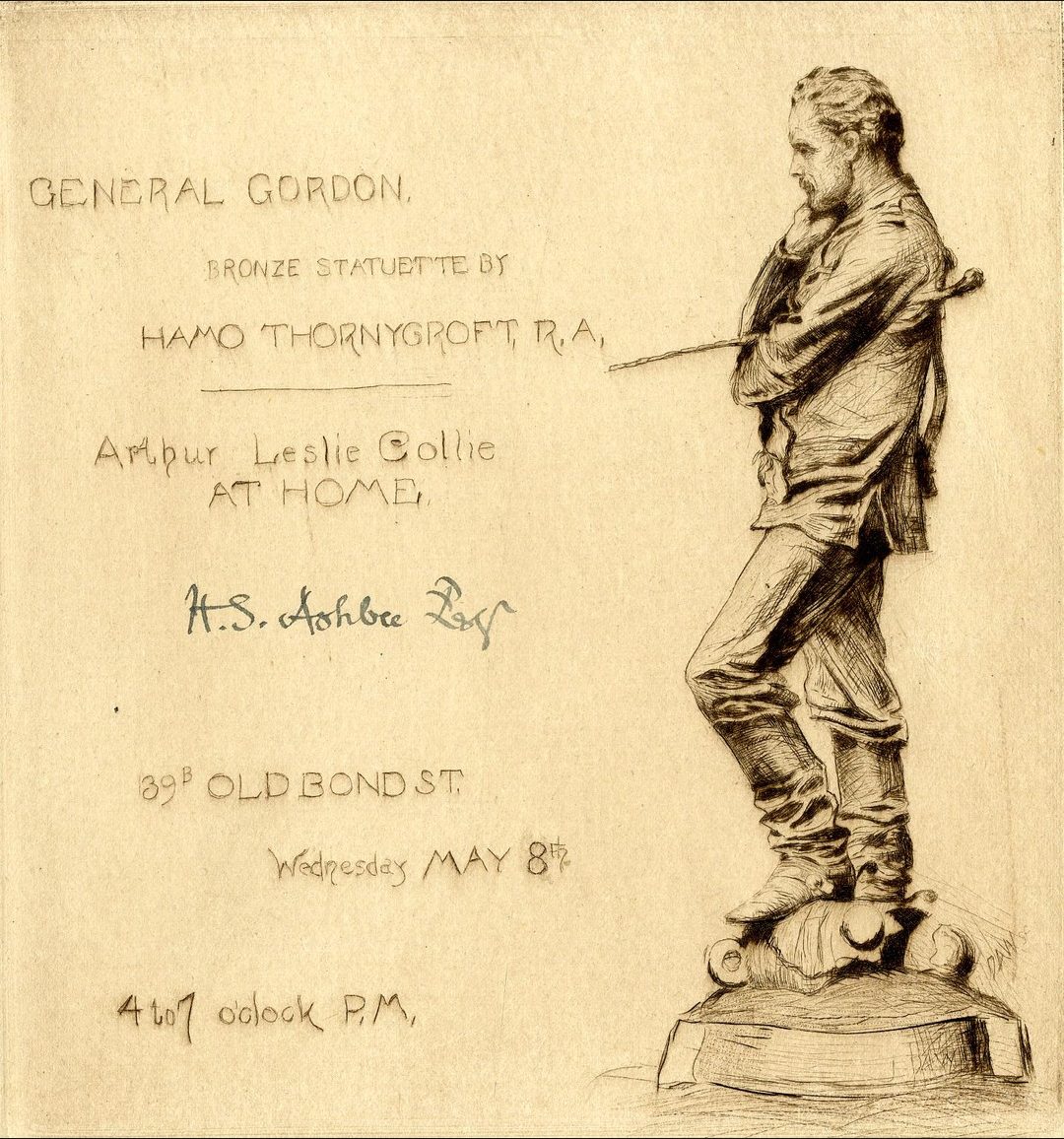
Birmingham was the center of card-case manufacturing in silver, and no maker there was more prolific than Nathaniel Mills & Sons. The firm specialized in what collectors now call “castle-top” cases: the front panel repoussé-worked into a tiny, recognizable image of a famous building — a cathedral, an abbey, a landmark house. One surviving Mills case from 1845–46, now in the Smithsonian’s Cooper Hewitt collection, carries a castle worked into chased and moulded sheet silver barely three and a half inches tall. These were, in effect, souvenirs for an age of expanding domestic tourism, repurposed as an everyday social accessory.
Silver itself was about to get more affordable. In 1852 the Birmingham firm Elkington & Co. — which held the key patents on electroplating — produced a parcel-gilt card case designed by George Stanton, shown at the Exposition Universelle in Paris in 1855 and the International Exhibition in London in 1862. The Victoria and Albert Museum, which bought an example in 1854 as a specimen of good contemporary metalwork, notes plainly what electroplating did to this market: it let the middle classes copy, in cheaper plated metal, a habit of display that had previously belonged to households who could afford solid silver.
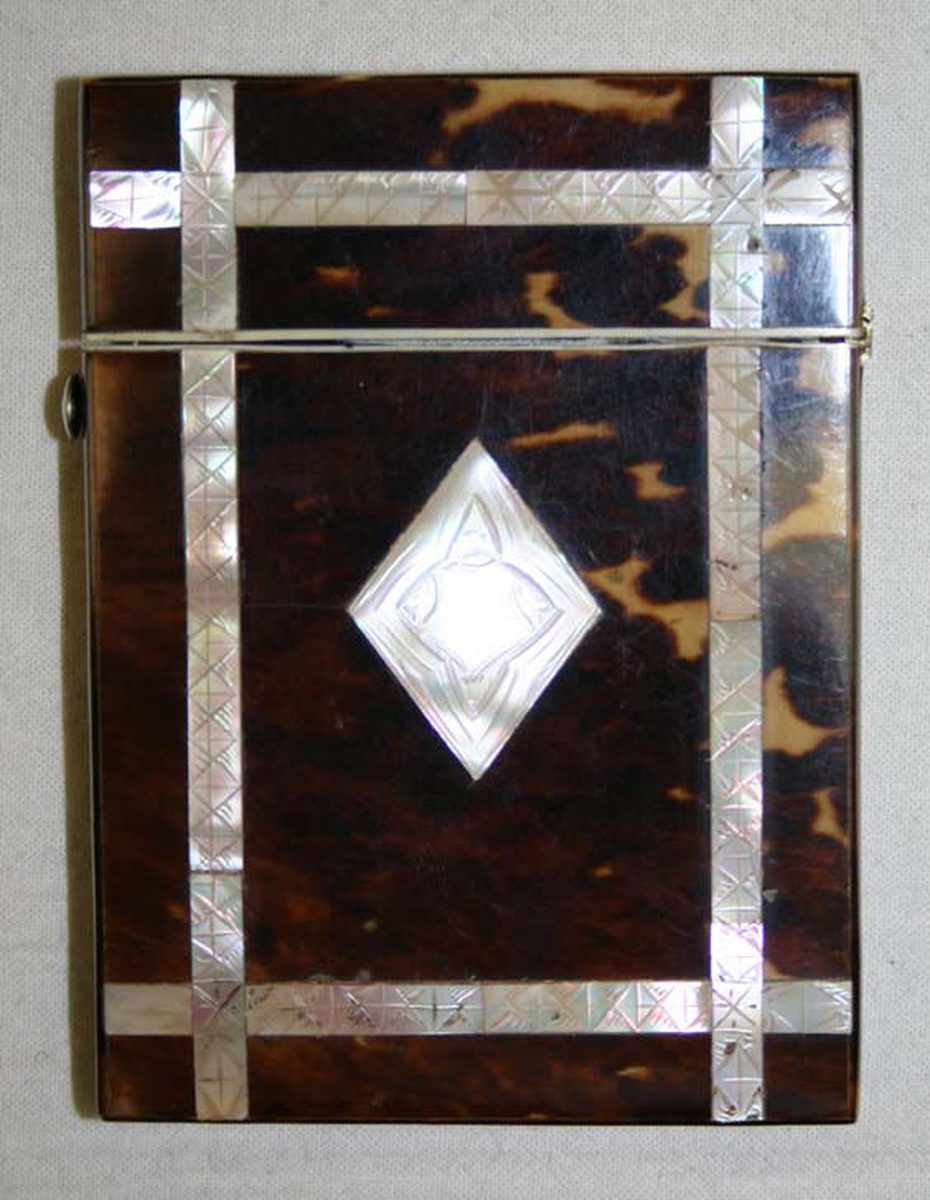
Beyond metal, cases were carved from tortoiseshell imported and worked by Chinese workshops for the Western export trade, veneered or inlaid with mother-of-pearl, or built from painted papier-mâché, the shell often decorated with floral bouquets. A tortoiseshell case banded in cut mother-of-pearl, of the kind now in the Metropolitan Museum’s collection, combined two imported, hand-worked materials in a single small object — the furthest possible distance, in price and labor, from a plain printed card. None of these cases needed to hold more than a handful of cards at once; the point was never storage capacity, it was the five seconds in which the case itself was visible before it disappeared back into a pocket or reticule.
P.P.C. Meant You Were Leaving, Possibly for Good
The three letters are usually explained as an abbreviation of the French pour prendre congé, “to take leave.” American etiquette writers did not always agree even on that: Young glossed the same three letters in English as a card that “presents parting compliments,” a convenient backronym that fit the same initials without crediting the French phrase at all — a small, telling disagreement about an abbreviation that had clearly been absorbed into English etiquette faster than its origin had.
Whichever gloss a household preferred, the function was consistent. A P.P.C. card, sent round to one’s whole circle before a long absence, substituted for a round of farewell visits nobody had time to make in person. Young specified that “in taking leave of a family, you send as many cards as you would if you were paying an ordinary visit” — the departure got the same formal weight as the relationship itself had been given, card for card. Brides-to-be used the same convention to notify friends of an impending marriage in place of a final call, and a card folded at the lower left corner, left wordlessly at a house in mourning, let a caller express condolence without the awkwardness of finding the right thing to say to a grieving family in person.
The System Collapsed Within a Generation
None of this required electricity, a postal reform, or new technology to end it — just a faster way to reach people directly. As home telephone service spread through the early twentieth century, the entire point of the calling card — announcing yourself to a household without first having to reach anyone in it — stopped being necessary. By most accounts the custom persisted in a diminished form until the Second World War, after which the business card quietly absorbed its remaining social functions: a name, a few credentials, handed over as an introduction rather than folded into a coded request for forgiveness, congratulation, or goodbye.
What makes the system worth remembering is not its strangeness but its purpose. A fast-growing nineteenth-century city put total strangers within walking distance of one another’s front doors for the first time, and the calling card — backed by a case worth exactly what its owner could afford, and read by a servant trained to do it — was the compromise Victorian households reached with that problem. It let them vet a visitor’s social standing without the awkwardness of asking directly, using nothing but paper, a fold, and a silver tray. A household today still needs some way to decide who gets let in; it has just traded the servant and the tray for a caller-ID screen and a muted phone.
Watch the full history
The video version covers the hook, the card tray, and the four folded corners in about five and a half minutes.

Related reading
- Sealing Wax and Signet Rings: The Secret History
- How Fire Alarm Telegraph Boxes Worked
- The Telephone Companies America’s Farmers Built Themselves
- Wash Day Before Washing Machines Started With a Patent Fight
Shop this history
Two objects connected to this story, both linked through our Amazon Associates storefront.
- The Essential Handbook of Victorian Etiquette, Thomas E. Hill — a modern reprint of one of the original manuals these rules came from.
- Mother-of-Pearl Style Card Case — a modern case in the same material Victorian women carried.
Works cited
- Young, John H. Our Deportment, or the Manners, Conduct, and Dress of the Most Refined Society. Detroit: F. B. Dickerson & Co., 1885. Link.
- Moore, Elizabeth. “Calling Cards.” Cornerstone Contributions, Virginia Department of Historic Resources, March 2, 2022. Link.
- Rusch, Barbara. “The Secret Life of Victorian Cards.” Ephemera Society of America, November 30, 2019. Link.
- Mitchell, David. “A History of the Folding of Visiting Cards.” The Public Paperfolding History Project, 2024. Link.
- “Visiting Card Cases.” Hampshire Cultural Trust Collections. Link.
- Victoria and Albert Museum. “Card Case,” Elkington & Co., 1852, museum no. 1302-1854. Link.
- Cooper Hewitt, Smithsonian Design Museum. “Card Case,” Nathaniel Mills & Sons, Birmingham, 1845–46, accession 1931-48-97.