
Modern Era
1900 to the present: the world wars, mass consumer culture, electrification, and the recent past that still shapes the objects around us.
-

The True Story Behind the Flannan Isles Lighthouse Mystery
The famous overturned chair and untouched meal are not real. Here is what the Lighthouse Board’s own investigator found on the rock in December 1900, and how a poem replaced it twelve years later.
-
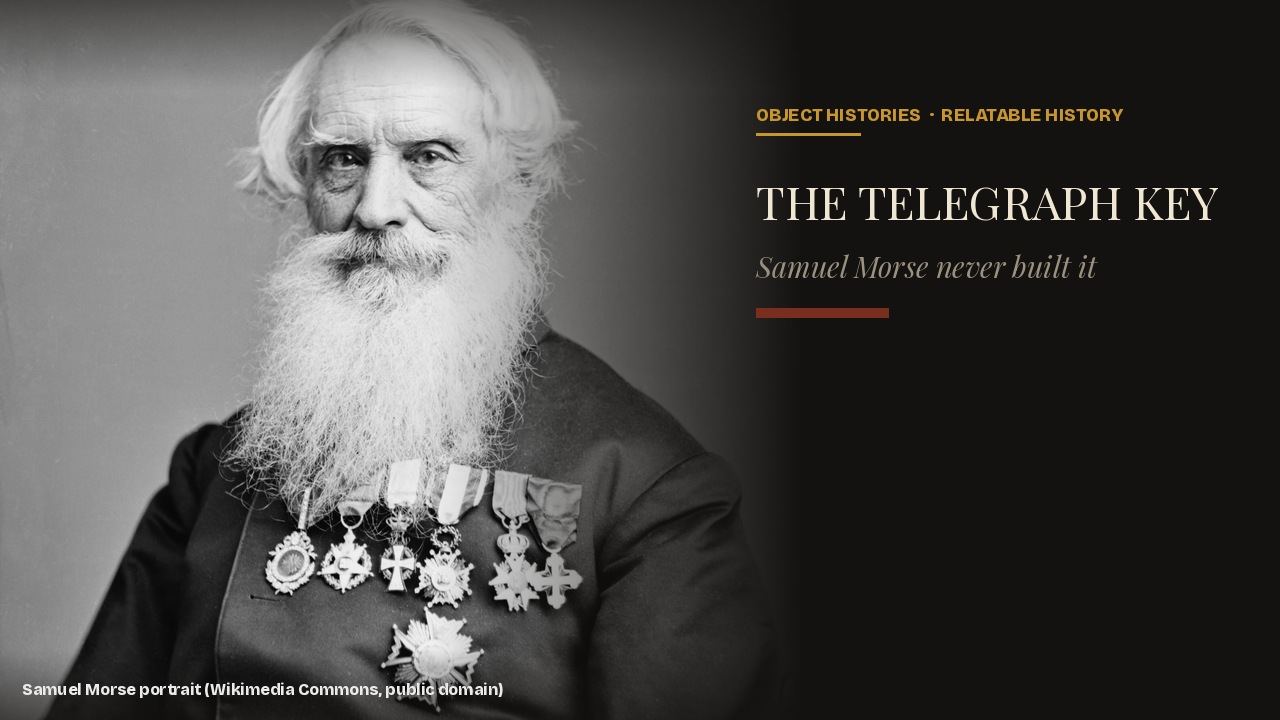
Who Really Invented the Telegraph Key (It Wasn’t Samuel Morse)
The device that bears Samuel Morse’s name was engineered by a machinist named Alfred Vail, who redesigned Morse’s code too. Here is what the patent fight and the archives actually show.
-
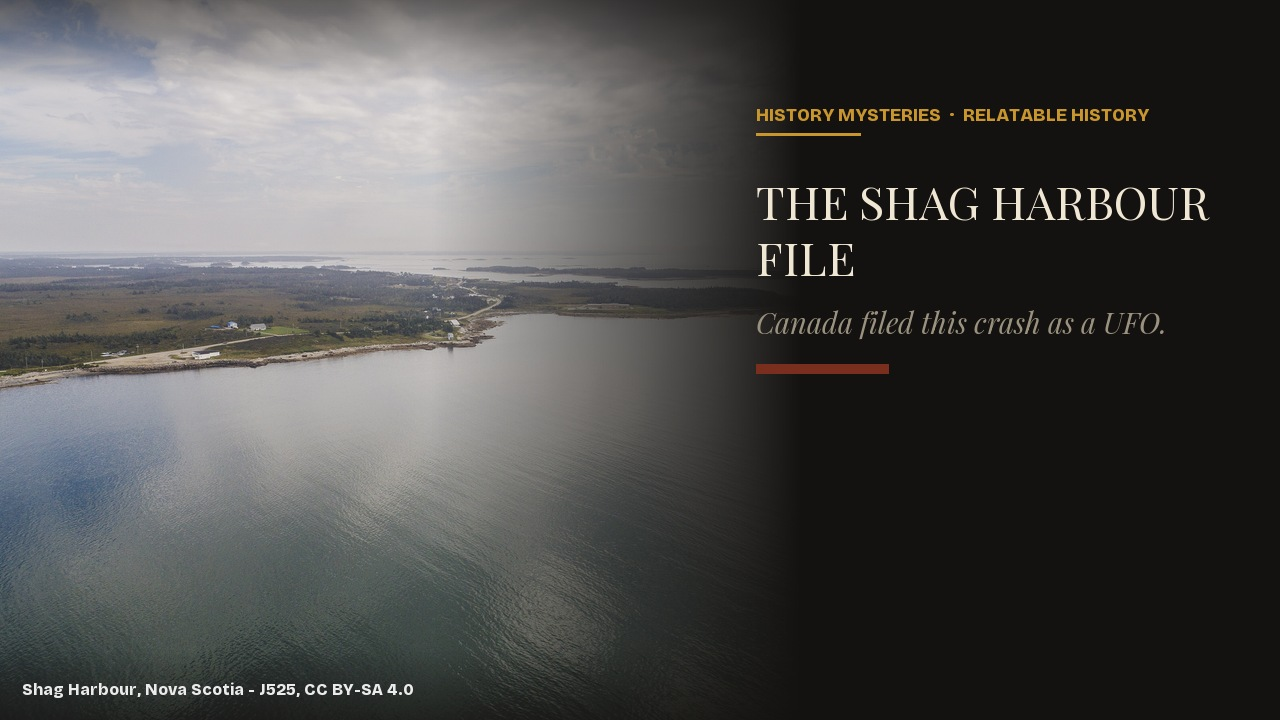
What the Records Actually Show About the Shag Harbour UFO
On October 4, 1967, something came down over a Nova Scotia fishing village and eleven people watched it happen. Here is what the paperwork actually says, fifty-nine years later.
-
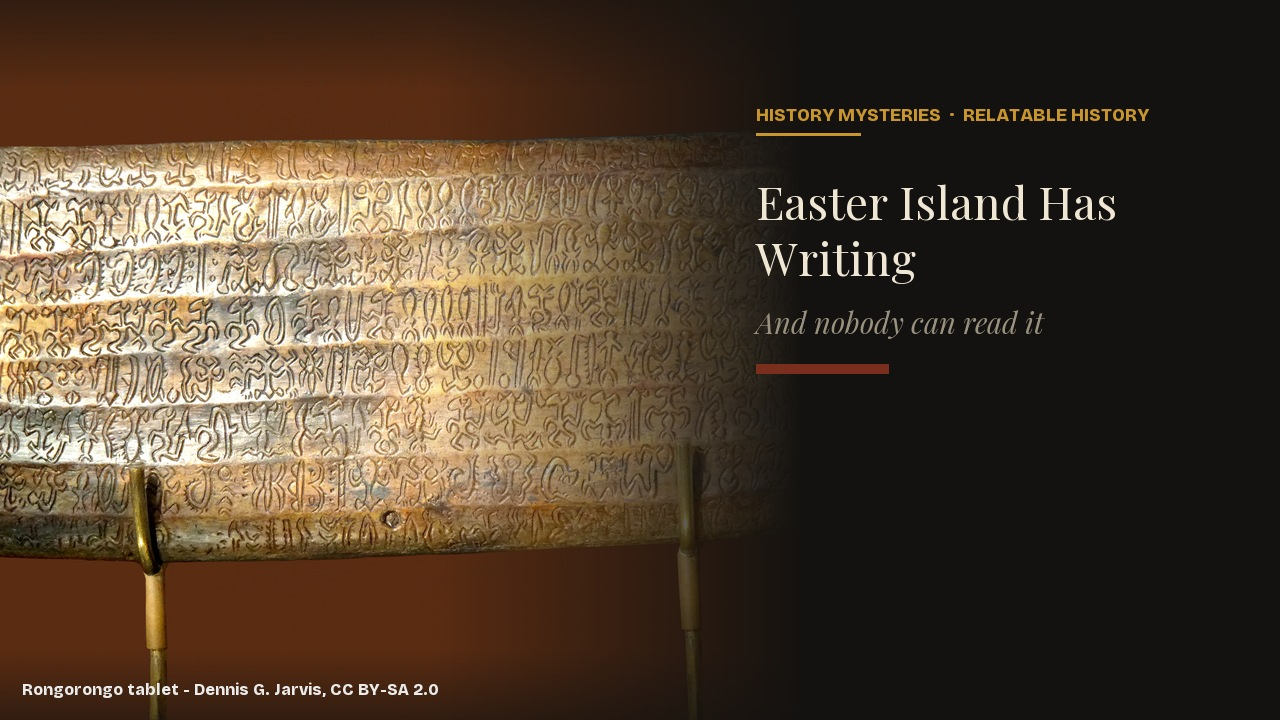
Why Nobody Can Read Easter Island’s Own Writing System
Twenty-six objects, about 14,900 carved glyphs, and one short passage anyone agrees on. Inside the 150-year failure to read Easter Island’s own writing system.
-
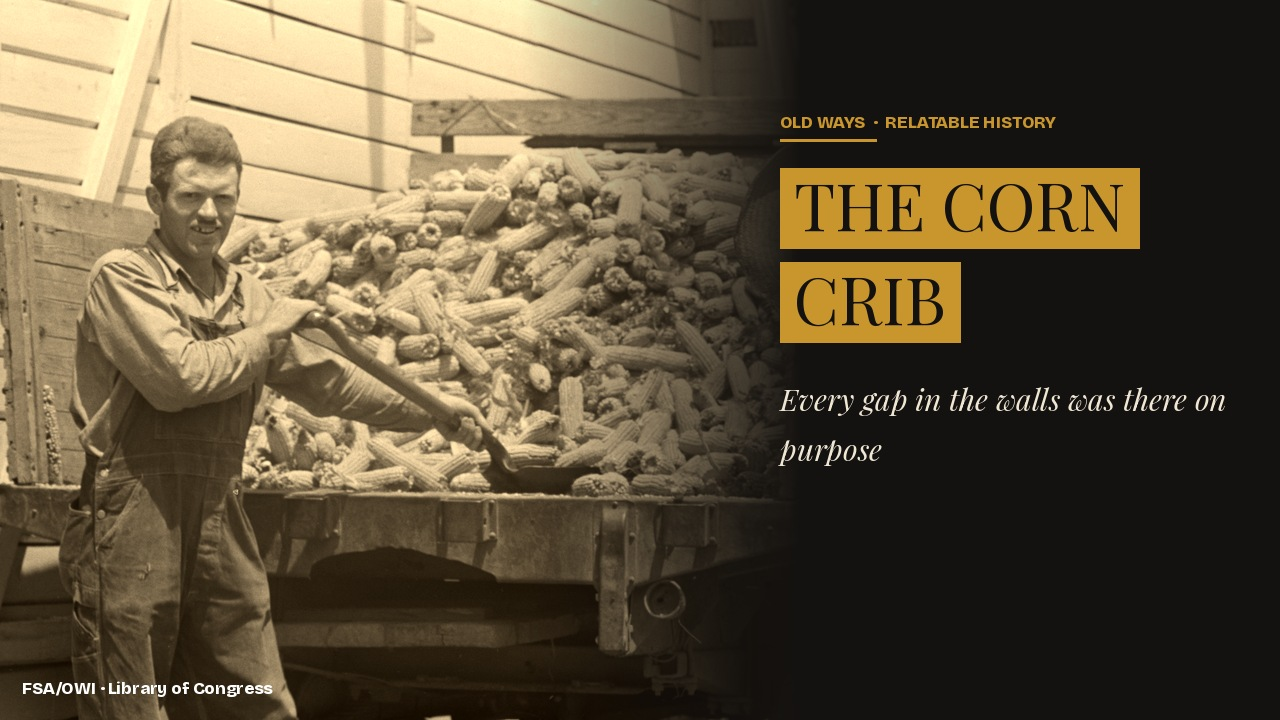
Why a Corn Crib’s Walls Lean Outward, and Why It Never Fell Over
A corn crib’s slats, taper and stilts were not shortcuts or decay. Each one solved a specific problem in keeping a winter’s worth of corn from rotting with nothing but moving air.
-

How Home Food Drying Fed American Farms for 150 Years
Before refrigeration, drying was how a farm survived winter on its own harvest. It also became an export industry, a wartime program, and, twice, a subject of federal instruction.
-

Who Really Invented the Rickshaw? Three Rival Claims, One Vehicle
In 1869 Japan, at least three different people claimed credit for inventing the rickshaw. Thanks to a total absence of patent law, none of them ever won the argument.
-
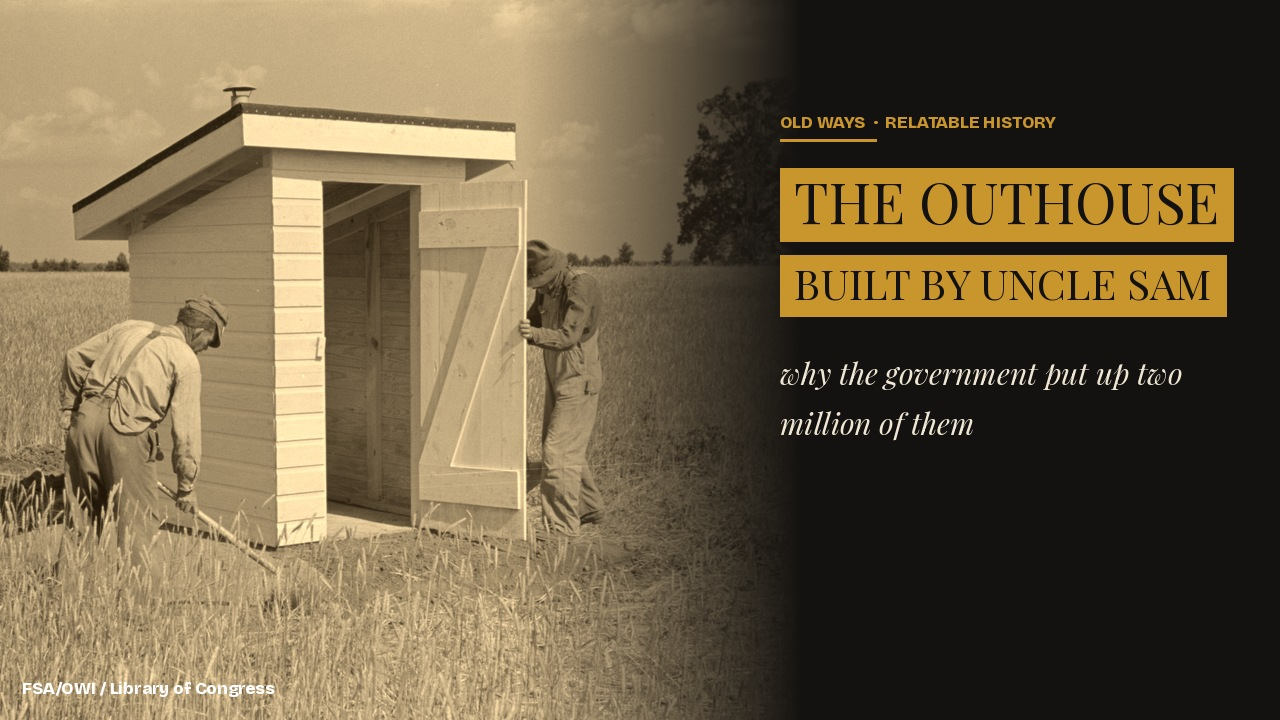
The WPA Sanitary Privy Program That Built Two Million Outhouses
Between 1933 and 1945, federal work crews built 2.3 million concrete outhouses across rural America on purpose, as a public health program. Here is how the sanitary privy actually worked.
-
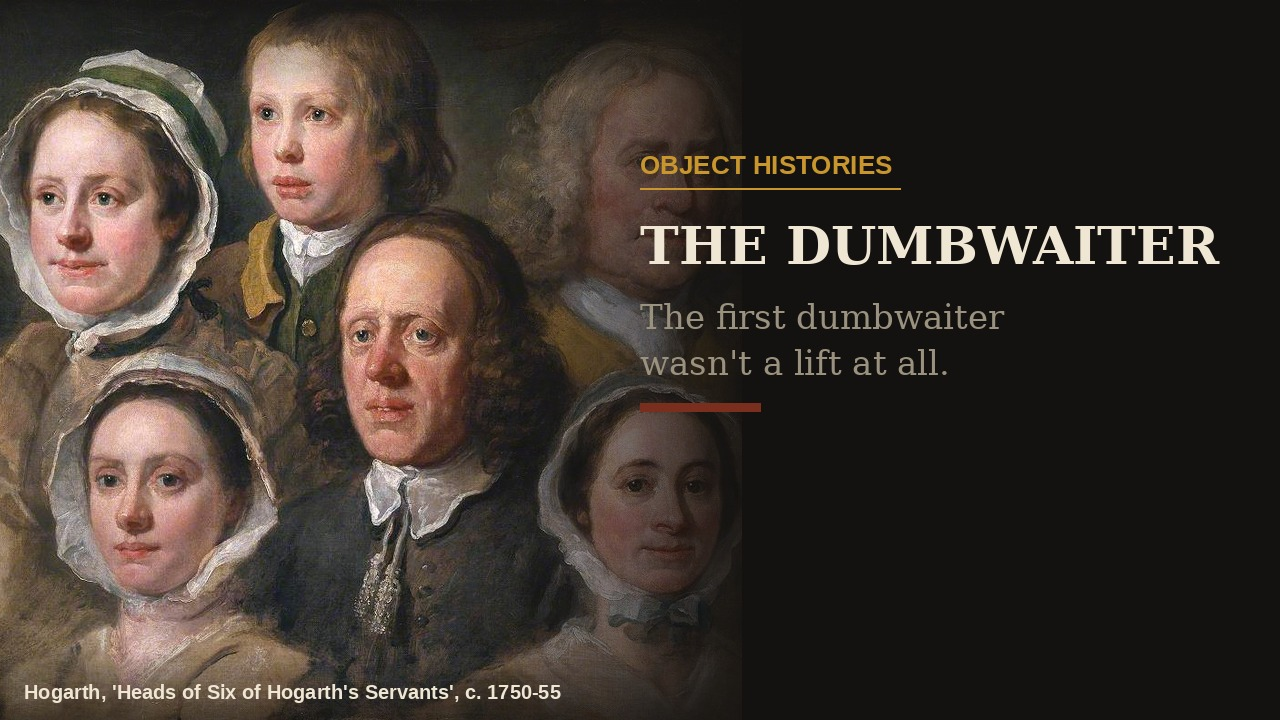
The Real Reason the Dumbwaiter Was Invented
A dumbwaiter’s whole job was to make a person disappear. Thomas Jefferson used one to silence his enslaved servants; the CIA later used one to move classified files.
-
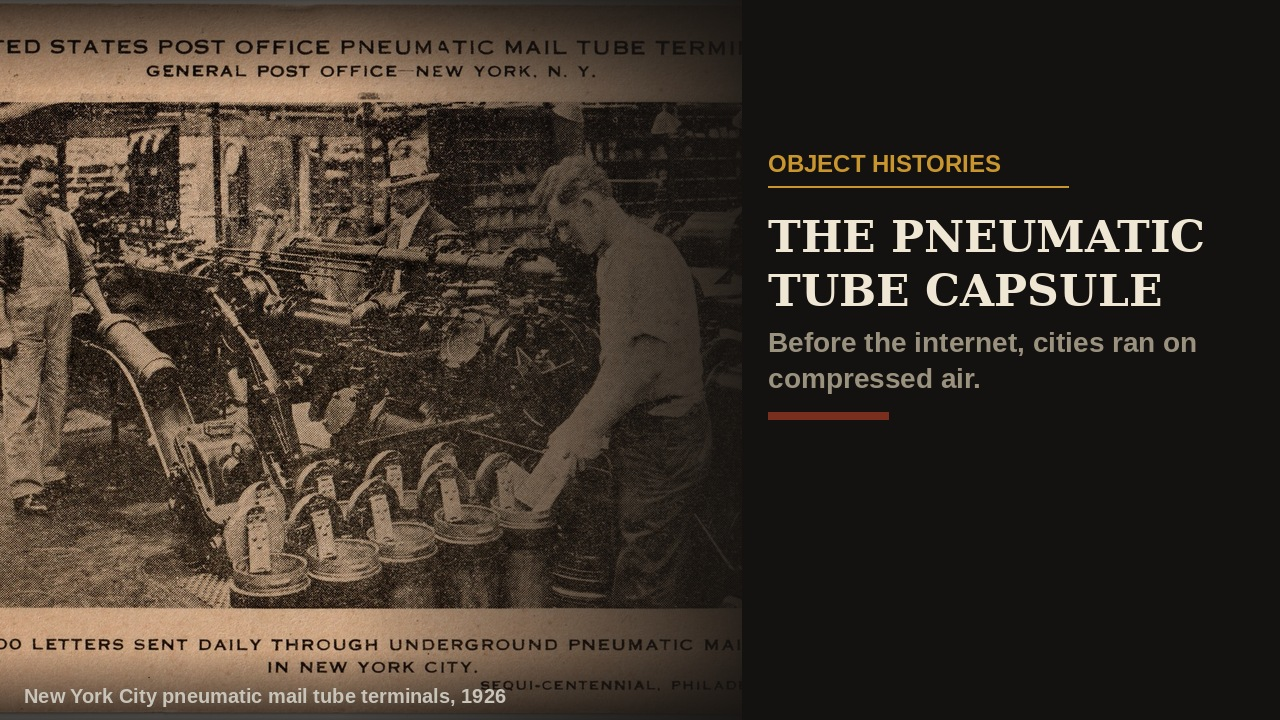
Inside the Pneumatic Tube Networks That Once Ran a City’s Mail
At its peak, New York’s pneumatic tube mail network moved more than half the city’s letters underground at 30 miles an hour. Here is how that system, and half a dozen others like it, actually worked.