
The long, surprising journeys of everyday objects: why your car key is called a fob, how the inkwell lasted 3,000 years, and where the things in your house really came from.
Each story below is the full, sourced article and includes its video. Just want to watch? See every Object Histories video →
-
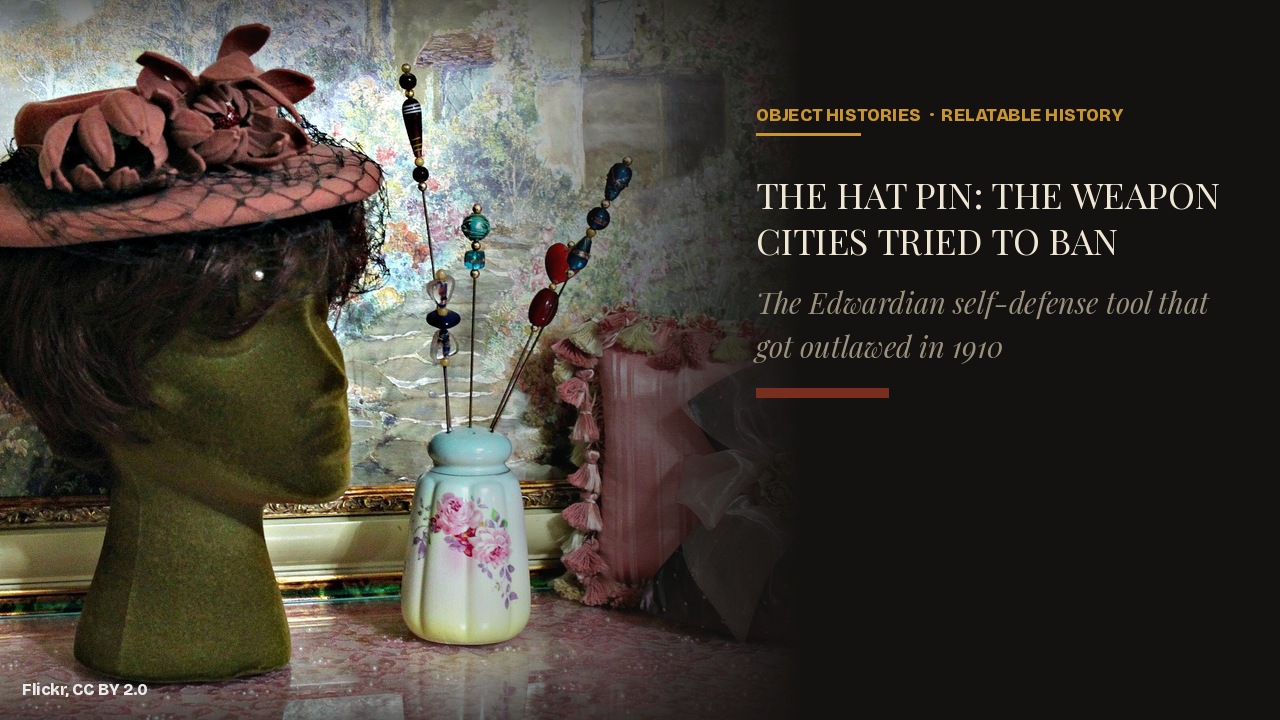
The Hatpin Peril: How a Fashion Pin Became an Outlawed Weapon
A steel pin built to anchor an Edwardian hat became a weapon women used against street harassers, and then the very thing a string of city councils tried to outlaw.
-
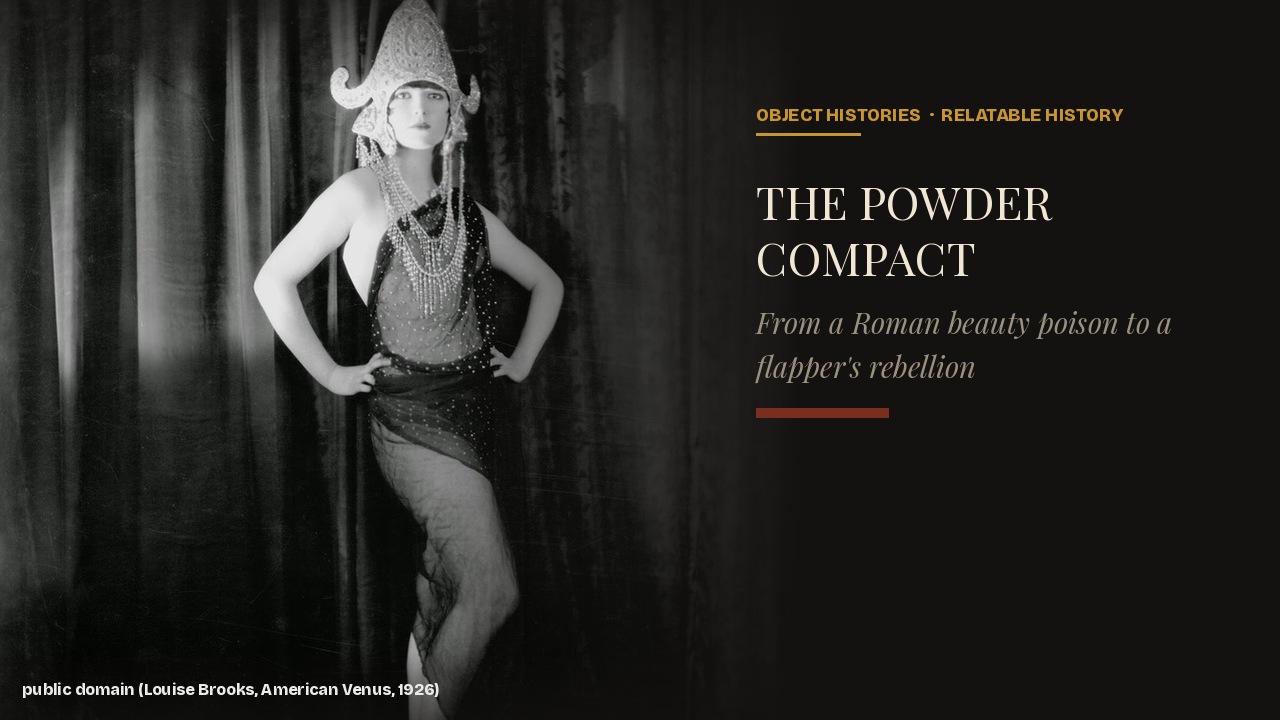
The Dangerous History of Face Powder — From Roman Lead Paint to a Flapper’s Compact
Long before it was a flapper fashion statement, face powder was a genuine health hazard, and the law that finally regulated it took almost two thousand years to arrive.
-
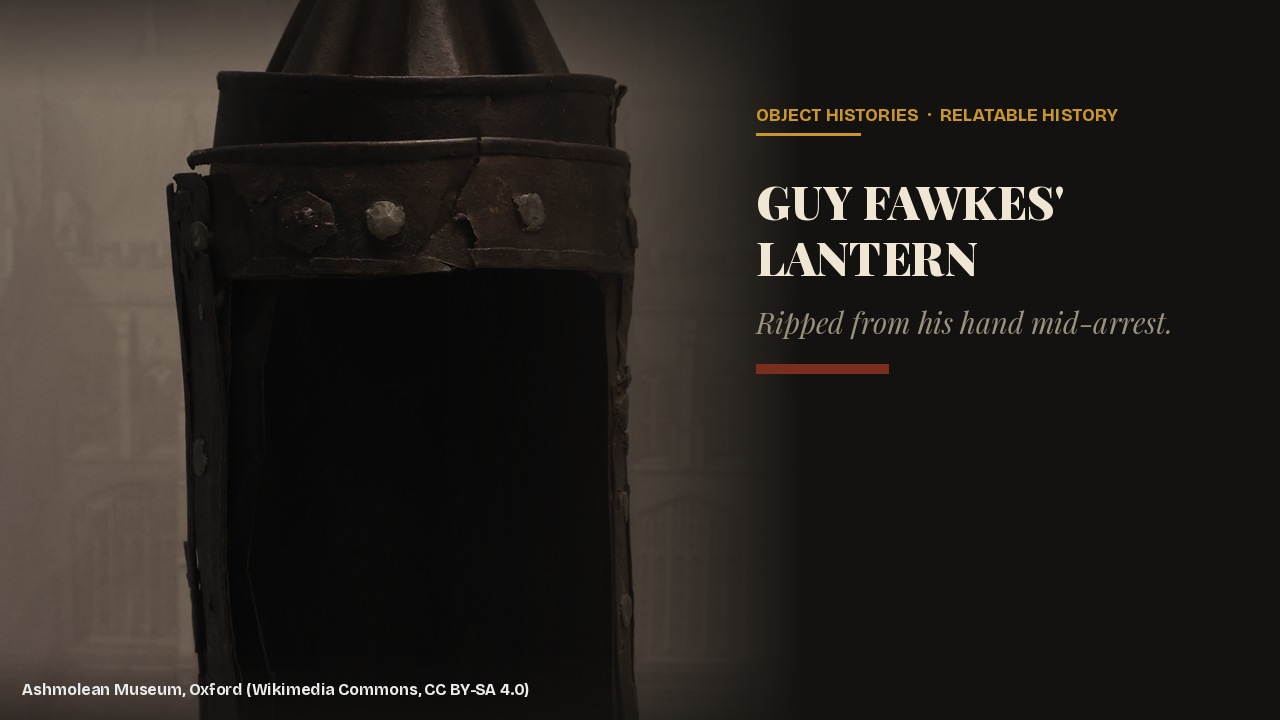
The 160-Word Letter That Undid the Gunpowder Plot
Guy Fawkes never saw the letter that caught him. A single warning to one frightened nobleman set off the search, the torture, and the law that built Bonfire Night.
-
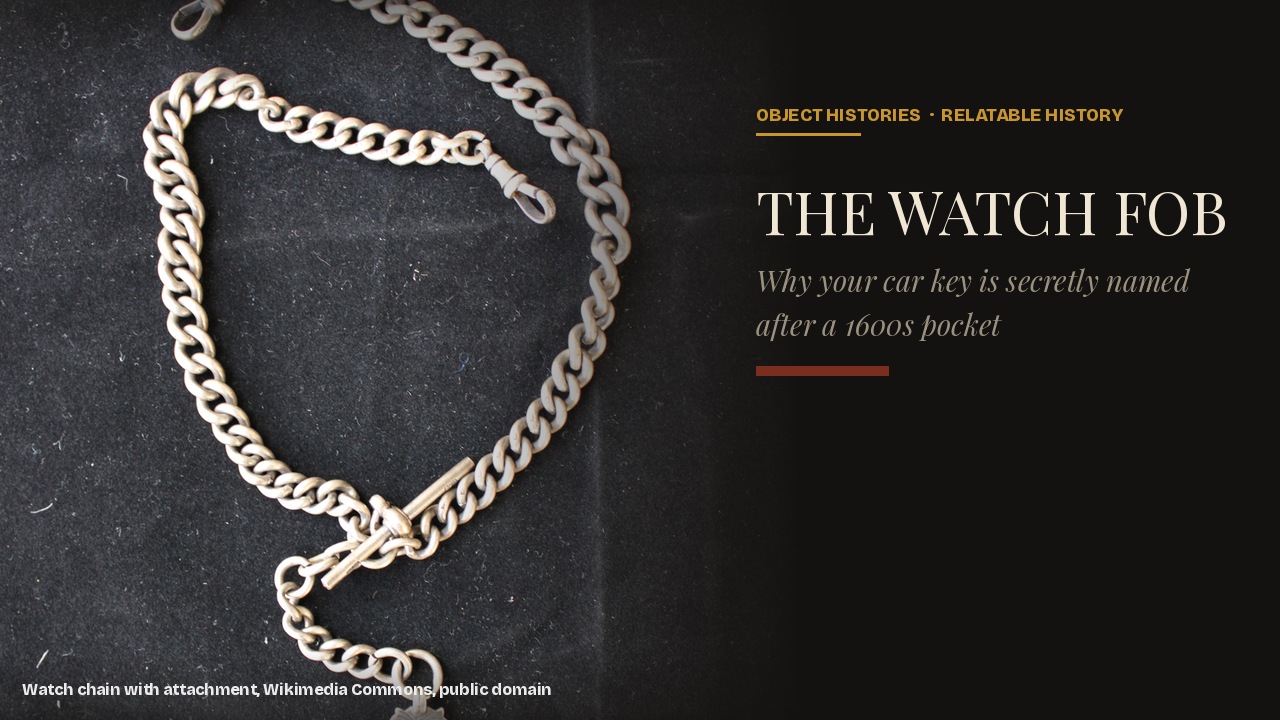
Why Is It Called a Fob? The Pocket Before the Chain
Long before it clipped to a car key, “fob” named a small waist pocket — the one Charles II made fashionable in 1666, and the one that got crowded with watch keys, seals, and chatelaines once a watch was something you could actually afford to own.
-
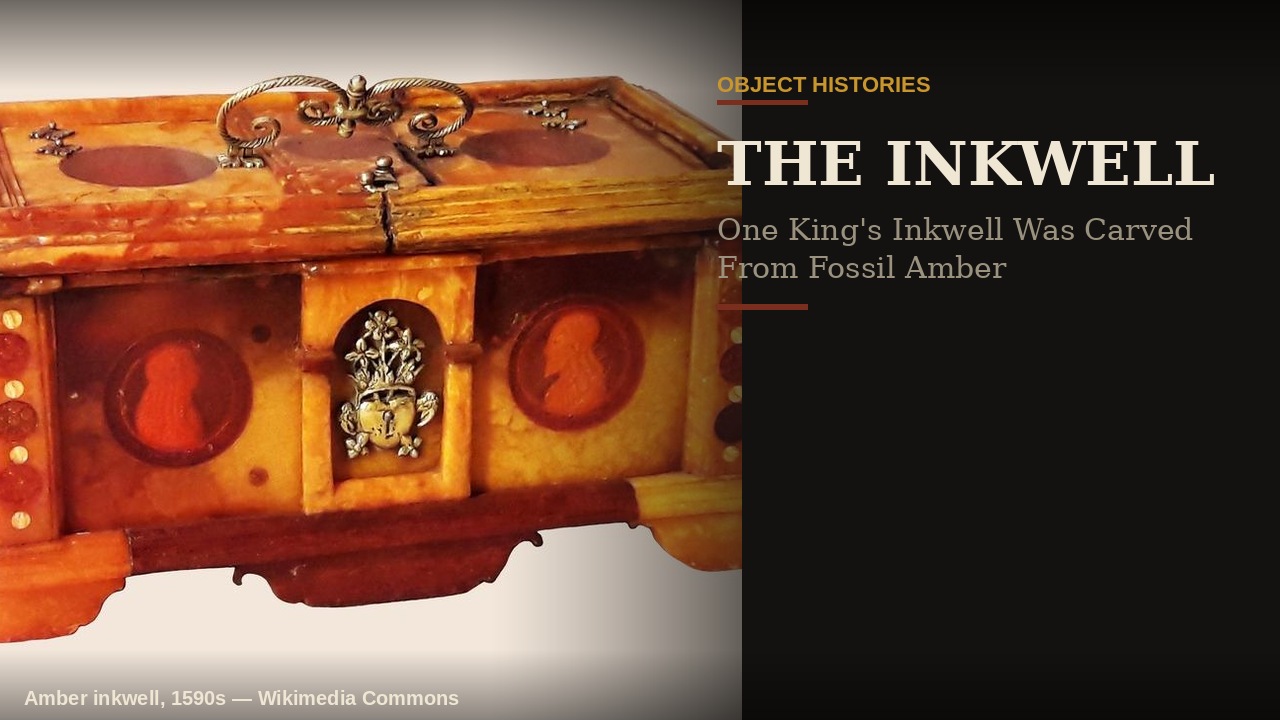
How an Inkwell Actually Worked, From Ancient Egypt to the Classroom
An inkwell wasn’t just a vessel. It was a daily argument with evaporation, frost, and a chemical reaction that quietly destroyed the page it was written on.
-
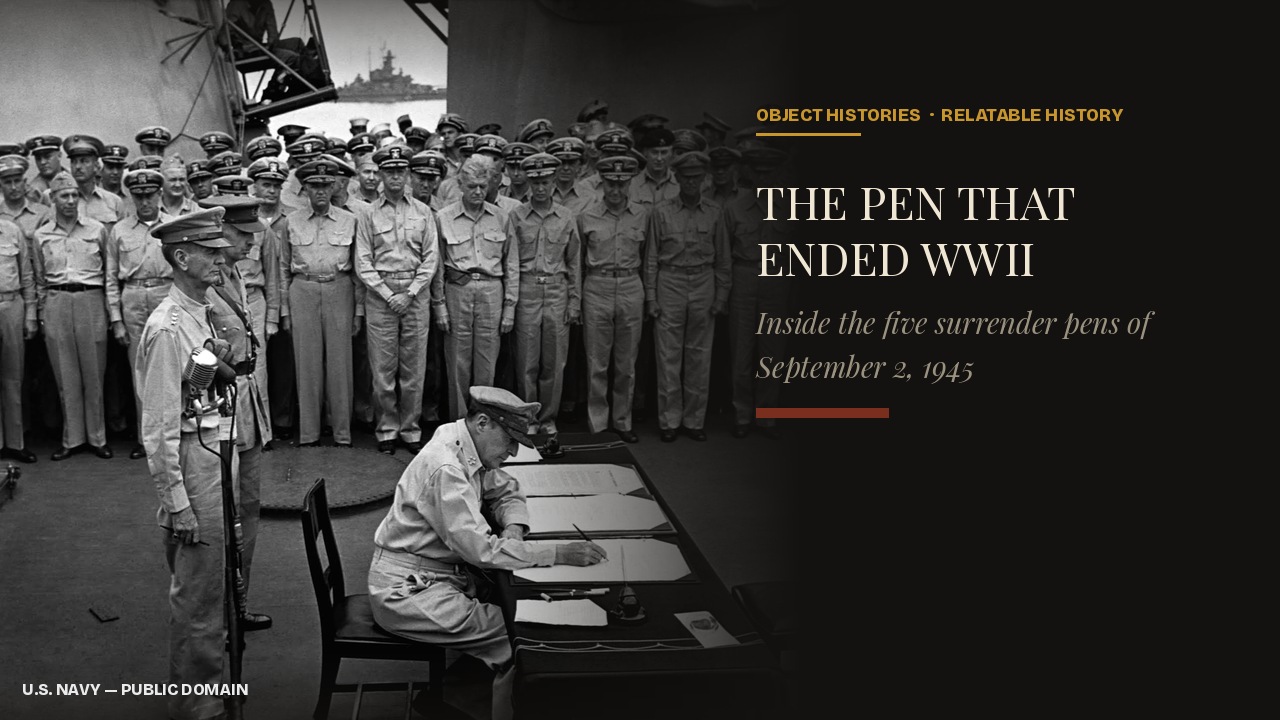
The Real History of the Fountain Pen Is Older Than You Think
Centuries before a reliable fountain pen reached ordinary writers, a Fatimid caliph, a Romanian patent-holder and a string of leaking failures all tried to build one first.
-
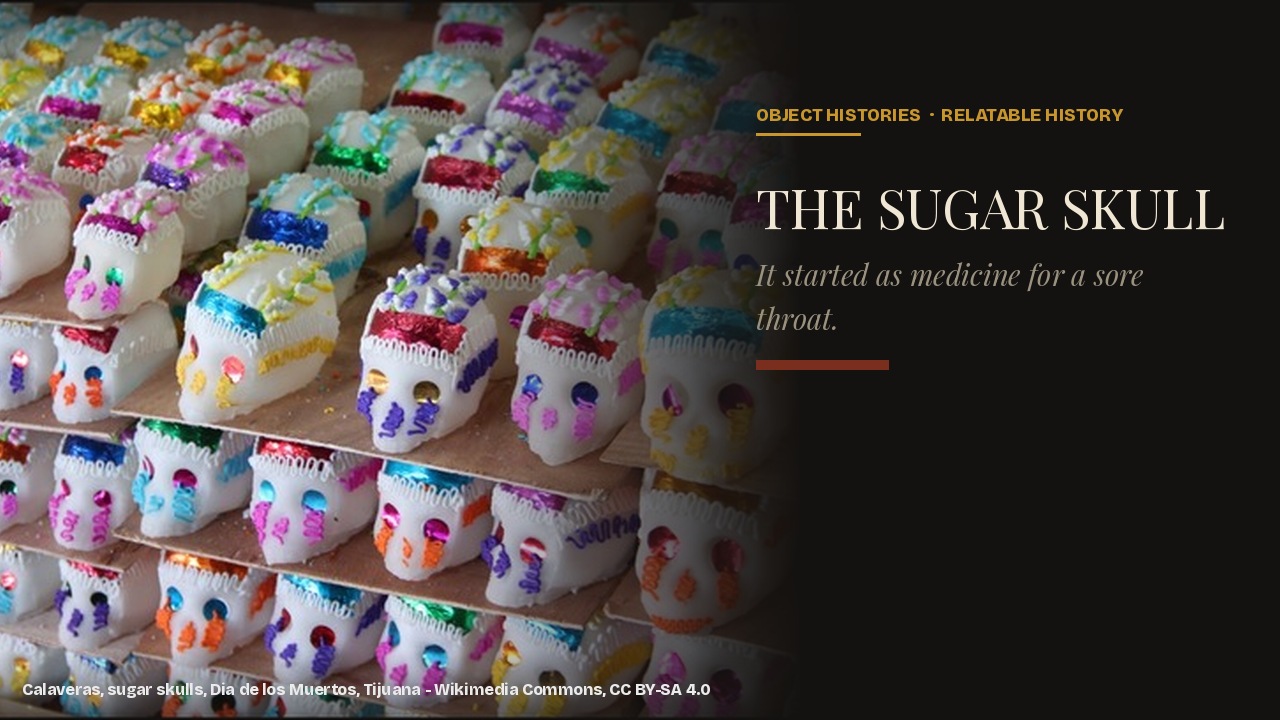
Why Sugar Skulls Get a Name Written on the Forehead
The candy on a Day of the Dead altar was invented as medicine in Islamic Spain, not as a memorial. This is the documented route it took to a Toluca wooden mold five centuries later.
-
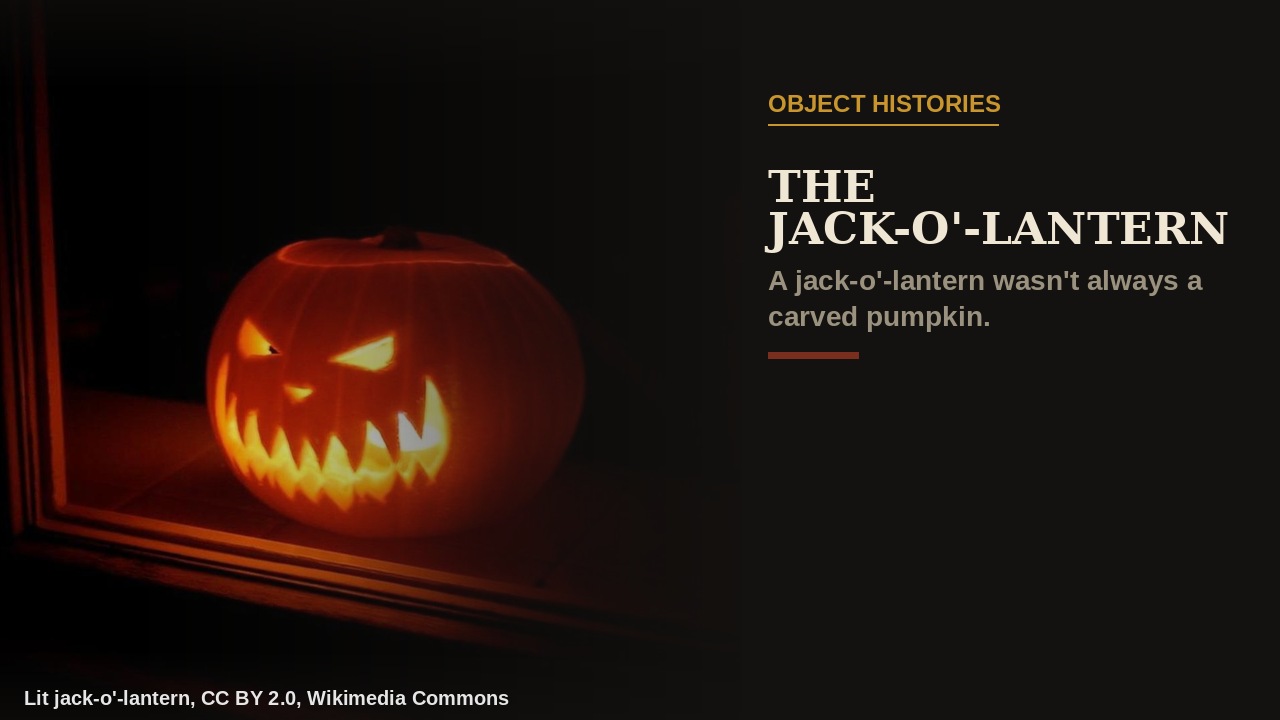
The Print Trail That Turned a Pumpkin Into a Jack-o’-Lantern
Irving never describes a carved face. Hawthorne used the word twice, fifteen years apart, before a newspaper ever printed one. Here is the paper trail the popular version skips.
-
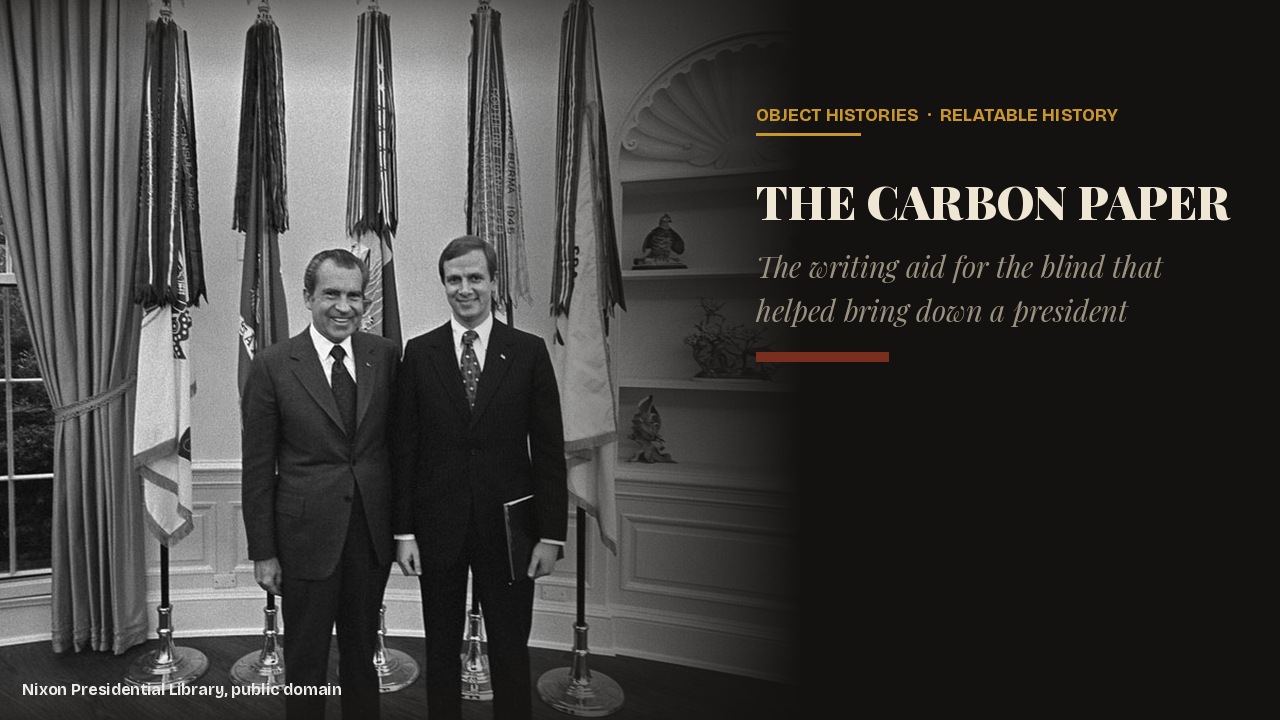
Who Invented Carbon Paper, Really? Four Credible Answers
Carbon paper has four separate, well-documented origin stories — and one of them ends with a 1973 grand jury subpoena naming a White House aide’s memos by title.
-
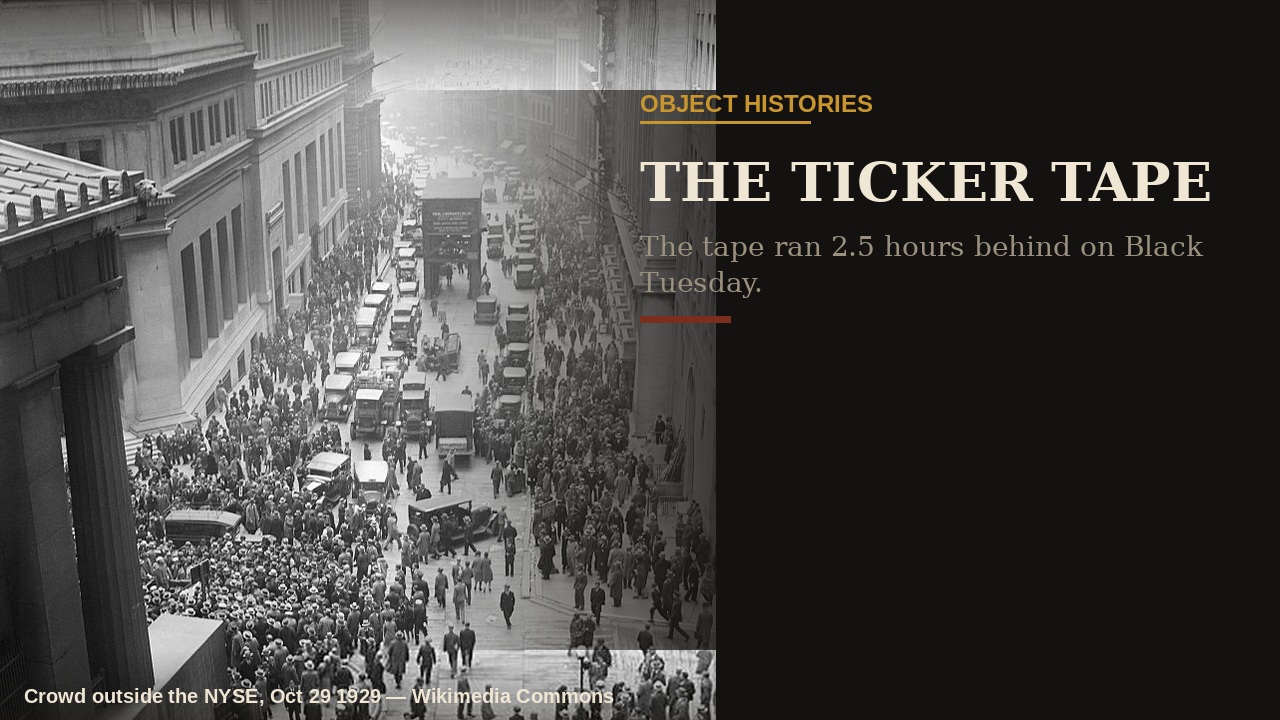
The History of Ticker Tape Parades Starts With a Broken Wall Street Machine
Wall Street’s confetti used to be real paper, printed by the same machine that couldn’t keep up on its worst day. Here’s how one telegraph printer created both a crisis and a tradition.