
The long, surprising journeys of everyday objects: why your car key is called a fob, how the inkwell lasted 3,000 years, and where the things in your house really came from.
Each story below is the full, sourced article and includes its video. Just want to watch? See every Object Histories video →
-
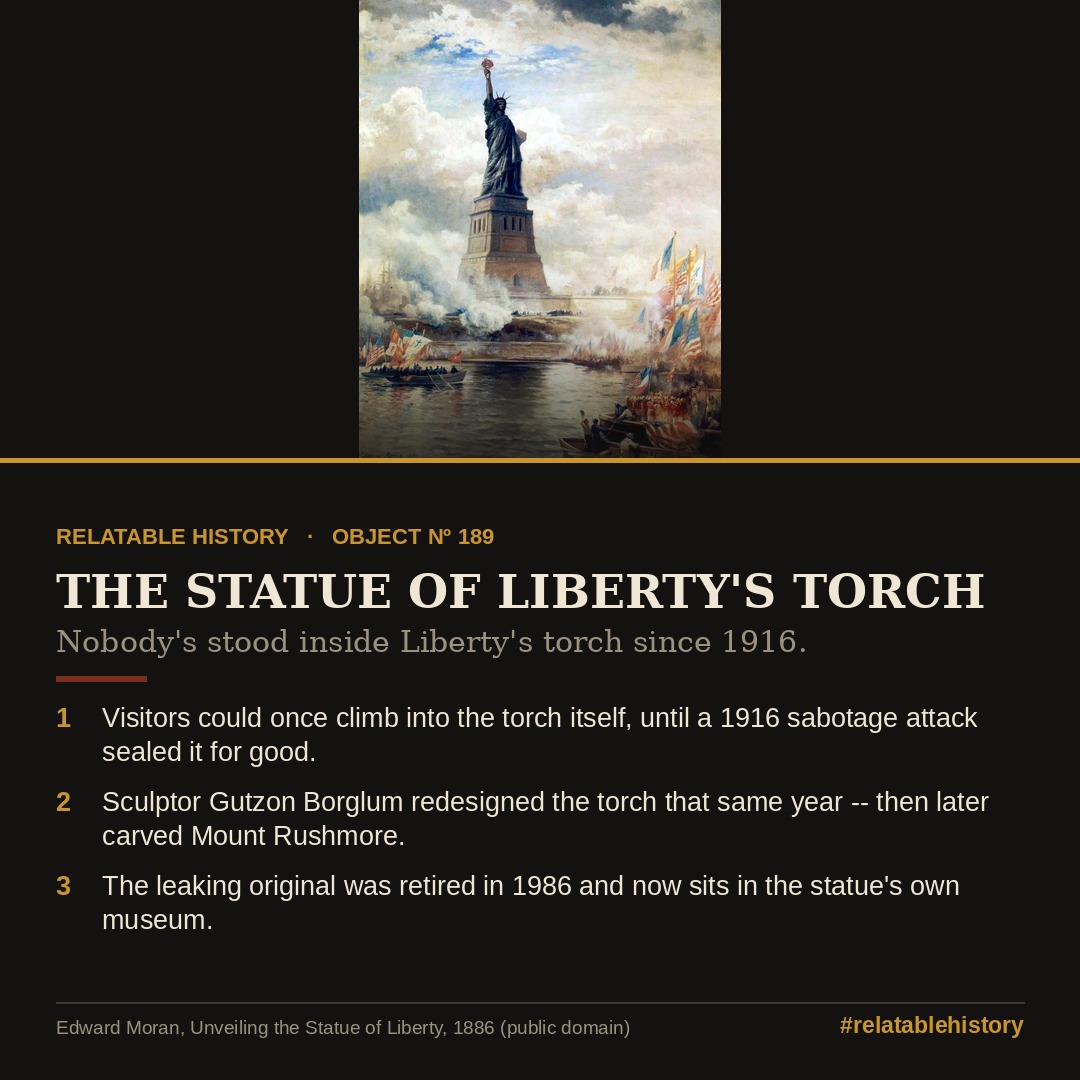
The Statue of Liberty’s Torch Was Once a Legal Lighthouse
Long before it was sealed shut, the torch was a disappointing navigation light run by the U.S. Lighthouse Board. Four redesigns later, the original is on display forty feet from where tourists can touch it.
-
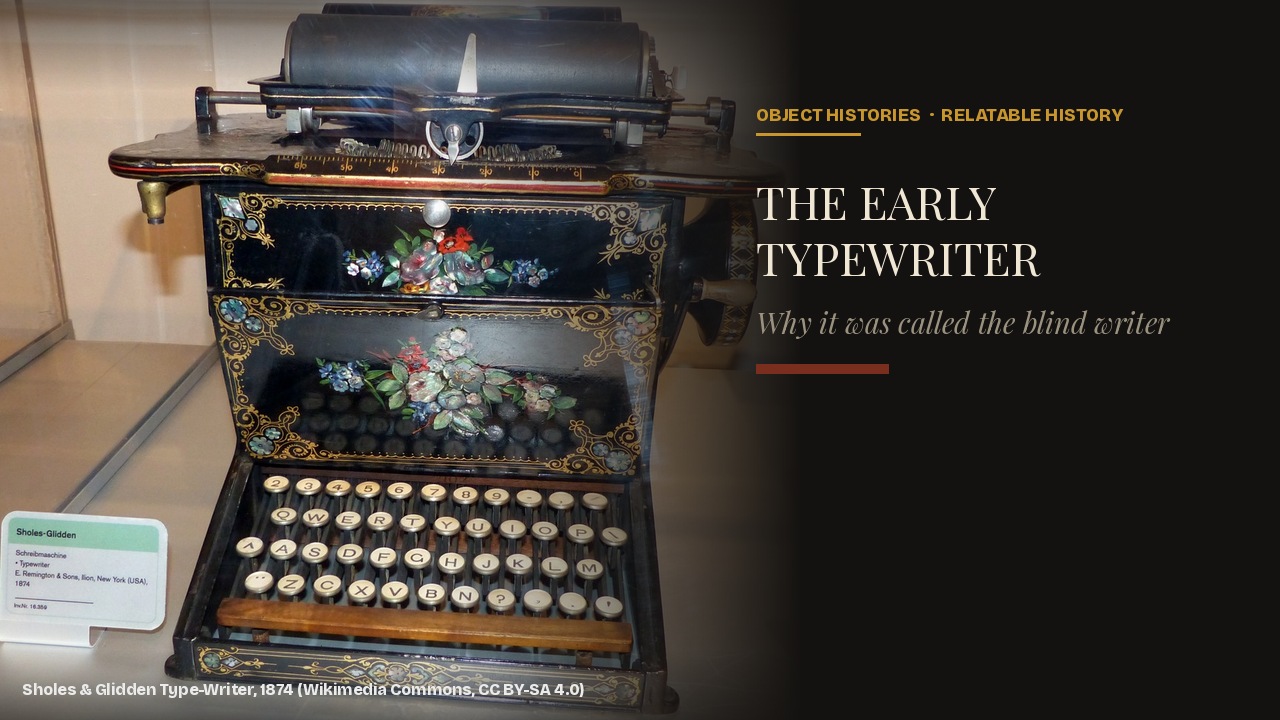
Why Keyboards Use QWERTY — And What the Jamming Story Gets Wrong
The keyboard layout under your fingers right now was devised for a machine that typed blind, sold reluctantly by a rifle maker, and patented three times before it actually worked.
-
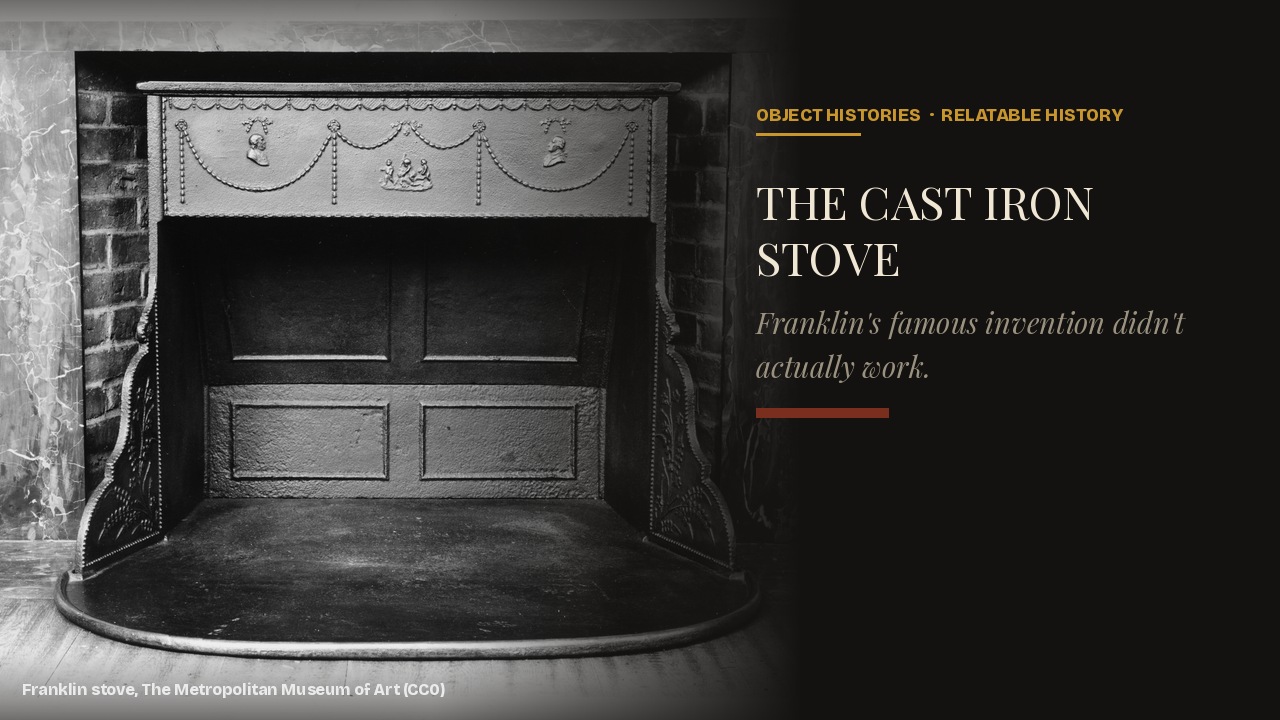
Did Franklin Invent the Franklin Stove?
Benjamin Franklin refused to patent his famous stove on principle — and lost the credit for the version that actually worked.
-
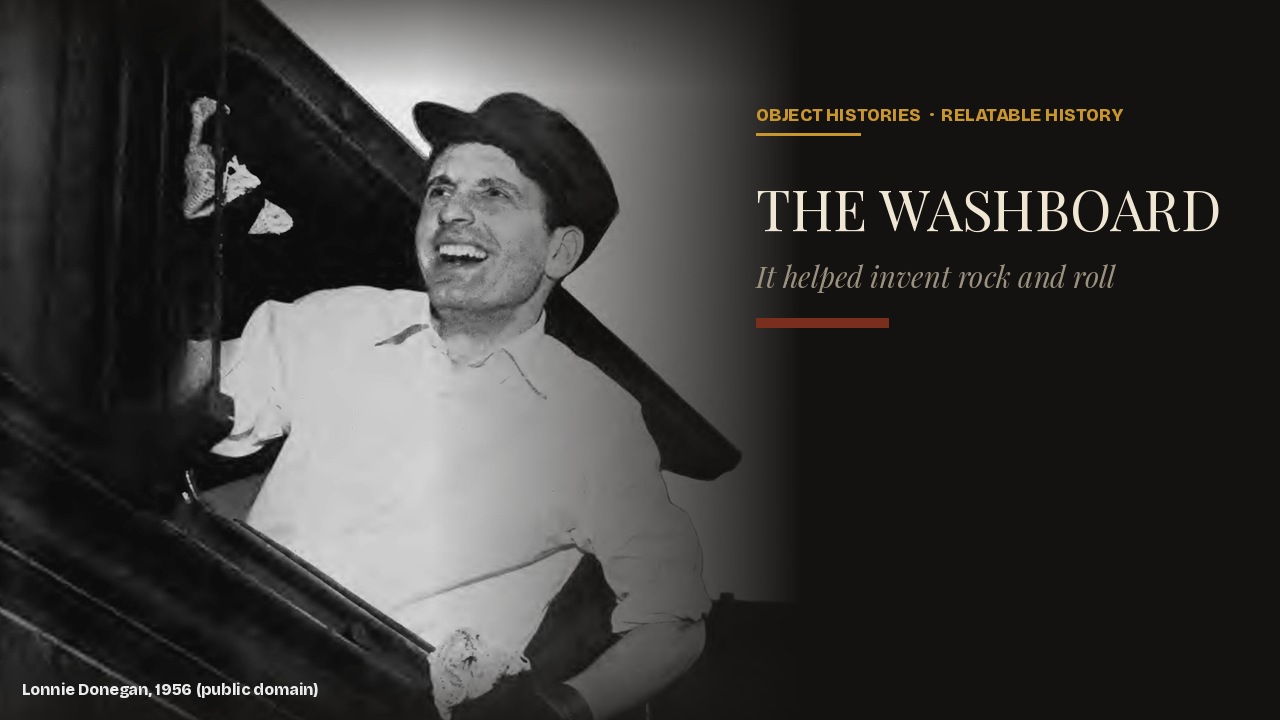
How the Washboard Became a Musical Instrument
The corrugated board patented for scrubbing laundry in 1833 went obsolete within a lifetime — and was reinvented, separately, by a Louisiana welder and a generation of British teenagers.
-
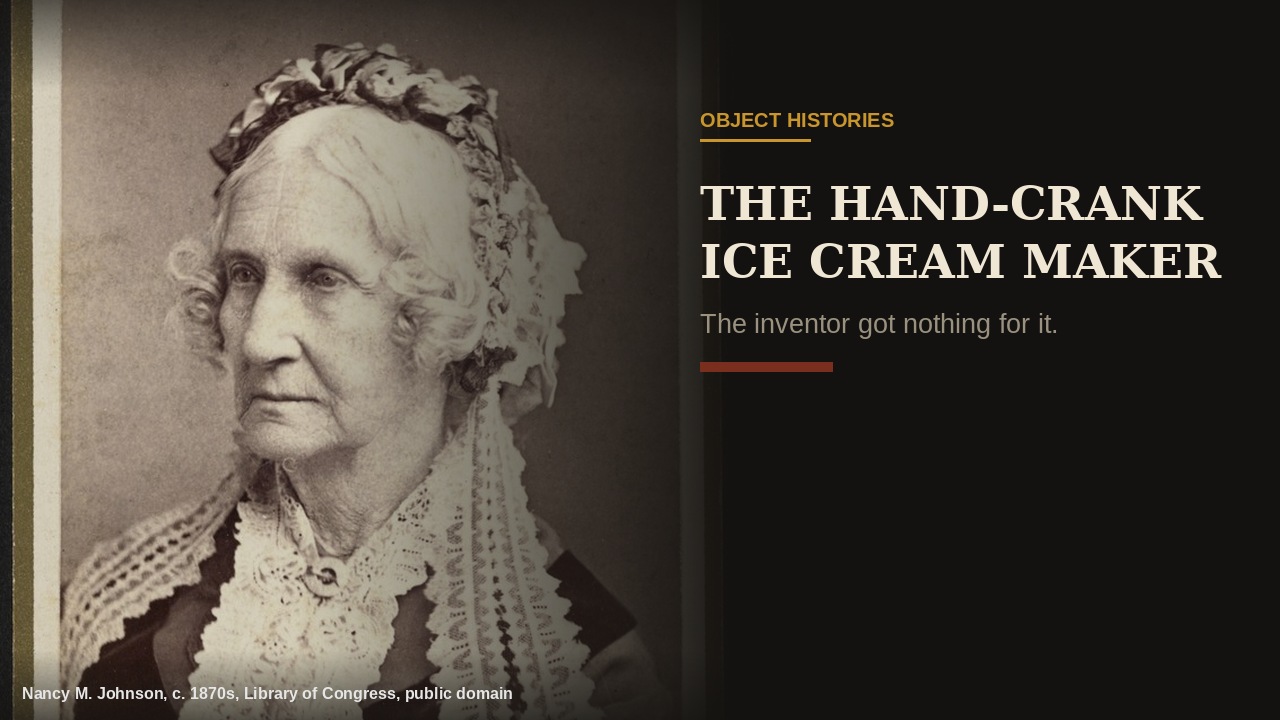
Who Invented the Ice Cream Freezer? The 1843 Patent, and the Man Who Profited Without One
Two people shaped how America eats ice cream in the 1840s, and only one of them is widely remembered. Here’s the 1843 patent, the Baltimore rival who improved on it, and the Philadelphia confectioner who got rich without ever filing one.
-
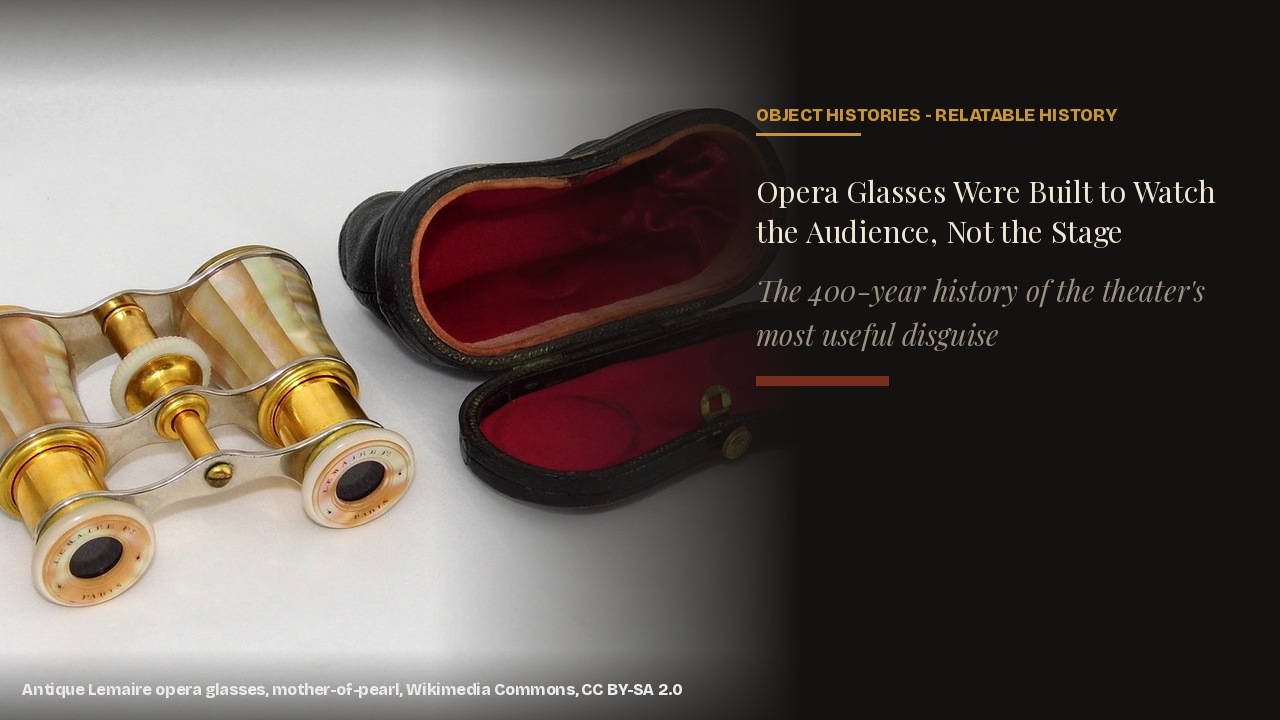
How the Jealousy Glass Let Theatergoers Spy Without Looking
An 18th-century optician drilled a hole and tilted a mirror inside an otherwise ordinary spyglass, and the result let a whole generation of theatergoers watch each other without ever turning their heads.
-
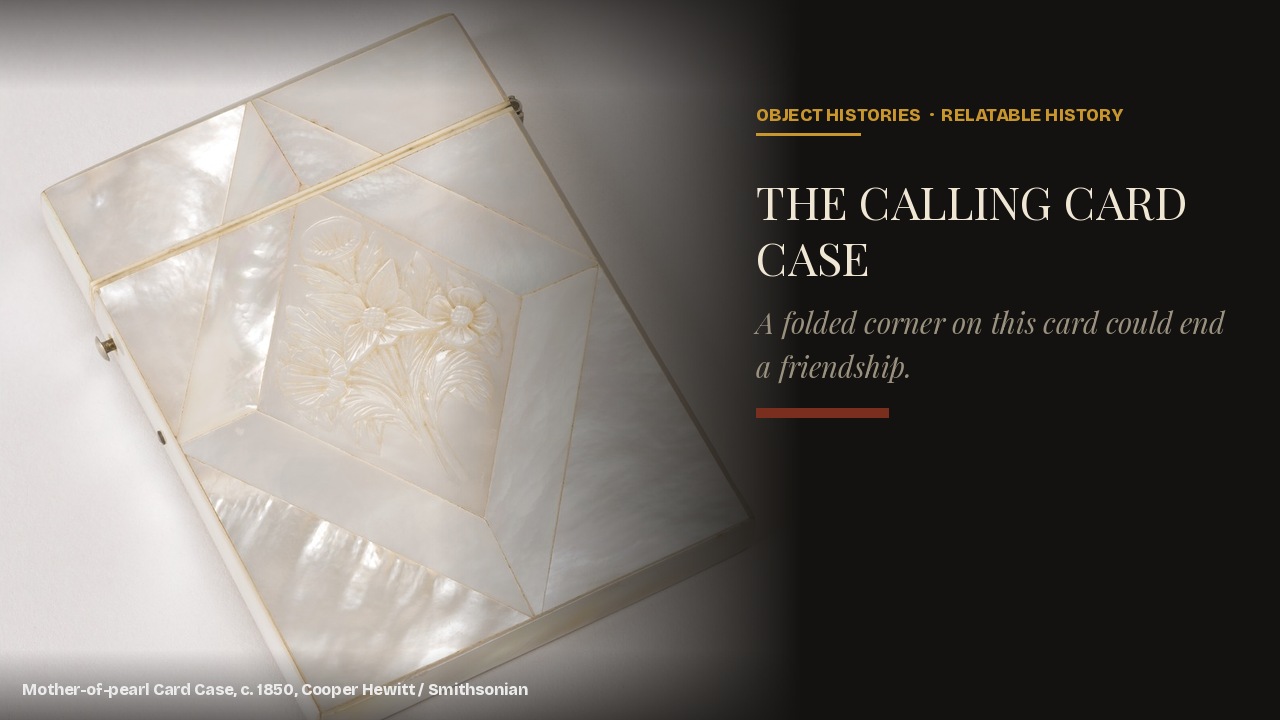
The Secret Code of Victorian Calling Card Etiquette
A folded corner, a silver tray, and a servant who decided whether you existed socially: Victorian calling cards turned politeness into a transaction, and the case that held them announced exactly how much you had to spend on looking right.
-
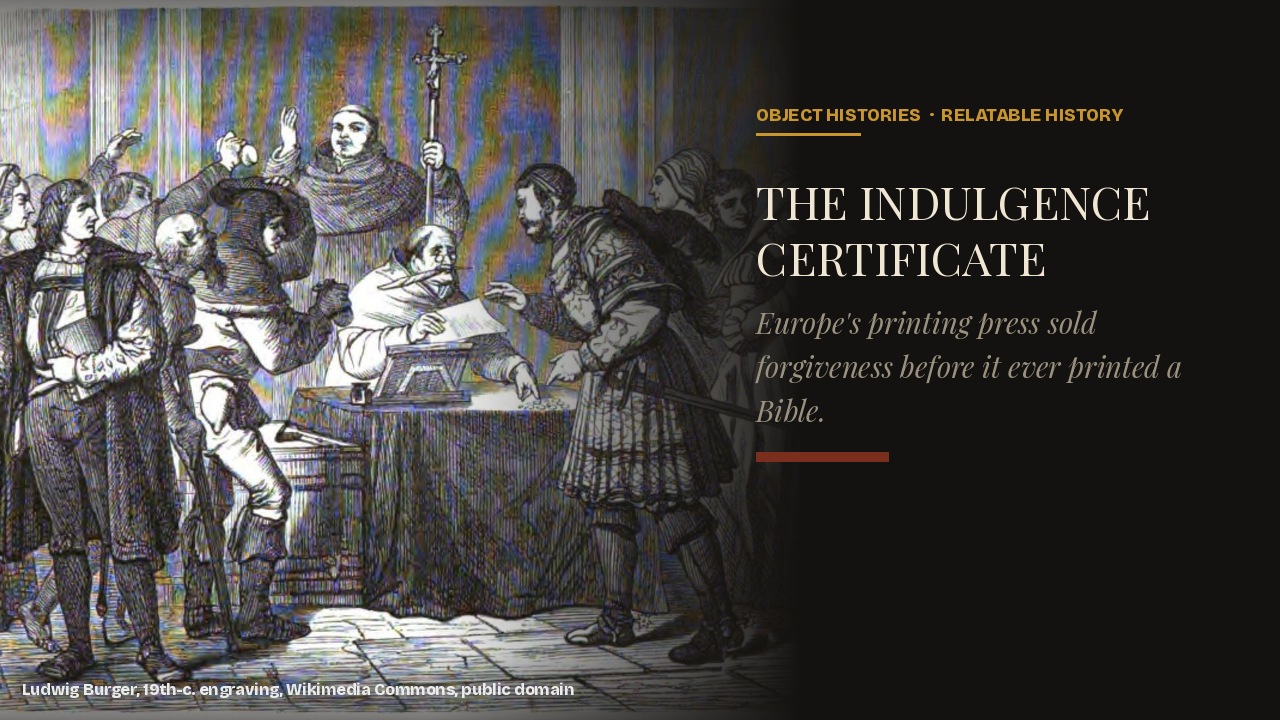
How Indulgence Certificates Worked, and Why One Caused a Reformation
A printed form, an archbishop’s debt, and one monk’s objection: the full mechanics of the indulgence certificate, and why Rome eventually banned selling it.
-
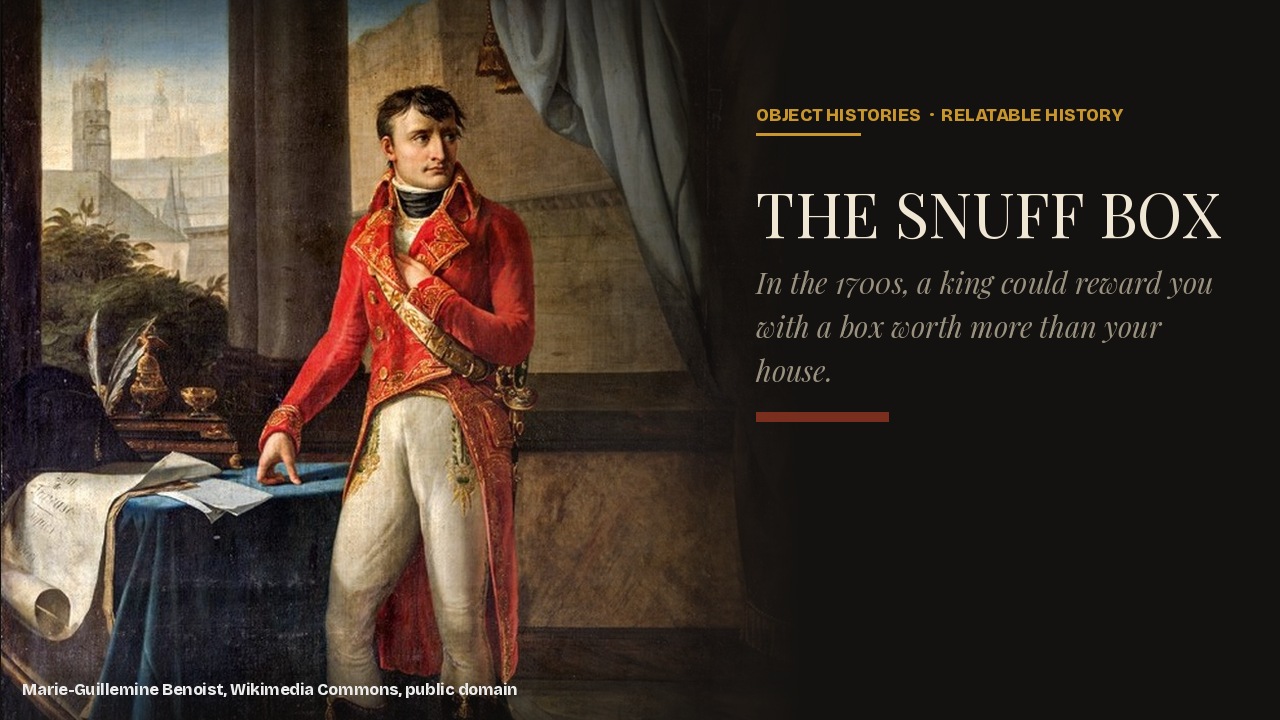
How Snuff Boxes Became the Currency of 18th-Century Courts
A gold snuff box could stand in for a medal, a bribe, or a salary. Here is how an object the size of a deck of cards became one of the eighteenth century’s real instruments of diplomacy.
-
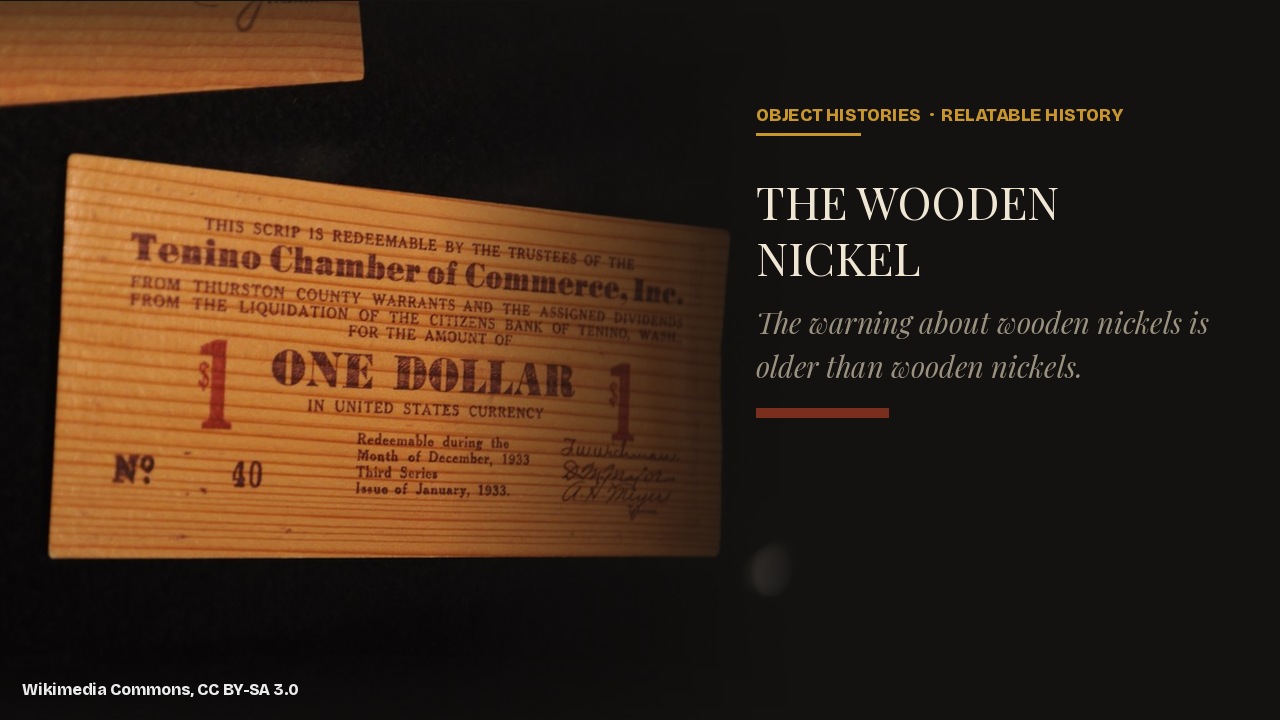
Tenino’s Wooden Money: Inside the Depression’s Strangest Currency
In December 1931 the only bank in Tenino, Washington failed, so the Chamber of Commerce printed its own emergency currency on spruce veneer. People liked it so much they mailed it home instead of spending it.