
The long, surprising journeys of everyday objects: why your car key is called a fob, how the inkwell lasted 3,000 years, and where the things in your house really came from.
Each story below is the full, sourced article and includes its video. Just want to watch? See every Object Histories video →
-
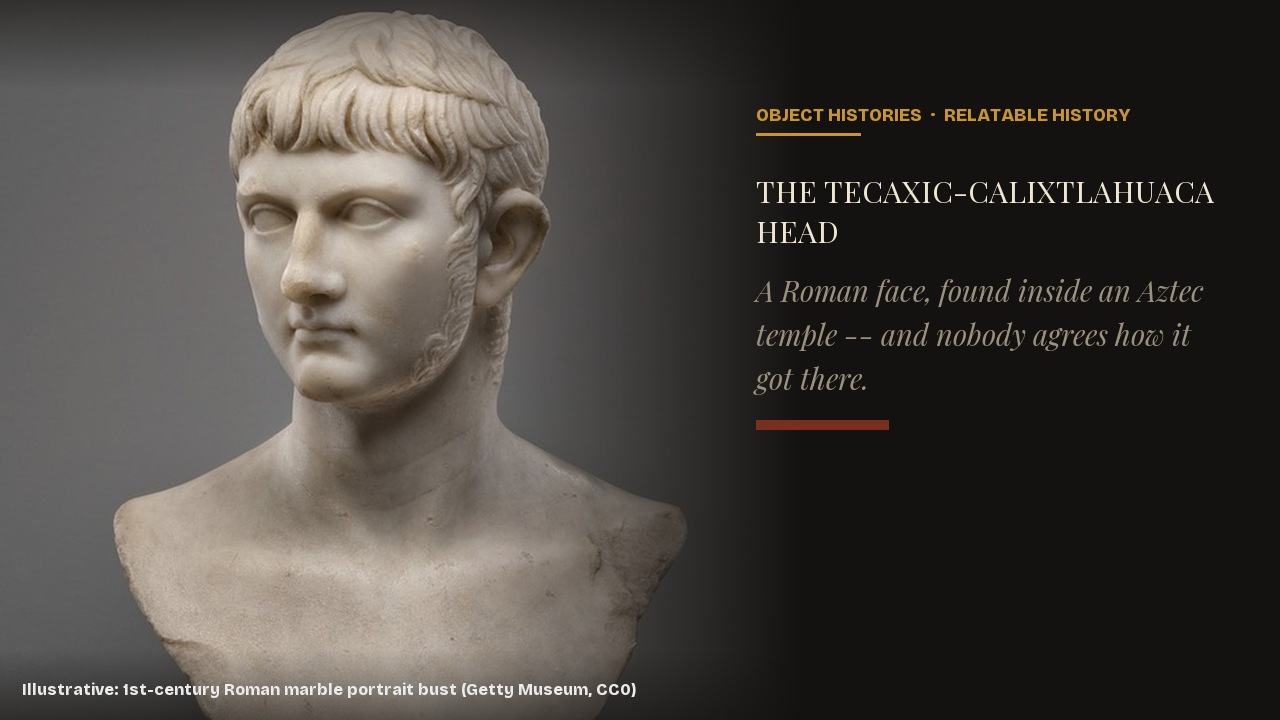
Is the Calixtlahuaca Head Really a Roman Artifact?
A terracotta face pulled from a sealed Aztec-era burial has been called Roman, Colonial, and a prank. Here’s what each claim actually rests on.
-
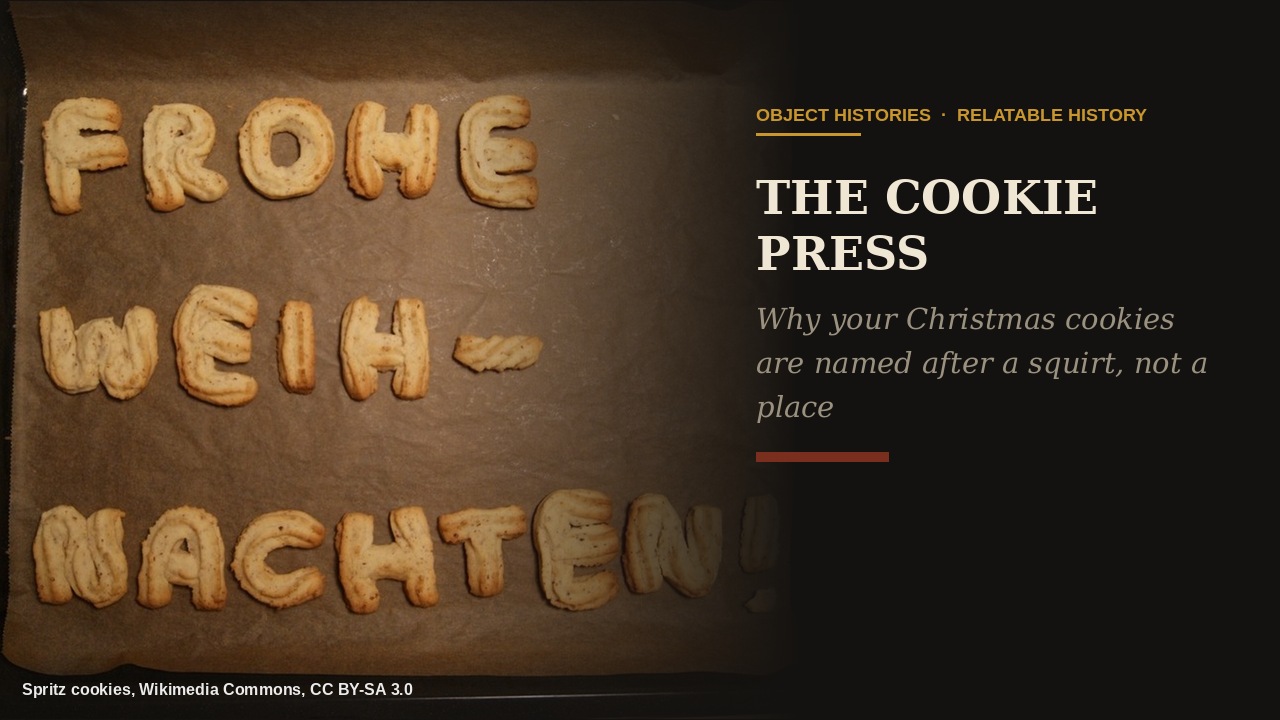
How the Cookie Press Was Invented
The gadget in your kitchen drawer started as a London confectioner’s solution to a sore-arm problem, not a cookie recipe. Here is the two-hundred-year path between the two.
-
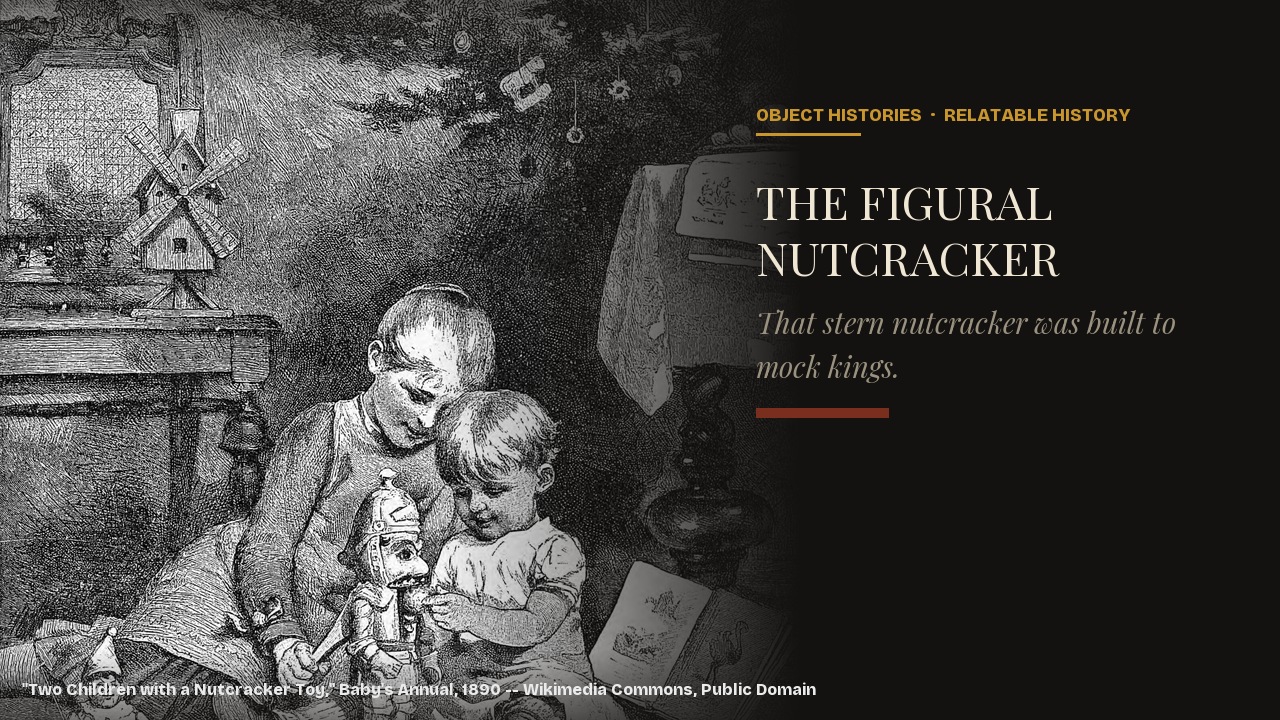
Why Christmas Nutcrackers Are Shaped Like Kings and Soldiers
The wooden king on your mantel was carved by people who’d lost their own livelihoods, to make him grind his jaw forever. Here’s the oddly tangled, three-named, two-Hoffmann true story.
-
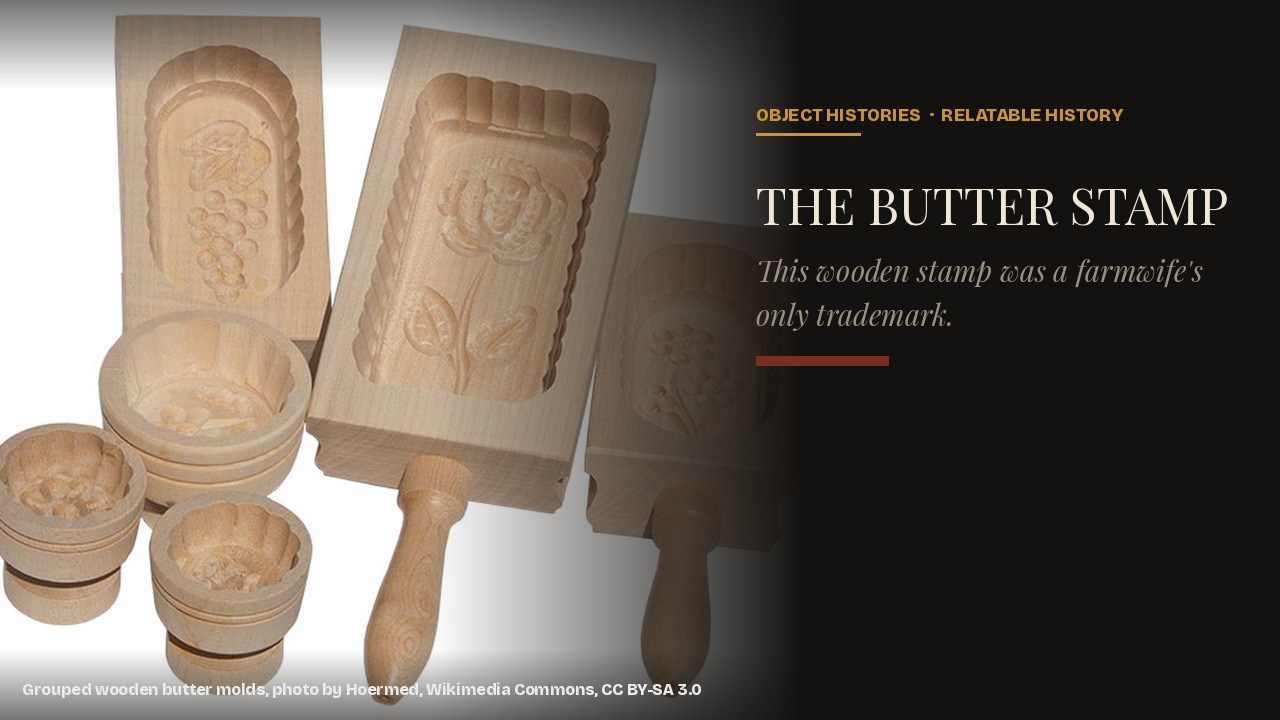
Why Margarine Was Illegal in America for Almost a Century
For most of a century, selling the wrong-colored spread could mean a fine or jail. One of the two Supreme Court cases it produced is still cited today on how far a tax can go.
-
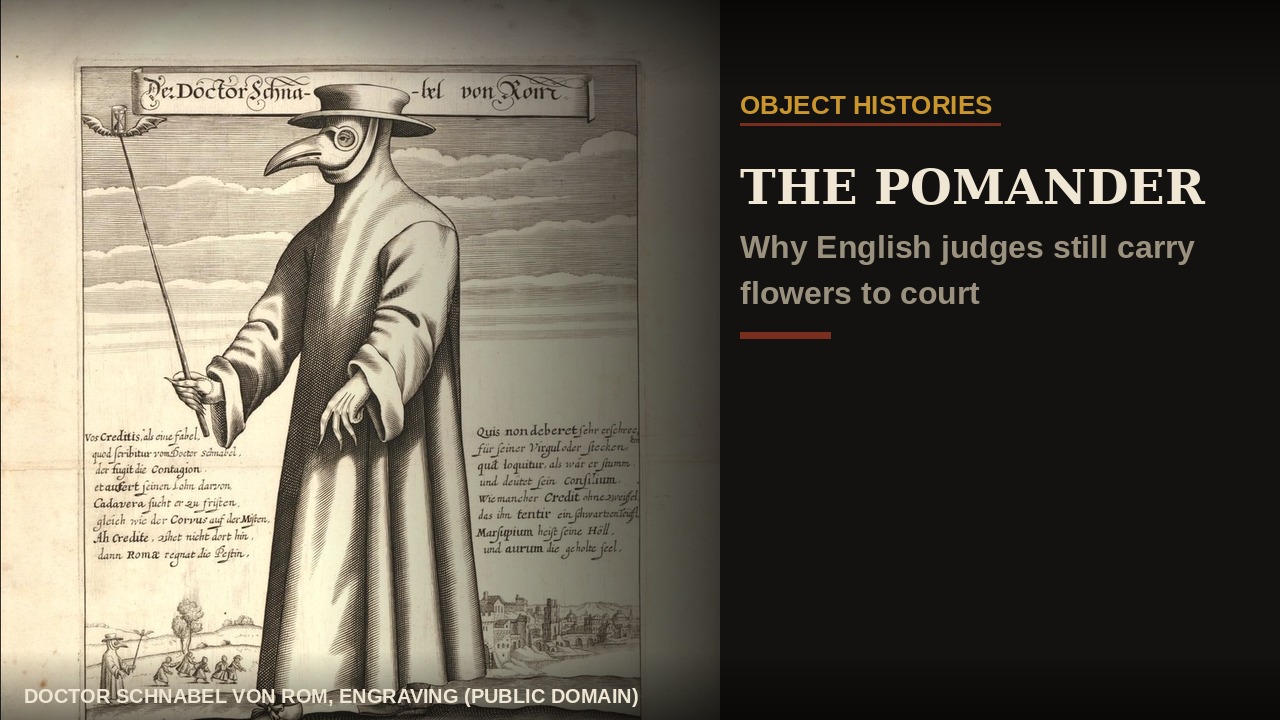
The Pomander Was Built on Miasma Theory, and Outlived It
For five hundred years, Europeans believed a bad smell could make you sick, and built an entire piece of jewelry to fight it. The theory collapsed in the 1880s. The habit took longer.
-
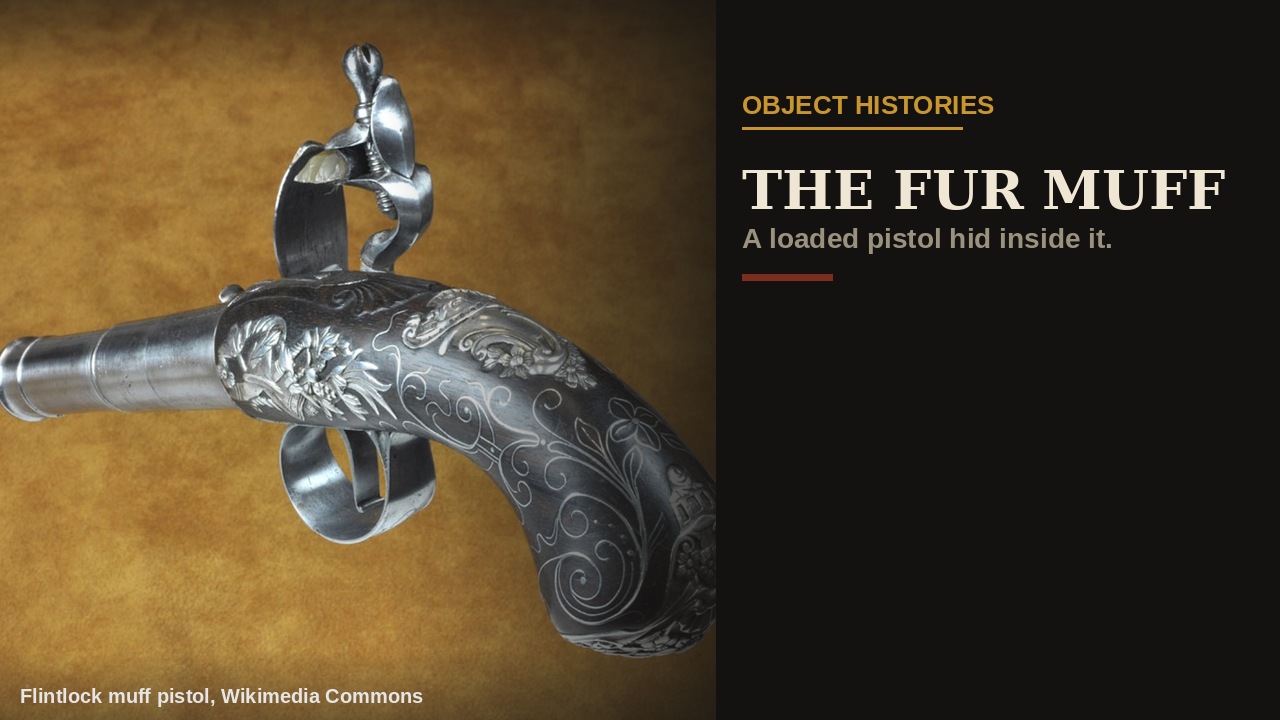
Everything People Used to Hide Inside a Fur Muff
A fur muff could hide a loaded pistol, a hot-water bottle, or a protester’s cleaver, and nobody thought to check. Here is everything it carried over four centuries.
-

Why We Wear Poppies for Remembrance, and Who Built the Tradition
A soldier’s death produced seventeen lines of penciled verse. Those lines produced an American pledge, a French fundraising campaign, and a British factory that still makes the poppies today.
-
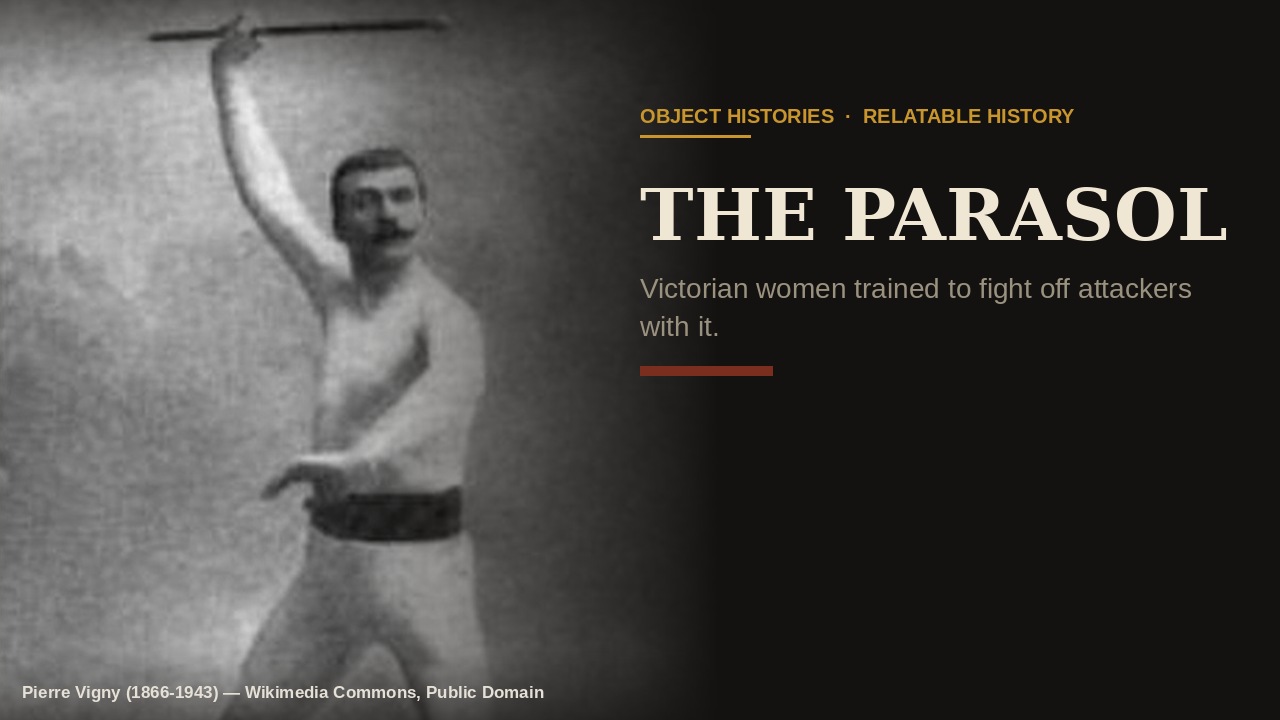
The 4,000-Year History of the Parasol, From Royal Throne to Street Weapon
For most of its existence, a parasol wasn’t about rain or sunburn at all — it was a legally enforced marker of rank. Then, for about two decades, it was a genuine street weapon.
-

How to Tell Real Berlin Wall Pieces From the Fakes
East Germany tore down its own wall, then sold chunks of it for hard currency through an export monopoly, a Monaco auction, and at least one lawsuit over stolen graffiti.
-
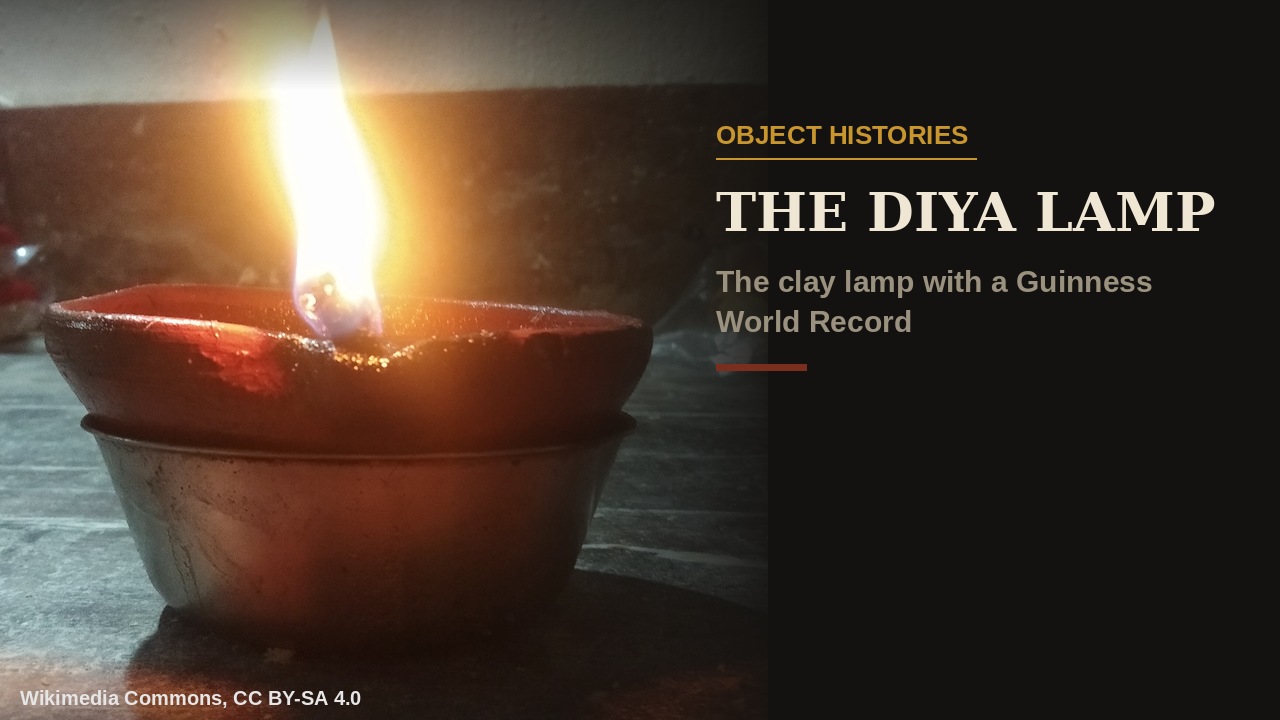
The Diya: How a 5,000-Year-Old Lamp Became Diwali’s Icon
A shallow clay cup and a cotton wick have lit Diwali, Bandi Chhor Divas, and Mahavira’s nirvana night for thousands of years. Here is where each of those traditions actually comes from — and where they disagree.