
The long, surprising journeys of everyday objects: why your car key is called a fob, how the inkwell lasted 3,000 years, and where the things in your house really came from.
Each story below is the full, sourced article and includes its video. Just want to watch? See every Object Histories video →
-
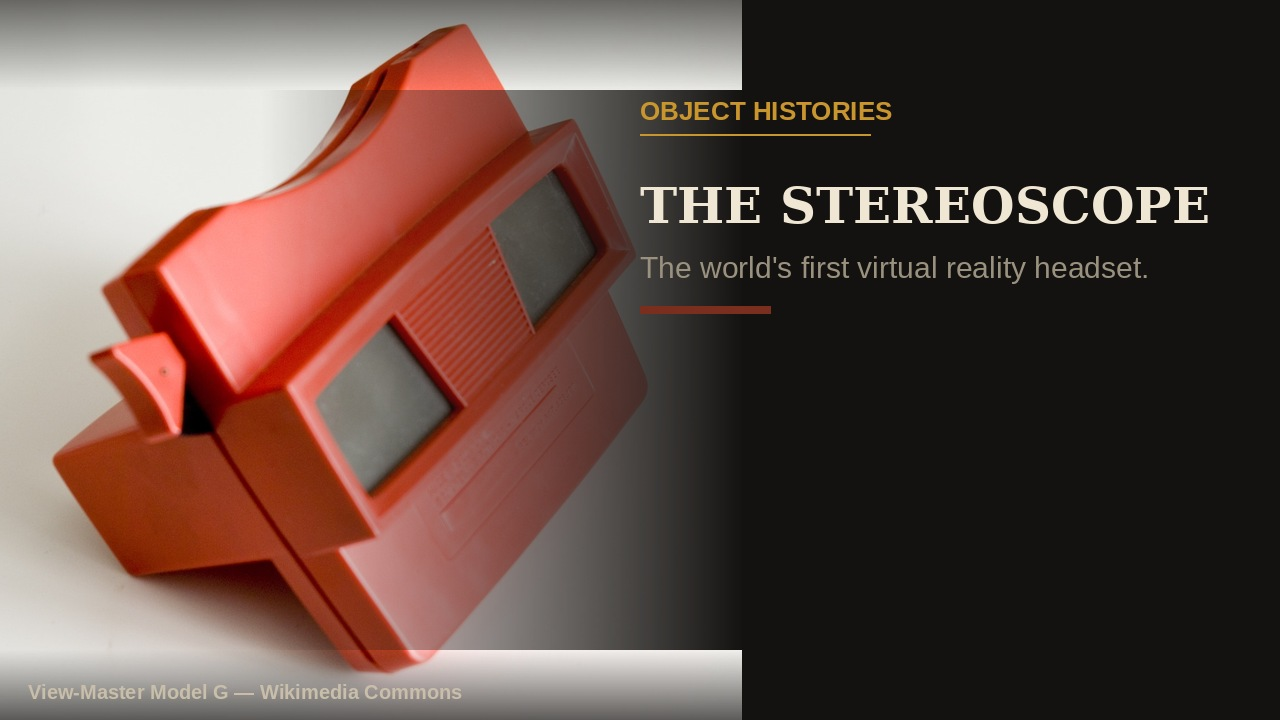
The Stereoscope Craze That Swept Victorian Parlours
A wooden box that used mirrors and, later, lenses to fool the brain into seeing depth became a Victorian sensation, a Civil War reporting tool, and eventually a museum piece nobody expected to reinvent itself as a VR headset.
-
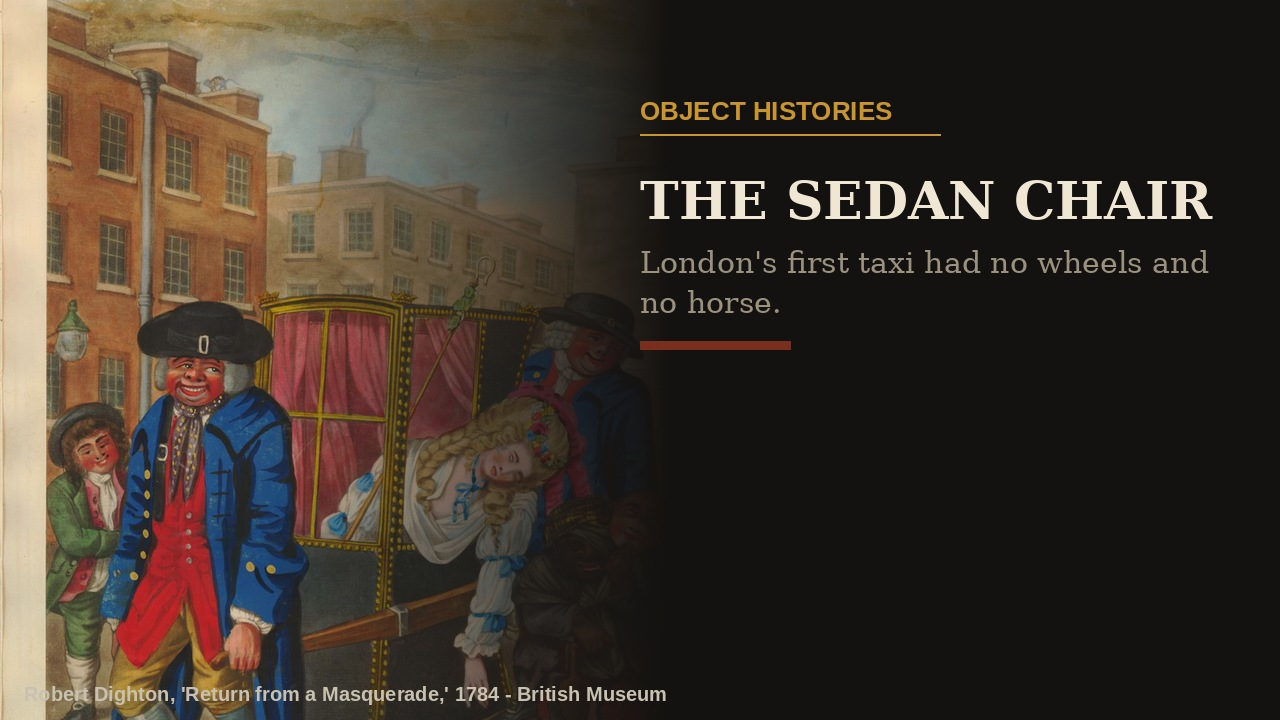
How the Sedan Chair Actually Worked, and Why It Started as a Scandal
A sedan chair needed no horse, no street and no permission to come indoors. It also needed two men to carry it, which is exactly what got the first one in England into trouble.
-
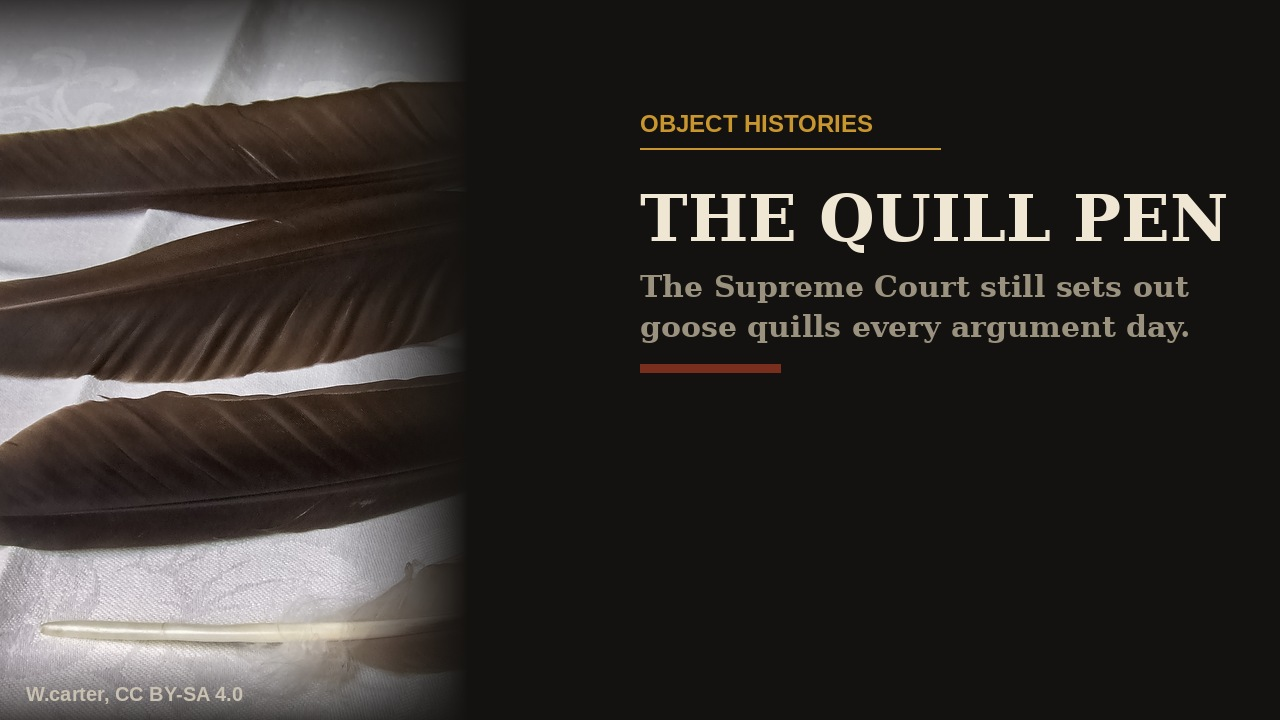
How Quill Pens Were Actually Made, and Why Steel Killed Them
A goose feather, a very sharp knife, and a pinch of hot sand. That is the entire recipe behind twelve centuries of handwritten history.
-
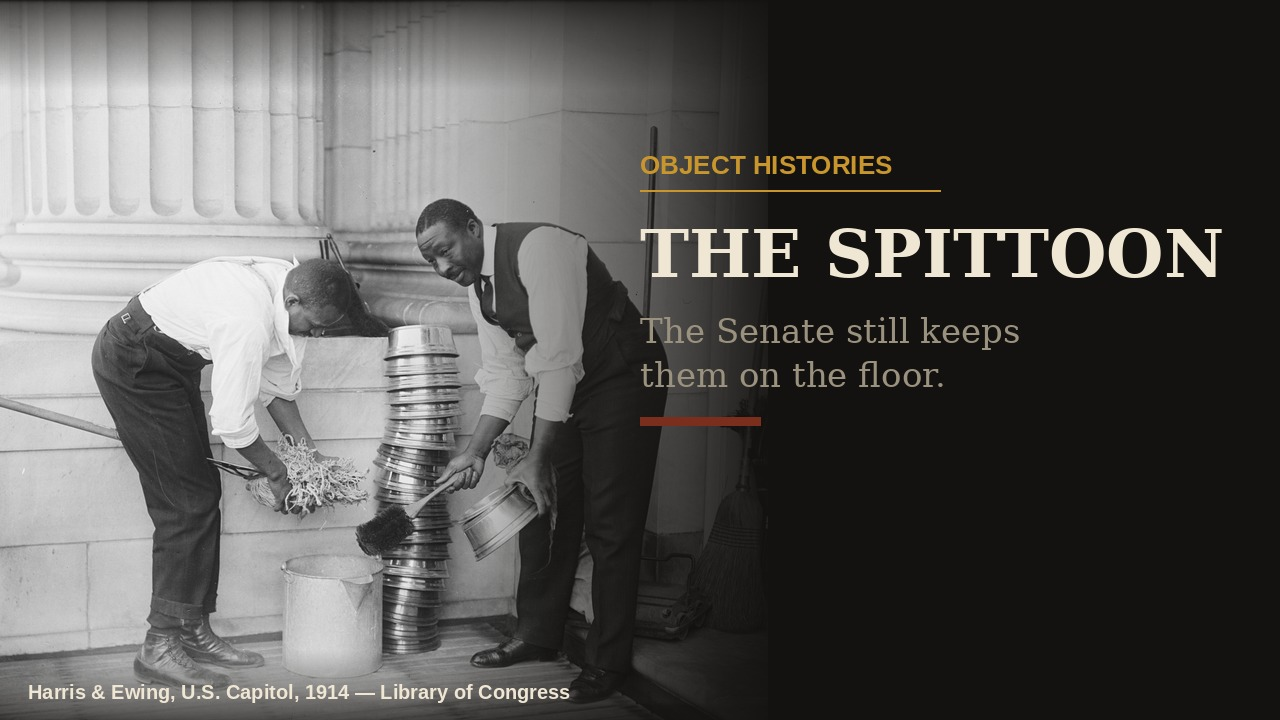
Why the Spittoon Disappeared: The Laws That Made Spitting a Crime
A women-led health campaign, a new criminal offense and a cigarette-rolling machine did what changing taste alone never could: they made the spittoon vanish in about two decades.
-
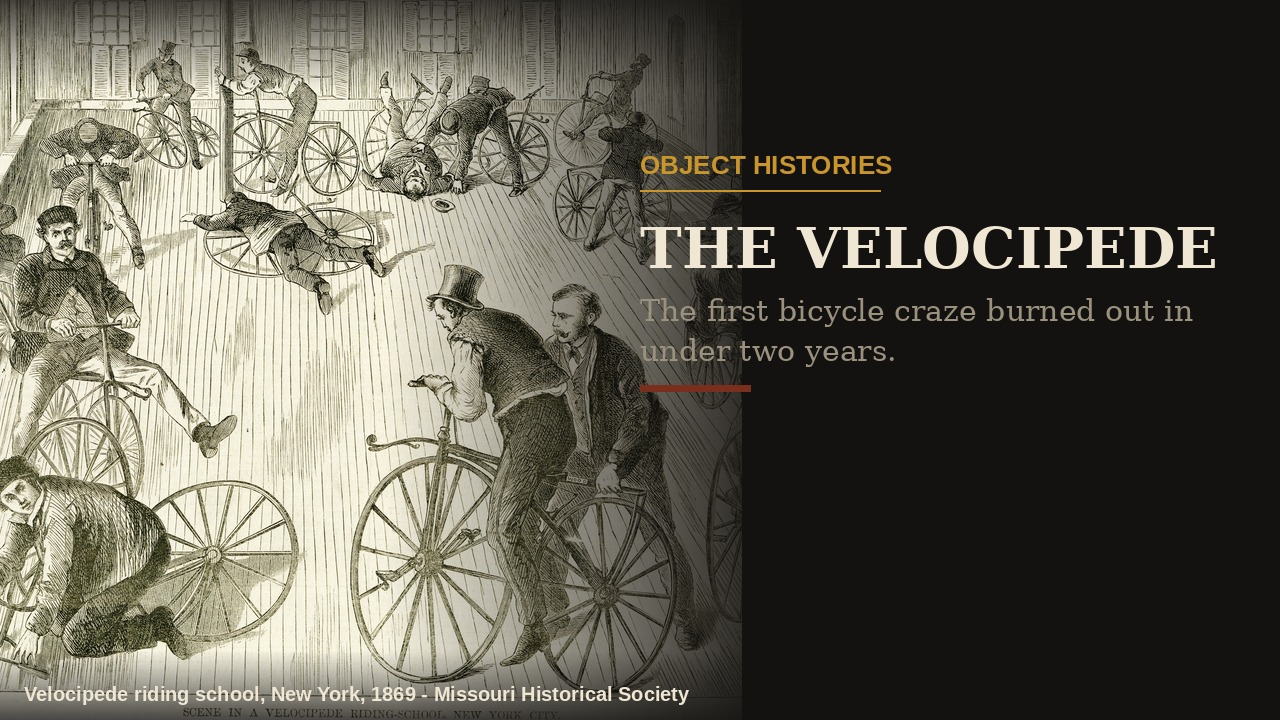
Why the World’s First Bicycle Craze Collapsed in Eighteen Months
For about eighteen months, everyone wanted a velocipede. Riding academies opened by the dozen, races drew crowds, and then, almost as fast, the whole craze went bust.
-

Why Is a Hobby Called a Hobby? The 600-Year Path from Warhorse to Word
The word ‘hobby’ spent three hundred years as an actual horse before it ever meant a pastime — a breed, then a costume, then a toy, then finally just an idiom.
-
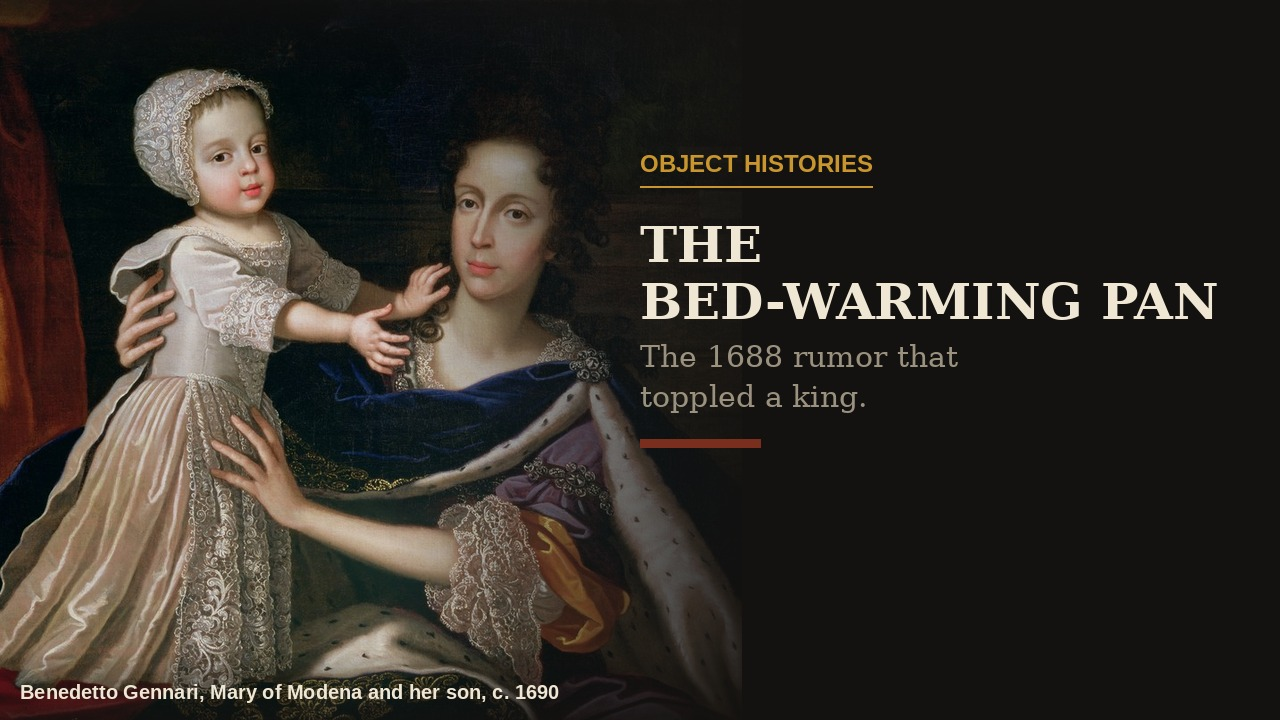
The Warming-Pan Baby: The Bed-Warmer Behind a Royal Scandal
A rumor about an ordinary bed-warming pan helped convince a country its king had faked an heir — and helped bring him down within six months.
-
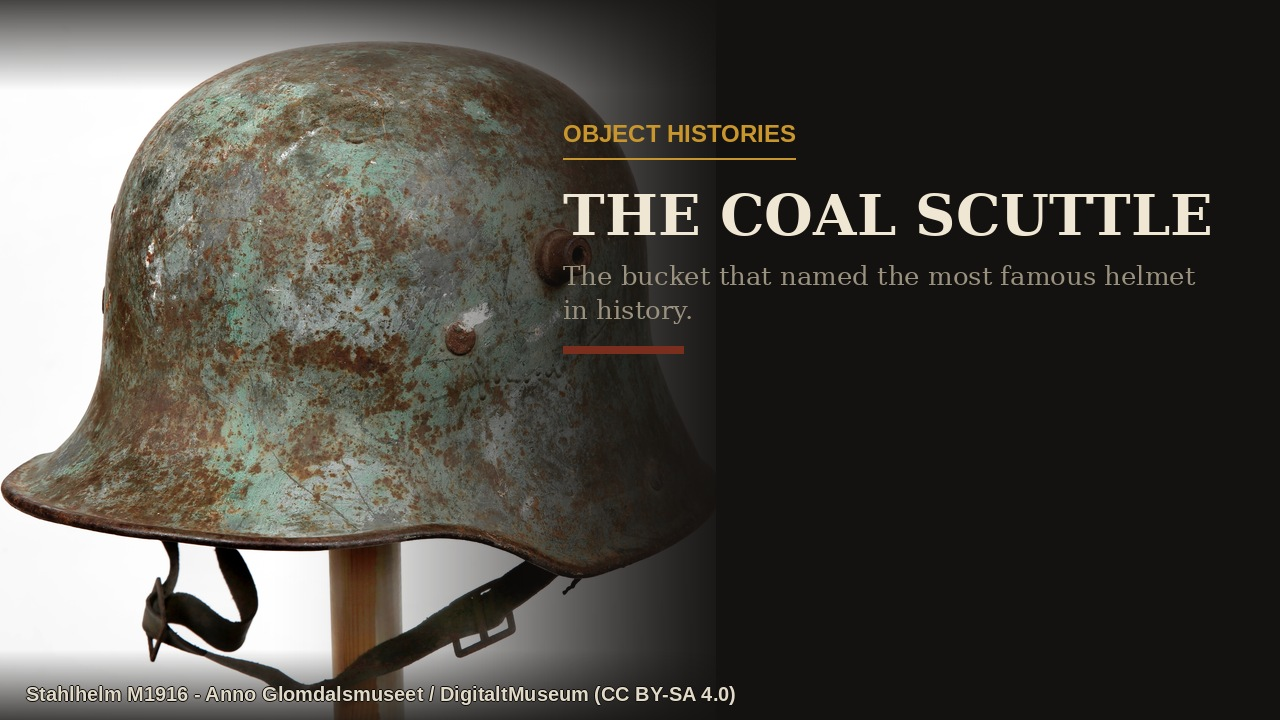
The Coal Scuttle Helmet: Why British Troops Named It That
One word links a Roman serving dish, a brass Victorian fireplace bucket and the German army’s steel helmet of two world wars. Here is how it travelled between all three.
-
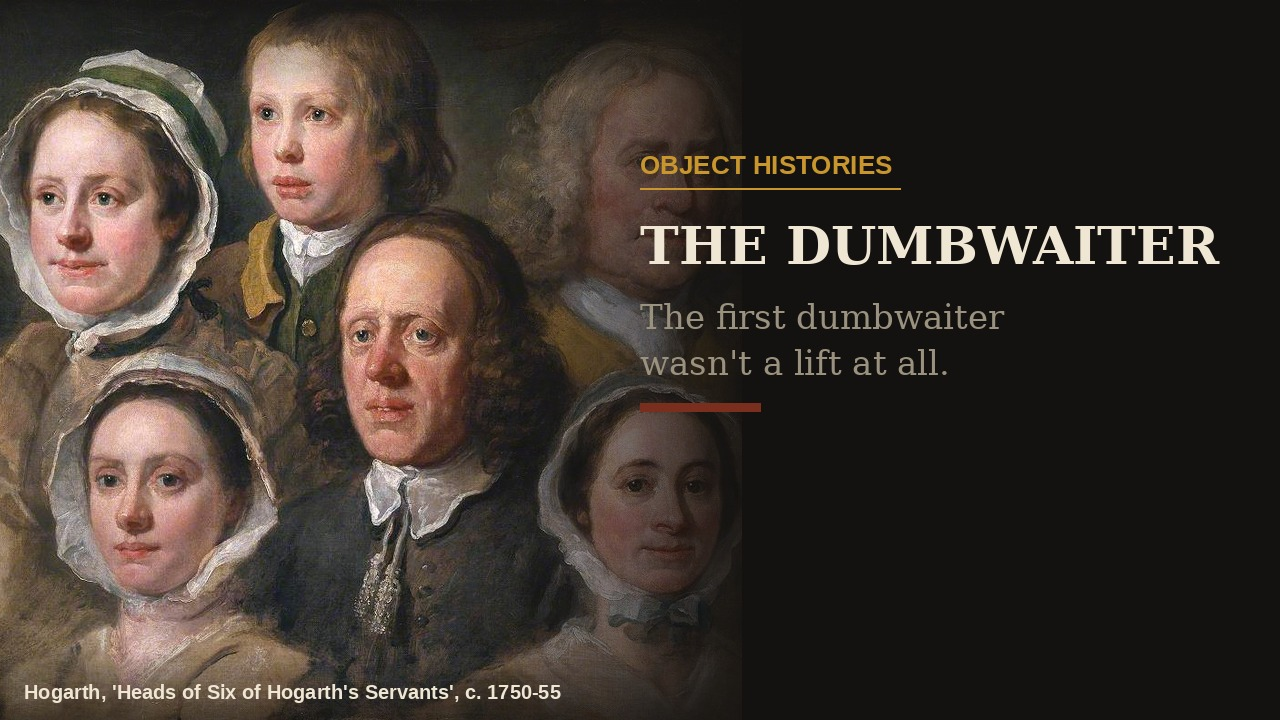
The Real Reason the Dumbwaiter Was Invented
A dumbwaiter’s whole job was to make a person disappear. Thomas Jefferson used one to silence his enslaved servants; the CIA later used one to move classified files.
-
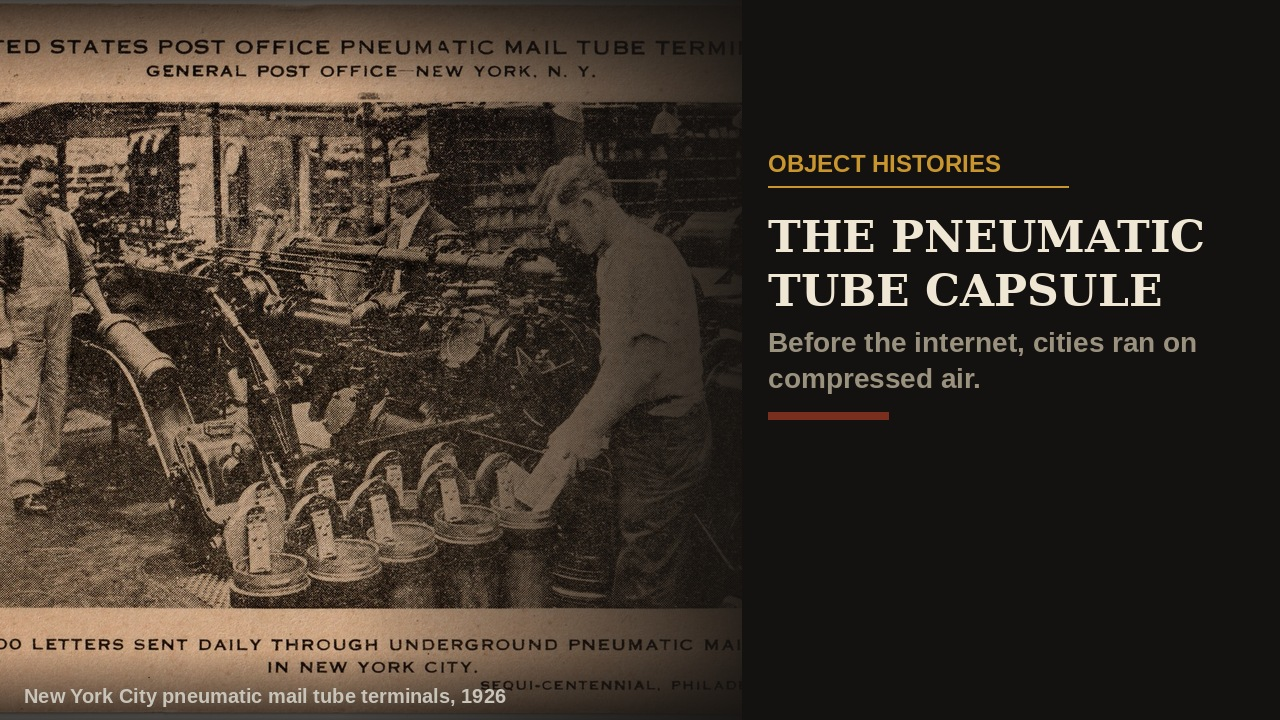
Inside the Pneumatic Tube Networks That Once Ran a City’s Mail
At its peak, New York’s pneumatic tube mail network moved more than half the city’s letters underground at 30 miles an hour. Here is how that system, and half a dozen others like it, actually worked.