
The long, surprising journeys of everyday objects: why your car key is called a fob, how the inkwell lasted 3,000 years, and where the things in your house really came from.
Each story below is the full, sourced article and includes its video. Just want to watch? See every Object Histories video →
-
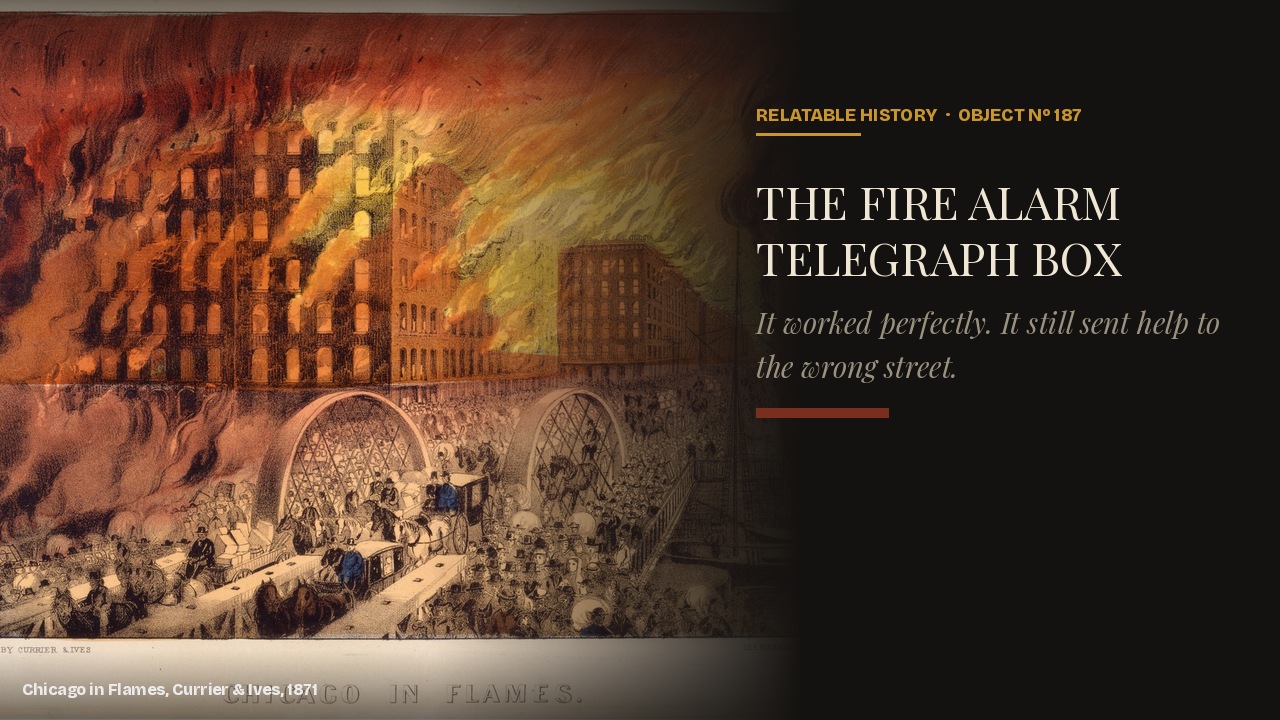
How Fire Alarm Telegraph Boxes Worked
A fire alarm telegraph box never detected a fire. It announced the number a human believed was closest to one – a distinction that nearly cost Chicago everything.
-
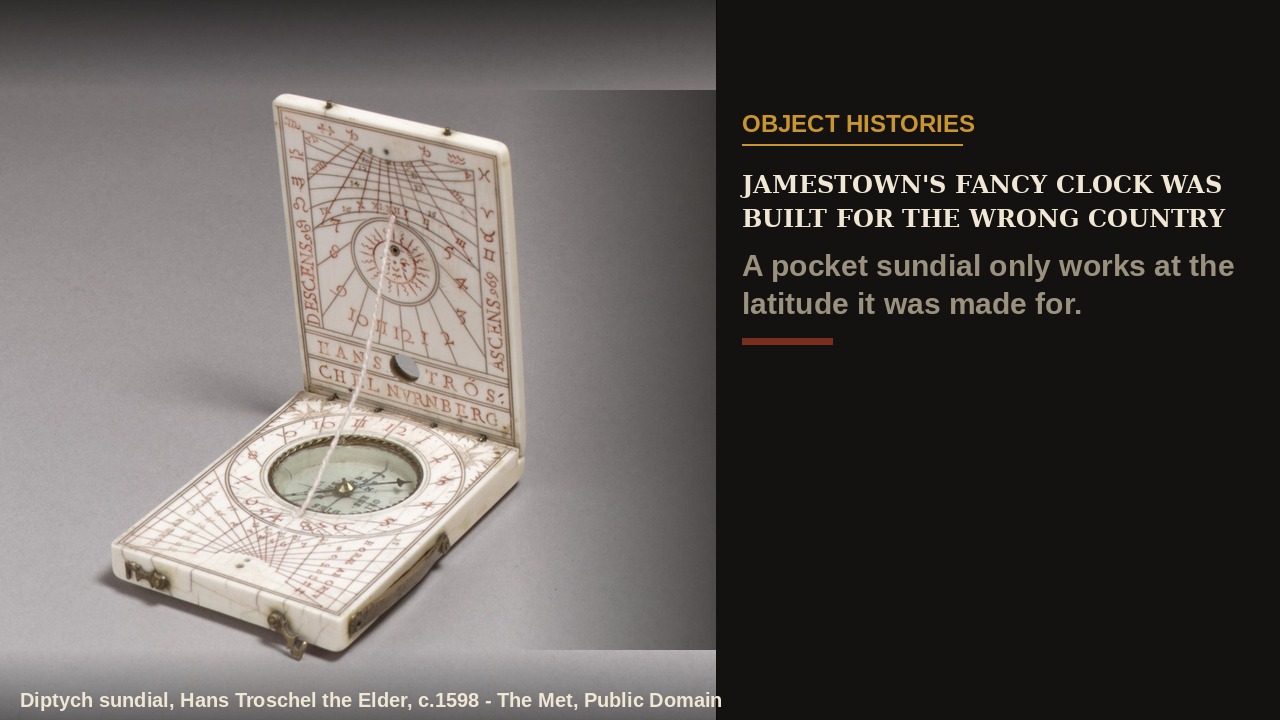
The Jamestown Pocket Sundial That Told the Wrong Time
Archaeologists have pulled at least four ivory pocket sundials from the ruins of James Fort, each one engraved for a European latitude — Nuremberg, Venice, and beyond — thousands of miles from Virginia. Captain John Smith owned one too, a sphere-shaped version he once held up to buy himself an extra hour of life in…
-
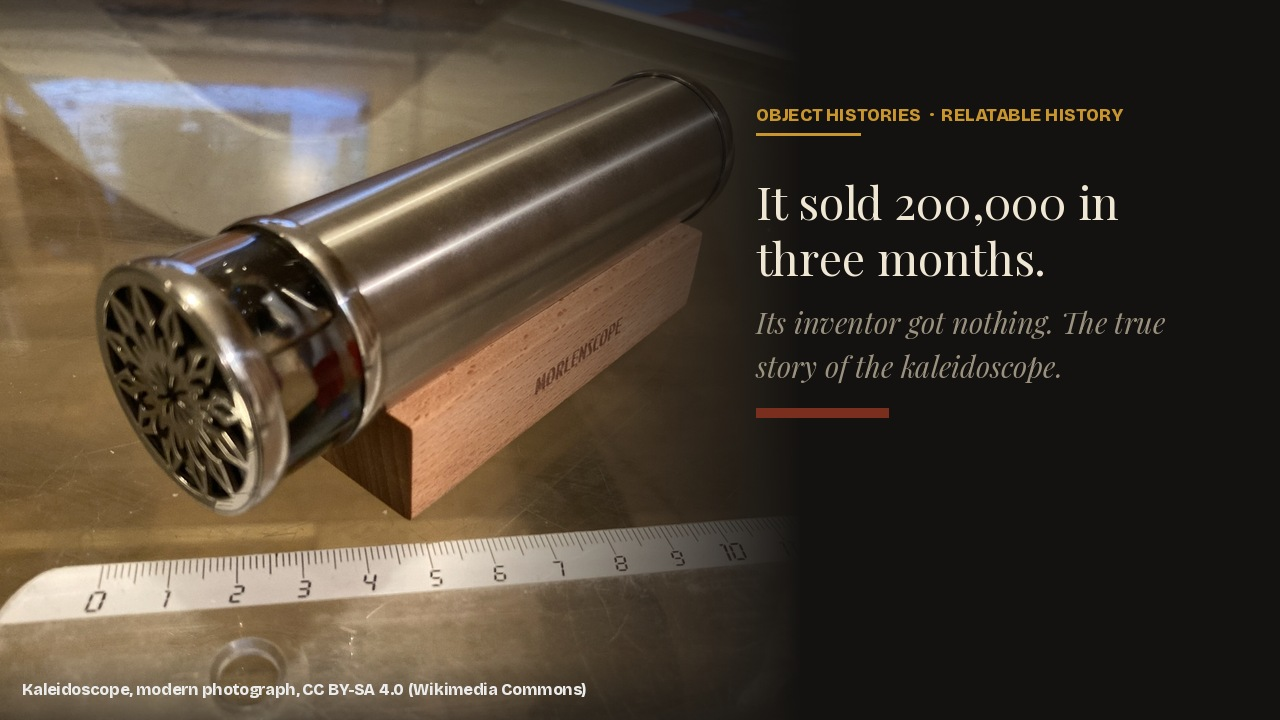
The Kaleidoscope Patent That Failed Its Own Inventor
In February 1815, Scottish physicist David Brewster looked through a triangular trough of glass at some loose bits of cement and saw a perfect symmetrical pattern. Two years later he patented the kaleidoscope. Within three months, roughly 200,000 of them had sold across London and Paris for a penny apiece, and almost none of that…
-
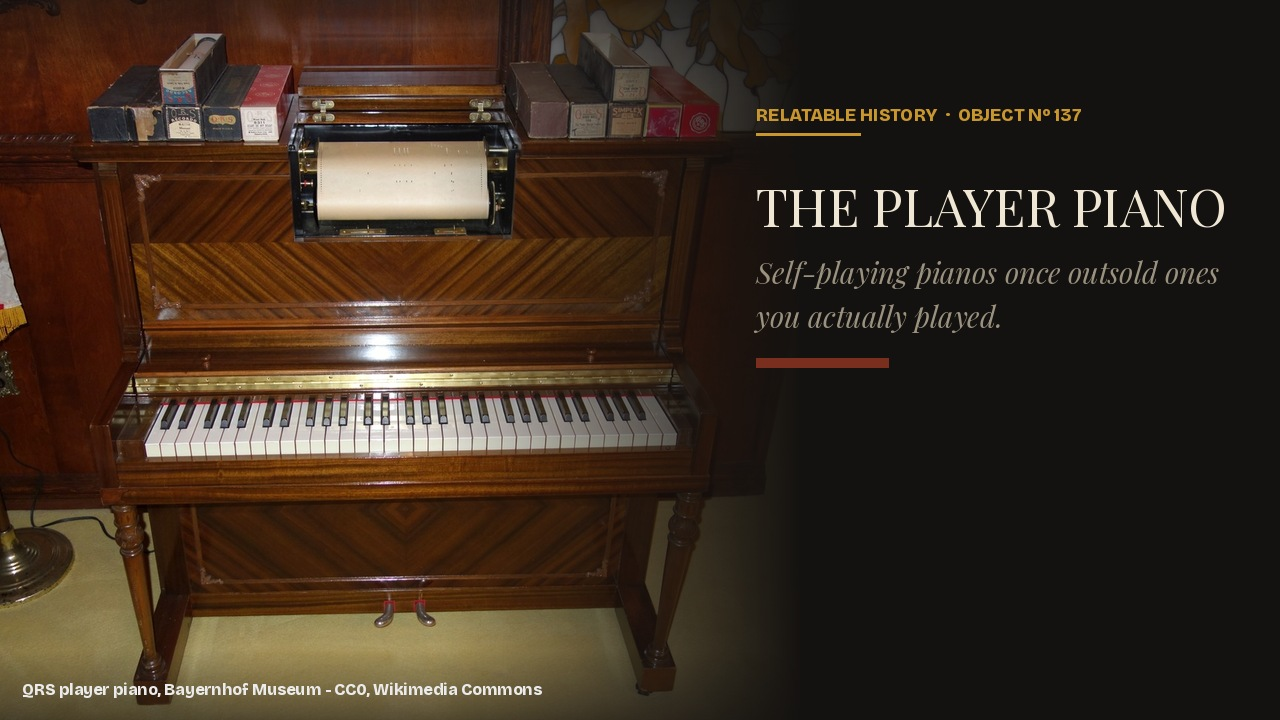
Why Player Pianos Outsold Real Pianos in 1924
In 1924, more player pianos were sold in America than pianos people actually sat down and learned to play. This is the real history: the Detroit inventor who built the first one in his home workshop, the 1908 industry agreement that let any piano play any roll, the famous pianists who recorded their exact performances…
-
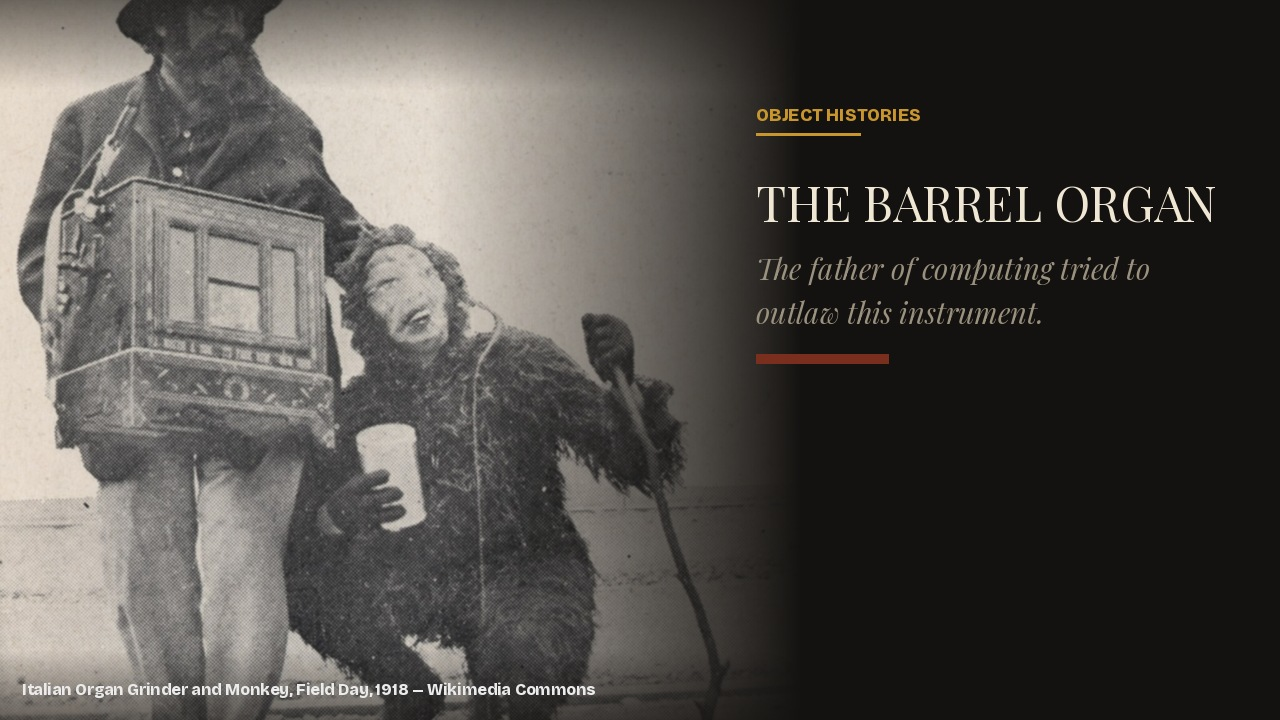
Charles Babbage and the Organ Grinders He Hated
Charles Babbage designed the first mechanical computer, then spent over a decade convinced London’s street organs were destroying his career. This is the real, documented history of the barrel organ: how a pinned wooden cylinder let anyone play a tune with zero training, why Mozart wrote music for one, how it became the soundtrack of…
-
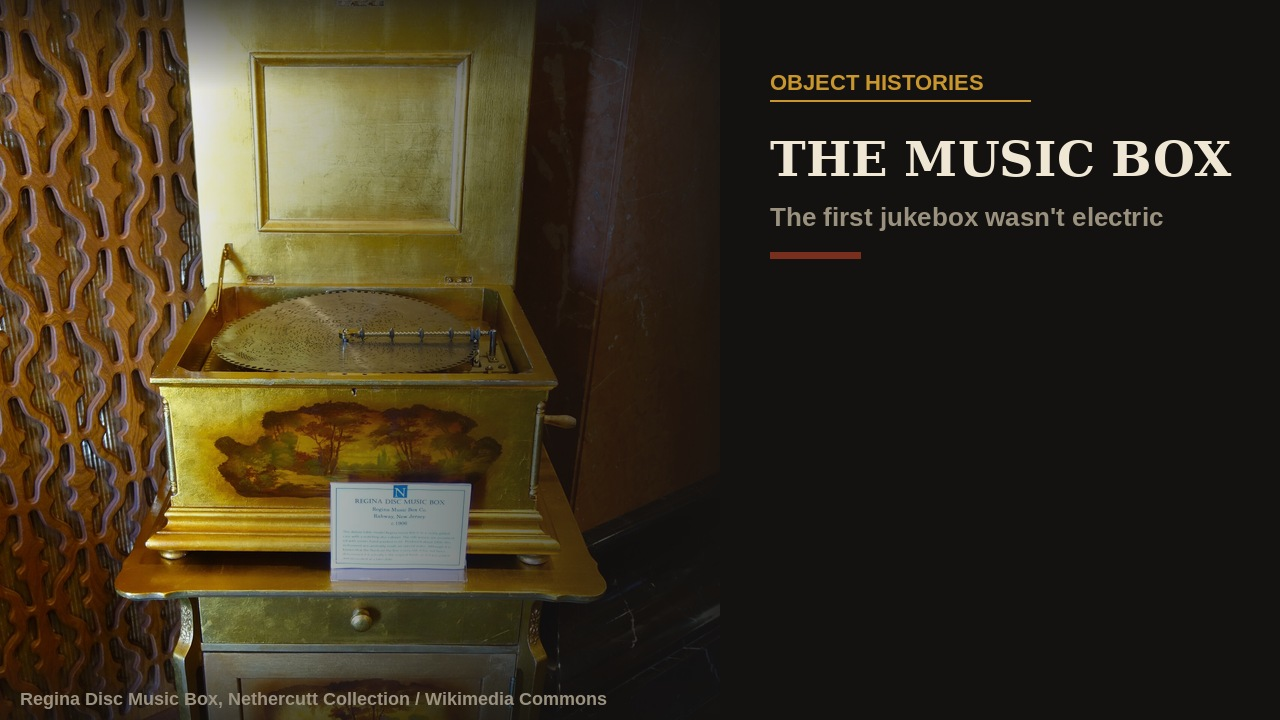
Why Music Boxes Disappeared: Rise and Fall of an Industry
By 1896, the Regina Music Box Company was America’s recognized market leader, selling self-playing steel discs to saloons and parlors from a 300-worker New Jersey factory. By 1922 it was bankrupt. Here’s the full story, from a Geneva watchmaker’s 1796 pocket trick to the Leipzig falling-out that created two rival companies, to the phonograph that…
-
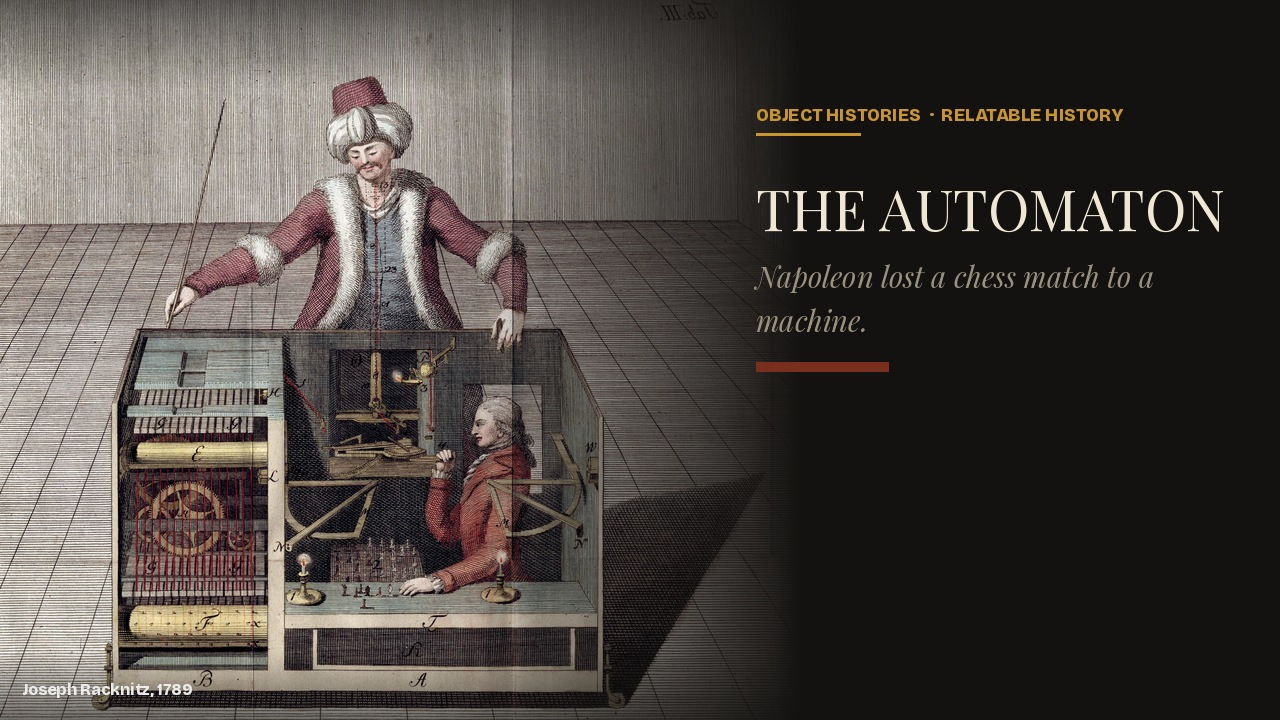
How the Mechanical Turk Worked, and Who Was Hiding Inside
Napoleon lost to a machine in 1809. Benjamin Franklin was personally invited to see it play. For fifty-seven years, almost nobody could prove the Mechanical Turk was a hoax. Here’s exactly how the trick worked, and why the honest automata built alongside it got a fraction of the fame.
-
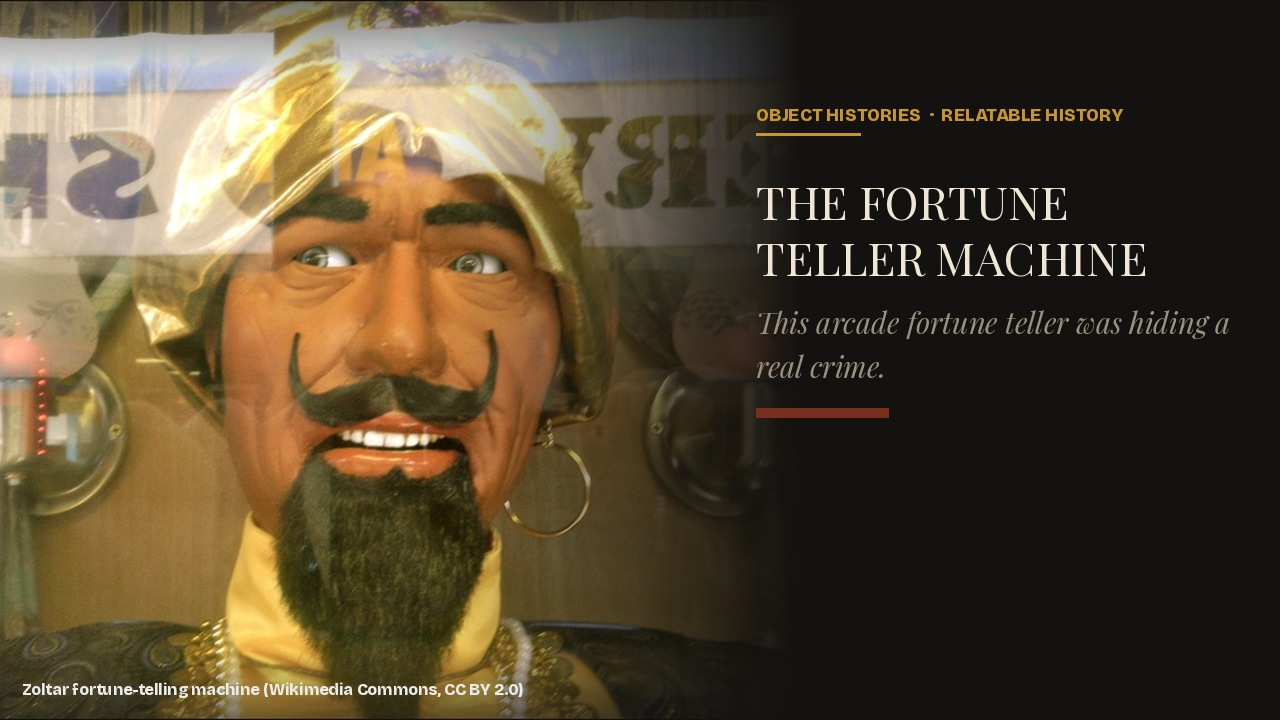
The Real History of the Fortune Teller Machine
A coin-operated fortune machine looks like harmless boardwalk fun. For decades, some of them were hiding a real crime: a working slot machine wearing a wizard’s costume to dodge gambling law. Here’s the verified history, including the popular Zoltar origin story that doesn’t hold up.
-
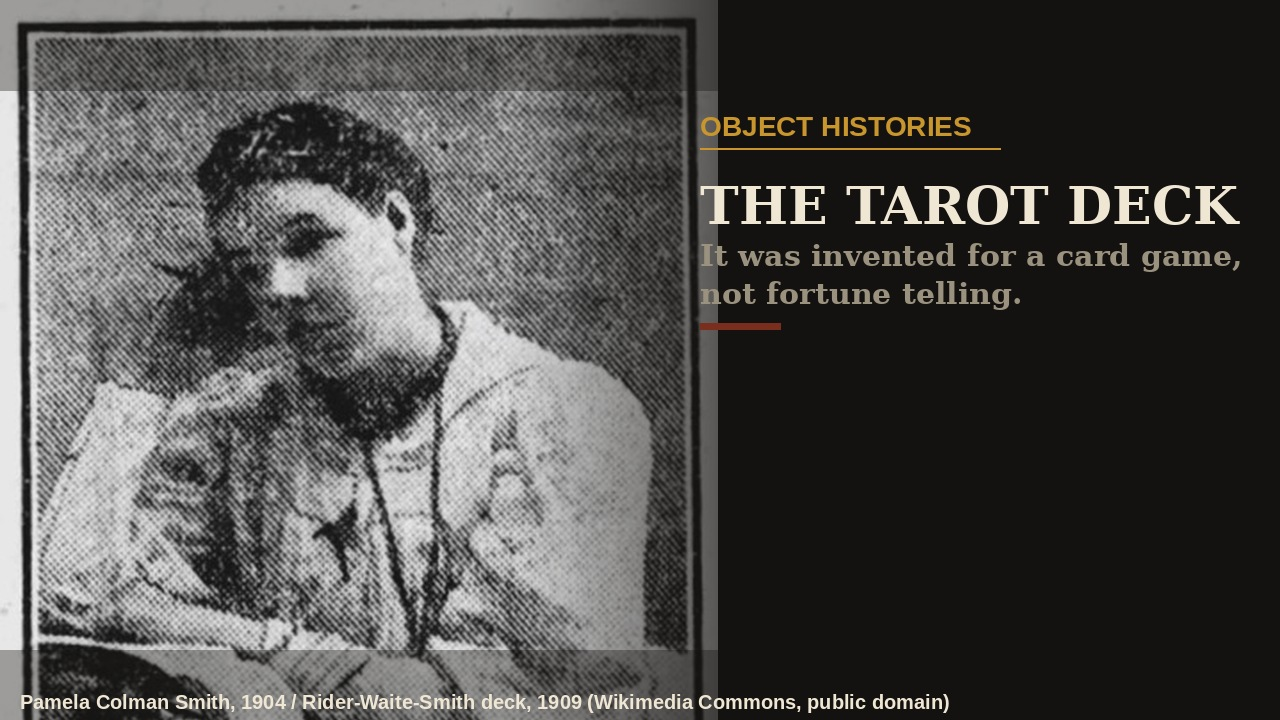
How Tarot Became Fortune Telling, 300 Years Later
Tarot was a trick-taking card game for three centuries before anyone used it to predict anything. Here’s how a scholar’s fifteen-minute guess and an overlooked illustrator’s artwork turned a deck of playing cards into the most recognizable fortune-telling tool in the world.
-
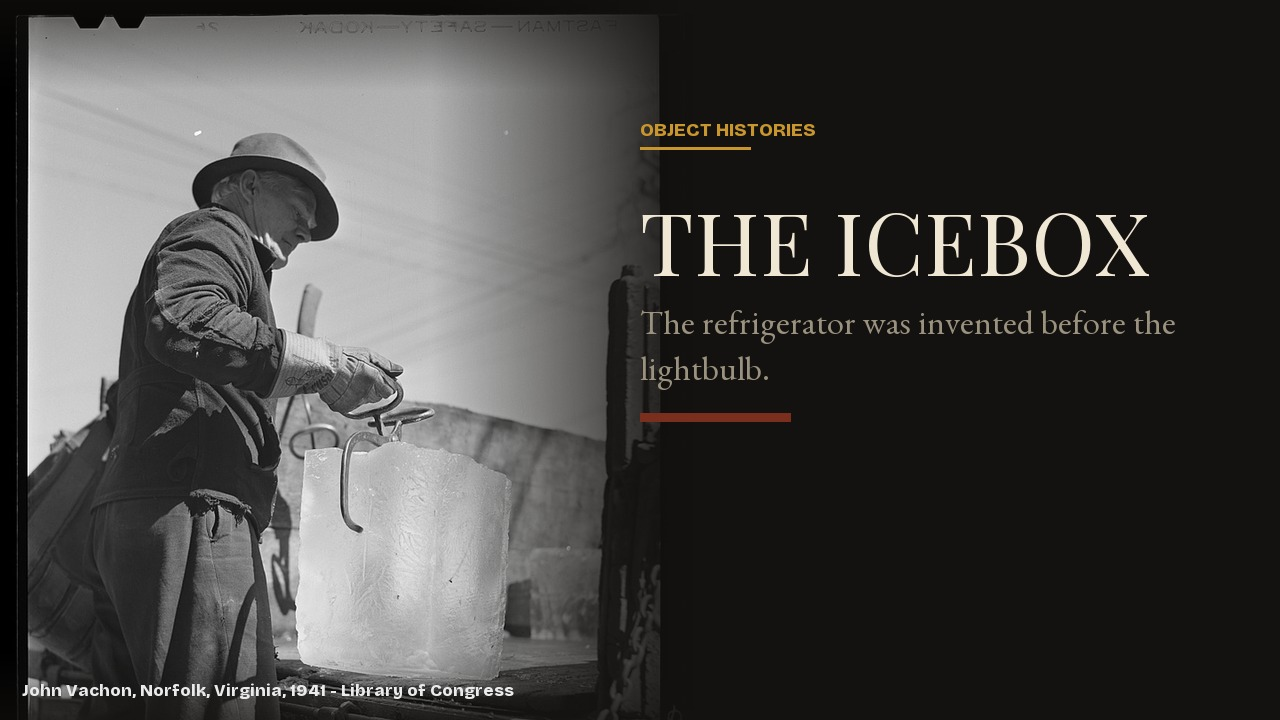
How Iceboxes Worked Before the Electric Refrigerator
Before electricity, keeping food cold meant a block of ice, a drip pan, and a Boston trader bold enough to ship frozen ponds to the tropics. Here’s how iceboxes worked, and how the trade that supplied them collapsed in a single generation.