
The long, surprising journeys of everyday objects: why your car key is called a fob, how the inkwell lasted 3,000 years, and where the things in your house really came from.
Each story below is the full, sourced article and includes its video. Just want to watch? See every Object Histories video →
-
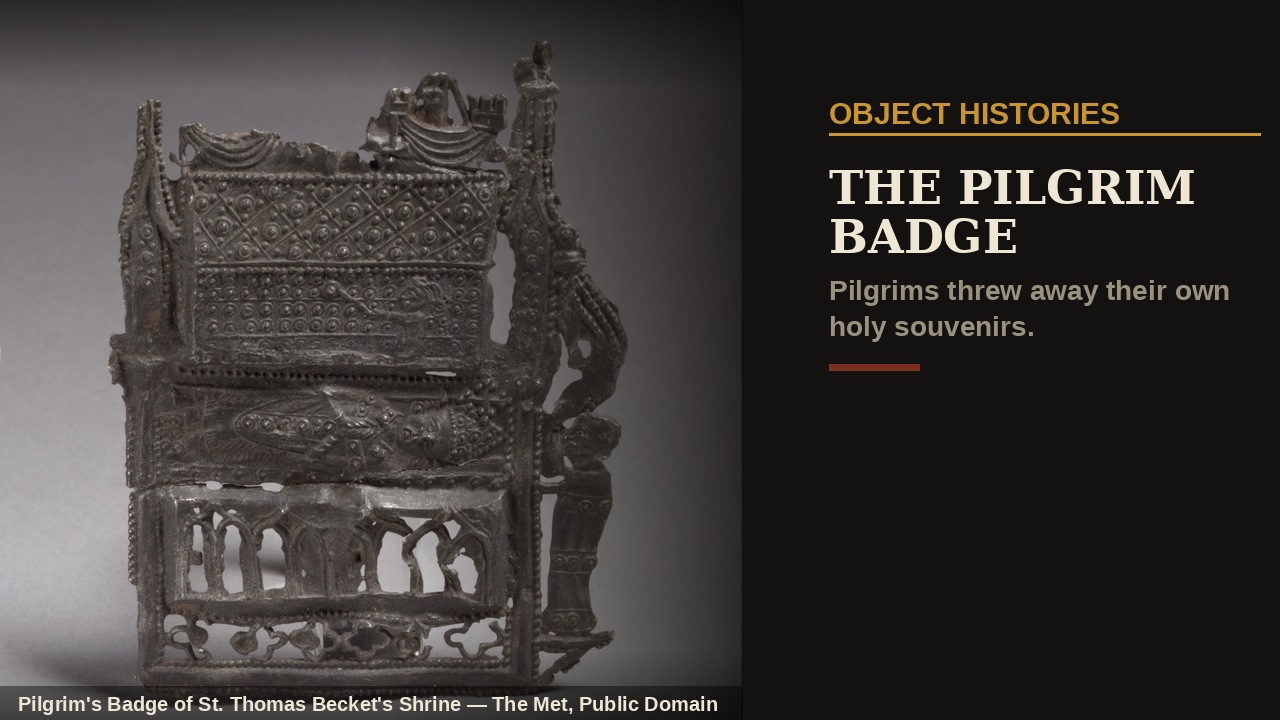
Inside the Medieval Pilgrim Badge Industry
Shrines did not just welcome pilgrims. They ran casting workshops, licensed moulds, and sold souvenirs the way a gift shop sells postcards, for three hundred years.
-
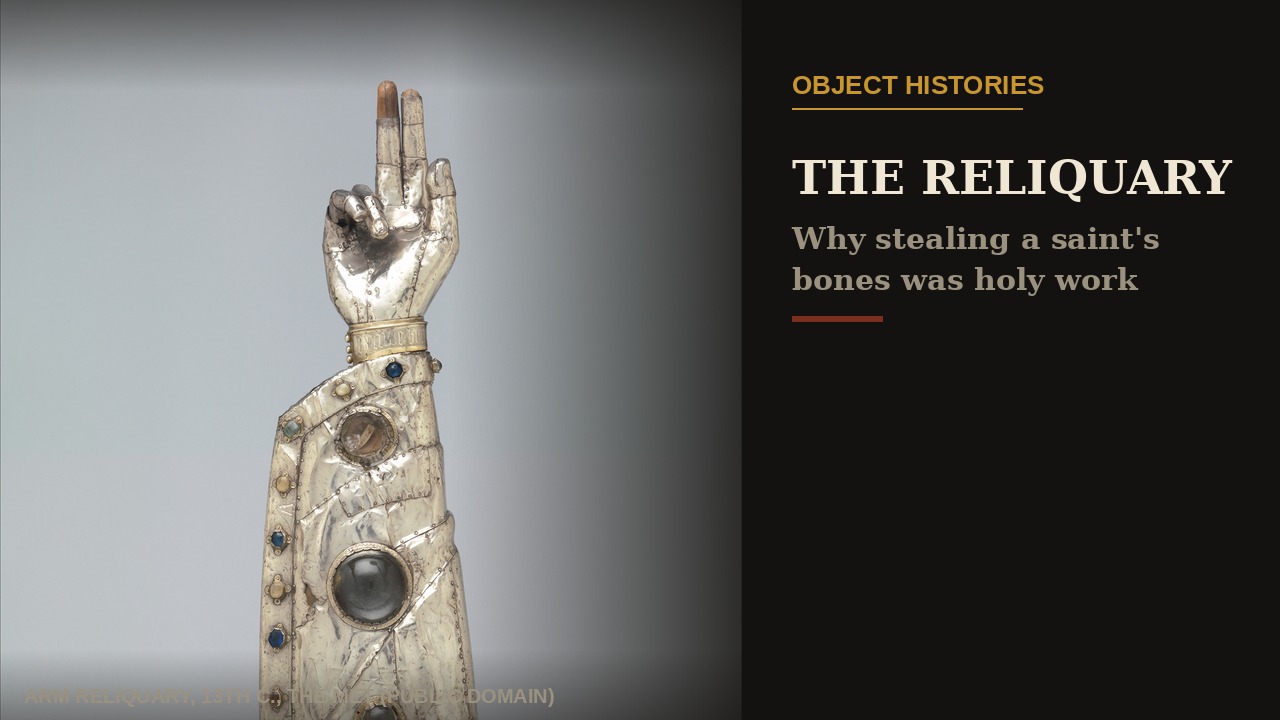
Furta Sacra: The Strange History of Medieval Relic Theft
For medieval Christians, stealing a saint’s body wasn’t a crime — it was proof the saint wanted to be moved. Here is the theology, the law, and the economy that built around that idea.
-
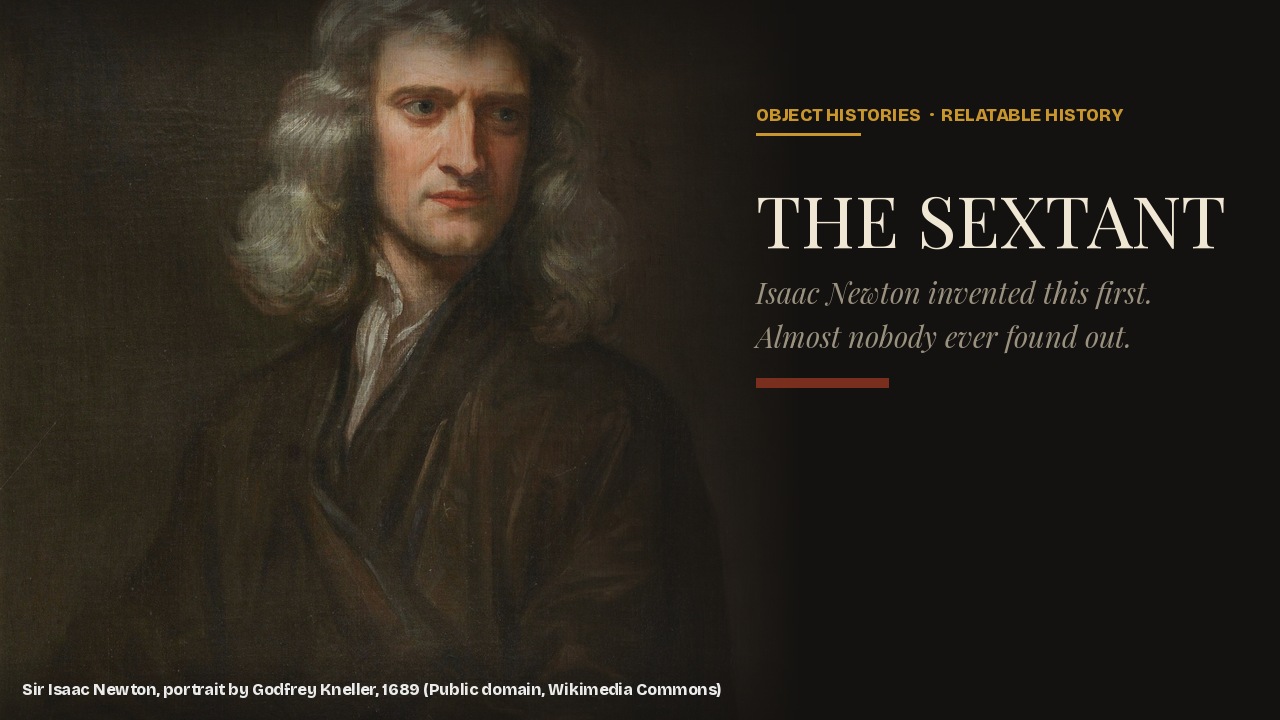
How a Sextant Works, From Tall Ships to Apollo 13
The sextant never needed updating in two hundred and fifty years. Here is the actual mechanism behind it, and the wartime cockpits, lifeboats and spacecraft that leaned on it when nothing else worked.
-
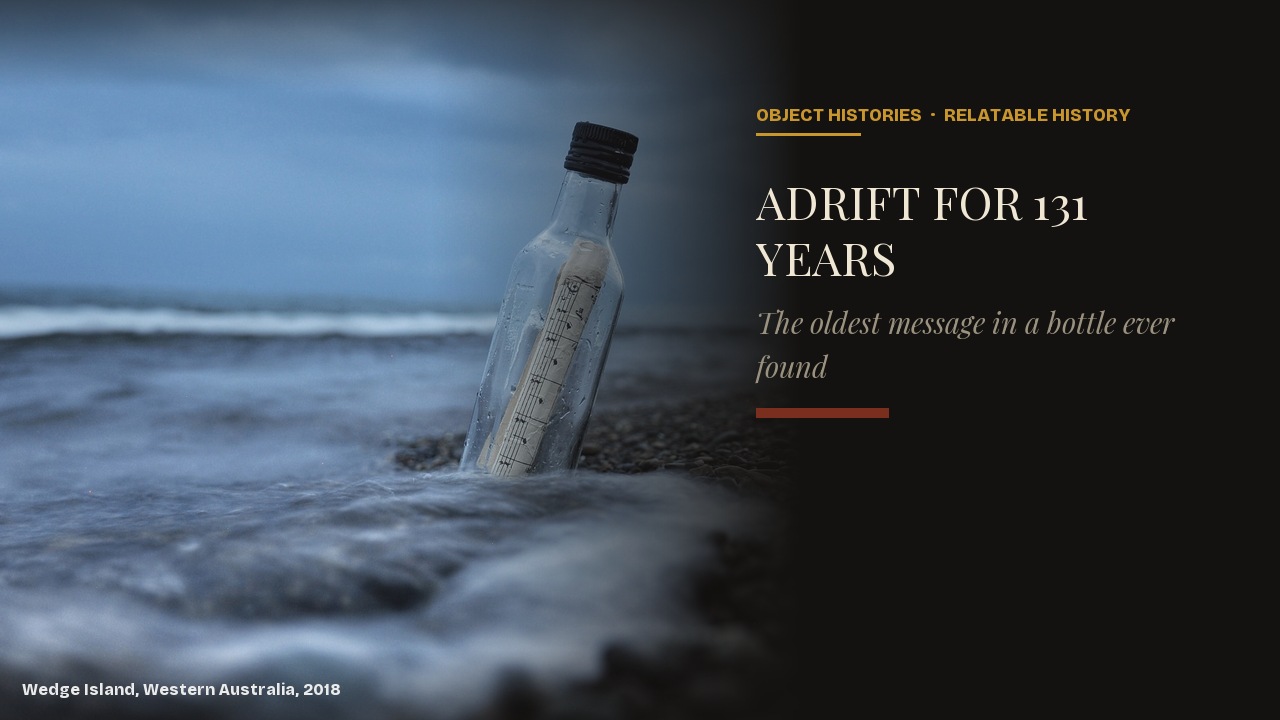
Drift Bottle Science: How Sealed Notes Helped Map the World’s Oceans
The note that broke a 131-year world record wasn’t a castaway’s plea — it was one slip in a 69-year government experiment that used cheap glass to map currents no satellite yet existed to see.
-
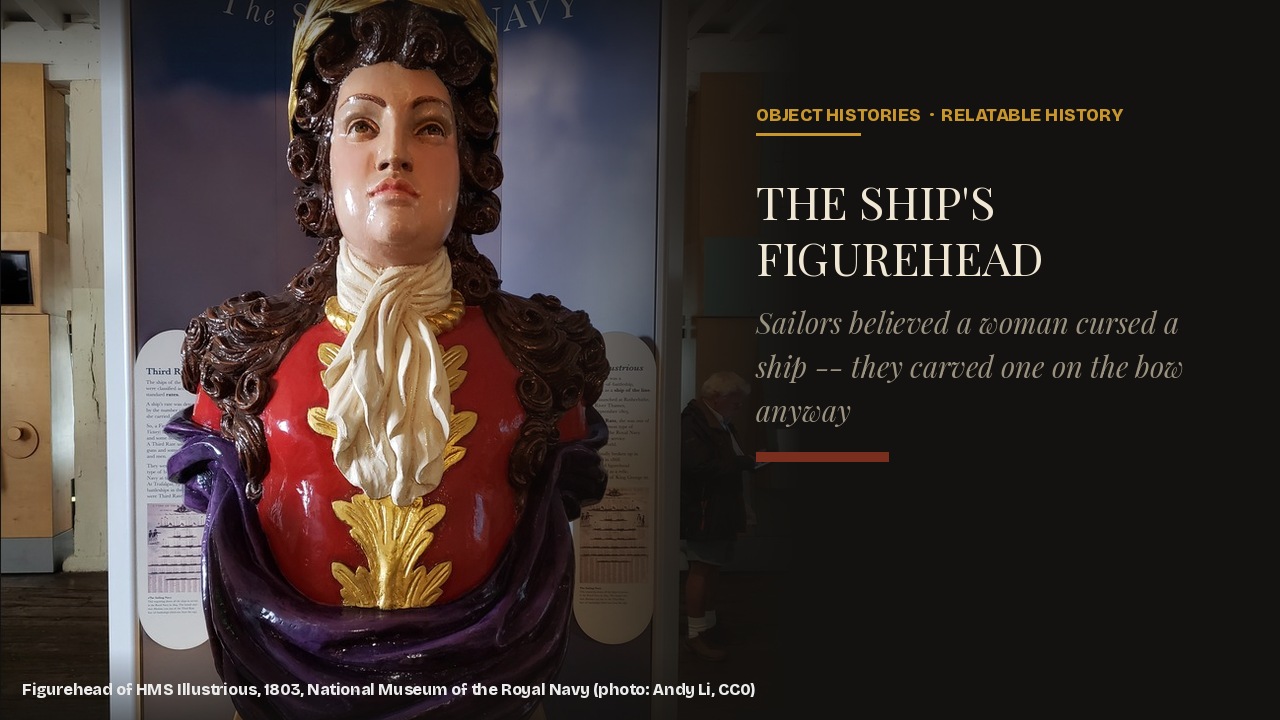
The Strange, Three-Thousand-Year History of the Ship’s Figurehead
A Boston sea captain once beheaded a carved president in a thunderstorm. A warship’s lion figurehead came up from the deep without her, 333 years later. This is the real history of the ship’s figurehead.
-
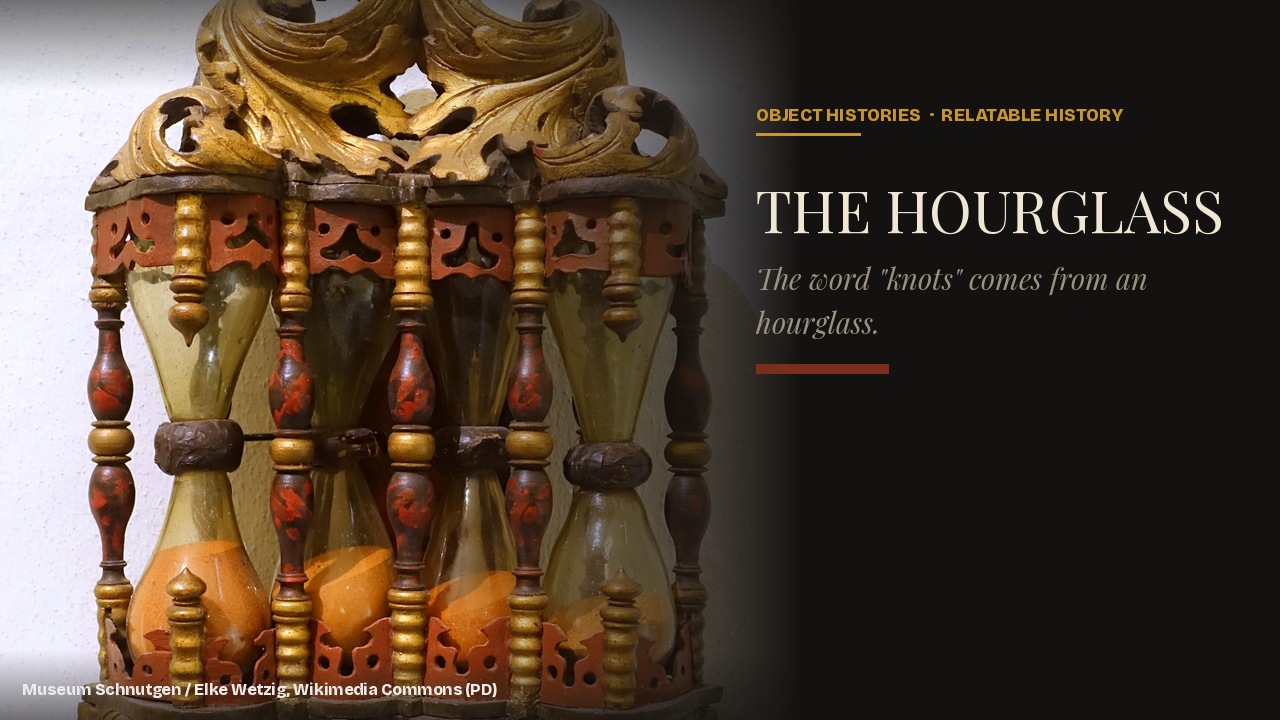
How Hourglasses Were Made, and What Was Actually Inside Them
Most hourglasses never held sand at all. Here is what glassmakers actually put inside them, and why ships and churches couldn’t do without one.
-
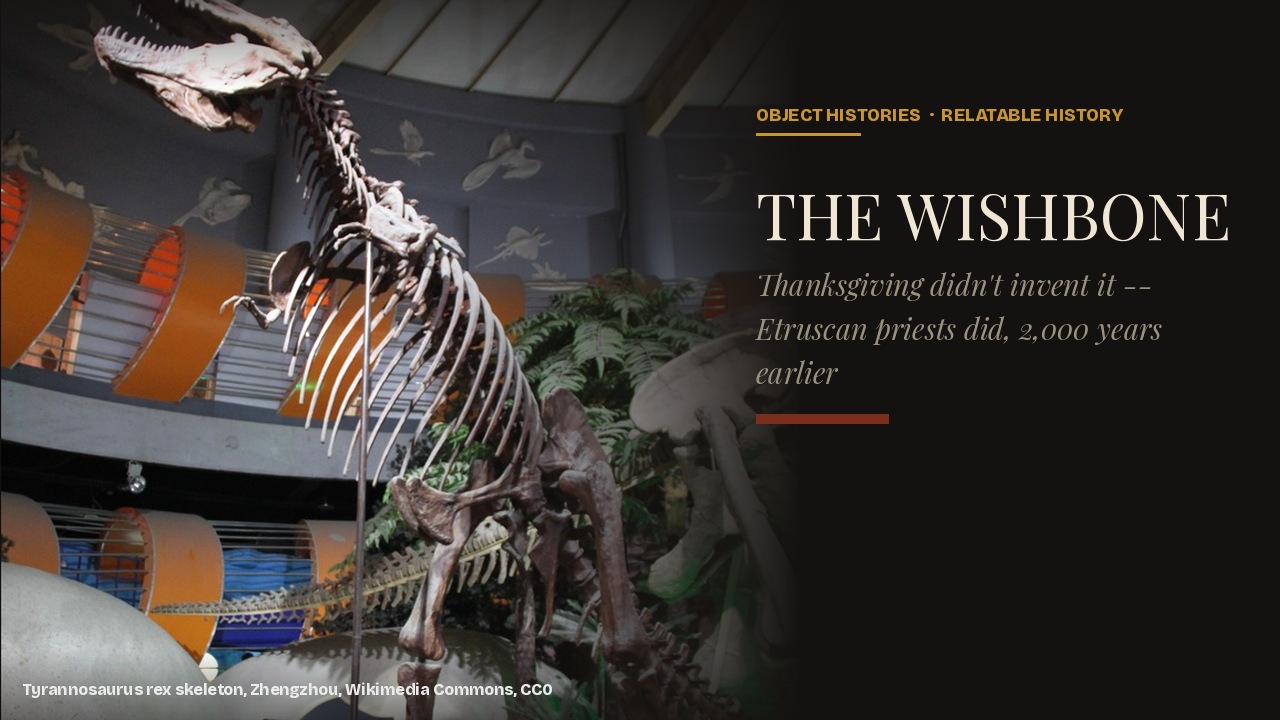
The Furcula: The Science and Superstition Behind the Wishbone
A Roman commander once threw sacred chickens overboard rather than listen to them. Centuries later, their forked chest bone would help settle an argument about where birds really come from.
-
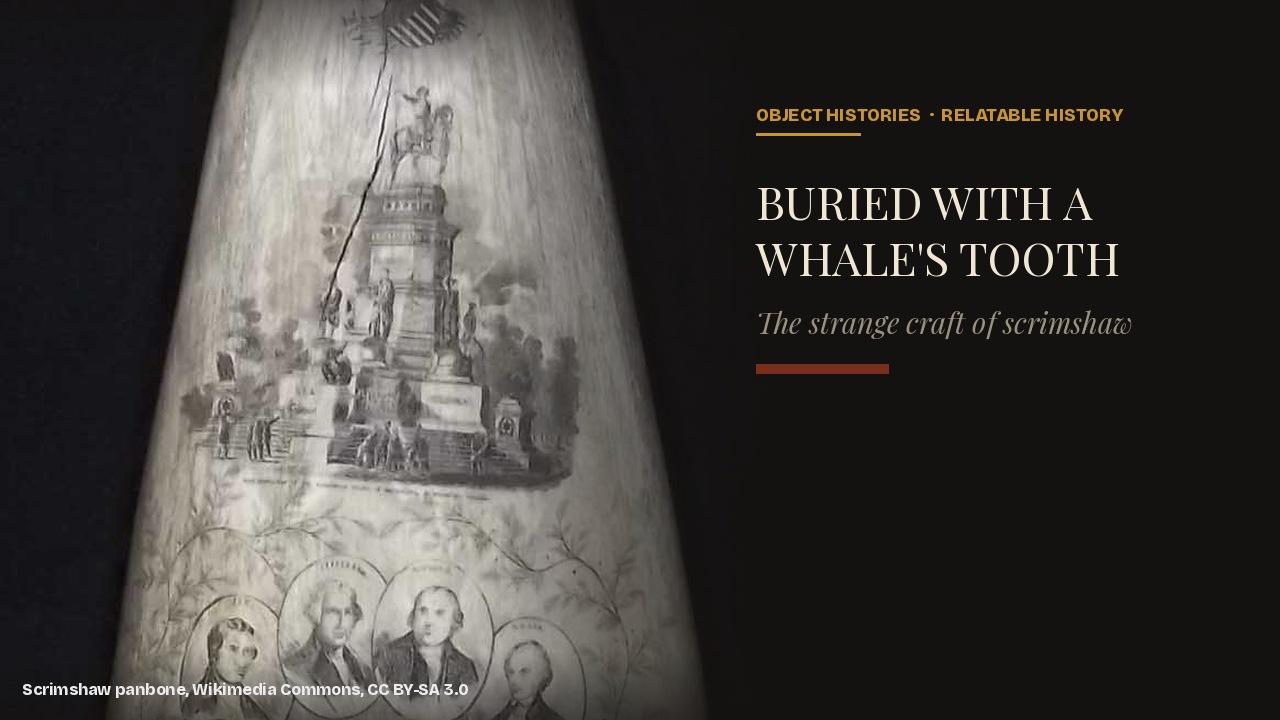
How Scrimshaw Was Made, From Whale’s Tooth to Keepsake
A whale’s tooth sat in Greta Garbo’s keeping for thirty-six years before anyone traced it back to the Oval Office — and tracing it is most of what there is to know about how scrimshaw survived.
-
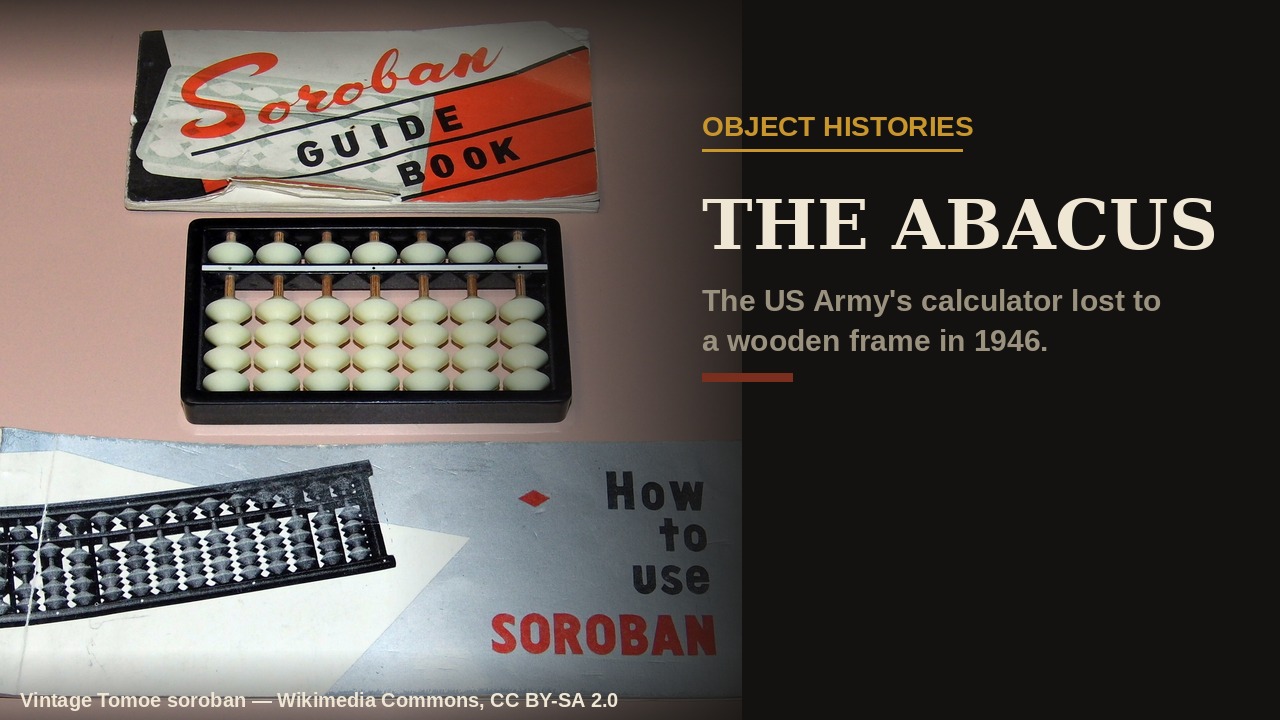
How an Abacus Actually Works, Bead by Bead
An abacus runs on a simple trick with beads and complements — simple enough that a trained operator beat a U.S. Army calculator in 1946, and sturdy enough that a version built for blind readers is still manufactured today.
-
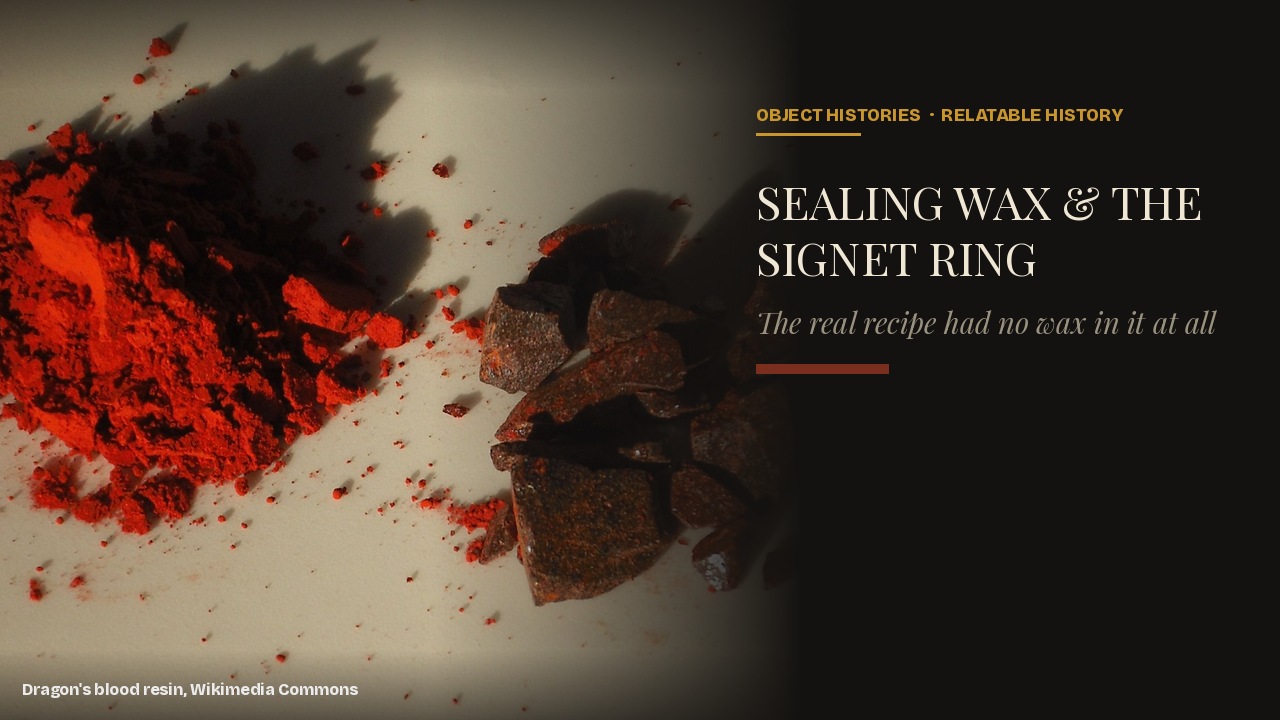
Sealing Wax and Signet Rings: The Secret History
Sealing wax never had a drop of wax in it, and the signet ring pressed into it carried real legal weight — until a government found it easier to open quietly than to forge convincingly.