
Communication & Records
Writing, printing, post, signalling and record-keeping: how information was stored and moved.
-
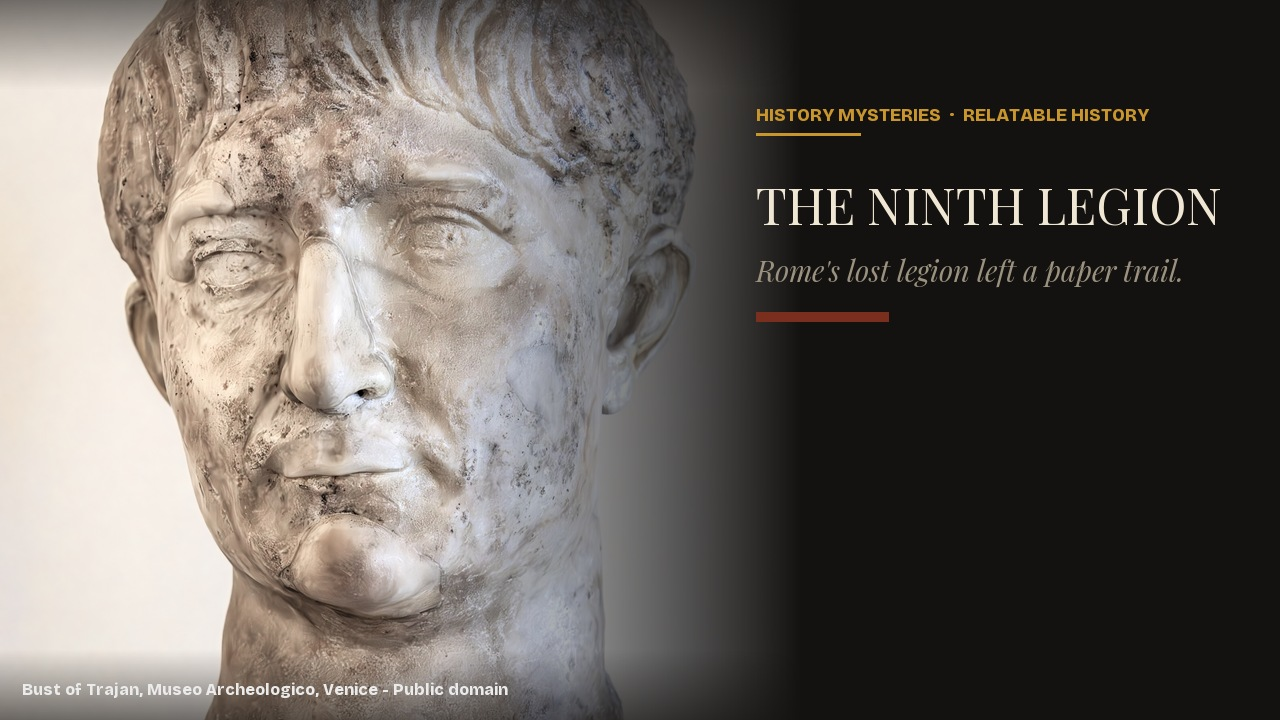
What Happened to Rome’s Lost Ninth Legion?
The legend says five thousand men marched into the Highland mist and were never seen again. The real evidence is a gate, some roof tiles, and a paper trail that simply stops.
-
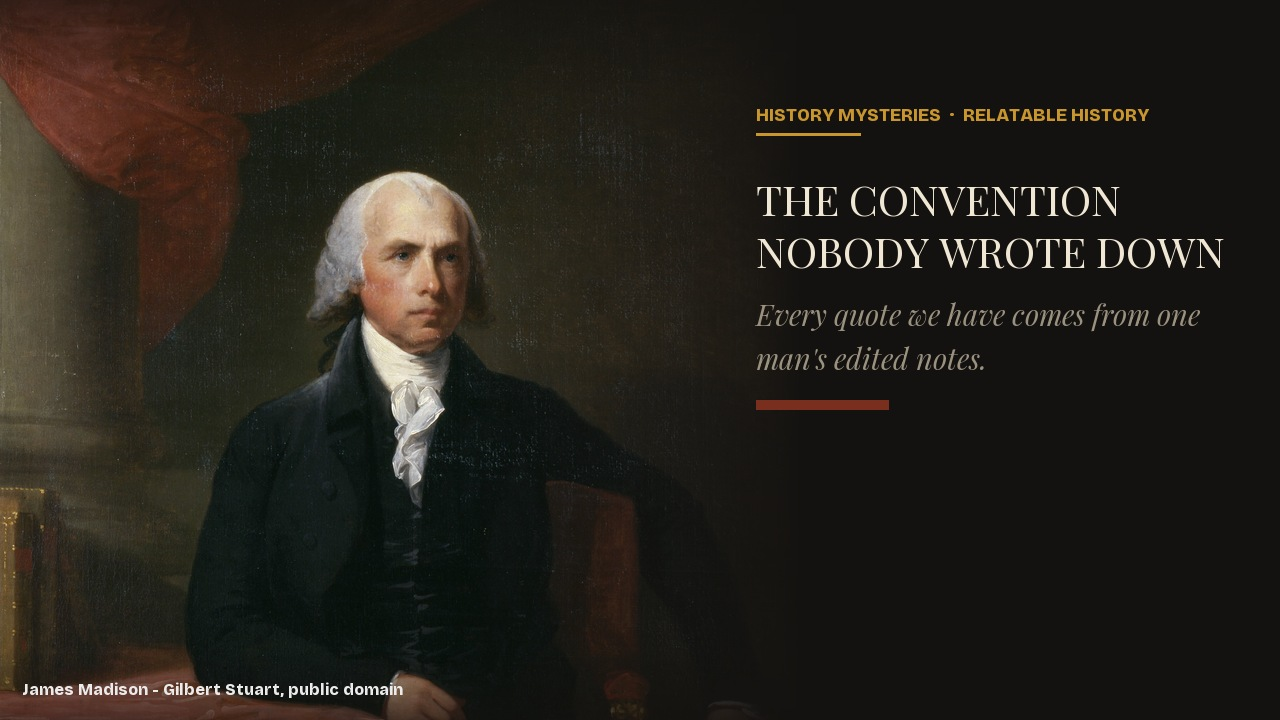
Why the 1787 Constitutional Convention Met Entirely in Secret
For four months in 1787, Philadelphia’s State House ran under an unbreakable gag order. Almost everything we know about what was said inside comes from one delegate’s personal notebook.
-
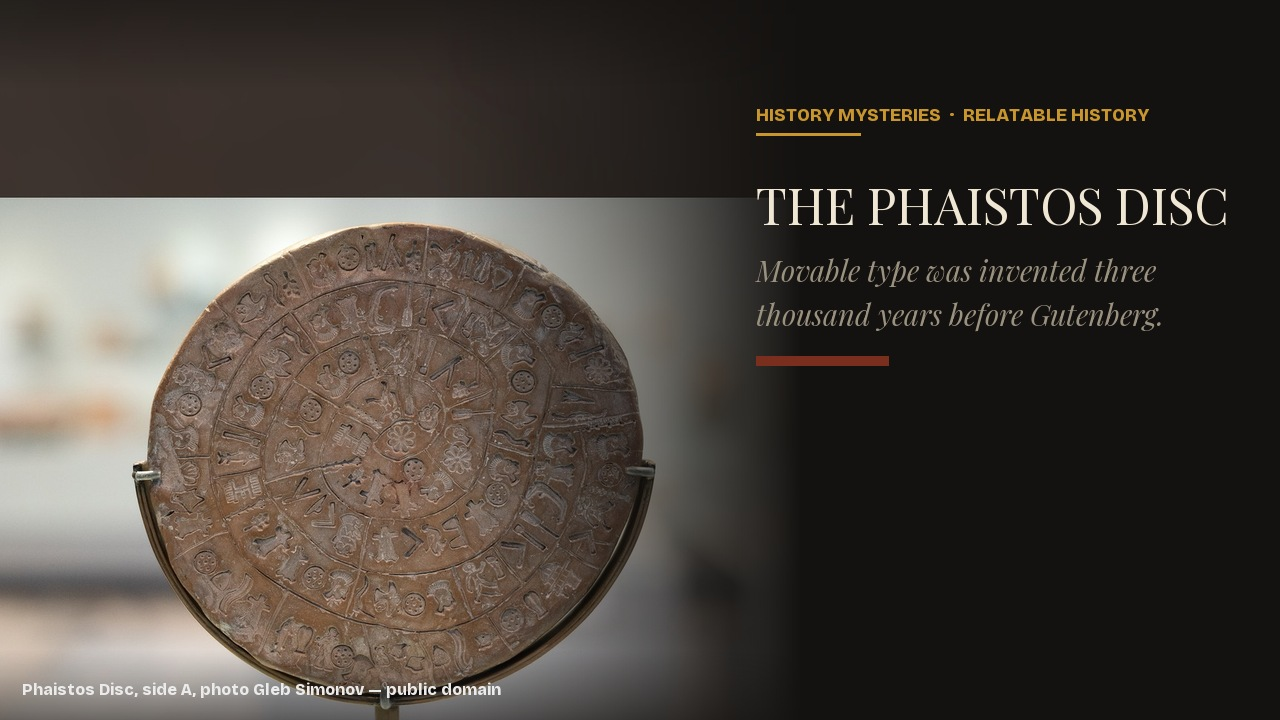
Why No One Can Read the Phaistos Disc — or Agree That It’s Real
A clay disc dug up on Crete in 1908 was stamped with reusable type three thousand years before Gutenberg — if it’s genuine at all. Inside a century of failed readings.
-
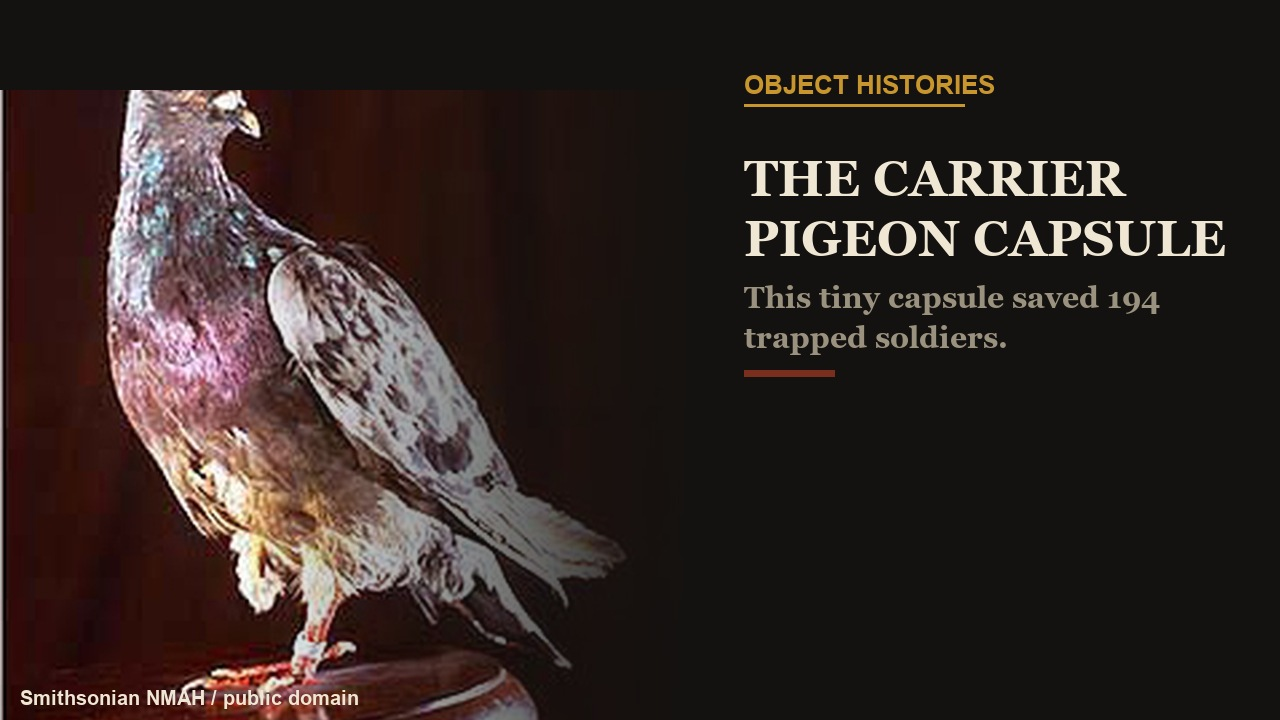
How Carrier Pigeons Carried Messages Through Two World Wars
A capsule the size of a film canister carried Reuters’ stock prices, letters out of besieged Paris, and the order that stopped a barrage on American troops. Here is the century of engineering behind it.
-
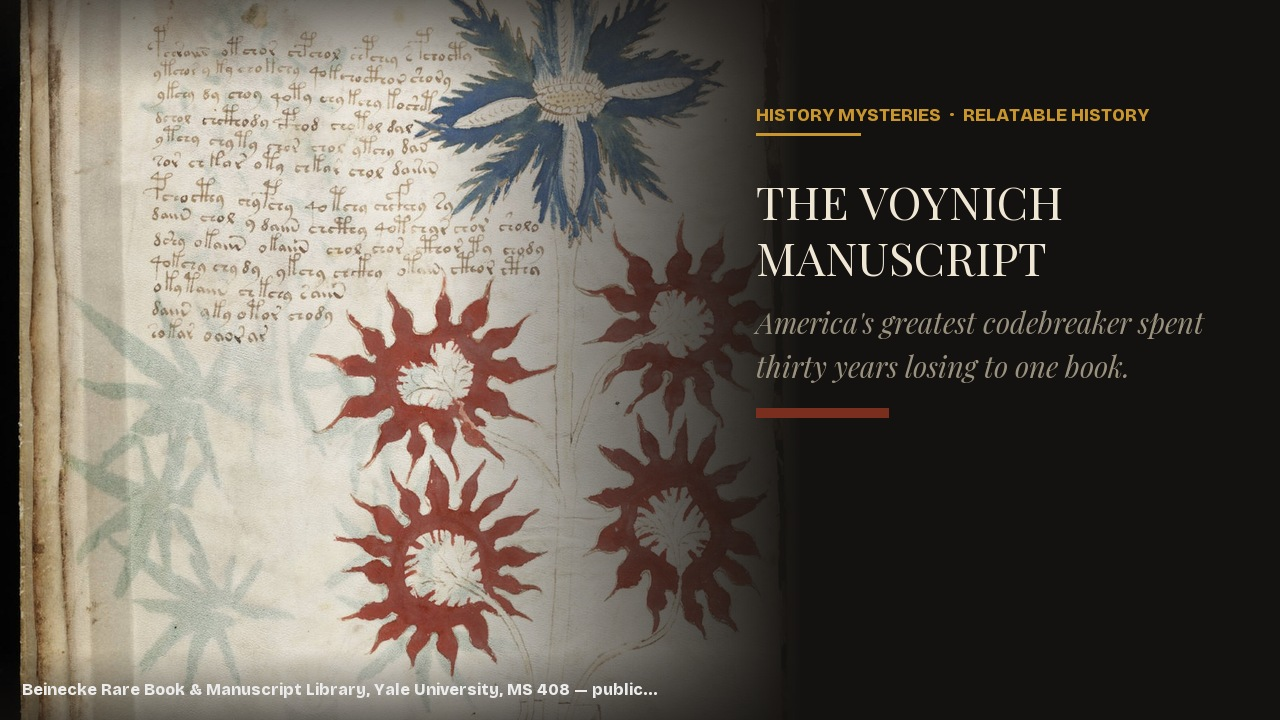
Why Nobody Can Read the Voynich Manuscript
A 2019 claim to have translated it was withdrawn within days, and the leading scientific theory says the text may not be a language at all. Here is what five hundred years of failed attempts actually looked like.
-
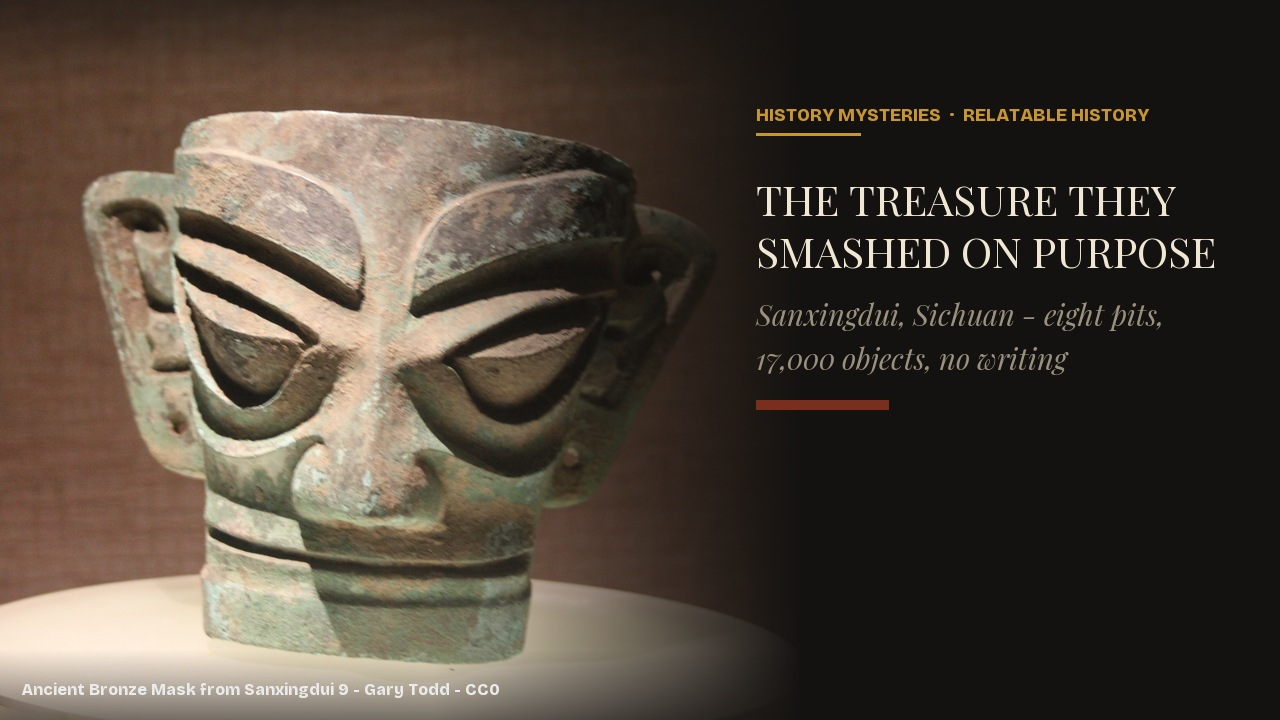
Why Were the Sanxingdui Bronzes Smashed Before Burial?
Eight pits, seventeen thousand objects, and not one written word. The Sanxingdui bronzes were deliberately destroyed before they went into the ground, and historians still argue over why.
-
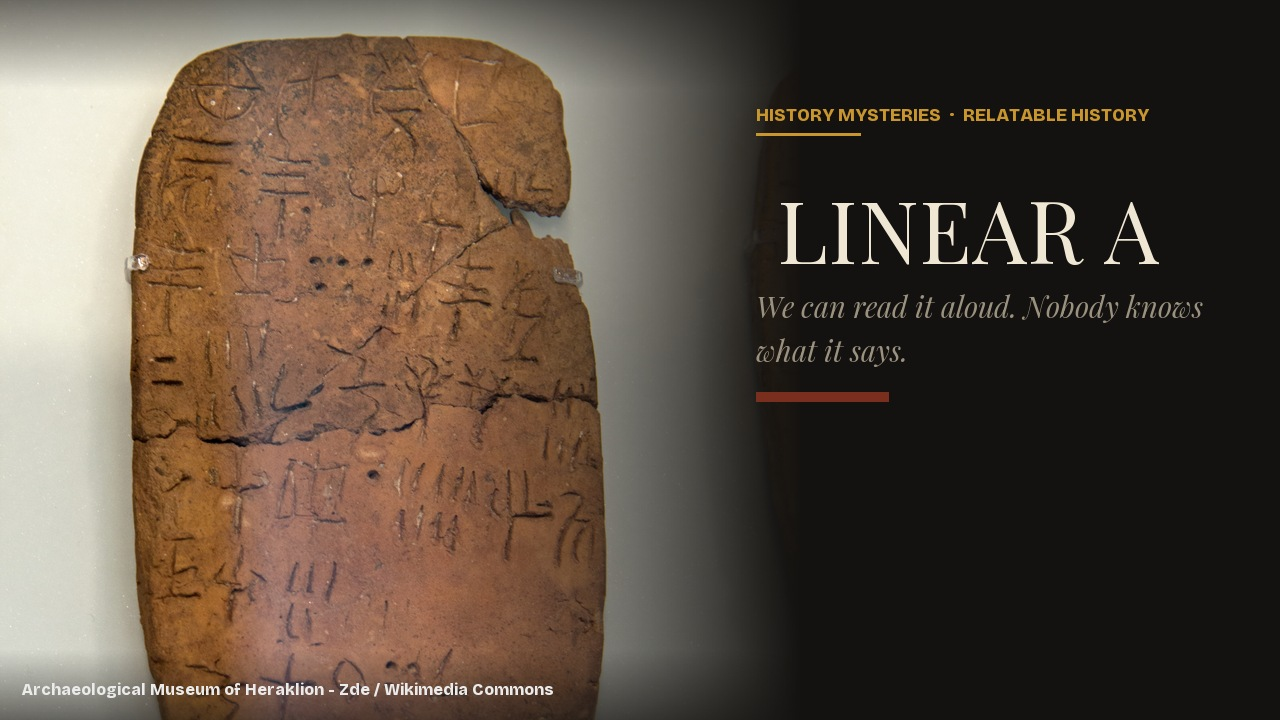
Why Linear A Still Can’t Be Read
Scholars can sound out a Linear A tablet syllable by syllable. Nobody has ever worked out what the words mean.
-
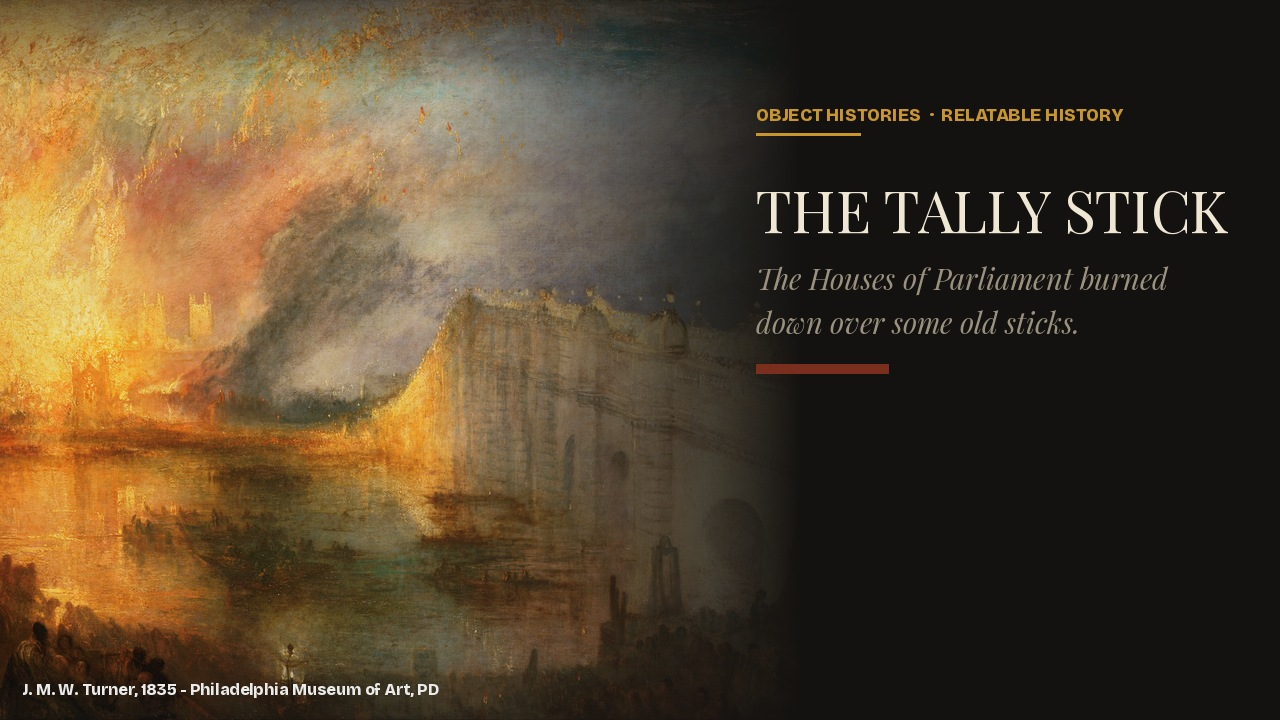
How Wooden Tally Sticks Ran England’s Treasury for 600 Years
A tally was a notched stick split in half so the two pieces could never be faked. For six centuries it was England’s receipt, its currency, and eventually its downfall.
-
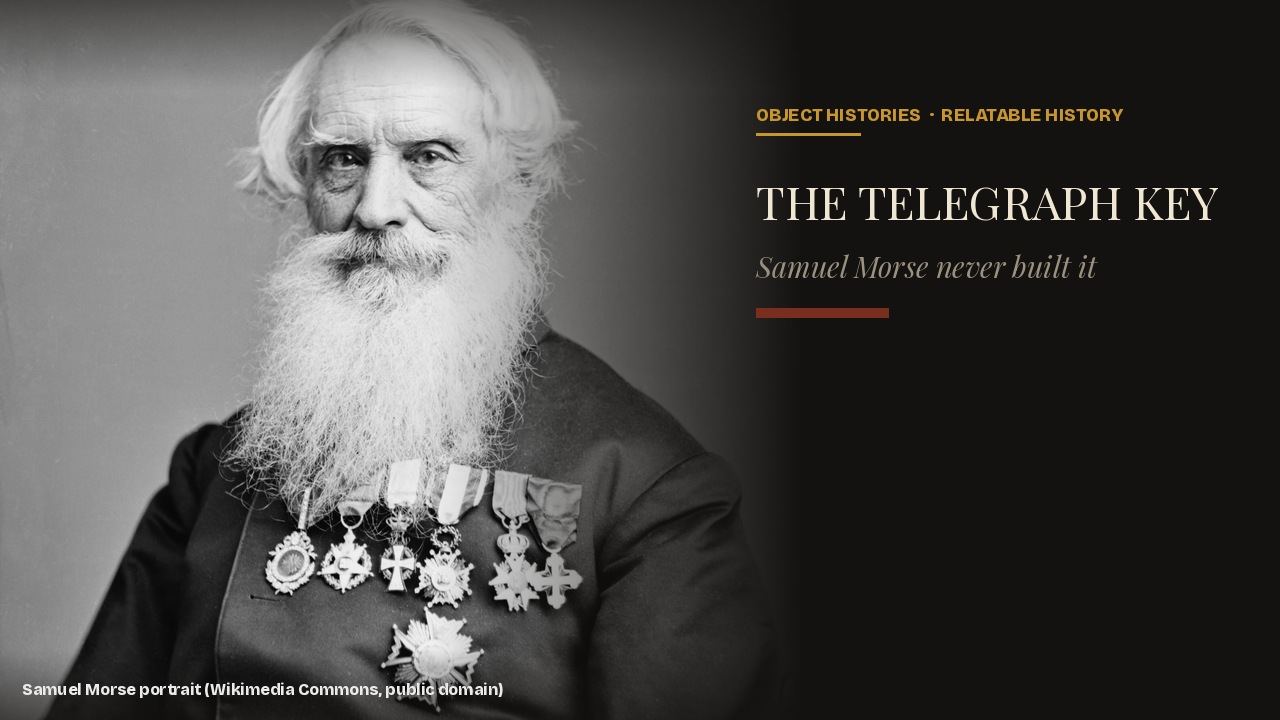
Who Really Invented the Telegraph Key (It Wasn’t Samuel Morse)
The device that bears Samuel Morse’s name was engineered by a machinist named Alfred Vail, who redesigned Morse’s code too. Here is what the patent fight and the archives actually show.
-
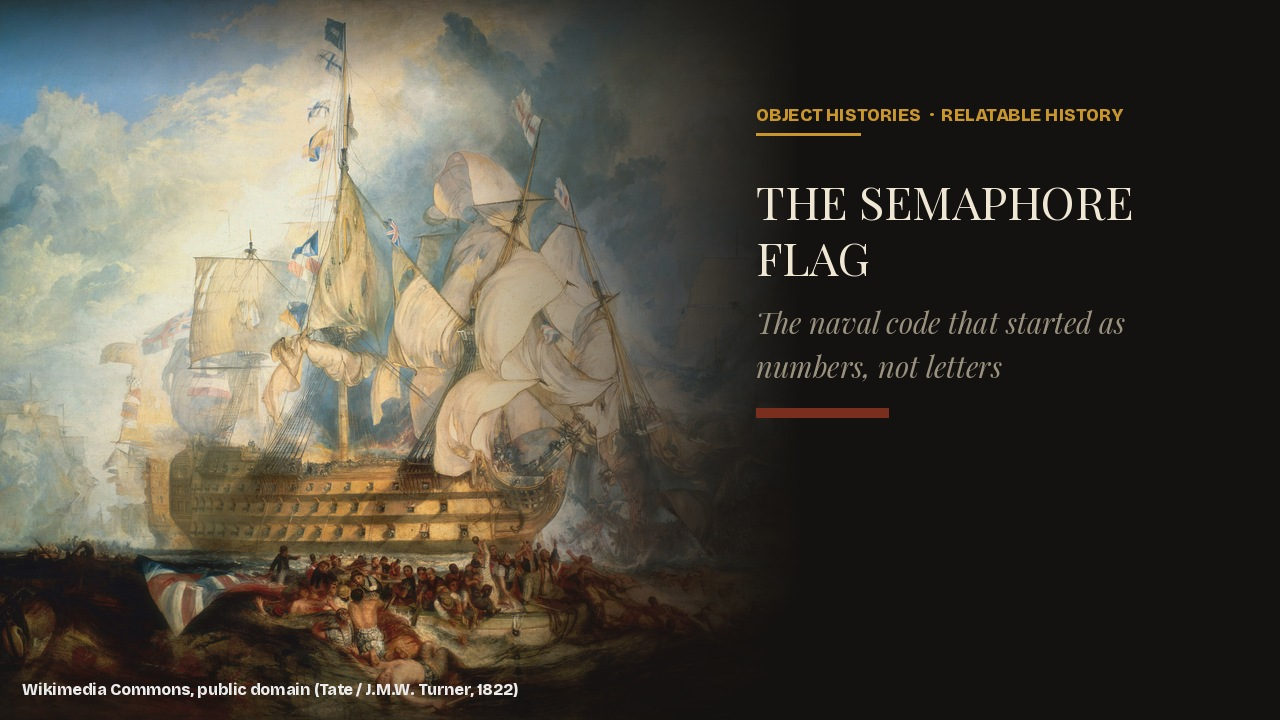
How Semaphore Flags Actually Worked at Sea
For over a century, two rival nations built optical telegraph networks neither enemy could read. The naval flag alphabet everyone pictures today wasn’t invented until the secrecy stopped mattering.