
Food & Drink
How people grew, preserved, cooked, brewed and ate – and what that tells us about the societies they lived in.
-
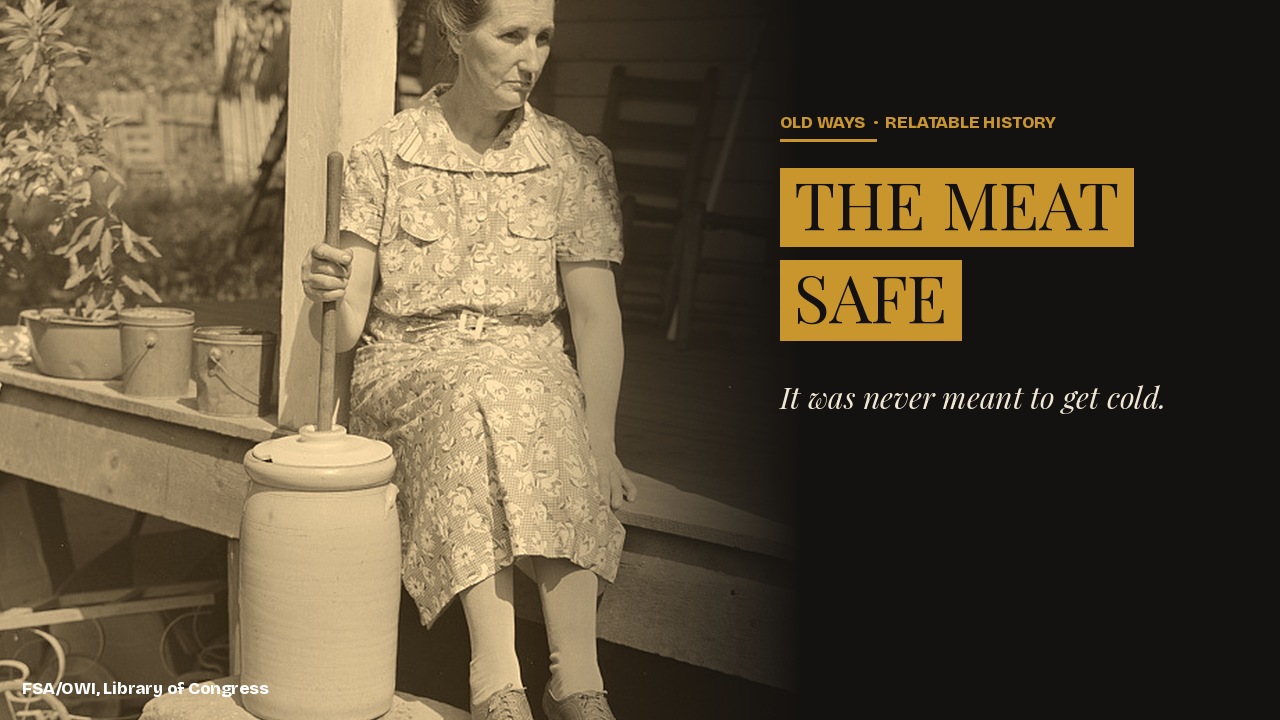
The 250-Year-Old Box That Kept Flies Off Dinner Without a Fridge
For two and a half centuries, a cabinet with holes for walls was the only thing standing between supper and a kitchen full of flies — no ice, no electricity, just tin, wire, and a jar of water under each leg.
-
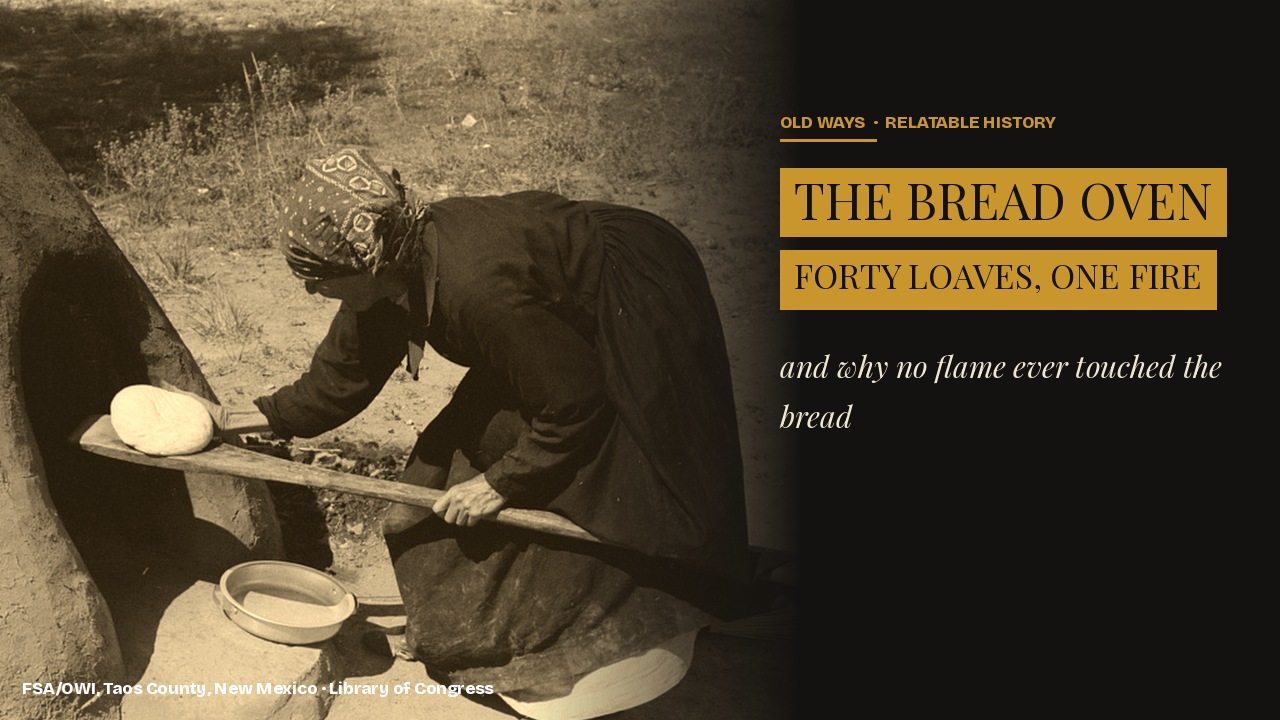
How Outdoor Bread Ovens Worked, and Where Owning One Was Against the Law
In parts of France, building your own bread oven was once against the law. In Pennsylvania and New England, families built theirs in the yard and ran a week’s cooking off one fire.
-
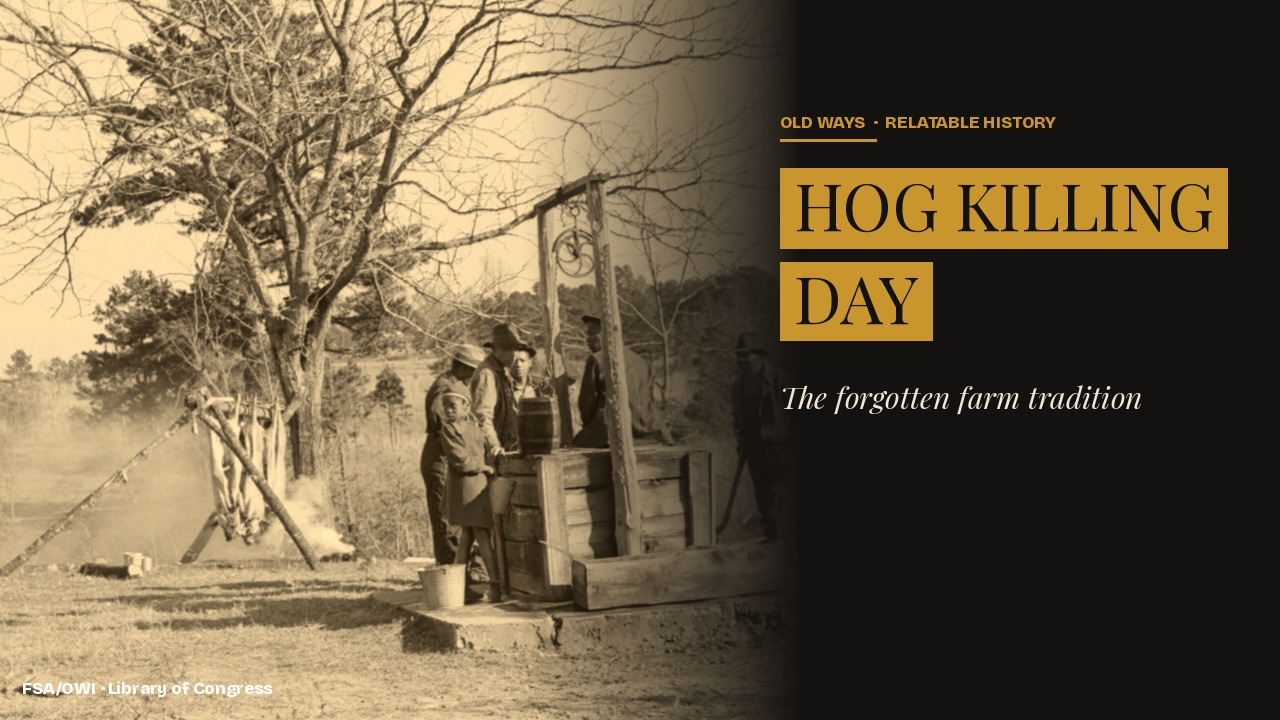
How Hog Killing Day Worked on the American Farm
A frost-timed week of killing, scalding, and smoking that fed a farm family all winter — and the specific numbers behind why it stopped.
-
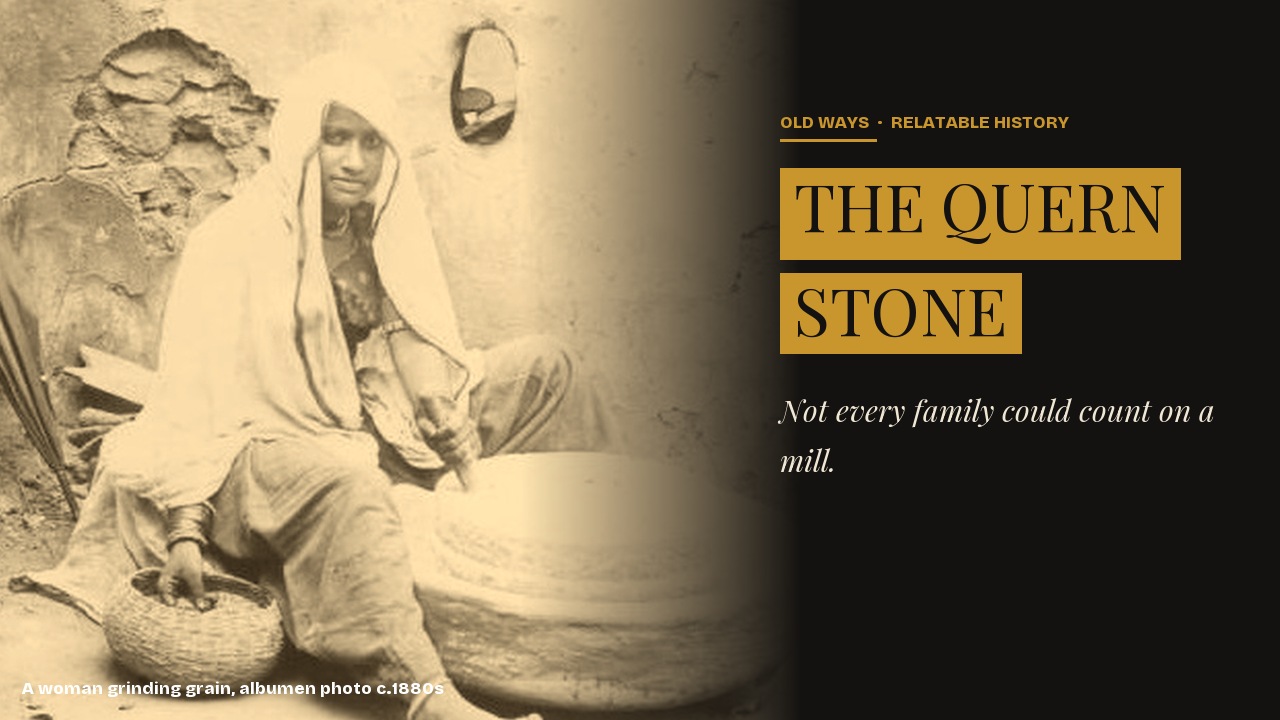
What Was a Quern Stone? The Hand Mill That Outlasted Empires
Two stones, a wooden peg, and an hour of aching work for one loaf of bread. The quern stone outlasted Rome, survived a medieval ban, and fed the American frontier through a war.
-
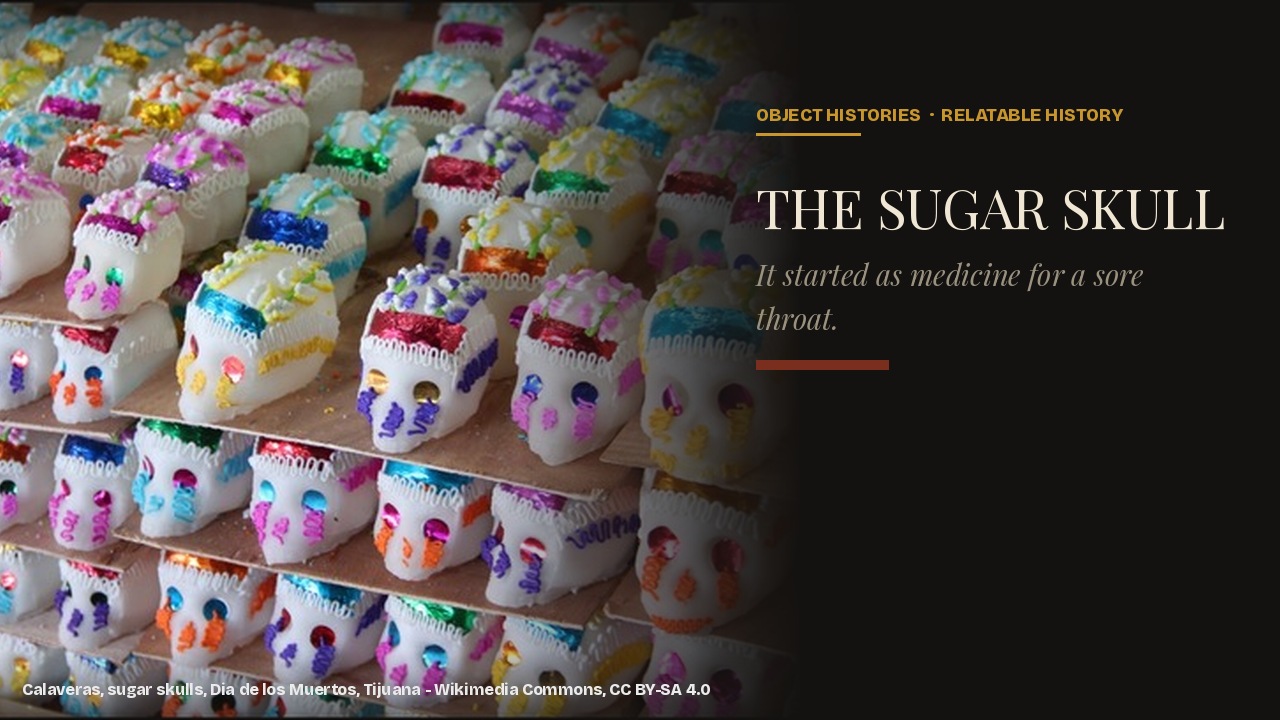
Why Sugar Skulls Get a Name Written on the Forehead
The candy on a Day of the Dead altar was invented as medicine in Islamic Spain, not as a memorial. This is the documented route it took to a Toluca wooden mold five centuries later.
-
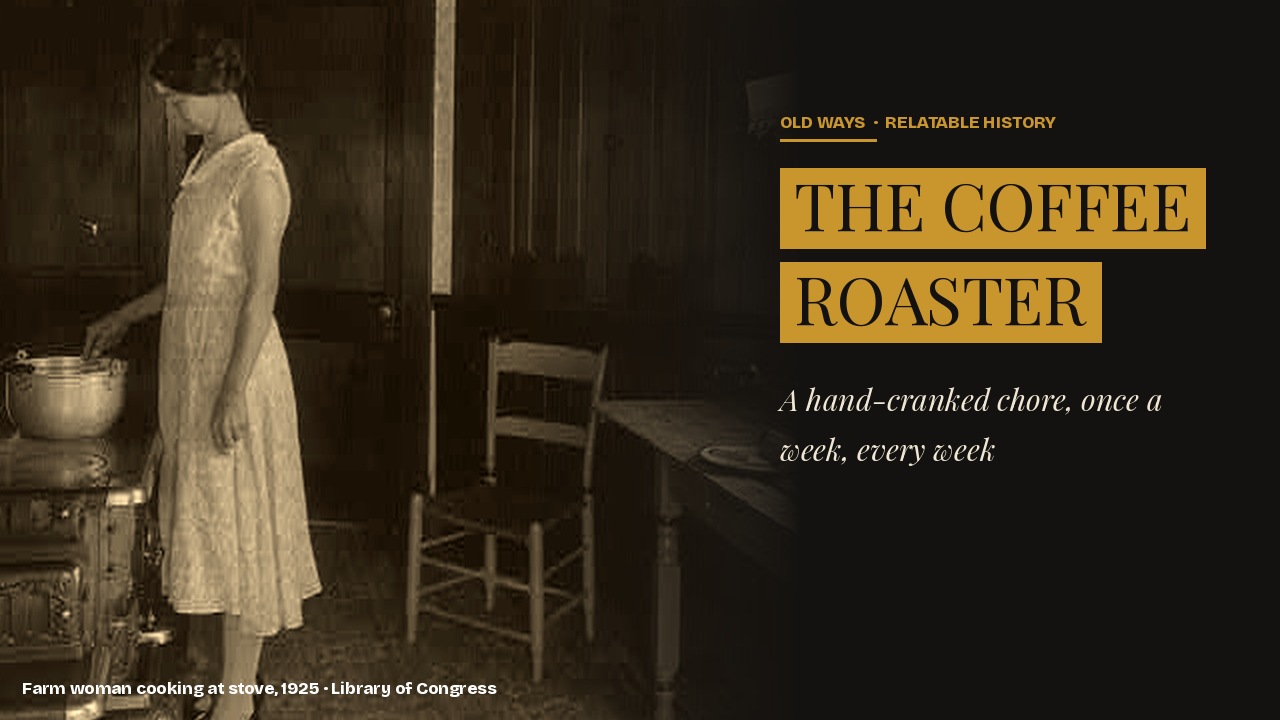
How Arbuckle’s Ariosa Coffee Ended a Weekly Farm Kitchen Chore
A Pittsburgh grocer’s egg-and-sugar glaze patent, a Civil War coffee crisis, and a federal law’s fine print: the real story behind why most Americans stopped roasting their own coffee.
-
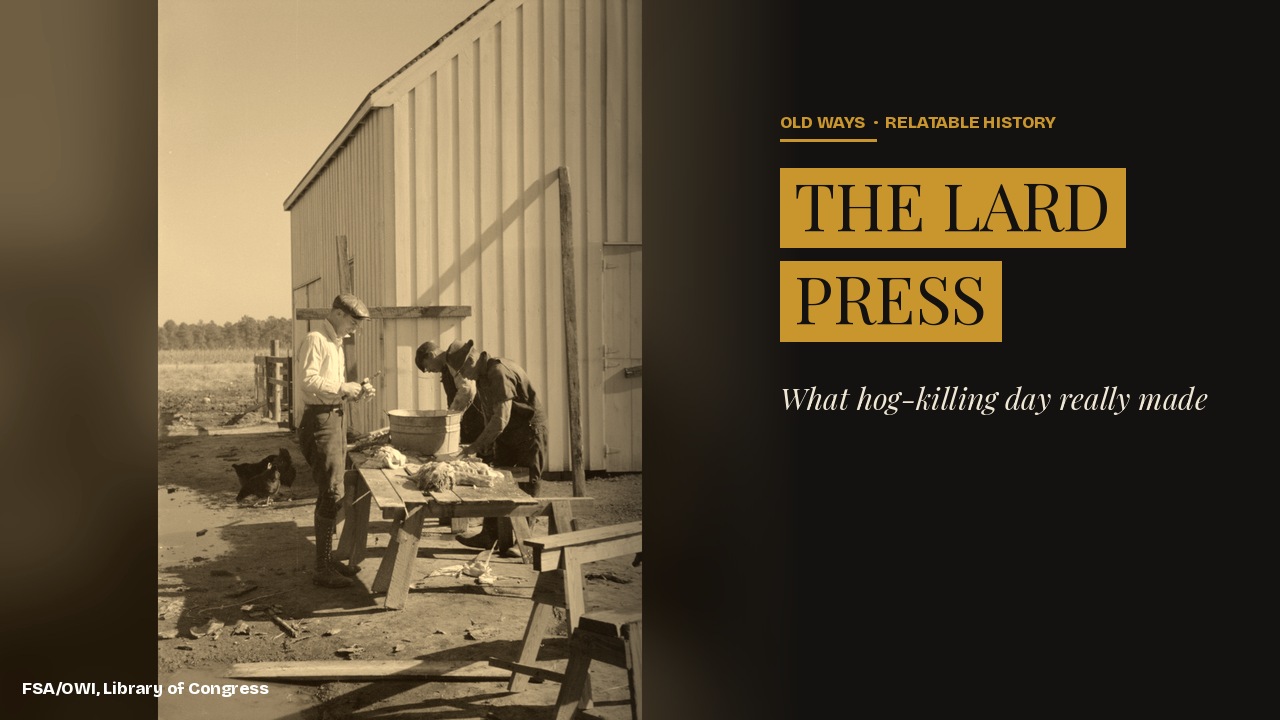
How Farms Rendered Lard to Last a Whole Winter
A patent from 1876 explains exactly how a cast-iron press squeezed the last of the fat out of hog-killing scraps — and why one crock of lard had to feed a family for a year.
-
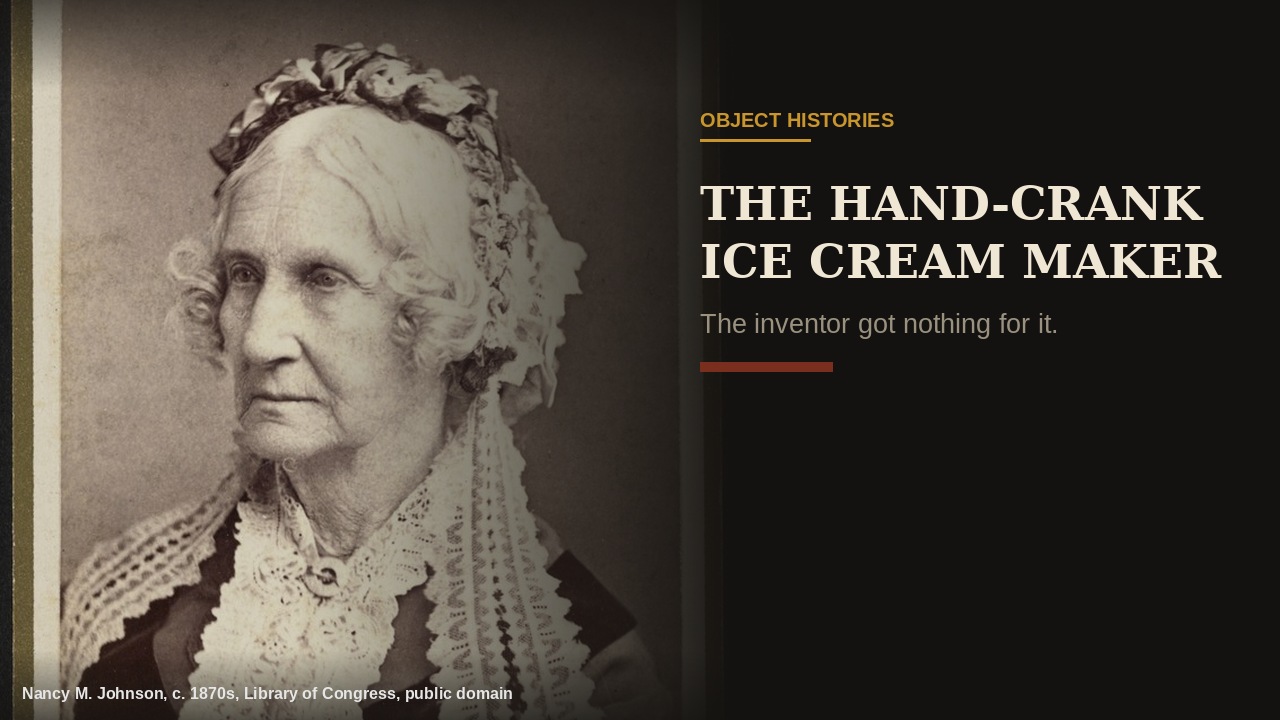
Who Invented the Ice Cream Freezer? The 1843 Patent, and the Man Who Profited Without One
Two people shaped how America eats ice cream in the 1840s, and only one of them is widely remembered. Here’s the 1843 patent, the Baltimore rival who improved on it, and the Philadelphia confectioner who got rich without ever filing one.
-
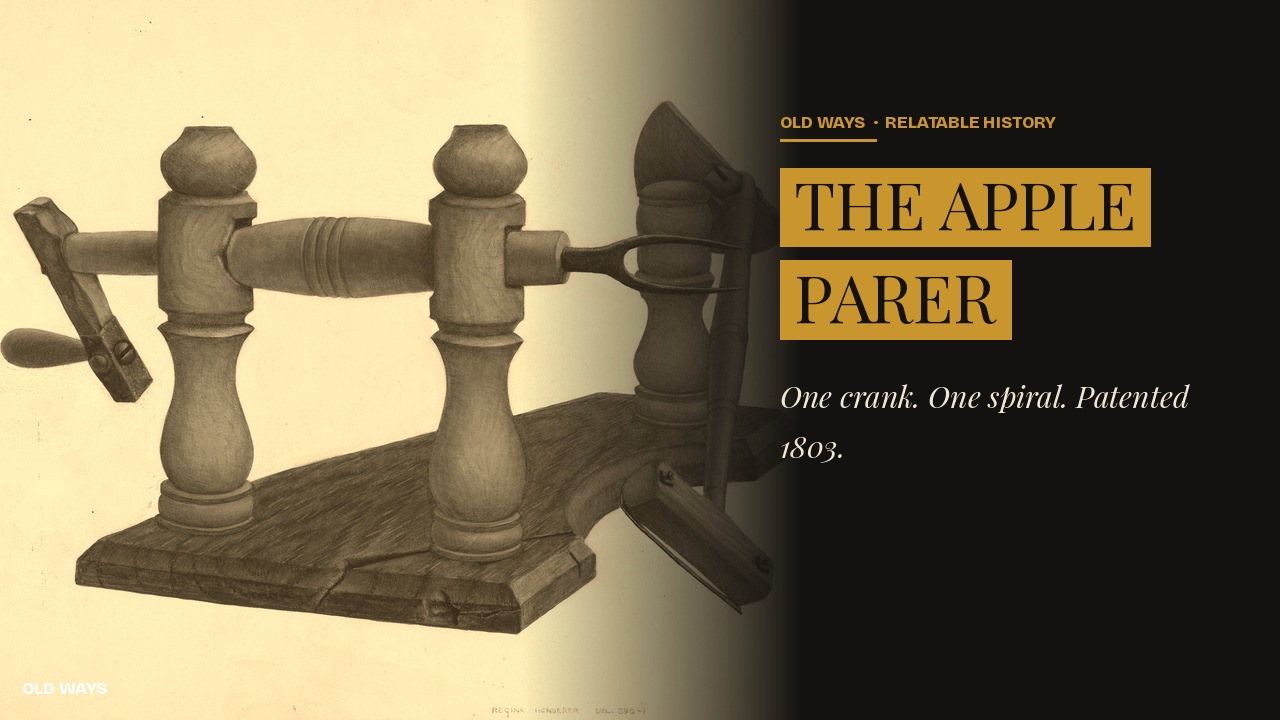
How the Apple Parer Worked, and Who Actually Invented It
Moses Coates patented his apple-paring machine in 1803 and wrote to Thomas Jefferson about it. The reply that actually survives says something different from the legend.
-
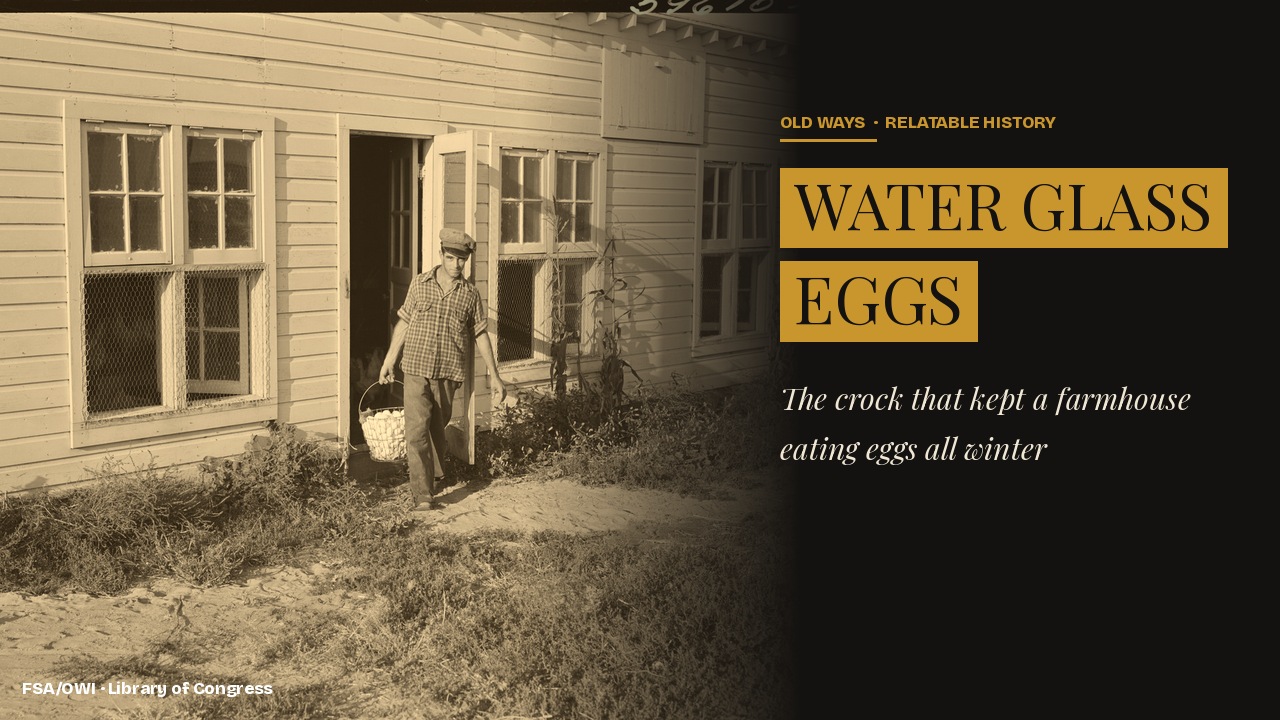
Is Water Glassing Eggs Actually Safe? What a Century of Science Found
A Scottish university chemist proved eggs could survive four years in a jar of liquid glass. A century later, food scientists found the reason you still should not try it today.