
Food & Drink
How people grew, preserved, cooked, brewed and ate – and what that tells us about the societies they lived in.
-
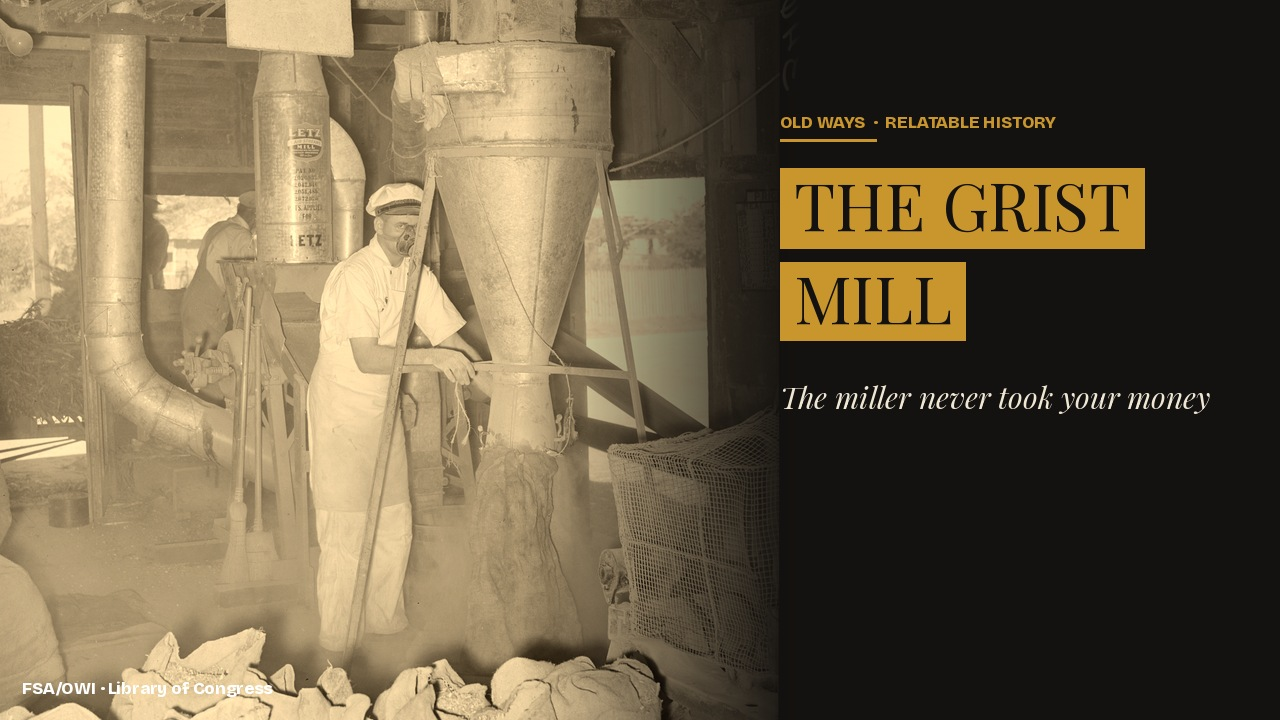
How a Water-Powered Grist Mill Turned Wheat Into Flour, No Cash Involved
A grist mill never sent a bill. Farmers paid in grain, by a fixed fraction called the toll, and the arrangement held for roughly three centuries before steel rollers ended it in a decade.
-
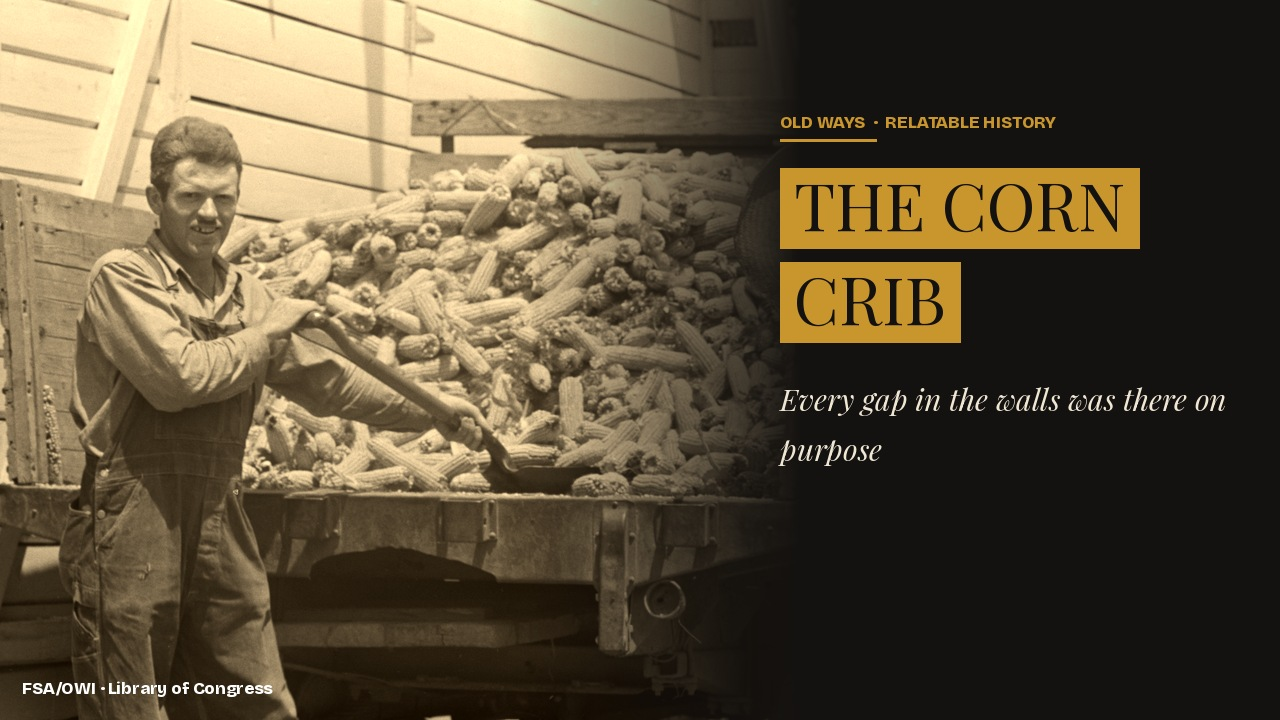
Why a Corn Crib’s Walls Lean Outward, and Why It Never Fell Over
A corn crib’s slats, taper and stilts were not shortcuts or decay. Each one solved a specific problem in keeping a winter’s worth of corn from rotting with nothing but moving air.
-
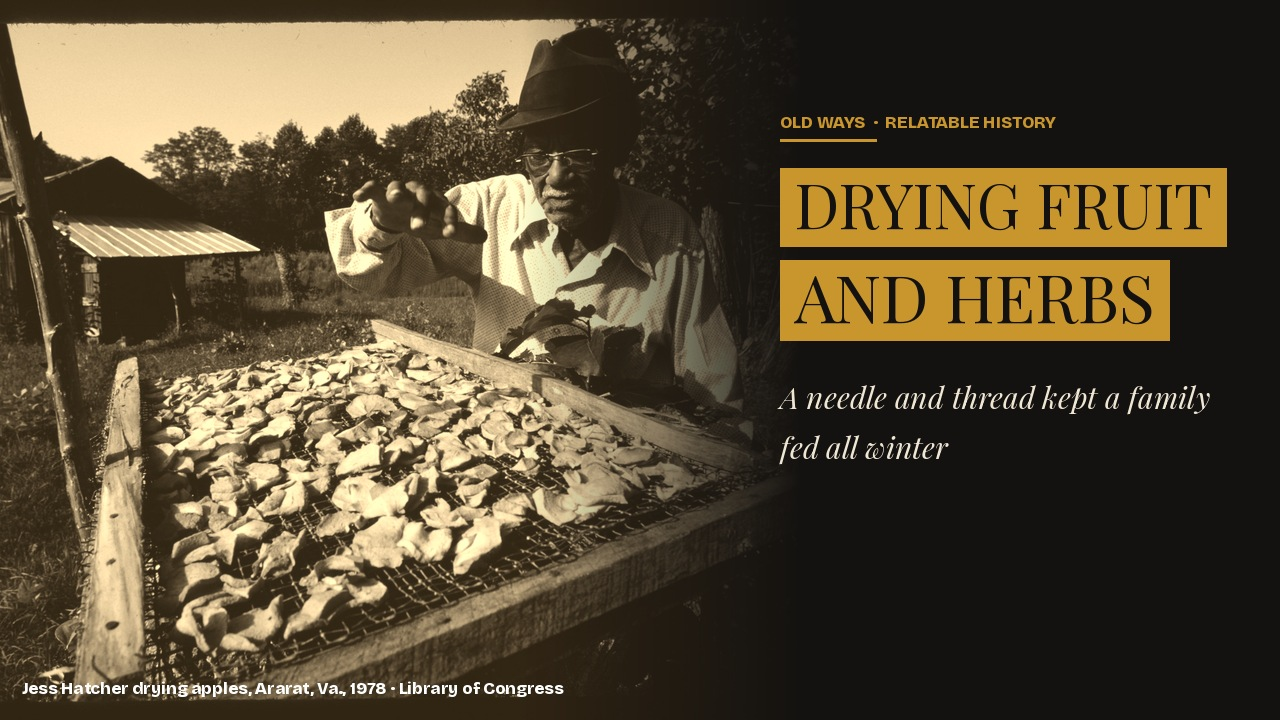
How Home Food Drying Fed American Farms for 150 Years
Before refrigeration, drying was how a farm survived winter on its own harvest. It also became an export industry, a wartime program, and, twice, a subject of federal instruction.
-
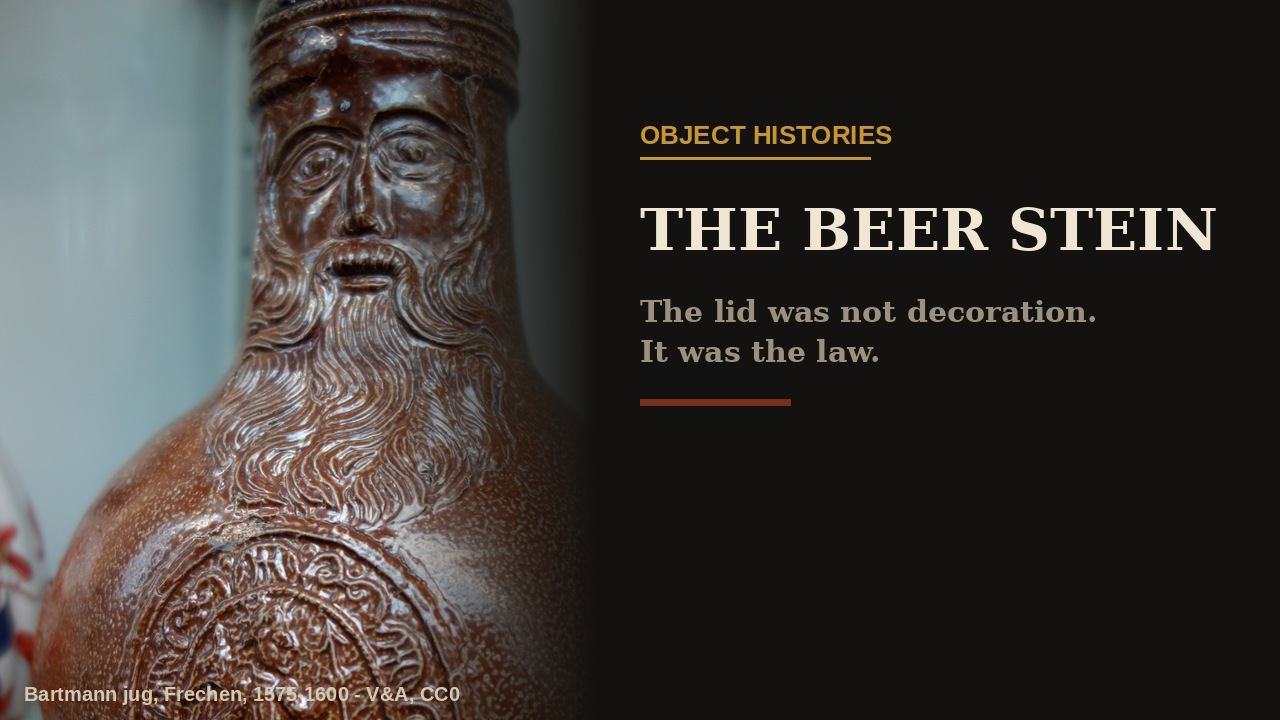
The Full History of the German Beer Stein
A hinged lid, a vitrified clay body and a bearded face buried under doorsteps as a witch’s ward: the German beer stein carries more regulatory and craft history than any mug has a right to.
-
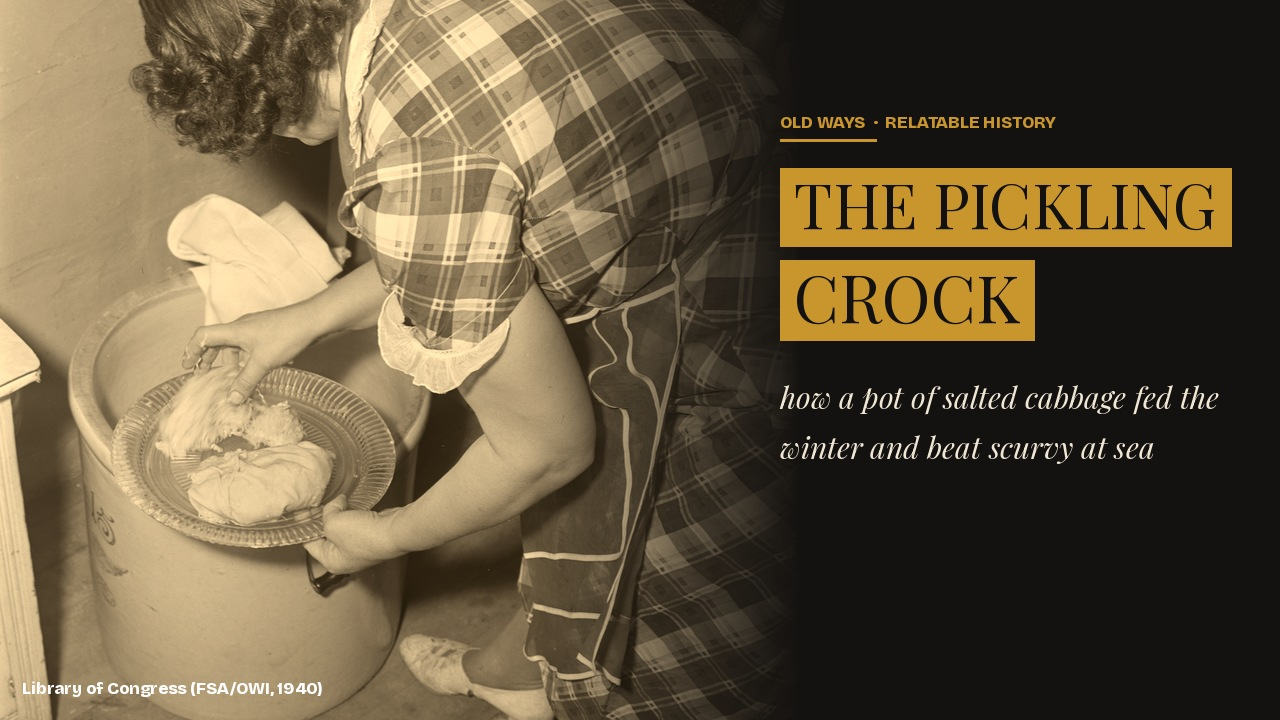
The Chemistry Inside a Sauerkraut Crock, and Why It Actually Works
A crock, a sack of salt and a few weeks of patience turned raw cabbage into a food that would not spoil and would not make anyone sick. The reason it worked is stranger than the recipe.
-
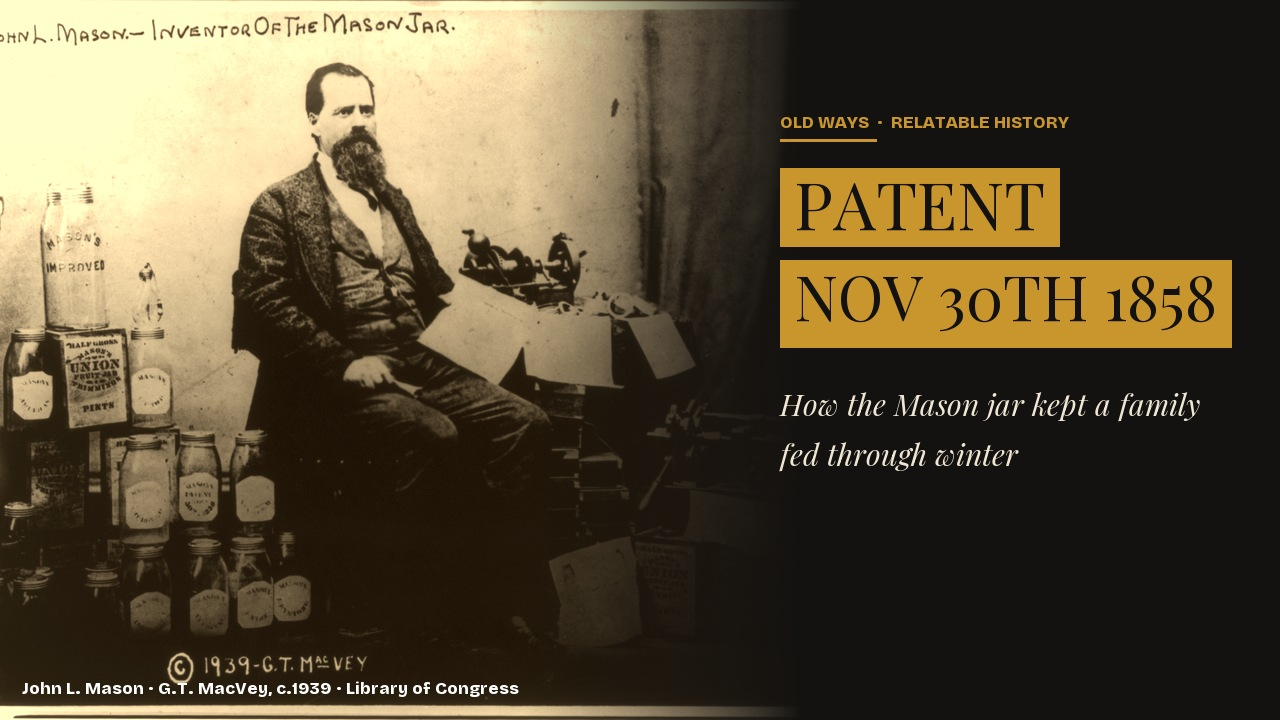
Water Bath vs Pressure Canning: Why the 240-Degree Difference Exists
A sealed jar looks the same whether it is safe or not. Here is the science, and the history of learning it the hard way, behind which foods only need boiling water and which ones need real pressure.
-
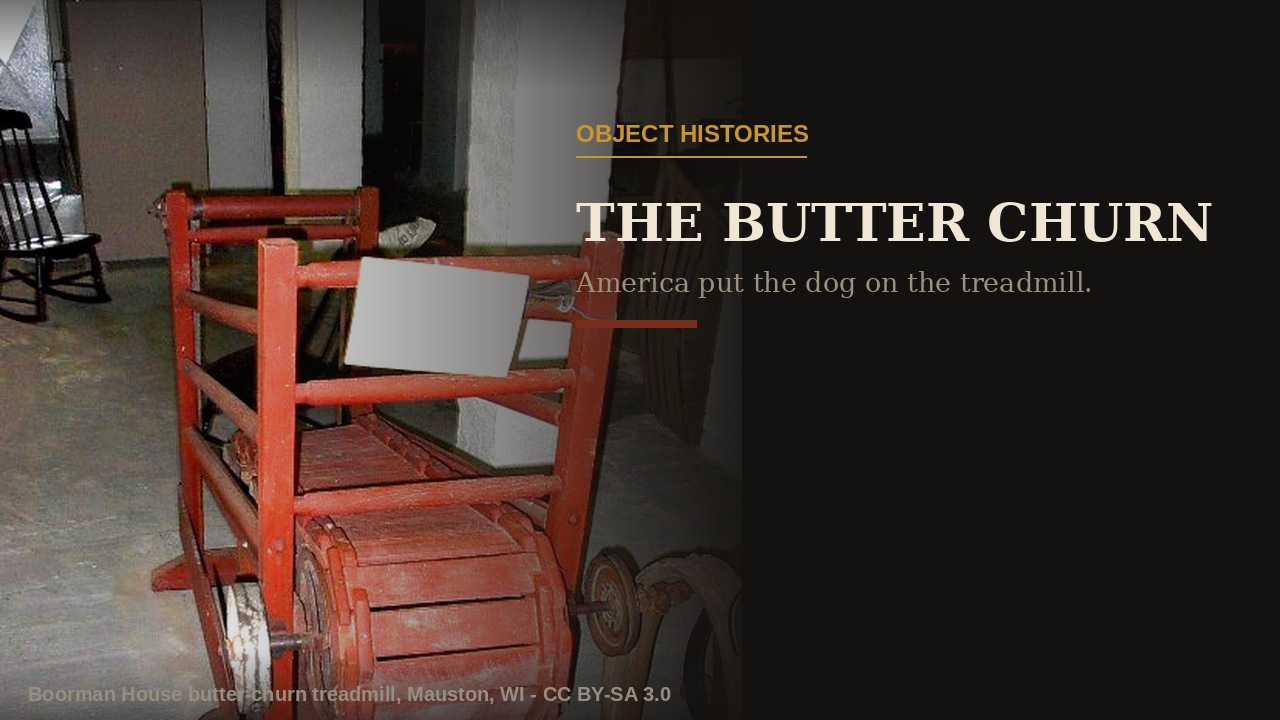
How the Dog-Powered Butter Churn Actually Worked
For a few decades a mid-sized farm dog was genuinely listed as equipment. Here is the mechanism behind the treadmill churn, and the three-thousand-year story of butter that came before it.
-
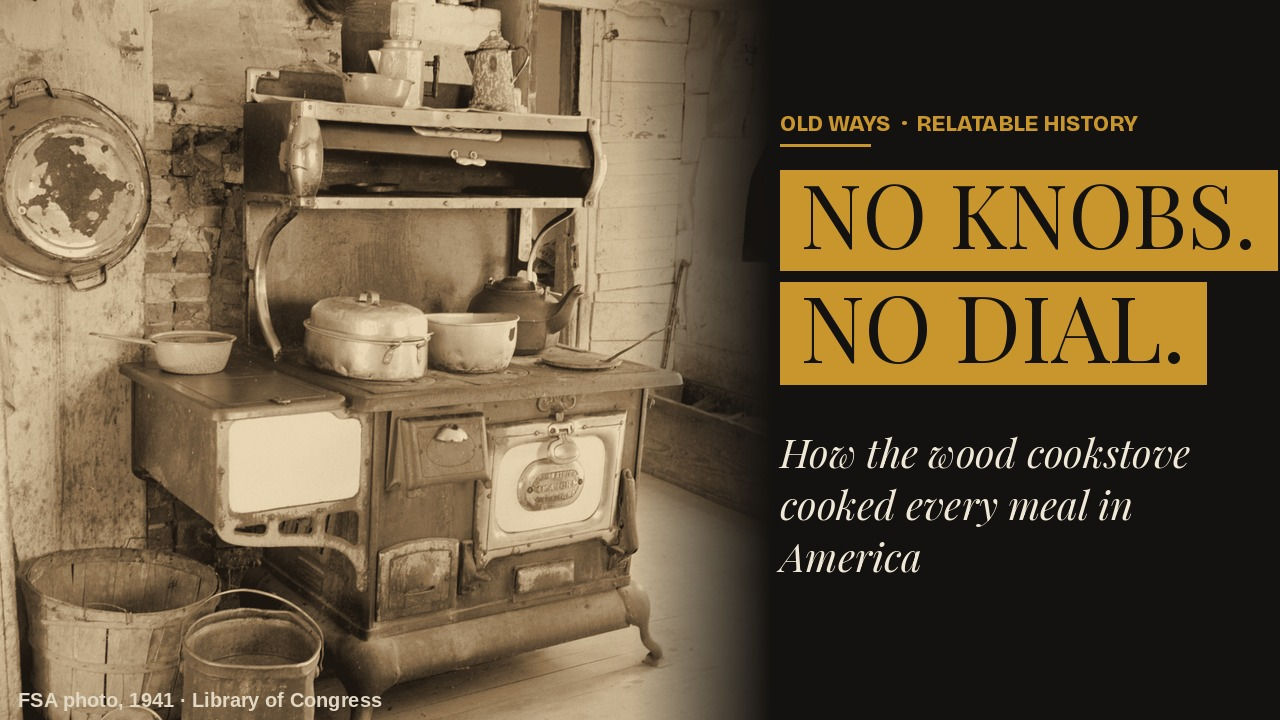
How the Wood Cookstove Ran the American Kitchen for a Century
A cast-iron range with no dial ran nearly every American kitchen for a hundred years. Here is how a family actually cooked, heated water and stayed warm on nothing but split wood.
-
Drying Fruit and Herbs: How a Farm Kept Food Without a Freezer | Old Ways
Before the freezer, a farm kitchen dried its way through the harvest: apple schnitz strung over the cookstove, leather britches beans, and a New York county shipping fifteen million pounds of evaporated apples a year.
-
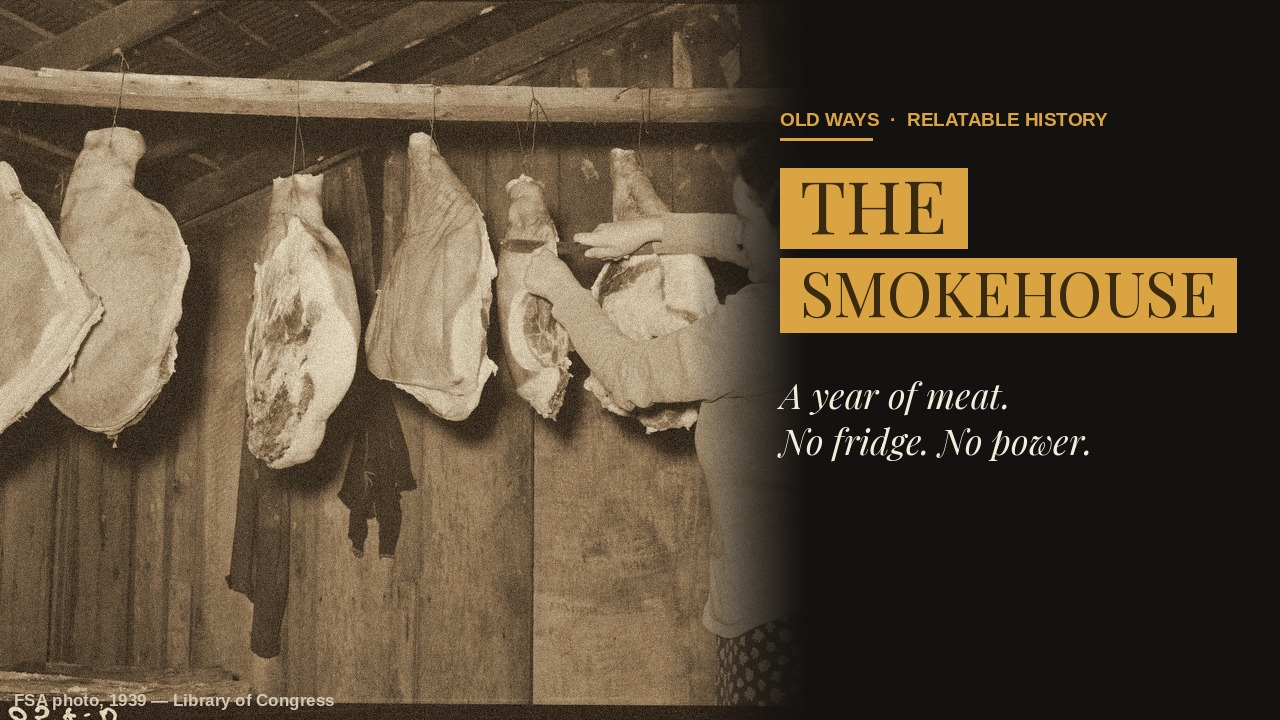
How a Smokehouse Cured a Year’s Worth of Meat With Only Salt, Smoke, and Time
A smokehouse was a chemistry experiment disguised as a shed. Here is exactly how salt and smoke turned a fresh hog into a year of food, who actually did the curing, and why a six-month rule in the Code of Virginia still defines a “genuine” ham.