
Science & Technology
Instruments, inventions, measurement and the slow accumulation of technical knowledge.
-
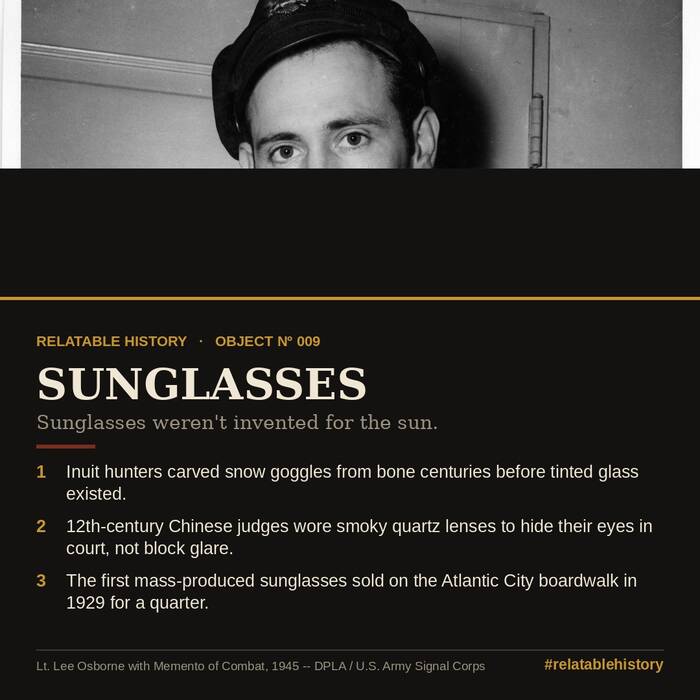
Why Sunglasses Were Invented to Hide Things, Not Block the Sun
Chinese judges, American and British opticians, Army pilots, and Hollywood all reached for tinted lenses for reasons that had nothing to do with sunshine. Here’s how a courtroom disguise became an everyday object.
-

Why the Tunguska Explosion Left No Crater
The largest explosion in recorded history happened over Siberia in 1908, and nineteen years passed before anyone went to look. What they found was not what they expected.
-
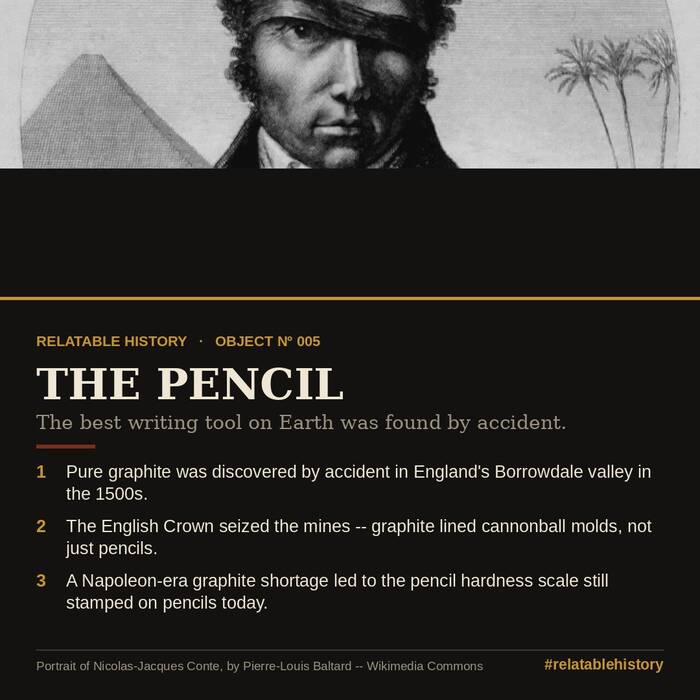
Why Pencil Lead Isn’t Actually Lead
A storm in England’s Lake District uncovered the rock that would be mistaken for lead, guarded like treasure, and reinvented twice more — by Napoleon’s France and by a Massachusetts cabinetmaker — before it became the pencil in your drawer.
-
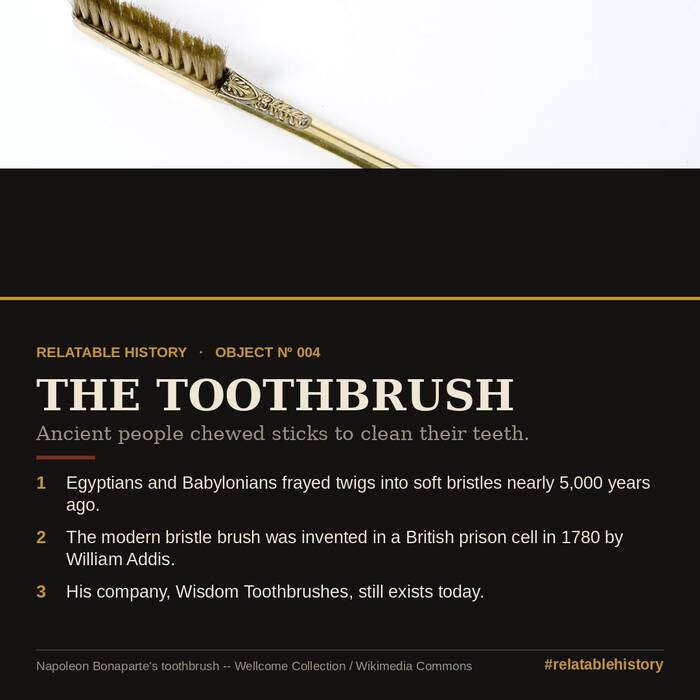
The Evolution of Toothbrush Bristles, From Boar Hair to Nylon
Toothbrushes are far older than their bristles. The real history runs from Chinese hog-bristle brushes and an English prison cell to a DuPont chemist’s accidental hygiene fix.
-
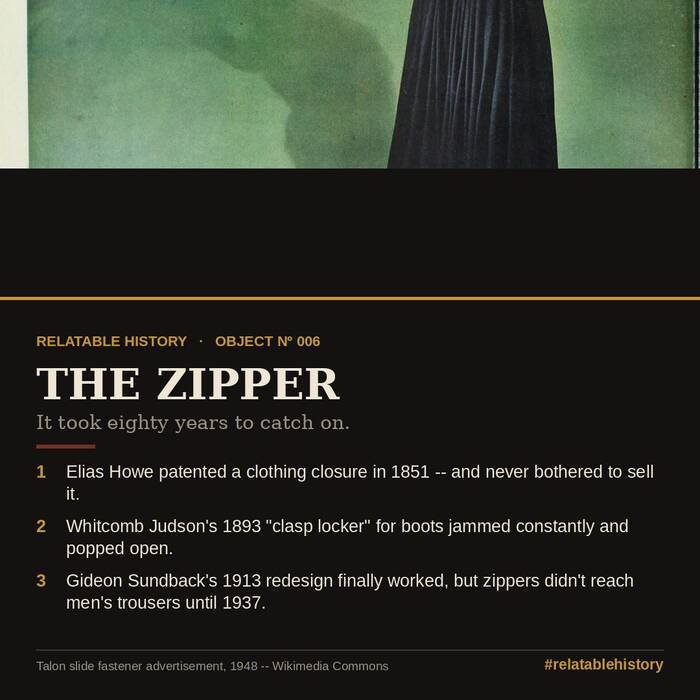
Who Invented the Zipper? It Took Three Men and Sixty-Six Years
Elias Howe patented it in 1851 and never built one. Whitcomb Judson’s version jammed at the 1893 World’s Fair. It took a third man, and a war, to make the zipper actually work.
-
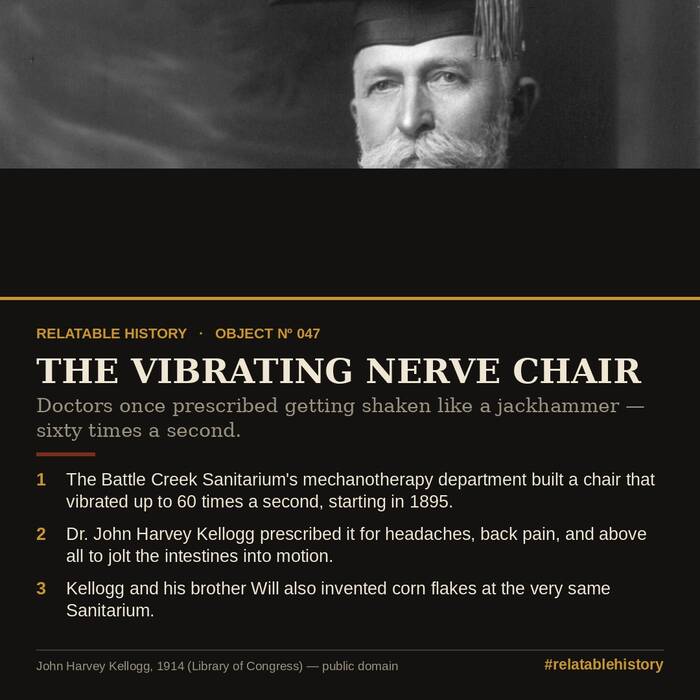
Inside the 150-Year History of Vibration Therapy
A Paris neurologist, a Swedish gymnast, and a cereal magnate all bet that shaking the human body could cure it — and for a while, mainstream medicine agreed with all three.
-
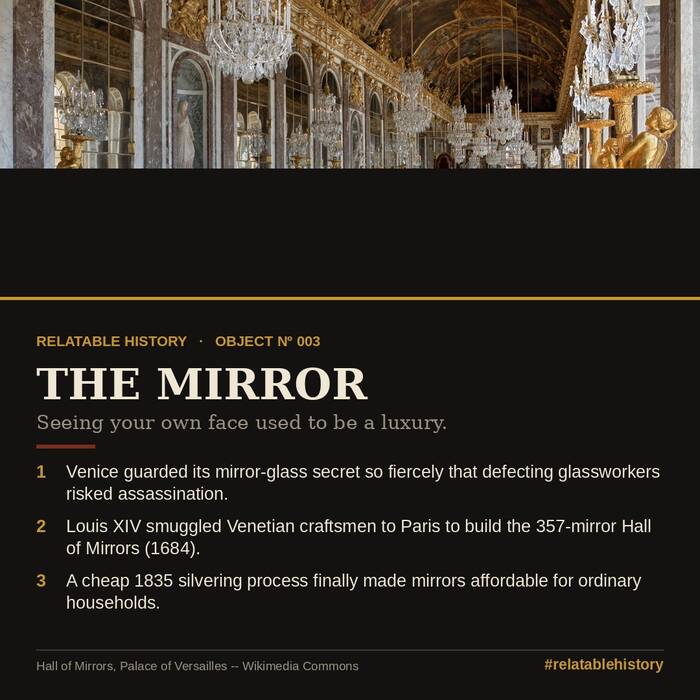
Why Venice Made Mirror-Making a State Secret
Venice turned a glassmaking trick into a monopoly guarded by statute for a century and a half. It took a king’s bribery, and two centuries later a chemist’s basic reaction, to break it.
-

How the Antikythera Mechanism Predicted Eclipses
A corroded lump pulled from a Roman-era shipwreck in 1900 turned out to be a geared machine that modelled the sun, moon and planets and predicted eclipses decades in advance. Nothing of comparable complexity appears again for a thousand years.
-

Why Umbrellas Were Once Considered Unmanly
An umbrella used to announce something humiliating about the man holding it. A Greek poet was mocking men for it twenty-five centuries before a London merchant finally made it acceptable.
-
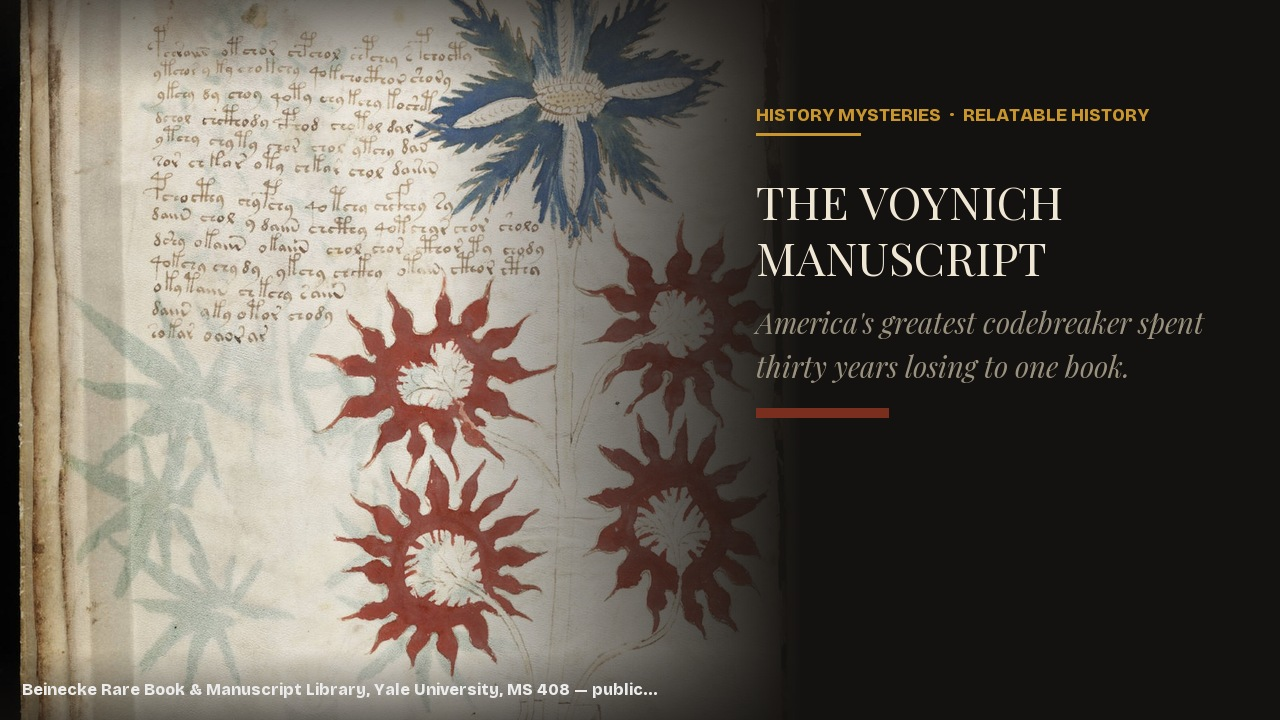
Why Nobody Can Read the Voynich Manuscript
A 2019 claim to have translated it was withdrawn within days, and the leading scientific theory says the text may not be a language at all. Here is what five hundred years of failed attempts actually looked like.