
Science & Technology
Instruments, inventions, measurement and the slow accumulation of technical knowledge.
-
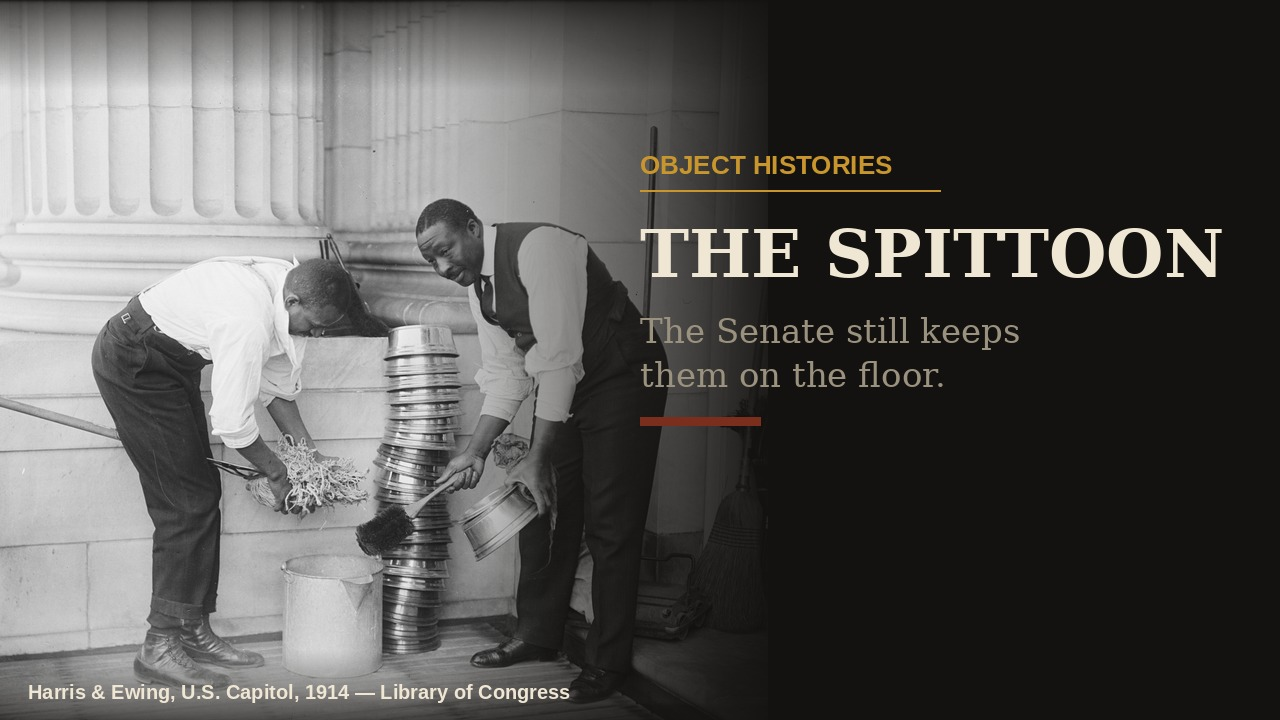
Why the Spittoon Disappeared: The Laws That Made Spitting a Crime
A women-led health campaign, a new criminal offense and a cigarette-rolling machine did what changing taste alone never could: they made the spittoon vanish in about two decades.
-
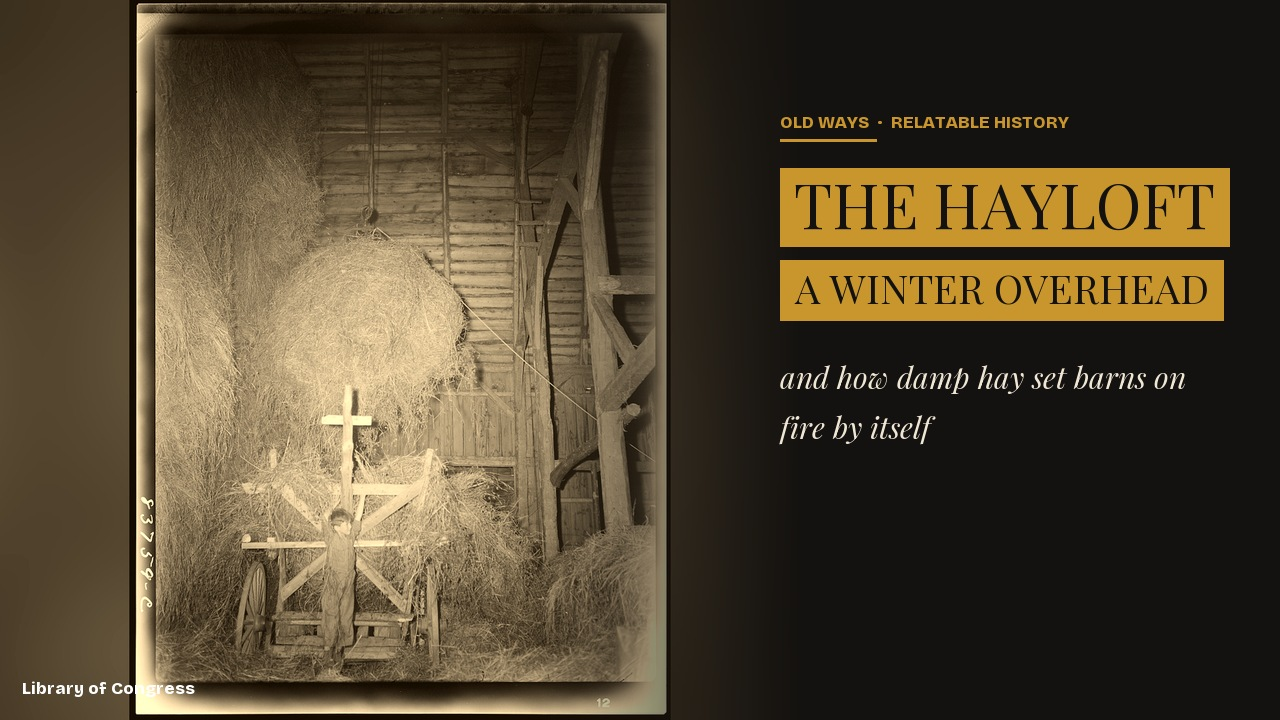
How One Farmer’s Patent Rebuilt the American Barn
A single 1867 patent let American barns double their storage for free. It also could not solve the other problem: hay packed too damp will heat itself past the point of catching fire on its own.
-
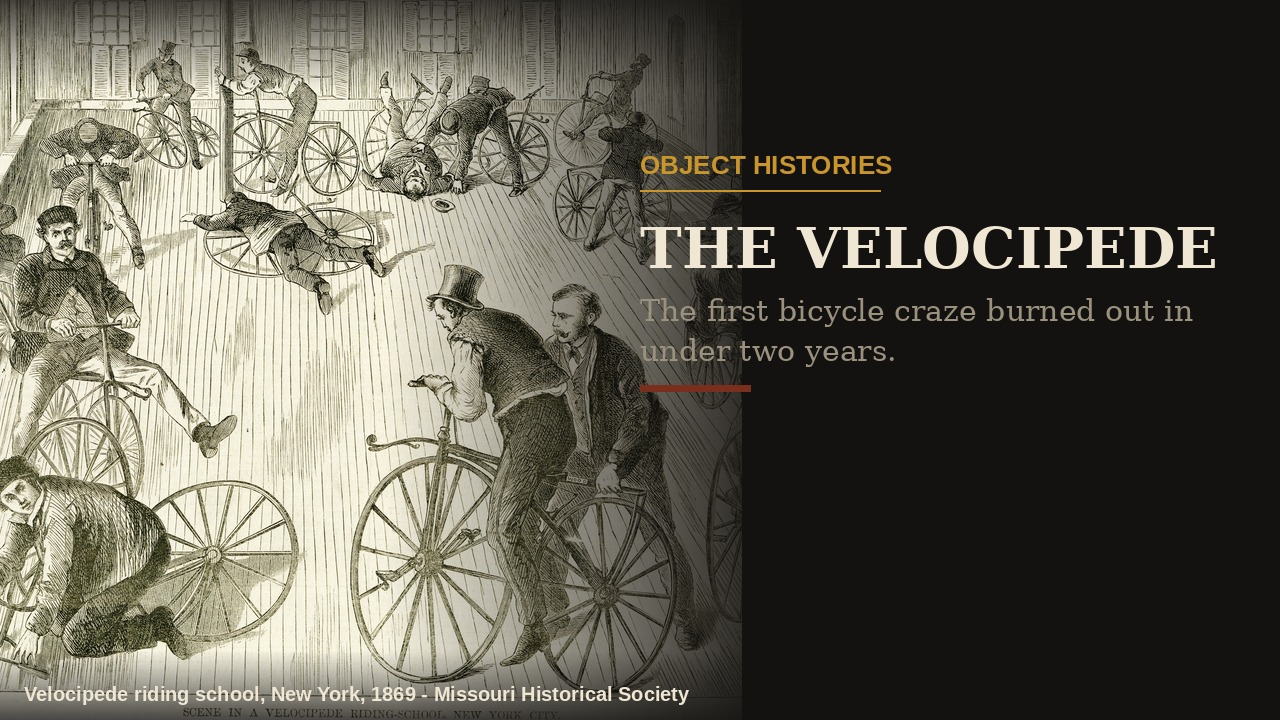
Why the World’s First Bicycle Craze Collapsed in Eighteen Months
For about eighteen months, everyone wanted a velocipede. Riding academies opened by the dozen, races drew crowds, and then, almost as fast, the whole craze went bust.
-

How Kerosene Lamps Actually Worked (And Sometimes Exploded)
A kerosene lamp doesn’t burn its wick — it burns vapor drawn up through it. That chemistry lit rural America for ninety years, and for decades the fuel sold to power it was only as safe as the refiner selling it.
-
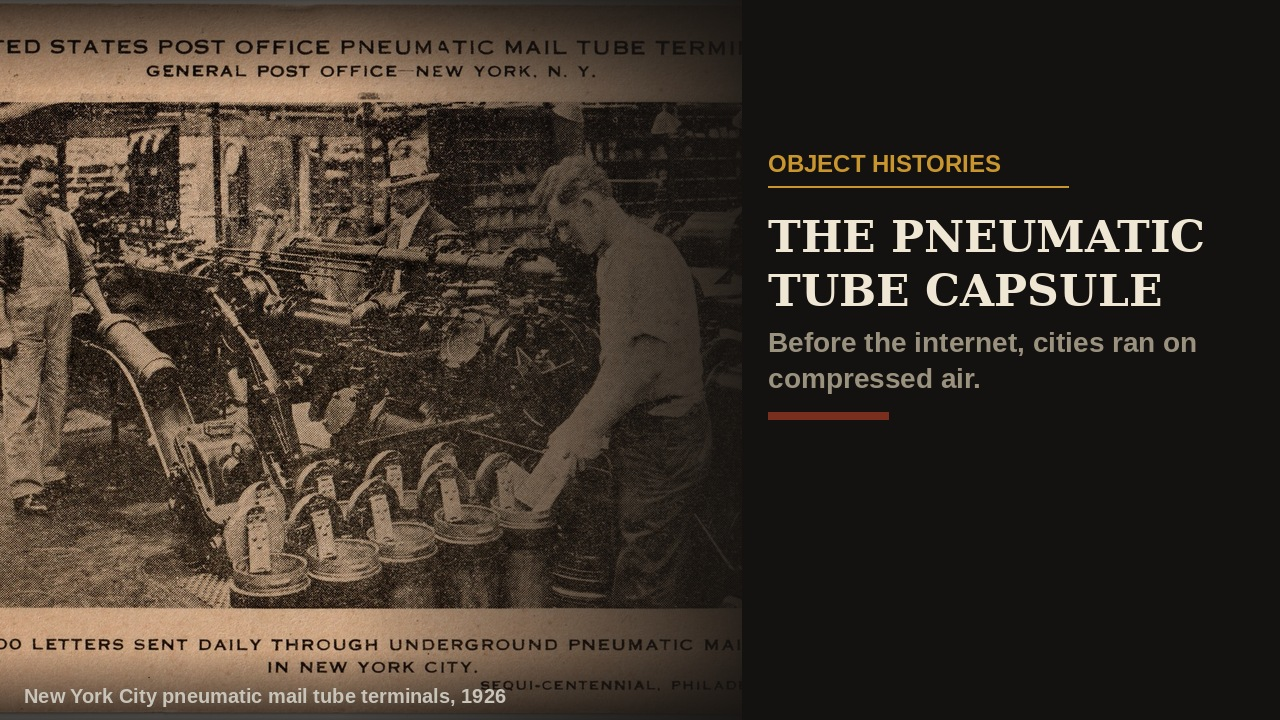
Inside the Pneumatic Tube Networks That Once Ran a City’s Mail
At its peak, New York’s pneumatic tube mail network moved more than half the city’s letters underground at 30 miles an hour. Here is how that system, and half a dozen others like it, actually worked.
-
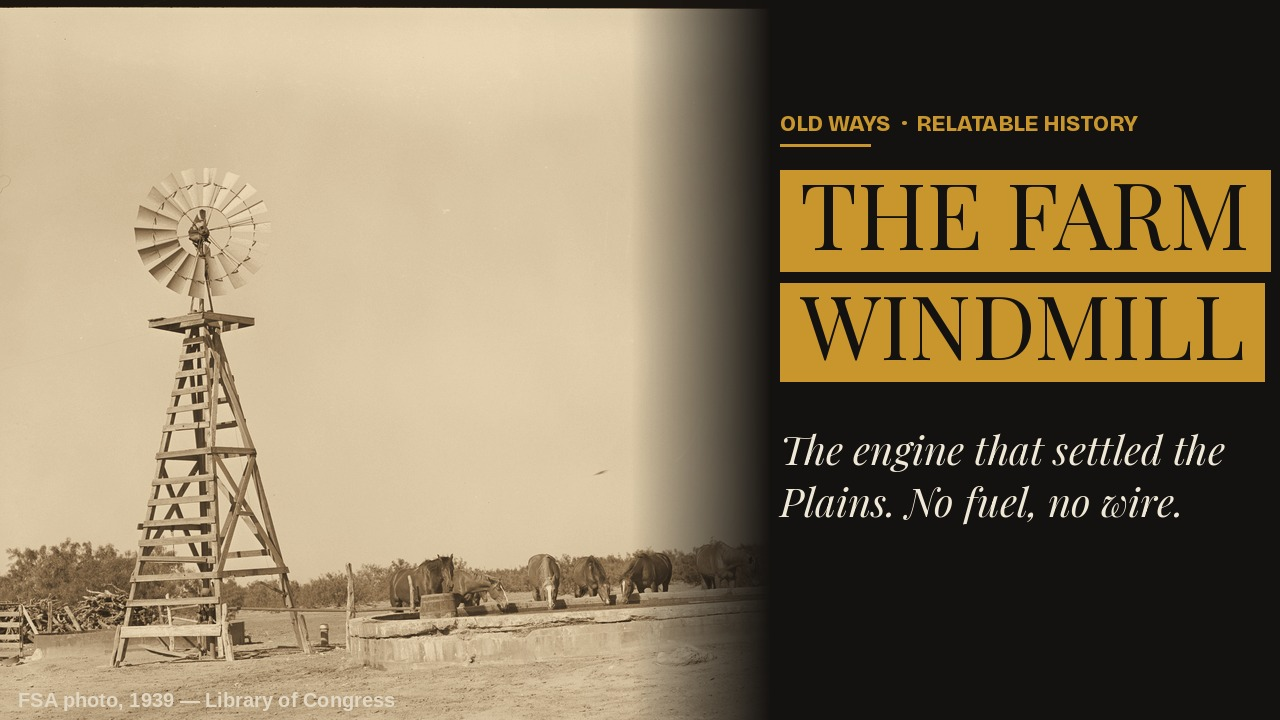
How the Farm Windmill Pumped Water on the Great Plains
Between the 1850s and the 1930s, American factories built farm windmills by the millions, and more than seven hundred companies at some point made one. Exactly one still does.
-
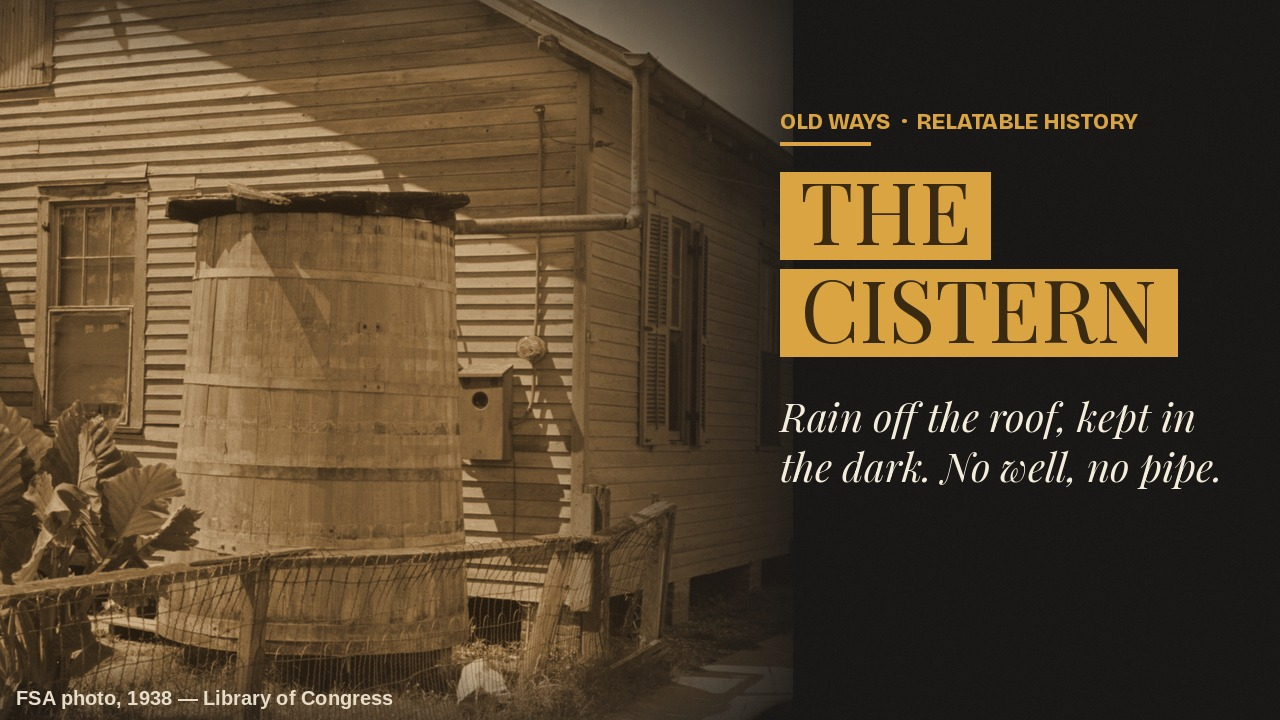
The Real History of Rainwater Cisterns
A cistern is not just a farmhouse tank. It built a desert city, saved San Francisco from itself, and is still, by law, the only water supply an entire country has.
-
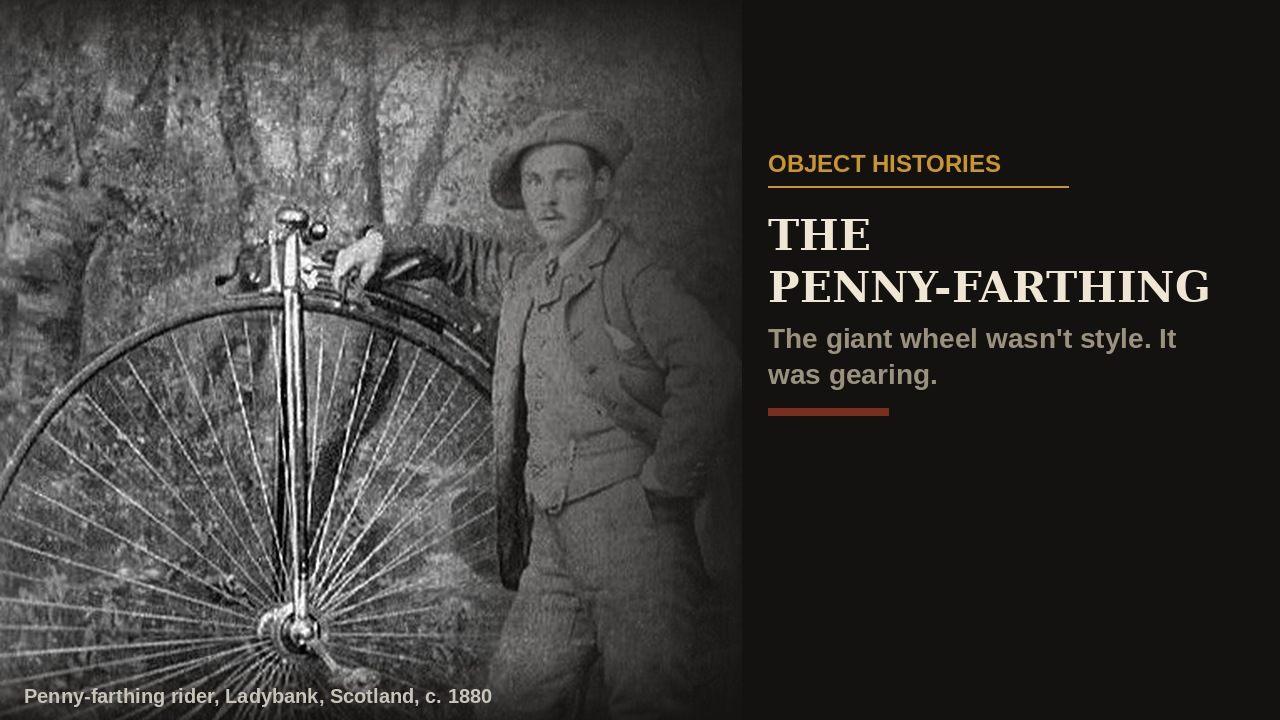
Why the Penny-Farthing’s Wheel Had to Be So Big
Before the chain existed, a bicycle’s top speed was fixed by the size of its front wheel. That single constraint is the entire reason the penny-farthing grew as tall as a doorway.
-
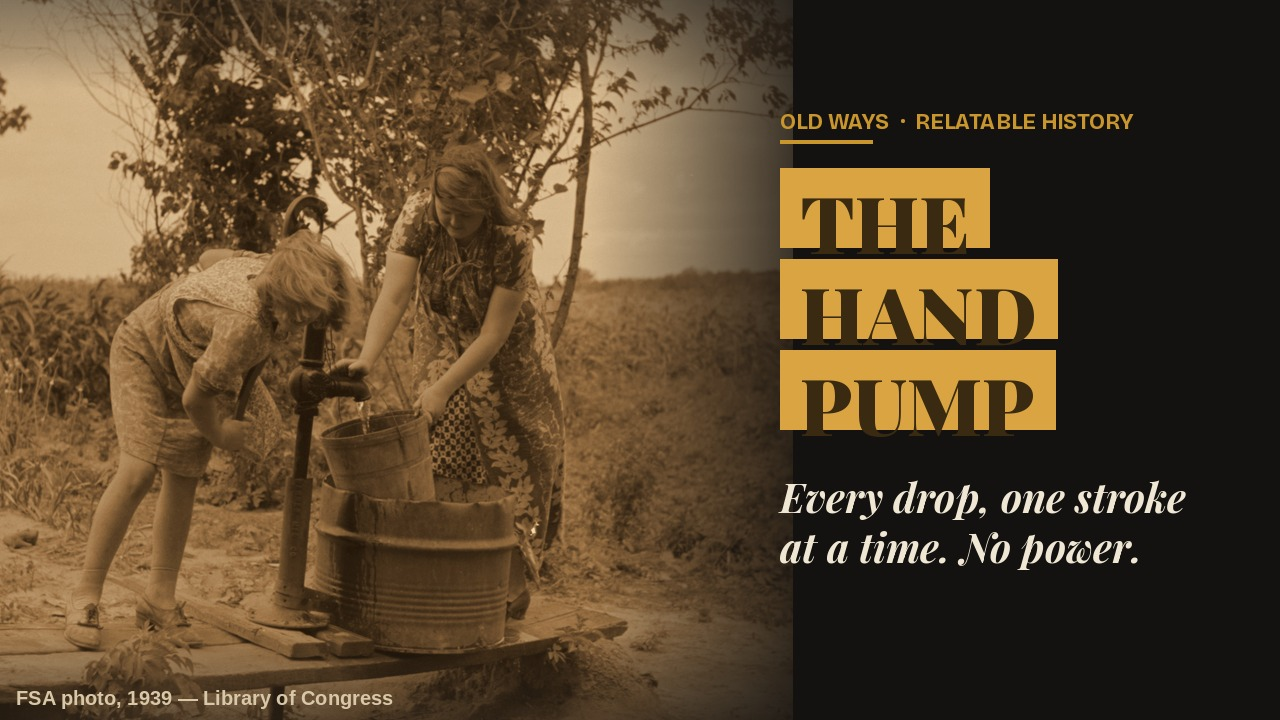
How a Hand Pump Worked: Lifting Well Water With Nothing but Air Pressure
No pump ever pulled water out of the ground. The atmosphere pushed it, and that single fact set a hard limit on how deep a well could be worked by hand. Here is the mechanism, the limit, and the wire that finally beat it.
-
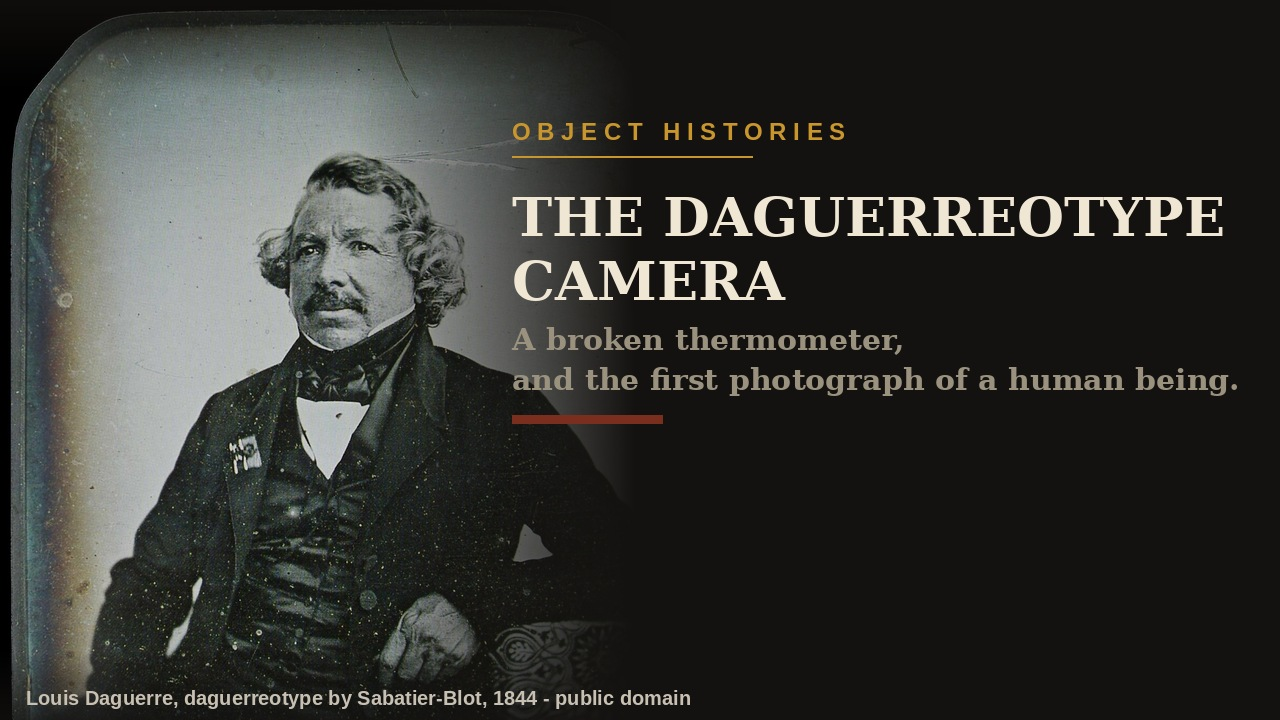
How the Daguerreotype Actually Worked, and Why It Was Dangerous
Every daguerreotype is a one-of-a-kind object with no negative behind it, made by a process so toxic that ventilating your mercury was genuine period safety advice.