
Science & Technology
Instruments, inventions, measurement and the slow accumulation of technical knowledge.
-
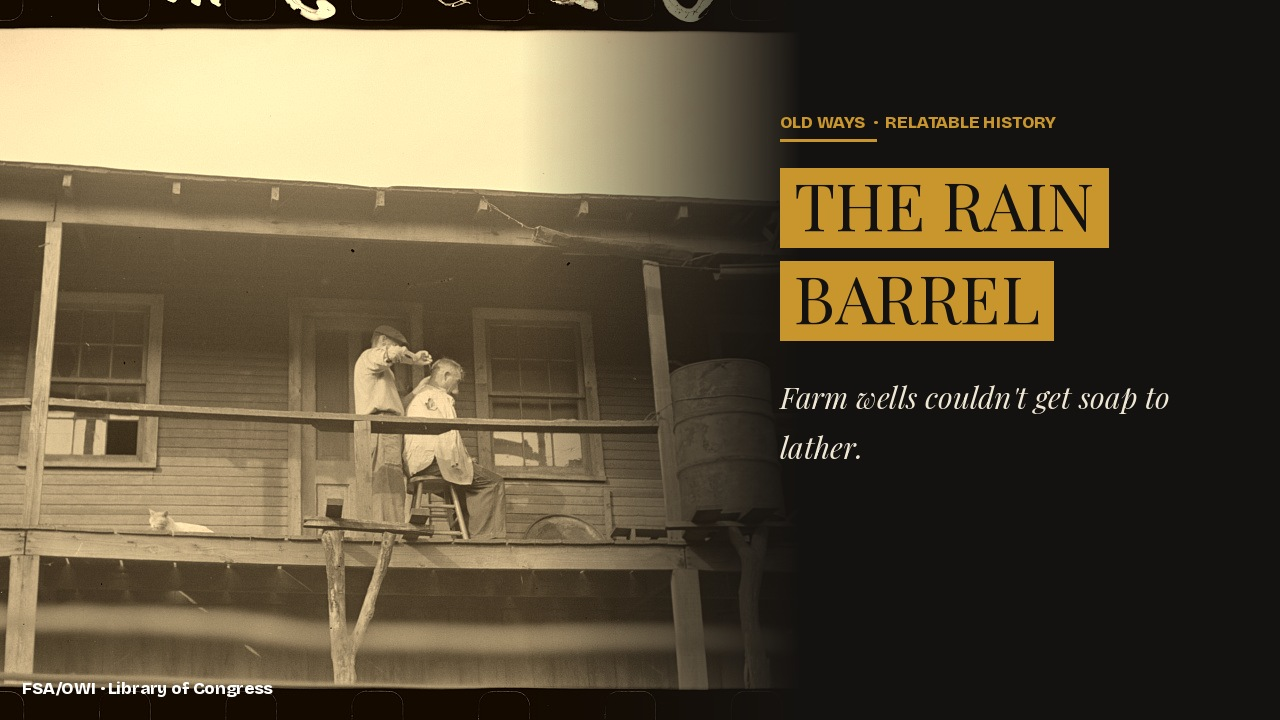
Why Farms Caught Rainwater Instead of Using the Well
A well could run twenty grains of hardness to the gallon; a barrel under the eave ran close to zero. That difference built an entire piece of unpowered farm equipment around a roof and a cask.
-

Was the Baghdad Battery Real? What the Evidence Actually Shows
A 1938 question mark turned into decades of ancient-battery folklore. Nine nearly identical jars dug up nearby held something else entirely, and most of them still had it inside.
-
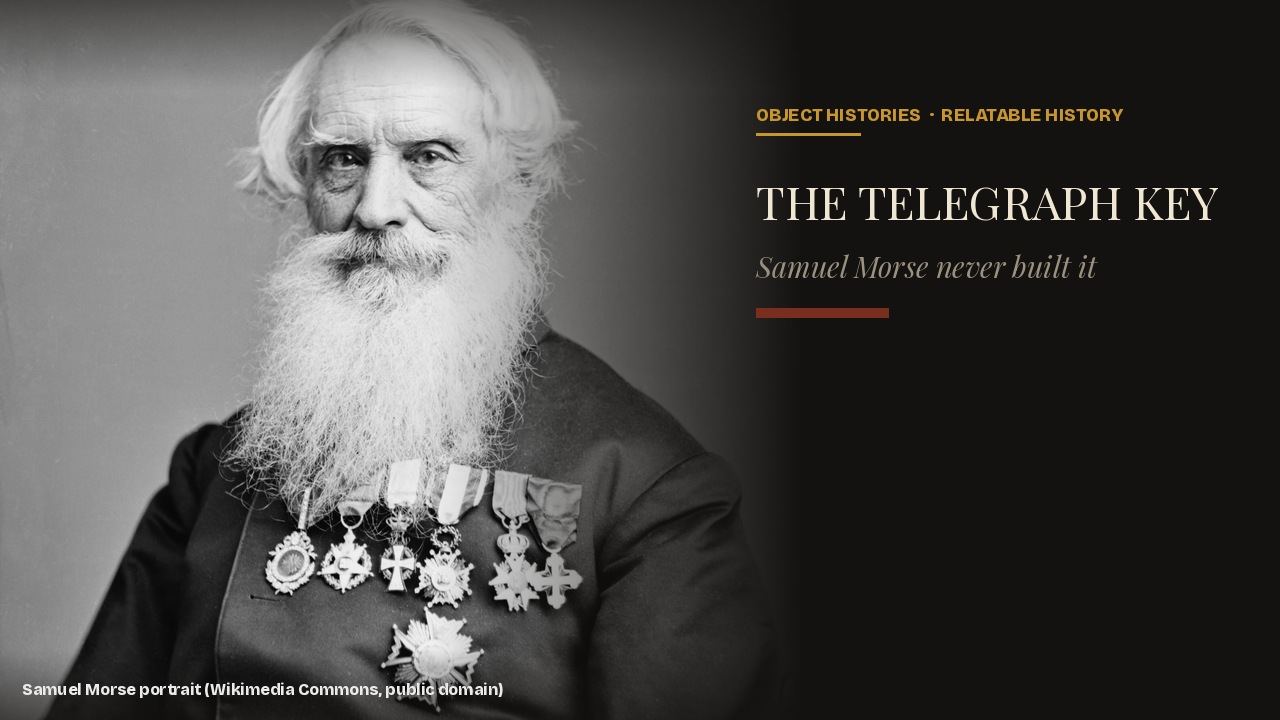
Who Really Invented the Telegraph Key (It Wasn’t Samuel Morse)
The device that bears Samuel Morse’s name was engineered by a machinist named Alfred Vail, who redesigned Morse’s code too. Here is what the patent fight and the archives actually show.
-
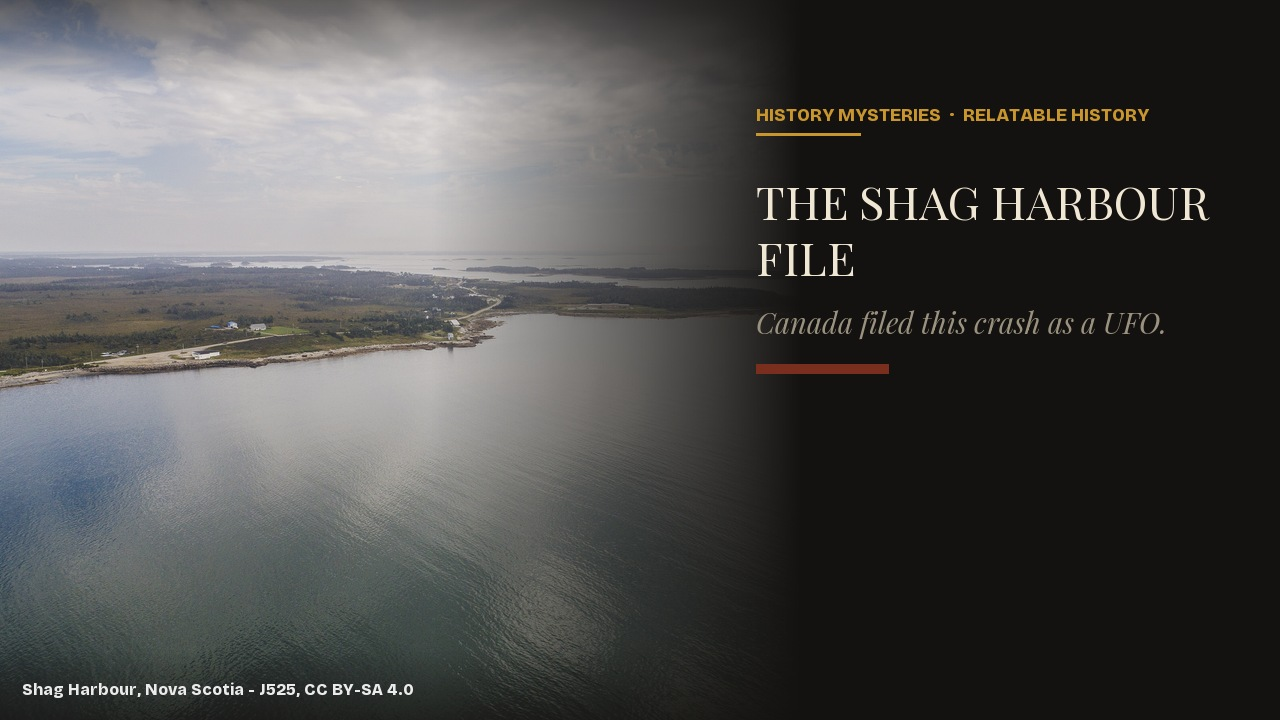
What the Records Actually Show About the Shag Harbour UFO
On October 4, 1967, something came down over a Nova Scotia fishing village and eleven people watched it happen. Here is what the paperwork actually says, fifty-nine years later.
-
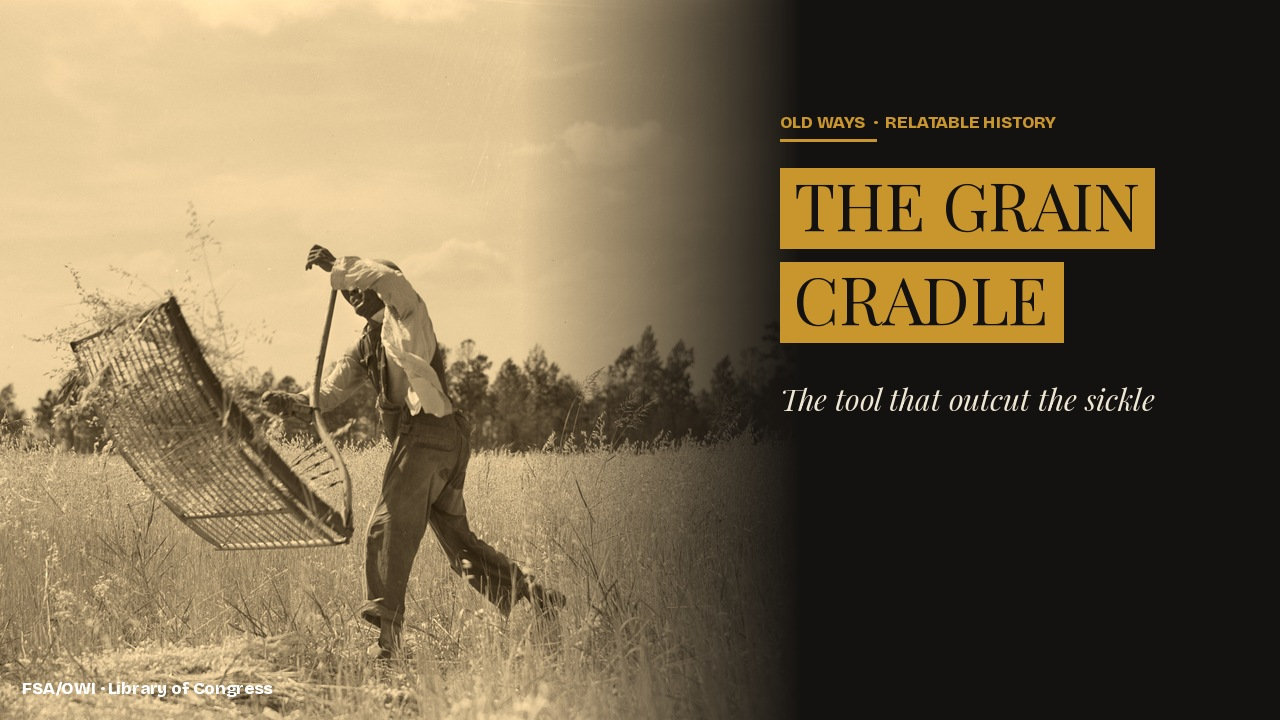
How Farmers Harvested Wheat With a Grain Cradle
A cradler swinging a claw of wooden fingers could out-cut a sickle three to one and still lose the race to a horse. The forty-year run of the tool that came between them.
-
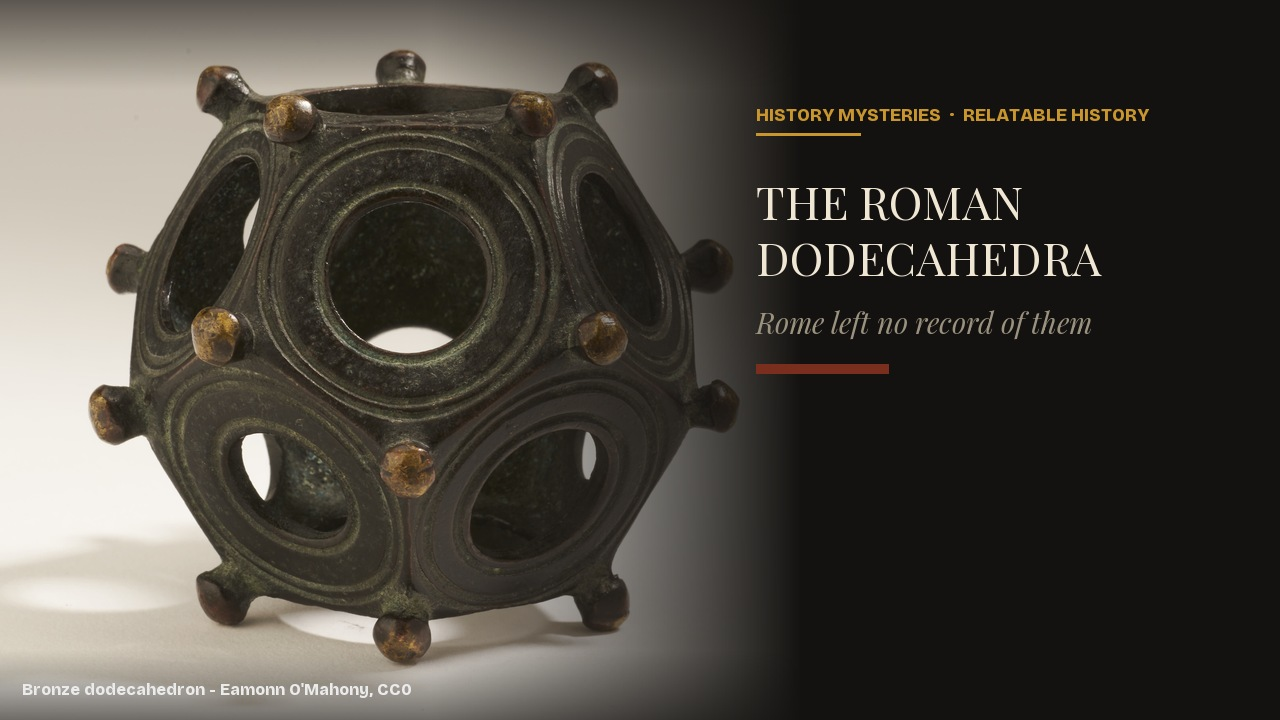
What Were Roman Dodecahedra Actually Used For?
More than 130 bronze dodecahedra survive from the Roman north-west, cast by skilled hands and never mentioned in a single surviving text. Here is what the evidence actually rules in and out.
-
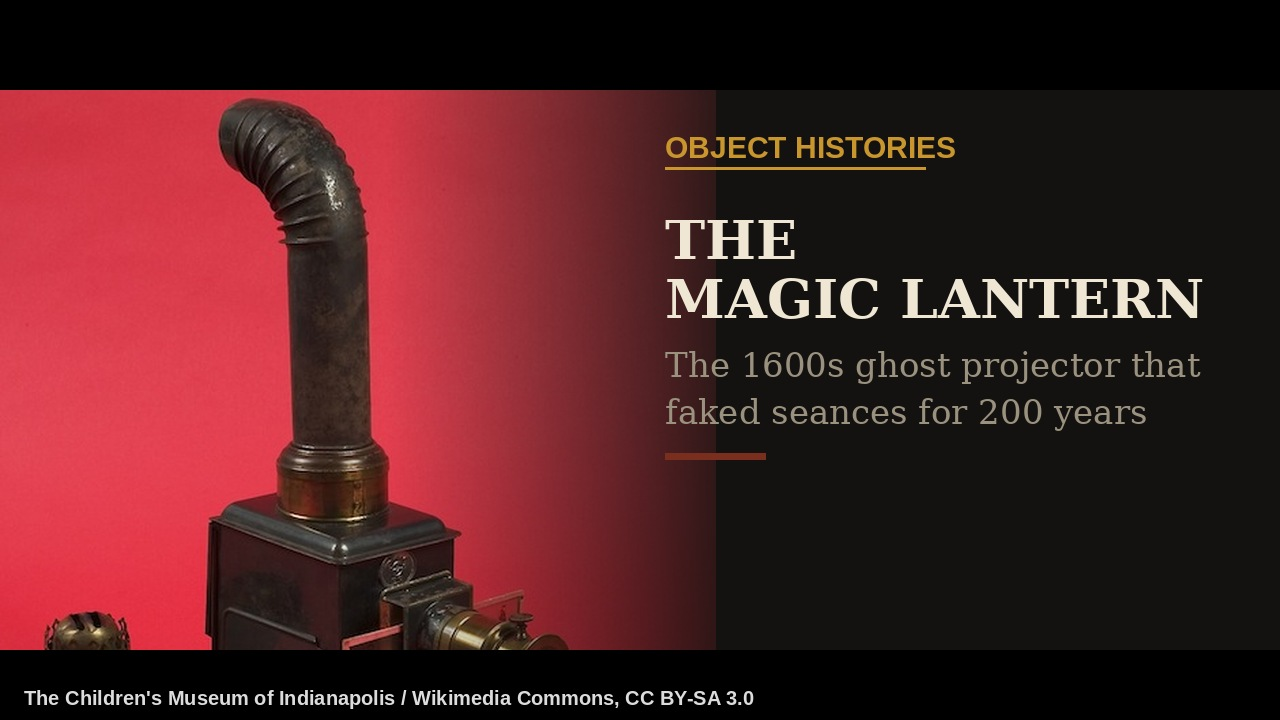
How the Magic Lantern Became Europe’s First Horror Show
A Dutch scientist was too embarrassed to admit he’d built it. Two centuries later it was still terrifying audiences — while insisting, the whole time, that there was nothing to be afraid of.
-
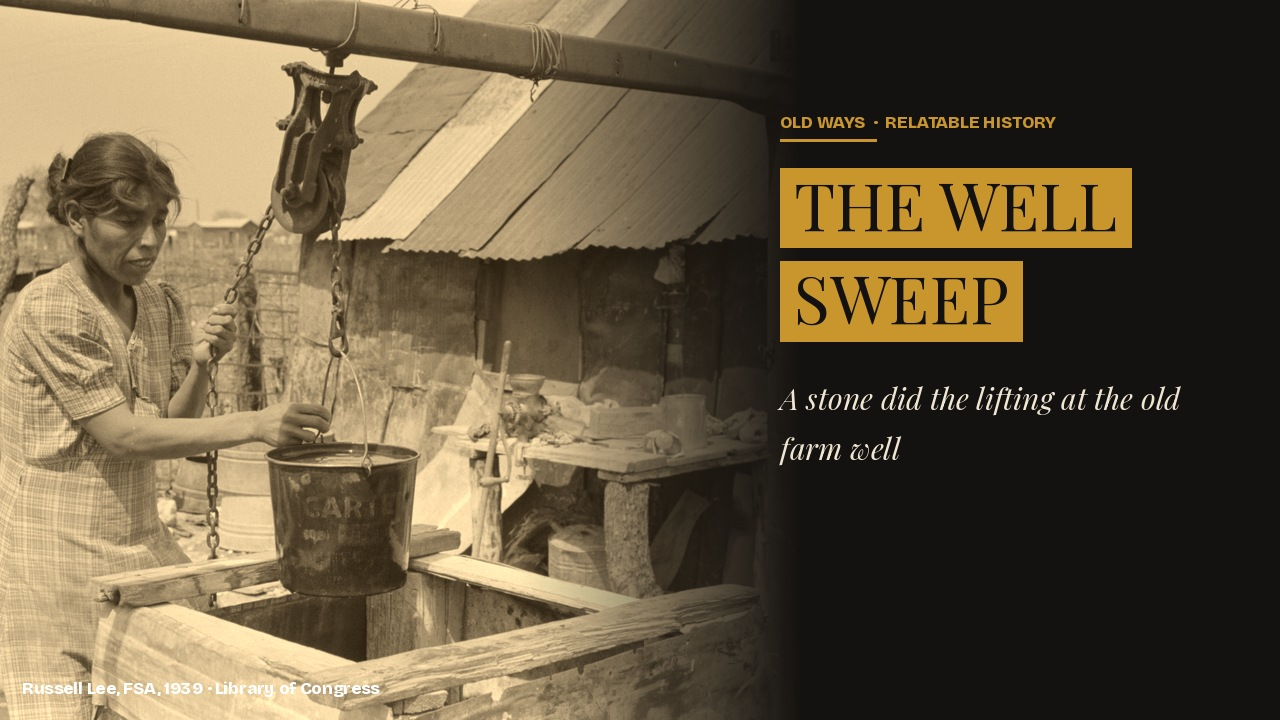
How the Well Sweep Drew Water Before There Were Pumps
A counterweighted pole did most of the lifting at the farm well for four thousand years. Here is the mechanism, the daily labor behind it, and why it finally came down.
-
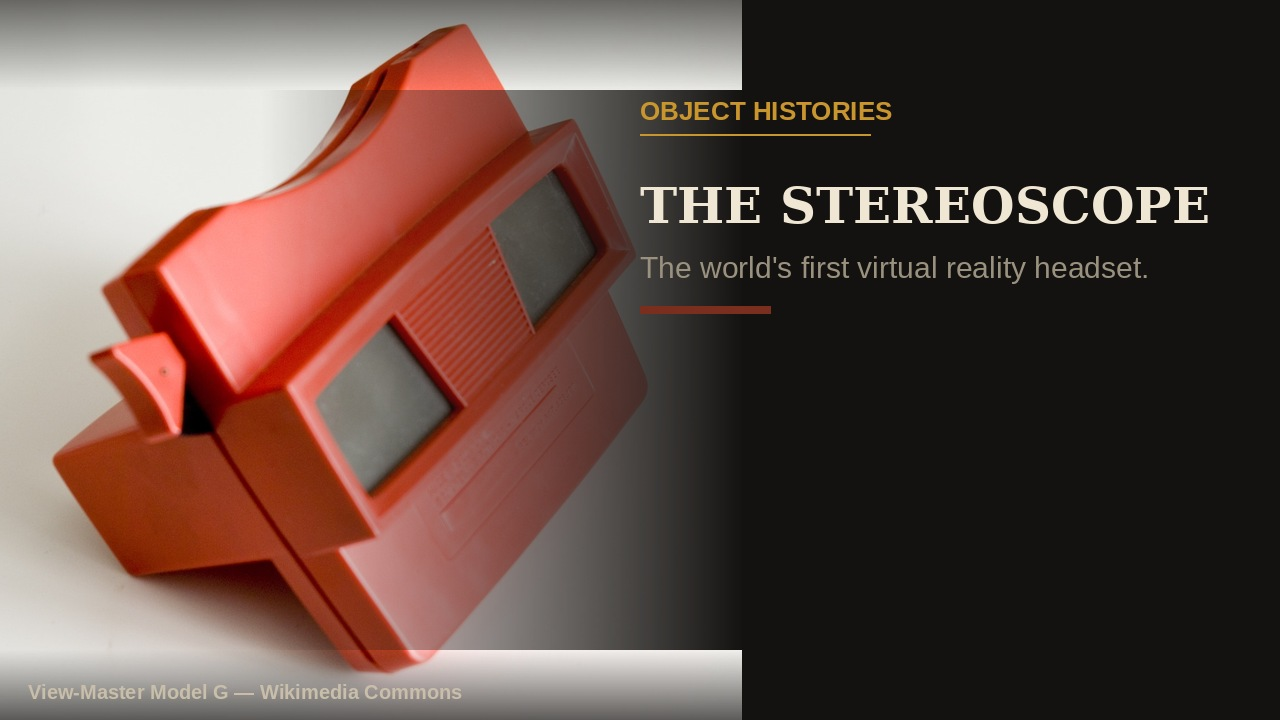
The Stereoscope Craze That Swept Victorian Parlours
A wooden box that used mirrors and, later, lenses to fool the brain into seeing depth became a Victorian sensation, a Civil War reporting tool, and eventually a museum piece nobody expected to reinvent itself as a VR headset.
-
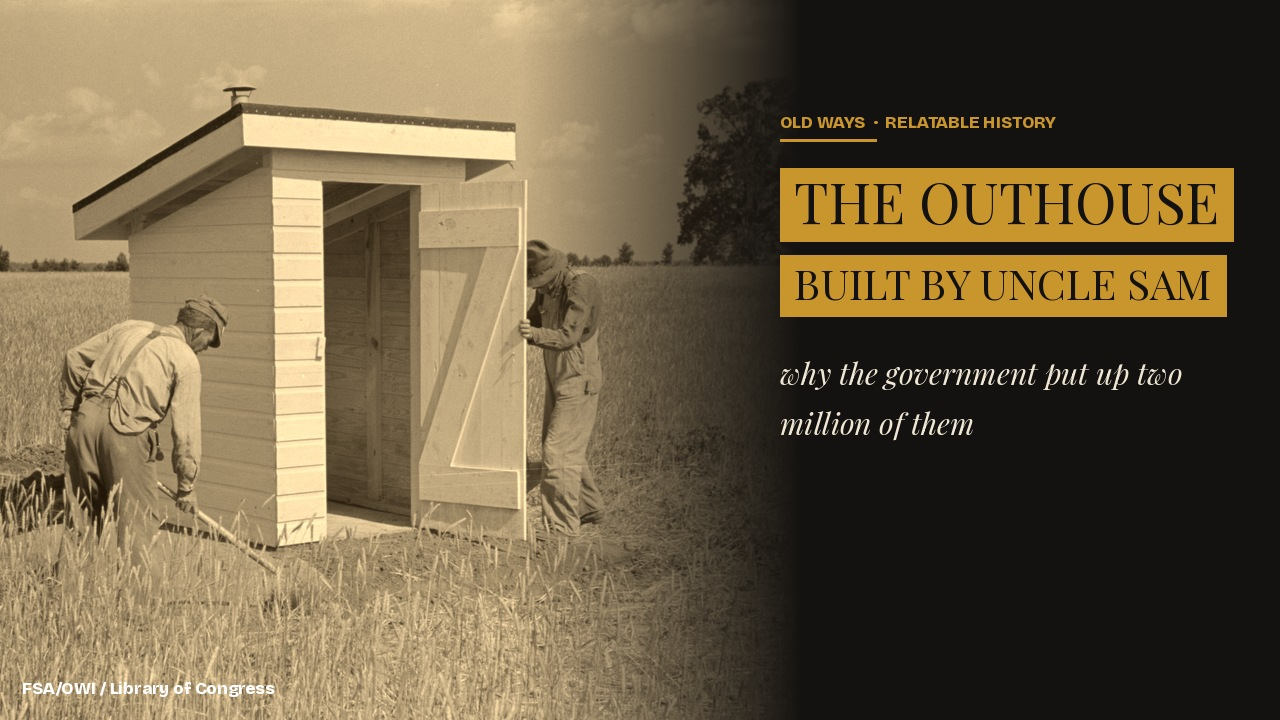
The WPA Sanitary Privy Program That Built Two Million Outhouses
Between 1933 and 1945, federal work crews built 2.3 million concrete outhouses across rural America on purpose, as a public health program. Here is how the sanitary privy actually worked.