
Medieval
Roughly 500 to 1500 CE: the medieval centuries in Europe, the Islamic world, imperial China, and the trade networks that joined them.
-
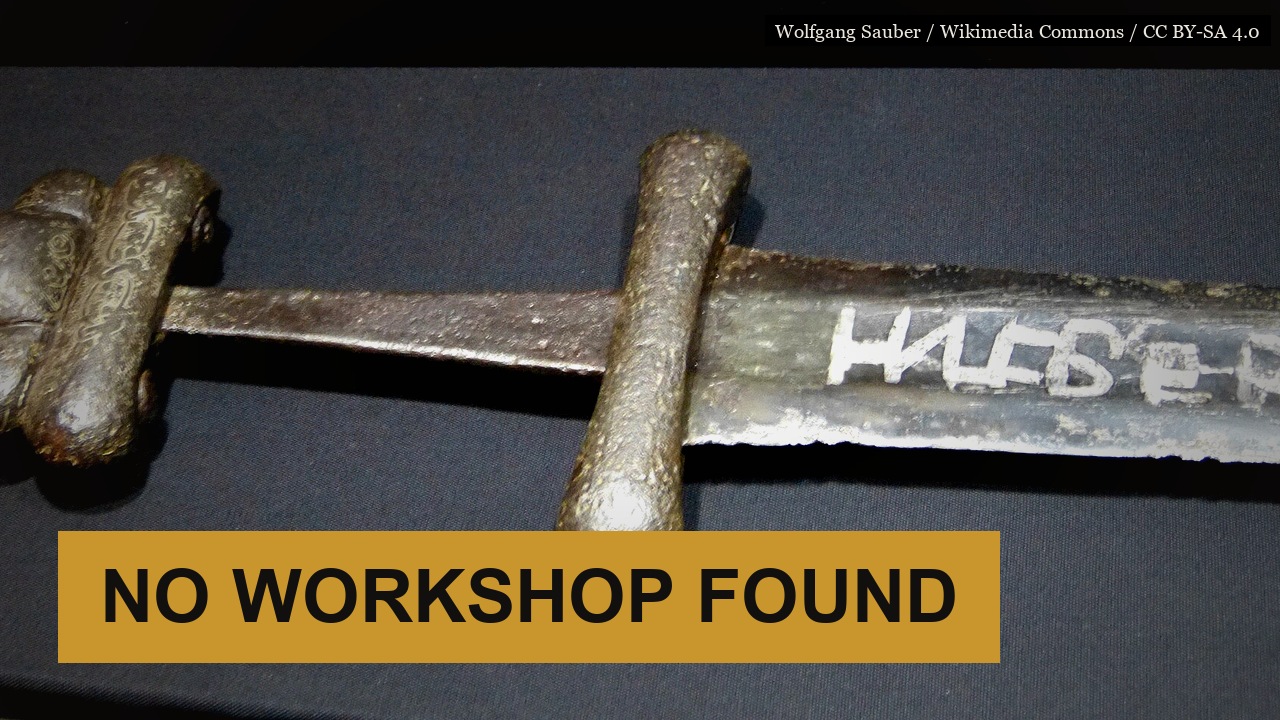
Were the Ulfberht Swords Really Made With Crucible Steel?
Nine of the roughly 170 Viking-age swords inscribed with one Frankish name carry steel harder than medieval Europe is thought to have been able to forge. No one has ever found where, or by whom.
-
How Old Is Diwali, Really? What the Written Record Actually Shows
Diwali is usually called five thousand years old. The sources that can actually be checked — Sanskrit texts, dated inscriptions, a Persian scholar’s travel notes — tell a shorter and much messier story.
-
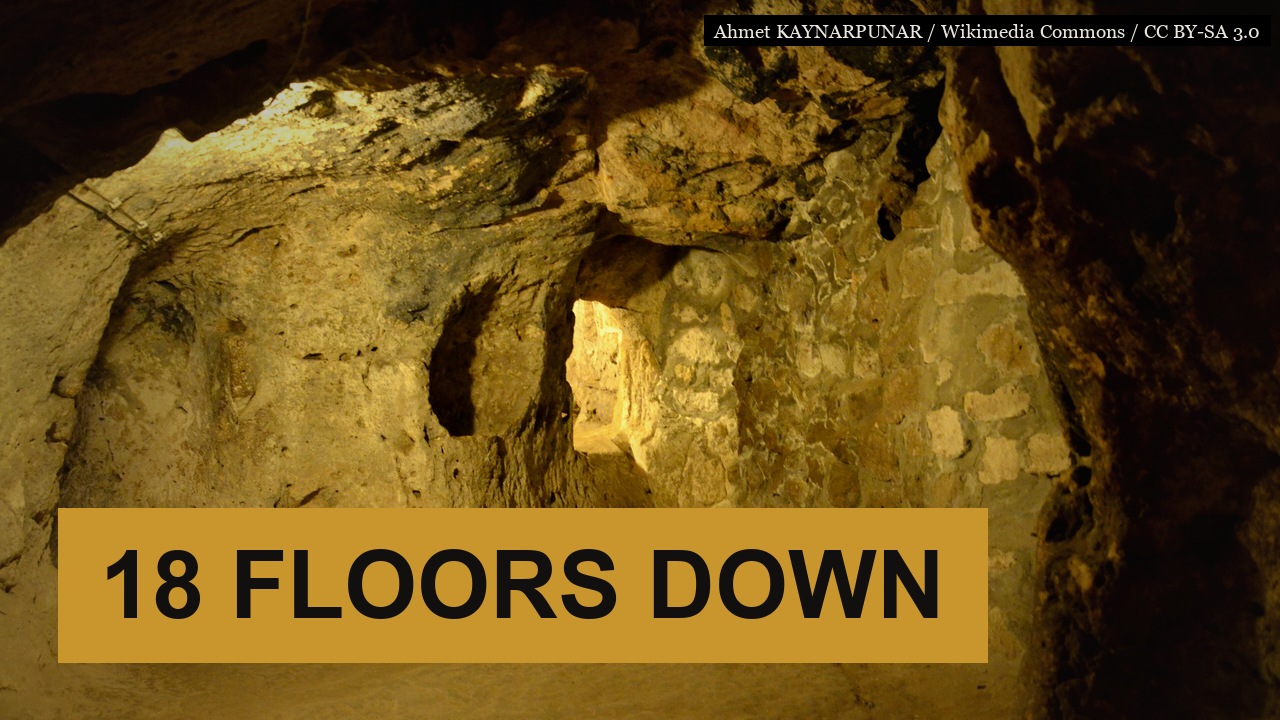
How Derinkuyu’s Underground City Actually Worked
Derinkuyu’s tunnels were not just hiding space. They had engineered airflow, rationed water, and stone doors built to be sealed off one floor at a time.
-
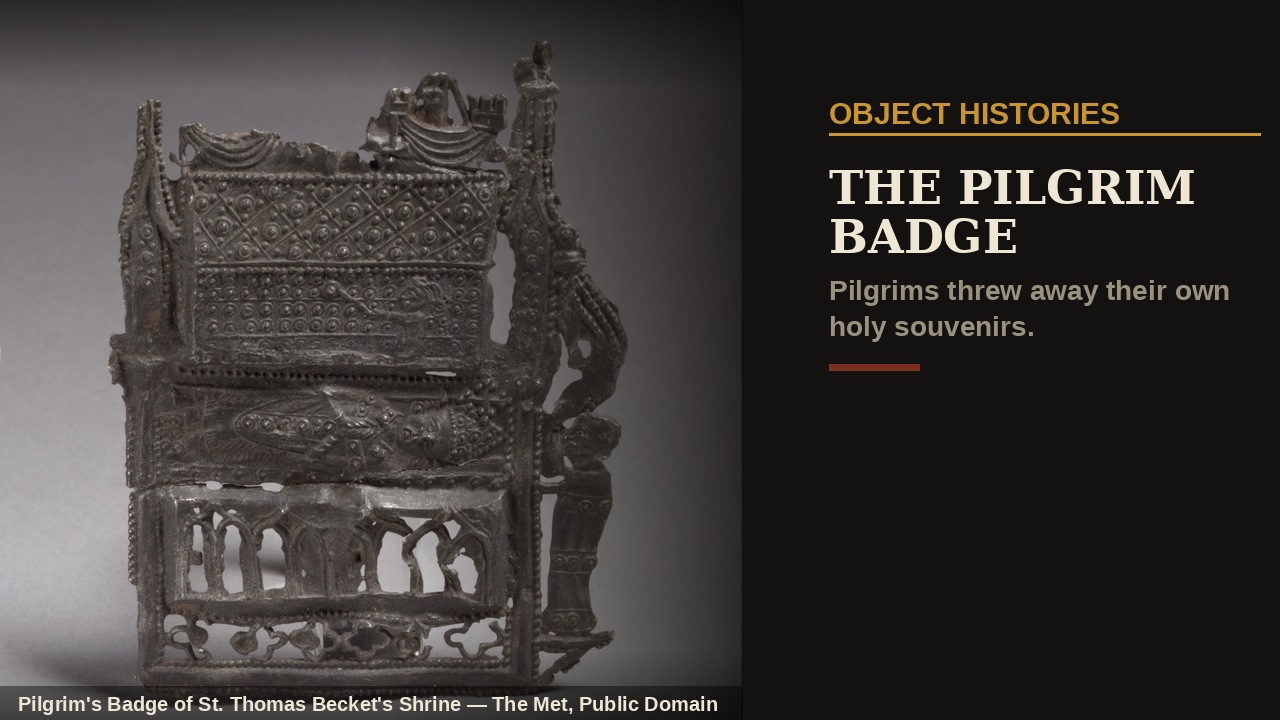
Inside the Medieval Pilgrim Badge Industry
Shrines did not just welcome pilgrims. They ran casting workshops, licensed moulds, and sold souvenirs the way a gift shop sells postcards, for three hundred years.
-
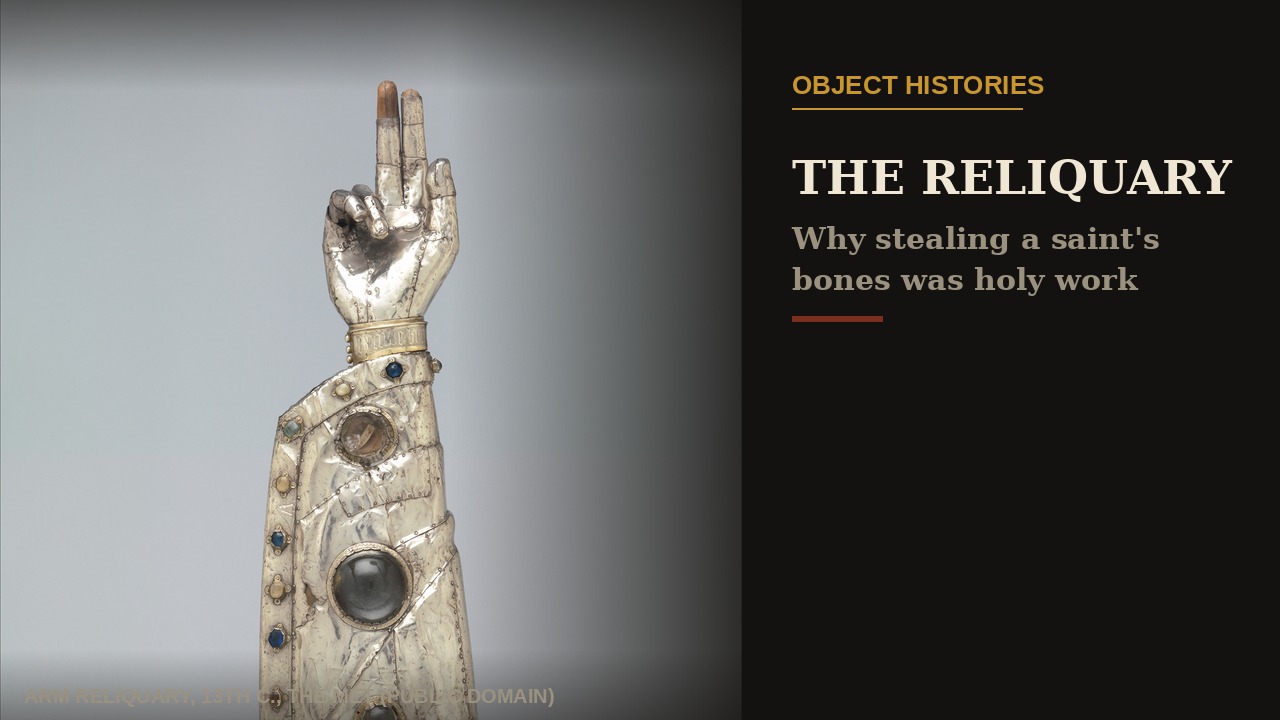
Furta Sacra: The Strange History of Medieval Relic Theft
For medieval Christians, stealing a saint’s body wasn’t a crime — it was proof the saint wanted to be moved. Here is the theology, the law, and the economy that built around that idea.
-
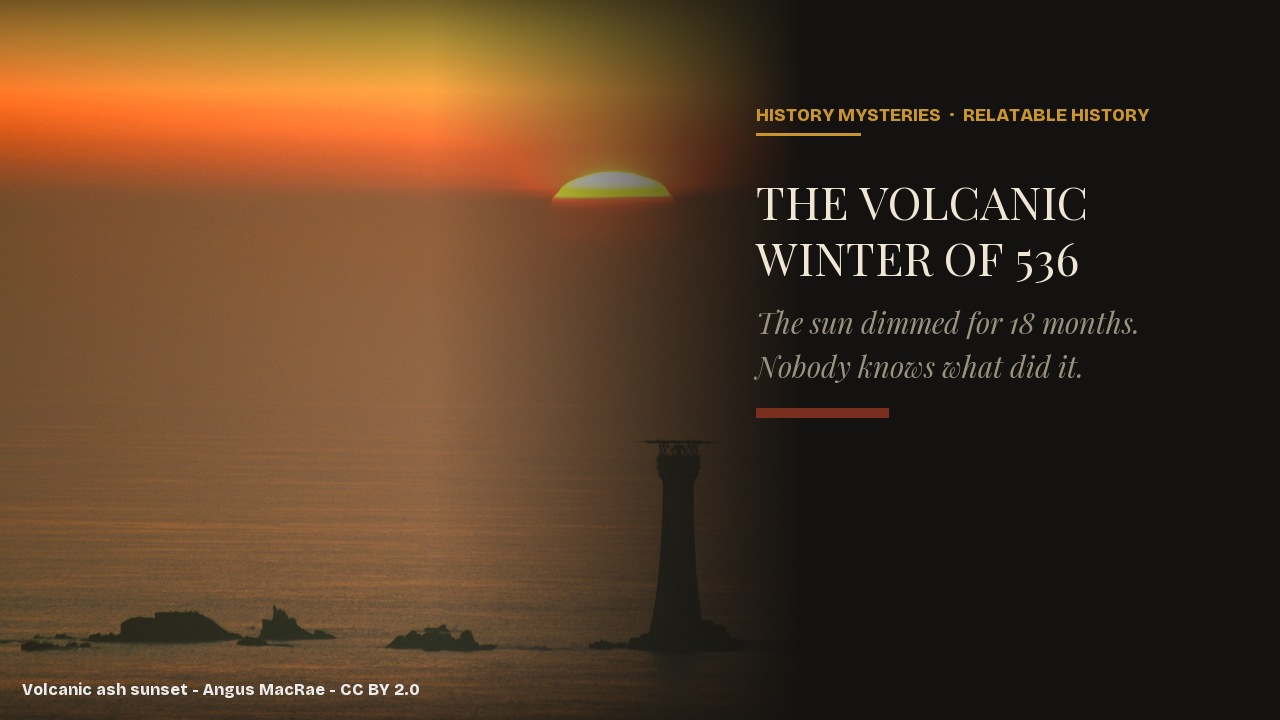
Scientists Know Exactly When the Sky Went Dark in 536 AD. They Still Don’t Know Why.
Tree rings, ice cores and chronicles from three continents agree on exactly what happened in 536 AD. A century of volcanic detective work still hasn’t found who did it.
-
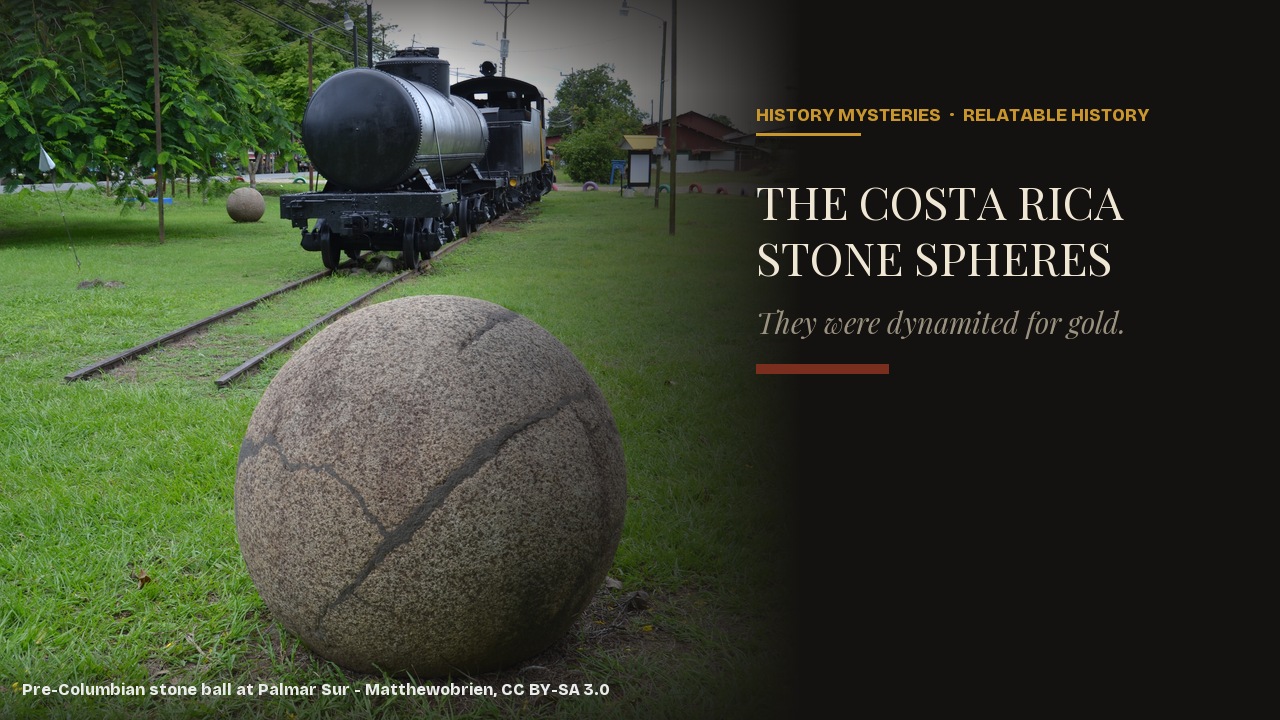
What Costa Rica’s Stone Spheres Were Actually For
Only about a dozen of Costa Rica’s three hundred stone spheres are still where they were originally placed. That is not much evidence, but it is almost everything archaeologists have.
-

The Tomb of Genghis Khan: A Decision Not a Mystery
Genghis Khan died in 1227, and even that sentence is contested: the sources disagree on the country, the cause, and the day. What follows is stranger. A Russian monk’s river theory from the 1880s, a satellite project with ten thousand volunteers, a 2014 hoax, and a 2026 genetics paper that found less than its headlines…
-
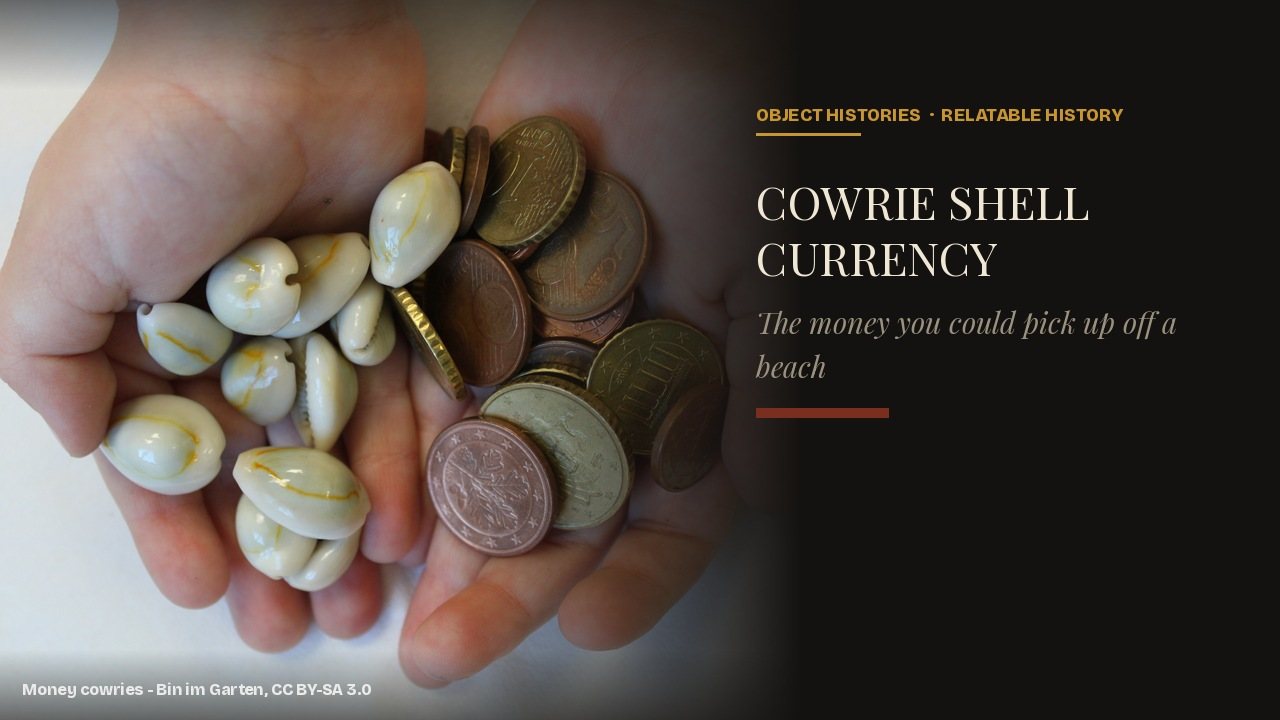
Cowrie Shell Money: How a Sea Snail Financed Four Continents
A shell you could pick up off a beach was money on four continents for roughly four thousand years, until one Hamburg trading firm undid it in a single generation.