
The long, surprising journeys of everyday objects: why your car key is called a fob, how the inkwell lasted 3,000 years, and where the things in your house really came from.
Each story below is the full, sourced article and includes its video. Just want to watch? See every Object Histories video →
-
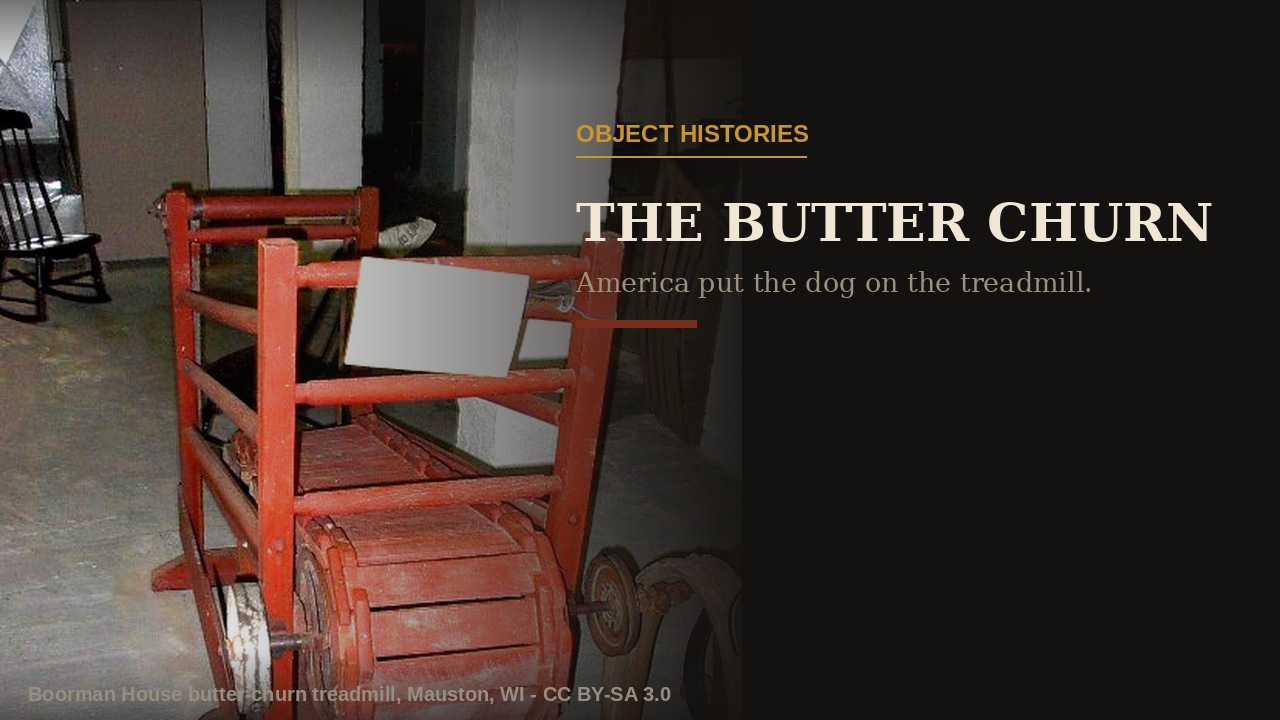
How the Dog-Powered Butter Churn Actually Worked
For a few decades a mid-sized farm dog was genuinely listed as equipment. Here is the mechanism behind the treadmill churn, and the three-thousand-year story of butter that came before it.
-
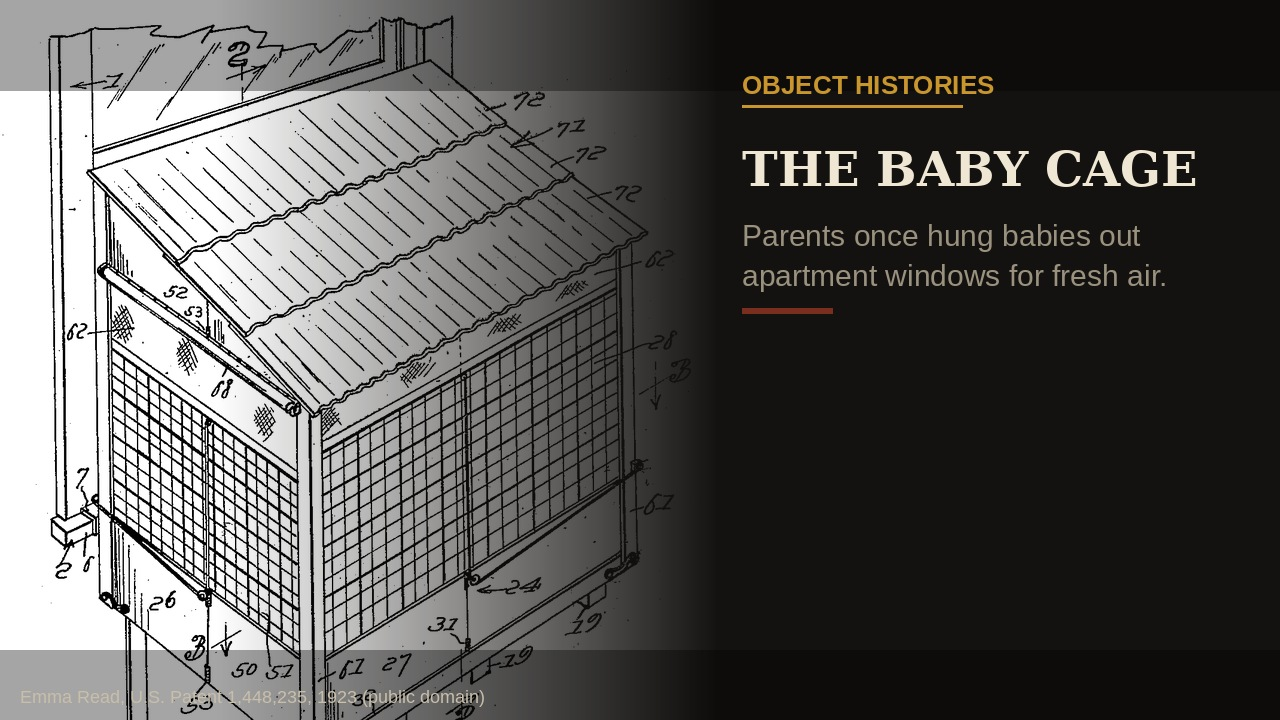
The Public Health Panic That Made Baby Cages Seem Safe
A wire box bolted outside a window and a sleeping infant inside it was not reckless in 1930. It was doctor’s orders. Here is the public health crisis that made it look that way.
-
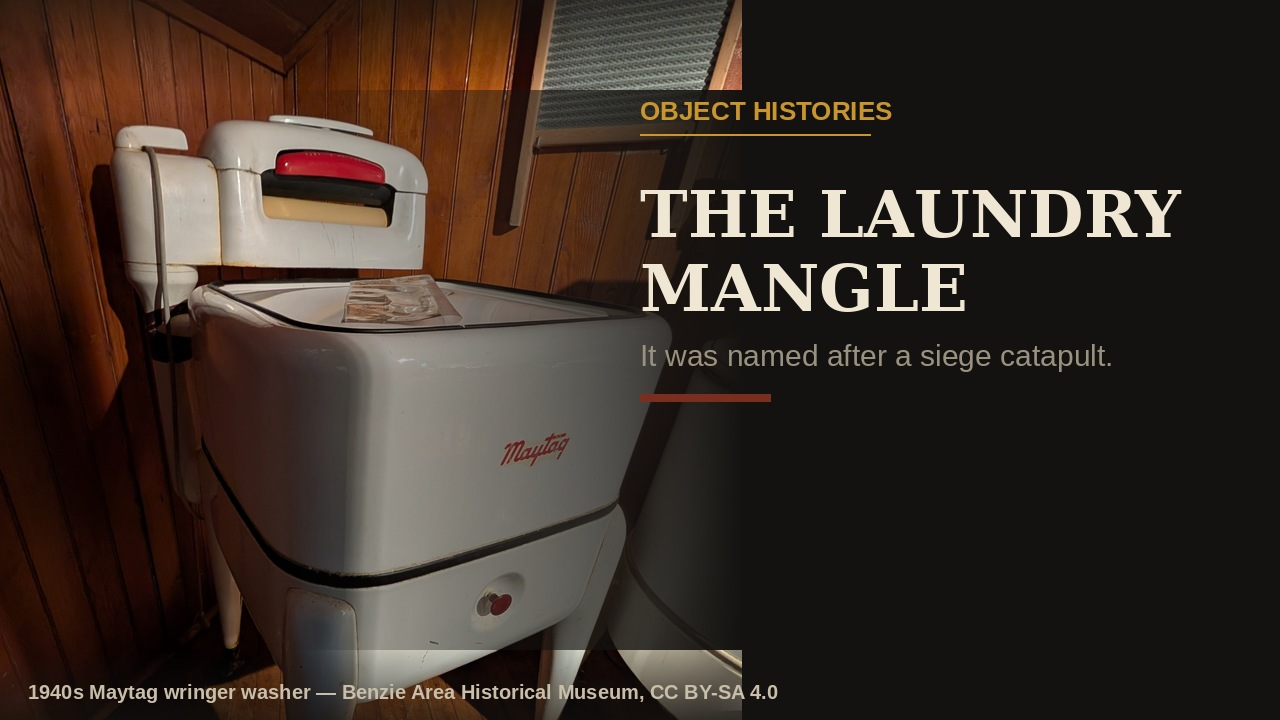
Clothes Wringer History: From Courtship Gift to ‘Wringer Arm’
Long before the electric wringer put a generation of children in hospital records, the same machine was a hand-carved proposal a man gave the woman he hoped to marry.
-
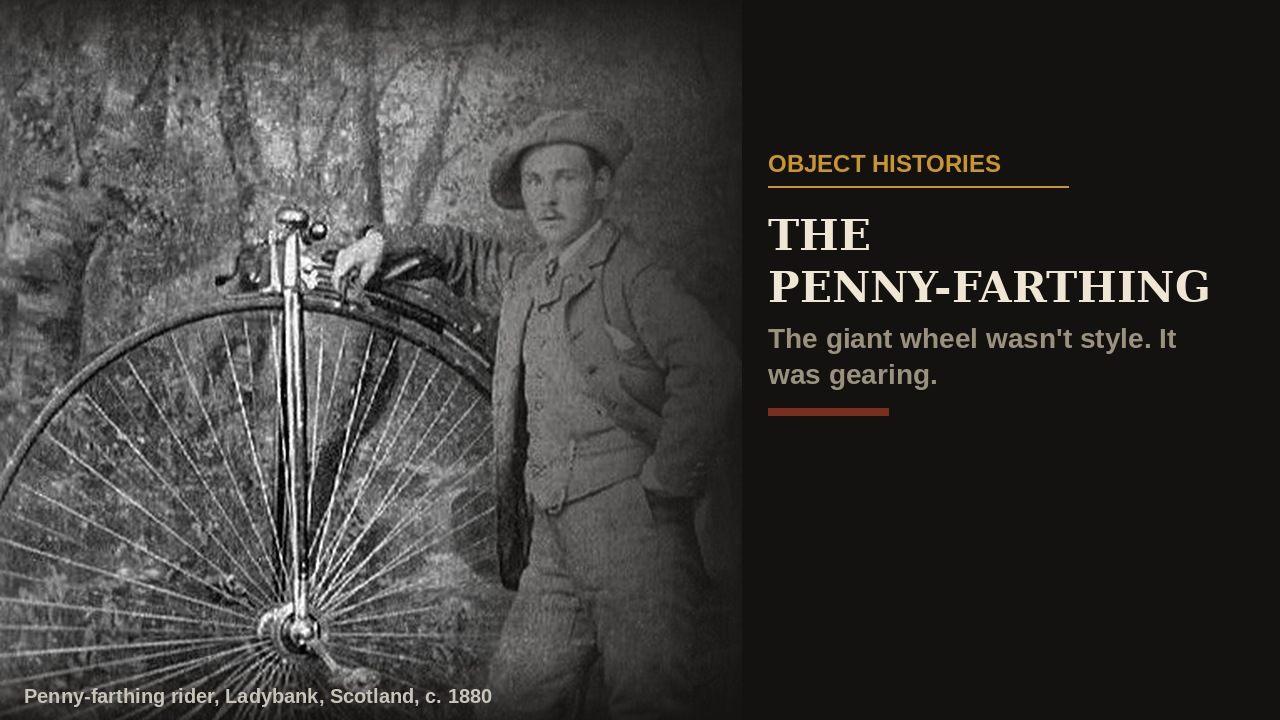
Why the Penny-Farthing’s Wheel Had to Be So Big
Before the chain existed, a bicycle’s top speed was fixed by the size of its front wheel. That single constraint is the entire reason the penny-farthing grew as tall as a doorway.
-
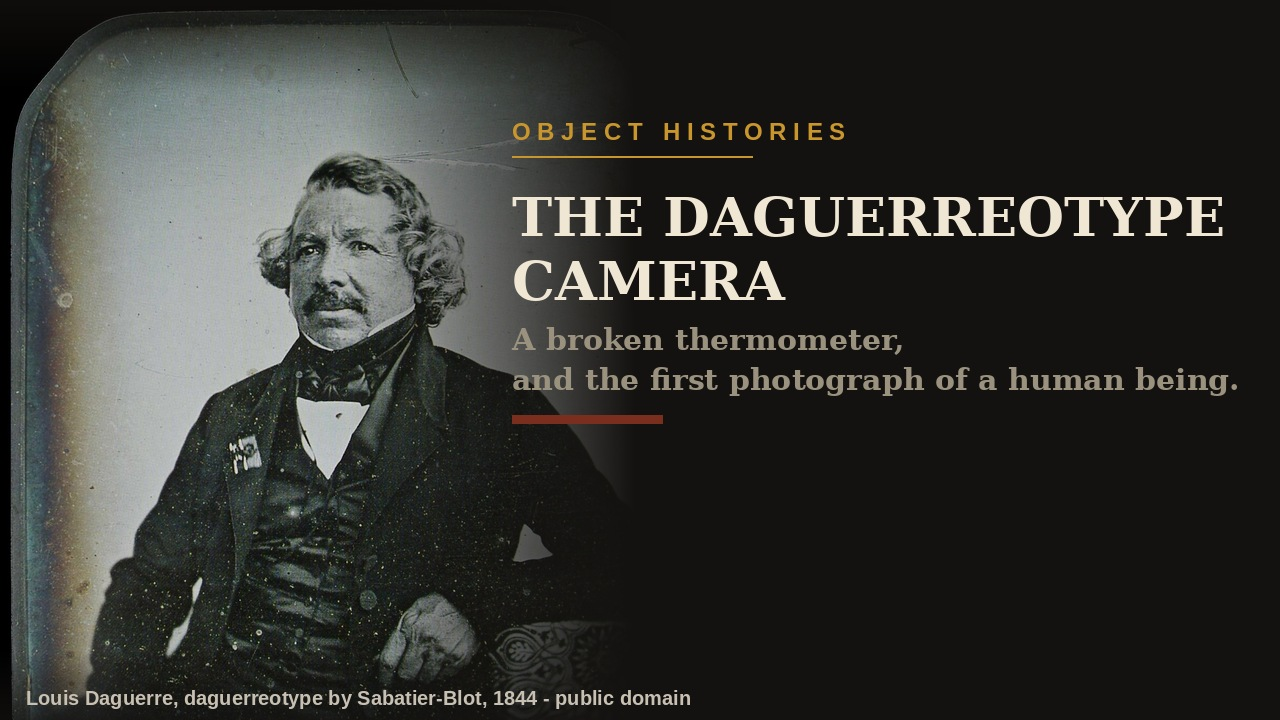
How the Daguerreotype Actually Worked, and Why It Was Dangerous
Every daguerreotype is a one-of-a-kind object with no negative behind it, made by a process so toxic that ventilating your mercury was genuine period safety advice.
-
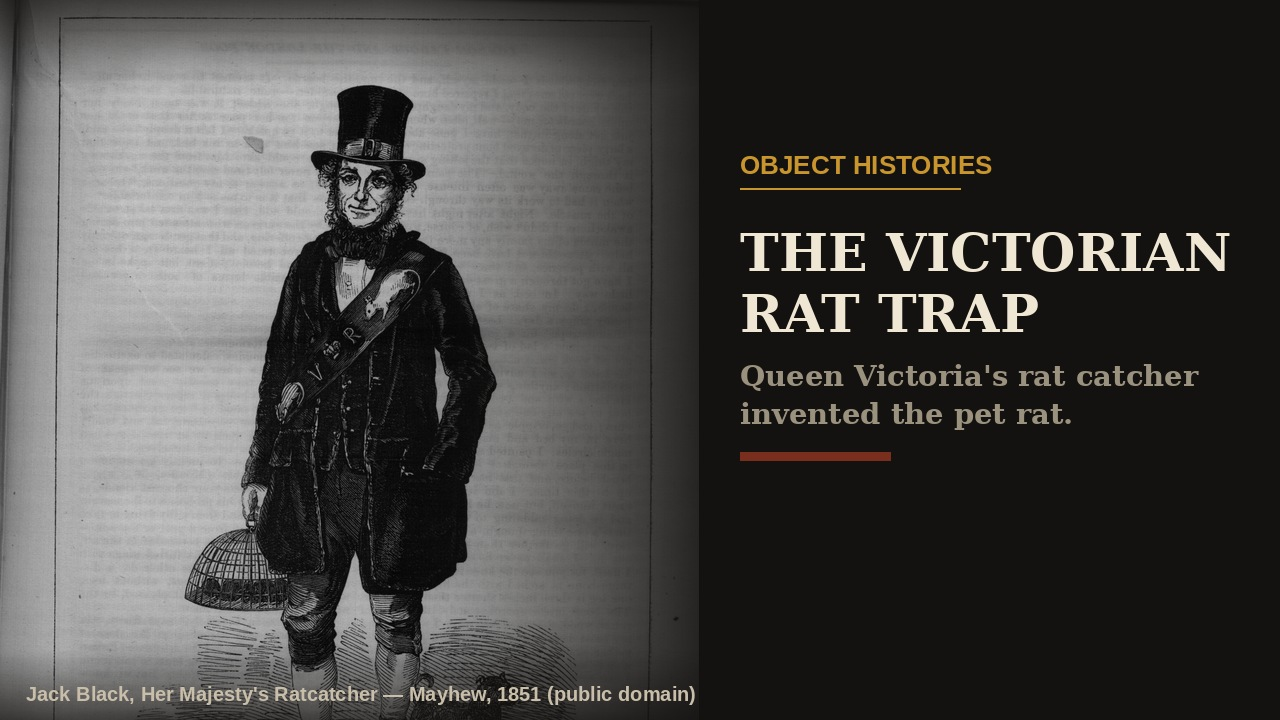
Who Invented the Mousetrap? The Rat War That Made It Necessary
The spring-loaded mousetrap was patented in 1894 and has barely changed since. Getting there took a hundred and fifty years of rat catchers, gambling dens, and one very determined ironmonger.
-
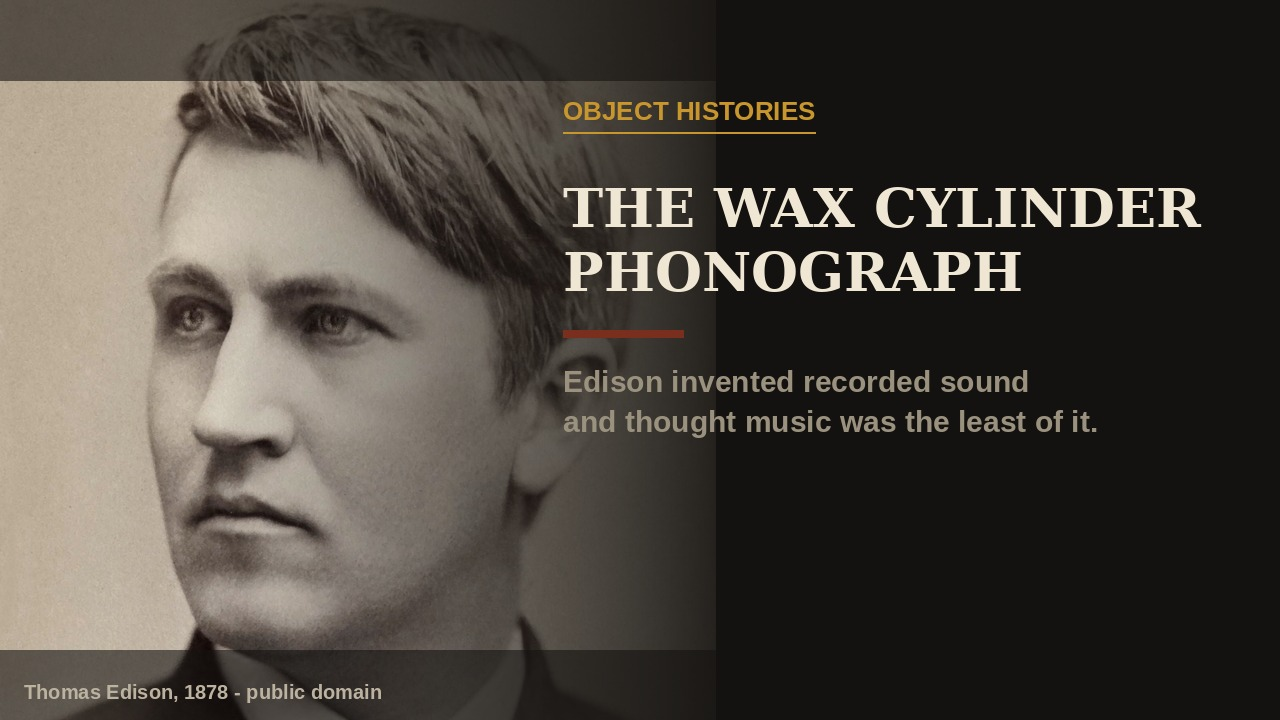
Wax Cylinder Recordings: How an Office Machine Ended Up Saving Languages
Thomas Edison thought his invention’s future was office dictation. Instead it accidentally founded the recording industry, and preserved voices nothing else ever recorded.
-
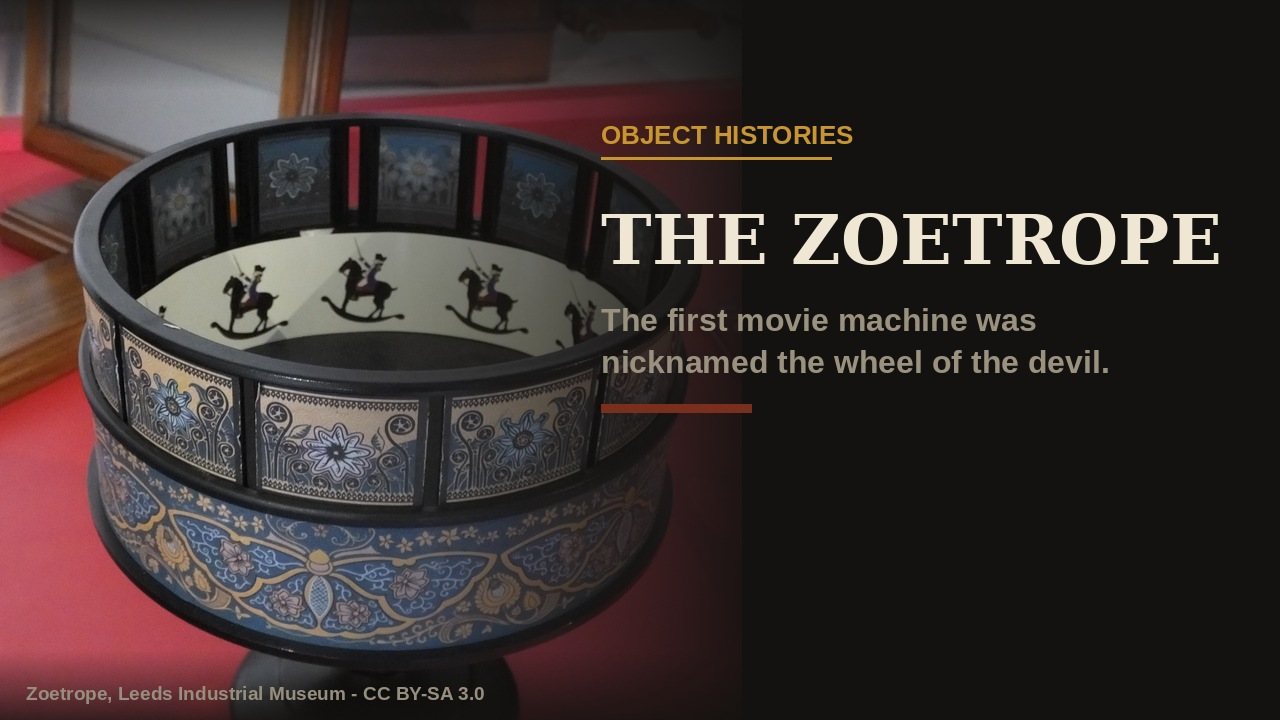
Who Invented the Zoetrope? Three Men Have a Claim
The zoetrope has at least three inventors: one ancient and disputed, one who died having sold zero units, and two who filed competing patents seven weeks apart.
-
How Ear Trumpets Worked: The Physics, the Disguises, and What a Brass Horn Really Did for Hearing
A three-hundred-year industry built on a cupped hand. The acoustics, the London trade, the trumpets hidden in hair and walking sticks, and the numbers that show how little some of them did.
-

Why Blowing a Shofar at the Western Wall Was a Crime
For seventeen years, sounding a ram’s horn at the Western Wall carried a fifty-pound fine or six months in prison. Someone did it every single year.