
In-depth, sourced articles behind every Relatable History video, with works cited, images and further reading.
Every article is fully sourced and includes its video. Just want to watch? Browse all videos →
-
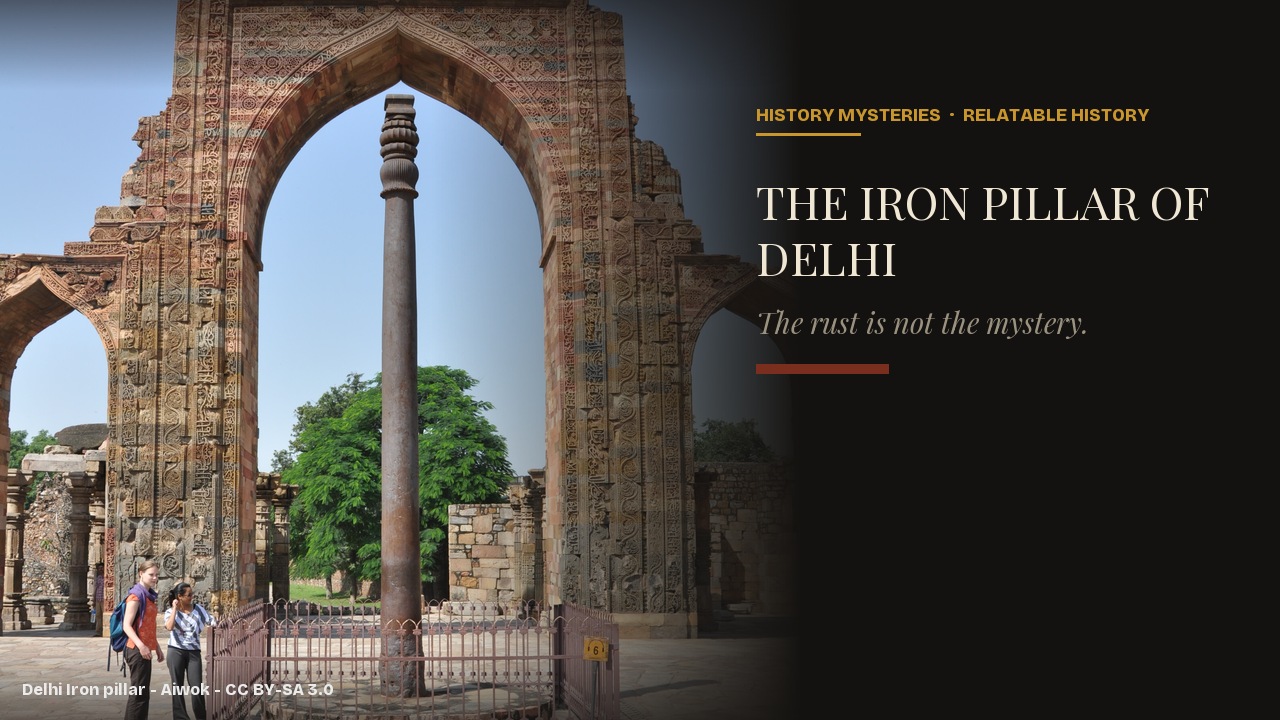
Who Built the Delhi Iron Pillar? The Question Nobody Signed Their Name To
The rust-resistance of the Delhi Iron Pillar is settled metallurgy. Who actually forged it, and where it stood before Delhi, is the argument two centuries of scholars still haven’t closed.
-
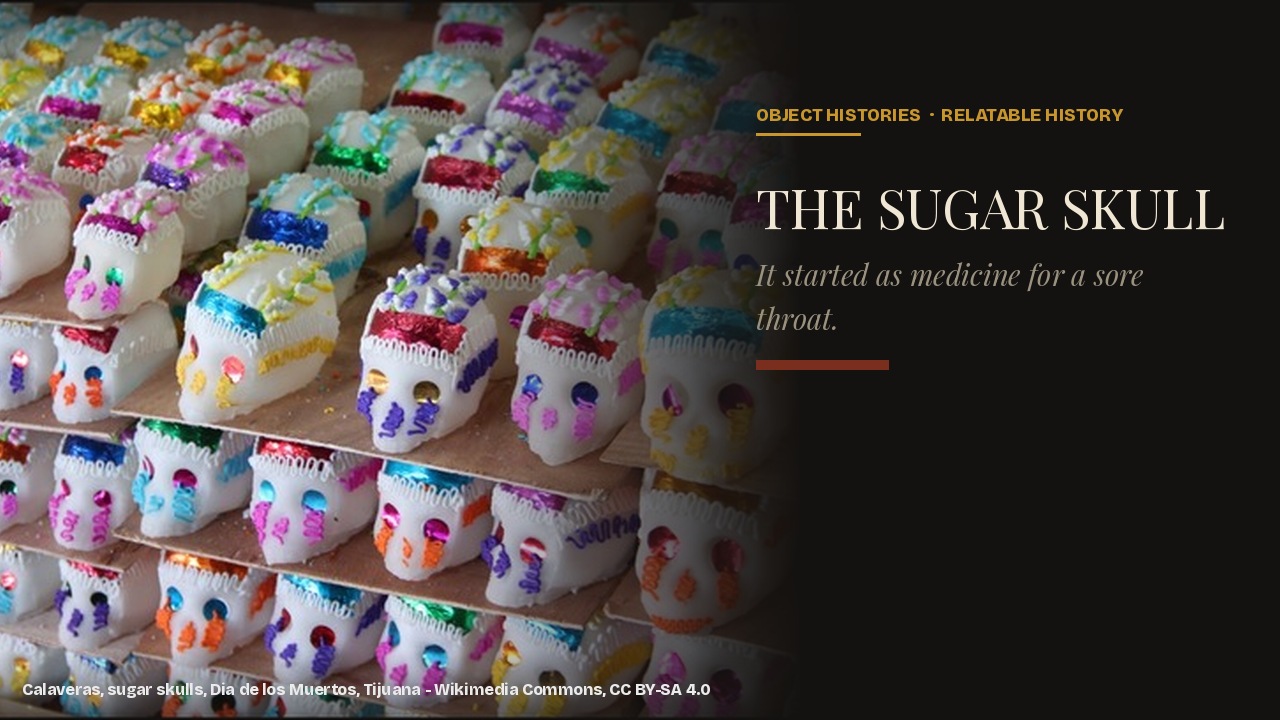
Why Sugar Skulls Get a Name Written on the Forehead
The candy on a Day of the Dead altar was invented as medicine in Islamic Spain, not as a memorial. This is the documented route it took to a Toluca wooden mold five centuries later.
-
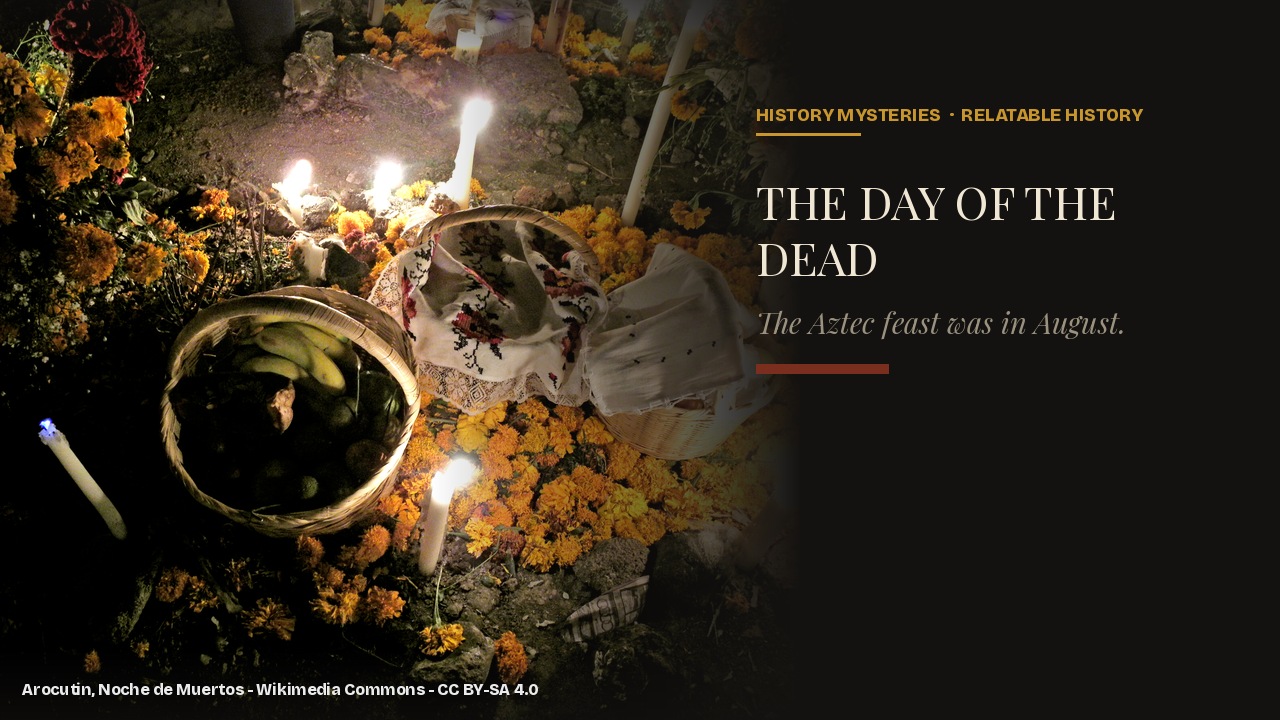
Is the Day of the Dead Really a Pre-Hispanic Tradition?
Mexico’s schoolbooks call the Day of the Dead an unbroken pre-Hispanic inheritance. The documentary record has a gap exactly where that claim needs proof, and two camps of historians have spent fifty years reading it in opposite ways.
-
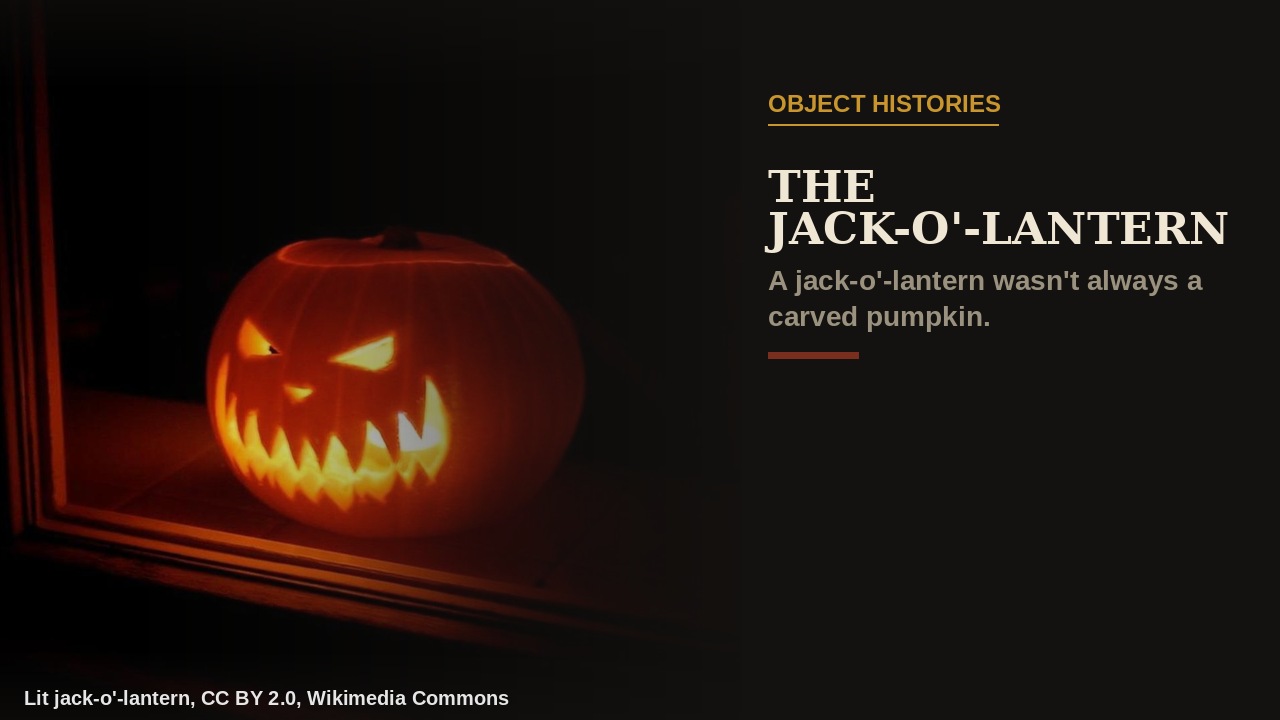
The Print Trail That Turned a Pumpkin Into a Jack-o’-Lantern
Irving never describes a carved face. Hawthorne used the word twice, fifteen years apart, before a newspaper ever printed one. Here is the paper trail the popular version skips.
-
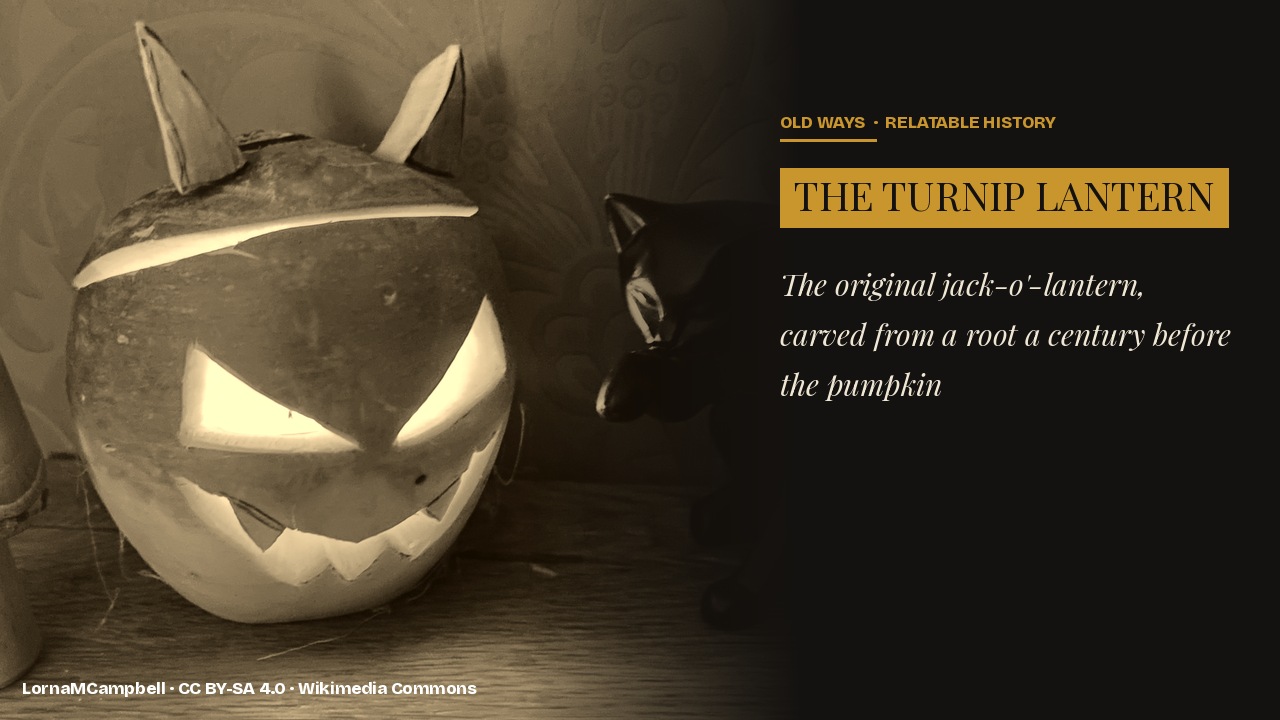
The Original Jack-o’-Lanterns Were Turnips, Not Pumpkins
A real turnip lantern, donated to a Dublin museum in 1943, is the best physical evidence for a custom that predates the pumpkin by at least a century. Here is what the documented record actually shows.
-
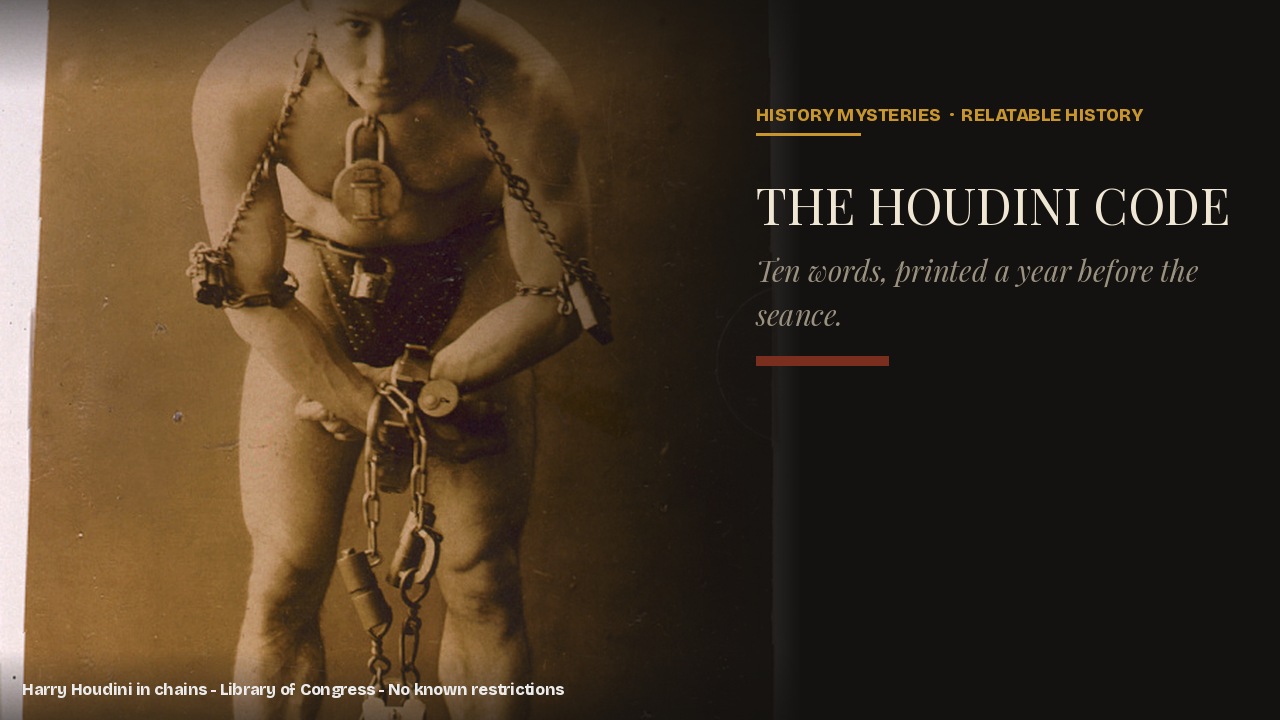
How Houdini’s Code Worked, and Why It Could Never Prove Anything
The Houdinis turned an old vaudeville trick into the ultimate afterlife test: a code broadcast in sixty seconds flat. It also carried a flaw built into every code act that ever worked a stage.
-
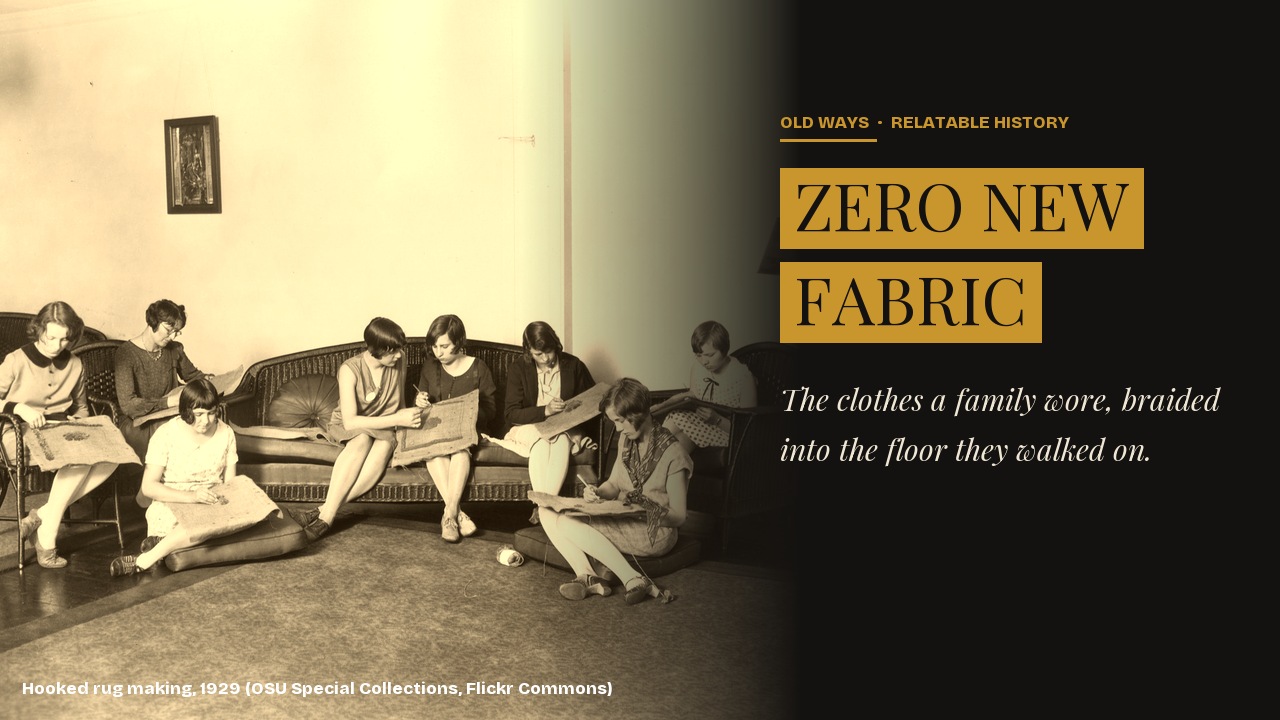
How Rag Rug Making Worked, From Rags to Wages
Braiding, hooking and weaving solved the same problem three different ways. In one well-documented case, the craft also paid real wages — and sales nearly tripled in three years.
-
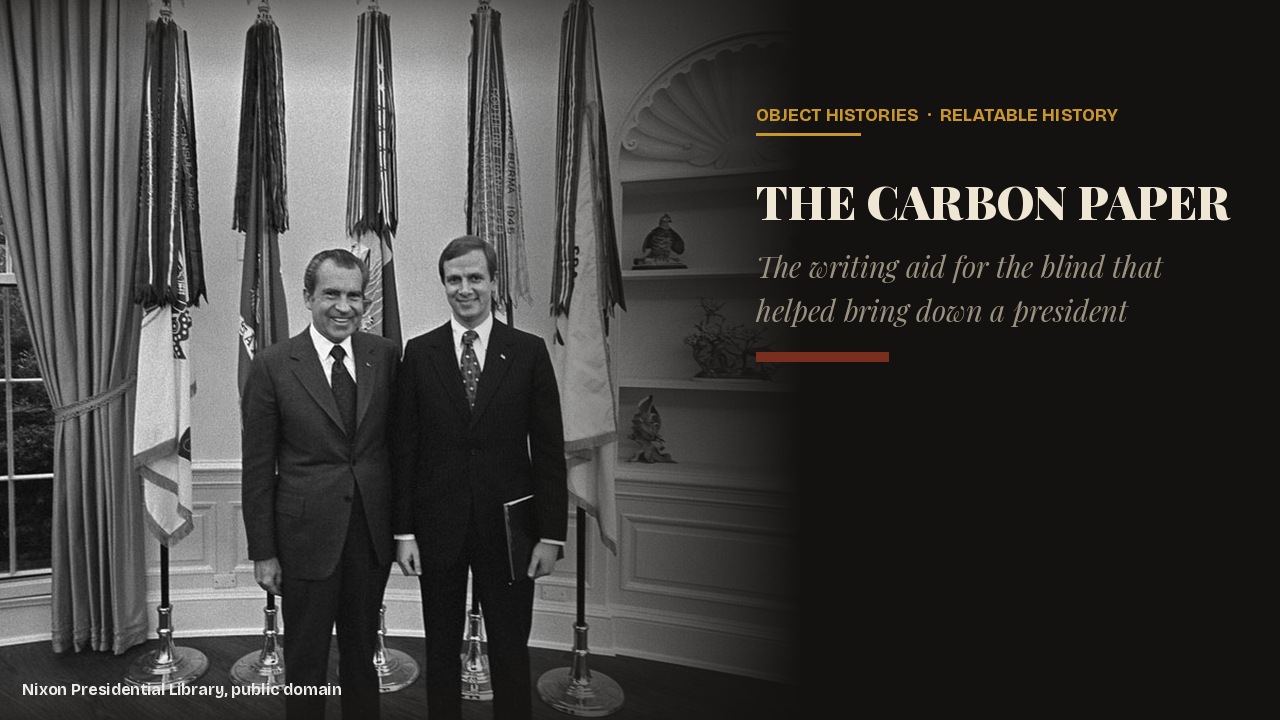
Who Invented Carbon Paper, Really? Four Credible Answers
Carbon paper has four separate, well-documented origin stories — and one of them ends with a 1973 grand jury subpoena naming a White House aide’s memos by title.
-
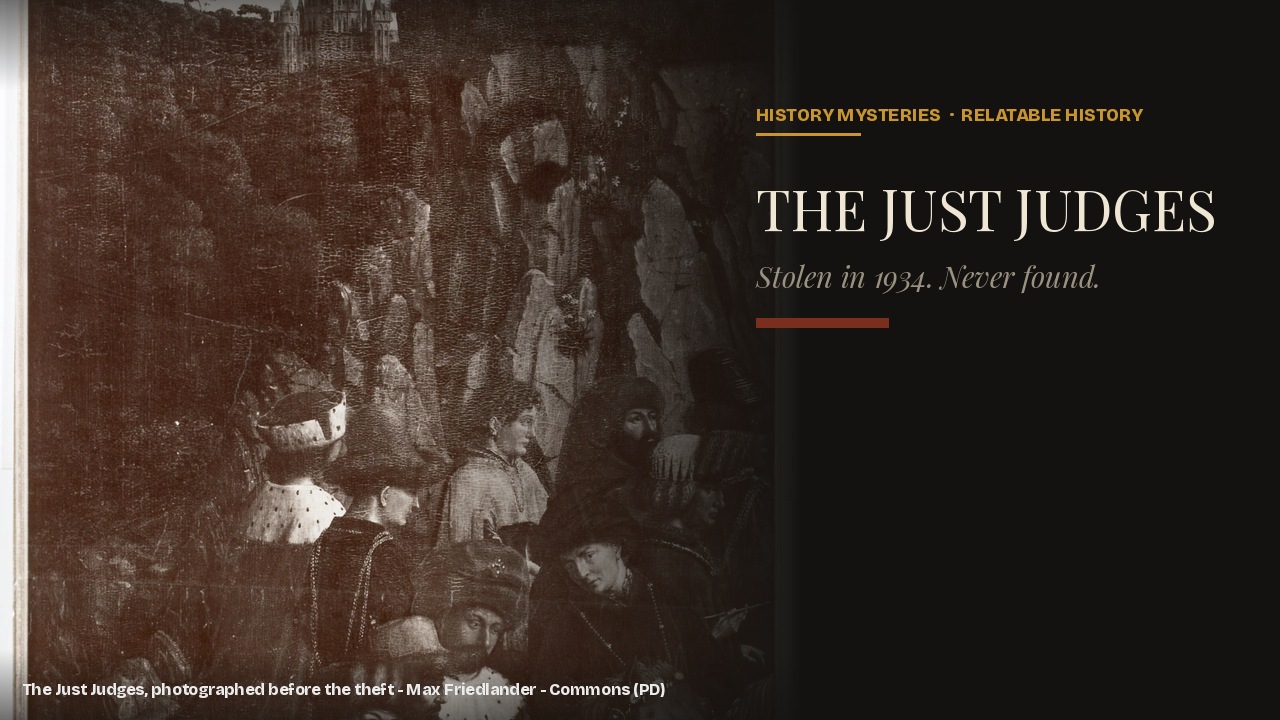
Why Belgium’s Just Judges Panel Investigation Has Never Closed
Belgium’s prosecutors still have an open case on a van Eyck panel stolen from a Ghent cathedral in 1934. Ninety years and three competing theories later, nobody has produced it.
-
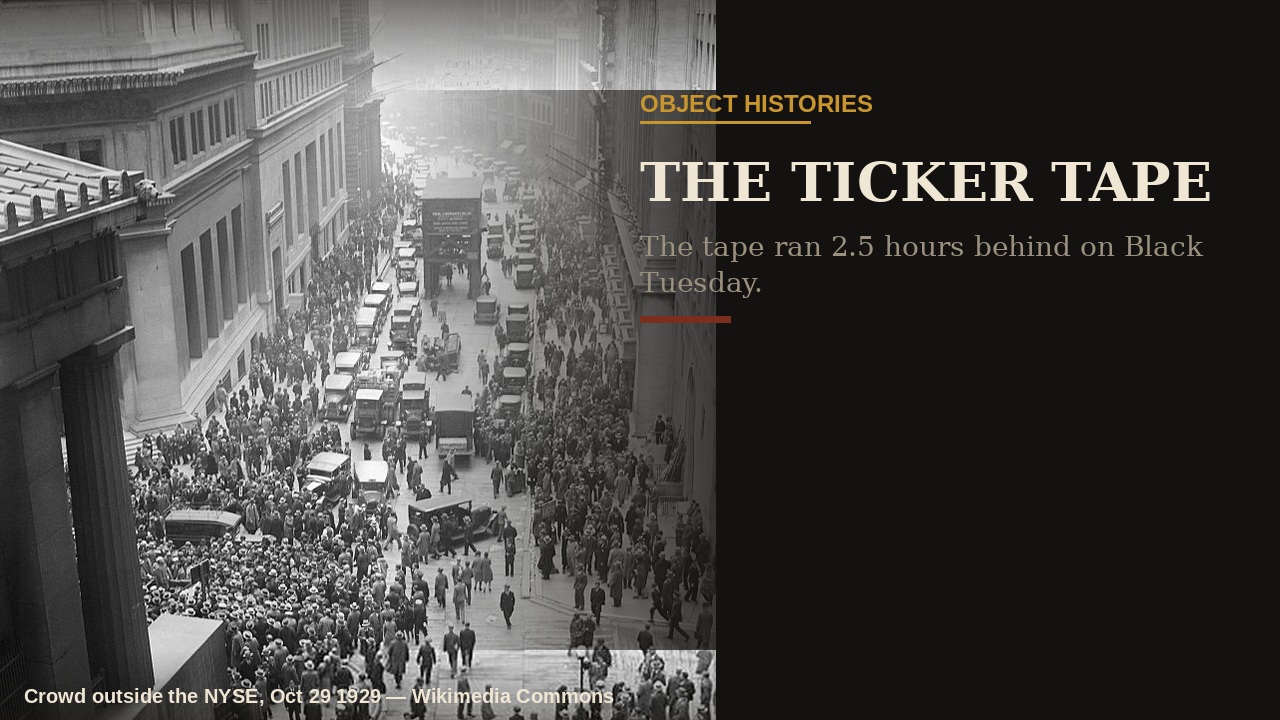
The History of Ticker Tape Parades Starts With a Broken Wall Street Machine
Wall Street’s confetti used to be real paper, printed by the same machine that couldn’t keep up on its worst day. Here’s how one telegraph printer created both a crisis and a tradition.