
In-depth, sourced articles behind every Relatable History video, with works cited, images and further reading.
Every article is fully sourced and includes its video. Just want to watch? Browse all videos →
-
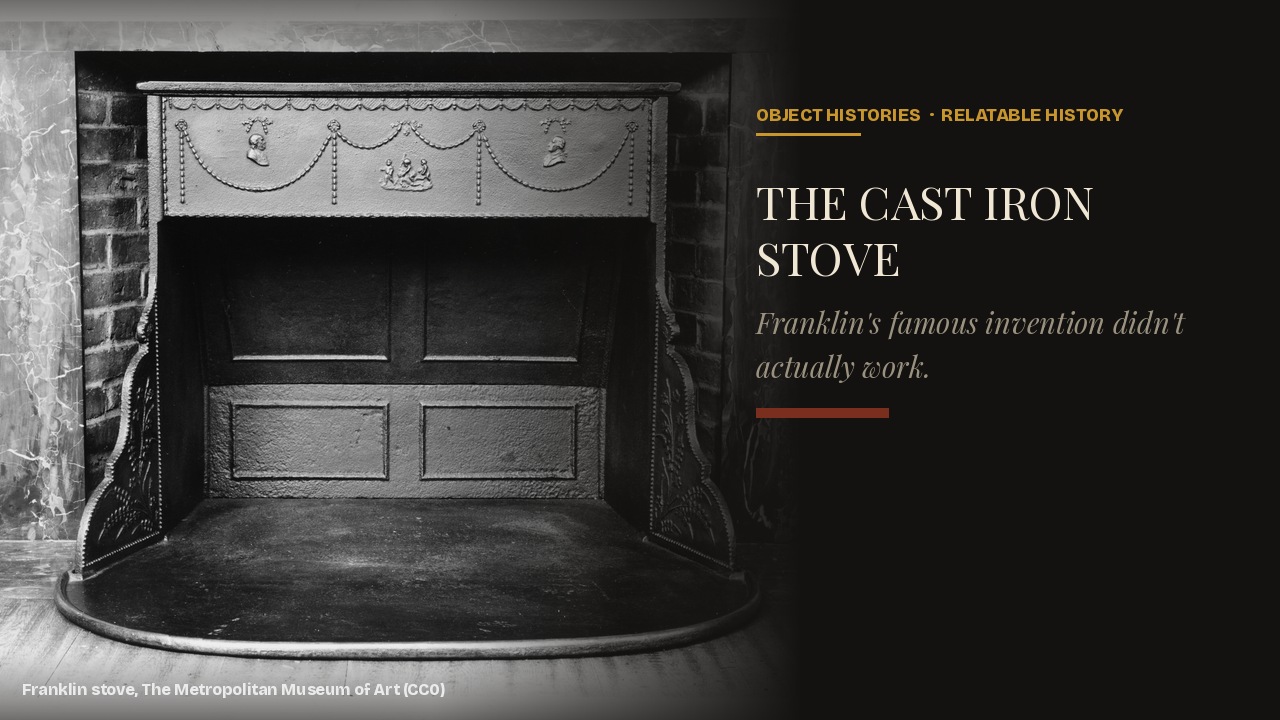
Did Franklin Invent the Franklin Stove?
Benjamin Franklin refused to patent his famous stove on principle — and lost the credit for the version that actually worked.
-
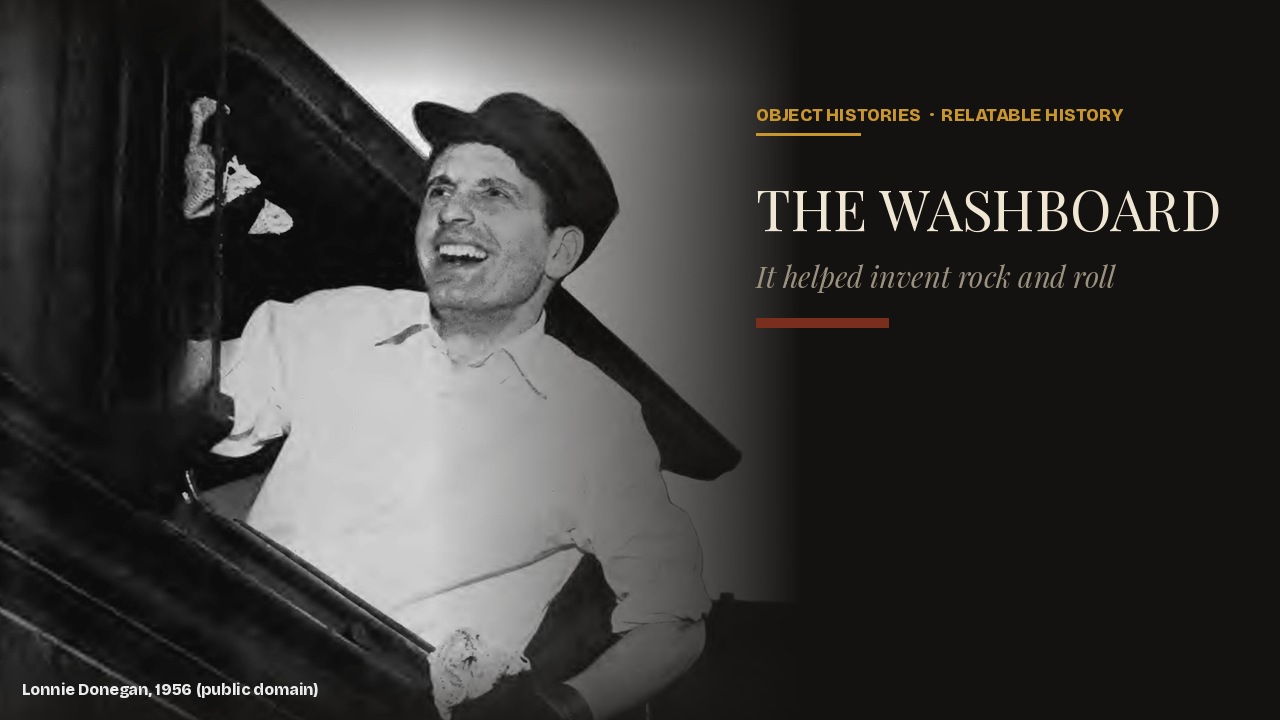
How the Washboard Became a Musical Instrument
The corrugated board patented for scrubbing laundry in 1833 went obsolete within a lifetime — and was reinvented, separately, by a Louisiana welder and a generation of British teenagers.
-
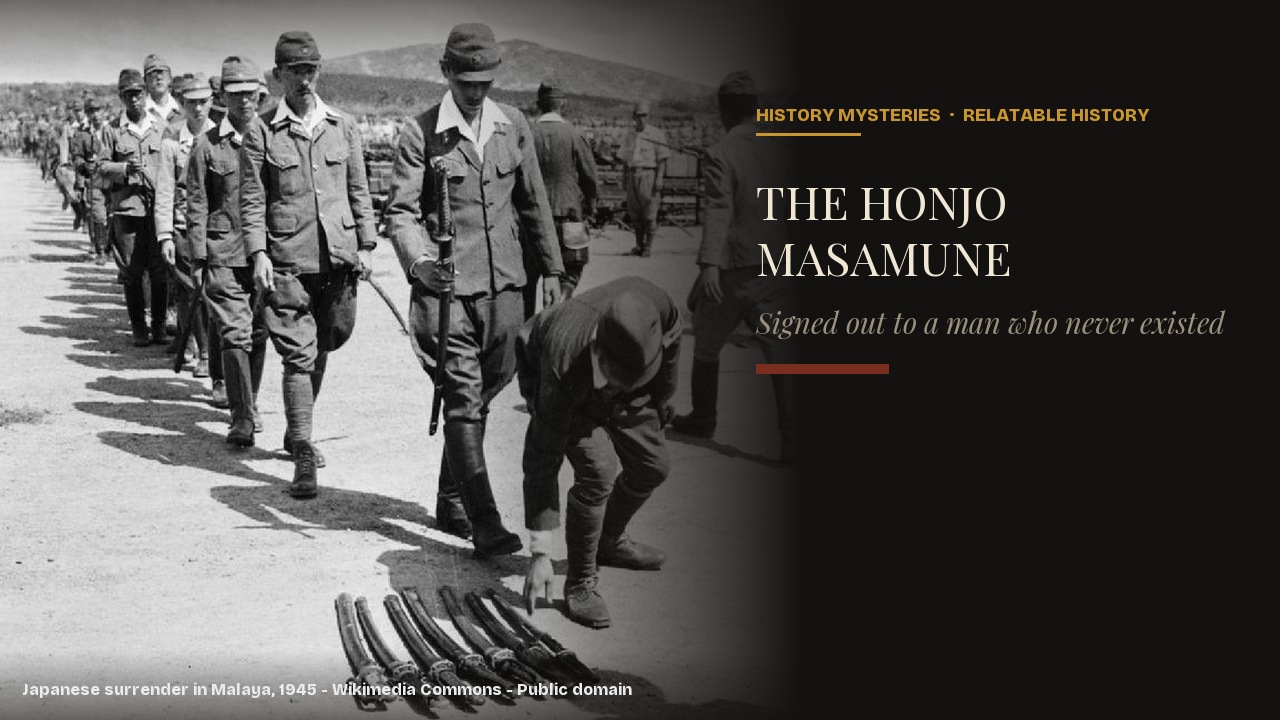
The Honjo Masamune Disappearance: What Happened to Japan’s Lost Sword
Fourteen swords went into a Tokyo police station in December 1945. One receipt came out, crediting a sergeant who appears nowhere else in any Allied record.
-
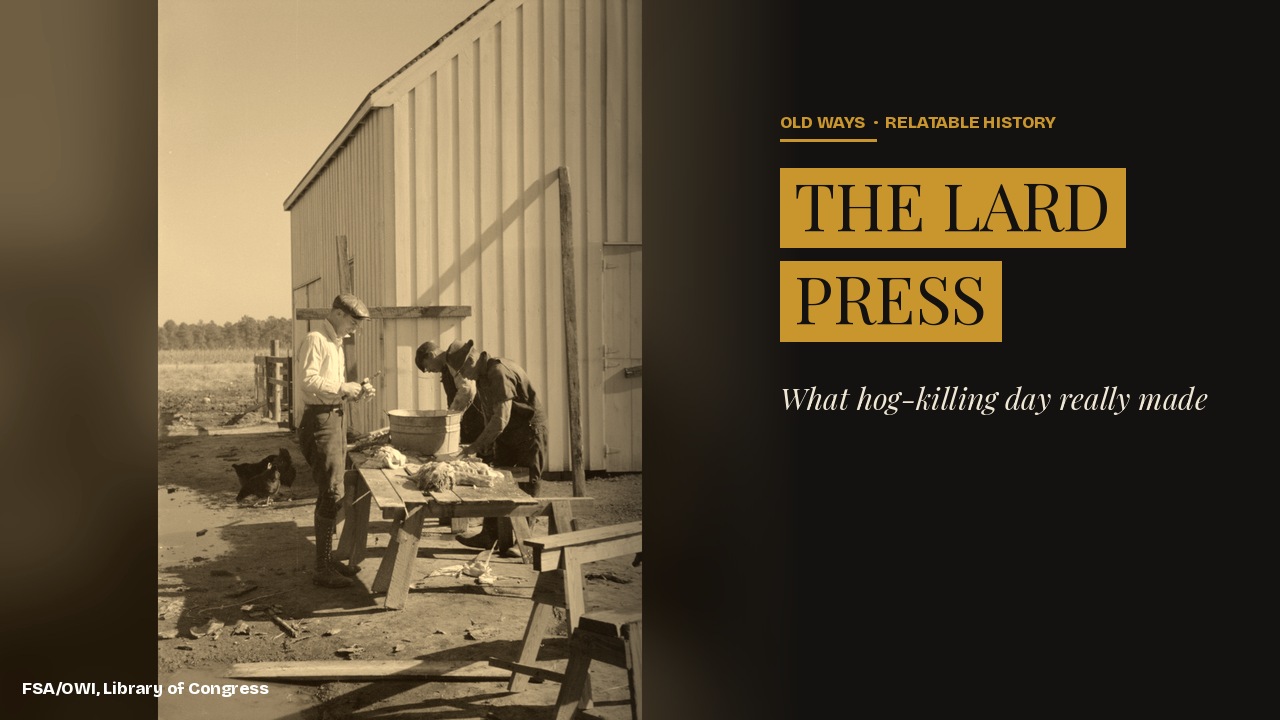
How Farms Rendered Lard to Last a Whole Winter
A patent from 1876 explains exactly how a cast-iron press squeezed the last of the fat out of hog-killing scraps — and why one crock of lard had to feed a family for a year.
-
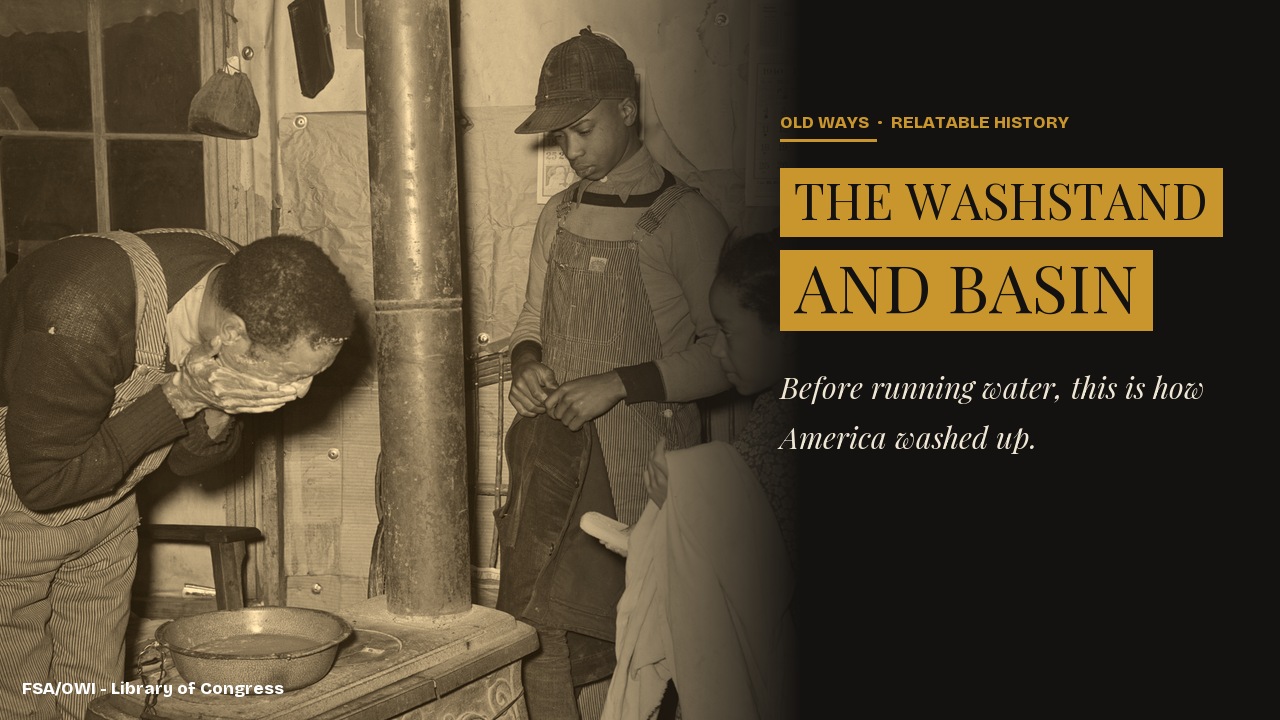
What Washing Before Indoor Plumbing Really Looked Like
Long before the bathroom tap, an ordinary pitcher and basin, refilled by hand trip after trip, was how entire households washed, shaved, and got through the morning.
-
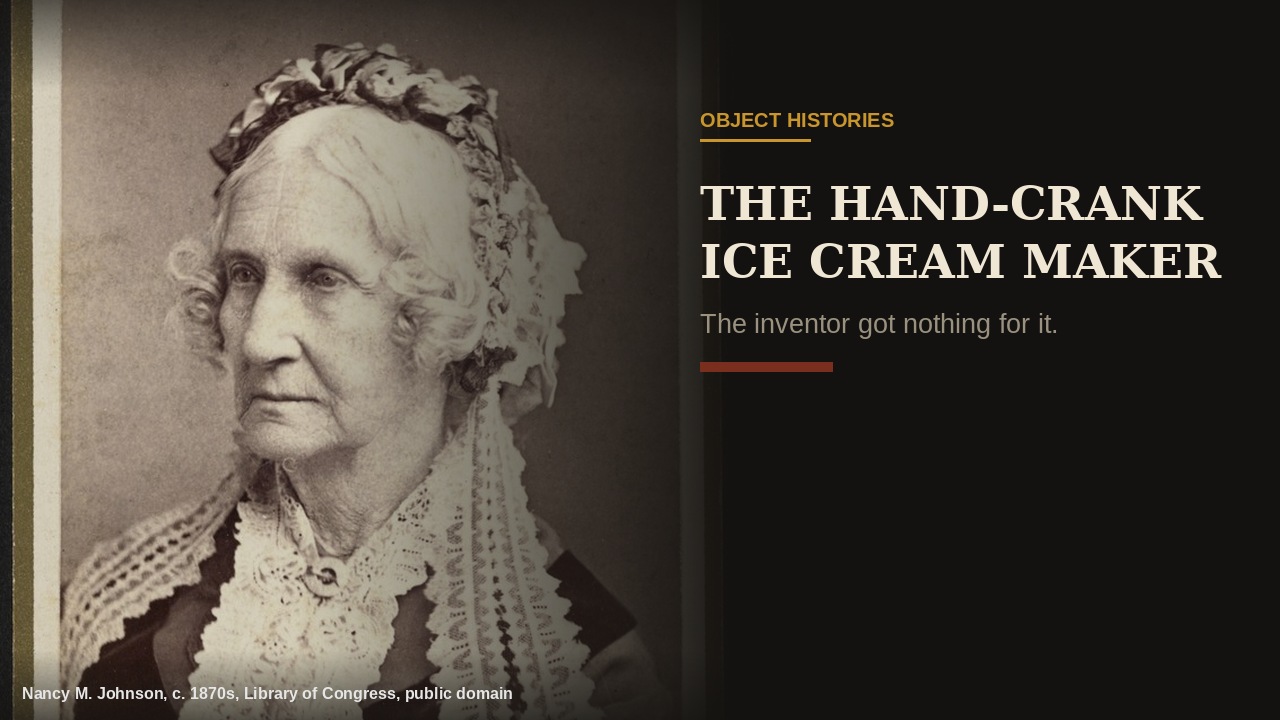
Who Invented the Ice Cream Freezer? The 1843 Patent, and the Man Who Profited Without One
Two people shaped how America eats ice cream in the 1840s, and only one of them is widely remembered. Here’s the 1843 patent, the Baltimore rival who improved on it, and the Philadelphia confectioner who got rich without ever filing one.
-
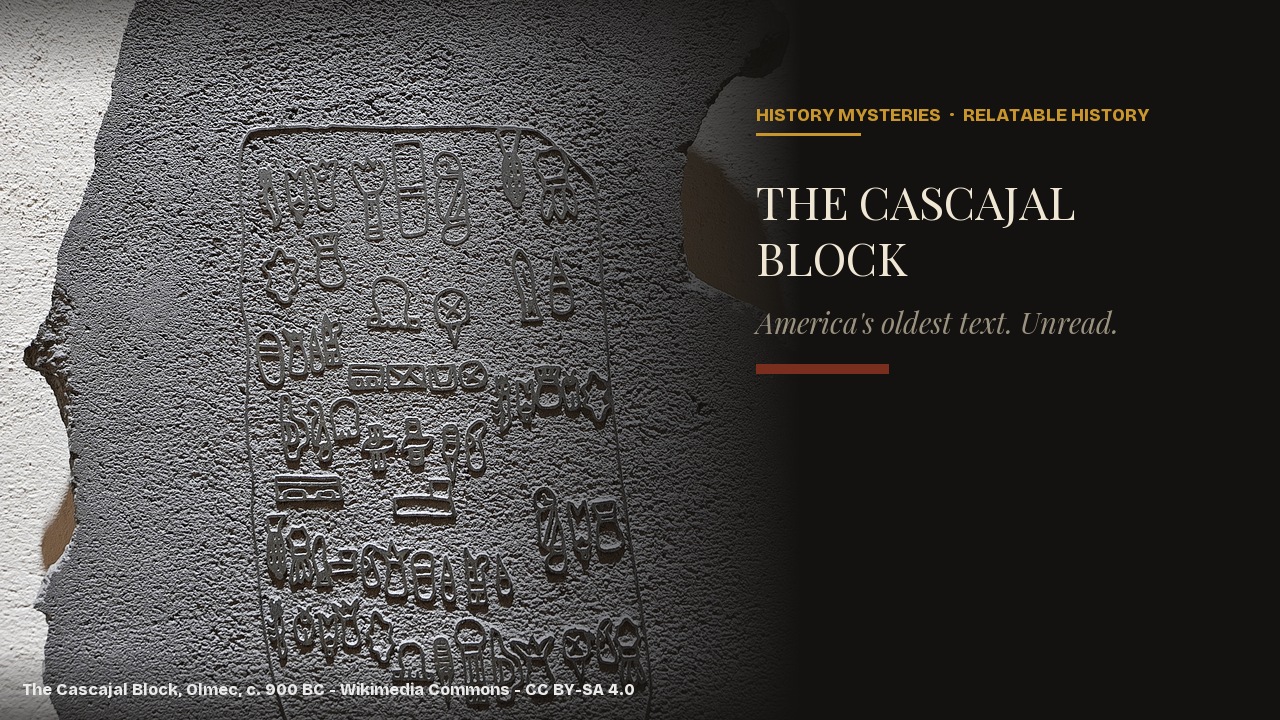
Is the Cascajal Block Really Writing? Inside a Twenty-Year Argument
A single Olmec stone is being asked to prove an entire writing system existed. The only serious case against it is that there is just one of it.
-
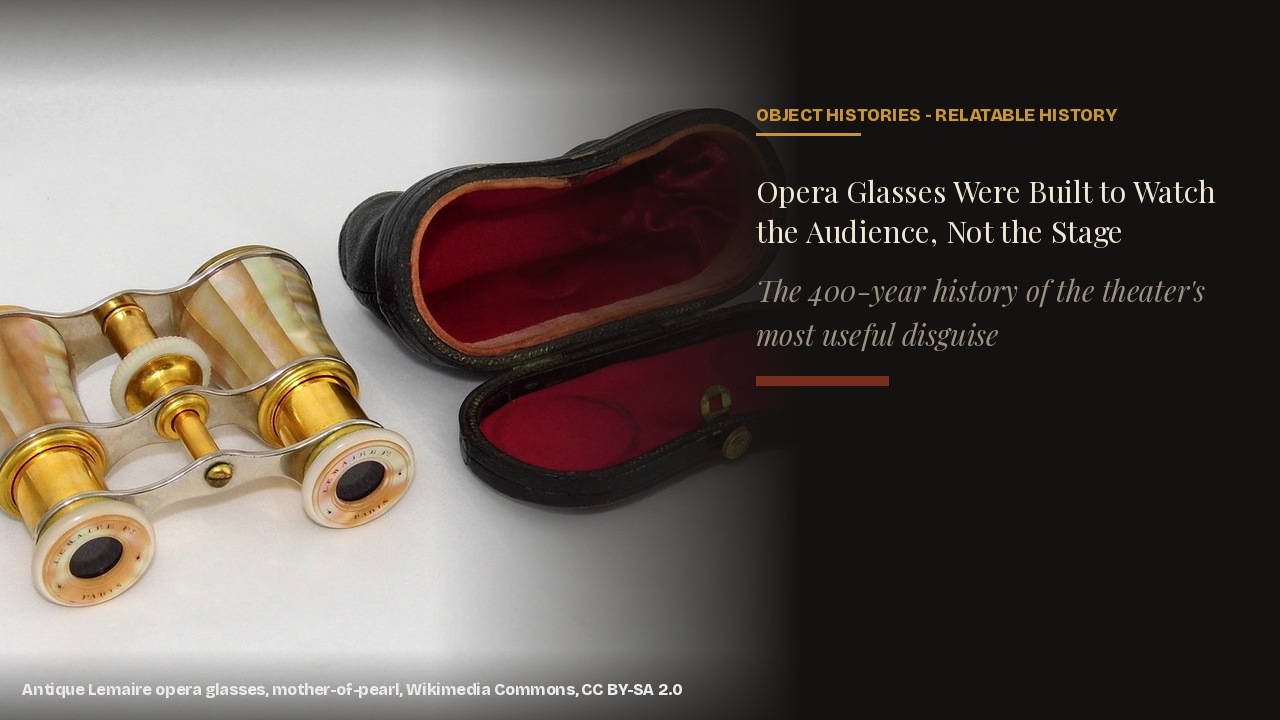
How the Jealousy Glass Let Theatergoers Spy Without Looking
An 18th-century optician drilled a hole and tilted a mirror inside an otherwise ordinary spyglass, and the result let a whole generation of theatergoers watch each other without ever turning their heads.
-
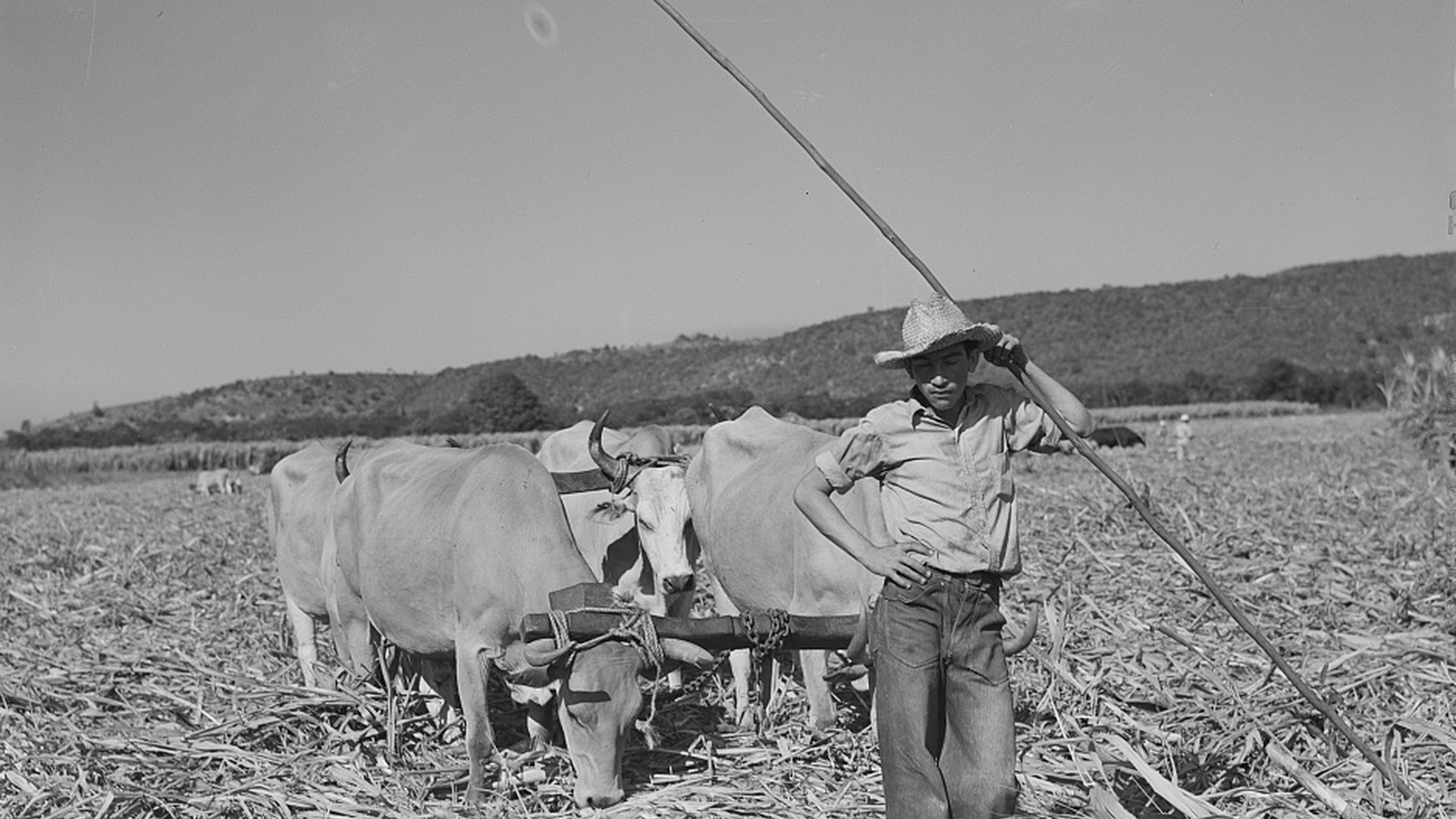
How Oxen Were Trained to Plow Without Reins or a Bit
A yoke of oxen answered to two words and a stick, not a bridle. Here is how the training, the carving, and the hard economics of owning oxen actually worked on the American frontier.
-
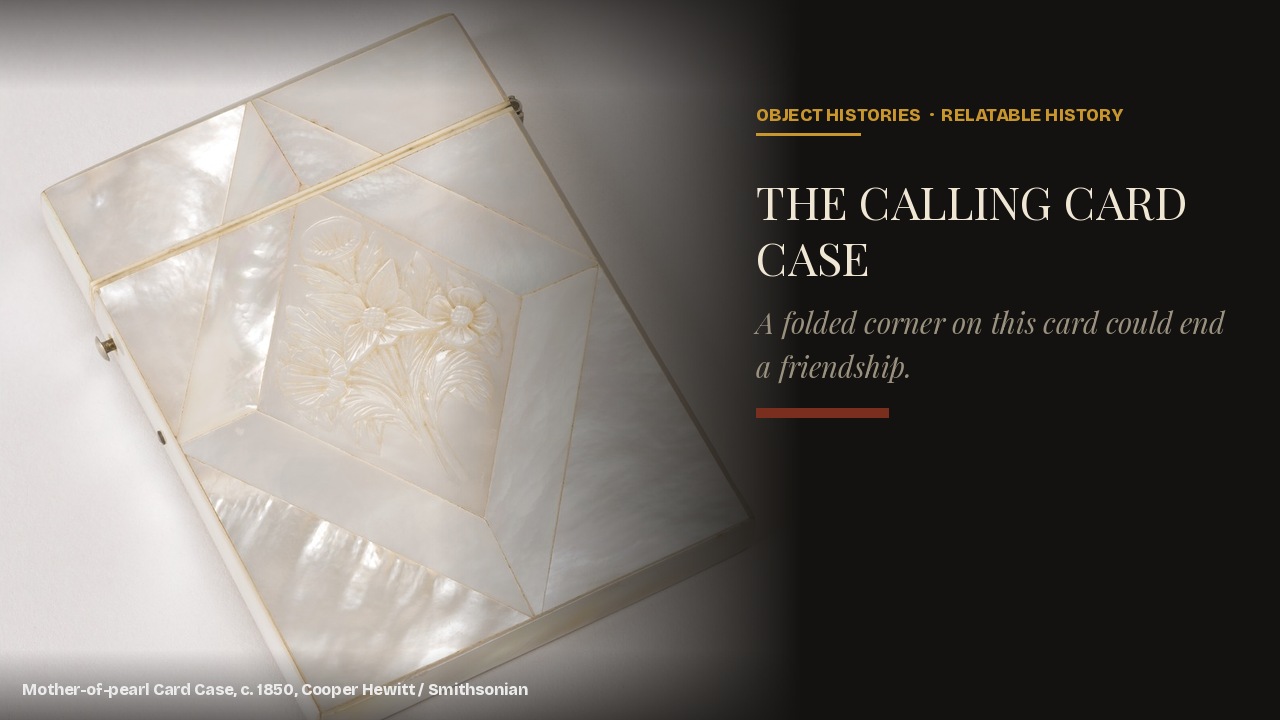
The Secret Code of Victorian Calling Card Etiquette
A folded corner, a silver tray, and a servant who decided whether you existed socially: Victorian calling cards turned politeness into a transaction, and the case that held them announced exactly how much you had to spend on looking right.