
Home & Domestic Life
The house and everything in it: furniture, heating, lighting, cleaning, sleeping, and the ordinary labour of keeping a household running.
-
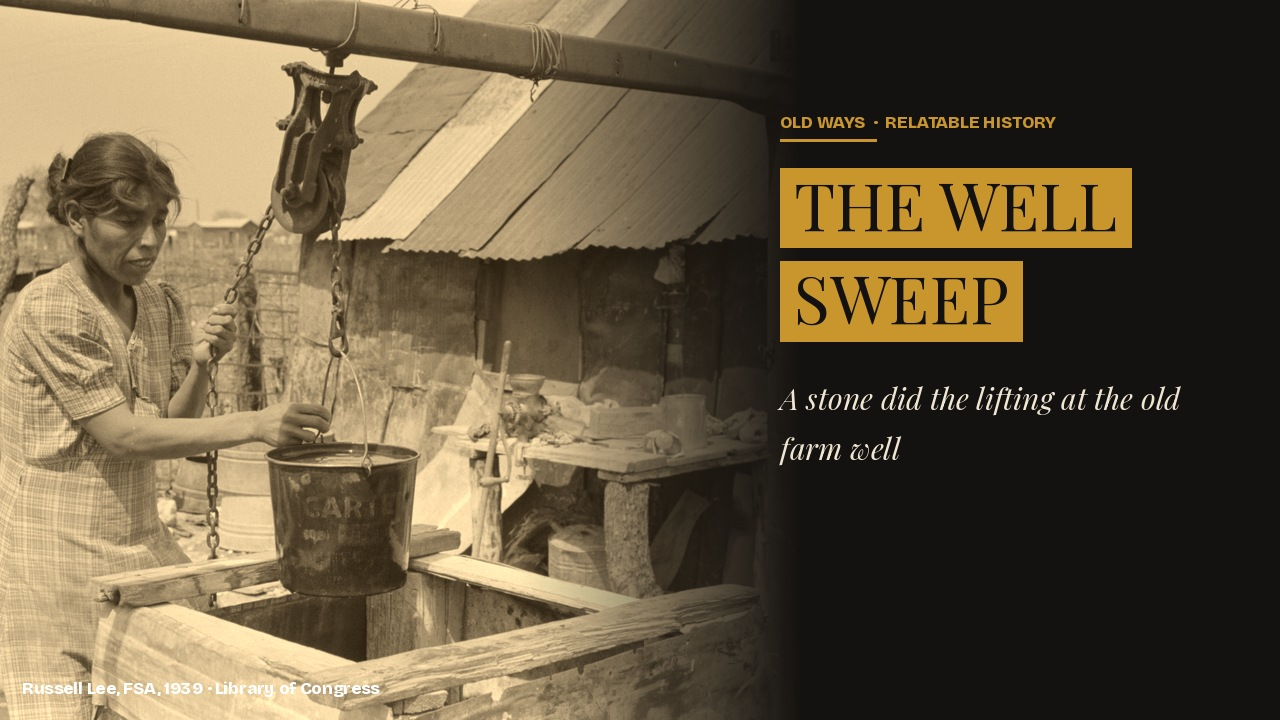
How the Well Sweep Drew Water Before There Were Pumps
A counterweighted pole did most of the lifting at the farm well for four thousand years. Here is the mechanism, the daily labor behind it, and why it finally came down.
-
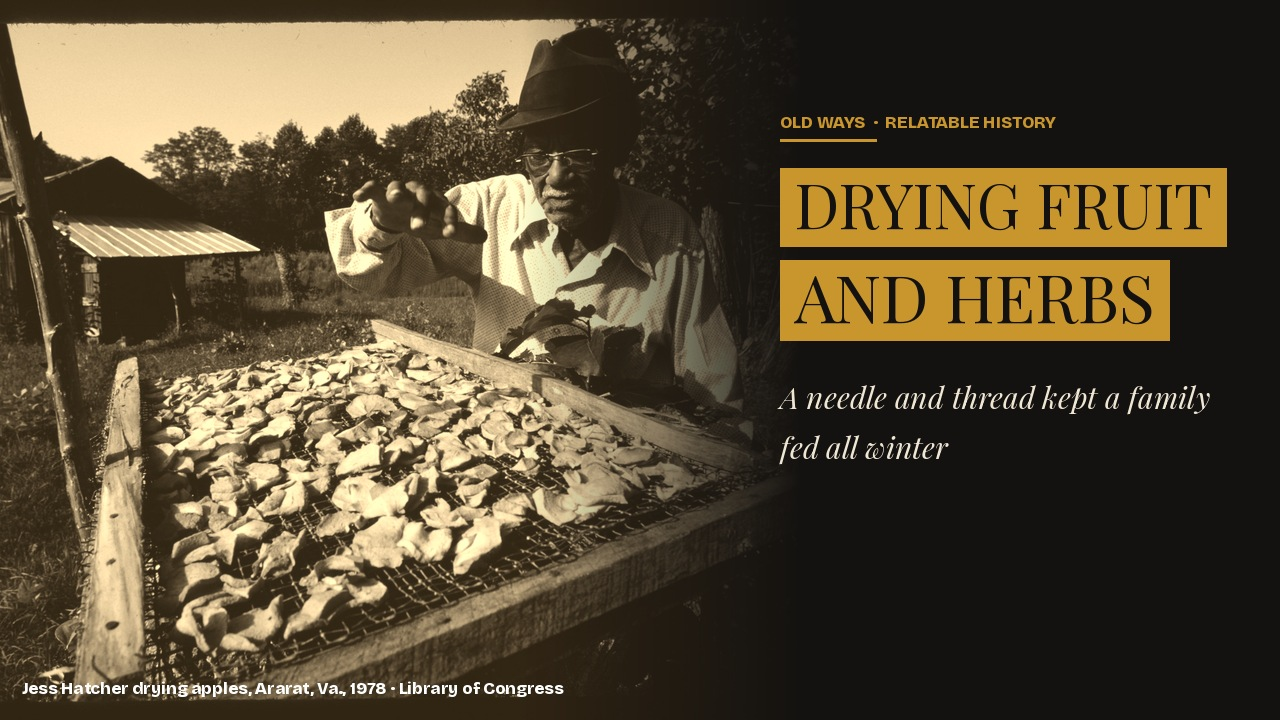
How Home Food Drying Fed American Farms for 150 Years
Before refrigeration, drying was how a farm survived winter on its own harvest. It also became an export industry, a wartime program, and, twice, a subject of federal instruction.
-
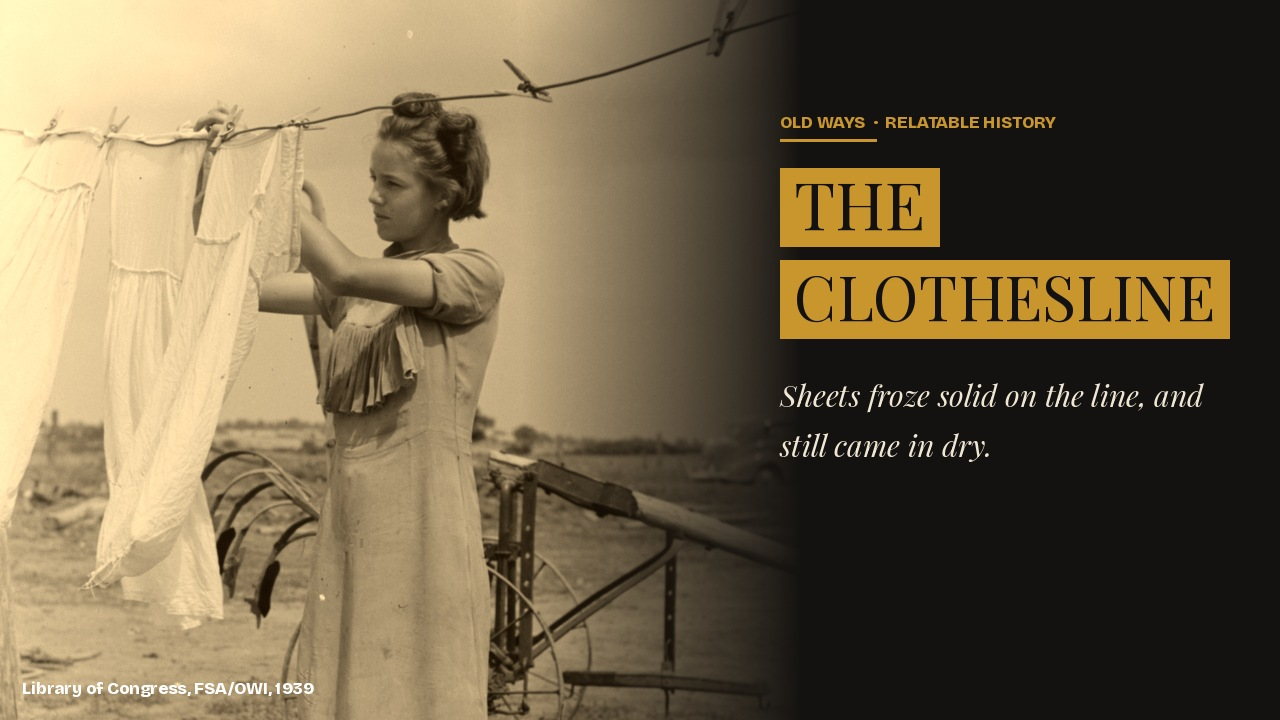
The Clothespin Patent History Behind America’s Favorite Free Dryer
A hundred and forty-six patents were filed for a stick with a spring. Inside the rivalry, the science and the law that grew up around the household’s original dryer.
-
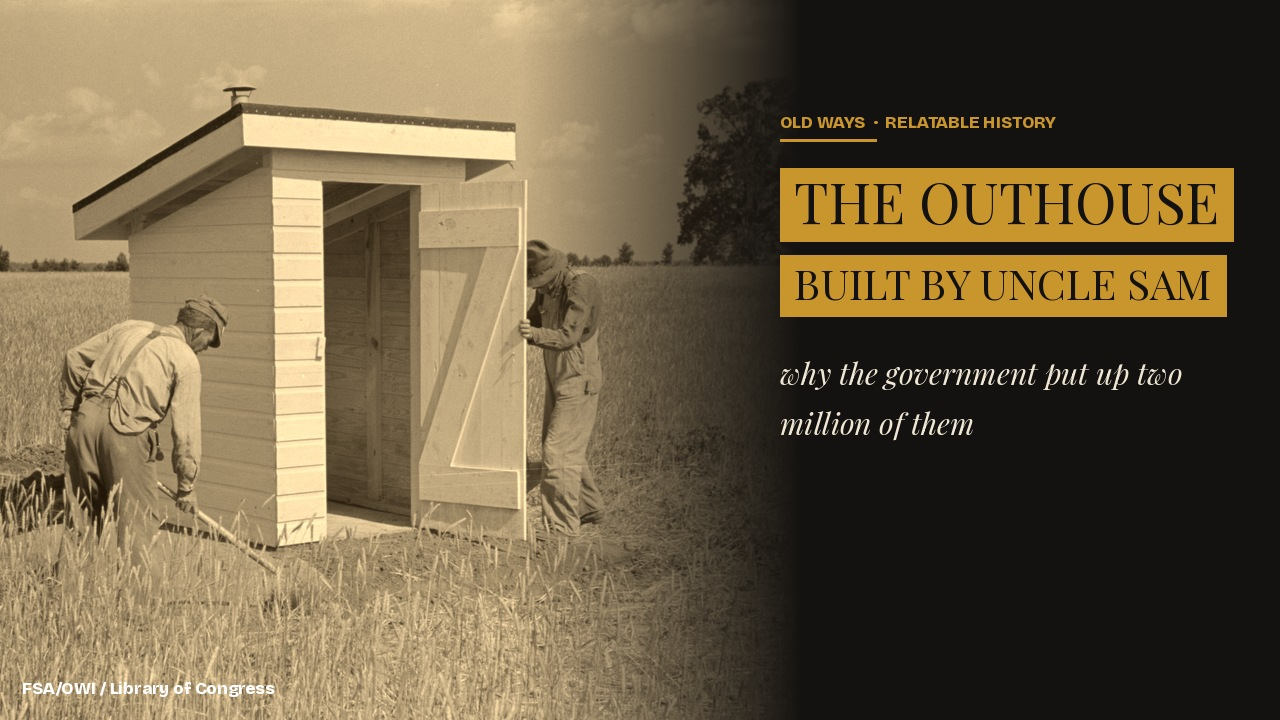
The WPA Sanitary Privy Program That Built Two Million Outhouses
Between 1933 and 1945, federal work crews built 2.3 million concrete outhouses across rural America on purpose, as a public health program. Here is how the sanitary privy actually worked.
-
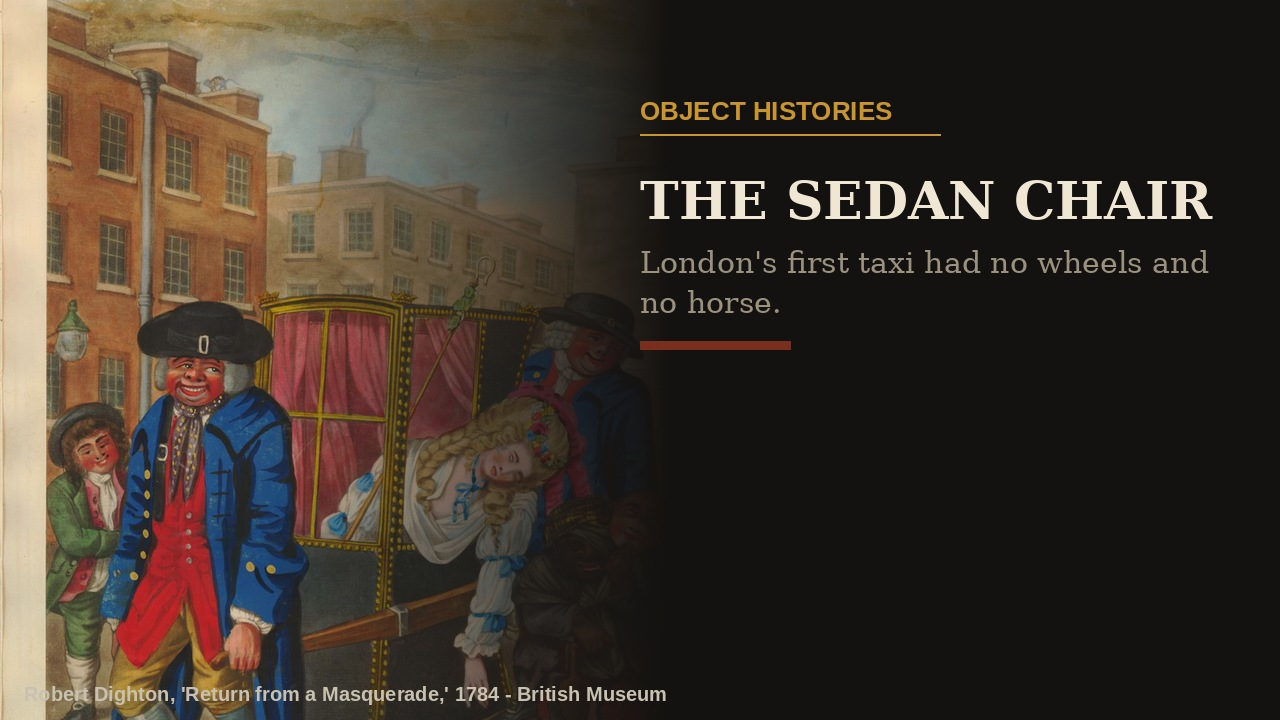
How the Sedan Chair Actually Worked, and Why It Started as a Scandal
A sedan chair needed no horse, no street and no permission to come indoors. It also needed two men to carry it, which is exactly what got the first one in England into trouble.
-
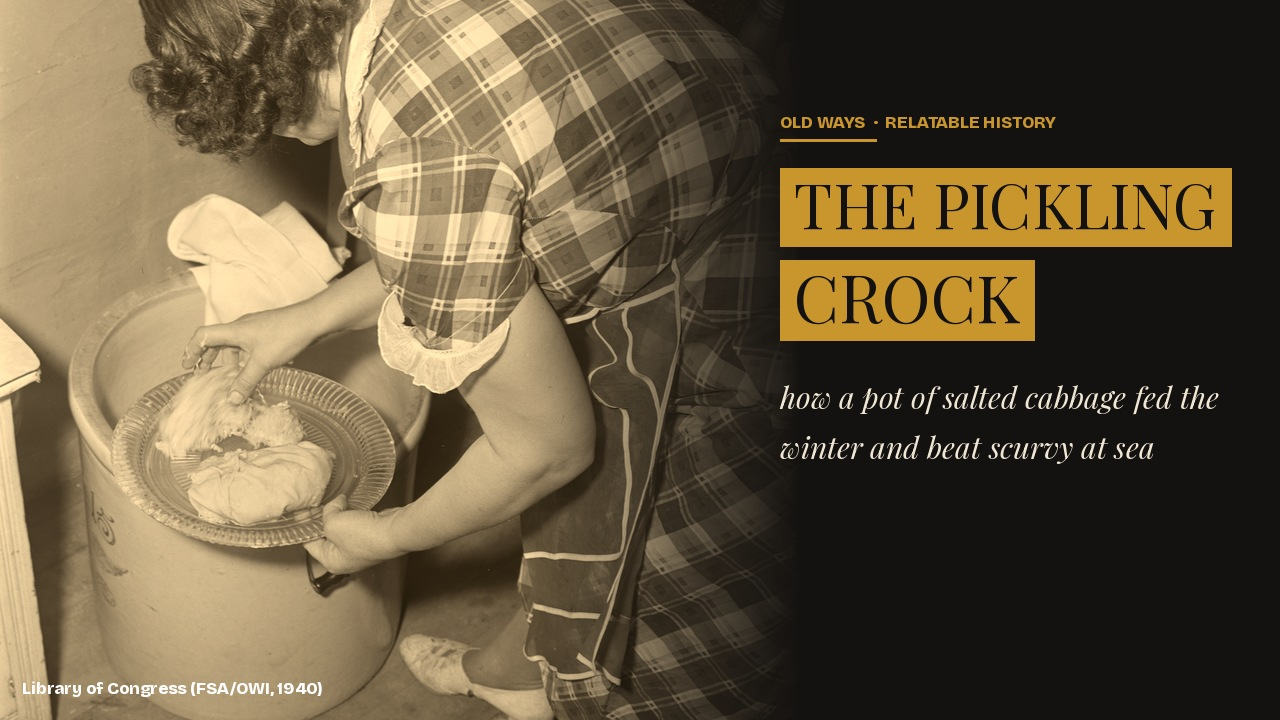
The Chemistry Inside a Sauerkraut Crock, and Why It Actually Works
A crock, a sack of salt and a few weeks of patience turned raw cabbage into a food that would not spoil and would not make anyone sick. The reason it worked is stranger than the recipe.
-
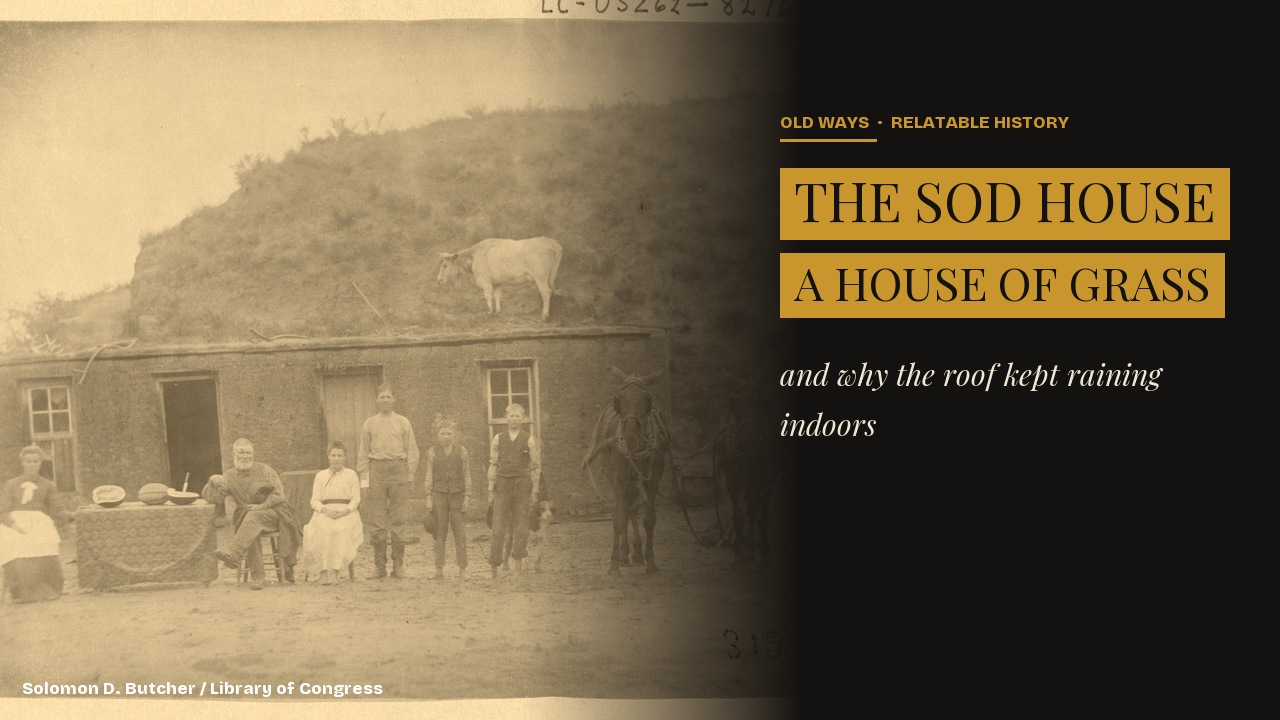
How Sod Houses Were Built on the Nebraska Prairie: The Construction, the Homestead Act, and the Life Inside
The Homestead Act gave settlers 160 free acres and required a house on them. With no timber for fifty miles, they built one out of the prairie itself. Here is how a sod house was actually cut, stacked, and lived in.
-
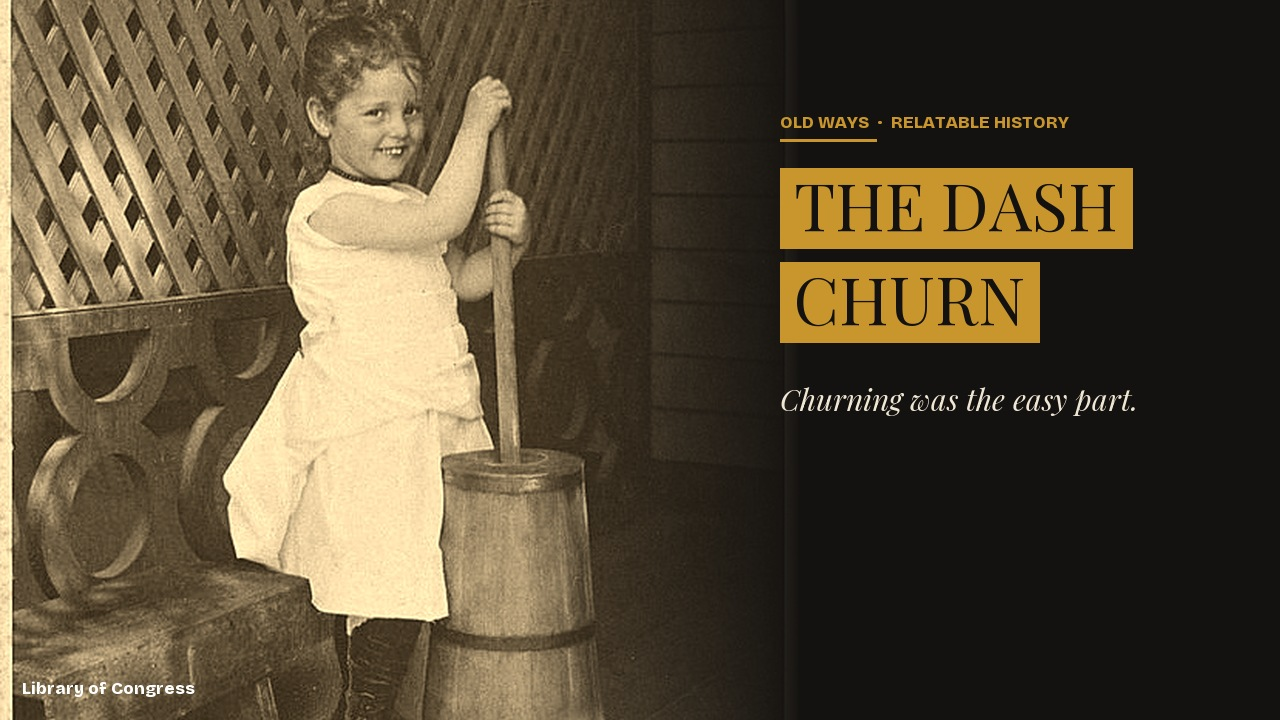
Butter and Egg Money: How Farm Wives Financed the Household
Long before women could easily hold a bank account in their own name, a great many of them held a butter crock. Here is how butter and egg money worked, and what the dairy industry did to protect it.
-
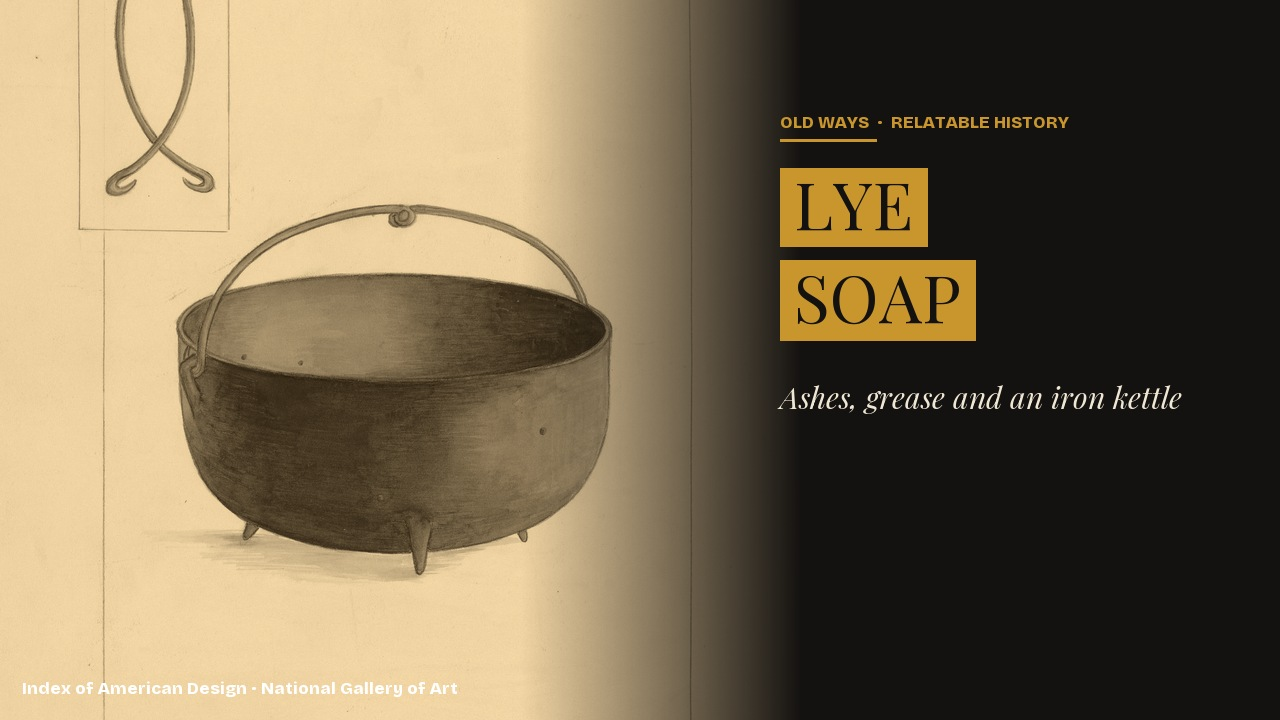
The Farm Soap That Almost Never Hardened Into a Bar
Most homemade soap never hardened into a bar at all — it stayed a soft jelly in a crock. Here is the ash-hopper chemistry, the colonial trade, and the industries that twice tried to kill it.
-
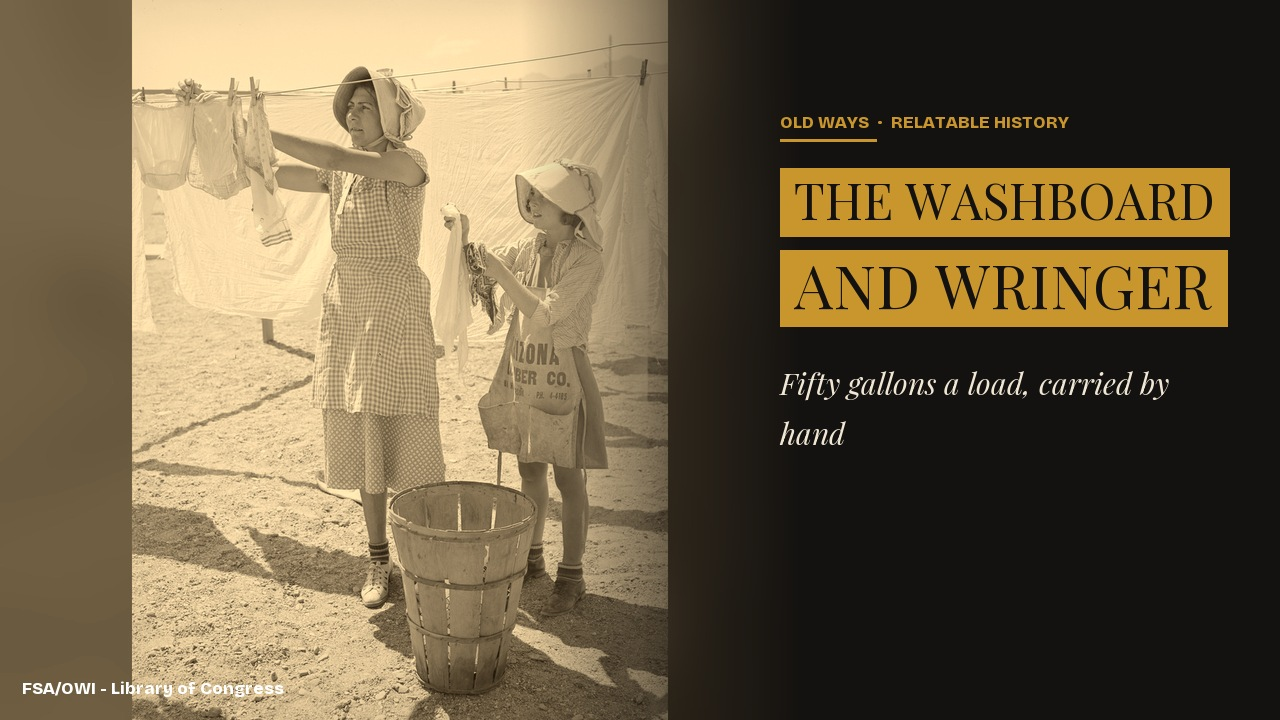
The Contested History Behind Blue Monday Washday
For close to a century, Monday had a color. The argument over why is more interesting than the folk explanation most people repeat.