
Home & Domestic Life
The house and everything in it: furniture, heating, lighting, cleaning, sleeping, and the ordinary labour of keeping a household running.
-
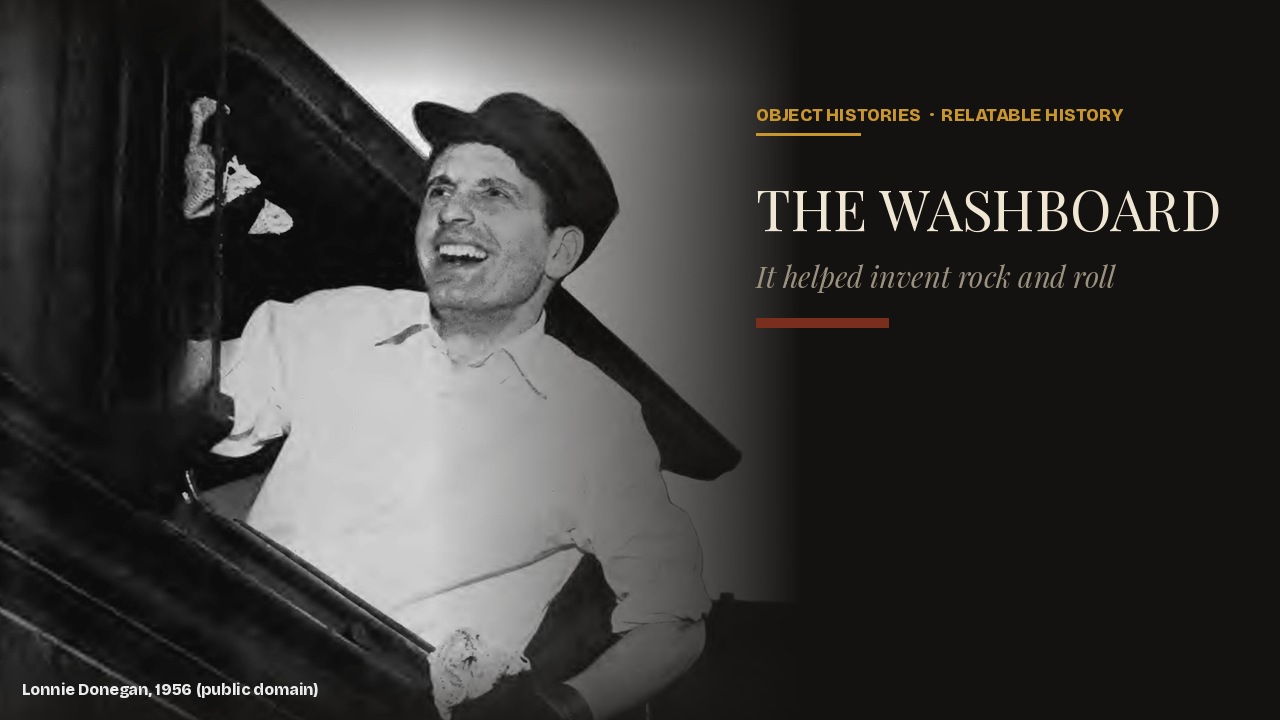
How the Washboard Became a Musical Instrument
The corrugated board patented for scrubbing laundry in 1833 went obsolete within a lifetime — and was reinvented, separately, by a Louisiana welder and a generation of British teenagers.
-
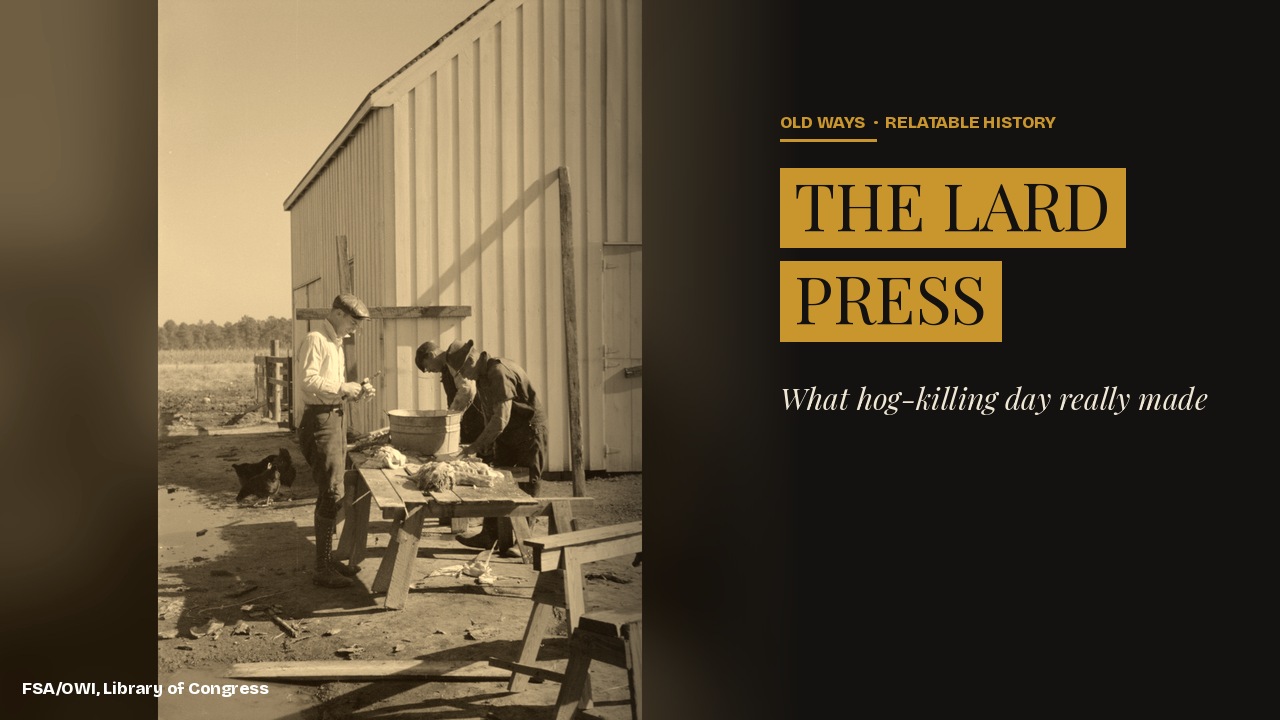
How Farms Rendered Lard to Last a Whole Winter
A patent from 1876 explains exactly how a cast-iron press squeezed the last of the fat out of hog-killing scraps — and why one crock of lard had to feed a family for a year.
-
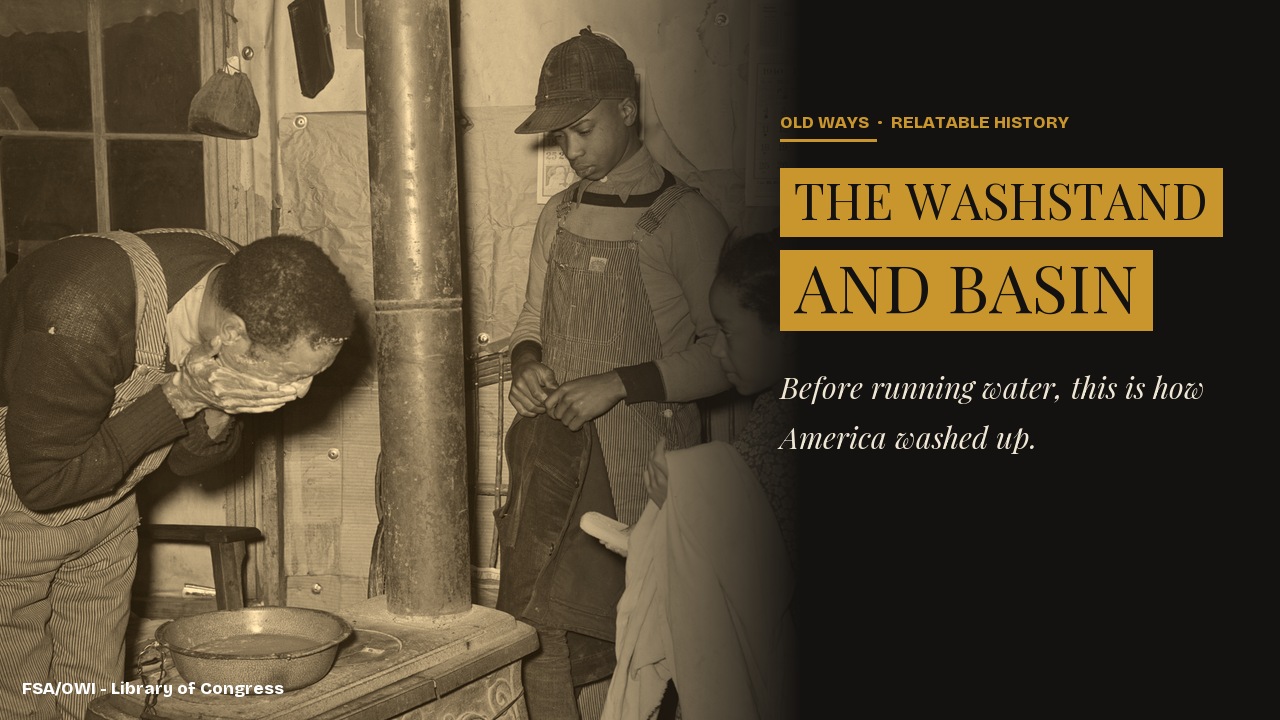
What Washing Before Indoor Plumbing Really Looked Like
Long before the bathroom tap, an ordinary pitcher and basin, refilled by hand trip after trip, was how entire households washed, shaved, and got through the morning.
-
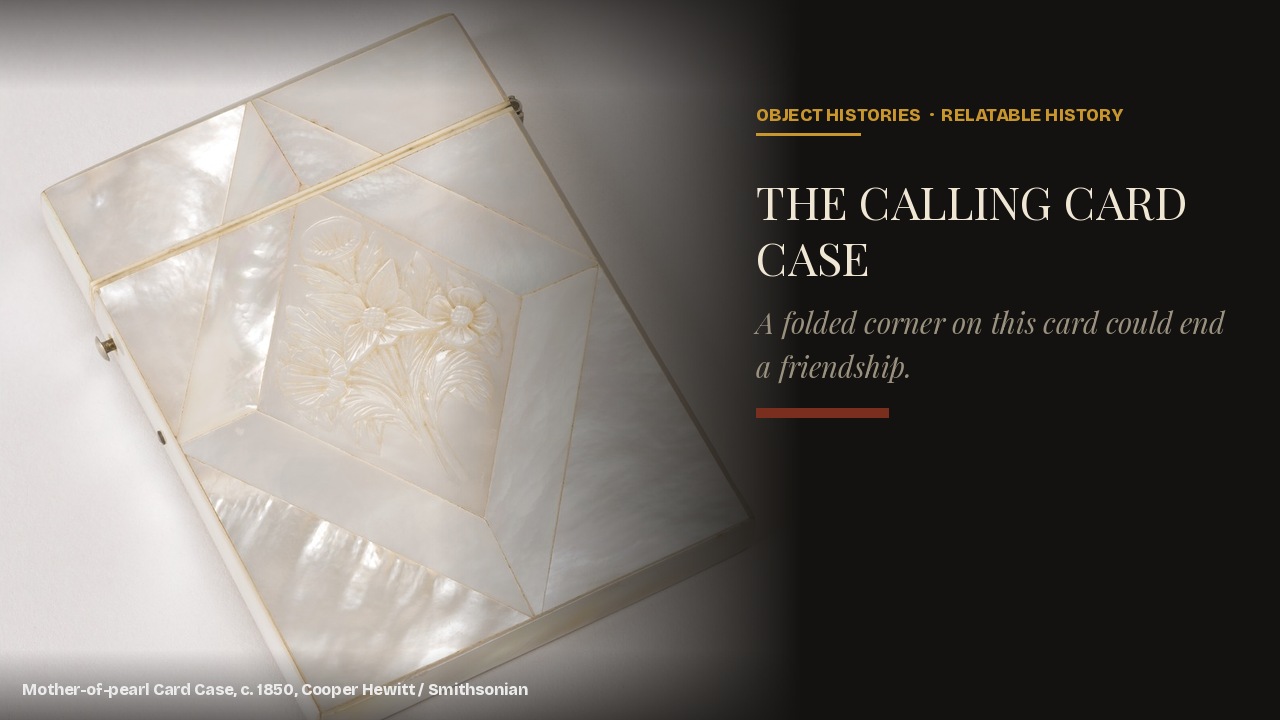
The Secret Code of Victorian Calling Card Etiquette
A folded corner, a silver tray, and a servant who decided whether you existed socially: Victorian calling cards turned politeness into a transaction, and the case that held them announced exactly how much you had to spend on looking right.
-
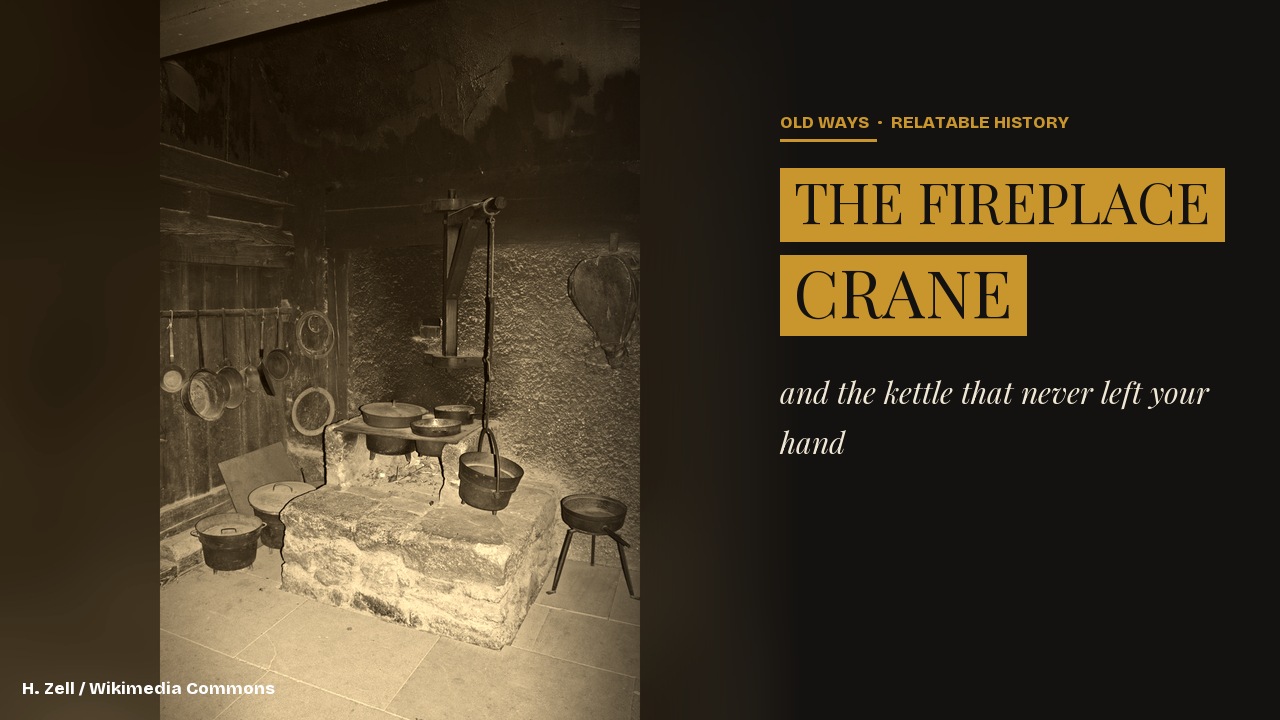
How a Fireplace Trammel Worked in a Colonial Kitchen
The crane got the swinging arm, but the trammel did the real work: a notched or ratcheted iron hook that let a cook dial in heat over open flame with no thermostat at all.
-
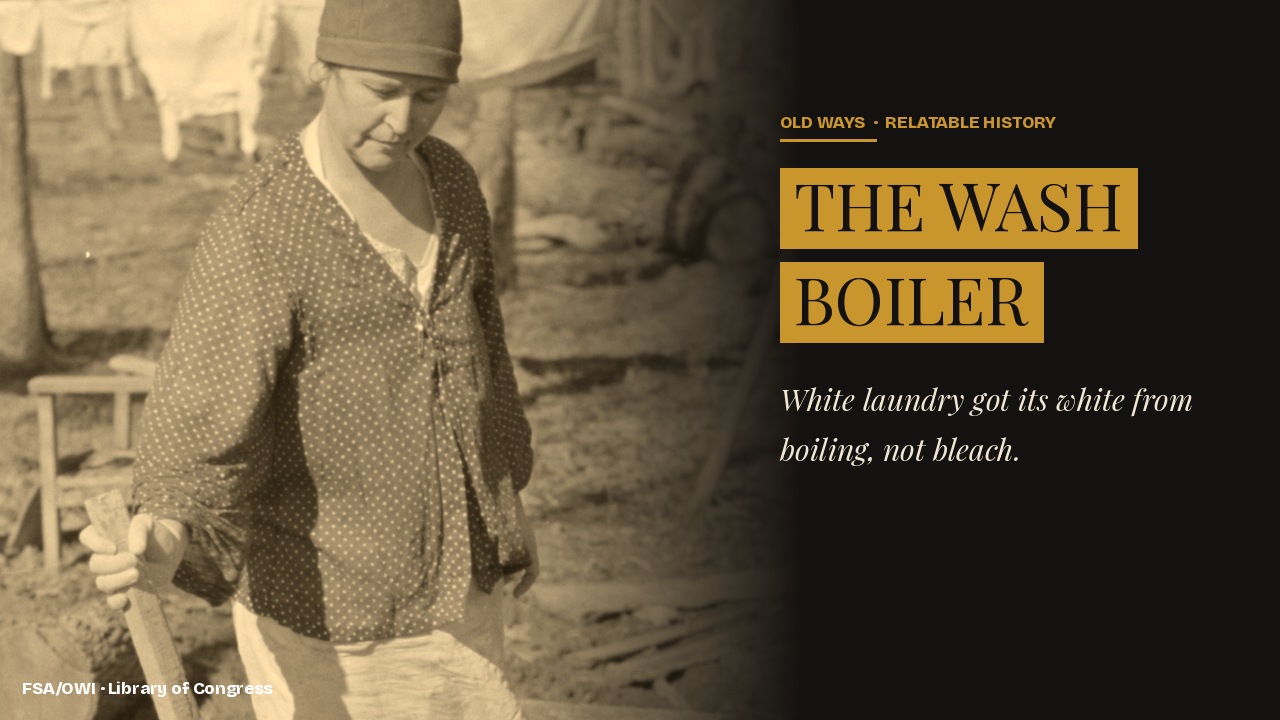
Wash Day Before Washing Machines Started With a Patent Fight
Before the washing machine, clean clothes took a patented tub, a home soap recipe, and a blue dye bought to fool the eye. Here’s the paper trail wash day left behind.
-
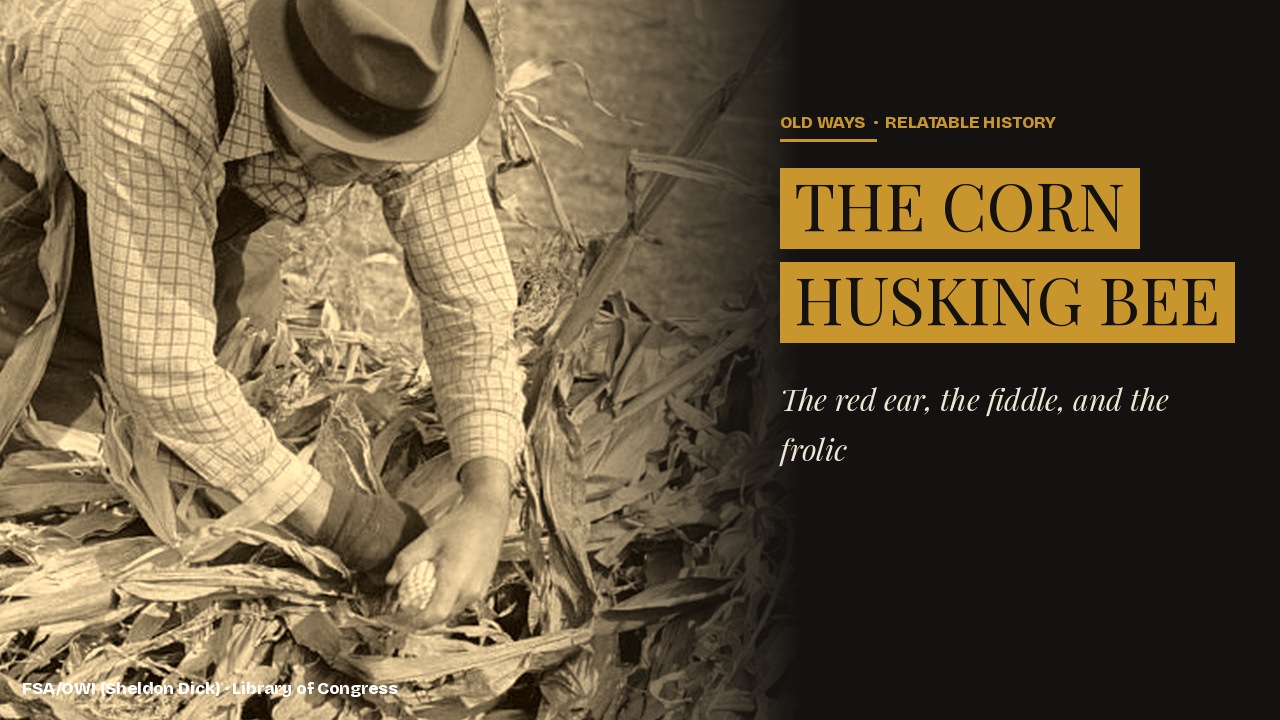
What Finding a Red Ear of Corn Actually Meant at a Husking Bee
The red ear everyone remembers from a husking bee came with its own policing, its own cheating scandals, and — on at least one recorded occasion — a very different ending.
-
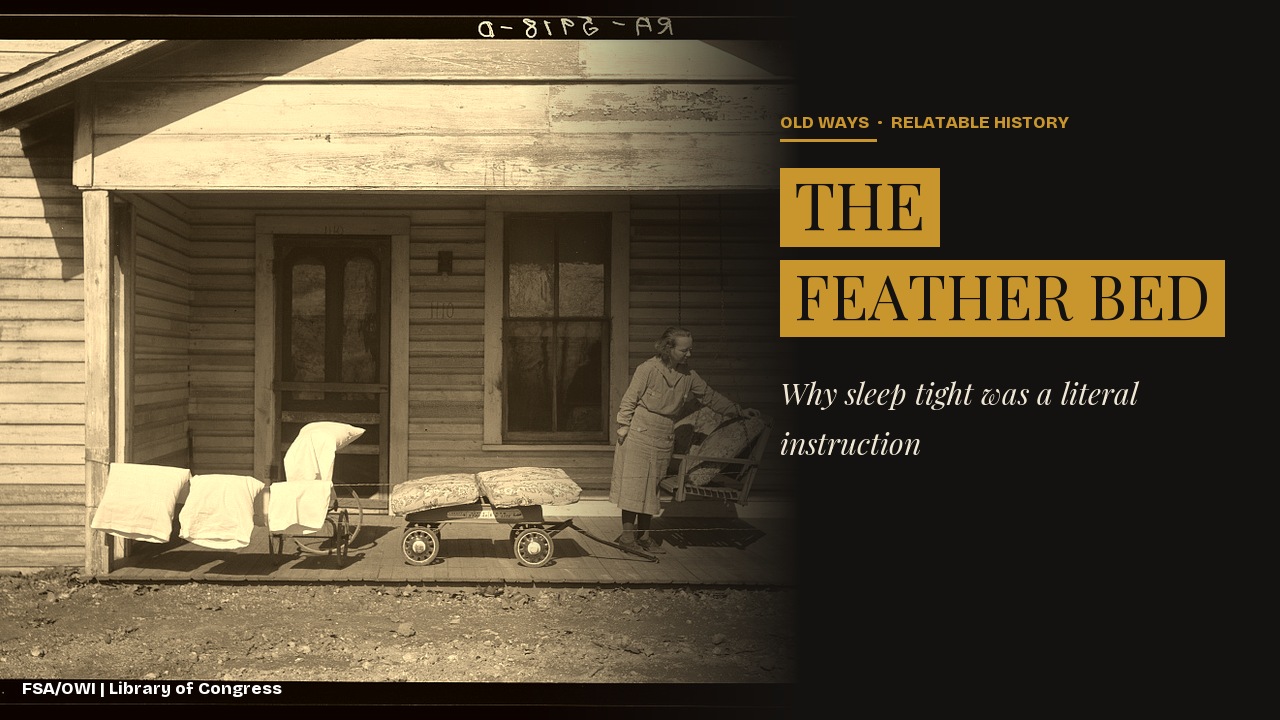
How Much a Feather Bed Was Worth, in Pounds and Shillings
A feather bed could be worth more than a family’s furniture, linens, and Sunday clothes combined — and, centuries later, turned out to carry a lung disease nobody had a name for.
-
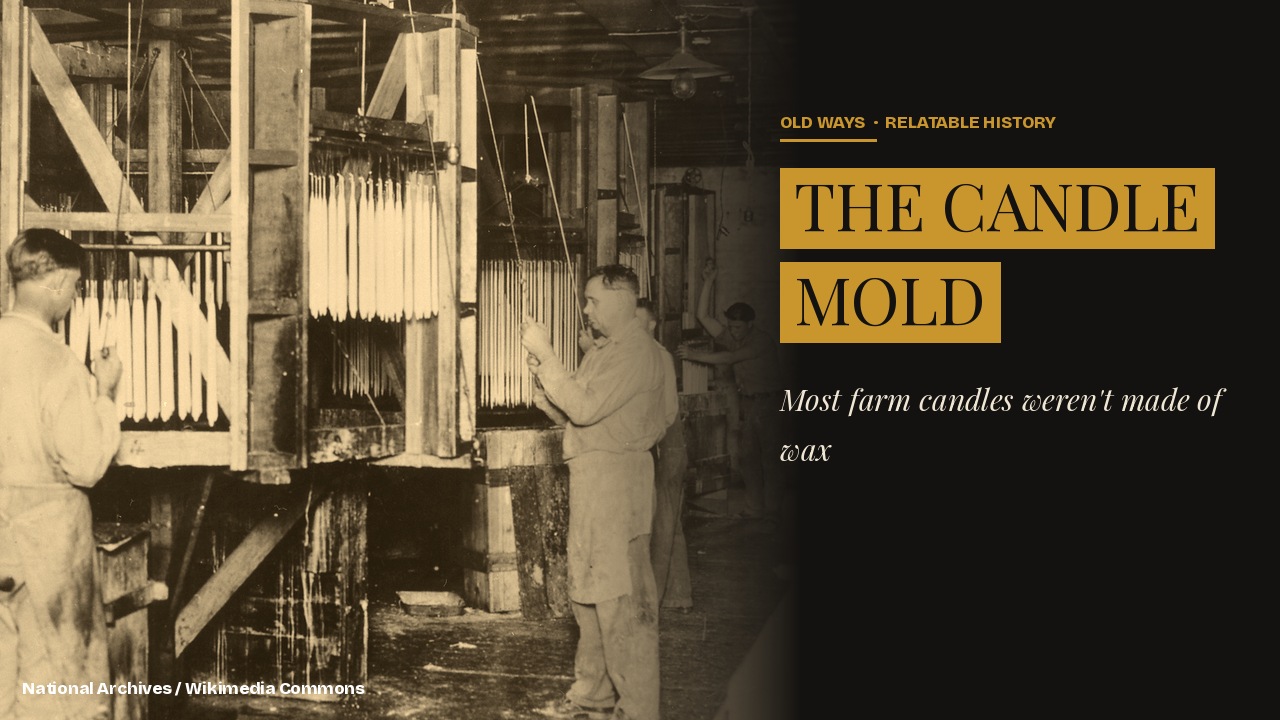
How Tallow Candles Were Made, and Why Candle Day Was Dreaded
A single afternoon of rendering fat and pouring tin molds gave a household an entire winter of light. A 1754 probate inventory shows exactly how the accounting worked.
-
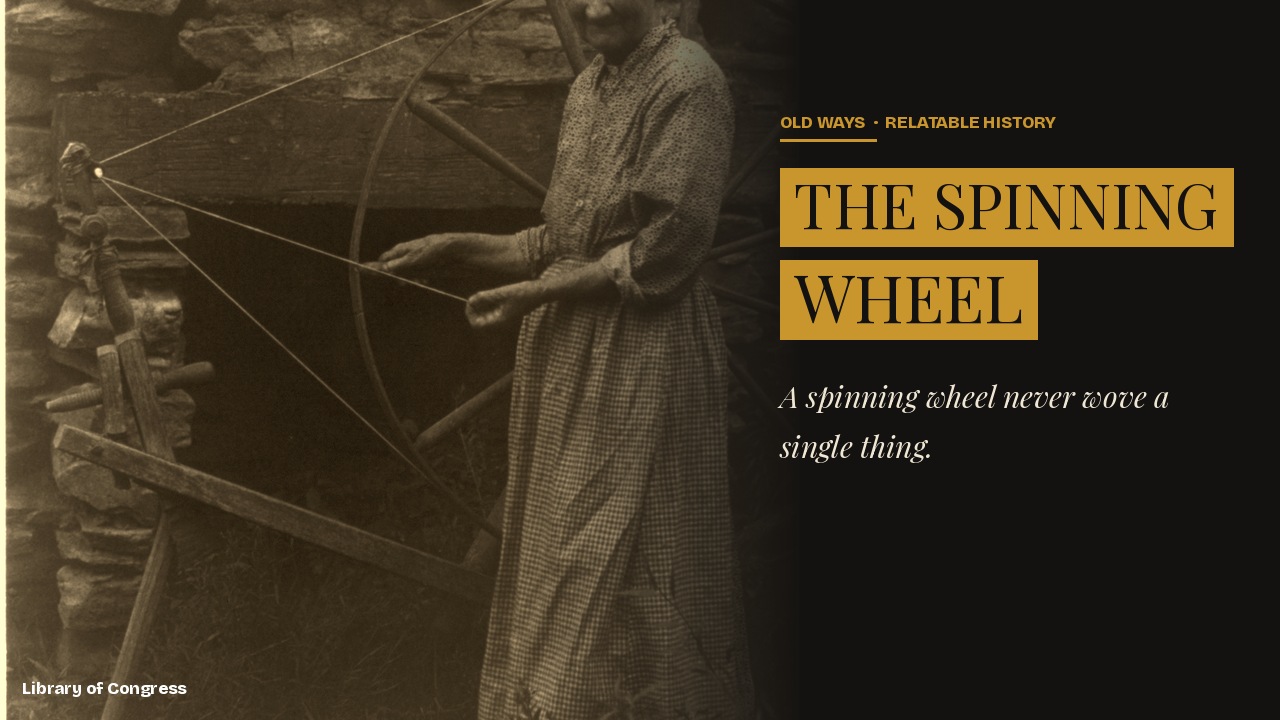
The Spinning Wheel’s Economics Were Worse Than You Think
A 2019 economic-history study found that hand-spinning, the very sector mechanized first, was already some of the worst-paid work in England — which undercuts a famous theory of why the Industrial Revolution began there at all.