
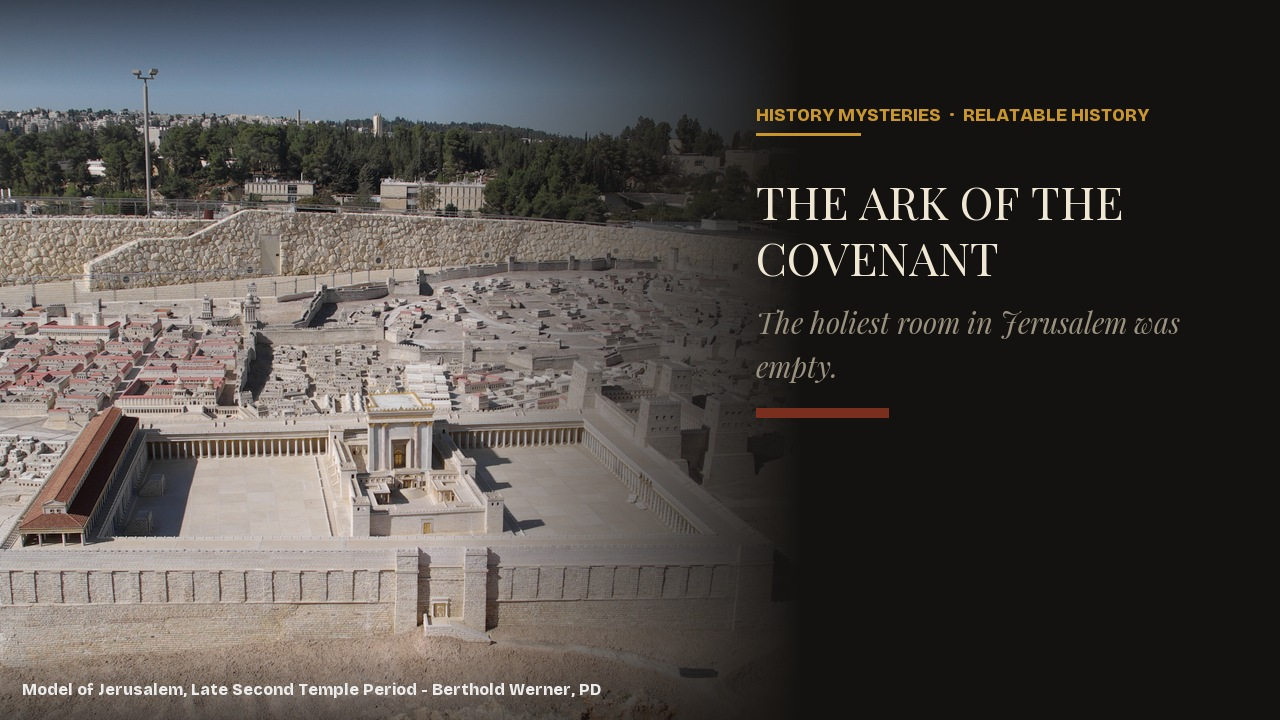
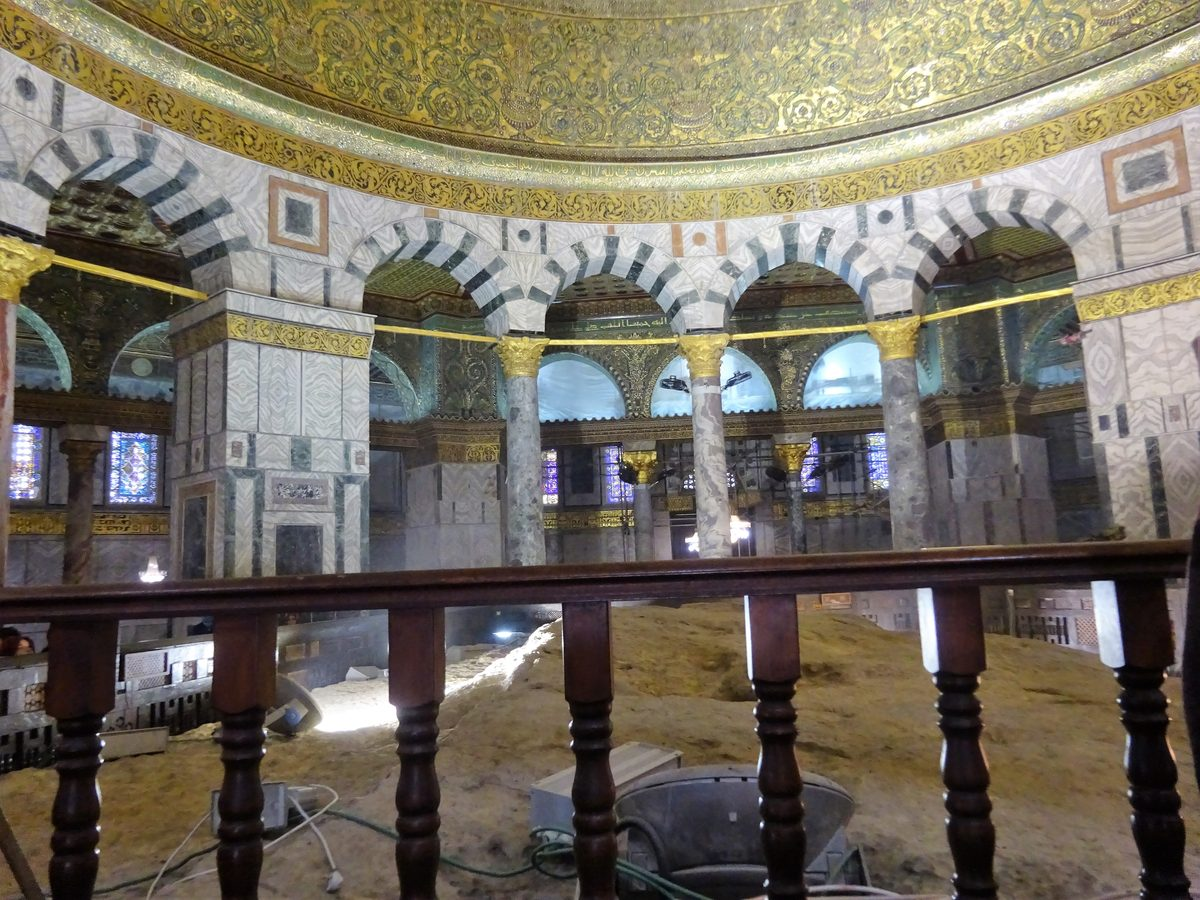
By the time the Second Temple was standing and its rituals were running as normal business, the single most important object in Israelite religion was already gone from the building, and the men who wrote down how the rituals worked did not treat this as news. The Mishnah, the earliest written record of the Temple service, describes the High Priest entering the innermost chamber on the Day of Atonement and setting his fire-pan down on a bare outcrop of rock. It gives the reason in a single clause: because the Ark of the Covenant was not there.
That is a strange way to record the disappearance of a sacred object. There is no lament, no investigation, no theory. The Mishnah is a procedural text, and the missing Ark is procedural detail — the sort of thing you mention because it changes where the incense goes, not because it is the point of the passage. Everything else written about the Ark’s absence, across two and a half thousand years, has tried to fill in what that sentence leaves out.
What follows is not a search for the Ark. It is the documented trail of when, exactly, the record stops mentioning it, what the Babylonians and Persians actually wrote down about what they moved, and where the explanations come from that later generations built to cover the gap.
What the room was built to hold
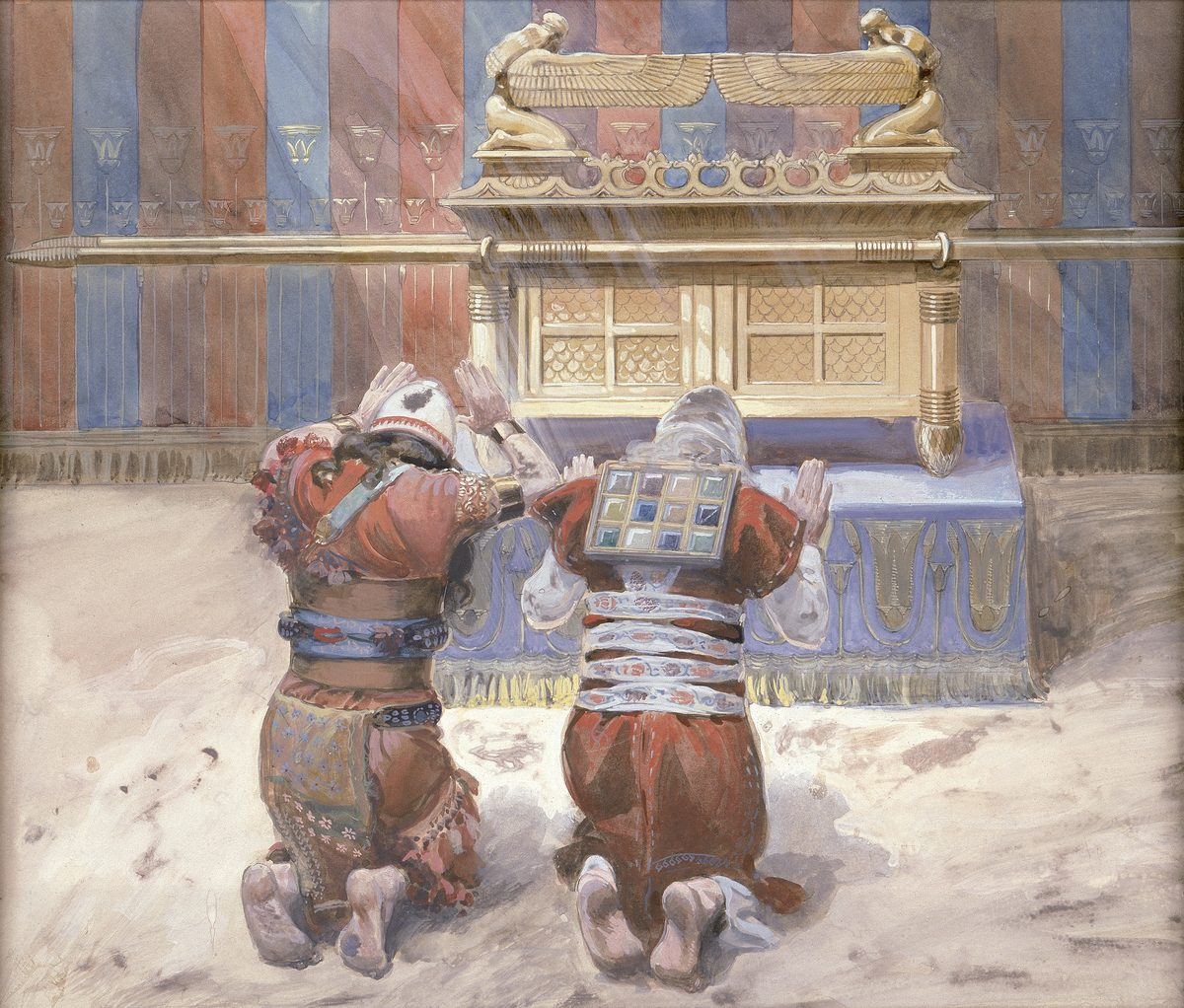
The book of Exodus specifies the Ark in construction-document detail: a chest of acacia wood, two and a half cubits long and a cubit and a half wide and high — roughly the size of a large trunk — overlaid inside and out with gold, with four gold rings at its base to take the carrying poles. Two winged figures, cast in gold, faced each other across its lid. Inside, tradition held, were the stone tablets of the Ten Commandments, a jar of manna, and the staff of Aaron.
The lid was not decoration. It was called the mercy seat, and it was the specific point at which the text describes God’s presence as meeting Israel’s leaders — not the tablets inside, but the gap between the two golden faces on top. That is why the Ark, rather than any other object connected to the Exodus, ended up housed in the single most restricted room in the building: the room was built around what the Ark’s lid was supposed to do, not around the object as an artefact. A Temple with an empty Holy of Holies is a building still doing its job with the specific point of contact removed.
The Bible’s own account runs out before Babylon arrives
The Ark’s last unambiguous appearance in the Hebrew Bible is not a description but an order. In the second book of Chronicles, King Josiah instructs the Levites: “Put the sacred ark in the temple that Solomon son of David king of Israel built. It is not to be carried about on your shoulders.” The instruction dates to around 622 BC, during Josiah’s reforms, and it implies the Ark had been moved at some earlier point — the text does not say when, or why, or where it had been. After this verse, the Ark is not mentioned again in the biblical narrative of the Temple.
Thirty-six years later, in 586 BC, Nebuchadnezzar’s army destroyed the Temple and deported much of the population of Judah. Whatever happened to the Ark in the interval between Josiah’s order and the fall of Jerusalem is simply not recorded. That silence, thirty-six years wide, is the first and largest gap in the whole story, and every later explanation is an attempt to fill it.
Two careful lists, decades apart, and the Ark is on neither
What makes the Babylonian conquest useful evidence, rather than just another entry in the story, is that the biblical account of it is oddly specific. The second book of Kings gives what reads like an inventory of what Nebuchadnezzar’s officers stripped from the Temple: the two bronze pillars, broken up and carried off; the bronze Sea; the wheeled stands; the pots, shovels, wick trimmers, dishes and incense burners, in bronze, silver and gold, sorted and weighed. It is the kind of list a quartermaster keeps, not the kind of list a storyteller invents. The Ark does not appear on it.
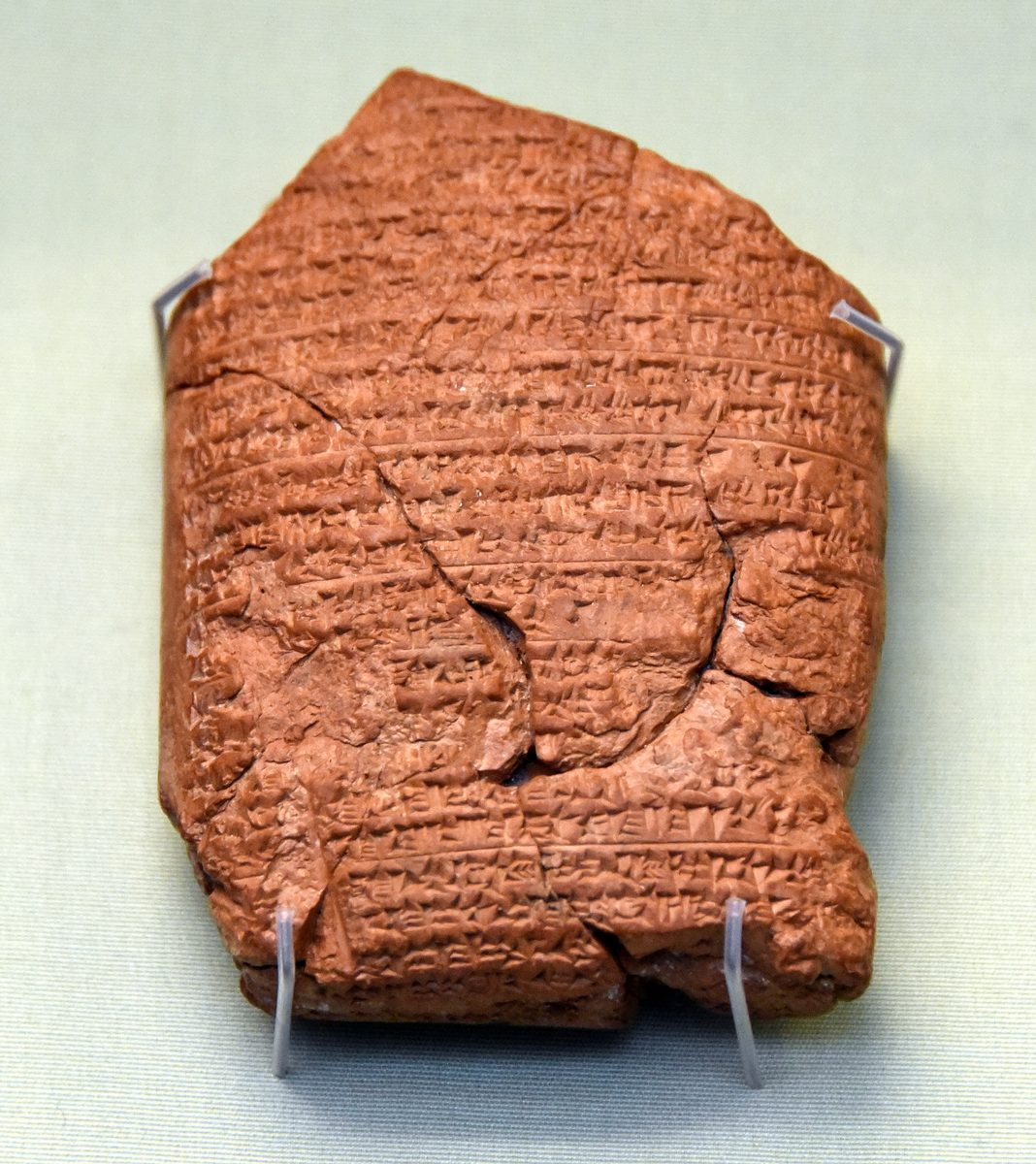
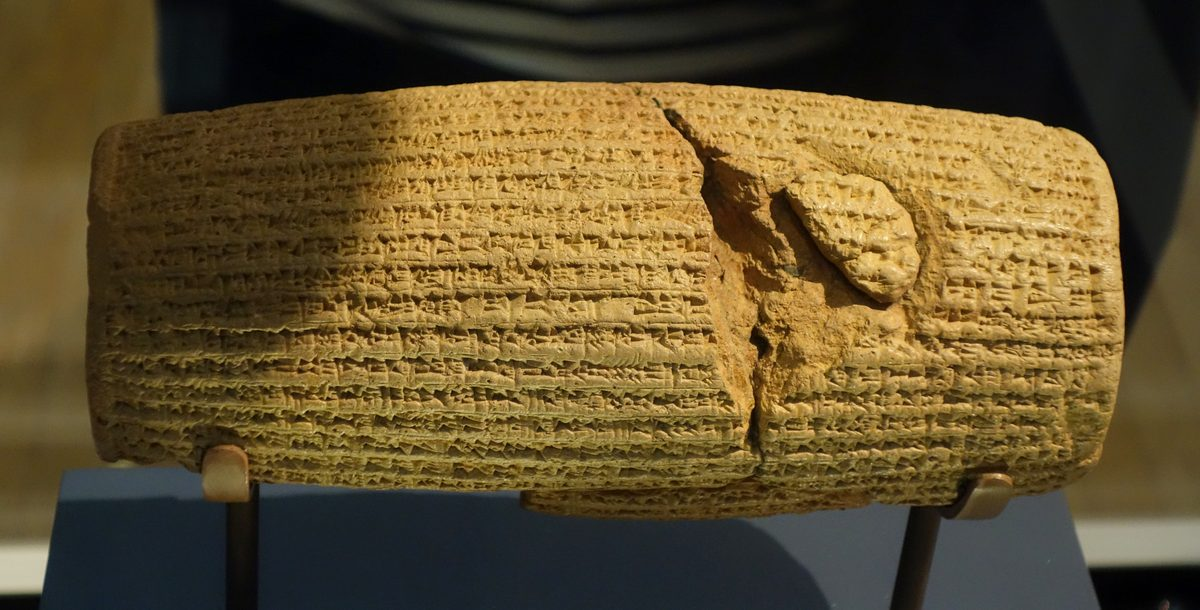
Fifty years on, when the Persian king Cyrus authorised the exiles’ return, the Book of Ezra gives a second inventory: five thousand four hundred vessels of gold and silver, handed over by the treasurer Mithredath and counted out by type — basins, censers, bowls, specified by number. This is the return leg of the same accounting process, and it is just as precise as the first. The Ark is not among the five thousand four hundred either.
Two independent, itemised counts, separated by roughly fifty years and produced by two different administrations, and the single most valuable object supposedly in the building is absent from both. Either the Ark had already left the Temple before 586 BC, in a way the biblical text never describes, or it did not survive as an identifiable object long enough to be counted.
Five hundred years of visitors reported the same empty room
The Second Temple, built after the Babylonian exile, ran for roughly five centuries without anyone recording a replacement Ark, and outside observers noticed. When the Roman general Pompey forced his way into the sanctuary in 63 BC — a serious breach of Jewish law that Roman writers themselves found remarkable — the surprise recorded afterward was that the innermost room held no cult image and, by most accounts, nothing at all.
The clearest eyewitness is Flavius Josephus, who served as a priest in the Second Temple before it fell and who later wrote its history for a Roman audience. Describing the Holy of Holies in Herod’s rebuilt Temple, he is unambiguous: “In this there was nothing at all.” Josephus was a temple insider, not a distant chronicler, and he had no motive to invent an absence that made his own religious tradition look diminished.
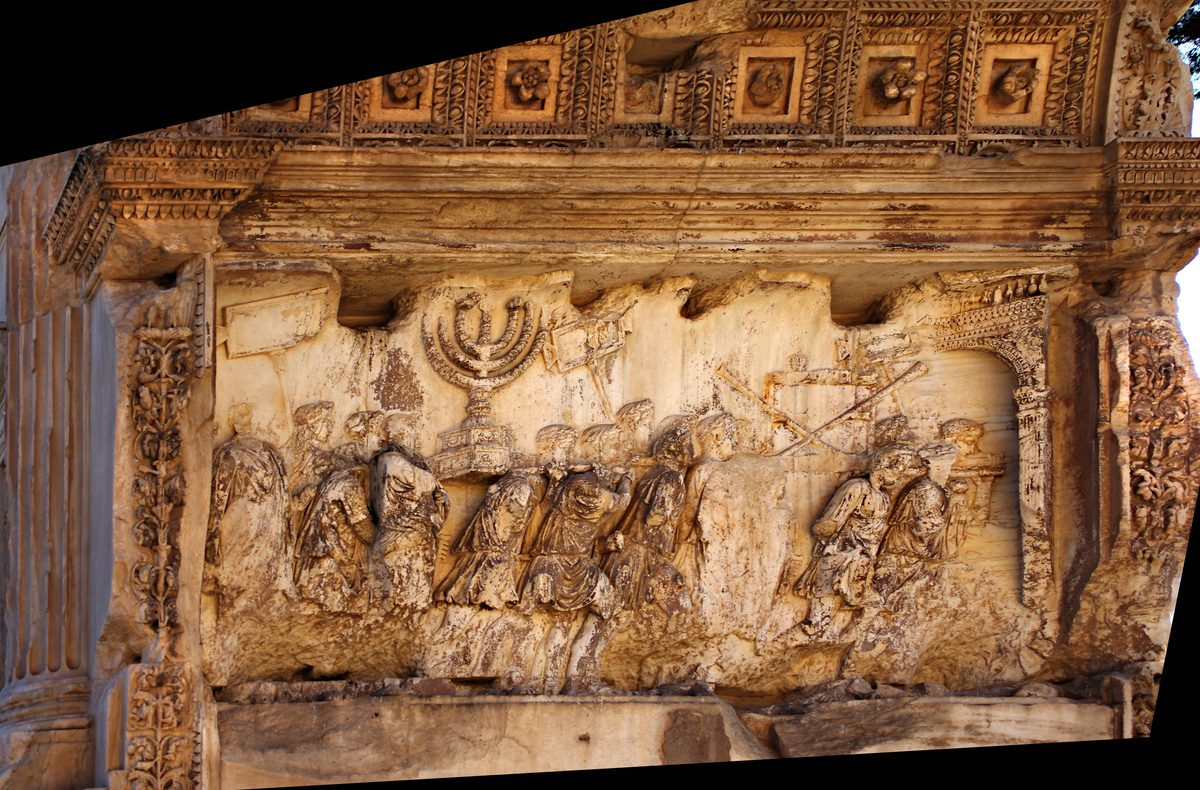
The physical record agrees. When Titus’s legions sacked the Temple in AD 70 and paraded its treasures through Rome, the triumphal relief later carved into the Arch of Titus shows exactly what the soldiers carried: the seven-branched menorah, the golden table for the bread of the Presence, a pair of silver trumpets. No chest, no cherubim, no carrying poles. A monument built specifically to advertise Rome’s victory, and the object that would have been the single greatest prize of the entire war, is not on it.
The explanations are centuries younger than the silence
The stories that claim to say what happened to the Ark all arrive long after the trail already goes cold, and they do not agree with each other. The oldest surviving version is in the second book of Maccabees, written around the late second century BC — some four hundred years after Josiah’s order. It credits the prophet Jeremiah with hiding the Ark and the tabernacle in a cave on Mount Nebo, east of the Jordan, and sealing the entrance so thoroughly that his own companions could not find it again when they tried to mark the spot.
The rabbis of the Talmud, writing later still, could not agree among themselves. One tractate records three separate positions in the same passage: Rabbi Eliezer and Rabbi Shimon ben Yochai each cite verses to argue the Ark was carried off to Babylon among the “precious vessels of the House of the Lord,” while Rabbi Yehuda ben Lakish argues from a different verse that it was sealed up beneath the Temple mount and remains there still. That the tradition records a live argument, rather than a settled answer, is itself informative: nobody transmitting these sources in the Talmudic period believed there was a documented fact to report. They were reasoning from scripture, the same way a modern reader might.
Neither story is presented as an eyewitness account, and neither predates the disappearance by less than several centuries. That does not make them worthless — they preserve how later generations understood the loss — but it does mean they belong to the history of the explanation, not the history of the event.
The plainest reading may be the least dramatic one
Set the legends aside and the physical evidence points toward an answer that requires no hidden cave and no secret vault. The Ark, as described in Exodus, was an acacia-wood chest overlaid inside and out with gold. Babylonian and Assyrian armies of this period had a documented, unglamorous practice for what they did with a defeated city’s precious metal: they stripped it and melted it down. The biblical inventory of what Babylon took from the Temple records bronze objects by weight, not sacred furnishings by name, which is exactly what you would expect a looting army’s ledger to look like.
A gilded wooden chest run through that process would not survive as a chest. The wood would burn or rot away and the gold would be melted into portable bullion, indistinguishable afterward from any other gold in the haul. It would not need a special mention in an inventory, because by the time anyone was counting, it would no longer exist as an identifiable line item. On this reading, the Ark did not vanish, get hidden, or get smuggled anywhere. It was destroyed in the ordinary, undramatic way that valuable objects are destroyed in war, and the silence in the record is not a mystery but the routine silence of an inventory that had no reason to name what no longer existed to be named.
That explanation cannot be proven from the sources any more firmly than the alternatives can. What can be said with confidence is narrower and, in its way, stranger: on the single holiest day of the Jewish calendar, in the single most restricted room in the ancient world, the object the entire ritual had originally been built around was already gone, and the people who wrote down the ritual did not think that fact needed an explanation at all.
Watch the full history
The video traces the same documented trail in just under four minutes, from Josiah’s order through the Roman triumph.

Related reading
- What Caused the Bronze Age Collapse?
- Why Is a Hobby Called a Hobby? The 600-Year Path from Warhorse to Word
- How the Dog-Powered Butter Churn Actually Worked
- Why Blowing a Shofar at the Western Wall Was a Crime
Works cited
- Mishnah Yoma 5:2, on the bare stone in the Holy of Holies after the Ark was gone. Link.
- 2 Chronicles 35:3 (NIV), King Josiah’s instruction to return the Ark to the Temple, c. 622 BC. Link.
- 2 Kings 25:13–17 (NIV), the itemised Babylonian inventory of vessels carried out of the Temple in 586 BC. Link.
- Ezra 1:9–11 (NIV), the count of gold and silver vessels returned under Cyrus. Link.
- Josephus, Flavius. The Jewish War, Book 5, Chapter 5, Section 5, trans. William Whiston. On the Holy of Holies in Herod’s Temple: “In this there was nothing at all.” Link.
- 2 Maccabees 2:4–8 (NRSV), the tradition that Jeremiah hid the Ark and the tabernacle in a cave on Mount Nebo. Link.
- Babylonian Talmud, Yoma 53b–54a, recording the rabbinic dispute over whether the Ark was exiled to Babylon or buried beneath the Temple. Link.
- “The Cyrus Cylinder.” British Museum collection record, object W_1880-0617-1941.
- López, Javier Alonso. “What Happened to the Ark of the Covenant? Here’s What We Know.” National Geographic History, December 12, 2025. Link.
- Ritmeyer, Leen. “Locating the Original Temple Mount.” Biblical Archaeology Review 18, no. 2 (March/April 1992).
- Parfitt, Tudor. The Lost Ark of the Covenant: The Remarkable Quest for the Legendary Ark. HarperOne, 2008.