
Belief & Ritual
Religion, superstition, magic, divination and ceremony – the practices people built their year and their life around.
-
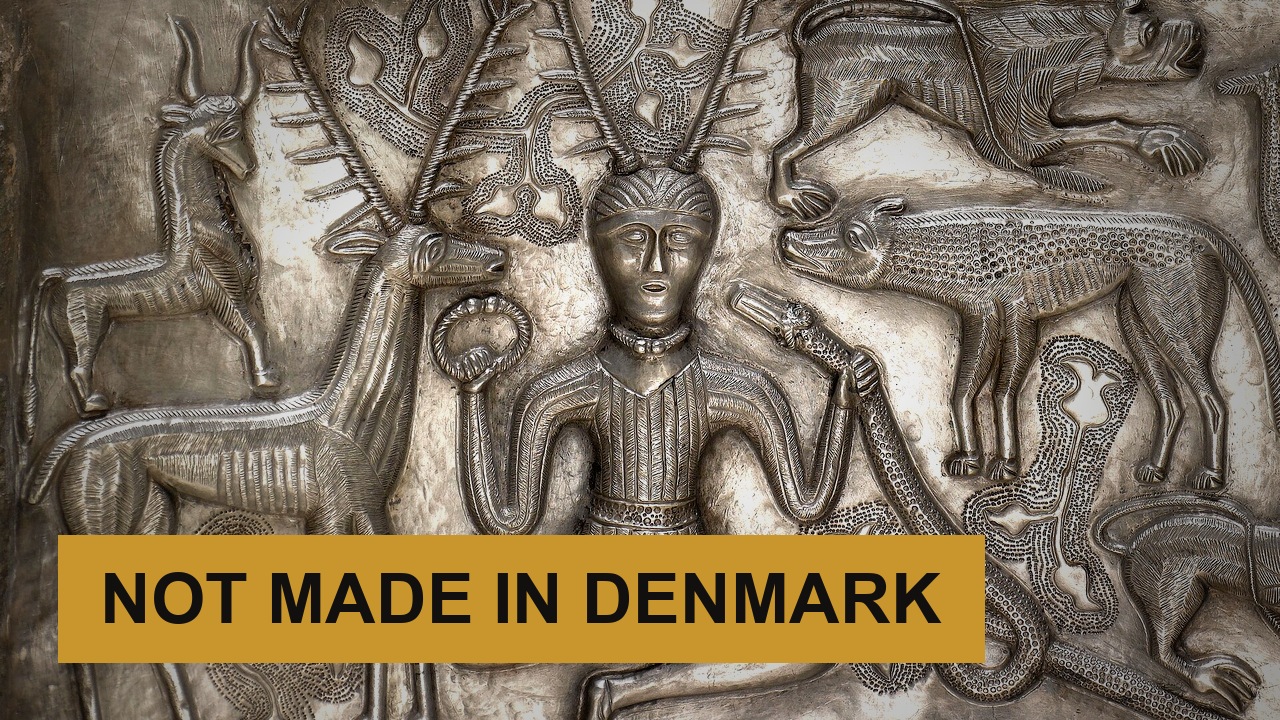
Who Made the Gundestrup Cauldron? The Mystery Nobody Has Solved
A silver cauldron pulled from a Danish bog in 1891 is carved with elephants and gods nobody in Iron Age Jutland had ever seen. More than a century later, scholars still disagree on who actually built it.
-
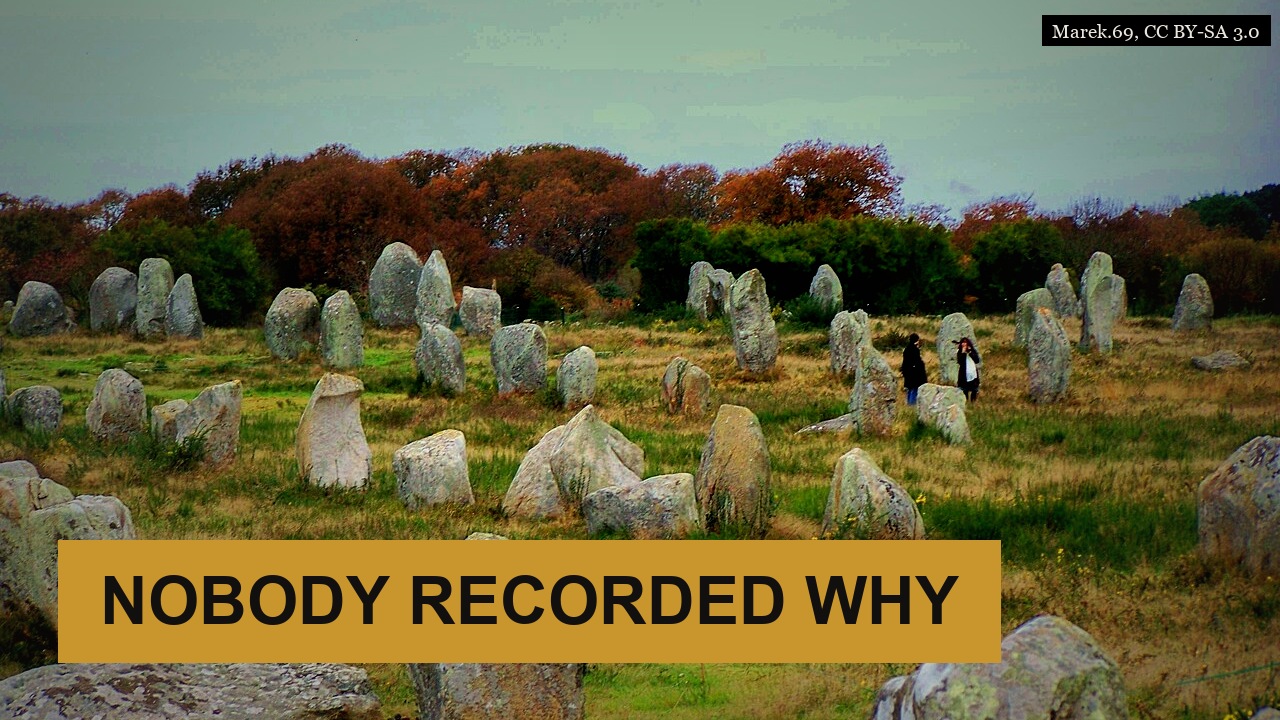
The Carnac Stones Are Older Than Stonehenge. Nobody Knows What They Were For.
A 2025 dig finally dated Brittany’s three-thousand-stone alignments — and turned up a mystery the archaeologists still can’t explain.
-
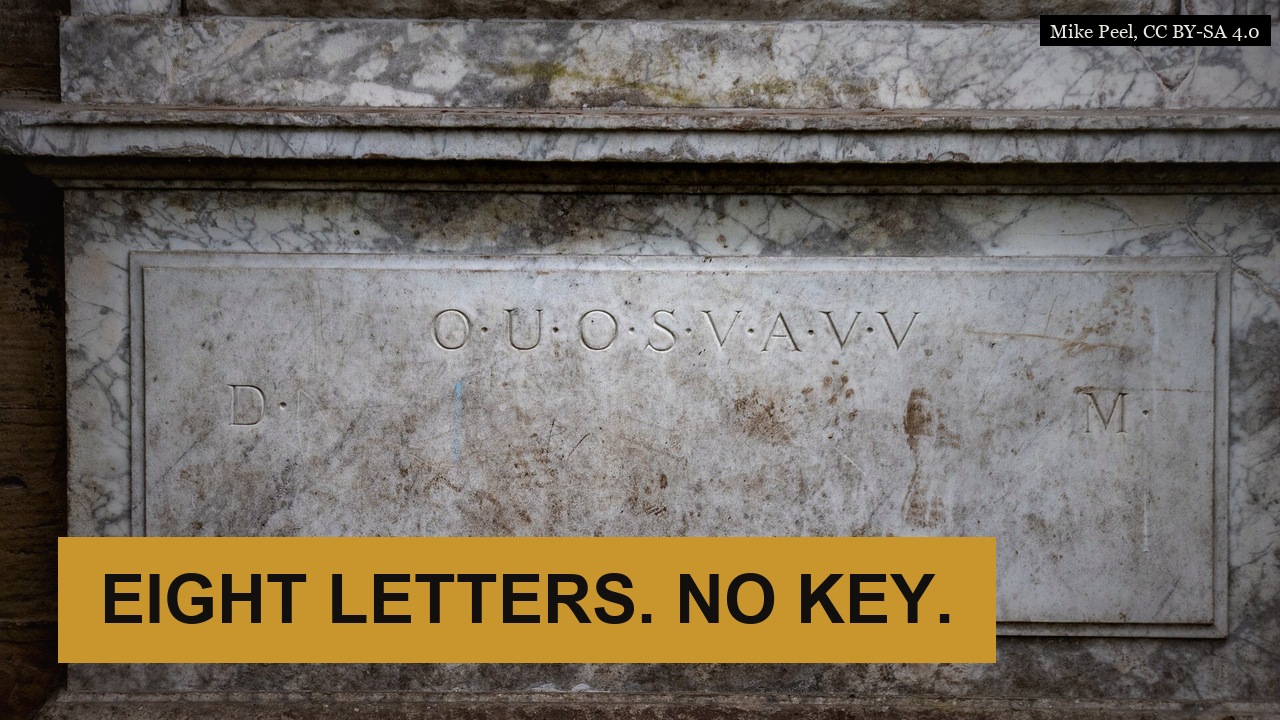
Shugborough Inscription Theories: What Each Explanation Actually Claims
Wartime codebreakers, a classics journal and a graffiti theory have all taken a run at the Shugborough inscription. None of them agree, and the gap in the written record explains why.
-
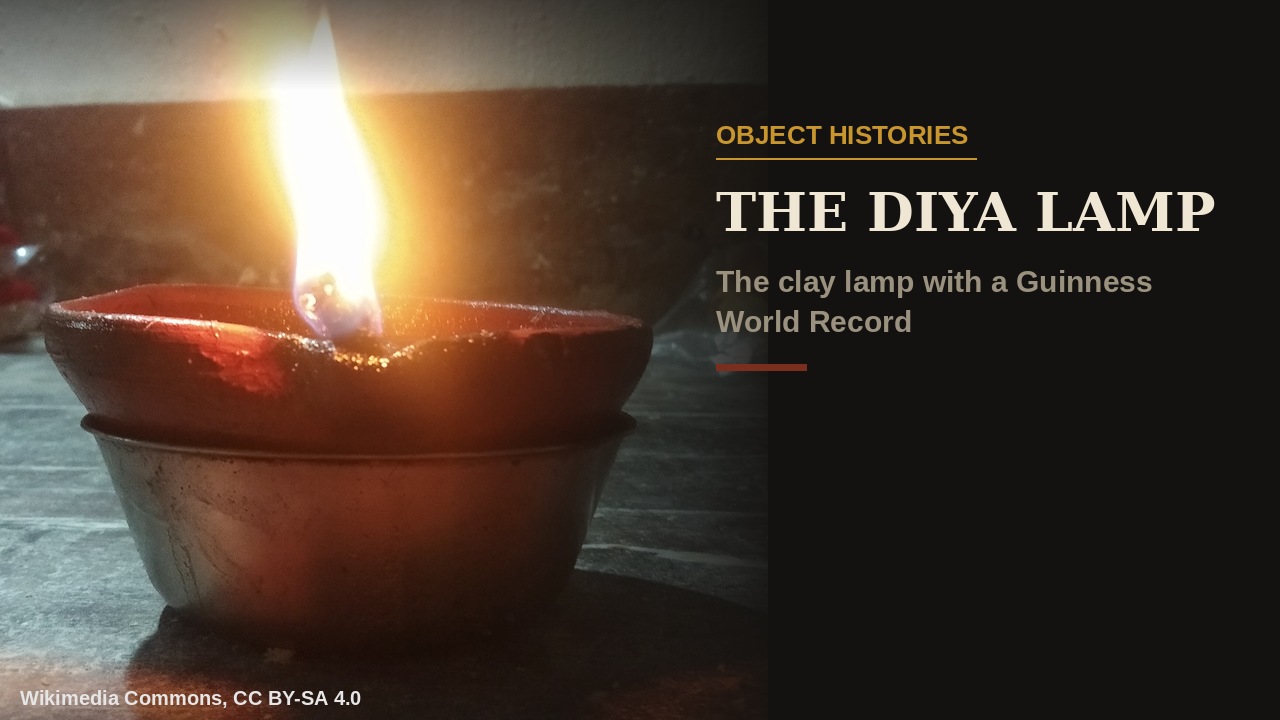
The Diya: How a 5,000-Year-Old Lamp Became Diwali’s Icon
A shallow clay cup and a cotton wick have lit Diwali, Bandi Chhor Divas, and Mahavira’s nirvana night for thousands of years. Here is where each of those traditions actually comes from — and where they disagree.
-
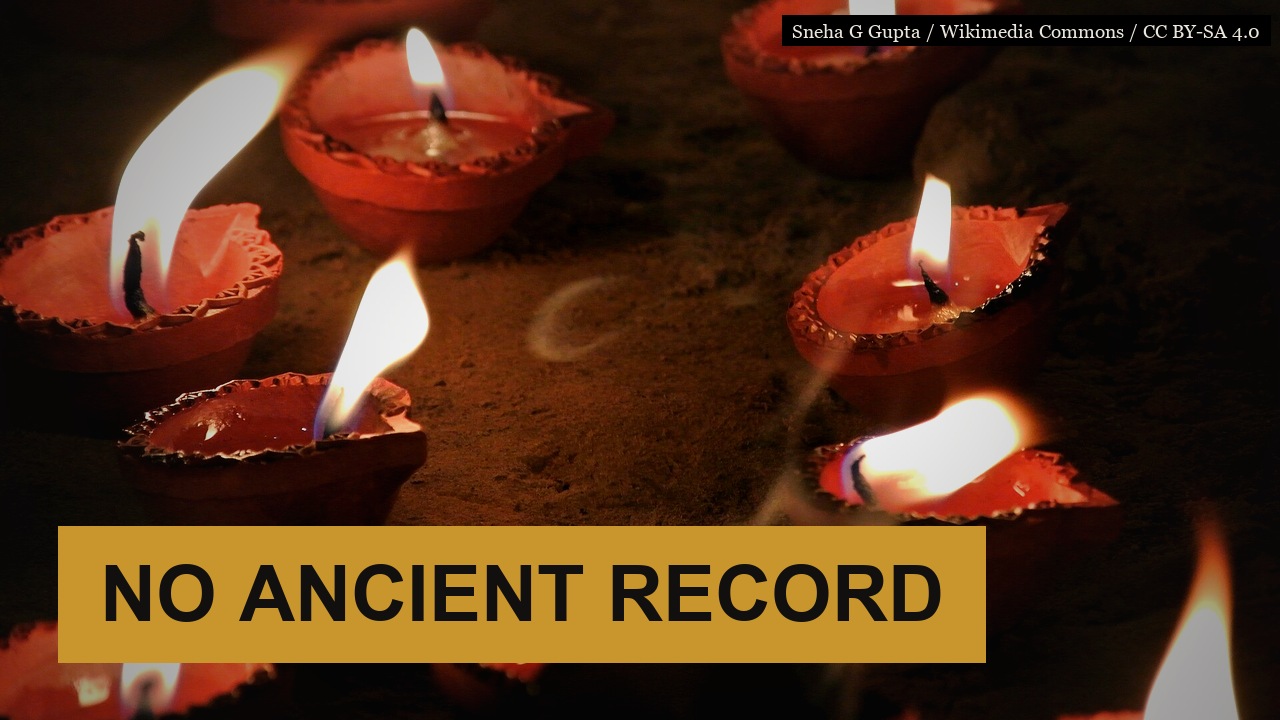
How Old Is Diwali, Really? What the Written Record Actually Shows
Diwali is usually called five thousand years old. The sources that can actually be checked — Sanskrit texts, dated inscriptions, a Persian scholar’s travel notes — tell a shorter and much messier story.
-
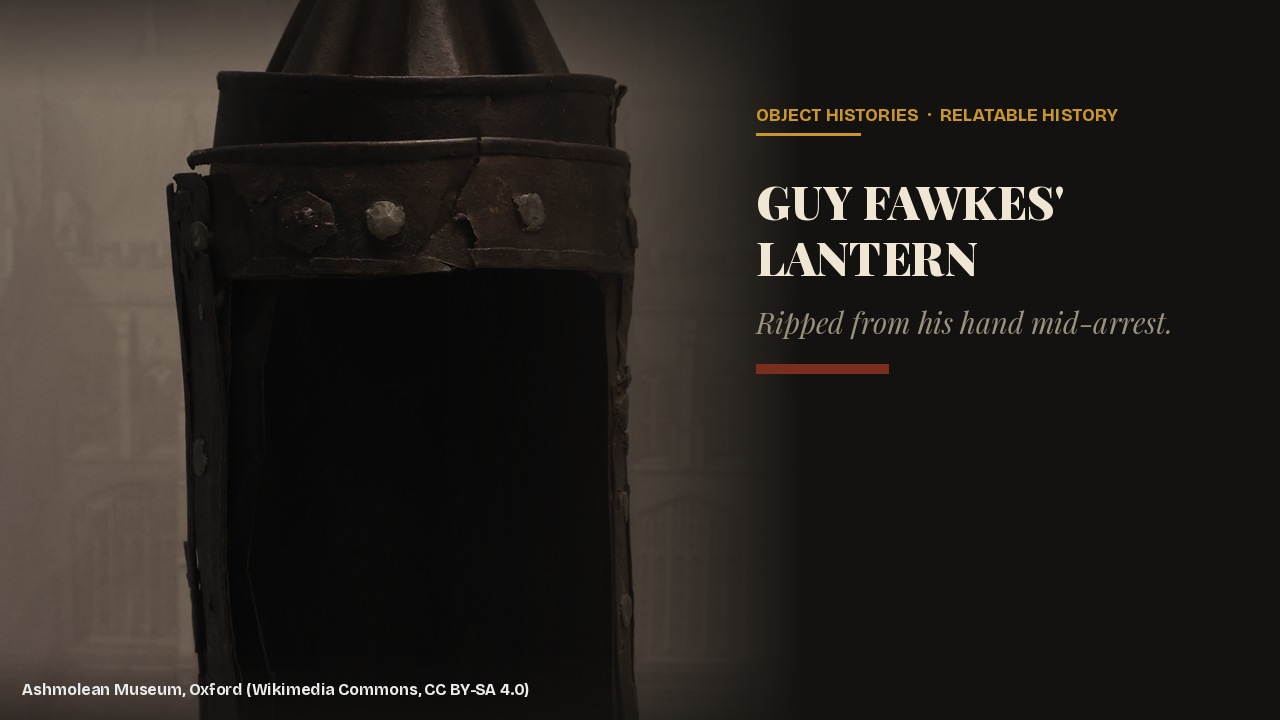
The 160-Word Letter That Undid the Gunpowder Plot
Guy Fawkes never saw the letter that caught him. A single warning to one frightened nobleman set off the search, the torture, and the law that built Bonfire Night.
-
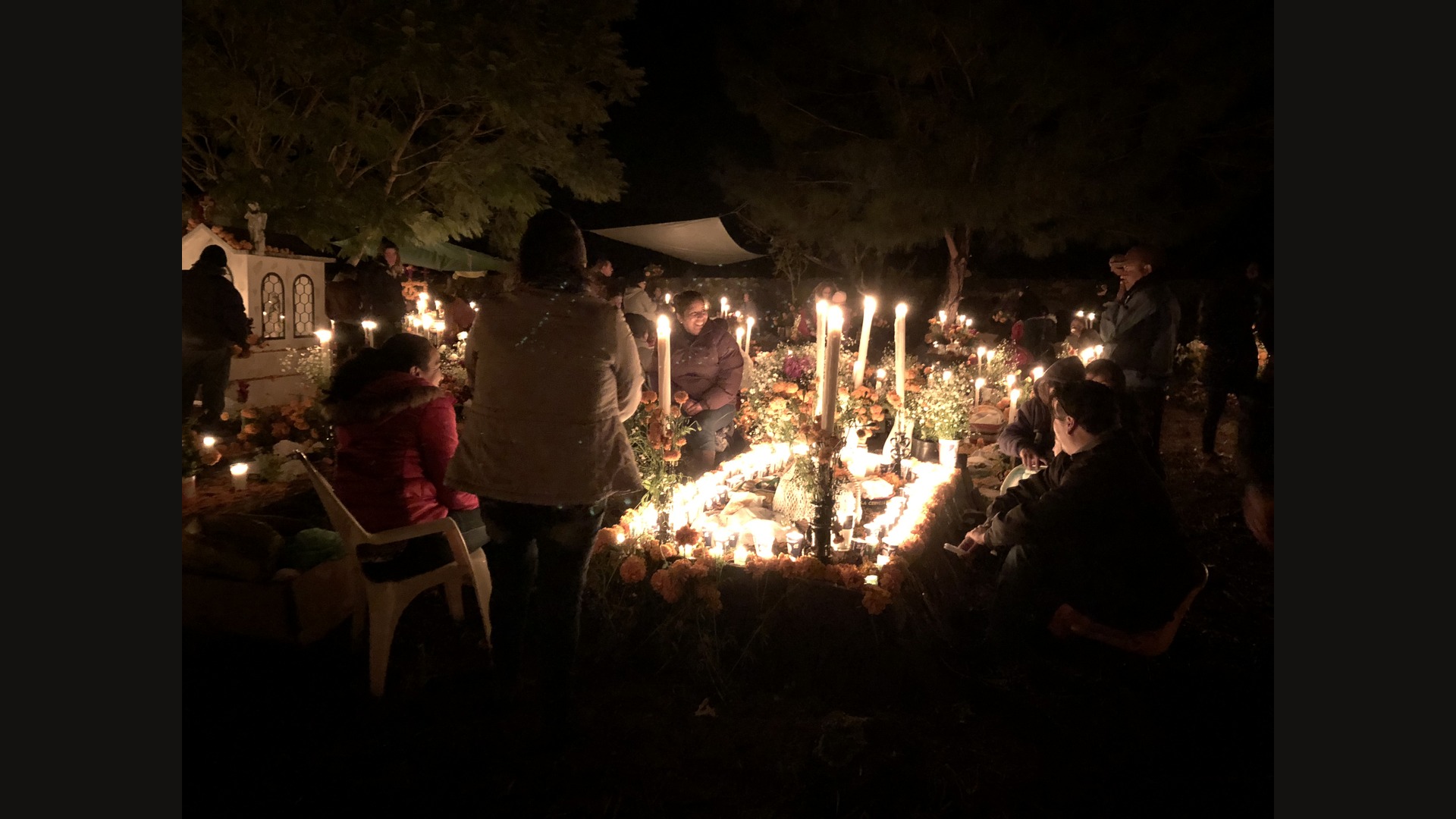
How an Ofrenda Is Actually Built
An ofrenda altar looks simple: flowers, paper, smoke, candles. Behind each one is a government subsidy, a colonial ban, a single craft town, or a lake vigil that still draws six-figure crowds every November.
-
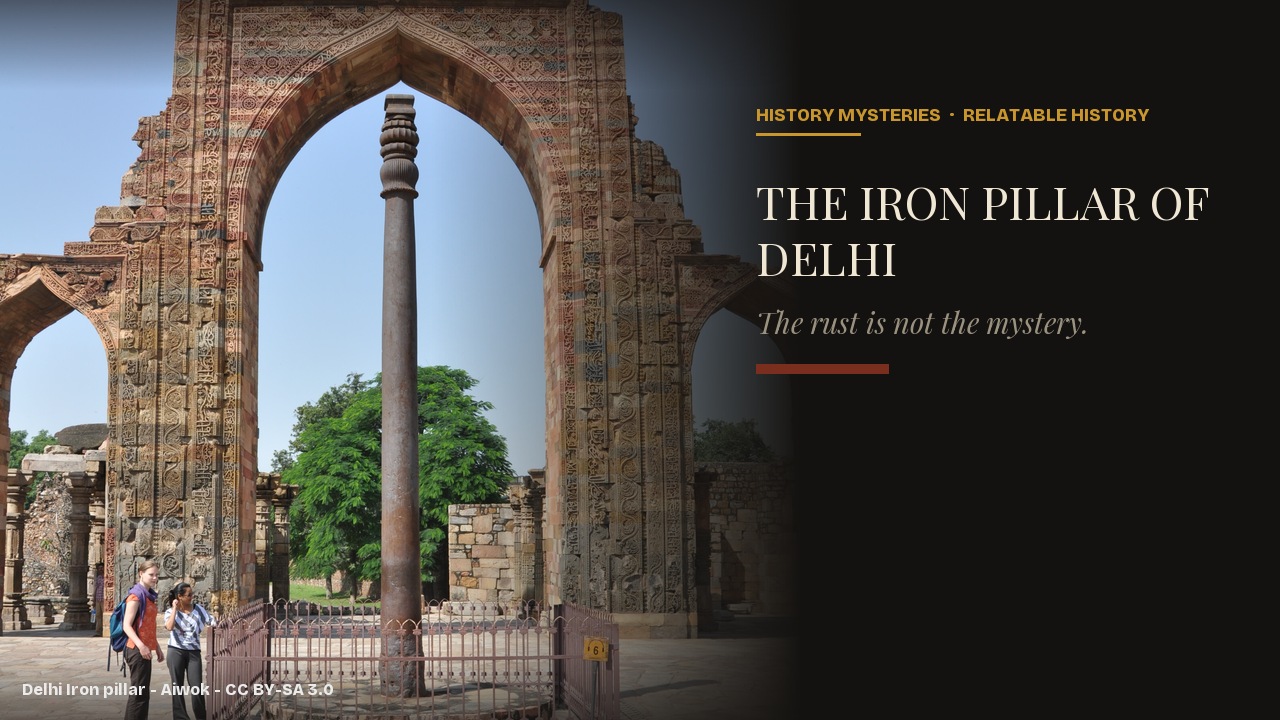
Who Built the Delhi Iron Pillar? The Question Nobody Signed Their Name To
The rust-resistance of the Delhi Iron Pillar is settled metallurgy. Who actually forged it, and where it stood before Delhi, is the argument two centuries of scholars still haven’t closed.
-
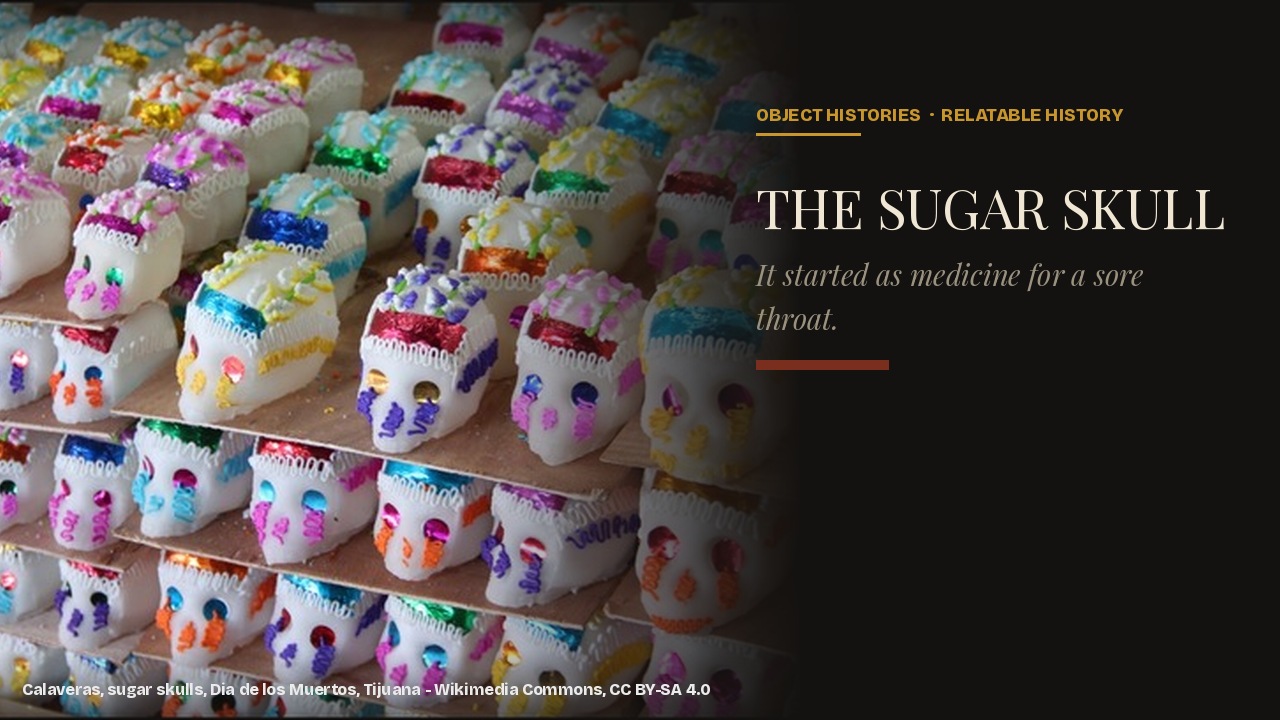
Why Sugar Skulls Get a Name Written on the Forehead
The candy on a Day of the Dead altar was invented as medicine in Islamic Spain, not as a memorial. This is the documented route it took to a Toluca wooden mold five centuries later.
-
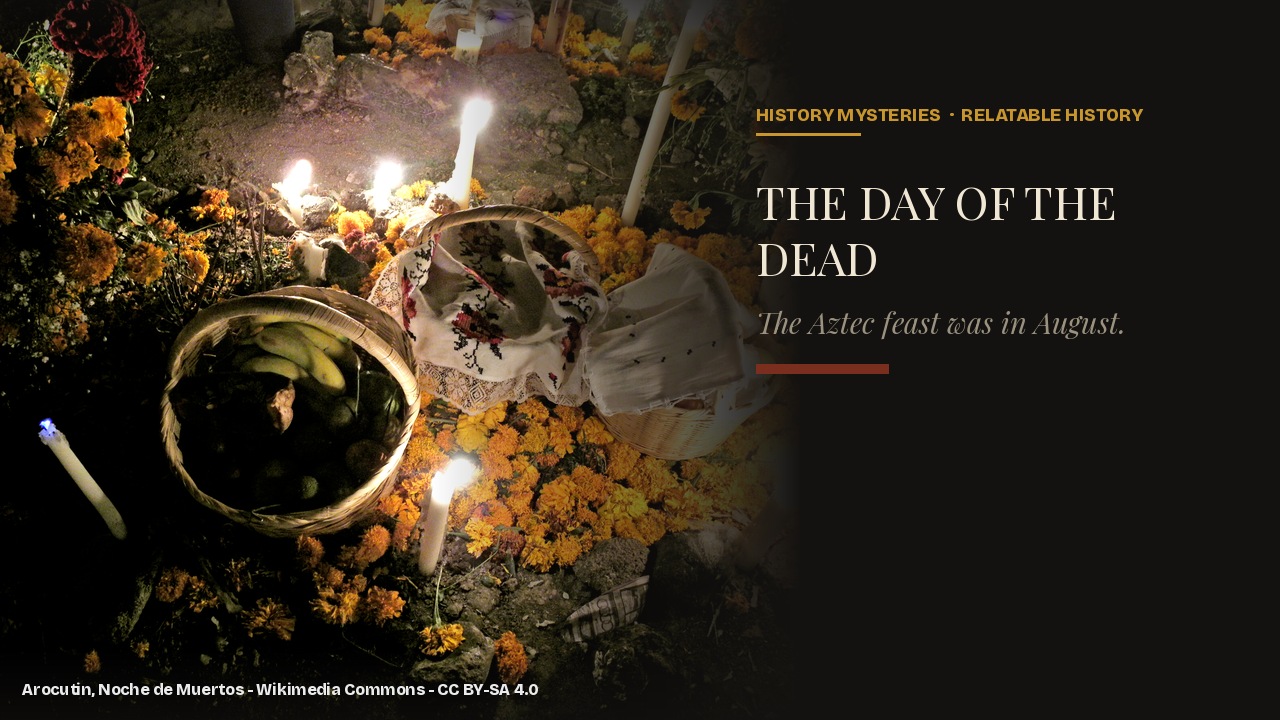
Is the Day of the Dead Really a Pre-Hispanic Tradition?
Mexico’s schoolbooks call the Day of the Dead an unbroken pre-Hispanic inheritance. The documentary record has a gap exactly where that claim needs proof, and two camps of historians have spent fifty years reading it in opposite ways.