
Industrial Age
Roughly 1750 to 1900: mechanisation, mass production, the railway and telegraph, and the transformation of daily life they produced.
-
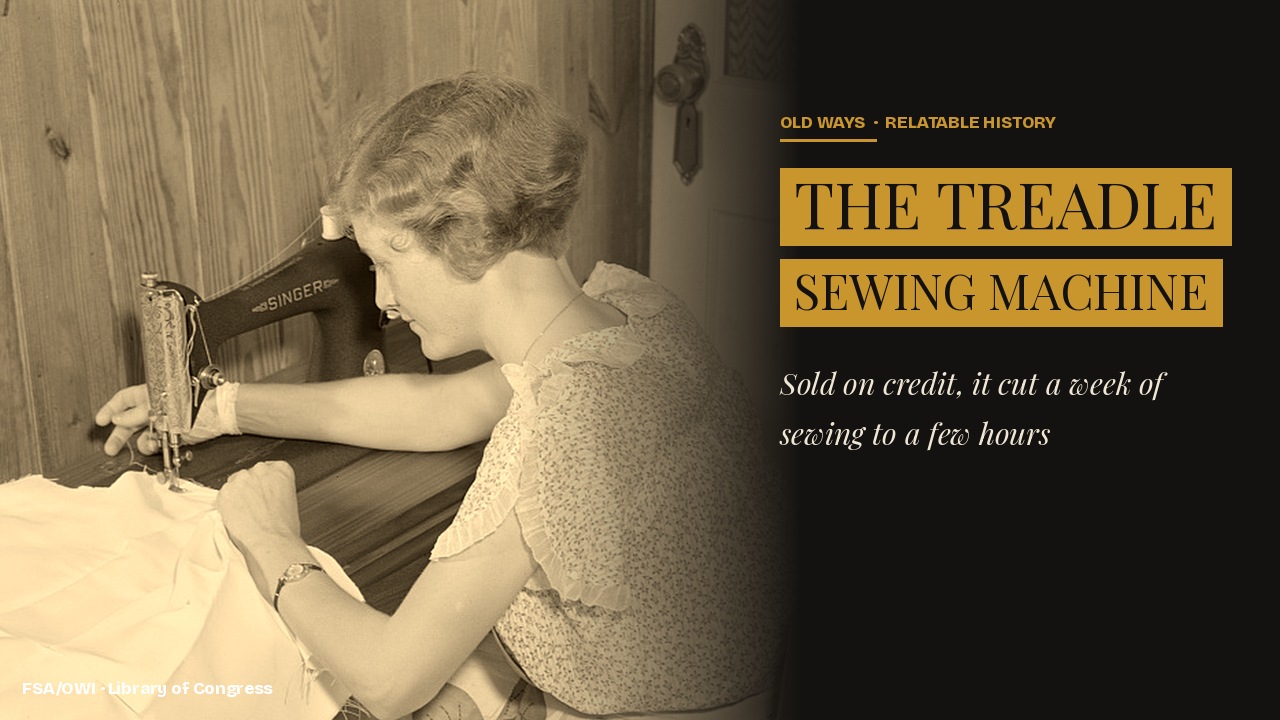
How the Sewing Machine Installment Plan Put One in Every Farmhouse
A hand-sewn shirt took about fourteen hours; the same shirt on a machine took about one. Almost nobody could pay for the machine outright, though — so a lawyer named Edward Clark invented a way to sell it anyway.
-
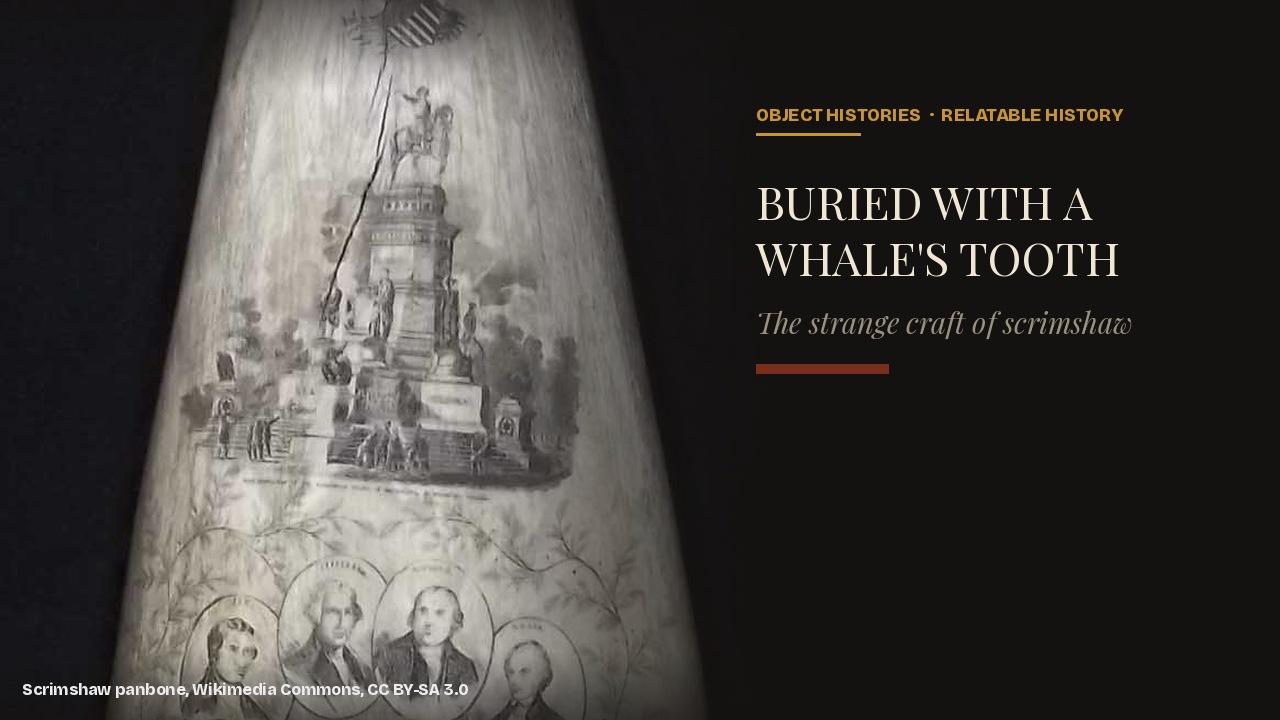
How Scrimshaw Was Made, From Whale’s Tooth to Keepsake
A whale’s tooth sat in Greta Garbo’s keeping for thirty-six years before anyone traced it back to the Oval Office — and tracing it is most of what there is to know about how scrimshaw survived.
-
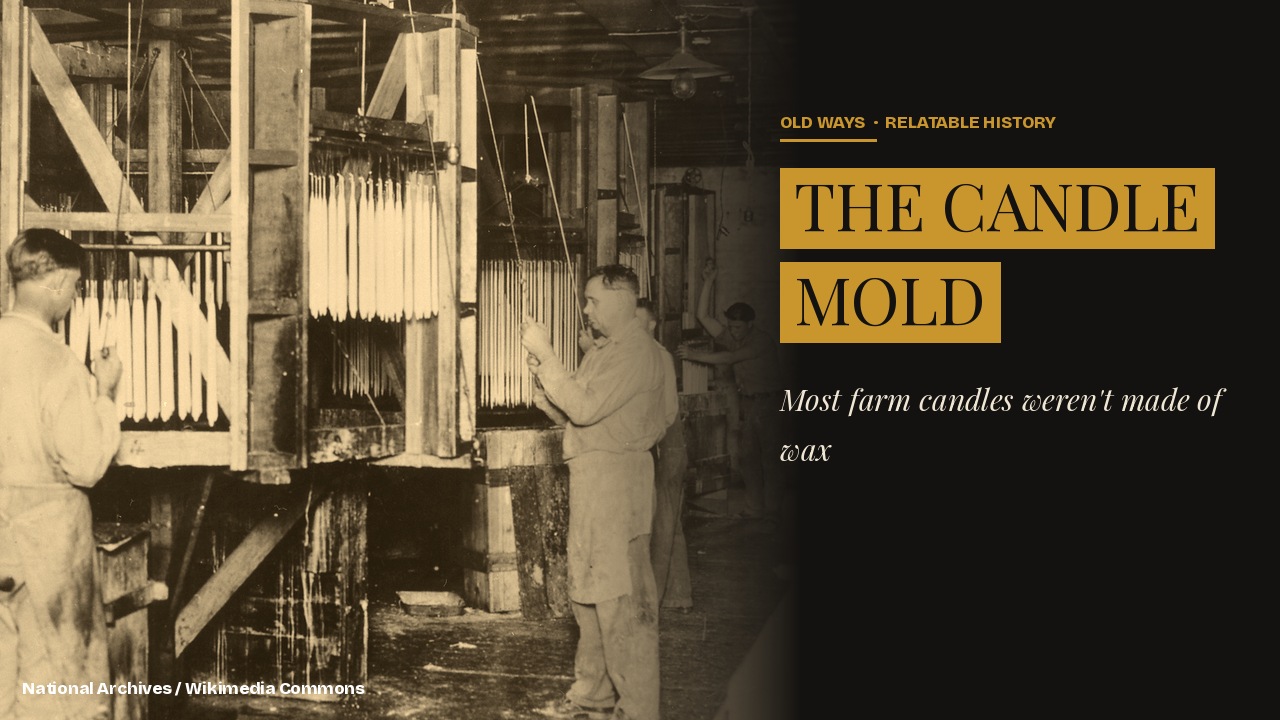
How Tallow Candles Were Made, and Why Candle Day Was Dreaded
A single afternoon of rendering fat and pouring tin molds gave a household an entire winter of light. A 1754 probate inventory shows exactly how the accounting worked.
-
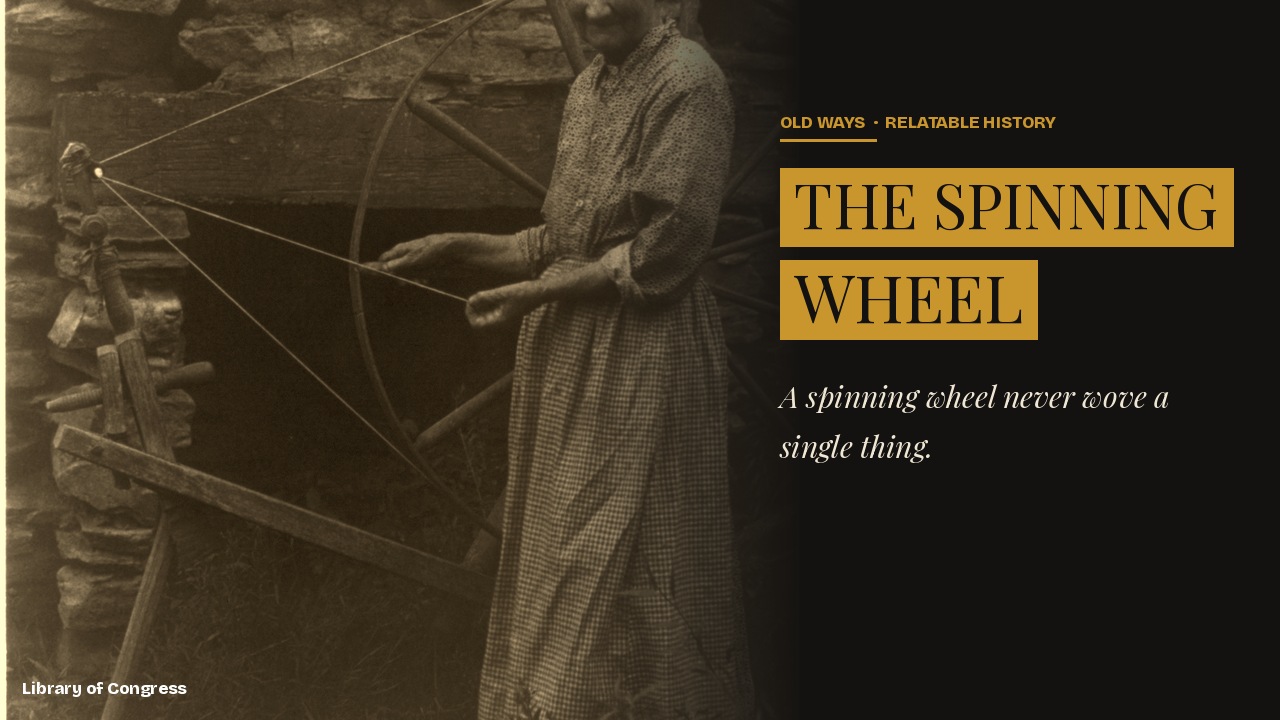
The Spinning Wheel’s Economics Were Worse Than You Think
A 2019 economic-history study found that hand-spinning, the very sector mechanized first, was already some of the worst-paid work in England — which undercuts a famous theory of why the Industrial Revolution began there at all.
-
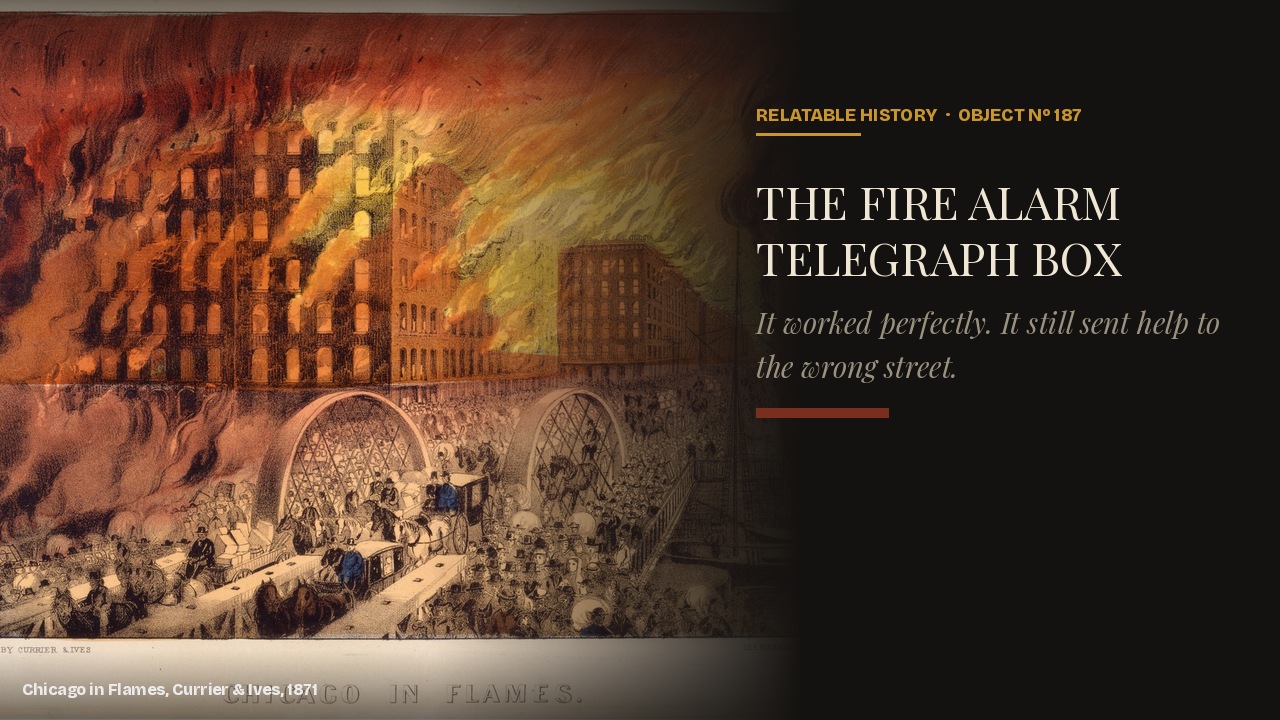
How Fire Alarm Telegraph Boxes Worked
A fire alarm telegraph box never detected a fire. It announced the number a human believed was closest to one – a distinction that nearly cost Chicago everything.
-
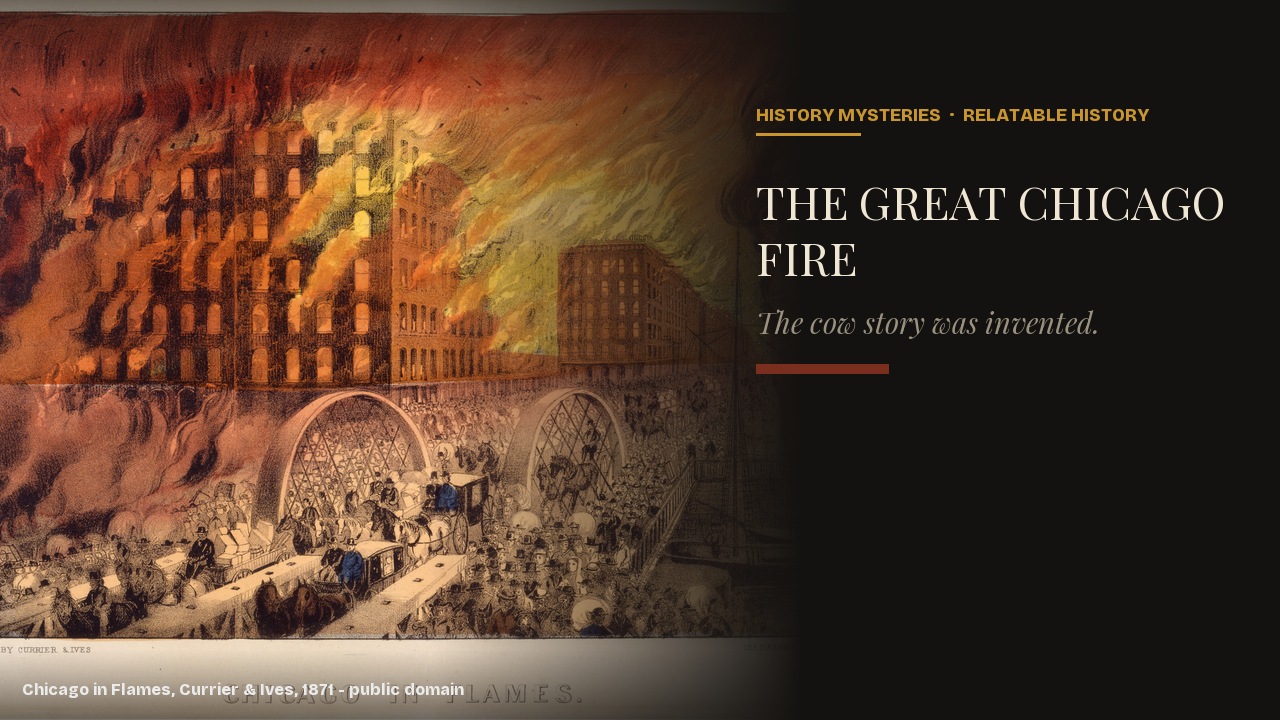
The Truth Behind the Mrs. O’Leary Cow Myth
Chicago’s official investigation into the 1871 fire took sworn testimony for nine days and never named a cause. The cow came from somewhere else entirely.
-
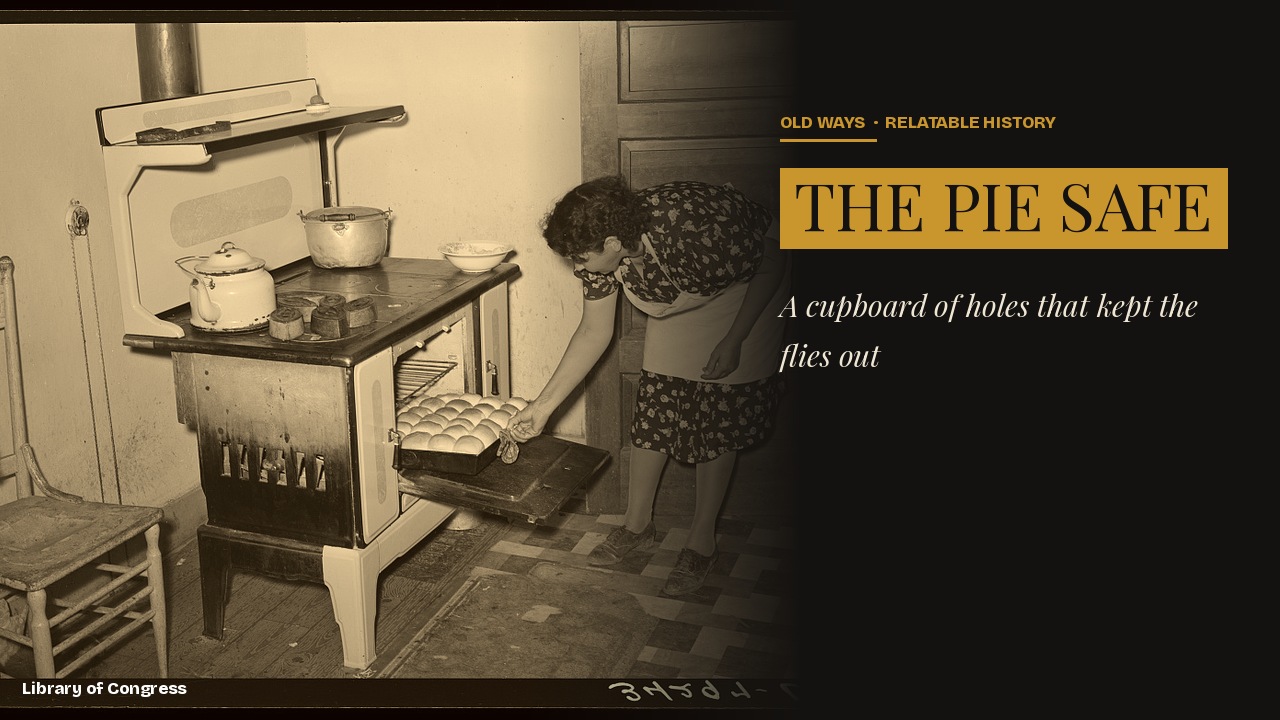
The Pie Safe That Kept Flies Out With Nothing But Holes
A pie safe kept flies and mice off a family’s food using nothing but a sheet of tin punched full of tiny, sharp-edged holes. The popular story credits Pennsylvania German immigrants with inventing the whole idea in the 1700s, but the real history is more layered: an older, undecorated ventilated cabinet form that predates them…
-
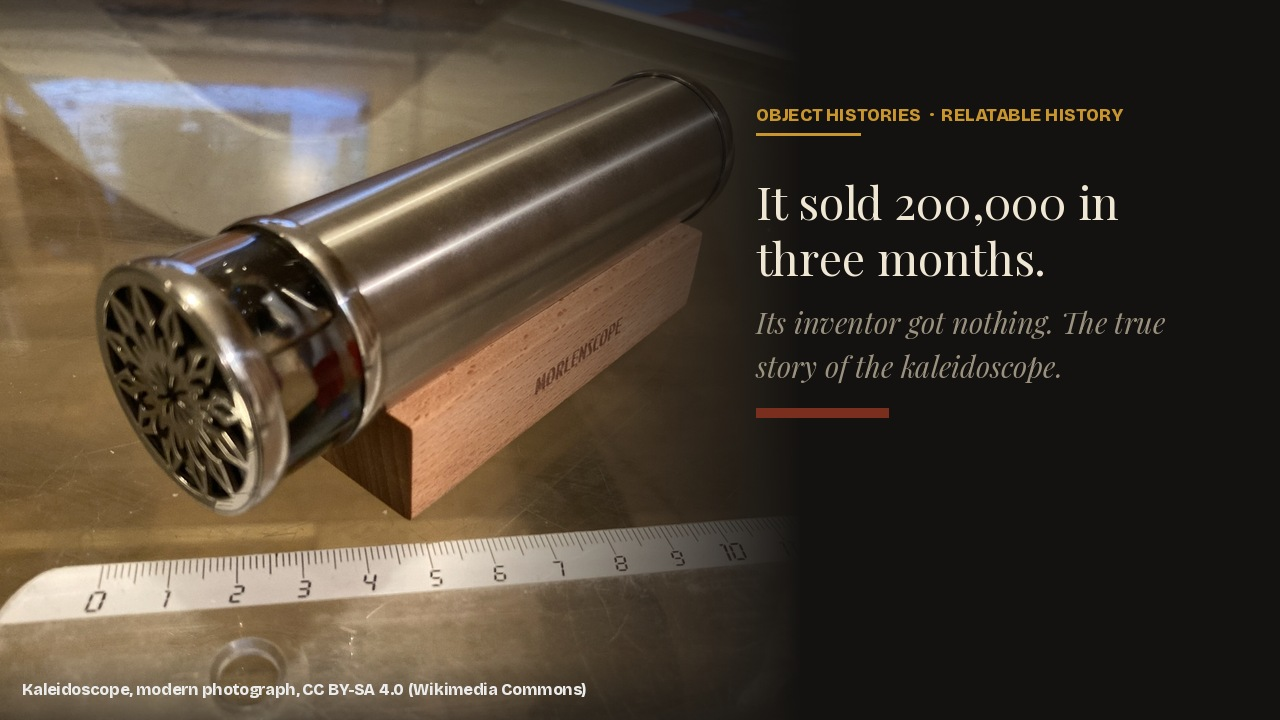
The Kaleidoscope Patent That Failed Its Own Inventor
In February 1815, Scottish physicist David Brewster looked through a triangular trough of glass at some loose bits of cement and saw a perfect symmetrical pattern. Two years later he patented the kaleidoscope. Within three months, roughly 200,000 of them had sold across London and Paris for a penny apiece, and almost none of that…
-
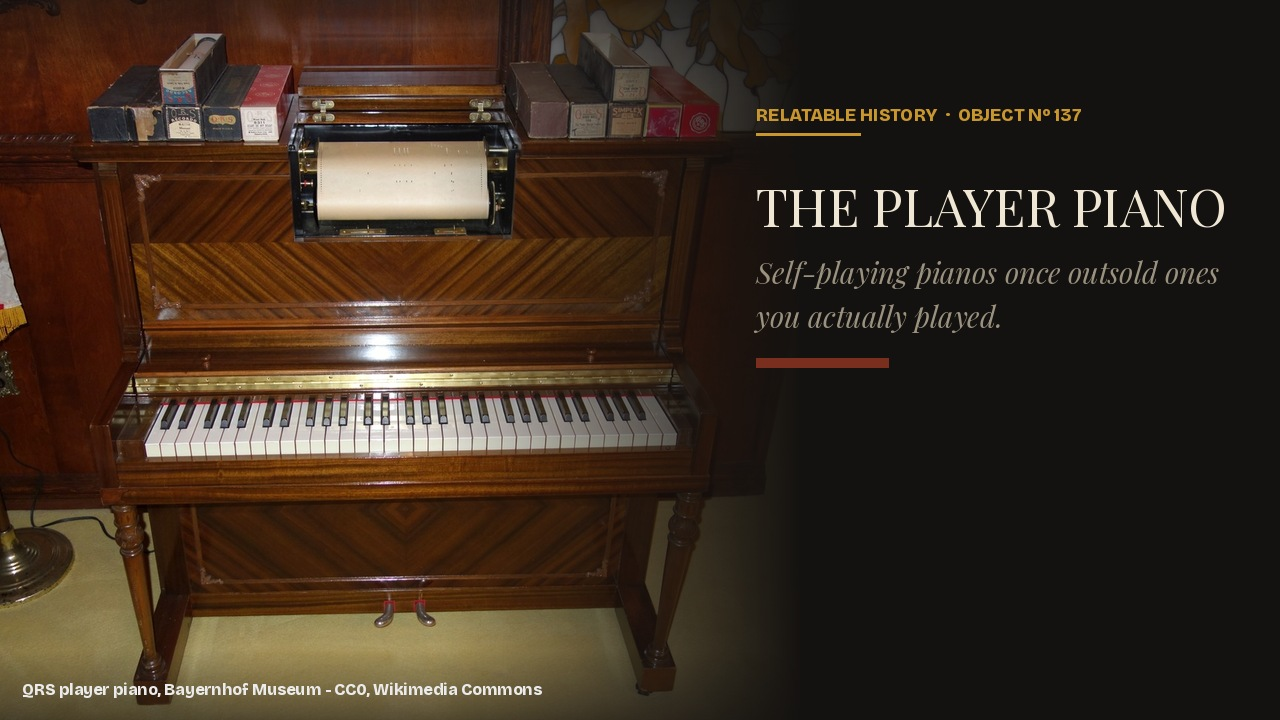
Why Player Pianos Outsold Real Pianos in 1924
In 1924, more player pianos were sold in America than pianos people actually sat down and learned to play. This is the real history: the Detroit inventor who built the first one in his home workshop, the 1908 industry agreement that let any piano play any roll, the famous pianists who recorded their exact performances…
-
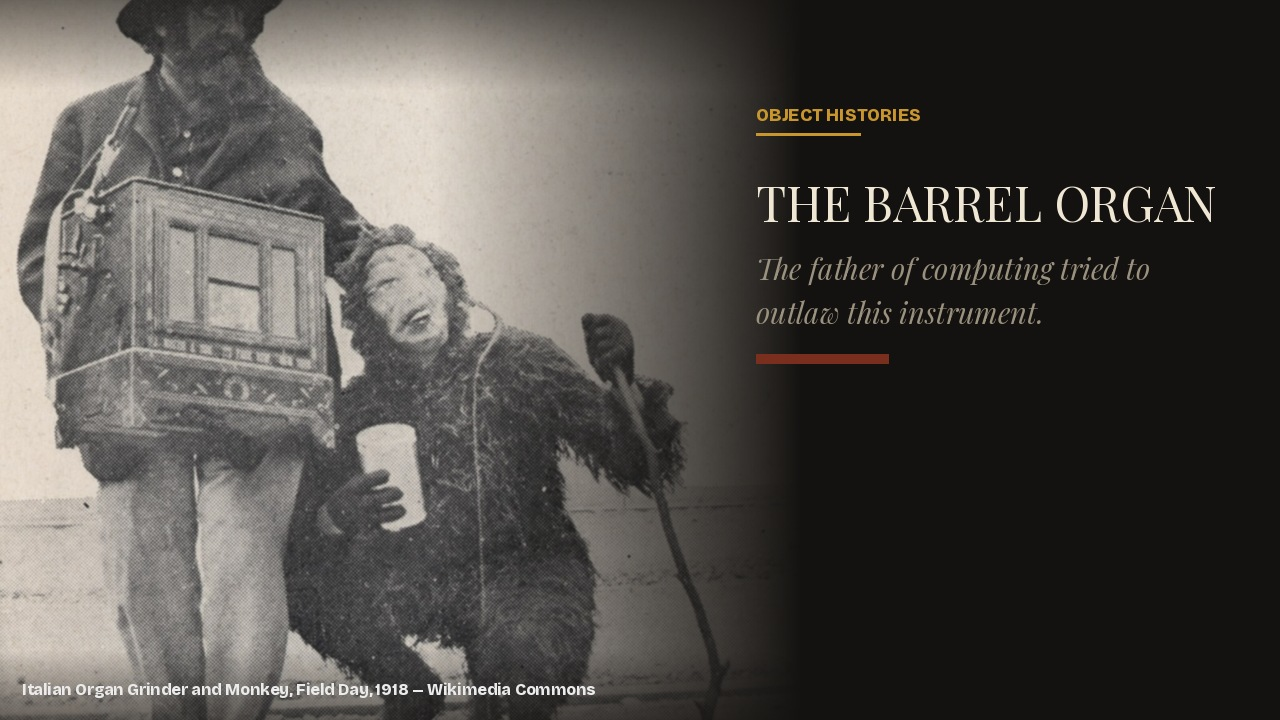
Charles Babbage and the Organ Grinders He Hated
Charles Babbage designed the first mechanical computer, then spent over a decade convinced London’s street organs were destroying his career. This is the real, documented history of the barrel organ: how a pinned wooden cylinder let anyone play a tune with zero training, why Mozart wrote music for one, how it became the soundtrack of…