
How people lived and worked before electricity: springhouses, root cellars, ice harvests, flax brakes and the everyday skills that kept a household running. Each Old Ways story comes as a short video and, for most topics, an in-depth article.
Each story below is the full, sourced article and includes its video. Just want to watch? See every Old Ways video →
-
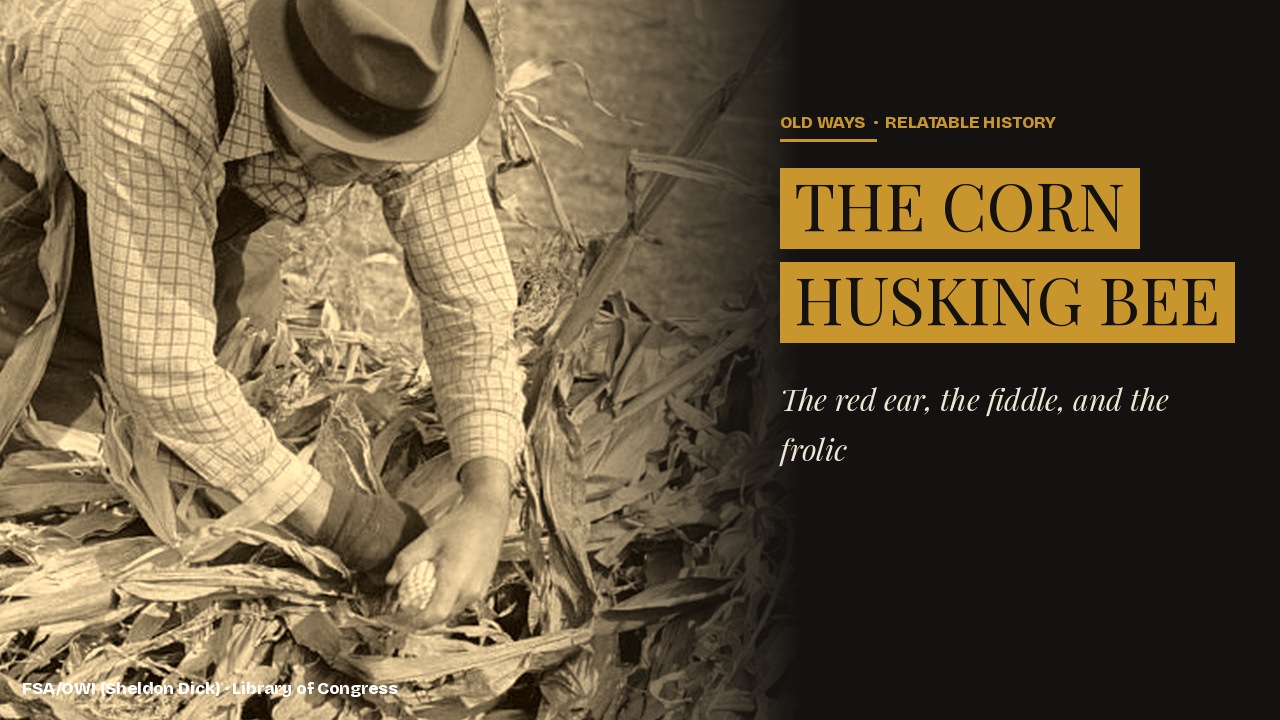
What Finding a Red Ear of Corn Actually Meant at a Husking Bee
The red ear everyone remembers from a husking bee came with its own policing, its own cheating scandals, and — on at least one recorded occasion — a very different ending.
-
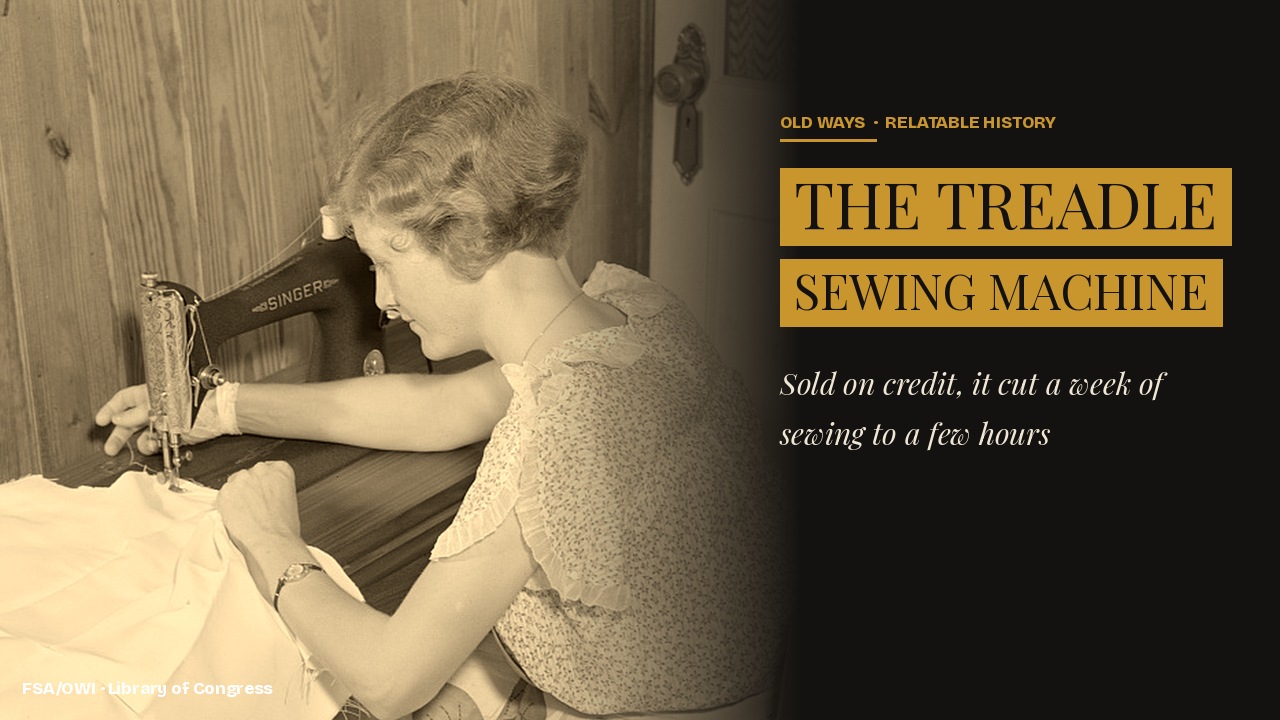
How the Sewing Machine Installment Plan Put One in Every Farmhouse
A hand-sewn shirt took about fourteen hours; the same shirt on a machine took about one. Almost nobody could pay for the machine outright, though — so a lawyer named Edward Clark invented a way to sell it anyway.
-
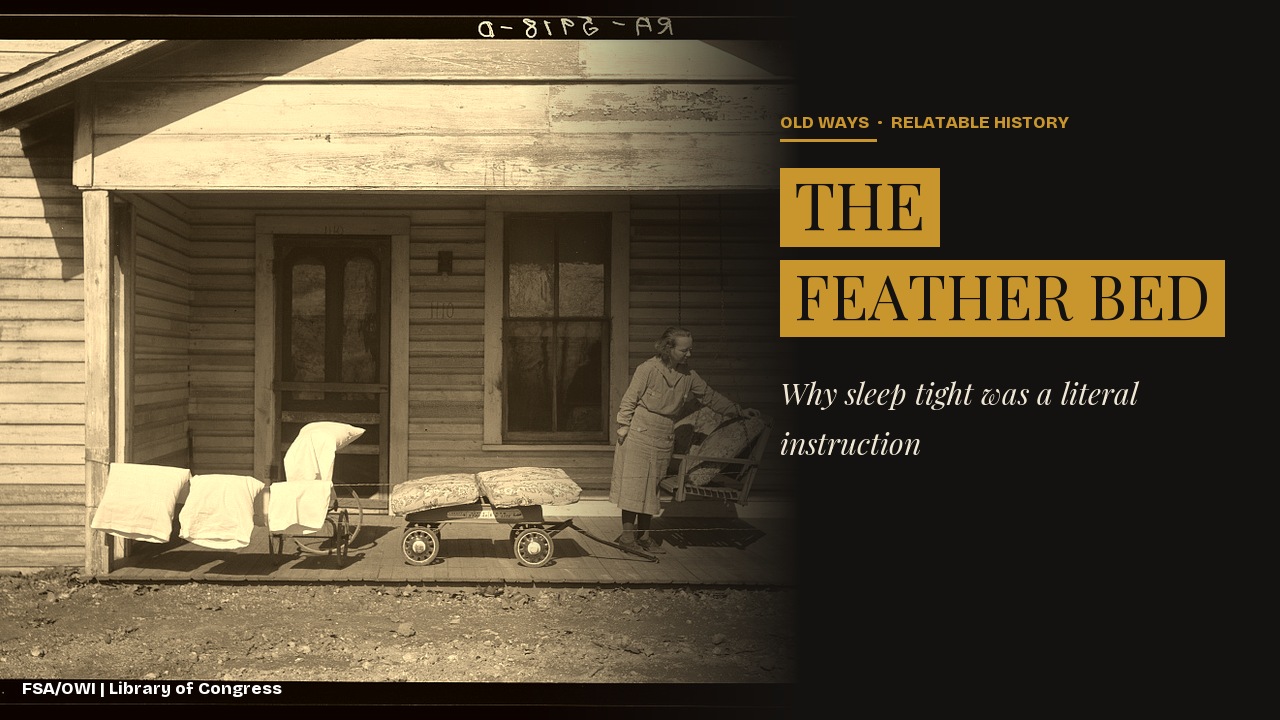
How Much a Feather Bed Was Worth, in Pounds and Shillings
A feather bed could be worth more than a family’s furniture, linens, and Sunday clothes combined — and, centuries later, turned out to carry a lung disease nobody had a name for.
-
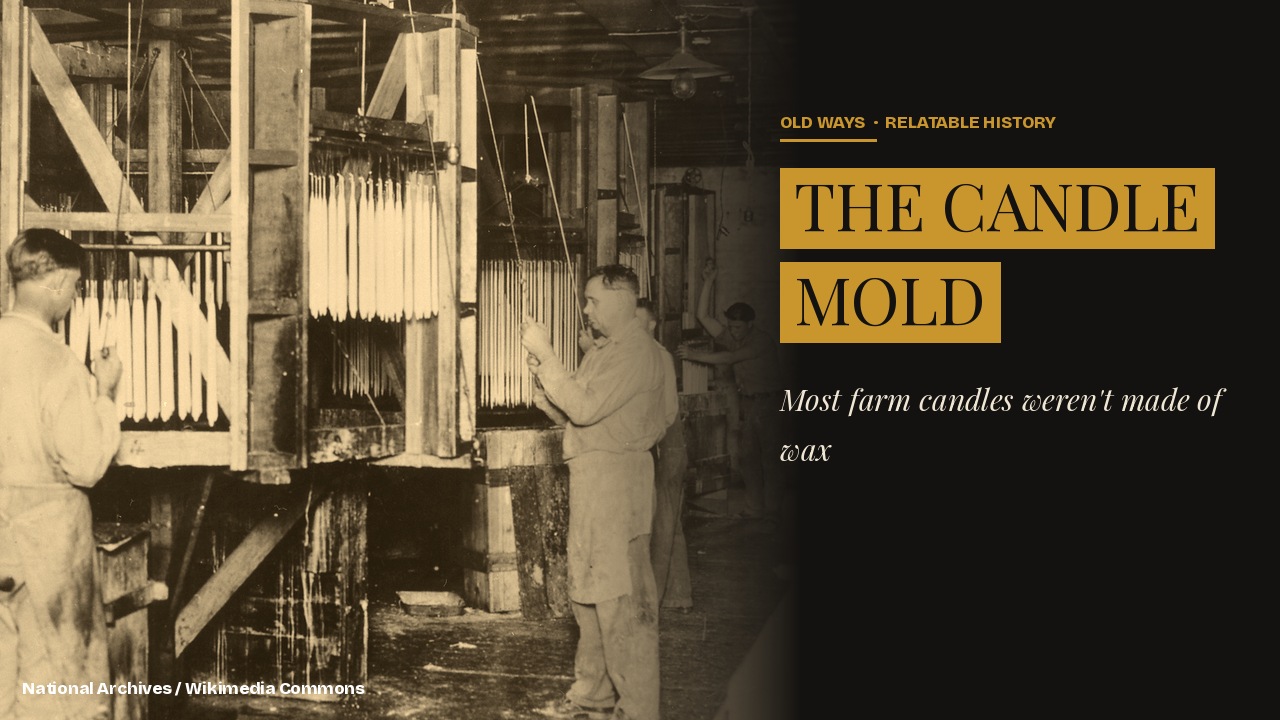
How Tallow Candles Were Made, and Why Candle Day Was Dreaded
A single afternoon of rendering fat and pouring tin molds gave a household an entire winter of light. A 1754 probate inventory shows exactly how the accounting worked.
-
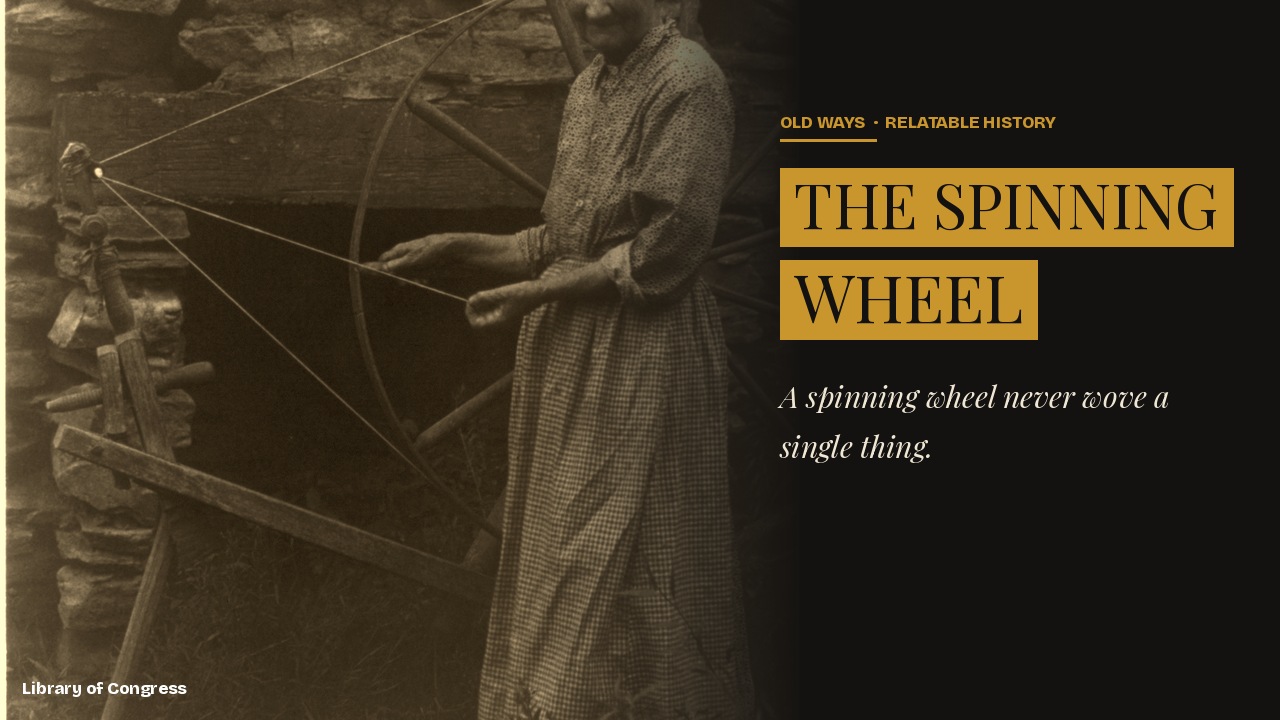
The Spinning Wheel’s Economics Were Worse Than You Think
A 2019 economic-history study found that hand-spinning, the very sector mechanized first, was already some of the worst-paid work in England — which undercuts a famous theory of why the Industrial Revolution began there at all.
-
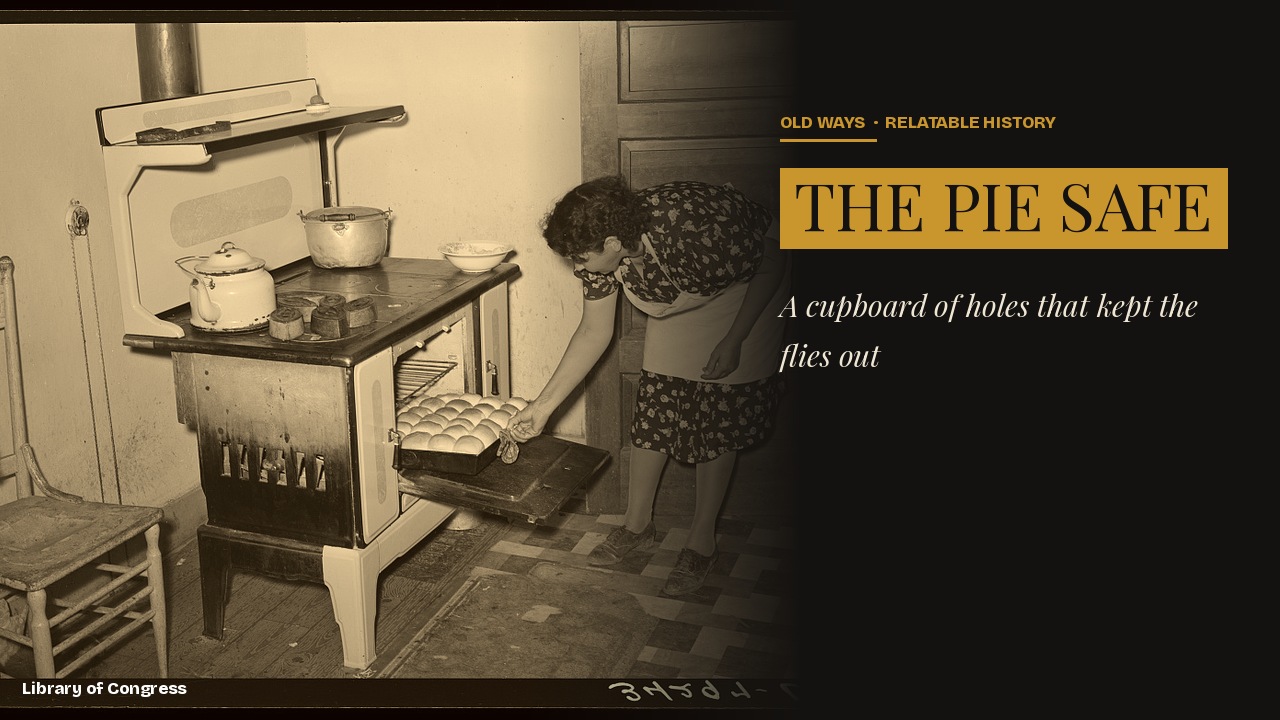
The Pie Safe That Kept Flies Out With Nothing But Holes
A pie safe kept flies and mice off a family’s food using nothing but a sheet of tin punched full of tiny, sharp-edged holes. The popular story credits Pennsylvania German immigrants with inventing the whole idea in the 1700s, but the real history is more layered: an older, undecorated ventilated cabinet form that predates them…
-
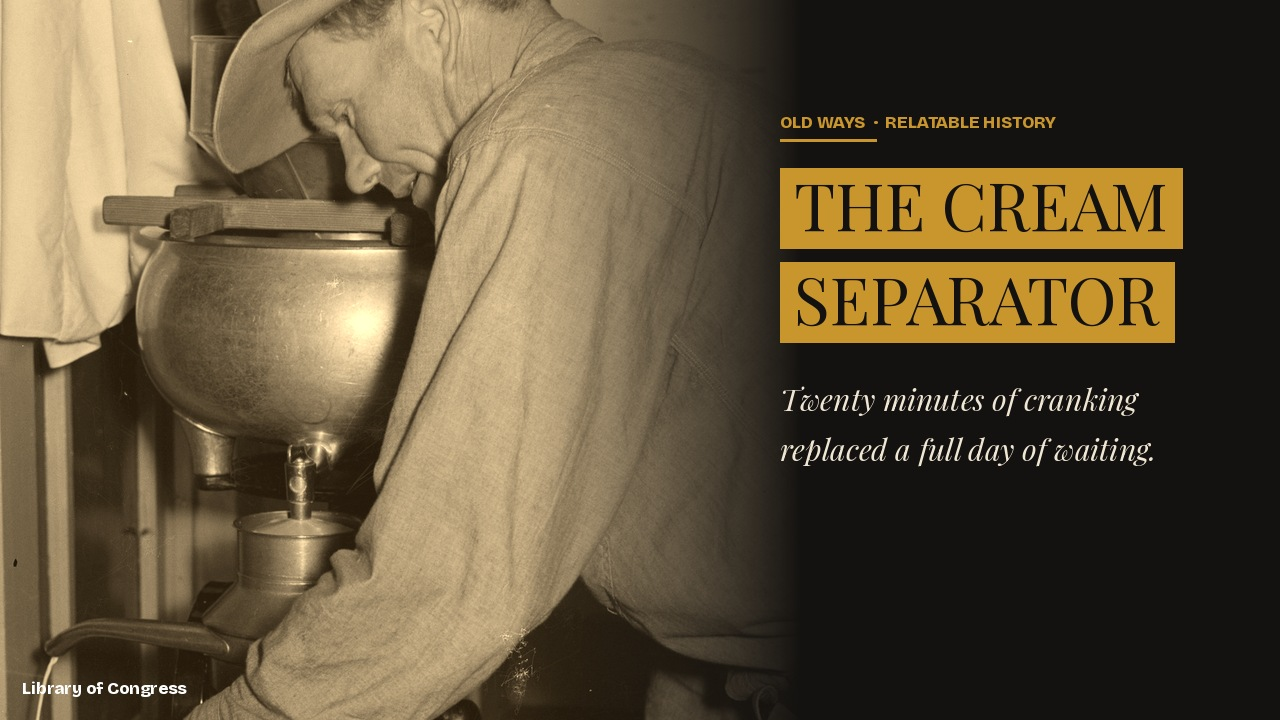
How Cream Separators Worked, and Why Every Farm Wanted One
A hand-cranked machine could pull nearly all the cream out of a bucket of milk in the time it took to turn a crank up to speed. Here is the engineering, and the chore, behind it.
-
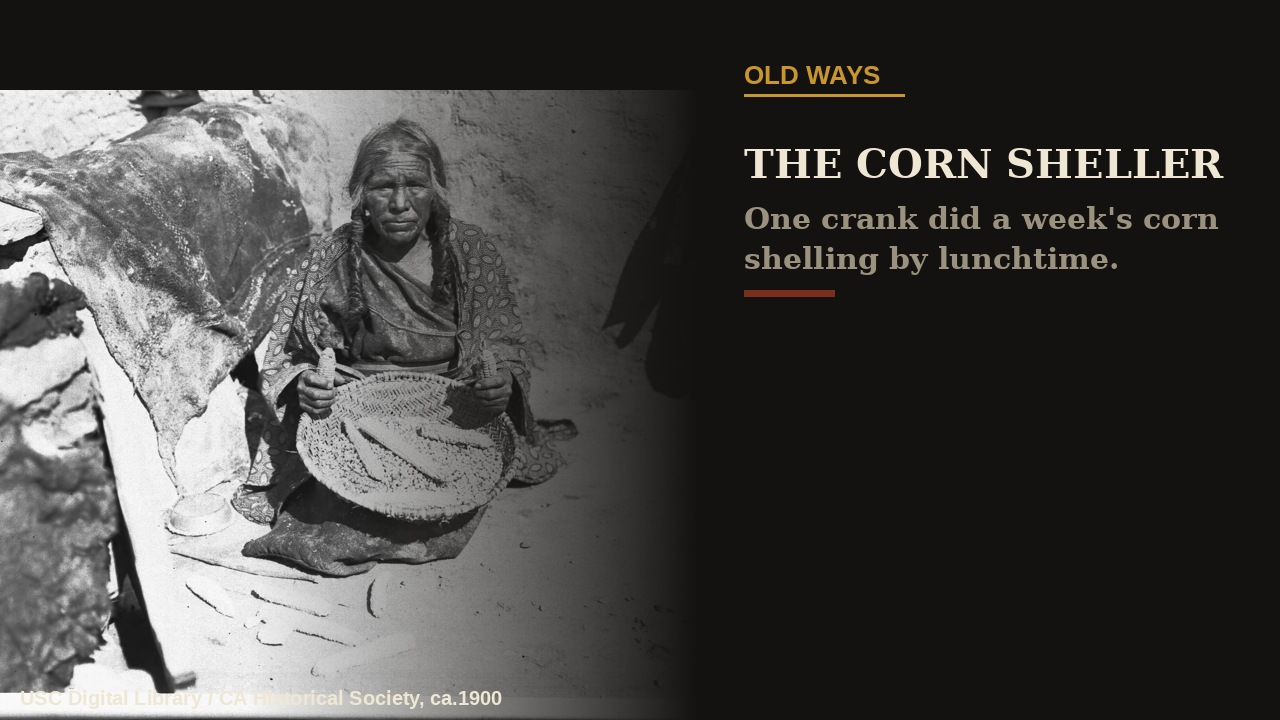
How Corn Shellers Worked, and Why American Farms Needed One
A crank and two toothed wheels replaced a chore that used to take all winter. Here is how the hand-crank corn sheller actually worked, and why hand shelling never fully disappeared.
-
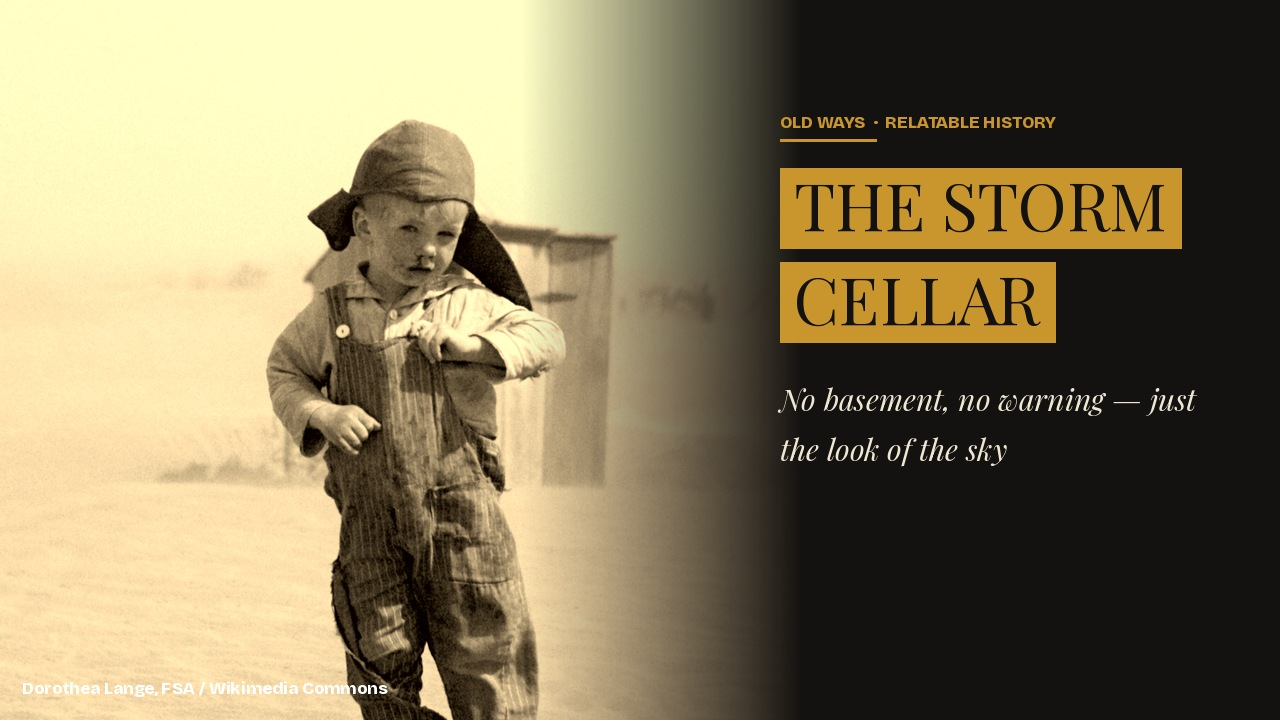
The Storm Cellar Existed Before Tornado Warnings Did
Until 1948, the United States had no functioning tornado warning system — forecasters were officially barred from using the word at all. The storm cellar is what families built instead.
-
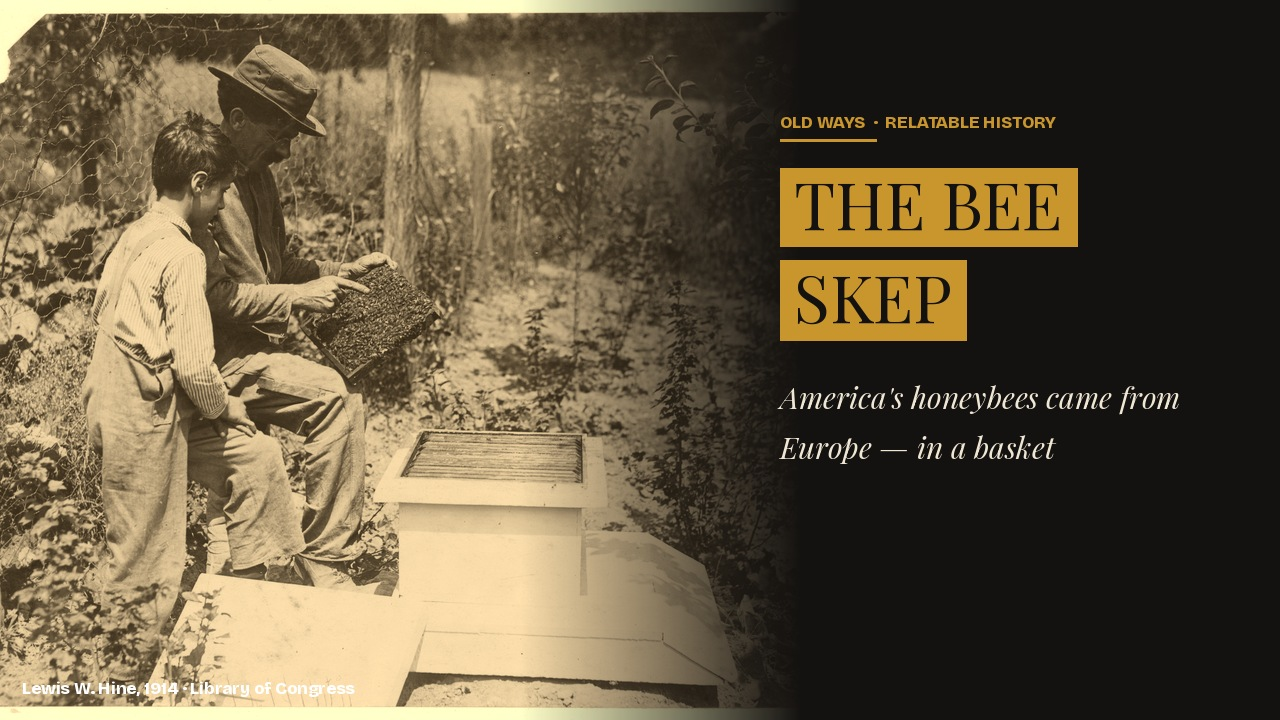
How Skep Beekeeping Worked Before the Movable-Frame Hive
A skep had no frames and nothing removable inside it, which is why, for roughly two hundred years, taking the honey usually meant killing the bees that made it.